How Many Fish Can You Keep on a Party Boat?
One of the most common questions I hear from folks heading out on their first party boat fishing trip in Florida is, "How many fish can I actually keep?" It’s a completely fair question, and honestly, the answer can feel a little murky when you're just starting out. You want to have a great time, catch some fish, and maybe even bring home dinner, but nobody wants to accidentally break the rules. This guide is here to clear up that confusion, explaining Florida's fishing regulations as they apply to party boat anglers so you can enjoy your trip with confidence.
The Core Rules: Understanding Florida's Recreational Bag Limits
Florida is an incredible fishing destination, and that's partly because the state takes conservation seriously. Every angler, whether you're on your own boat, fishing from shore, or joining a party boat, plays a role in protecting our amazing marine resources. Understanding the basic recreational bag limits is the foundation for any successful and legal fishing trip here.
Why Bag Limits Exist: Protecting Our Fisheries
Imagine if everyone could just keep every single fish they caught, regardless of size or species. Our vibrant fisheries, which draw anglers from all over the world, simply wouldn't last. Bag limits and size restrictions aren't there to make fishing harder; they're essential tools designed to ensure healthy fish populations for generations to come. They help prevent overfishing of specific species, especially those that are slower to reproduce or particularly sought after. It’s all about balance – letting us enjoy the bounty of the ocean while also giving fish a chance to grow, spawn, and replenish their numbers. When you abide by these rules, you're not just avoiding a fine; you're actively participating in the conservation efforts that keep Florida the "Fishing Capital of the World." These regulations are always evolving, so staying informed is crucial, especially regarding popular species like snapper and grouper, which often have specific seasons and quotas.
General Principles of Recreational Limits
Florida Fish and Wildlife Conservation Commission (FWC) sets these rules, and they are usually quite straightforward once you know where to look. Generally, limits are set "per person, per day." This means that you, as an individual angler, are allowed to keep a certain number of fish of a specific species within a 24-hour period. It doesn't matter if you caught them all in the first hour or throughout the day; once you hit your personal limit for that species, you must stop keeping them. There are also minimum and sometimes maximum size limits to consider. A "slot limit," for example, means you can only keep fish within a specific size range, ensuring that juveniles have a chance to mature and large breeding adults can continue to reproduce. Remember, these limits apply to everyone on the boat, even if you’re fishing with someone who doesn’t actively fish or is just spectating. Every fish kept must be attributed to an individual's bag limit. If you’re ever unsure about a particular species, the FWC website or their helpful apps are your best friends. You can also review our Florida Fishing Regulations and Bag Limits guide for a broader overview.
Party Boat Specifics: How Captains and Crew Affect Your Catch
Fishing on a party boat, sometimes called a head boat, is a fantastic way to get out on the water, especially if you don't own your own boat or want to try offshore fishing without the hassle. These trips often bring a large group of anglers together, and while the general FWC rules still apply, there are some unique dynamics at play regarding bag limits.
The Boat's Role: Collective vs. Individual Limits
This is where some of the biggest confusion comes in. While you might be fishing alongside 20 or 30 other people, the bag limits are almost always individual per angler, not a collective boat limit. So, if the limit for a certain snapper species is 5 fish per person, and you catch 5 legal-sized snapper, you've reached your personal limit for that species. Your catch doesn't count against anyone else's limit, and their catch doesn't count against yours. The only real "boat limit" consideration often comes into play with highly regulated species like certain types of red snapper, where federal quotas might sometimes influence how many fish the entire vessel can keep in a given season or trip, often meaning the captain might impose a stricter limit than the individual state regulations if the boat's quota is nearing its maximum. However, for most common party boat catches, you're responsible for your own bag limit. This structure makes it fair for everyone on board, ensuring that even if one angler has a particularly lucky day, it doesn't prevent others from keeping their share. This is a key difference from private charters, where the captain might take a more active role in distributing the collective catch among a smaller, private group.
Captain's Discretion and Guidance
One of the greatest benefits of fishing on a party boat is the expertise of the captain and crew. These seasoned pros are intimately familiar with the local regulations, current seasons, and species identification. They are your primary resource for understanding what you can and cannot keep on that particular day. Many captains will clearly announce the bag limits and size restrictions for target species at the beginning of the trip, or they'll have signage posted on the boat.
Furthermore, they often act as guardians of the regulations. If you catch a fish that's undersized, out of season, or over your limit, the crew will typically instruct you to release it immediately. They might even provide a quick lesson on proper catch-and-release techniques to maximize the fish's survival rate. On some boats, especially when a particularly regulated species is biting, the crew might keep a running tally of catches to help everyone stay within limits and to ensure the boat doesn't exceed any potential federal vessel quotas. Trust their judgment – they're looking out for both your compliance and the health of the fishery. When you're choosing a trip, many reputable party boat operators will list what species they target and their general rules on platforms like FishingBooker, which can help you set expectations before you even step aboard.
Common Species and Their Limits on Party Boats
Florida’s waters are teeming with a fantastic variety of fish, and party boats are designed to help you tap into that abundance, especially offshore. While specific limits can change, it's helpful to know the general rules for some of the most popular species you're likely to encounter. Always double-check current FWC regulations before your trip, as seasons and limits are subject to change based on stock assessments and conservation needs.
Snapper and Grouper: The Deep-Sea Favorites
When you head out on a Florida party boat, especially into the deeper Gulf or Atlantic waters, you're often targeting delicious snapper and grouper species. These are prime table fare and incredibly fun to catch. However, they are also some of the most heavily regulated fish, with specific seasons, size limits, and bag limits that can vary by species, region (Gulf vs. Atlantic), and even by time of year.
For example, you might encounter Gray Snapper (Mangrove Snapper), Lane Snapper, or Vermilion Snapper. Each will have its own minimum size and bag limit – perhaps 10 per person for Lane Snapper, or 5 per person for Mangrove Snapper, though these numbers are examples and could be different currently. Red Snapper, a highly prized species, is notoriously challenging due to its very short and specific season in federal waters, and often a strict 2-fish-per-person limit when it is open. Similarly, Gag Grouper, Red Grouper, and Scamp Grouper each have their own minimum size requirements and bag limits, typically around 2-3 fish per person, often with an aggregate limit on all grouper species combined. It's crucial to be able to identify your catch and know its specific rules. The crew on your party boat will be invaluable for this, often helping identify fish and measure them quickly to ensure compliance. Knowing the Florida Red Snapper Season Guide and Florida Grouper Season Guide is a great way to prepare.
Other Offshore Catches: Mahi-Mahi, Kingfish, and More
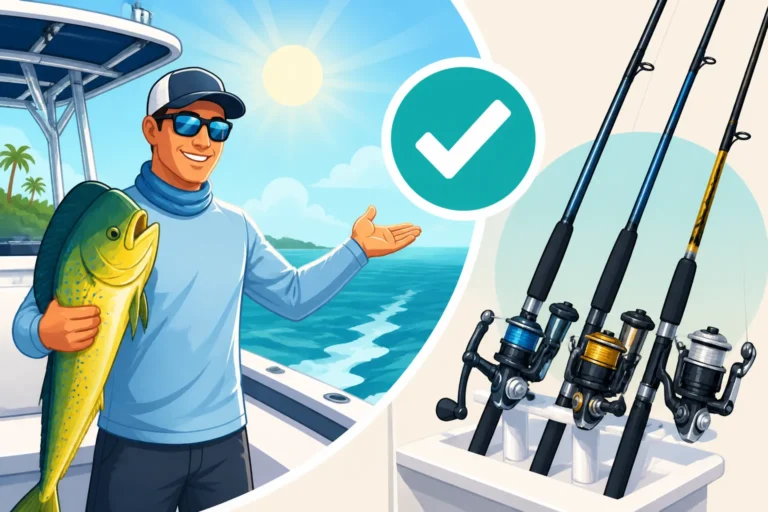
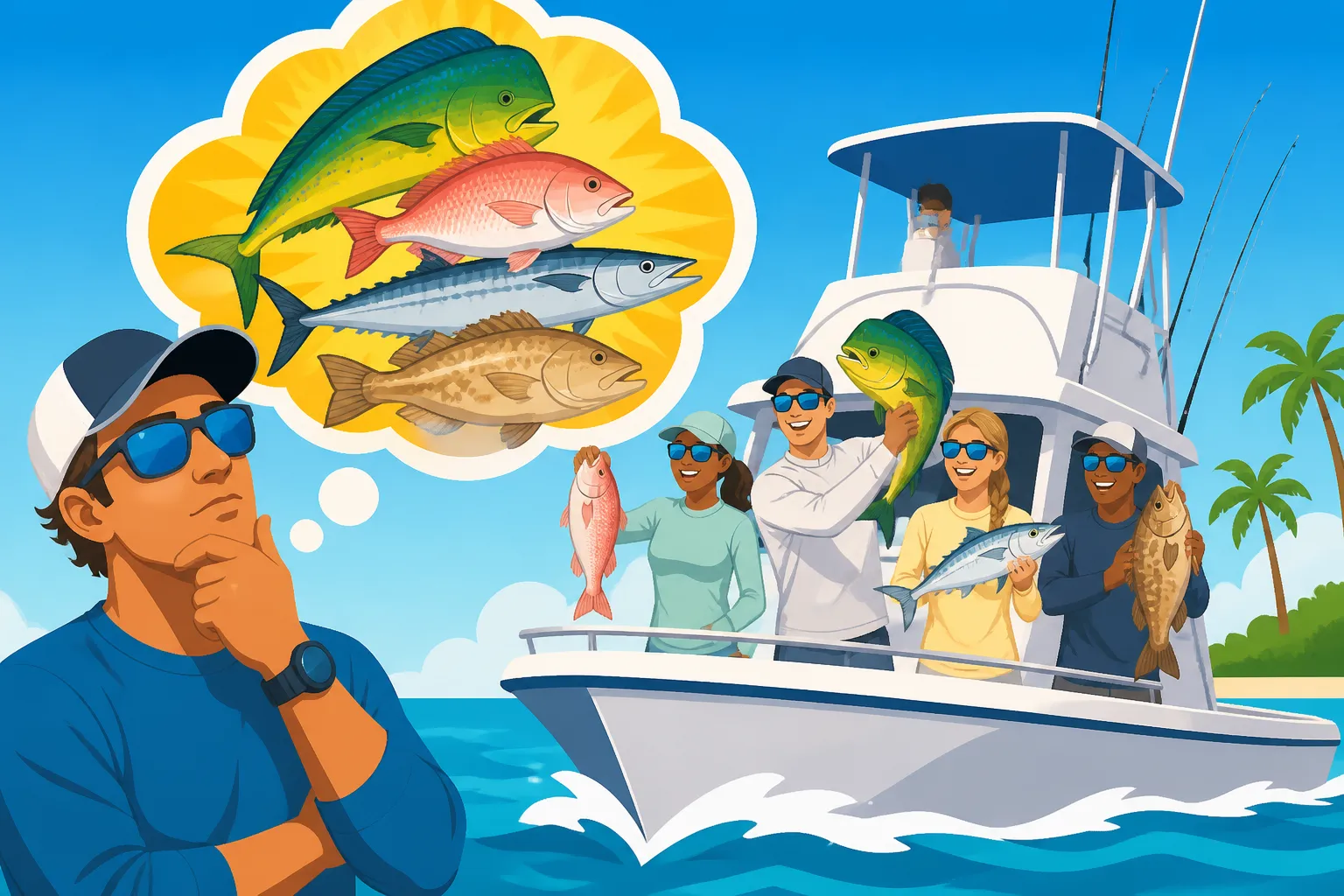
Beyond the bottom-dwelling snapper and grouper, party boats often put you over structures or troll through open waters where other exciting pelagic species lurk. Mahi-Mahi (Dolphin), also known as Dorado, are a popular target, known for their vibrant colors and acrobatic fights. These fish typically have a generous bag limit, often 10 fish per person, but a boat limit might also apply for larger groups. King Mackerel (Kingfish) are another fantastic game fish, known for their blistering runs. Their bag limits are usually around 3 fish per person, though they too have specific size restrictions.
You might also hook into Spanish Mackerel, which are smaller but plentiful and delicious, with higher bag limits (often 15 fish per person). Amberjack, while not always the best table fare, are powerful fighters often found around wrecks and reefs, and they have strict seasons and limits. Even species like Bonito, which are great for bait, might have limits if you decide to keep them for other purposes. The variety is what makes party boat fishing so exciting! Before you book, check the party boat's website or their listing on a platform like FishingBooker to see what their typical target species are, as this will give you a better idea of what limits to expect.
| Species (Commonly Caught on Party Boats) | Typical Individual Bag Limit (Example Only – Subject to Change) | Typical Minimum Size Limit (Example Only – Subject to Change) | Season Considerations |
|---|---|---|---|
| Snapper Species: | |||
| Red Snapper | 2 fish per person | 16 inches total length | Very short, specific season |
| Gag Grouper | 2 fish per person | 24 inches total length | Specific seasons, areas vary |
| Red Grouper | 2 fish per person | 20 inches total length | Specific seasons, areas vary |
| Mangrove (Gray) Snapper | 5 fish per person | 12 inches total length | Open most of the year |
| Lane Snapper | 10 fish per person | 8 inches total length | Open most of the year |
| Vermilion Snapper | 10 fish per person | 10 inches total length | Open most of the year |
| Pelagic Species: | |||
| Mahi-Mahi (Dolphin) | 10 fish per person (boat limit may apply) | 20 inches fork length | Open year-round |
| King Mackerel | 3 fish per person | 24 inches fork length | Open year-round |
| Spanish Mackerel | 15 fish per person | 12 inches fork length | Open year-round |
| Amberjack (Greater) | 1 fish per person | 30 inches fork length | Specific seasons |
Disclaimer: This table provides example limits for illustrative purposes only. Florida FWC regulations are subject to frequent changes based on scientific assessments and management decisions. Always verify current regulations directly with FWC or your charter captain before fishing.
Best Practices for Anglers on a Party Boat
Stepping onto a party boat is an exciting experience, a shared adventure with fellow anglers. To ensure you have the best time possible and contribute to a successful, compliant trip for everyone, it’s helpful to adopt a few best practices.
Knowing Before You Go: Researching Regulations
The absolute best thing you can do as an angler is to be prepared. Before you even head to the dock, take a few minutes to familiarize yourself with the current FWC regulations, especially for the species that the party boat typically targets. While the crew is there to help, having a basic understanding yourself will empower you and make the trip smoother.
Check the FWC website for current bag limits, size restrictions, and open/closed seasons for both Gulf and Atlantic waters, depending on where your party boat operates. There are often helpful FWC apps available for your phone that put all this information right in your pocket. Knowing if a specific type of grouper is out of season, for instance, means you'll know to quickly release any you catch, saving valuable time for both you and the crew. Many party boat companies will also list their target species and any specific rules or policies they have on their website or when you book through services like FishingBooker, which makes planning your trip a breeze. Being informed also helps you avoid common pitfalls, like fishing without the proper documentation. Remember, even on a party boat, you still typically need your own Florida Fishing License Guide if you're over the age limit or not exempt.
Respecting Your Limits and Your Fellow Anglers
Fishing on a party boat is a communal experience, and courtesy goes a long way. This includes not just respecting your own bag limits, but also being mindful of others. Once you've caught your legal limit of a particular species, it's essential to stop retaining that species. If you keep catching them, practice responsible Catch and Release Best Practices for Snook or other species to ensure their survival. Don't try to hide fish or claim someone else's catch as your own if they've already limited out – this is illegal and disrespectful to everyone.
Furthermore, be aware of your space and tackle. Party boats can get crowded, so try not to cast over other lines or hog the best spots on the rail. If you need assistance with a tangled line or identifying a fish, don't hesitate to ask the crew; that's what they're there for. A little patience, a friendly attitude, and a commitment to following the rules will make the trip enjoyable for you and everyone else on board. Always remember to ask the crew about any specific boat rules, like where to store your cooler or how fish are handled at the end of the trip, as these can vary. And, of course, a little something extra for the crew is always appreciated for their hard work and guidance – you can learn more about this in our Tipping Etiquette for Florida Fishing Guides article.
Disclaimer
This article is for general informational purposes only and does not constitute professional advice. Laws, prices and regulations vary by location and change over time. Consult a qualified professional for guidance on your specific situation.