Florida Spiny Lobster Mini-Season License Requirements
Getting ready for Florida's spiny lobster mini-season is an exhilarating time, but let's be real, navigating all the license requirements can feel like trying to untangle a hundred yards of fishing line in the dark. It’s incredibly frustrating to plan your trip, gather your gear, and then worry if you've got all your ducks in a row with the Florida Fish and Wildlife Conservation Commission (FWC). This comprehensive guide is here to cut through the confusion and lay out exactly which licenses and permits you need to legally participate in the Florida spiny lobster mini-season, ensuring your focus stays on spotting those delicious bugs, not avoiding fines.
Understanding the Florida Spiny Lobster Mini-Season
Florida’s spiny lobster mini-season is a unique event that draws thousands of recreational divers and snorkelers to the Sunshine State's coastal waters, particularly in the Florida Keys. It's a short, intense window specifically designed to give recreational harvesters a head start on the spiny lobster population before the regular season kicks in and commercial traps hit the water. This special period is steeped in tradition and anticipation, marked by crowded boat ramps, bustling dive shops, and a palpable excitement in the air.
The Purpose of the Mini-Season
The mini-season was established to provide recreational anglers and divers with an exclusive opportunity to harvest spiny lobsters. Without this brief two-day head start, commercial operations, which deploy thousands of traps, would likely deplete much of the nearshore lobster population before recreational divers even had a chance. It’s a way to balance the interests of both commercial and recreational sectors, ensuring that everyone gets a fair shot at these prized crustaceans. Think of it as a special opening act before the main show, a chance for individuals and families to enjoy the thrill of the hunt and bring home a fresh seafood dinner.
However, this recreational head start comes with its own set of rules and limitations, which are often stricter than those of the regular season. These regulations are critical for managing the resource sustainably and ensuring that there are plenty of lobsters for future generations. It’s a testament to Florida’s commitment to conservation, even amidst the fervor of one of its most popular recreational harvests.
Key Dates and Regions
The spiny lobster mini-season is consistently scheduled for the last consecutive Wednesday and Thursday of July each year. This fixed timing makes it easy for enthusiasts to mark their calendars well in advance and plan their trips. For example, in 2024, the mini-season dates were July 24-25. It’s always a mid-week affair, which helps manage crowd levels slightly compared to a weekend event, though it still attracts a massive influx of visitors to prime lobster-catching regions.
While you can technically harvest spiny lobsters along much of Florida's coastline during the mini-season, certain areas are renowned hotspots. The Florida Keys, particularly Monroe County, are the epicenter of the mini-season action. Other popular locations include areas around Biscayne Bay and parts of the Gulf Coast. It's worth noting that some areas, like John Pennekamp Coral Reef State Park and Everglades National Park, have specific prohibitions against lobster harvesting during the mini-season to protect delicate ecosystems. Always check local regulations for your intended harvesting spot, as rules can vary even within close proximity.
Special Regulations During Mini-Season
Beyond the general licensing requirements, the mini-season comes with several distinct regulations designed to manage the intense harvesting pressure. The bag limit for mini-season is typically six lobsters per person per day, except in Monroe County and Biscayne National Park, where the limit is more generous at 12 lobsters per person per day. It’s crucial to remember this distinction to avoid inadvertently violating the rules. All lobsters must have a carapace length greater than 3 inches, and this measurement must be taken in the water before bringing the lobster aboard your vessel.
Another critical rule is the prohibition of night diving in Monroe County during the mini-season. This restriction is primarily for safety, given the sheer number of divers in the water during daylight hours. Spearfishing for lobsters is also universally prohibited; recreational harvest is limited to using a tickle stick and net, or by hand. You'll also need a dive flag displayed appropriately if you're in the water. These special regulations are non-negotiable and are strictly enforced by the FWC, so make sure you're well-versed in them before you hit the water. Understanding these rules is just as important as having the right licenses to ensure a safe and legal mini-season experience. You can find detailed information on these and other rules in the general Florida Fishing Regulations and Bag Limits.
Essential License Requirements for Mini-Season
Alright, let's get down to brass tacks: what licenses do you actually need? This is where many people get tripped up, thinking a single permit covers everything. In Florida, it’s a two-part deal for recreational lobster harvesting, and failing to have both can lead to a hefty fine. It's not just about the lobster permit itself; there's a foundational license that many overlook, especially those coming from out of state or new to Florida's fishing scene.
The Base Recreational Saltwater Fishing License
First and foremost, to harvest spiny lobsters in Florida's saltwater, you must possess a valid Florida recreational saltwater fishing license. Yes, even though you're not technically "fishing" with a hook and line, this base license is required for the taking of most marine organisms, including crustaceans like lobster. It's the entry ticket to the saltwater recreational harvest world. Many people assume they only need the special lobster permit, but without this underlying saltwater fishing license, that permit is effectively invalid.
This license helps fund critical conservation efforts, habitat restoration, and fisheries management programs that directly benefit the health of Florida's marine ecosystems, including the very lobsters you're hoping to catch. So, while it might seem like an extra step, it's a vital contribution to the environment you enjoy. Whether you're a seasoned angler or someone who only dips a toe into marine harvesting once a year for mini-season, this license is non-negotiable. Make sure to consult the Florida Saltwater Fishing License Rules for all the specifics about what this license entails.
Residency vs. Non-Residency Considerations
The cost and duration of your recreational saltwater fishing license, and indeed your spiny lobster permit, will vary significantly based on your residency status. Florida residents typically enjoy more affordable options, including annual and even five-year licenses. To qualify as a Florida resident for licensing purposes, you generally need to have established permanent residency in the state for at least six continuous months. This usually requires proof like a Florida driver's license or a voter registration card. Understanding your residency status is crucial, as misrepresenting it can lead to severe penalties. For a detailed breakdown of eligibility, check out the article on Florida Resident Fishing License Rules.
Non-residents, including out-of-state visitors and snowbirds who haven't met the residency requirements, will pay a higher fee for their licenses. However, Florida offers various short-term options, such as 3-day or 7-day non-resident licenses, which can be perfect for a quick mini-season trip. These short-term licenses are designed to accommodate tourists who want to experience Florida's incredible outdoor opportunities without committing to a full annual license. Even if you're just visiting for a few days specifically for the mini-season, you'll need to secure the appropriate non-resident saltwater fishing license along with your lobster permit. You can find more specific pricing and options discussed in the Florida Nonresident Fishing License Rules.
Age and Other Exemptions
Now, this is where some good news comes in, especially for families planning a mini-season adventure. Not everyone needs a recreational saltwater fishing license, and by extension, a spiny lobster permit. The FWC has specific exemptions based on age and other criteria. For instance, children under 16 years of age are generally exempt from needing a Florida fishing license, whether they are residents or non-residents. This makes it a fantastic activity to enjoy with the whole family, encouraging younger generations to get involved in outdoor sports.
There are also exemptions for Florida residents who are 65 years of age or older and possess a valid Florida Resident Senior Citizen Hunting and Fishing Certificate. Additionally, certain disabled residents may qualify for specific exemptions or discounted licenses. It’s important to remember that even if you fall under an exemption for the base saltwater fishing license, you might still need to acquire a free annual Resident Disabled Person's Fishing License, or similar, that effectively acts as your base license when getting the lobster permit. Always double-check the current Florida Fishing License Exemptions to see if you or anyone in your party qualifies. It can save you some money and simplify the process, but don't assume – verify!
Additional Permits and Endorsements
Beyond the foundational saltwater fishing license, there's a specific permit that is absolutely non-negotiable for harvesting spiny lobsters in Florida. This is often the permit that newcomers or infrequent participants forget, leading to unwelcome encounters with law enforcement. It's a small detail that makes a huge difference in your legality.
The Crucial Lobster Permit
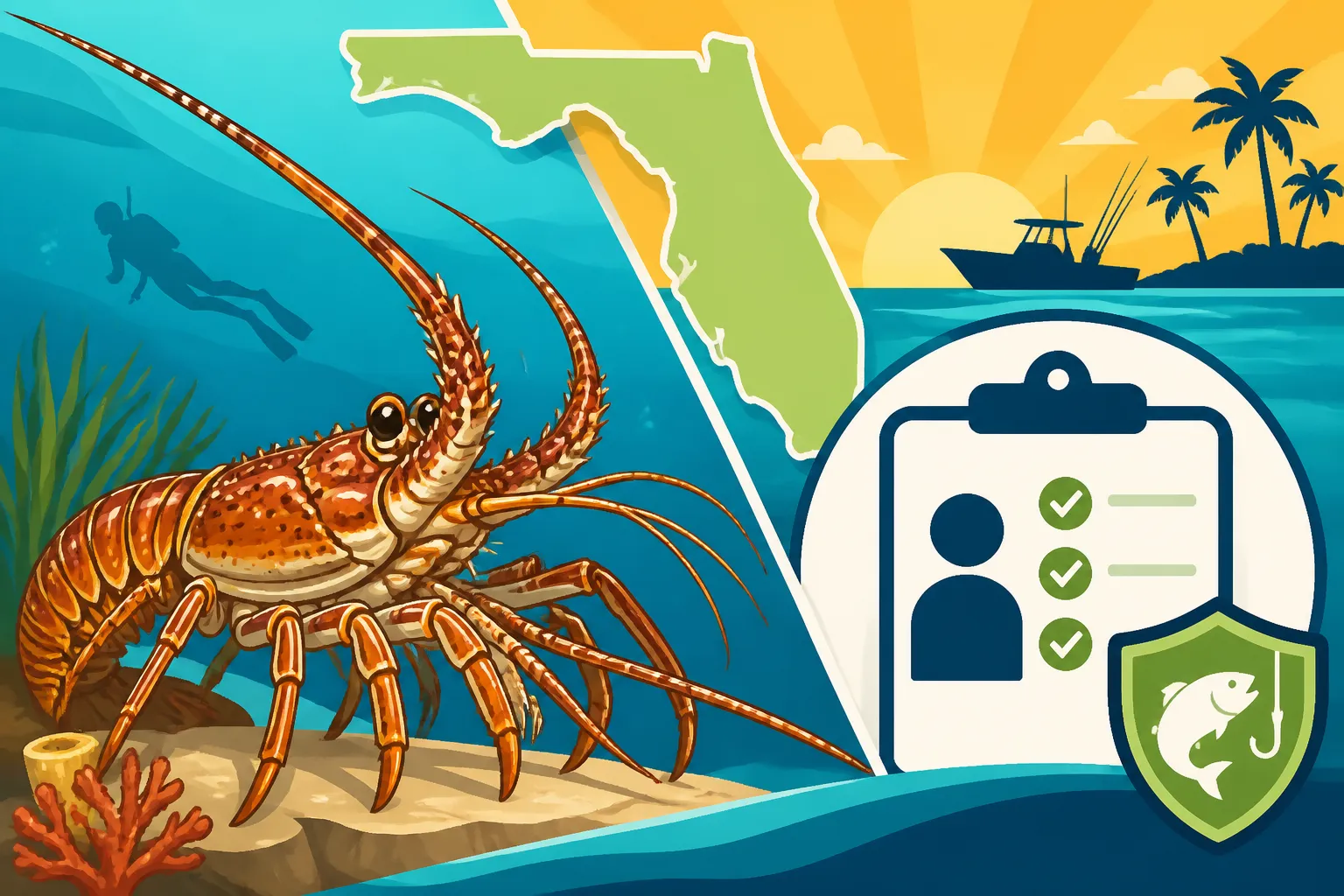
This is it: the Florida Spiny Lobster Permit. This permit is an add-on to your recreational saltwater fishing license and is required for anyone who wishes to harvest spiny lobsters, whether during the mini-season or the regular season. It’s a separate purchase, and you cannot simply buy the lobster permit without first having a valid recreational saltwater fishing license (or qualifying for an exemption that grants you an equivalent base license). Think of your saltwater fishing license as the foundation, and the lobster permit as the specific tool for a specific job – catching lobsters.
The lobster permit is typically inexpensive, and just like your base license, it contributes directly to the FWC's efforts to monitor and manage the spiny lobster population. By requiring this specific permit, the FWC can better track participation in lobster harvesting and make informed decisions about future regulations, ensuring the sustainability of this valuable resource. Forgetting this permit is one of the most common mistakes divers make, and FWC officers are very aware of this. Do yourself a favor and confirm you have both before heading out. All the details, including current costs and how it works with other licenses, are thoroughly explained in the Florida Lobster Permit Requirements guide.
Spearfishing Endorsement Not Applicable for Lobster
While Florida offers various endorsements for specialized fishing activities, it's crucial to understand that a spearfishing endorsement is not applicable for spiny lobster. In Florida, it is strictly illegal to take spiny lobsters by spearing them. This regulation is in place to protect the lobsters and ensure fair harvesting practices. Lobsters must be captured by hand or by using a legal tickle stick and net.
So, if you're planning to participate in the mini-season, you do not need to worry about a spearfishing endorsement. In fact, attempting to spear a lobster could land you in serious trouble. The FWC is very clear on this rule, and it's enforced to prevent damage to the lobsters and to maintain a more ethical and sustainable harvesting method. Stick to the tickle stick and net, and leave the spear guns for other permitted species.
How to Acquire Your Lobster Mini-Season Licenses
Now that you know what you need, the next logical question is how to get it. Thankfully, Florida has streamlined the process over the years, offering several convenient options to purchase your fishing licenses and permits. You won't have to jump through too many hoops, but knowing the best avenues can save you time and hassle, especially when mini-season crowds are flocking to coastal towns.
Online Purchase Through Go Outdoors Florida
The easiest and most recommended way to purchase your Florida recreational saltwater fishing license and spiny lobster permit is online through the Florida Fish and Wildlife Conservation Commission's Go Outdoors Florida website. This official portal allows you to purchase licenses 24/7 from anywhere with internet access. It’s a straightforward process: you create an account (or log in if you already have one), select the licenses you need, pay with a credit card, and you're good to go. The system will guide you through adding both the base saltwater license and the spiny lobster permit.
Purchasing online means you can avoid lines, especially during the hectic mini-season rush. You’ll receive immediate confirmation, and your license information will be electronically linked to your customer ID. This digital convenience is incredibly useful. You can often access your license information directly on your phone, making it easy to prove you're legal on the water. For a step-by-step walkthrough, check out our guide on How to Buy a Fishing License Online.
In-Person Options and Local Retailers
If you prefer a face-to-face transaction or need some last-minute assistance, there are plenty of physical locations where you can purchase your licenses and permits. Many local bait and tackle shops, sporting goods stores like Bass Pro Shops or Dick's Sporting Goods, and even some Walmarts in Florida are authorized license agents. These locations often have knowledgeable staff who can help ensure you're getting exactly what you need. County tax collectors' offices also typically issue licenses.
The benefit of buying in person is that you can get a physical copy of your license right away, which some people prefer to carry alongside a digital version. However, be prepared for potential lines, especially in popular mini-season destinations like Key West or Marathon in the days leading up to the event. Planning ahead and purchasing online is usually the less stressful route, but it’s good to know you have these local options if needed. You can find more information about these locations in Where to Buy a Florida Fishing License Near You.
Proof of Purchase and Digital Licenses
Once you've purchased your licenses and permits, whether online or in person, you need to ensure you have valid proof while you're out on the water. If you buy online, your customer ID number is often sufficient, and you can display your license information on your smartphone using the GoOutdoorsFlorida app. The FWC generally accepts digital proof, making it convenient. However, it's always a good idea to have a screenshot or a printed copy as a backup, just in case you lose cell service or your phone battery dies when an FWC officer asks to see your credentials.
If you purchase in person, you'll typically receive a paper license that you can carry. Regardless of how you obtain it, carrying proof of your valid recreational saltwater fishing license and your spiny lobster permit is a legal requirement. Failure to produce valid documentation when requested by a law enforcement officer can result in fines. Make sure your physical or digital license is readily accessible and clearly legible. The peace of mind alone is worth the small effort to be prepared!
Common Mistakes and FAQs
Even with all the information at your fingertips, it’s easy to make mistakes or misunderstand certain nuances of mini-season regulations. Given the intensity and excitement surrounding this event, missteps are common. Let’s address some of the most frequently asked questions and common pitfalls people encounter.
Forgetting the Lobster Permit Itself
As mentioned, this is arguably the number one mistake. People remember they need a fishing license, but they often forget that the spiny lobster permit is a separate, required endorsement. They'll have their Florida Saltwater Fishing License, feeling fully prepared, only to be stopped and discover they're missing the crucial lobster permit. It's an easy oversight, especially if you're not a regular lobster hunter.
To avoid this, when you're purchasing your licenses, make a mental or physical checklist: 1) Recreational Saltwater Fishing License (or valid exemption), 2) Spiny Lobster Permit. If you’re purchasing online, the Go Outdoors Florida system will usually prompt you to add relevant permits, but always double-check your cart before finalizing. It's a small additional cost, but it saves you from significant fines and the embarrassment of being caught unprepared. The FWC takes lobster conservation seriously, and having the correct permit shows you do too.
Misunderstanding Bag Limits and Gear Restrictions
Another area of confusion revolves around the specific regulations for mini-season, especially for those who might be more familiar with regular season rules or general fishing limits. The bag limits (6 per person, or 12 in Monroe County/Biscayne National Park) are often misunderstood, with people sometimes applying the wrong limit to the wrong area. This can be particularly problematic if you're traveling between regions.
Furthermore, the gear restrictions, such as the tickle stick and net requirement and the prohibition on spearfishing for lobster, are sometimes overlooked. Some divers also forget that lobsters must be measured in the water to ensure they meet the 3-inch carapace minimum. You cannot bring undersized lobsters to the surface to measure them. These rules are in place to ensure fair chase, promote sustainability, and protect the lobsters during a high-pressure harvesting event. Always carry a legal lobster measuring gauge with you, and review the current Florida Fishing Regulations and Bag Limits before your trip.
What Happens If You Don't Have the Right License
Let's not sugarcoat it: fishing or harvesting lobster without the proper licenses and permits in Florida can lead to serious consequences. FWC law enforcement officers are actively patrolling during mini-season, and they are very adept at identifying non-compliant individuals. If you are caught harvesting spiny lobster without the required recreational saltwater fishing license and spiny lobster permit, you could face significant fines, confiscation of your catch and gear, and even legal action.
The financial penalties can quickly add up, easily surpassing the cost of the licenses you failed to purchase. Beyond the monetary cost, there's the frustration and disappointment of having your trip cut short and your hard-earned catch taken away. It's simply not worth the risk. Always ensure you are fully compliant with all state and local regulations. Being prepared is not just about avoiding trouble; it’s about participating responsibly in Florida’s incredible natural resources. You can learn more about the potential repercussions in our guide on What Happens If You Fish Without a License.
| License/Permit Type | Required for Mini-Season | Notes |
|---|---|---|
| Florida Recreational Saltwater Fishing License | Yes | The foundational license for all saltwater harvesting. |
| Florida Spiny Lobster Permit | Yes | Specific add-on permit for lobster. Required in addition to base. |
| Spearfishing Endorsement | No | Spearfishing for lobster is illegal in Florida. |
| Florida Resident Senior Certificate | No (Exemption) | Acts as base fishing license if 65+ years and a resident. Still need lobster permit if not exempt. |
| Under 16 Years of Age | No (Exemption) | Children under 16 are exempt from base fishing license and permit. |
Disclaimer
The information provided in this guide is for general informational purposes only and does not constitute legal advice. Fishing and hunting regulations in Florida can change, and it is the responsibility of each individual to verify the most current rules and regulations with the Florida Fish and Wildlife Conservation Commission (FWC) before engaging in any activities. Always consult the official FWC website or contact them directly for the most up-to-date and accurate information.