Fishing License Rules for Blind Anglers in Florida
For anglers who are blind or have severe visual impairments, the idea of getting out on the water and casting a line can be both exhilarating and a bit daunting, especially when trying to navigate the often complex world of fishing licenses. It's easy to feel lost in a maze of regulations, wondering if your passion for fishing is adequately recognized within the state's rules. This guide is here to untangle those complexities, specifically addressing the Florida fishing license rules for blind anglers and ensuring everyone knows their rights and responsibilities so you can focus on the joy of the catch.
Understanding Florida's Disability Fishing License Exemption
It's a common misconception that there's a specific "blind angler" fishing license in Florida. Instead, Florida offers a broader and wonderfully inclusive exemption for residents who are certified as totally and permanently disabled. This is fantastic news because it means that if you meet the criteria for total and permanent disability, which often includes blindness, you can enjoy fishing without needing to purchase an annual recreational fishing license. This isn't just a loophole; it's a thoughtful provision designed to make outdoor recreation accessible to all Florida residents.
Who Qualifies for the Exemption?
The Florida Fish and Wildlife Conservation Commission (FWC) guidelines are clear that this exemption is for residents who have a "total and permanent disability." What exactly does that mean? Generally, it refers to a physical or mental impairment that prevents an individual from engaging in any substantial gainful activity and is expected to last for a continuous period of at least 12 months or result in death. Blindness, especially total blindness, very often falls squarely within this definition. The key here is proper certification, as the state needs official documentation to confirm your eligibility.
This isn't about subjective interpretation; it's about meeting specific state-defined criteria. It's important to remember that this exemption applies to Florida residents. If you're an out-of-state visitor, the rules for Florida Nonresident Fishing License Rules generally apply, and specific disability exemptions might differ or not be available, even if you are blind. Always double-check current FWC regulations for non-residents if you're visiting.
The Role of the Florida Resident Disabled Person’s Hunting and Fishing Certificate
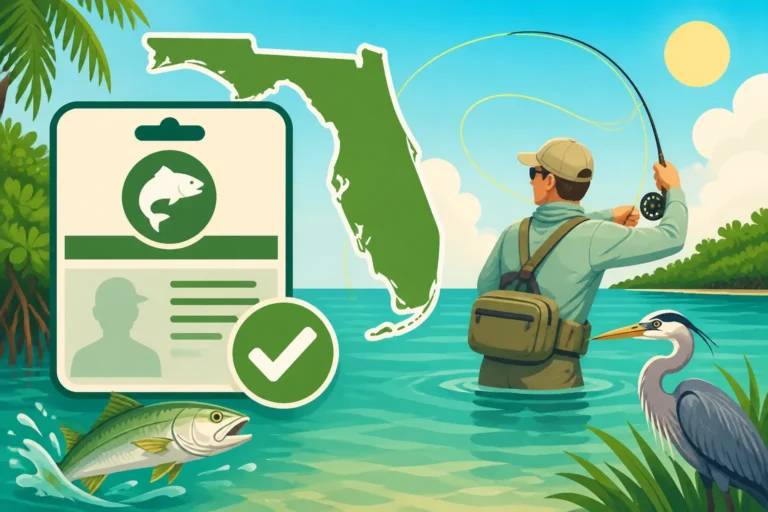
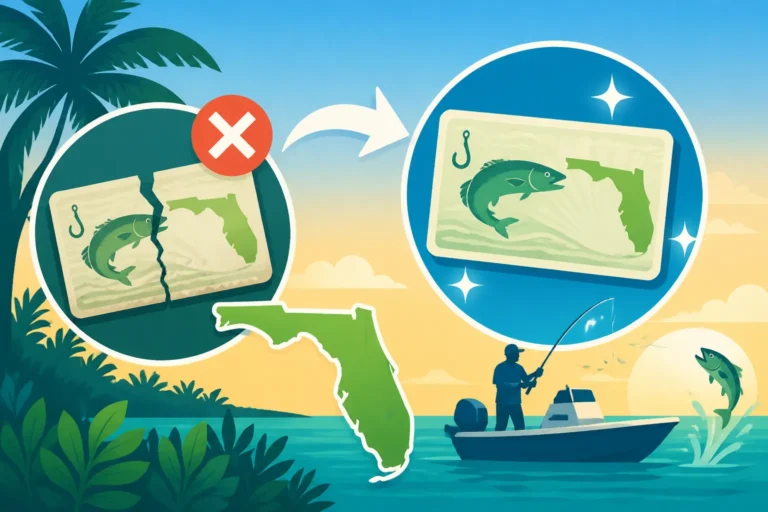
While you don't purchase a license, per se, you still need proof of your exemption. This comes in the form of a "Florida Resident Disabled Person’s Hunting and Fishing Certificate." Think of it as your official pass to fish and hunt (if you also qualify for hunting) without having to buy the standard licenses. This certificate isn't just for show; it's what you'd present to a FWC officer if requested, proving your right to fish license-free. It's a critical piece of documentation to have with you whenever you're out on the water.
This certificate is generally free, which is another huge benefit. It's not like the typical annual or multi-year licenses that come with a fee. The process is designed to remove financial barriers, allowing disabled residents to enjoy Florida’s incredible natural resources. Getting this certificate is a one-time process, provided your disability remains total and permanent. For those wondering about other exemptions, the broader guide on Florida Fishing License Exemptions can provide more context.
How to Apply for the Disabled Angler Exemption
Navigating the application process can seem like a hurdle, but it's more straightforward than you might think. The main goal is to provide the FWC with verifiable proof of your total and permanent disability. They need to ensure that the exemption is being granted to those who truly qualify according to Florida Statute.
Required Documentation and Certification
To apply for the Florida Resident Disabled Person’s Hunting and Fishing Certificate, you'll need to submit an application form to the FWC. This form typically requires a licensed Florida physician to certify your total and permanent disability. This physician will need to sign off, confirming that your condition meets the state's criteria. It's crucial that the certification is thorough and accurate, as any discrepancies could delay the processing of your application. Sometimes, documentation from agencies like the Social Security Administration or the Florida Department of Veterans' Affairs, which already certifies total and permanent disability, can also be used.
For blind individuals, a physician's certification of legal blindness or total blindness is usually sufficient to meet the disability criteria. However, always refer to the specific FWC application form for the most up-to-date requirements, as these can sometimes be nuanced. You'll want to gather all necessary medical records before visiting your doctor to complete the form, making the process smoother for everyone involved. For specific details on who needs a fishing license in Florida, it's always a good idea to consult official FWC resources.
Submitting Your Application
Once you have the physician's certification and the completed application form, you can submit it to the FWC. This can usually be done by mail. The FWC will review your application, and if everything is in order, they will issue your Florida Resident Disabled Person’s Hunting and Fishing Certificate. It’s always a good idea to keep a copy of your application and all supporting documents for your records. The processing time can vary, so it's wise to apply well in advance of any planned fishing trips.
Remember, once you have this certificate, it replaces the need for a standard Florida Freshwater Fishing License Rules or Florida Saltwater Fishing License Rules. This is especially helpful if you enjoy fishing in both environments, as it covers both with a single certificate.
Comparison of Florida Fishing License Exemptions (Selected Categories)
| Exemption Type | Eligibility Criteria | Proof Required (Common) |
|---|---|---|
| Florida Resident Disabled Person’s Certificate | Florida resident certified as totally and permanently disabled (includes many forms of blindness). | Physician's certification on FWC form, or documentation from SSA/VA. |
| Florida Senior Citizen (65+) | Florida resident, 65 years or older. | Florida Driver's License/ID. |
| Military Fishing License Exemptions | Active duty military on leave in Florida (with orders), or disabled veterans meeting specific criteria. | Military ID, leave orders, or VA documentation. |
| Kids Under 16 | Any resident or non-resident under 16 years of age. | Age verification (e.g., birth certificate if asked, but generally assumed). |
| Shoreline Fishing (Residents Only) | Florida resident fishing for saltwater species from shore or a structure attached to shore. | Florida Driver's License/ID. (Note: does NOT cover boat, kayak, or specific gear like nets). |
Practical Considerations and Adaptive Fishing for Blind Anglers
Getting the exemption is just the first step. For blind anglers, the real adventure begins when they find ways to enjoy fishing safely and effectively. Modern technology and thoughtful adaptations have opened up a world of possibilities, making fishing not just possible but incredibly rewarding.
Adaptive Gear and Tools
The market for adaptive fishing gear has grown significantly, offering tools that can greatly enhance the fishing experience for blind anglers. For instance, audible bite alarms can be clipped onto your fishing rod, signaling a strike with a sound, eliminating the need to constantly watch the line. Rod holders that secure your rod while you wait can also provide stability and peace of mind. Some anglers even use GPS devices with voice navigation to help them get to specific fishing spots or retrieve their boat if they are independently navigating. You can find a wide range of these adaptive tools on platforms like Amazon, making it easier than ever to equip yourself for success.
Beyond specialized gear, consider the basics: comfortable, high-contrast clothing if you have any residual vision, a well-organized tackle box where every item has its place, and perhaps even tactile indicators on your reel to help you feel the line retrieve. It's all about creating a system that works for you, minimizing potential frustrations and maximizing enjoyment. When considering options, remember that having the right gear can make a huge difference in your overall experience on the water.
Fishing with a Companion or Guide
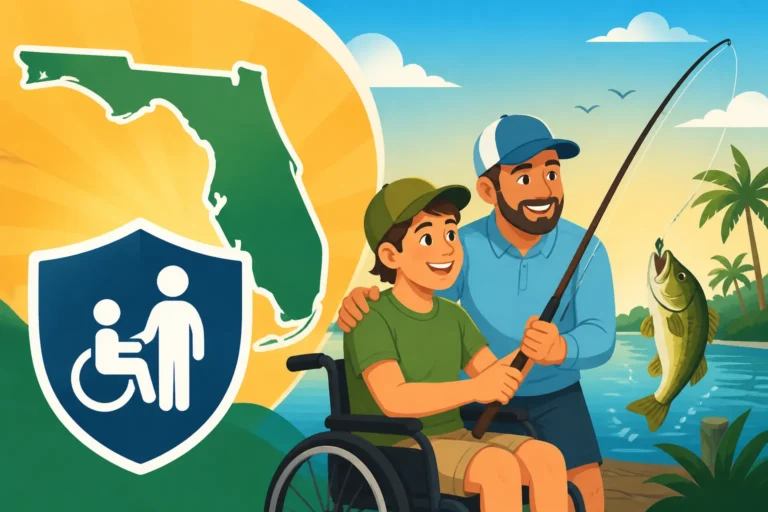
For many blind anglers, fishing with a sighted companion, friend, or a professional guide significantly enhances the experience, offering an extra layer of safety and assistance. A companion can help with baiting hooks, casting, untangling lines, and identifying potential hazards, while allowing the blind angler to focus on the feel of the rod and the thrill of the fight. There are many excellent Florida Fishing Charter Guides who are experienced in assisting anglers with various needs and can tailor their trips to ensure a safe and enjoyable outing. They often have an intimate knowledge of local waters, such as the Best Fishing Spots in Florida, and can provide invaluable assistance.
If you're considering a guide, discuss your needs beforehand to ensure they are equipped and comfortable providing the necessary assistance. Many guides genuinely enjoy sharing their passion for fishing with everyone, regardless of their visual abilities. This collaborative approach can lead to incredibly rich and memorable fishing experiences. Remember, safety should always be a top priority, and a trusted companion or guide can make all the difference.
Resources and Community Support
Florida has a vibrant fishing community, and many organizations are dedicated to making fishing accessible. Groups often host adaptive fishing events or provide resources for disabled anglers. Connecting with these communities can offer not only practical advice but also a sense of camaraderie and shared passion. Online forums and social media groups can also be excellent places to ask questions, share experiences, and learn about new adaptive techniques or gear. Even just searching for books on Florida fishing on Amazon, you might stumble upon communities or organizations referenced in their descriptions.
Don't hesitate to reach out to the FWC directly if you have specific questions about your eligibility or the application process. Their staff are generally very helpful and can guide you through the necessary steps. Exploring resources from organizations like the Florida Council of the Blind or other disability advocacy groups can also provide valuable information and support for pursuing outdoor activities.
Broader Florida Fishing License Exemptions to Be Aware Of
While the disabled person's certificate covers blind anglers, it's worth knowing about other exemptions. This knowledge can be useful for family and friends who might join you, or simply to understand the full scope of Florida's fishing regulations. It also highlights the FWC's effort to encourage participation in fishing for various demographics.
Age-Based Exemptions
One of the most widely known exemptions is for age. In Florida, any child under 16 years of age does not need a fishing license, regardless of residency. This is a fantastic initiative to get youngsters hooked on fishing early, fostering a love for the outdoors. On the other end of the spectrum, Florida residents who are 65 years of age or older also do not need a recreational fishing license. This applies to both freshwater and saltwater fishing. The primary requirement for seniors is proof of age and Florida residency, typically via a Florida driver's license or identification card. You can learn more about this in our guide, Do Seniors Need a Fishing License in Florida?.
These age-based exemptions are clear-cut and require minimal paperwork beyond proof of identity and age. They represent a significant portion of license-free anglers enjoying Florida's waters, allowing families to fish together without extensive license purchases for every member.
Shoreline and Pier Fishing Exemptions
Florida residents can also sometimes fish from the shoreline without a saltwater fishing license. This "Florida Free Shoreline Fishing License for Residents" allows you to fish for saltwater species from land or from structures attached to land, like docks and bridges that aren't specifically designated as requiring a pier license. This exemption, however, does not cover fishing from a boat, kayak, or other vessel. It's strictly for those casting from terra firma.
It’s important to clarify that this specific shoreline exemption only applies to residents. Non-residents fishing from the shore or piers would still typically need a Florida Nonresident Fishing License Rules. Additionally, some specific private piers or public fishing piers might hold a "pier license" that covers all anglers fishing from them, regardless of residency or individual license status. It's always a good idea to check with the specific pier or marina before you cast a line. For more on this, check out Do You Need a License to Fish From a Florida Pier?.
Free Fishing Days
Periodically, the FWC designates specific "Florida Free Fishing Days" during the year. On these days, usually a few times a year for both freshwater and saltwater, all anglers — residents and non-residents alike — can fish without a license. These days are designed to encourage participation and introduce new people to the sport. While these days offer a temporary reprieve from license requirements, they don't exempt anglers from other regulations like bag limits, size limits, or gear restrictions. You still need to follow all the other rules of the game to ensure sustainable fishing practices.
These free fishing days are an excellent opportunity for blind anglers to try out new spots or different fishing styles with friends and family without any concerns about licenses. Keep an eye on the FWC website for announcements on when these days will occur.
Disclaimer
The information provided in this guide is intended for general informational purposes only and does not constitute legal advice. While we strive to provide accurate and up-to-date information, fishing regulations and statutes in Florida can change. Always consult the official Florida Fish and Wildlife Conservation Commission (FWC) website or contact them directly for the most current and specific regulations applicable to your situation. Compliance with all fishing laws and regulations is the responsibility of the individual angler.