What to Bring on a Florida Fishing Charter
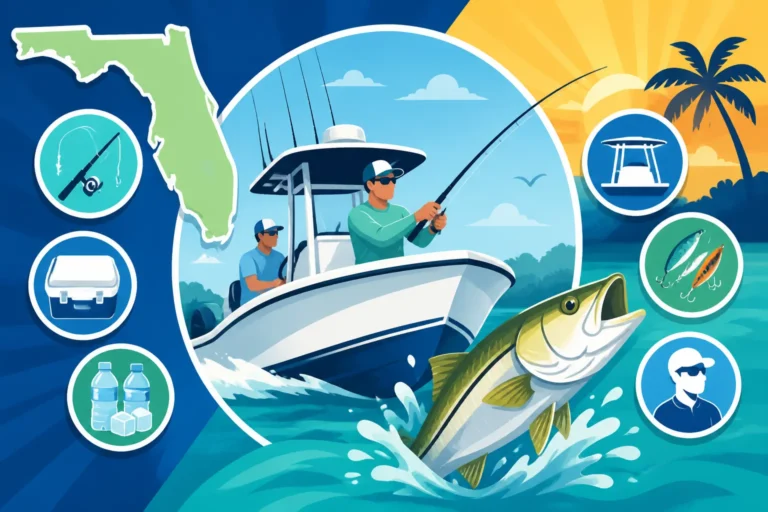
Heading out on a Florida fishing charter is an exhilarating experience, promising everything from battling a powerful snook to the thrill of offshore giants. However, the excitement can quickly turn to frustration if you arrive unprepared, realizing too late that you've forgotten a crucial item. This guide will help you pack smarter, ensuring you have everything you need for a comfortable, safe, and ultimately successful day on the water, whether it’s a half-day inshore trip or a full-day offshore adventure.
Essential Personal Gear for a Florida Fishing Charter
When you’re spending hours under the Florida sun or out on the open water, your personal comfort and safety should be paramount. Many anglers get so caught up in the idea of catching fish that they forget the basic necessities for themselves. Don't let a sunburn or dehydration cut your trip short!
Sun Protection is Non-Negotiable
Florida's sunshine is legendary, but it's also incredibly intense, especially when reflected off the water. Trust me, I've seen countless folks come back from a charter looking like a lobster, and that's no fun for anyone. Serious sun protection isn't just about avoiding a temporary burn; it's about long-term skin health.
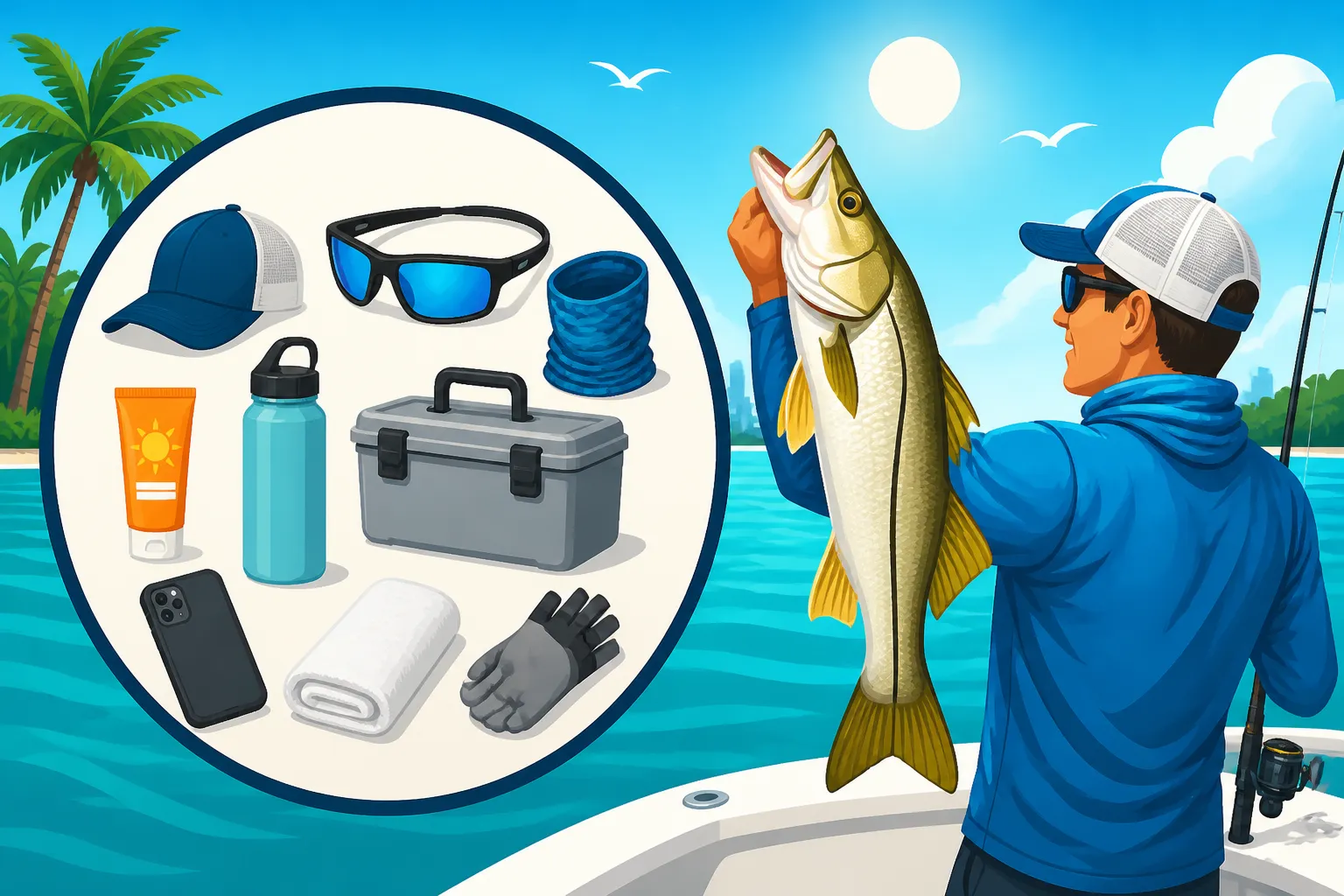
First and foremost, bring a good quality, water-resistant sunscreen with a high SPF. Apply it generously before you even leave the dock and reapply throughout the day, particularly after getting wet or sweating. Don't forget often-missed spots like the tops of your ears, your neck, and the backs of your hands. A wide-brimmed hat is also a game-changer, offering crucial shade for your face, ears, and neck. A baseball cap is better than nothing, but a full-brimmed hat truly makes a difference.
Beyond creams and hats, consider lightweight, long-sleeved shirts made from UPF-rated fabric. These breathable materials block harmful UV rays without making you overheat. Many anglers opt for neck gaiters or buffs, which protect your neck and face from the sun's relentless assault, especially when you're looking down at the water or fighting a fish. Polarized sunglasses are also an absolute must – they protect your eyes from glare and allow you to spot fish and structure beneath the surface, giving you a distinct advantage.
Clothing for Comfort and Versatility
Florida weather, while often glorious, can be surprisingly variable, even within a single day. You might start a morning trip needing a light jacket and end up sweating profusely by noon. Dressing in layers is always the smartest approach, allowing you to adapt to changing conditions.
Opt for lightweight, breathable fabrics that dry quickly. Cotton tends to stay wet and can make you feel clammy and cold, so synthetic blends or performance fishing apparel are far better choices. Even if the forecast calls for clear skies, a lightweight rain jacket or poncho is a wise addition. Pop-up afternoon thunderstorms are a common occurrence in Florida, especially during the warmer months, and being caught in a downpour can quickly dampen spirits (pun intended!).
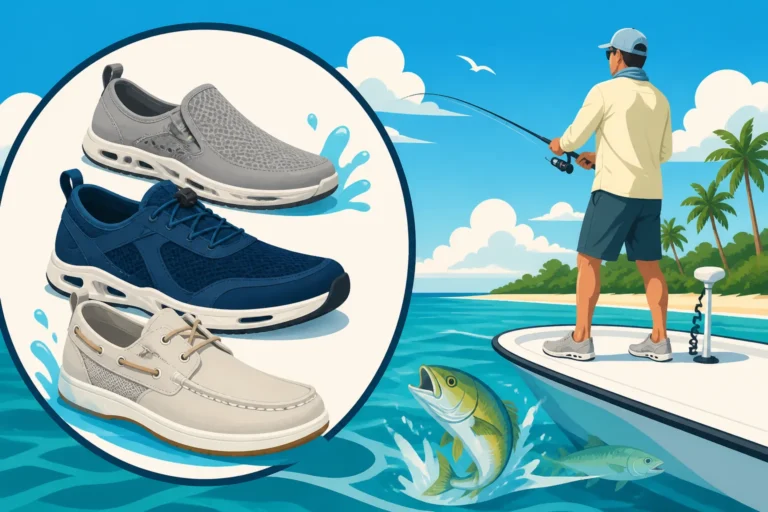
For your feet, choose comfortable, non-slip shoes that can get wet. Deck shoes, boat shoes, or even sturdy sandals with good traction are ideal. Avoid flip-flops or open-toed shoes if you're concerned about hooks or fish spines, especially on offshore trips where the deck can be busy. Having a spare set of clothes in your car or a dry bag is also a thoughtful move, ensuring you have something comfortable and dry to change into after the trip, particularly if you're heading straight to a restaurant or driving a long distance home.
Food, Hydration, and Medications
Fishing, whether it's an intense battle with a trophy fish or a relaxing day on the water, requires energy and focus. Overlooking your personal sustenance can lead to fatigue, headaches, or even seasickness.
Staying Hydrated is Key
Dehydration is a real concern in Florida, particularly when combined with sun exposure and physical activity. You'd be surprised how quickly you can get parched without even realizing it. While many charters will have some bottled water on board, it's always a good idea to bring extra, especially if you have specific preferences.
Bring plenty of water, sports drinks, or other non-alcoholic beverages in a small, soft-sided cooler. Hard coolers can sometimes be cumbersome on smaller boats or if space is limited. Pack more than you think you'll need; it's better to have too much than to run out. Remember that alcohol might be permitted on some charters, but excessive consumption can impair judgment and exacerbate seasickness, so exercise caution.
Snacks and Personal Meals
Long days on the water can work up an appetite. While some full-day charters might include a packed lunch, it's not a given, and even on shorter trips, a rumbling stomach can be a distraction. Always confirm with your captain or consult your booking details (perhaps found on a platform like FishingBooker) about what food, if any, will be provided.
Pack easy-to-eat snacks that don't require much preparation or utensils. Think granola bars, sandwiches, fruit, chips, or crackers. Avoid anything that's too messy or that spoils easily in the heat. A little planning here can go a long way in keeping your energy levels up and your spirits high throughout the fishing adventure. Having a small, sealed bag for trash is also a good idea, as responsible anglers always leave no trace.
Essential Personal Medications
If you have any prescription medications, make sure to bring them in their original containers and take them as directed. This includes things like insulin, inhalers, or allergy medicines. Don't assume you'll be back at the dock in a few hours – unexpected delays can happen, especially if weather rolls in or a big fish takes longer to land than anticipated.
Over-the-counter medications can also be incredibly useful. Antacids, pain relievers, and motion sickness medication (like Dramamine or Bonine) are highly recommended. If you're prone to seasickness, it's always best to take preventative medication before you even board the boat, as it's far less effective once symptoms have set in. Even if you don't typically get seasick, the ocean can be unpredictable, so having it on hand is a smart precaution.
Fishing Gear and Tackle (When Applicable)
While most reputable Florida fishing charters provide all the necessary rods, reels, and basic tackle, there are specific situations where you might want to bring your own gear. Always clarify this with your captain beforehand to avoid any misunderstandings.
When to Bring Your Own Rods and Reels
Generally, if you're booking a standard charter, the boat will be fully equipped with appropriate rods and reels for the target species. This is often the case for trips booked through services like FishingBooker, where charter descriptions clearly state what's included. However, there are a few scenarios where you might consider bringing your own:
Firstly, if you have a lucky rod or a specific setup you're just more comfortable with, and you've cleared it with the captain, bringing it can enhance your personal experience. Secondly, if you're targeting a very specific species that requires specialized tackle (like ultralight gear for certain freshwater species on a backcountry trip that primarily focuses on bigger game, or a fly rod for targeting bonefish), you might need to bring your own. Lastly, if you are an experienced angler who prefers high-end equipment or a particular brand, and you know how to use it proficiently, your captain might appreciate your expertise, but always ask first. Remember that space on a boat can be limited, so only bring what's truly essential and approved.
Specialized Lures and Baits
For the most part, charter captains will supply all the bait, whether live or artificial, that's required for the day's fishing. They are the experts on what the fish are biting, and they often spend considerable time catching fresh bait before your trip begins. This is particularly true for live bait, which can be expensive and time-consuming to procure.
However, if you have a favorite "secret weapon" lure that has never failed you, or a specific fly you tie yourself that mimics local forage, ask your captain if it's okay to bring it along. They might be open to trying something new, or at the very least, you'll have it as a backup. Just don't expect them to change their entire game plan around your tackle box. It’s important to manage expectations and trust the captain’s expertise; they want you to catch fish just as much as you do!
| Category | Typically Provided by Charter | Recommended to Bring Yourself | Important Considerations |
|---|---|---|---|
| Fishing Gear | Rods, Reels, Basic Tackle, Bait | Specialty Lures (ask first), "Lucky" Rod (ask first) | Confirm with captain what's included and space availability. |
| Sun Protection | Some might have spare sunscreen | Sunscreen (high SPF), Wide-brimmed Hat, Polarized Sunglasses, UPF Clothing, Neck Gaiter | Florida sun is intense; over-prepare for UV exposure. |
| Comfort | Limited extra towels/jackets | Layers (rain jacket, light jacket), Non-slip Shoes, Change of Clothes | Florida weather can change rapidly; prepare for heat and sudden rain. |
| Hydration/Food | Water (sometimes), cooler space | Plenty of Water, Sports Drinks, Snacks, Lunch | Dehydration is a risk; pack more liquids than you think you need. |
| Personal Items | Basic First Aid | Medications (prescription & OTC), Small backpack, Towel | Be ready for motion sickness or minor injuries. Keep prescriptions handy. |
| Documentation | Charter often covers boat license | Personal Fishing License (if required), ID, Cash (for tips) | Always confirm license requirements. Tips are standard. |
Documentation, Cash, and Miscellaneous Items
Beyond personal comfort and fishing gear, there are a few practical items that can make your charter experience smoother and more enjoyable.
Fishing License and Identification
One of the most common questions people have is about Who Needs a Fishing License in Florida. This is super important! Generally, when you book a fishing charter, the captain’s commercial license covers everyone on board, meaning you likely won't need to purchase an individual recreational fishing license. This is a huge convenience and something many first-time charter guests appreciate.
However, it's always, always best to confirm this directly with your captain or the charter company when you book. While most charters cover this, there might be exceptions for certain types of trips or specific regulations that apply. Even if the charter covers your fishing license, you should still bring a valid form of identification, like a driver's license or passport. This is good practice for any boat trip and may be needed if you're purchasing items or simply for emergencies. You might be surprised to learn about certain Florida Fishing License Exemptions that could apply to you.
Gratuity for Your Captain and Crew
Let's talk about tipping, because it's one of those things that can feel a bit awkward if you're not sure about the etiquette. Tipping your fishing captain and crew is customary in the charter industry, much like tipping in a restaurant. These professionals work incredibly hard, from preparing the boat and catching bait long before you arrive, to putting you on fish, baiting hooks, cleaning your catch, and ensuring your safety throughout the day.
A standard gratuity is typically around 15-20% of the total charter cost. It's best to bring this in cash, as captains and mates often prefer it, and it ensures they receive it directly. Having smaller bills on hand can also be helpful. This gesture of appreciation acknowledges their expertise, hard work, and the service they've provided. So, while it's not a direct item you use on the boat, it's an important part of the overall experience. For more information on this, check out Tipping Etiquette for Florida Fishing Guides.
Other Useful Items
A small, waterproof bag or dry bag is invaluable for protecting your phone, wallet, camera, and other electronics from spray or unexpected downpours. Even on a calm day, things can get wet on a boat. Another helpful item is a small hand towel or rag; fish are slimy, bait can be messy, and having something to wipe your hands on quickly can be a lifesaver.
Don't forget your camera or phone for capturing those unforgettable moments! Just ensure it's either waterproof or stored safely in a dry bag. A simple Ziploc bag can even offer basic protection for your phone in a pinch. Finally, if you're sensitive to insects, especially around dusk or in certain backcountry areas, a small bottle of insect repellent can prevent annoying bites. Consider reading What to Wear on a Florida Fishing Charter for more clothing tips, or How to Choose a Florida Fishing Guide for a deeper dive into booking. If you're wondering about the cost of a typical trip, our guide on Florida Fishing Charter Cost Guide might provide some clarity. For those thinking of bringing their own boat, consider the nuances of Does a Florida Boat Registration Replace a Fishing License?.
Final Checks Before You Depart
Before you step onto that charter boat, do a quick mental run-through of your packed items. Did you remember your sunglasses? Is your sunscreen easily accessible? Do you have enough water and snacks for the duration of the trip, especially if it’s a full day adventure to spots like best offshore fishing spots in Florida?
Communicating with your captain is always the best policy. Don't hesitate to call or message them a day or two before your trip to confirm departure times, inquire about weather-related concerns, and ask any last-minute questions about what to bring. They are a wealth of knowledge and can provide specific recommendations based on the current conditions and target species. Whether you booked through a major platform or directly, a quick conversation can clear up any lingering doubts.
Remember, a little preparation goes a long way in ensuring your Florida fishing charter is a fantastic, memorable experience. By focusing on comfort, protection, and practicality, you can relax and fully immerse yourself in the joy of fishing the beautiful waters of the Sunshine State!
Disclaimer
This article is for general informational purposes only and does not constitute professional advice. Laws, prices and regulations vary by location and change over time. Consult a qualified professional for guidance on your specific situation.