Key West Fishing Spots
Stepping into the world of Key West fishing can feel like trying to drink from a firehose – there’s so much incredible opportunity, but it’s hard to know where to even start! Whether you’re dreaming of battling a massive tarpon on the flats, reeling in snapper from a vibrant reef, or heading offshore for pelagic giants, understanding the unique fishing landscape here is key. This comprehensive guide will break down the prime fishing spots in Key West, helping you navigate the diverse waters and maximize your chances of a successful and unforgettable experience.
Why Key West is a Fishing Paradise
Key West isn't just a picturesque island; it's a fishing mecca, a true angler's dream woven into the fabric of the southernmost point of the continental U.S. The unique geographical position and the rich blend of ecosystems surrounding it create an unparalleled environment for a vast array of fish species. It’s where the Gulf of Mexico meets the Atlantic Ocean, creating dynamic currents and diverse habitats that attract everything from tiny baitfish to apex predators.
The Unique Marine Ecosystem
What makes Key West truly special is its incredible marine biodiversity. We’re talking about an intricate web of shallow, clear water flats teeming with life, dense mangrove shorelines offering sanctuary, and a healthy reef system just a stone's throw offshore. These distinct environments mean that anglers can pursue completely different types of fishing within a very short distance of each other. You could be sight fishing for bonefish in ankle-deep water in the morning and deep-dropping for snapper and grouper in 300 feet of water by the afternoon. This accessibility to varied fishing grounds is a huge draw, and it’s why so many anglers put Key West on their bucket list. The health of these ecosystems is also largely thanks to ongoing conservation efforts, which help maintain the vibrant fish populations.
Diverse Species for Every Angler
The sheer variety of fish you can target in Key West is astounding, catering to every fishing style and preference. Inshore, the flats and backcountry are renowned for their "Grand Slam" species: tarpon, bonefish, and permit. These intelligent, powerful fish offer an incredible challenge, especially for fly anglers. Moving closer to the mangroves and channels, you’ll find snook, redfish, and spotted seatrout – fantastic sportfish that are also delicious table fare.
Offshore, the Atlantic waters hold majestic sailfish, acrobatic mahi-mahi (dolphin), wahoo, and various tuna species. Deeper down, grouper, snapper, and amberjack populate the wrecks and reefs. Even from shore or a pier, you can hook into Spanish mackerel, snapper, barracuda, and jacks. This incredible diversity means that no matter what time of year you visit or what kind of fishing you prefer, there’s always something exciting to chase. It's truly a place where you can expand your angling horizons.
Inshore and Flats Fishing Gems
The shallow waters surrounding Key West, often referred to as the "flats" and "backcountry," are legendary among light tackle and fly anglers. This labyrinth of mangrove islands, skinny water, and sandy bottoms creates a unique hunting ground for some of Florida's most sought-after game fish. It's a truly immersive experience where you often see your quarry before you cast, adding an extra layer of excitement and skill to the pursuit.
The Backcountry Flats
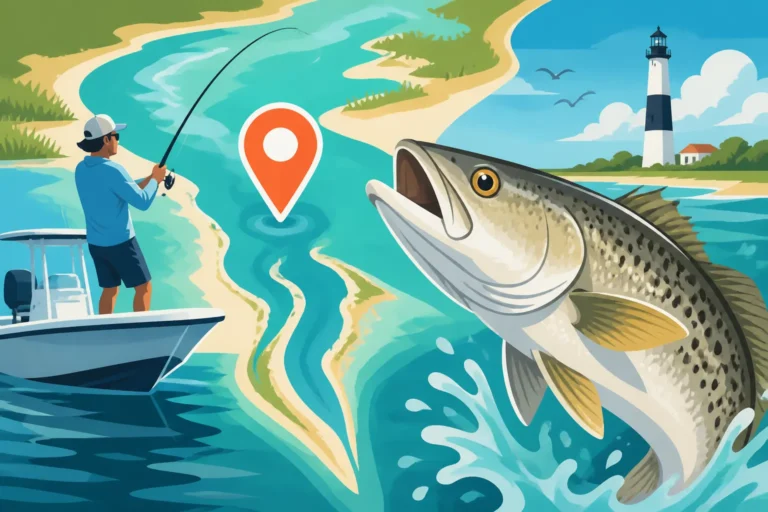
The backcountry flats of Key West, particularly those stretching towards the Marquesas Keys, are world-famous for their sight fishing opportunities. Imagine polling silently across crystal-clear, knee-deep water, scanning for the tell-tale "tailing" of a feeding bonefish or the subtle shadow of a cruising permit. This is technical fishing at its finest, demanding accurate casts and stealthy approaches. Bonefish, often called "grey ghosts," are incredibly elusive but offer blistering runs once hooked. Permit are notoriously finicky, but landing one is considered a major accomplishment due to their intelligence and fighting power.
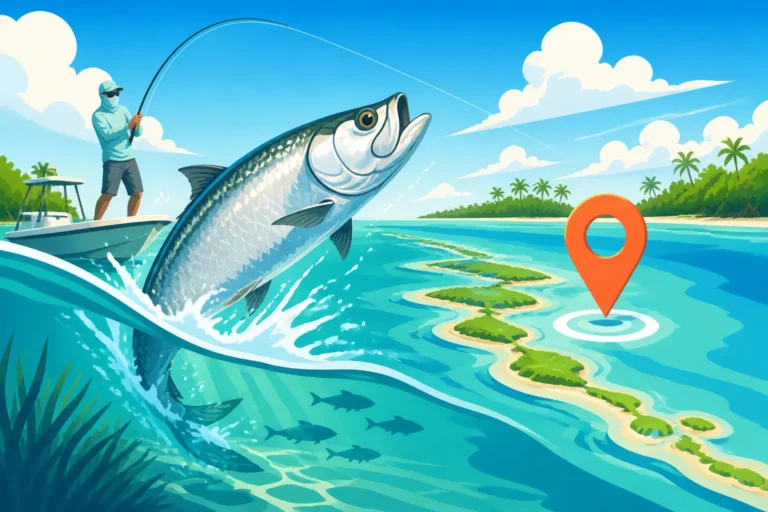
Beyond the "glamour" species, these flats also hold impressive numbers of tarpon during their seasonal migrations. These massive fish, known as the "Silver King," are an unparalleled challenge on light tackle, with their aerial acrobatics and sheer power. Even when the tarpon aren't around, you'll find plenty of sharks, barracuda, and various jacks, ensuring constant action. For those looking to experience this unique environment, booking a specialized flats guide is highly recommended, as they possess the local knowledge and specialized equipment (like a flats skiff) to navigate these intricate waters safely and effectively. You can often find highly-rated flats guides through platforms like FishingBooker, which makes connecting with local experts a breeze.
Navigating Channels and Mangroves
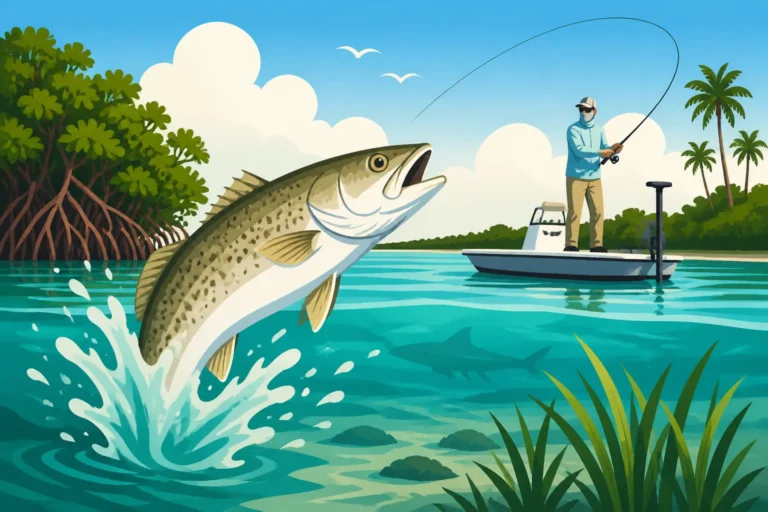
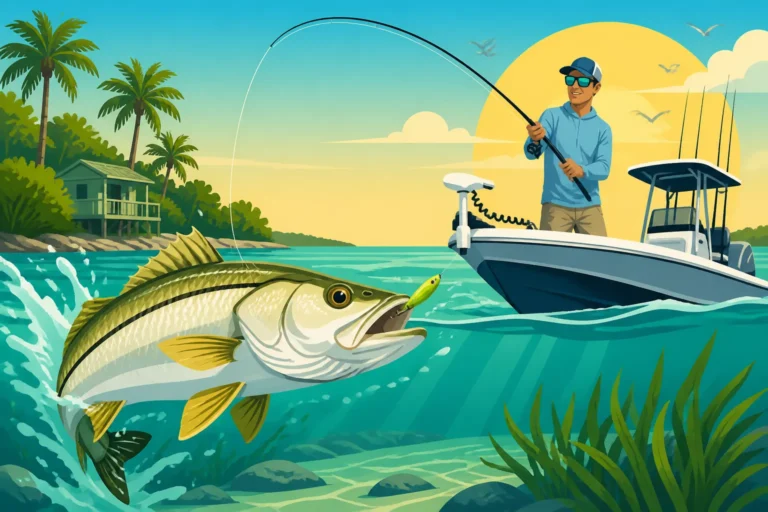
Just slightly deeper than the skinny flats, the channels and mangrove lines that crisscross the Key West backcountry offer a different kind of inshore fishing experience. These areas provide excellent ambush points for predators and shelter for baitfish, making them consistently productive. Snook and redfish are prime targets here, lurking in the shadows of mangrove roots, waiting for an unsuspecting baitfish or crab to swim by. They require precise casting to get your lure or bait into tight spaces, but the reward is a powerful fight.
Beyond snook and redfish, you'll also find healthy populations of spotted seatrout, especially over grass beds adjacent to deeper channels. These are excellent targets for both artificial lures and live shrimp, and they make for fantastic eating. Small groupers, snapper, and various jacks also frequent these areas. Fishing around the tidal flows is crucial in the channels; outgoing tides often flush bait out of the mangroves, concentrating fish at the channel mouths, while incoming tides bring fresh water and bait into the backcountry. Understanding these patterns is a game-changer when targeting fish in these dynamic environments.
Nearshore Reef and Wreck Fishing
Beyond the immediate shallows, but still visible from shore on a clear day, lies Key West’s incredible nearshore fishery. This zone is defined by a series of patch reefs, rock piles, and artificial wrecks that dot the ocean floor, acting as magnets for a wide variety of fish species. These structures provide shelter, food, and a place to ambush prey, making them prime fishing grounds for both bottom fishing and trolling.
Patch Reefs for Snapper and Grouper
The patch reefs that lie just a few miles offshore from Key West are vibrant underwater cities, teeming with life. These coral formations, varying in depth from 20 to 60 feet, are absolutely bursting with different types of snapper and grouper. You'll commonly find mangrove snapper, yellowtail snapper, and mutton snapper here, which are not only fun to catch but also incredibly delicious. For the yellowtail, a chum bag is often deployed to bring them up into the water column, creating a frenzy of activity. Mangrove and mutton snapper, on the other hand, tend to hug the bottom, requiring heavier tackle and careful bait presentation.
Beyond the snapper, these reefs are also home to various grouper species, most notably gag grouper and red grouper. These powerful bottom dwellers are masters of their rocky domain, often trying to "rock you up" – pull your line into the sharp coral to break off – so a quick, strong hookset and steady retrieve are essential. Fishing these patch reefs often involves anchoring up-current from the structure and deploying various baits, from live pilchards and pinfish to chunks of cut bait. Keep an eye out for barracuda and mackerel patrolling the edges of the reefs as well! You'll want to be familiar with Florida fishing regulations and bag limits before heading out to these productive spots.
Wrecks for Grouper and Amberjack
Key West’s nearshore waters are also home to several significant wrecks, both natural and artificial. These sunken vessels and structures create incredibly productive fishing spots, acting as artificial reefs that attract large aggregations of fish. Depths here can vary widely, from 60 to over 200 feet, each wreck presenting its own unique challenges and opportunities. These wrecks are prime real estate for larger grouper species, including black grouper and Goliath grouper (which are strictly catch-and-release and require special handling).
One of the most exciting fish to target on these wrecks is the amberjack. Known as "reef donkeys," these powerful fish are pure muscle, offering brutal, arm-burning fights that will test even the most seasoned angler. Vertical jigging with heavy metal jigs is a popular and effective method for amberjack, as is dropping live baits like pinfish or blue runners. Snapper of various types, including mutton snapper and even some red snapper during specific seasons, will also congregate around these structures. Exploring these wrecks can be a truly rewarding experience, offering both trophy fish and great table fare. For those interested in deeper dives, finding a specialized wreck fishing charter through a service like FishingBooker can provide access to the best spots and expertise.
Deep Sea and Offshore Adventures
For anglers seeking big game thrills, the deep blue waters beyond the immediate reefs of Key West offer some of the most exciting fishing in the world. This is where the true giants of the ocean roam, from lightning-fast pelagics to massive bottom dwellers, providing an adrenaline rush unlike any other.
Gulf Stream Trolling
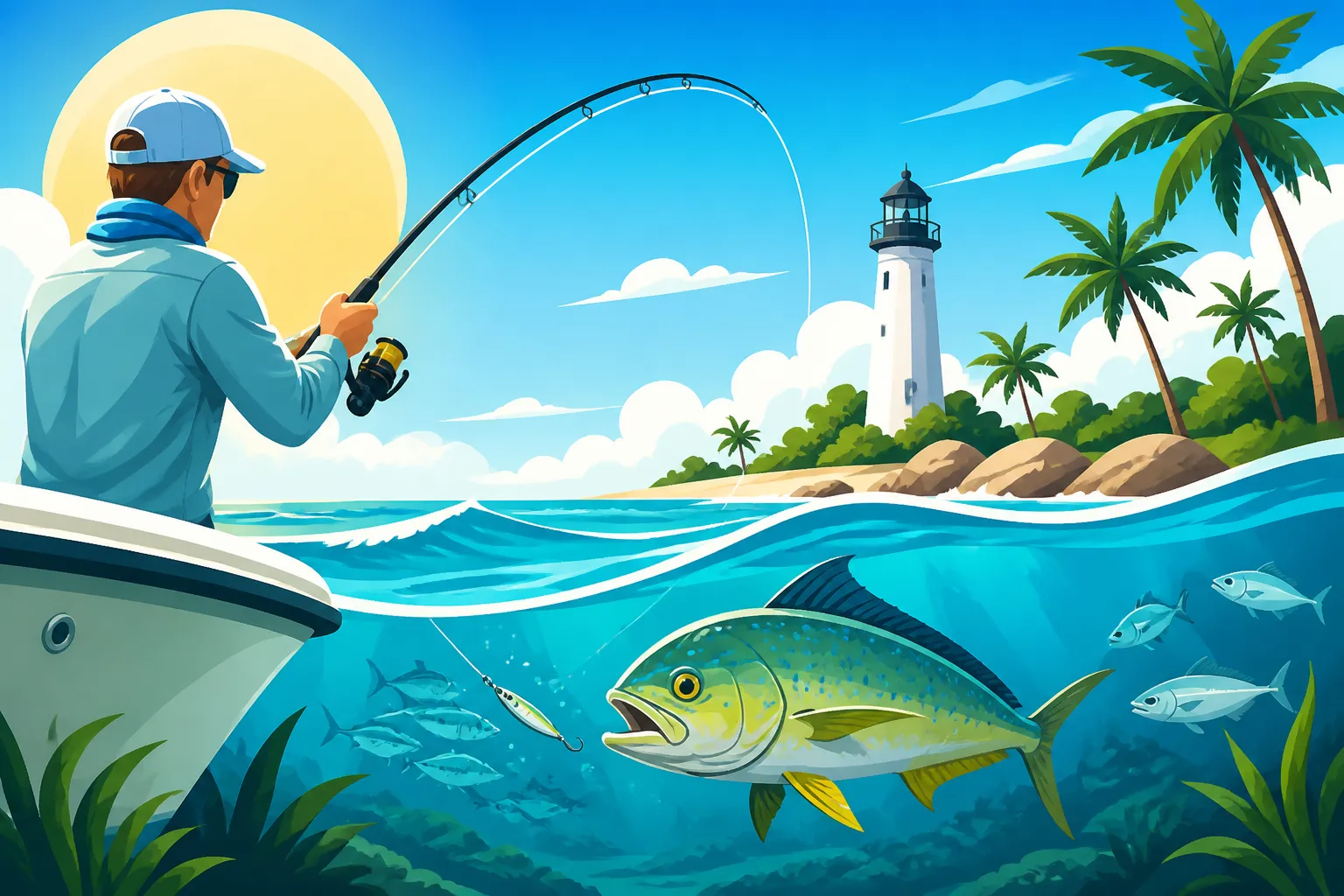
Just a relatively short run from Key West, the powerful currents of the Gulf Stream flow, bringing with them a conveyor belt of baitfish and, consequently, a parade of predatory species. This is the domain of offshore trolling, where captains deploy a spread of lures and baits, mimicking schooling fish, to entice strikes from fast-moving pelagic species. Mahi-mahi (often called dolphin fish) are a top target here, known for their brilliant colors, incredible aerial displays, and delicious meat. They often travel in schools, so when you find one, you often find many.
Other prized catches in the Gulf Stream include sailfish, famous for their magnificent dorsal fins and acrobatic fights, and various tuna species like blackfin and skipjack. Wahoo, with their razor-sharp teeth and blistering runs, are also common. Trolling speeds and lure choices vary depending on the target species and conditions, but the consistent movement of the Gulf Stream ensures a dynamic and action-packed fishing experience. Many local charters specialize in offshore trolling, knowing the subtle shifts and eddies in the current that concentrate these magnificent fish. If you're looking for a Florida offshore fishing charter guide, Key West has many top-notch operations.
Deep Dropping Beyond the Reef
While trolling targets fish near the surface, another incredibly productive method beyond the reef is deep dropping. This technique involves dropping heavy tackle and bait hundreds of feet down to the ocean floor, targeting species that inhabit the deep canyons, ledges, and rock piles in depths ranging from 300 to over 1,000 feet. It's a specialized form of fishing that often requires electric reels due to the sheer depth and weight involved, but the rewards can be spectacular.
The primary targets for deep dropping are a variety of large snapper and grouper species that rarely see the light of day. Queen snapper, vermilion snapper, snowy grouper, and golden tilefish are common catches, known for their pristine, white fillets. Each species has its preferred depth and habitat, and experienced captains use advanced sonar technology to locate these underwater structures. This is a game of patience and precision, but when that rod tip finally loads up, you know you've hooked something substantial from the abyss. This type of fishing offers a unique glimpse into the deep sea environment and provides some of the finest eating fish available.
Shore and Pier Fishing for Everyone
Not everyone has access to a boat, or even wants one, when visiting Key West. Thankfully, this island paradise offers fantastic opportunities for land-based anglers. Whether you prefer the casual vibe of a pier or the solitude of a beach, there are plenty of spots where you can cast a line and have a great chance of catching some fish. It’s an accessible and often budget-friendly way to enjoy the Florida fishing experience.
Public Piers and Bridges
Key West has several popular spots for pier and bridge fishing that are open to the public, offering a fantastic opportunity to fish without a boat or even a Florida fishing license, provided you're on a pier with a master license (always check local signs!). The White Street Pier, often called the "Edward B. Knight Pier," is a local favorite. Stretching far out into the Atlantic, it provides access to deeper water than most shore-based spots. Anglers here regularly catch snapper, jack crevalle, barracuda, Spanish mackerel, and even small sharks. It’s a lively spot, perfect for families and those who enjoy a social fishing environment.
Another great spot is the Truman Waterfront Park Pier, which offers picturesque views and decent fishing, especially for smaller species like snapper and grunt. While specific bridges might have restrictions or be less safe due to traffic, fishing near bridges and bridge fenders can be incredibly productive, as these structures attract baitfish and provide ambush points for larger predators. Always be mindful of local regulations and posted signs regarding fishing from public structures. Remember that some piers might have their own specific rules or fees, so it's always good to check beforehand.
Beach and Seawall Access
For a more tranquil shore fishing experience, Key West offers various beaches and seawalls where you can cast a line. Smathers Beach, for example, is a popular spot for both swimming and fishing. While you might not be targeting trophy fish directly from the beach, it's an excellent place to catch smaller species like whiting, pompano, and small jacks. Surf fishing here involves lighter tackle and often a Pompano Rig with shrimp or sand fleas as bait. The calm, clear waters make it a relaxing way to spend an afternoon.
Beyond the main beaches, many sections of public seawall around the island, especially along the more residential areas and parks, can provide great access. These spots are excellent for casting jigs or live shrimp for mangrove snapper, snook (though they require a Florida Snook Permit to keep), and various types of jacks. The outgoing tides around these seawalls can be particularly productive as bait is swept out. Early mornings and late evenings often offer the best bite, as fish move closer to shore under low light conditions. Always be respectful of private property and keep the area clean.
Best Times to Fish and What to Target
Understanding the seasonal patterns and tidal influences in Key West is paramount to a successful fishing trip. The "best time" to fish really depends on what you want to catch, as different species have their peak seasons. Key West offers year-round fishing, but knowing when and where to go can make all the difference.
Seasonal Species Targets
Key West's fishing calendar is largely dictated by migratory patterns and water temperatures.
Winter (December – February): While cooler, winter still offers fantastic fishing. Offshore, sailfish action picks up considerably, making it prime time for these acrobatic billfish. Wahoo are also a strong target offshore. Inshore, the cooler water can push bonefish and permit onto the flats during warmer, sunny afternoons, making sight fishing excellent. Look for pompano in the channels and nearshore sandy bottoms.
Spring (March – May): This is arguably the most famous fishing season in Key West. Tarpon migration is in full swing, with massive schools moving through the channels and flats, offering world-class fishing. Permit fishing is also at its peak. Offshore, mahi-mahi start showing up in good numbers, and the snapper and grouper bite on the reefs and wrecks becomes very consistent.
Summer (June – August): The heat brings excellent offshore action. Mahi-mahi are plentiful, and tuna can be found. On the reefs, mutton snapper fishing is red hot, especially around the full moon. Inshore, while tarpon might be less concentrated, resident fish like snook, redfish, and mangrove snapper are active, particularly during early morning or late evening hours.
Fall (September – November): As temperatures begin to cool, the fall provides a fantastic transition. Offshore, the mahi-mahi bite often remains strong, and sailfish begin to show up again. Inshore, the flats can offer excellent permit and bonefish action, and many of the resident species like snook and redfish are aggressively feeding before winter sets in.
| Season | Primary Target Species (Inshore) | Primary Target Species (Offshore) | Key Characteristics |
|---|---|---|---|
| Winter | Bonefish, Permit, Pompano | Sailfish, Wahoo, King Mackerel | Cooler, clearer water; excellent sight fishing days. |
| Spring | Tarpon, Permit, Bonefish | Mahi-Mahi, Snapper, Grouper | Peak tarpon migration; consistent reef action. |
| Summer | Snook, Redfish, Mangrove Snapper | Mahi-Mahi, Tuna, Mutton Snapper | Hotter; active resident fish; strong offshore bite. |
| Fall | Permit, Bonefish, Snook | Mahi-Mahi, Sailfish, Grouper | Transitional; good variety; active reef fishing. |
Remember, while these are general guidelines, fish are wild animals, and daily conditions can always influence their behavior. For the most up-to-date information, checking a local fishing report or chatting with a local tackle shop is always a good idea. Consider looking into the Best Time of Year to Fish in Florida for more general insights.
Tidal Influences and Weather Patterns
Beyond the seasons, daily factors like tides and weather play a critical role in Key West fishing success. For inshore and flats fishing, understanding the tides is absolutely paramount. Moving water is feeding water. An incoming tide can push baitfish onto the flats, bringing predators with them, while an outgoing tide can pull bait out of the mangroves, concentrating fish at choke points. For species like tarpon and bonefish, "slack tide" (when the water movement is minimal) is often the slowest, as fish tend to become less active.
Weather patterns also greatly influence fishing. Calm, sunny days are perfect for sight fishing the flats, as visibility is at its best. However, a slight chop on the water can sometimes make fish less wary. Strong winds, especially from the east, can make offshore fishing challenging and rough, while a strong cold front can temporarily shut down the bite inshore as water temperatures drop. Conversely, after a cold front, as the sun warms the shallow waters, fish can become incredibly active. Always check the marine forecast before heading out, especially for offshore trips, and be prepared for changing conditions. For those without a local boat or extensive knowledge, leveraging services like FishingBooker to connect with experienced captains ensures you’re going out with someone who understands these nuanced local conditions.
Conclusion
Key West is a fishing paradise, offering an incredible range of experiences for every angler. From the serene, challenging flats fishing for permit and bonefish to the adrenaline-pumping offshore battles with sailfish and mahi-mahi, this island truly has it all. The diverse ecosystems, abundant species, and year-round opportunities make it a destination that lives up to its legendary reputation. Whether you choose to cast a line from a public pier, navigate the intricate backcountry with a seasoned guide, or venture into the deep blue, the magic of Key West fishing awaits. Always remember to fish responsibly, respect the fragile marine environment, and check current regulations to ensure a sustainable future for this precious fishery.
Disclaimer
Please remember that fishing regulations, seasons, and bag limits are subject to change. Always consult the latest rules and guidelines from the Florida Fish and Wildlife Conservation Commission (FWC) before your fishing trip. This guide is for informational purposes only and should not be considered legal advice.