Mosquito Lagoon Fishing Guide in Florida
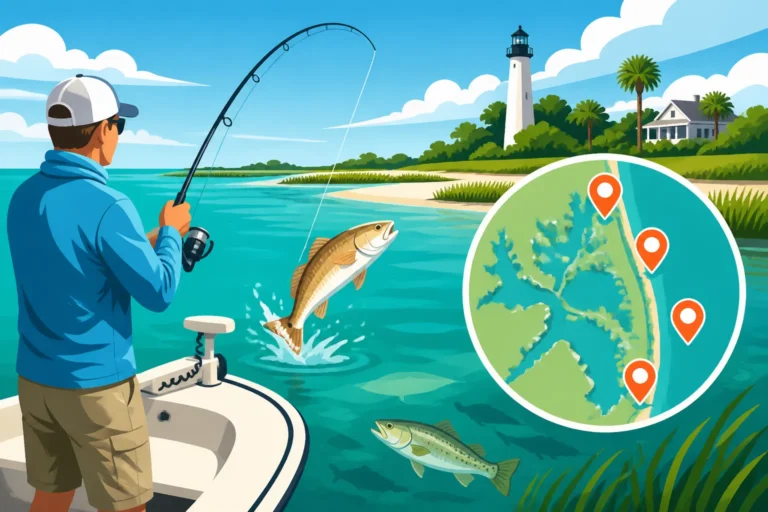
Ah, Mosquito Lagoon. The name itself might conjure images of buzzing nuisances, but for any angler in Florida, it truly represents a legendary fishing destination. It's renowned for its crystal-clear shallow waters and trophy redfish, yet it can be incredibly challenging to fish successfully. This guide will take you deep into what makes Mosquito Lagoon so special, helping you understand its unique ecosystem, target the best species, master the right techniques, and navigate its waters like a seasoned pro.
Understanding Mosquito Lagoon's Unique Ecosystem
Mosquito Lagoon isn't just another body of water; it's a critical, complex, and incredibly fragile ecosystem that sets it apart from many other fishing destinations in Florida. Located within the Canaveral National Seashore and the Merritt Island National Wildlife Refuge, it's a truly protected area that offers pristine fishing opportunities, but also demands respect for its delicate balance. Understanding this environment is key to unlocking its fishing potential and ensuring its longevity.
Geography and Water Characteristics
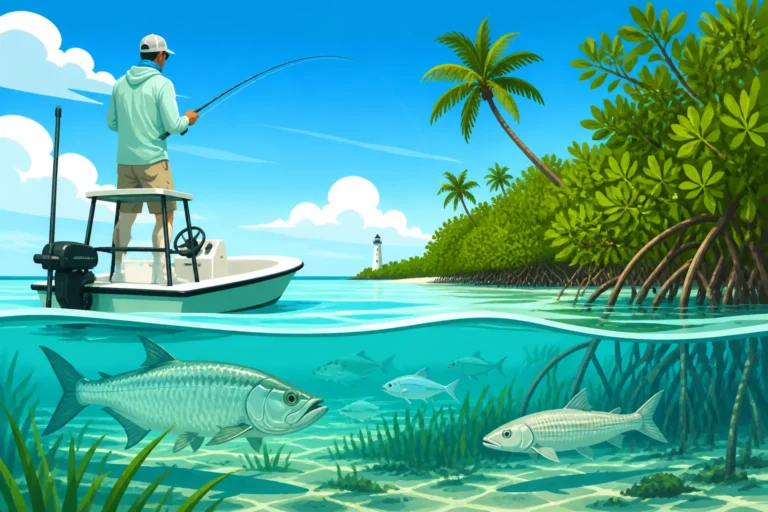
Mosquito Lagoon is part of the Indian River Lagoon system, a sprawling estuarine complex, but it stands out because it's a lagoon in the truest sense of the word—long, shallow, and separated from the Atlantic Ocean by barrier islands. Unlike many other estuaries, it has limited direct ocean inlets, which means its water exchange is much slower. This results in stable salinity levels, often higher than typical brackish waters, creating a unique environment for marine life. The average depth is incredibly shallow, often only a few feet, making it perfect for sight fishing. The bottom is primarily sand and mud, blanketed in vast expanses of seagrass beds, which are the lifeblood of the entire system, providing food and shelter for countless species.
The crystal-clear water, especially on calm days, is a double-edged sword. While it allows anglers to spot fish from a distance, it also means the fish can spot you just as easily. This demands a stealthy approach, careful boat handling, and precise casting. The lack of significant tidal flow compared to areas with direct inlets means currents are often wind-driven. This can make for tricky navigation and require anglers to pay close attention to wind direction and strength when planning their drifts or anchoring spots.
Ecological Significance
The ecological importance of Mosquito Lagoon cannot be overstated. It's recognized as an Estuary of National Significance and is part of the largest estuarine system in Florida. The vast seagrass flats are crucial nursery grounds for juvenile fish, crustaceans, and shellfish. These meadows filter water, stabilize sediments, and produce oxygen, forming the base of a complex food web. The refuge status also means there's less commercial development and pollution pressure than in more urbanized areas, contributing to its relatively untouched beauty and abundant wildlife. You're just as likely to spot manatees, dolphins, and a huge variety of bird species as you are to hook a trophy redfish.
This rich biodiversity means that while you might be targeting specific game fish, you're constantly surrounded by nature's marvels. The health of the seagrass directly correlates to the health of the fishery. Events like harmful algal blooms or excessive freshwater discharges can severely impact the seagrass, which in turn affects the fish populations. This interconnectedness highlights why conservation efforts and understanding fishing regulations are so vital here.
Challenging Conditions for Anglers
While the allure of giant redfish in clear, shallow water is undeniable, Mosquito Lagoon presents its own set of challenges that can frustrate even experienced anglers. The extreme shallowness means prop motors can easily stir up the bottom, spooking fish and clouding the water. Many guides opt for poling skiffs or electric trolling motors to move quietly across the flats. The clear water, as mentioned, makes fish incredibly wary. A sloppy cast, a sudden movement, or even the glint of a lure can send an entire school scattering.
Moreover, the weather plays a huge role. Strong winds can make sight fishing nearly impossible by creating chop and whitecaps that obscure visibility. Thunderstorms can roll in quickly, especially in summer, making open water travel risky. And yes, the "Mosquito" in the name isn't just for show during certain times of the year; biting insects can be relentless, especially around dawn and dusk, requiring proper repellent and clothing. Anglers must be prepared for these variables, adapting their techniques and timing to the conditions Mother Nature presents on any given day.
Target Species and Why They Thrive Here
Mosquito Lagoon is famous for a reason: the quality and quantity of its game fish, particularly the "Big Three" inshore species. The unique environmental conditions, abundant forage, and protected status create an ideal habitat for these prized catches, making it a bucket-list destination for many anglers seeking an authentic Florida fishing experience.
Redfish: The Lagoon's Star Attraction
Without a doubt, the redfish (or red drum) is the king of Mosquito Lagoon. What makes them so special here? Many factors contribute to the population of large, healthy redfish. The extensive, shallow seagrass flats provide perfect hunting grounds for their preferred prey—small crabs, shrimp, and baitfish. The relatively stable water temperatures and salinity, due to limited ocean exchange, mean they have a consistent environment year-round. While they do migrate and spawn offshore, a significant resident population of large redfish lives within the Lagoon, often found tailing in ultra-skinny water as they root for crabs. If you're looking for a comprehensive overview of these powerful fish, check out our guide on the Florida Redfish Fishing Guide.
Anglers here often target "bull" redfish, those pushing into the 30-40 inch range or even larger. Seeing these bronze giants slowly cruising or, even better, tailing in inches of water, is an experience unlike any other. They are powerful fighters, especially in shallow water where they have nowhere to go but straight ahead, often testing your tackle to its limits. The challenge of spotting them, making the perfect cast, and then battling one of these giants is what draws anglers from all over the world to this lagoon.
Spotted Seatrout and Black Drum
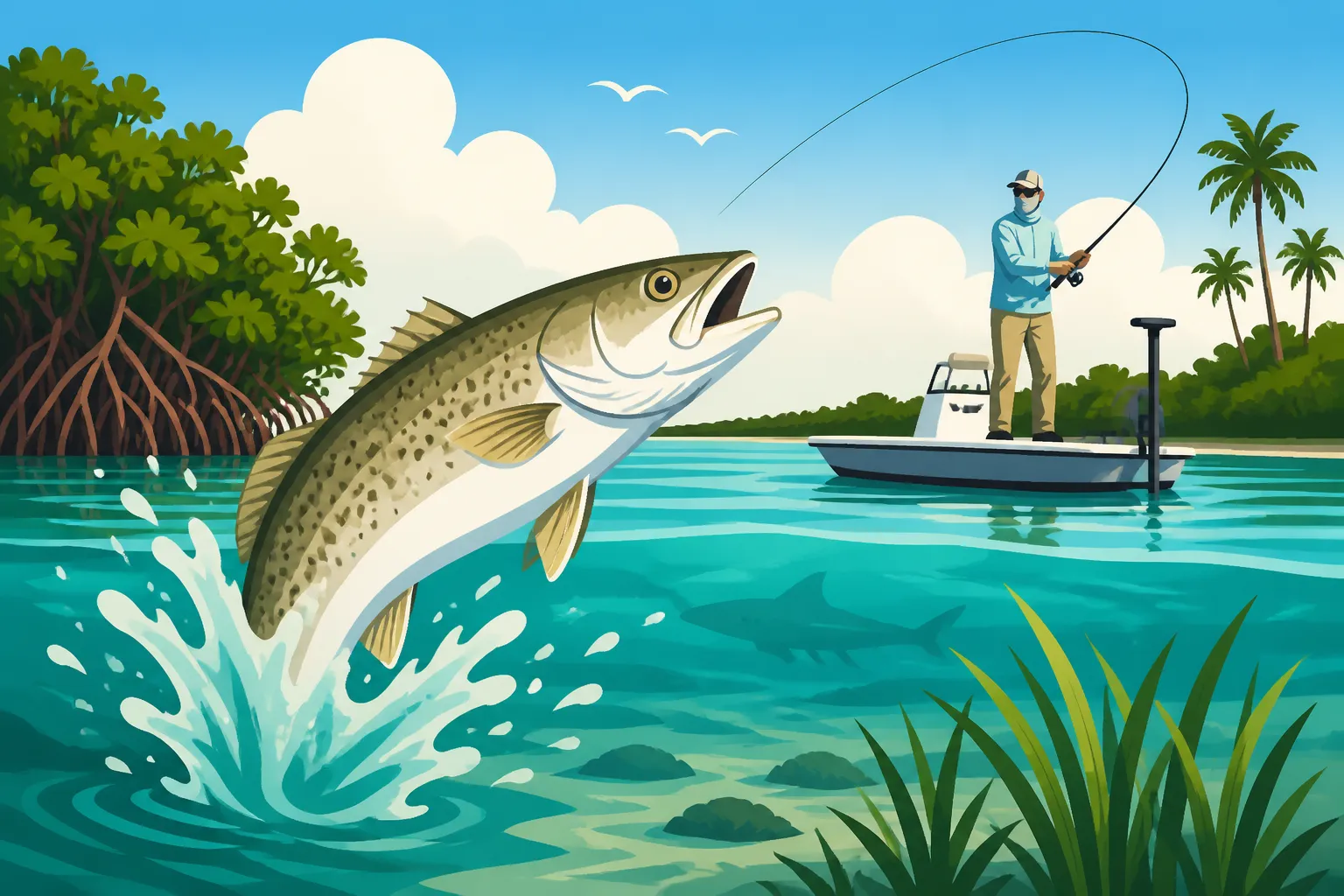
While redfish get most of the glory, the Mosquito Lagoon also boasts an impressive population of large spotted seatrout, often referred to as "gator trout" due to their size. These ambush predators lurk along grass edges, potholes, and sandy spots, waiting for an unsuspecting baitfish to swim by. They thrive in the same clear, grassy environments as redfish, feeding on similar forage. Targeting trout here often involves working artificials or live baits over broken bottom or grass flats, and their explosive strikes can be incredibly exciting. For more details on these prolific fish, you can dive into our Florida Spotted Seatrout Fishing Guide.
Black drum are another fantastic species found throughout the Lagoon. Though perhaps not as flashy as redfish or trout, black drum are strong fighters and excellent table fare. They are bottom feeders, often found in schools, using their barbels to forage for oysters, clams, and crabs. Anglers targeting black drum often use cut bait or shrimp on the bottom, and while they might not offer the same sight-fishing thrills, they can provide consistent action, especially during cooler months. Their size can vary greatly, with some giants pushing well over 50 pounds inhabiting the deeper channels and cuts.
Other Notable Species
Beyond the "Big Three," Mosquito Lagoon offers a diverse array of other species that add excitement to any fishing trip. Snook, while more prevalent in areas with greater ocean access, can occasionally be found in the Lagoon, particularly around warmer structures or during mild winters. Catching a snook here is a special treat due to their elusive nature in this particular ecosystem. If you do encounter one, remember to adhere to the specific regulations, which can differ by region, and refer to our Florida Snook Fishing Guide for details.
Additionally, anglers might encounter flounder camouflaged on the sandy bottom, especially in areas with good current or near oyster bars. Tarpon, during their seasonal migrations, can also make an appearance in the Lagoon's deeper channels, offering an unforgettable challenge to those lucky enough to hook into one. Mangrove snapper, ladyfish, and various other panfish species are also common, providing steady action and round out the diverse fishing opportunities that make Mosquito Lagoon such a rich fishing ground.
Essential Fishing Techniques for Mosquito Lagoon
Fishing Mosquito Lagoon successfully isn't just about having the right gear; it's about employing the right techniques adapted to its unique challenges. Given the shallow, clear water and wary fish, stealth, precision, and understanding fish behavior are paramount.
Sight Fishing on the Flats
Sight fishing is arguably the most exciting and effective technique in Mosquito Lagoon, especially for redfish. It involves actively scanning the water for signs of fish – a pushing wake, a tell-tale "tail" as a fish feeds head-down in the grass, or the subtle glint of a bronze back. This is done from an elevated platform on a skiff, often poled quietly by a guide, or by wading the flats yourself. The challenge lies in spotting the fish before it spots you, making a precise, quiet cast, and enticing a strike without spooking the school.
The key to successful sight fishing is patience and observation. You need polarized sunglasses to cut through the glare, a keen eye, and the ability to make quick, accurate casts with minimal splash. Once a fish is spotted, the cast needs to land softly, several feet in front of and beyond the fish, allowing the lure or bait to be retrieved into the fish's strike zone without landing directly on its head and spooking it. This technique demands practice and a delicate touch, but the reward of watching a redfish turn and engulf your offering is incredibly satisfying.
Live Bait Strategies
While artificial lures are popular, especially for sight fishing, live bait remains a highly effective option in Mosquito Lagoon, particularly when conditions make sight fishing difficult (e.g., choppy water, cloudy skies). Shrimp are a universal favorite, enticing everything from redfish and trout to black drum and even snook. They can be fished under a popping cork or free-lined near grass edges or potholes. Pinfish, mullet, and mud minnows are also excellent choices, especially for larger game fish. These baits often provoke a more aggressive strike and can be especially useful for covering water or when fish are less active.
When using live bait, consider how the bait is presented. For example, a free-lined live shrimp will drift naturally, mimicking an injured or unsuspecting prey. Under a popping cork, it creates sound and splash, attracting attention from a distance, mimicking a struggling baitfish. The choice of hook and leader is also important to ensure the bait swims naturally and remains lively. While many anglers enjoy the challenge of artificials, having live bait on hand can often turn a slow day into a successful one, especially for anglers new to the lagoon or those who prefer a more relaxed approach. You can compare the effectiveness of different approaches in our guide on Live Bait vs Artificial Lures for Florida Inshore Fishing.
Artificial Lure Choices
Mosquito Lagoon anglers have a wide array of artificial lures at their disposal, each suited for different situations and target species. Soft plastic jerkbaits rigged weedless or on a light jig head are incredibly versatile for redfish and trout. They can be worked slowly along the bottom or twitched erratically to imitate a fleeing baitfish. Gold spoons, another classic, are excellent for covering water and creating flash, often triggering aggressive strikes from redfish and trout, especially in clear water. Topwater lures, worked at dawn or dusk, can produce explosive strikes from trout and redfish, offering an adrenaline rush as you watch a fish blow up on your plug.
Fly fishing is also exceptionally popular here, given the shallow, clear conditions. Anglers cast small crab or shrimp patterns, often tied to mimic local forage, to tailing redfish. The challenge of presenting a fly delicately to a wary fish in shallow water is a pursuit many dedicated anglers adore. Regardless of your preference, remember that stealth and presentation are key. Light fluorocarbon leaders are almost always a necessity in these clear waters to avoid spooking fish. For those seeking the perfect setup, our Best Rod and Reel Setup for Florida Inshore Fishing provides excellent advice.
| Species | Preferred Bait/Lure | Ideal Conditions |
|---|---|---|
| Redfish | Live Shrimp, Pinfish, Gold Spoons, Soft Plastics, Crab Flies | Calm, Clear, Shallow Flats |
| Spotted Seatrout | Live Shrimp, Mullet, Soft Plastics, Topwater Lures, Jerkbaits | Grass Flats, Potholes, Low Light |
| Black Drum | Live Shrimp, Cut Crab, Cut Mullet, Fiddler Crabs | Deeper Channels, Oyster Bars, Bottom |
Best Times and Seasons to Fish Mosquito Lagoon
Understanding the ebb and flow of seasons, tides, and daily weather patterns is crucial for maximizing your success on Mosquito Lagoon. The behavior of fish is intimately tied to these environmental factors, and a savvy angler knows how to adapt.
Seasonal Patterns and Fish Behavior
Mosquito Lagoon offers productive fishing year-round, but each season has its own unique characteristics. Spring is often considered prime time. As water temperatures rise, fish become more active, and baitfish populations flourish. Redfish and trout are typically aggressive, feeding heavily after the cooler winter months. This is an excellent time for both artificial lures and live bait.
Summer in Florida means heat and afternoon thunderstorms. Anglers often find success by starting early in the morning before the sun gets too high and the thunderstorms roll in. The extreme heat can push fish into slightly deeper grass beds or under mangrove overhangs for shade. While redfish are still abundant, the heat can make them lethargic. Focus on cooler parts of the day.
Fall brings relief from the summer heat and often some of the best fishing of the year. Redfish schools become more concentrated, and both redfish and trout are actively feeding in preparation for winter. This is a fantastic time for sight fishing as the water can remain clear, and larger schools are more common.
Winter can be challenging but also highly rewarding. Cold fronts can drop water temperatures, pushing fish into deeper channels, dark-bottomed canals, or sheltered areas where water temperatures are more stable. However, on warm, sunny winter days, redfish will often move onto shallow, dark flats to sun themselves and feed, offering fantastic sight fishing opportunities. It's a game of picking your days and being prepared for varying conditions. Generally, you can get a good feel for what's happening by checking out the Best Time of Year to Fish in Florida.
Tide and Weather Considerations
Unlike areas with strong tidal swings, Mosquito Lagoon's currents are more influenced by wind. However, understanding general water movement, even if subtle, is important. On incoming or outgoing "tides" (often wind-driven), baitfish are pushed around, creating feeding opportunities for predators. Knowing How to Read a Tide Chart for Fishing can still be beneficial, especially for nearby inlets that might indirectly influence the lagoon's water levels.
Weather is a huge factor. Calm, clear days are ideal for sight fishing, allowing you to spot fish from a distance. However, strong winds can make the water choppy, reducing visibility and making accurate casting difficult. Overcast days can sometimes make fish less wary, but also reduce your ability to sight-fish. After a cold front, fish can become lethargic and move to deeper, warmer pockets. Conversely, a prolonged period of stable, warm weather can make fish highly active on the flats. Always check the forecast and adjust your plans accordingly. Also, be aware of environmental factors like red tide; our guide on How Red Tide Affects Fishing in Florida explains its impact.
Optimal Times of Day
For many Mosquito Lagoon anglers, the early morning hours are paramount. Dawn often brings cooler temperatures, lower light, and more active fish. This is when topwater bites are most likely, and tailing redfish are often found on the skinny flats as they actively feed. As the sun rises, the fish might move into slightly deeper water or seek refuge in the shade of mangroves or over deeper grass beds.
Late afternoon and dusk can also be productive, mirroring the dawn bite as temperatures begin to drop and light levels soften. During midday, particularly in summer, fishing can slow down significantly. If you're out during these hotter hours, focus on targeting shaded areas, deeper channels, or working baits very slowly. On those bright, sunny days, the mid-day sun does help with sight fishing, but it also makes fish more aware of your presence, so extreme stealth is necessary.
Navigating Regulations and Conservation Efforts
Fishing in Mosquito Lagoon isn't just about catching fish; it's about being a responsible steward of a truly unique and sensitive environment. The regulations here are designed to protect the fragile ecosystem and ensure healthy fish populations for generations to come. Understanding and adhering to these rules is non-negotiable.
Understanding Size and Bag Limits
Like all Florida waters, Mosquito Lagoon has specific size and bag limits for various species, which are enforced by the Florida Fish and Wildlife Conservation Commission (FWC). These limits can change, so it's essential to always consult the latest FWC regulations before heading out. For redfish, there's typically a slot limit, meaning fish must fall within a certain size range (e.g., 18-27 inches) to be kept, and a specific bag limit (e.g., one fish per person per day in certain zones). The goal of a slot limit is to protect the smaller, growing fish and the larger, spawning "breeder" fish.
Spotted seatrout also have specific slot and bag limits, which can vary by management zone. Black drum usually have a more generous bag limit and a larger slot. It's crucial to know which zone you are fishing in, as regulations within the expansive Indian River Lagoon system can differ. Always carry a measuring device and, if you plan to keep fish, an appropriate cooler. For a comprehensive overview of statewide rules, refer to our Florida Fishing Regulations and Bag Limits guide. Ignoring these regulations can result in hefty fines and even confiscation of gear, so staying informed is vital.
Protecting the Habitat
The clear waters and extensive seagrass beds of Mosquito Lagoon are its greatest assets, but also its most vulnerable features. Propeller scarring from motorboats running in shallow water is a significant threat to seagrass. These scars can take years, even decades, to recover and destroy vital habitat for juvenile fish and other marine life. Anglers are strongly encouraged to use electric trolling motors or poling skiffs when in shallow areas, and to "trim up" their main engines to avoid striking the bottom. Pay close attention to channel markers and "no motor" zones.
Beyond seagrass protection, practicing responsible boating and fishing habits is key. Avoid littering, especially plastics, which can harm marine animals. Be mindful of fuel and oil spills. Use biodegradable line and lures whenever possible. These seemingly small actions collectively contribute to the health of the entire ecosystem. Conservation in Mosquito Lagoon is a community effort, and every angler plays a part in preserving its pristine nature.
Catch and Release Best Practices
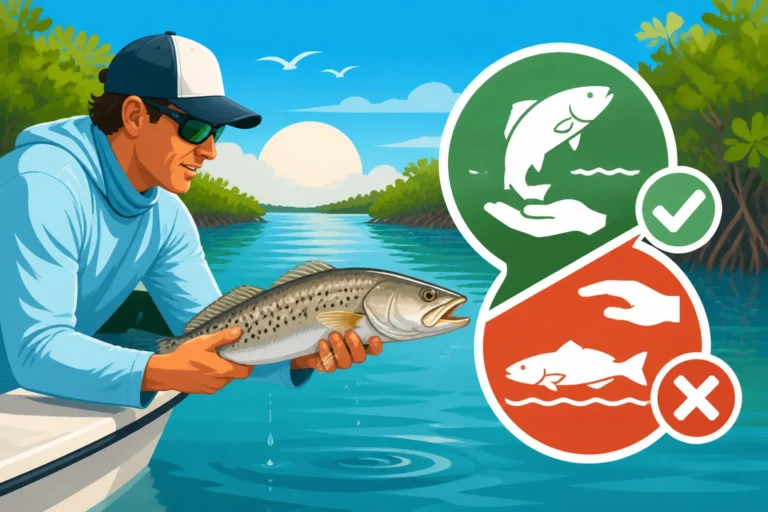
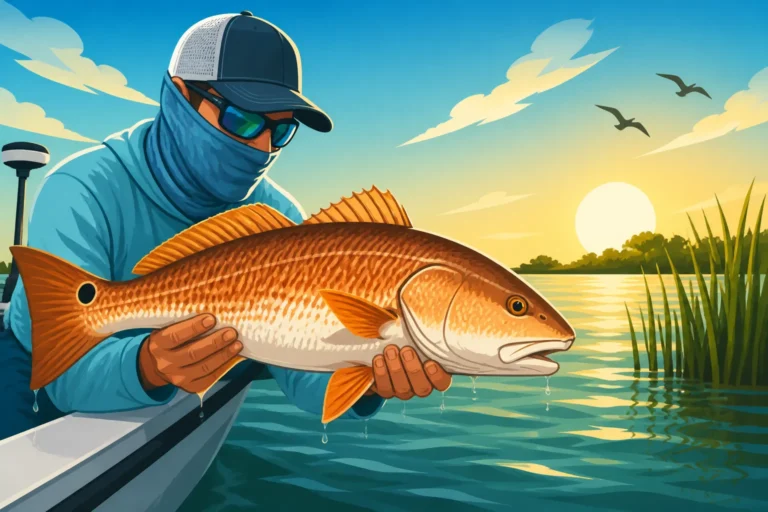
Given the prevalence of trophy redfish and other prized species, many anglers in Mosquito Lagoon practice catch and release, particularly for fish outside the legal slot limits or those destined to be breeders. Proper handling is critical to ensure the survival of released fish. When landing a fish, try to keep it in the water as much as possible. If you must lift it for a photo, support its weight horizontally, ideally with two hands, especially for larger fish. Avoid holding fish vertically by the jaw or gills, as this can cause internal damage.
Use appropriate de-hooking tools to remove hooks quickly and gently. If the fish is deeply hooked, cut the line as close to the hook as possible rather than trying to rip it out. For redfish and snook, specifically, the use of circle hooks is often recommended or even required when using natural baits, as they significantly reduce gut hooking. Our Catch and Release Best Practices for Snook guide offers more in-depth advice on how to properly handle these sensitive species. Releasing a fish properly ensures it has the best chance of survival, contributing to the healthy populations that make Mosquito Lagoon such an incredible fishery. Additionally, be sure to review specific guidance like How to Handle a Redfish for Release to protect these iconic fish.
Planning Your Trip: Guides, Access, and Gear
A successful trip to Mosquito Lagoon often hinges on good planning. Whether you're hiring a seasoned professional or venturing out on your own, knowing the best approach to access, the right gear to bring, and how to prepare can make all the difference.
Hiring a Local Guide
For those new to Mosquito Lagoon, or even experienced anglers looking to quickly learn its nuances, hiring a local fishing guide is highly recommended. These captains spend hundreds of days a year on the water and possess an intimate knowledge of the Lagoon's ever-changing conditions, secret spots, and fish behavior. A good guide will provide the specialized gear needed for shallow water sight fishing, such as a poling skiff, light tackle, and appropriate lures or bait. They can teach you the subtle art of sight casting and the importance of stealth in this delicate environment. Many anglers use platforms like FishingBooker to browse experienced guides in the area, check their availability, and read reviews from previous clients.
While a guide can be an investment, the value they provide in terms of knowledge, safety, and increased chances of success is often well worth it. They can teach you techniques that would take years to master on your own. When selecting a guide, look for those who specialize in shallow water fishing, especially sight fishing for redfish and trout. Ask about their conservation practices and their approach to catch and release. Remember, a successful trip isn't always about filling the cooler, but about the experience and learning opportunities. You can find many options by looking into a Florida Fishing Charter Guide.
Public Access Points and Boat Ramps
For anglers bringing their own boats, Mosquito Lagoon offers several public access points and boat ramps. One of the most popular is the Boca Chica Ramp, located within the Canaveral National Seashore near the southern end of the Lagoon. It's a well-maintained ramp, but it's important to remember that access to the Canaveral National Seashore often requires a fee or a national parks pass. Another key access point is the Eddy Creek boat ramp in New Smyrna Beach, providing access to the northern reaches. Closer to Titusville, you'll find ramps that offer access to the western side of the lagoon.
When launching, be mindful of the shallow depths and prop scarring. Many anglers use smaller, shallow-draft boats like flats skiffs or kayaks, which are ideal for navigating the skinny waters without causing damage. Kayak and paddleboard fishing are also incredibly popular methods here, allowing for silent, stealthy approaches to tailing fish. Just be aware of the distances you'll need to paddle to reach prime fishing grounds. Always check local ramp conditions and any specific rules for the area you plan to launch from. FishingBooker also offers resources that can help pinpoint convenient launch points when planning a trip with a guide.
Recommended Gear and Tackle
Given the clear, shallow water and wary fish, selecting the right gear is paramount. For spin fishing, light to medium-light action rods (7-7'6") paired with 2500-3000 series spinning reels are ideal. Spool these with 10-15 lb braided line, which offers sensitivity and casting distance, and top it with an 18-24 inch section of 20-30 lb fluorocarbon leader. Fluorocarbon is less visible in clear water and offers good abrasion resistance against tough fish.
For fly anglers, 8 or 9-weight fly rods are standard, paired with a matching floating line and a 9-12 ft leader tapered down to a 15-20 lb tippet. You'll want a good quality reel with a smooth drag for those powerful redfish runs. Beyond rods and reels, essential gear includes polarized sunglasses (non-negotiable for sight fishing), a wide-brimmed hat, sun-protective clothing (like long-sleeve shirts and buffs), plenty of water, and insect repellent. A shallow-water anchor (like a stick anchor or Power-Pole) is invaluable for holding your position quietly without spooking fish or damaging the bottom. Platforms like FishingBooker often list what gear guides provide, helping you plan what personal items to bring.
Disclaimer
Please remember that fishing regulations, bag limits, and seasons can change at any time. It is always the angler's responsibility to check the latest rules and regulations published by the Florida Fish and Wildlife Conservation Commission (FWC) before heading out on the water. This guide provides general information and recommendations but should not be considered a substitute for official FWC resources.