What Is a USCG Captain’s License?
Booking a fishing charter in Florida can feel like navigating a maze, especially when you're trying to figure out if your captain is truly legitimate and qualified. There's so much jargon thrown around – "licensed," "insured," "captain" – and it's easy to get overwhelmed. One of the most important credentials for any professional fishing guide in the Sunshine State, especially when you're paying them to take you out on the water, is a United States Coast Guard (USCG) Captain's License. This guide is here to demystify what that license truly means for you, the angler, and why it's such a critical stamp of approval.
Understanding the USCG Captain's License: More Than Just a Piece of Paper
When you step aboard a fishing charter, you're placing your safety, your time, and your fishing dreams into the hands of another person. The USCG Captain's License isn't just a fancy certificate to hang on the wall; it's a testament to a captain's proven competency, experience, and dedication to safety on the water. It’s what separates a professional, legally operating charter from someone simply taking friends out fishing.
Why it Matters for Your Fishing Trip
Imagine this: you've booked a trip with a guide you found online. They seem nice, the pictures of their catches are impressive, and the price is right. But have you ever stopped to consider what legal standing they have to take paying passengers out? This is where the USCG license comes in. It's the federal government's way of saying, "Yes, this individual has demonstrated the necessary skills, knowledge, and experience to safely operate a commercial vessel carrying passengers." Without it, a captain is operating illegally if they are charging you for their services on navigable waters. This isn't just a technicality; it directly impacts your safety, the equipment on board, and the overall professionalism of your trip. Knowing your captain holds this license provides a fundamental layer of trust and security.
The Role of the USCG in Recreational Boating
The United States Coast Guard is the nation's premier maritime law enforcement agency, and a huge part of their mission involves ensuring safety on our waterways. While they enforce rules for all boaters, they have a particular focus on commercial vessels – that includes your fishing charter. Their regulations are designed to prevent accidents, respond to emergencies, and ensure that anyone transporting passengers for hire meets strict standards. For a fishing guide, this means adhering to specific safety equipment requirements, maintaining their vessel to a certain standard, and, most importantly, demonstrating their navigational and seamanship skills to the Coast Guard. They're not just looking at how well a captain can catch fish; they're looking at how well they can keep you safe, come what may out on the water.
Common Misconceptions About Fishing Guides
It's easy to confuse different types of licenses and permits. Many people think that if a guide has a Florida fishing guide license (which covers the fishing aspect, like knowing bag limits and seasons), they're good to go. While important, that state-level license doesn't give them federal authority to carry paying passengers. That's exclusively the domain of the USCG. Another common misconception is that if you're just fishing in "state waters" (which typically extend up to 9 miles offshore on the Gulf side and 3 miles on the Atlantic), a USCG license isn't needed. This is generally false. Any time you're on navigable waters (which includes most coastal and many inland waterways in Florida) and charging passengers for a trip, a USCG license is required. Do Florida Fishing Guides Need a Coast Guard License? is a question we hear all the time, and the answer is almost always a resounding yes for any legitimate charter operation.
Types of USCG Captain's Licenses Relevant to Fishing Charters
The world of USCG licenses can seem a bit intricate, but for recreational fishing charters, there are usually one or two main types you'll encounter. Understanding these helps you gauge a captain's qualifications and what kind of operation they're running.
Operator of Uninspected Passenger Vessels OUPV – "6-Pack" License
This is perhaps the most common USCG Captain's License you'll find among Florida fishing guides, especially for inshore and nearshore operations. The "6-pack" refers to the passenger limit: a captain holding an OUPV license can legally carry up to six paying passengers on an uninspected vessel. "Uninspected" means the vessel isn't subject to the stringent annual inspections required for larger passenger ships, but it still has to meet specific safety equipment and construction standards.
To earn this license, a candidate must demonstrate a significant amount of "sea time" – documented experience out on the water. This usually means hundreds of days of experience operating vessels. They also have to pass a comprehensive exam covering navigation, rules of the road, safety procedures, first aid, fire fighting, and general seamanship. It's a serious undertaking, not something you get by simply taking an online quiz. Many fantastic Florida fishing experiences, from chasing redfish in the Indian River Lagoon to targeting snook in the Everglades backcountry, are run by highly skilled OUPV captains.
Master Licenses
While less common for your typical inshore fishing charter, you'll encounter Master licenses on larger offshore boats, head boats, or specific specialty charters. A Master license allows a captain to operate inspected vessels and/or carry more than six passengers, depending on the specific endorsement. These licenses come with even more rigorous sea time requirements, often thousands of days, and generally involve more extensive examinations.
For example, a Master 25/50/100 Ton Near Coastal or Oceans license allows a captain to operate vessels of that gross tonnage. If you're booking a deep sea fishing charter for a large group or heading way offshore for mahi-mahi or tuna, there's a good chance your captain will hold some form of a Master's license. This level of certification signifies an even higher level of experience and responsibility, capable of handling larger vessels and more complex maritime operations.
Endorsements and Auxiliary Qualifications
Beyond the base license, captains can earn various endorsements that demonstrate specialized skills or permissions. While not strictly mandatory for every fishing trip, they add to a captain's overall expertise and can be a sign of a truly dedicated professional.
- Towing Endorsement: This allows a captain to assist other vessels for a fee. While you hope you never need it, it’s good to know your captain has the training for it.
- Sailing Endorsement: Relevant if you're on a sailing charter that also offers fishing.
- Radar Observer: For captains operating in areas where radar is crucial for navigation and collision avoidance, particularly on larger vessels or in foggy conditions.
- Assistance Towing: Often paired with a towing endorsement, this specifies the ability to assist disabled vessels.
While these aren't directly related to catching fish, they reflect a captain's comprehensive understanding of maritime operations and their commitment to continuous learning and safety. When you're looking for How to Choose a Florida Fishing Guide, these extra qualifications can be a good indicator of a top-tier professional.
What a USCG Licensed Captain Means for Your Safety and Experience
Choosing a USCG licensed captain for your Florida fishing adventure isn't just about adhering to the law; it's about investing in a safer, more professional, and ultimately more enjoyable experience. The process of obtaining and maintaining this license instills a high level of discipline and knowledge.
Rigorous Training and Experience Requirements
Earning a USCG Captain's License is no walk in the park. It requires months, often years, of dedicated effort. A prospective captain must document extensive "sea time" – verifiable days spent on the water operating a vessel. This isn't just puttering around; it's actual navigation, handling, and decision-making time. This practical experience is then supplemented by formal classroom instruction or approved online courses. These courses cover critical subjects like:
- Navigation: Chart reading, plotting courses, understanding buoys, and using electronic navigation systems (GPS, depth finders).
- Rules of the Road: International and inland navigation rules to prevent collisions.
- Safety Procedures: Firefighting, abandon ship procedures, man overboard recovery, and emergency signaling.
- First Aid and CPR: Essential skills for responding to medical emergencies on board.
- General Seamanship: Knot tying, anchoring, docking, weather interpretation, and vessel stability.
After completing the required sea time and coursework, candidates must pass a challenging proctored examination. This isn't just a memory test; it's designed to ensure a captain can apply their knowledge in real-world scenarios. This rigorous process means your USCG-licensed captain has been thoroughly vetted and trained, far beyond what an amateur might know.
Safety Equipment and Vessel Inspections
One of the most immediate benefits of fishing with a USCG licensed captain is the assurance that their vessel is equipped with the necessary safety gear. The Coast Guard mandates specific safety equipment for all commercial passenger vessels, even uninspected ones. This typically includes:
- Properly Sized Life Jackets: Enough for every person on board, including children, and in good condition.
- Visual Distress Signals: Flares, orange smoke signals, or electronic alternatives.
- Sound Producing Devices: A whistle, horn, or bell to signal other vessels.
- Fire Extinguishers: Appropriate type and number for the vessel size and engine.
- First Aid Kit: Comprehensive and up-to-date.
- Navigation Lights: Working properly for dawn, dusk, and night operations.
- Operating Manuals and Documentation: Readily available.
While the OUPV ("6-pack") license doesn't require annual USCG inspections, captains are subject to random safety checks by the Coast Guard. They know they need to be compliant at all times. For larger Master-licensed vessels, annual inspections are a must, where the Coast Guard thoroughly examines everything from the hull to the wiring to ensure seaworthiness. This commitment to safety goes a long way in providing peace of mind when you're miles offshore.
Professionalism and Liability
Beyond the legal and safety aspects, a USCG Captain's License signifies a level of professionalism that often translates into a better overall fishing experience. These captains are typically running legitimate businesses, meaning they often carry proper commercial insurance. If an unforeseen incident were to occur, such as an accident or injury on board, this insurance provides a layer of protection that a non-licensed, uninsured operator simply wouldn't offer.
Furthermore, a licensed captain has a legal and ethical responsibility to their passengers. This means they are expected to make sound judgments regarding weather conditions, navigate safely, and prioritize the well-being of everyone on board. They understand the gravity of their role and the trust passengers place in them. When considering What's Included in a Florida Fishing Charter Price, knowing your captain is licensed and insured should be a non-negotiable part of that value.
How to Verify a Captain's USCG License
So, you're ready to book your Florida fishing trip, and you know you want a USCG-licensed captain. How do you actually make sure they're legitimate? It's easier than you might think, and it's a step you should absolutely take for your own peace of mind.
Asking the Right Questions Before Booking
When you're first reaching out to a charter service, whether through a platform like FishingBooker or directly, don't be shy about asking direct questions. A reputable captain will be proud to share their credentials. Here are a few key questions:
- "Are you a USCG licensed captain?" (A straightforward start!)
- "What type of USCG license do you hold?" (They should be able to tell you OUPV, Master, etc.)
- "Do you carry commercial insurance for your charter operations?" (Crucial for liability.)
- "Can I see a copy of your license or certificate?" (While they might not email it immediately, they should be able to show it to you upon request, usually displayed prominently on the vessel.)
If a captain is evasive, gets defensive, or changes the subject, that should be a major red flag. Most legitimate operations will have this information readily available on their website or will happily provide it when asked. Remember, you're paying for a service, and you have every right to ensure it's provided safely and legally.
Online Verification Resources
The USCG maintains databases of licensed mariners, and while direct public access to full license details can be limited for privacy reasons, there are ways to confirm. Many online booking platforms, like FishingBooker, often pre-verify captain's licenses before listing them. This can save you a step. You can also contact the USCG National Maritime Center (NMC) directly with a captain's full name, and they can usually confirm if that individual holds a valid license. While they won't give out personal details, they can confirm the existence and validity of the license.
It's also worth checking review sites and testimonials. While reviews don't verify a license, they can give you a good sense of a captain's reputation and professionalism. Combine these resources, and you'll have a solid picture.
Why It's Crucial for Your Peace of Mind
Think about it: would you let an unlicensed driver operate a taxi or a surgeon perform an operation without certification? Probably not. The maritime environment, especially in Florida's sometimes unpredictable waters, can be just as demanding. A USCG license means your captain understands emergency procedures, knows how to navigate, and is equipped to handle challenging situations. It means their vessel has the proper safety equipment. It means you're not just hoping for the best; you're actively ensuring your well-being. This due diligence takes only a few minutes but provides immense peace of mind, allowing you to focus on the joy of catching fish, rather than worrying about safety. What to Bring on a Florida Fishing Charter usually includes sunscreen and snacks, not anxiety about your captain's qualifications!
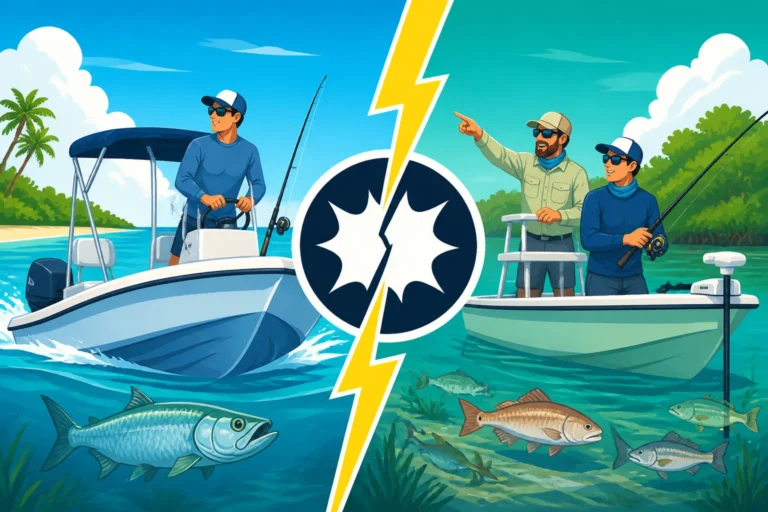
The Difference: State Guide vs. USCG Captain
It's really common for people to get confused about the various permits and licenses involved in operating a fishing charter in Florida. Let's clear up the distinction between a state-issued guide permit and a federal USCG Captain's License, because they serve very different purposes.
Florida's State Guide Requirements
Florida, like many states, has its own set of regulations for fishing activities, and this includes some provisions for guides. Generally, a "Florida fishing guide license" (or similar state endorsement) primarily addresses the fishing aspect of the operation. This might mean the guide has registered with the state, understands local bag limits, size restrictions, and fishing seasons for various species like snook, redfish, or trout. It ensures they are knowledgeable about Florida's specific fisheries management rules, which is crucial for ethical and legal fishing. However, a state guide license alone does not grant the authority to carry paying passengers on navigable waters. That's a federal jurisdiction. Think of it this way: the state license says, "This person knows how to fish legally in Florida." The USCG license says, "This person knows how to safely operate a boat with paying passengers on federal waterways."
When a USCG License is Absolutely Necessary
Here's the critical takeaway: if you are paying someone to take you fishing on a boat in Florida's coastal waters, inland lakes, or rivers that are considered "navigable" (which most are), that person must possess a valid USCG Captain's License. This is not optional. The moment money exchanges hands for transport on a vessel for recreational purposes, that vessel becomes a "commercial passenger vessel" in the eyes of the Coast Guard, even if it's a small skiff. This applies whether you're fly fishing in a shallow flat, bottom fishing in Tampa Bay, or heading out into the Gulf of Mexico. Without a USCG license, a captain is operating illegally, and you, as a passenger, are essentially on an uninsured, uncertified commercial vessel. This is a point of confusion for many anglers, but it’s foundational to safe and legitimate charter operations.
The "Gray Areas" and Why They Matter
Sometimes, the lines can feel a little blurry. What if you're not explicitly paying for "transport," but just for "fishing advice" while on someone's boat? What if you're splitting gas money? The Coast Guard's stance is pretty broad: if there's any financial transaction or exchange of value in return for being taken out on the water, especially if it's for profit, a USCG license is generally required. This is why you often see legitimate guides clearly stating their prices for Florida Fishing Charter Cost Guide or Half-Day vs Full-Day Fishing Charter Cost in Florida, and these costs implicitly cover the captain's qualifications and legal operation.
Even seemingly innocent scenarios can fall into this commercial category. For example, if a friend who frequently takes people out fishing starts accepting payment for "fuel" or "bait" on a consistent basis, and it contributes to their livelihood, they could potentially be viewed as operating commercially without the proper license. The implications of operating without a USCG license can be severe for the captain (heavy fines, confiscation of vessel, even jail time) and can leave passengers vulnerable in case of an accident. Always err on the side of caution and ensure your captain holds the correct federal credentials. You can find many reputable options through services like FishingBooker that prioritize licensed captains.
| License Type | Issuing Authority | Primary Focus | Passenger Limit (Typical) | Applicability to Fishing Charters |
|---|---|---|---|---|
| USCG OUPV ("6-Pack") | Federal (USCG) | Safe operation of commercial vessels with passengers | Up to 6 paying passengers | Required for most paid fishing charters on navigable waters |
| USCG Master License | Federal (USCG) | Safe operation of larger/inspected vessels, more passengers | 7+ paying passengers | Required for larger offshore charters or head boats |
| Florida Fishing Guide (State) | State (FWC) | Compliance with state fishing regulations, bag limits | N/A (fishing-specific) | Required for the fishing aspect, but not for carrying paying passengers commercially |
Conclusion
Understanding what a USCG Captain's License entails is one of the most important things you can do when planning a fishing trip in Florida. It's not just a bureaucratic hurdle; it's a fundamental safeguard for your safety, a mark of true professionalism, and a legal requirement for anyone offering paid fishing charters. When you book a trip with a captain who has gone through the rigorous training, sea time, and examination process required by the United States Coast Guard, you're not just paying for their fishing expertise; you're paying for peace of mind. So, the next time you're dreaming of reeling in a trophy redfish or battling a mighty tarpon in Florida's beautiful waters, make sure your adventure is in the hands of a properly licensed USCG captain. It's the smart choice for a safe, legal, and unforgettable fishing experience.
Disclaimer
This article is for general informational purposes only and does not constitute professional advice. Laws, prices and regulations vary by location and change over time. Consult a qualified professional for guidance on your specific situation.