Minimum Size for Keeping a Cobia in Florida
There's nothing quite like the thrill of feeling that unmistakable tug on your line, especially when you know it could be a powerful fish like a Cobia. But that initial rush of excitement can quickly turn into a moment of anxiety when you realize you're not entirely sure about the current regulations. Is it big enough to keep? What are the rules right now? We've all been there, standing on the boat or pier, squinting at a fish, trying to remember what the rulebook said. This guide is here to clear up that confusion, specifically focusing on the minimum size requirements for keeping Cobia in Florida, so you can fish with confidence and stay on the right side of the law.
Understanding Cobia Regulations in Florida Waters
Cobia are one of Florida's most sought-after game fish, known for their powerful fight, delicious meat, and often curious nature. They can be found in various habitats, from nearshore wrecks and buoys to offshore structures, making them accessible to a wide range of anglers. However, like all managed species in Florida, there are specific rules in place to ensure their populations remain healthy and sustainable for future generations. These regulations aren't just arbitrary; they're based on scientific data about the species' life cycle, growth rates, and spawning habits. It's really about protecting these incredible fish.
The Importance of Responsible Fishing for Cobia
When you're out on the water, whether you're sight-fishing for them on the flats or jigging over a wreck, remember that every fish caught contributes to the overall health of the fishery. Catching a Cobia is a privilege, and with that comes the responsibility to know and follow the rules. Ignoring regulations, even unintentionally, can have long-term impacts on the species. Imagine if everyone kept undersized fish – the population wouldn't have a chance to reproduce effectively, leading to fewer and smaller fish for everyone down the line. That's a future none of us want.
Beyond just the law, responsible fishing is about being a good steward of Florida's natural resources. It's about ensuring your kids and grandkids can experience the same thrill of landing a beautiful Cobia that you do today. This includes understanding Florida Fishing Regulations and Bag Limits as a whole, which helps paint a complete picture of why these rules are so important.
Where Cobia Are Found and How They're Targeted
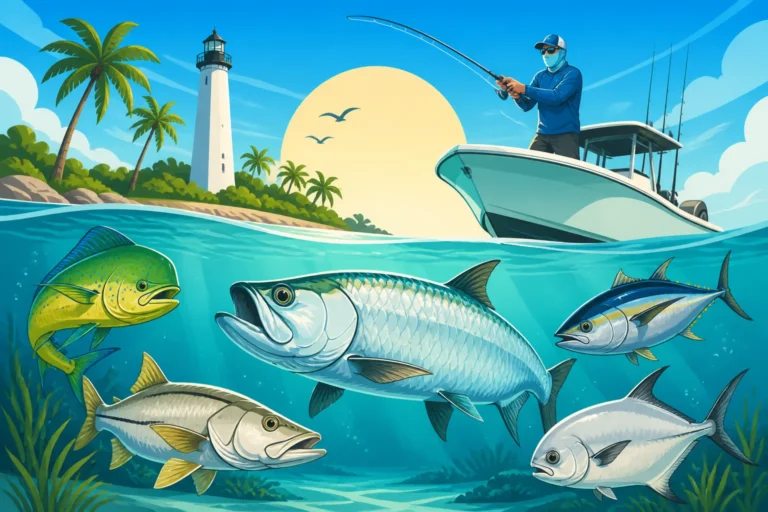
Cobia are a fascinating species, often spotted cruising near structures like channel markers, crab trap buoys, and even large rays or sharks. They have a distinctive, almost shark-like shape, often leading to mistaken identity for less experienced anglers. You'll find them in both the Gulf and Atlantic waters of Florida, making them a common target across the entire state.
Anglers often target Cobia using a variety of methods, including sight fishing with live baits like pinfish or eels, or casting artificial lures like bucktail jigs or soft plastics near known structures. Since they're often found around navigational aids or wrecks, they're a popular species for both inshore and offshore anglers. Understanding their habits is key to successful fishing, but knowing the rules about what you can keep is just as vital as knowing how to catch them.
The Specifics: Minimum Size for Keeping a Cobia in Florida
Alright, let's get down to brass tacks, because this is often the most pressing question when you've got a Cobia on the deck. Florida's regulations for Cobia are pretty straightforward, but you need to know the exact measurement to avoid any issues.
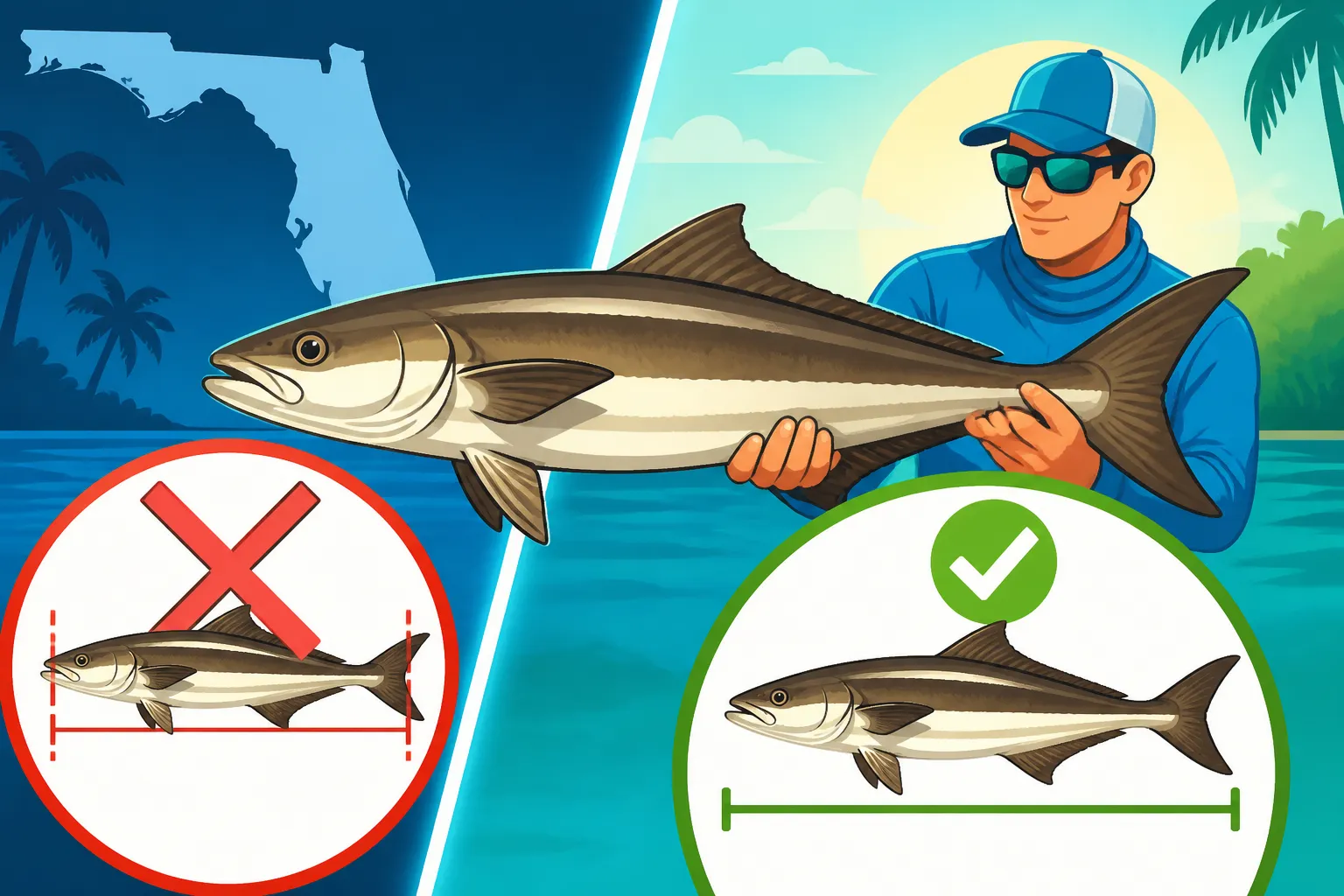
The absolute minimum size for keeping a Cobia in Florida is 33 inches fork length.
Now, what exactly does "fork length" mean? This is crucial! It doesn't mean total length. It means you measure from the tip of the fish's snout to the fork in its tail. Not the very tip of the longest tail fin, but where the tail fin splits. This method provides a consistent and accurate measurement, regardless of how worn or damaged a fish's tail might be. Always make sure you're measuring to the fork, not the tip.
Fork Length Explained
Measuring "fork length" is a specific requirement for many species and it's super important to get it right. Imagine a line running from the tip of the fish's nose straight down its body. You then measure along this line to the point where the two lobes of the tail fin diverge, forming that "V" shape or "fork." Don't flatten the tail, just let it lie naturally and measure to that point.
Having a reliable measuring device on hand is absolutely non-negotiable. You can find flexible measuring tapes or rigid rulers that are perfect for this purpose. Many fishing supply stores, or even online retailers like Amazon, offer these. Some even stick right onto your cooler or boat deck, making it super easy to quickly check your catch. It’s far better to measure twice and be sure than to guess and face a potential fine. Trust me, marine patrol officers are sticklers for accurate measurements, and for good reason!
The Cobia Bag Limit
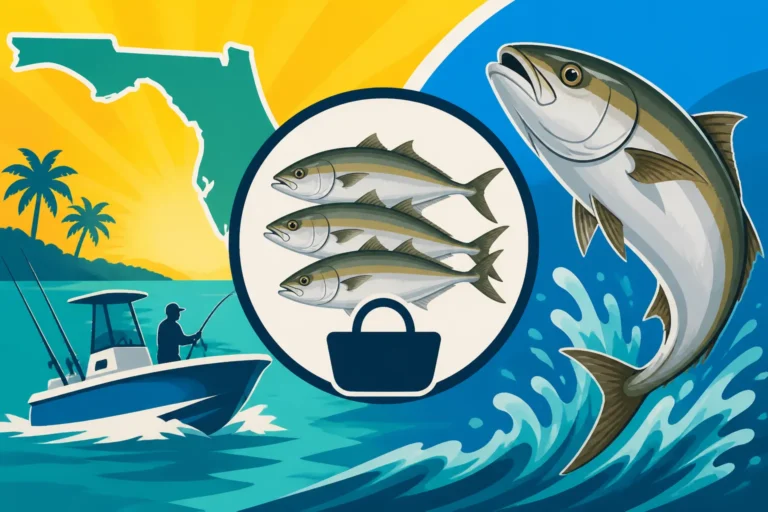
While the size limit is critical, it's also important to remember the bag limit. Even if you catch several Cobia that meet the minimum size requirement, you can't keep them all. The daily bag limit for Cobia in Florida is two fish per person per day, with an additional vessel limit of six Cobia per vessel per day, regardless of how many licensed anglers are on board.
So, if you're fishing with three buddies on one boat, even if all four of you have your Florida Saltwater Fishing License Rules in order, you collectively cannot keep more than six Cobia. And individually, you can't keep more than two. This combined individual and vessel limit is another layer of protection for the species, helping to spread the harvest among more anglers and prevent overfishing by large groups.
Why Size Limits Matter for Cobia Conservation
It might feel a little frustrating when you hook into a beautiful Cobia, reel it in, and then realize it's just shy of the legal minimum size. We've all been there, staring at a fish that looks "close enough." But these size limits aren't set arbitrarily. They are a cornerstone of fisheries management and play a crucial role in ensuring the sustainability of Cobia populations in Florida.
Protecting Juvenile Fish
The primary reason for minimum size limits is to protect juvenile fish. By setting a minimum size of 33 inches fork length, the goal is to allow Cobia to grow to maturity and, most importantly, have the chance to spawn at least once, if not multiple times, before they are harvested. Think about it: a fish that hasn't had the chance to reproduce means fewer future fish. If we were to keep every small Cobia, the population would quickly dwindle, and trophy-sized fish would become a rarity.
This strategy is vital for maintaining a healthy breeding stock. It's a long-term investment in our fishing future, ensuring that there will be plenty of Cobia for generations of anglers to enjoy. It also means that when you do catch a legal-sized Cobia, you're more likely to be landing a robust, mature fish that has contributed to the ecosystem.
Ensuring Sustainable Harvest
Beyond protecting juveniles, size limits help regulate the overall harvest. Coupled with bag limits, they prevent overfishing and depletion of the stock. Without such regulations, a species as popular and desirable as Cobia could easily be fished out in certain areas. It's about finding that delicate balance between allowing recreational anglers to enjoy their sport and safeguarding the natural resource.
When you adhere to these limits, you're directly contributing to a sustainable fishery. This is why organizations like the Florida Fish and Wildlife Conservation Commission (FWC) invest so much into research and monitoring to set these limits. They want to make sure the resource is here for all of us, always. It’s the very definition of sustainable enjoyment.
Beyond Size: Other Important Cobia Rules
While the minimum size and bag limits are probably the most talked-about regulations, there are other important rules and considerations when targeting Cobia in Florida. Being a responsible angler means understanding the full picture, not just the basics.
Gear Restrictions and Best Practices
For Cobia, there aren't typically complex gear restrictions compared to some other species, but general best practices for saltwater fishing always apply. Using appropriate tackle that matches the size and fight of the fish is crucial. Overly light tackle can lead to prolonged fights that exhaust the fish, making successful release less likely if it's undersized. Conversely, gear that's too heavy can make the fight less sporting. Many anglers opt for medium-heavy spinning or conventional setups, often with 30-50 pound braided line and a fluorocarbon leader, like those you might find on Amazon.
When practicing Catch and Release Best Practices for Snook, many of those same principles apply to Cobia. If you catch an undersized Cobia, or if you've already met your bag limit, handle the fish carefully. Minimize its time out of the water, support its body weight, and release it gently. Avoid dragging the fish over rough surfaces or mishandling its gills or eyes. A dehooking tool can be invaluable for quickly and safely removing hooks, especially if the fish has swallowed the bait.
Open Seasons and Regional Differences
One of the great things about Cobia fishing in Florida is that it's generally a year-round open season. Unlike some other species, you typically don't have to worry about specific seasonal closures for recreational Cobia harvest. This is a huge bonus, allowing anglers the flexibility to target them whenever conditions are right. However, always remember that regulations can change, so it's a good habit to quickly check the latest FWC guidelines before any fishing trip, just to be sure.
While the main statewide regulations for size and bag limit are consistent, it's always wise to be aware of any potential regional variations or emergency closures that might pop up. For instance, specific areas might have temporary closures due to environmental factors or local stock assessments. Staying informed, perhaps through the FWC website or local bait shops, is key.
Practical Tips for Measuring and Releasing Cobia
Knowing the rules is one thing, but putting them into practice effectively on a rocking boat or a busy pier is another. These practical tips can help you measure your Cobia accurately and ensure a healthy release if it's not a keeper.
Proper Measuring Technique
As we discussed, fork length is the rule. Here's how to do it effectively:
- Prepare Your Measuring Device: Before you even bring the fish into the boat, have your measuring tape or stick ready. Make sure it's clean and clearly visible. Many anglers install a sturdy, adhesive measuring board on their cooler or boat gunwale, which can be super helpful.
- Handle the Fish Gently: If you intend to release the fish, minimize its time out of the water. Cradle it horizontally, supporting its weight, especially around the belly. If possible, measure it while it's still in the water or just barely out.
- Place the Snout Against the Start: Lay the fish flat on the measuring device, with its snout firmly against the zero mark.
- Measure to the Fork: Follow the body line to the V-shaped fork in the tail. Read the measurement at this point. Do not pinch the tail, or try to extend it. Just measure to the natural fork.
- Confirm the Size: Make sure you're confident in your measurement. If it's borderline, it's always safer to err on the side of caution and release the fish. A general rule for Florida Cobia Fishing Guide is if in doubt, let it go.
| Cobia Regulation Type | Requirement | Notes |
|---|---|---|
| Minimum Size | 33 inches | Measured to fork length (tip of snout to fork in tail). Ensure accurate measurement; do not measure to tip of tail. |
| Bag Limit (Per Person) | 2 fish | Maximum two legal-sized Cobia per angler per day. |
| Bag Limit (Per Vessel) | 6 fish | Maximum six legal-sized Cobia per boat per day, regardless of the number of anglers onboard. This limit is often reached before the individual angler limit. |
| Season | Year-Round | Generally open year-round for recreational harvest. Always check current FWC regulations for any potential changes or regional closures. |
Best Practices for Healthy Release
Even if you're planning to keep a legal-sized Cobia, you might still catch several that are too small or that you just want to release. Ensuring their survival is part of ethical angling.
- Minimize Air Exposure: Fish need oxygen from the water. Keep them submerged as much as possible, especially during hook removal and measurement.
- Use a Dehooker: Keep a dehooking tool handy. It allows for quick, safe hook removal without deeply handling the fish, reducing stress and injury. These are easy to find online, like on Amazon, and are a great addition to any tackle box.
- Avoid Gill Contact: Never grab a fish by the gills. This is one of the most damaging ways to handle a fish and significantly reduces its chances of survival.
- Support the Fish's Weight: If you must lift the fish for a photo, support its full body length horizontally, especially if it's a larger fish. Avoid holding it vertically by the jaw if it's heavy, as this can damage its internal organs and jaw structure.
- Revive If Necessary: If the fish seems sluggish upon release, hold it gently in the water, facing into the current, and move it back and forth to force water over its gills. Only release it when it swims away strongly on its own. These practices are essential for preserving the species for future enjoyment.
Staying Informed and Enjoying Your Trip
Fishing is all about getting out on the water, relaxing, and hopefully, bringing home some delicious dinner. But a big part of that enjoyment comes from knowing you're doing things correctly and responsibly. Staying on top of the regulations, especially those regarding minimum sizes and bag limits for popular species like Cobia, is a fundamental aspect of being a knowledgeable angler.
The Florida Fish and Wildlife Conservation Commission (FWC) is your go-to source for the most current and accurate regulations. Their website and mobile apps are incredibly user-friendly and offer real-time updates. It's a smart practice to review them before every trip, as rules can occasionally change due to stock assessments, environmental factors, or even emergency closures. For instance, sometimes Florida Fishing Seasons Explained will have updates that apply to specific regions or species.
Whether you're targeting Cobia from a kayak, a pier, or an offshore charter, a little preparation goes a long way. Make sure your measuring tape is easily accessible, that you have a good dehooking tool, and that everyone on your boat understands the rules. That way, when you do land that impressive 33-inch-plus Cobia, you can celebrate your catch with complete peace of mind, knowing you've earned it fairly and responsibly. Happy fishing out there!
Disclaimer
This article is for general informational purposes only and does not constitute professional advice. Laws, prices and regulations vary by location and change over time. Consult a qualified professional for guidance on your specific situation.