Florida Fishing Charter Guide
So, you've decided to cast your line into the incredible fishing waters of Florida, but the thought of navigating the endless options, local regulations, and finding the right boat has you feeling a bit like a fish out of water? You're not alone! This comprehensive guide is designed to cut through the confusion and help you confidently choose and prepare for the perfect Florida fishing charter, ensuring your trip is less about stress and more about reeling in memories.
Why Consider a Florida Fishing Charter?
Let's face it, Florida fishing can be as vast and varied as the state itself. From the crystal-clear flats of the Keys to the deep blue offshore waters of the Panhandle, each area offers unique challenges and incredible opportunities. For many anglers, especially those visiting or new to a particular region, a fishing charter isn't just a luxury; it's often the most effective, safest, and most rewarding way to experience Florida's world-class fishing. You're not just renting a boat; you're gaining access to a wealth of knowledge and resources that would take years to acquire on your own.
Expertise and Local Knowledge
Imagine staring at a vast expanse of water, wondering where to even begin. A good captain, however, has an intimate knowledge of the local ecosystem. They know the subtle clues – a change in water color, a slight ripple on the surface, the birds diving – that signal where the fish are hiding. They've spent countless hours studying tide charts, understanding how moon phases impact feeding patterns, and observing the migratory routes of various species.
This isn't just about pointing you to a "hot spot" from a general fishing report; it's about real-time, nuanced understanding. They know exactly which creek mouth is producing snook on an incoming tide in the morning, or where the redfish are schooling up on a particular oyster bar when the water starts to cool. Without this insider perspective, you could spend an entire day crisscrossing the water, burning fuel, and casting into unproductive areas, leaving you with little more than a sunburn and a sense of frustration.
Beyond finding the fish, their local expertise extends to navigating the intricate waterways safely. Florida's coasts and inland lakes can be deceptively tricky, with shallow flats, submerged oyster bars, and constantly shifting sand channels. A seasoned captain knows these dangers like the back of their hand, ensuring your journey is smooth and worry-free. They also understand local weather patterns, which can change rapidly in Florida, and prioritize your safety above all else, making informed decisions about when and where it's safe to fish.
Gear and Boat Provided
One of the biggest hurdles for any angler, especially those traveling, is bringing all the necessary gear. Rods, reels, tackle boxes brimming with lures, cast nets for bait – it all adds up, both in cost and luggage space. When you book a charter, all that worry disappears. Your captain provides top-of-the-line equipment that's perfectly suited for the target species and local conditions.
This means you don't have to invest in specialized saltwater gear if you're primarily a freshwater angler, or worry about having the right heavy tackle for offshore behemoths. The rods are spooled with the correct line, the leaders are tied strong, and the hooks are razor-sharp. Plus, you get the benefit of using professional-grade equipment that might be out of reach for a casual angler's budget, giving you an edge in fighting and landing those trophy fish.
Beyond the tackle, the boat itself is a critical piece of the puzzle. Charter boats are purpose-built for fishing, often featuring advanced electronics like GPS, fish finders, and radar, which are essential for navigating, locating structure, and finding bait. They also provide comfortable, stable platforms for fishing, often with spacious decks, shade covers, and safety equipment that goes above and beyond what a casual rental might offer. You're stepping onto a vessel designed for serious angling and comfort, a huge advantage over trying to make do with an unsuitable craft.
Access to Prime Fishing Grounds
Many of Florida's most productive fishing spots are simply inaccessible to the average recreational angler. This could be due to distance from public ramps, the need to navigate tricky channels, or the sheer time it takes to reach offshore reefs and wrecks. Charter captains, however, have the vessels and the know-how to get you there safely and efficiently.
For inshore anglers, this means reaching untouched mangrove tunnels, secluded oyster bars, or remote grass flats that hold schooling redfish and snook, far from the pressure of public access points. Imagine gliding into a pristine backcountry lagoon, seeing nothing but birds and fish, a sight rarely experienced from a shore-based trip. These hidden gems are often where the biggest and most cooperative fish reside, offering a truly wild Florida fishing experience.
Offshore, the advantage is even more pronounced. Deep-sea fishing for snapper, grouper, kingfish, or even pelagic species like mahi-mahi and sailfish requires navigating miles out into the Gulf or Atlantic. Charter boats are equipped for these longer journeys, often with the speed and range to get to productive ledges, wrecks, and temperature breaks where these sought-after species congregate. Without a charter, exploring these distant, bountiful waters would be a daunting, if not impossible, task for most anglers.
Types of Florida Fishing Charters
Florida's diverse aquatic environments mean there's a fishing charter for almost every preference, skill level, and target species. Whether you dream of sight-fishing for trophy redfish on skinny water or battling a giant marlin miles offshore, the Sunshine State has a captain ready to make it happen. Understanding the different types of charters available is the first step in planning your ultimate fishing adventure.
Inshore and Flats Charters
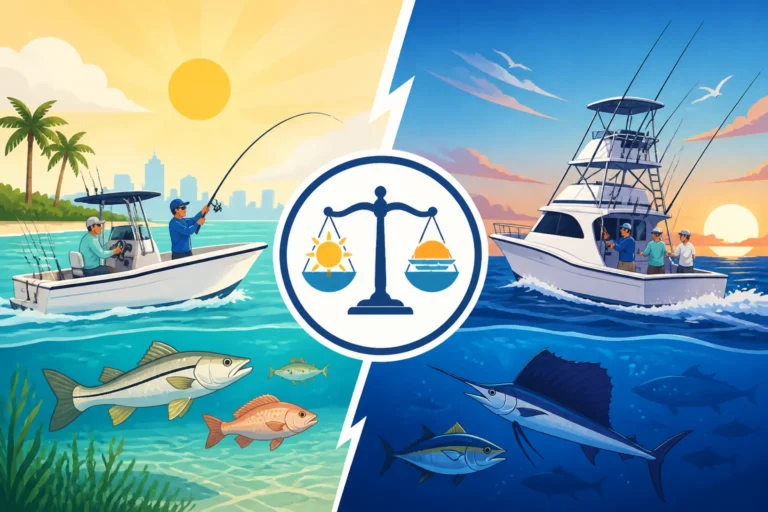
Inshore charters focus on the shallow, protected waters closer to the coastline, typically bays, estuaries, mangrove shorelines, and expansive grass flats. These trips are often conducted on smaller, shallower-draft boats, sometimes called flats boats or bay boats, designed to navigate very skinny water where larger vessels can't go. This style of fishing is incredibly popular throughout Florida's coasts, from the Panhandle down to the Keys.
Target species for inshore trips are diverse and include some of Florida's most iconic game fish. You'll often be chasing redfish, snook, and spotted seatrout, which are all highly sought after for their fighting ability and delicious table fare. Other common catches include flounder, snapper (like mangrove snapper), sheepshead, and even juvenile tarpon in certain areas and seasons. These charters offer a fantastic opportunity for light tackle action and often involve sight-fishing, where you spot the fish before casting to it, adding an exciting visual element to the hunt. Florida Inshore Fishing Techniques are definitely worth learning about if you plan to try this kind of trip.
A typical inshore trip might involve poling quietly through a mangrove creek, casting soft plastics or live bait around oyster bars, or drifting vast grass flats with popping corks. The emphasis is often on stealth and precision, making it an engaging experience for anglers who enjoy a more active, casting-oriented style of fishing. These trips are generally calmer than offshore excursions, making them a great choice for families, beginners, or anyone prone to seasickness.
Offshore and Deep Sea Charters
For those who crave the thrill of the open ocean and the chance to battle truly large fish, offshore and deep sea charters are the way to go. These trips venture miles away from land, sometimes pushing into federal waters, to target a completely different class of species. The boats are typically larger, more robust vessels designed to handle open water conditions, often equipped with outriggers, tuna towers, and powerful engines.
The species list for offshore fishing is impressive and includes powerful game fish like various types of grouper (gag, red, black), snapper (red, vermilion, mutton), king mackerel, Spanish mackerel, cobia, amberjack, and barracuda. Venture further offshore, and you could encounter pelagic giants like mahi-mahi (dolphin), wahoo, tuna, sailfish, and even marlin. Techniques vary from bottom fishing over reefs and wrecks to trolling baits at high speeds for schooling fish or kite fishing for sailfish. Florida Offshore Fishing Techniques are a whole different ballgame.
These charters offer an exhilarating experience, though they can be physically demanding. The rides out can be long, and the fighting of large fish can test your endurance. However, the reward of landing a trophy fish or filling the cooler with fresh fillets is unparalleled. It's an ideal choice for experienced anglers, groups of friends looking for a big adventure, or anyone seeking a true blue-water challenge.
Freshwater Bass Guides
While Florida is renowned for its saltwater fishing, its freshwater offerings are equally legendary, particularly for largemouth bass. The state is dotted with thousands of lakes, rivers, and canals that hold trophy-sized bass, and many professional guides specialize exclusively in these inland waters. These trips are typically done on powerful bass boats, designed for speed and maneuverability on lakes, equipped with advanced trolling motors and livewells.
Lakes like Okeechobee, Toho, and the St. Johns River are famous bass fishing destinations, but countless smaller bodies of water also offer incredible action. Guides have an intimate knowledge of these specific waterways, knowing where the fish are holding based on water levels, temperature, and seasonal patterns like the Florida Bass Spawning Season. They'll put you on the fish, whether they're hiding in dense hydrilla beds, cruising along lily pad edges, or suspended in open water.
Freshwater bass charters are perfect for bass enthusiasts, families looking for a relaxed day on calmer waters, or those who prefer to stay away from the ocean's swell. You'll learn advanced bass fishing techniques, from flipping and pitching heavy jigs into cover to working topwater lures over submerged vegetation. It's a fantastic way to experience a different side of Florida's fishing prowess and potentially land a personal best largemouth.
Specialty Charters
Beyond the broad categories, Florida also offers a range of specialty charters tailored to specific techniques or experiences. These can provide a unique twist on your fishing adventure.
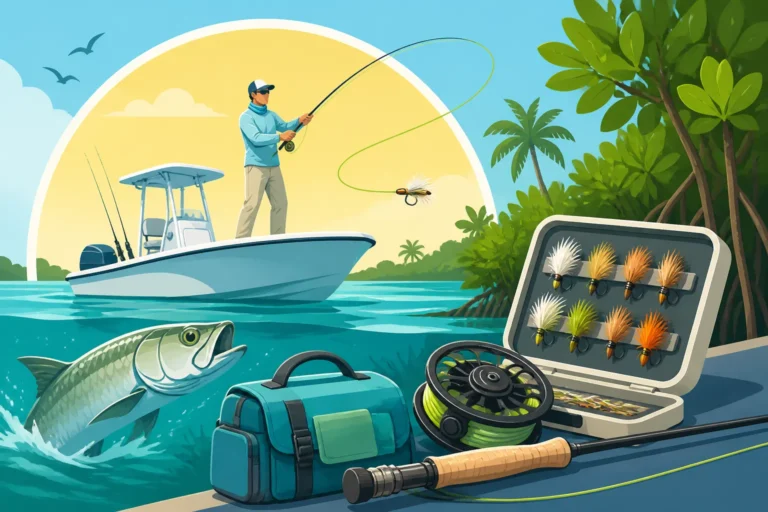
Fly Fishing Charters: For the purists and those seeking a unique challenge, fly fishing charters are available, particularly in the shallow saltwater flats of the Keys and Gulf Coast. Target species include bonefish, permit, redfish, and tarpon, all on the fly rod. These trips require immense skill and stealth, often involving sight-casting to individual fish. It's a highly immersive and rewarding experience for the dedicated fly angler.
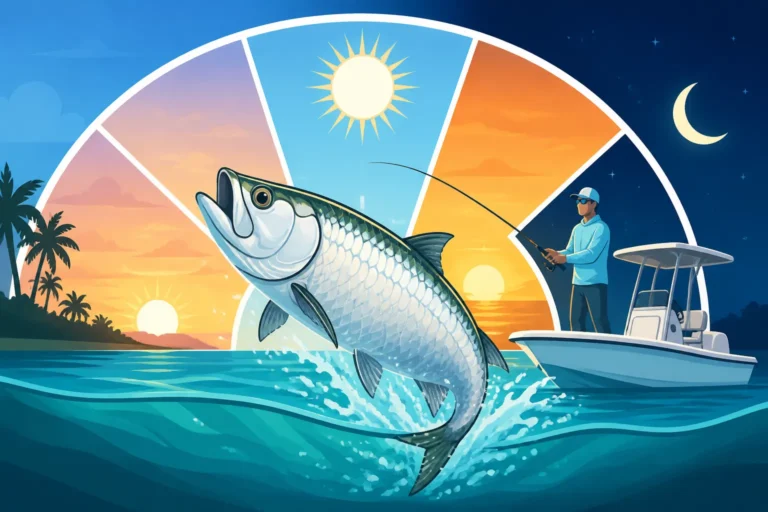
Night Fishing Charters: When the sun goes down, a whole new world of fishing opens up. Night fishing charters often target species like snook, tarpon, and seatrout that feed under dock lights, bridge lights, or around inlets after dark. The cooler temperatures and different fish behavior make for an exciting and often very productive experience, especially during the warmer months. These trips can be incredibly atmospheric, with the quiet hum of the boat and the splash of feeding fish under the stars.
Spearfishing Charters: For the adventurous and those with proper certification (or willingness to learn), spearfishing charters offer an underwater hunting experience. Typically focusing on offshore reefs and wrecks, these trips target various snapper and grouper species. You'll usually need your own gear and demonstrate proficiency, but some charters offer instruction and rental equipment for beginners. It's an exhilarating way to harvest your own fish, offering a direct connection to the marine environment.
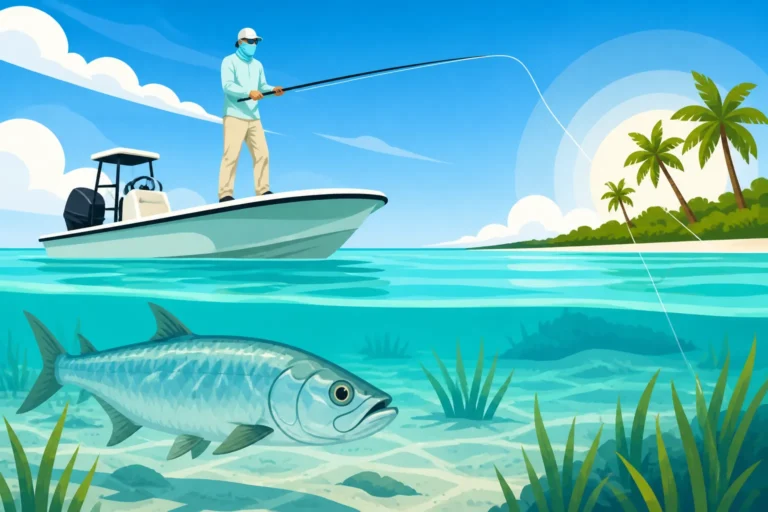
Tarpon and Snook Specific Charters: While these species can be caught on general inshore or even some offshore charters, many captains specialize specifically in targeting tarpon or snook due to their popularity and specific habits. For instance, booking a Florida Tarpon Fishing Season Guide during the spring migration can dramatically increase your chances of hooking into the "Silver King." These captains live and breathe these species, knowing their every move and preferred bait.
Understanding Florida Fishing Charter Costs
One of the first questions on every angler's mind when considering a charter is, "How much does it cost?" It's a fair question, and the answer isn't always straightforward because there are so many variables at play. Just like buying a car, there's a huge range in pricing depending on what you're looking for, the level of service, and the type of experience you want. While I can't give you exact figures, I can certainly break down the factors that influence charter prices in Florida so you can better understand what you're paying for and budget accordingly. For more specific numbers, remember that platforms like FishingBooker often list detailed pricing.
Factors Affecting Charter Prices
Several key elements contribute to the overall cost of a fishing charter. These aren't just arbitrary numbers; they reflect the significant investment a captain makes in their business, their expertise, and the quality of the experience they provide.
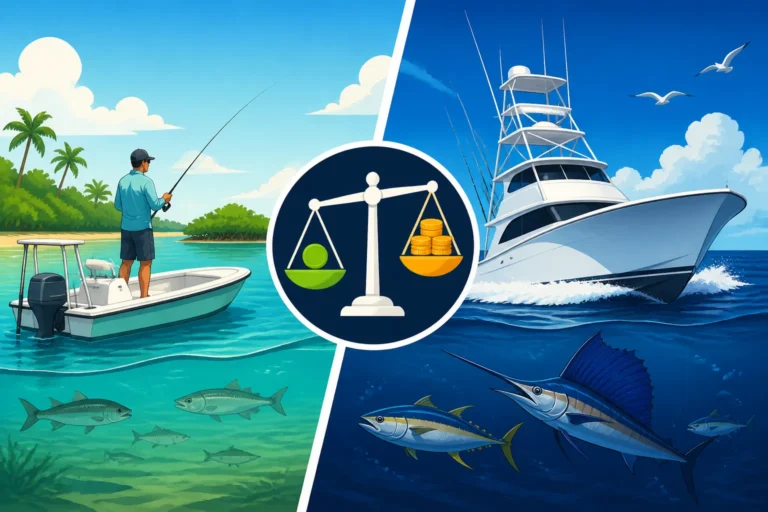
Firstly, the type of fishing you want to do plays a huge role. Generally speaking, offshore or deep-sea charters tend to be more expensive than inshore or freshwater trips. Why? Offshore boats are larger, consume significantly more fuel to travel miles out to sea, and require more specialized (and expensive) safety equipment. The gear for targeting large pelagic species is also more robust and costly to maintain. Conversely, a flats boat operating in shallow bays will have lower overhead for fuel and maintenance.
Secondly, the duration of the trip is a major factor. A half-day trip will naturally cost less than a full-day trip. A full-day trip offers more fishing time, allows the captain to travel further to find fish, and provides a more relaxed pace. However, even within half-day trips, you might find variations based on whether it's a 4-hour or 6-hour excursion. Longer trips, like those that span 8-10 hours, offer the best chance for multiple species and exploring diverse grounds. Understanding Half-Day vs Full-Day Fishing Charter Cost in Florida can help you determine the best value for your budget and time.
Finally, the reputation and experience of the captain, along with the size and amenities of the boat, also influence pricing. Highly sought-after captains with years of proven success and a reputation for putting clients on fish often command higher rates. Their boats might be newer, better equipped with cutting-edge electronics, or offer more comforts like enclosed cabins or private restrooms. A more basic, older vessel with a less experienced captain will typically be on the lower end of the price spectrum. It's often worth paying a bit more for a seasoned professional and a well-maintained boat for safety and success.
Half-Day vs. Full-Day Charters
Deciding between a half-day and a full-day charter is often a trade-off between cost, fishing time, and overall experience. Both have their merits, and the best choice depends on your group's goals and stamina.
Half-day charters, typically 4 to 6 hours long, are a popular option, especially for families with young children, beginners, or those on a tighter schedule and budget. They offer a taste of Florida fishing without the commitment of a long day on the water. On these trips, captains usually focus on productive spots closer to the dock to maximize fishing time. You'll still have plenty of opportunities to catch fish, but the range of species or the sheer volume might be more limited compared to a full-day trip. It's an excellent way to get out on the water, enjoy the scenery, and catch some fish without getting completely exhausted or sunburnt.
Full-day charters, usually 8 hours or longer, offer a significantly more comprehensive fishing experience. With more time, the captain can travel further to less pressured fishing grounds, explore multiple spots, and adapt to changing conditions throughout the day. This increased flexibility often translates to a greater variety of species and a higher chance of landing trophy fish. For serious anglers or groups looking for the ultimate fishing adventure, a full-day trip provides ample time to really settle into the rhythm of the ocean or lake and pursue those bucket-list catches. While more expensive upfront, many anglers feel the extended time and increased opportunities offer better value in the long run.
Private vs. Shared Charters
Another crucial decision that impacts both cost and experience is whether to book a private charter or join a shared/party boat trip. Each option caters to different needs and preferences.
Private charters mean you and your group have the entire boat and captain to yourselves. This offers unparalleled flexibility: you get to decide the target species (within reason and season), the techniques, and the pace of the day. The captain's full attention is on your group, providing personalized instruction and guidance. Private charters are ideal for families, groups of friends, or serious anglers who want a tailored experience. While the per-boat cost is higher, if you have a group of 4-6 people, the per-person price can sometimes be comparable to a shared trip, and the experience is often far more intimate and productive. Private Charter vs Shared Charter Cost in Florida delves deeper into this comparison.
Shared charters, also known as "head boats" or "party boats," are a more budget-friendly option where you pay a per-person fee and share the boat with other anglers who have also booked a spot. These boats are typically larger, accommodating many passengers, and follow a set itinerary, usually focusing on common species like snapper and grouper over reefs or wrecks. Shared charters are a great way to experience offshore fishing without the high cost of a private vessel, making them accessible for solo anglers, couples, or those who don't have a large group. The downside is less personalized attention from the crew, potential crowds, and less flexibility in where you fish or what you target. However, they can be a fun, social atmosphere and a fantastic way to learn from other anglers.
What to Expect and What to Bring on Your Charter
Booking a fishing charter is a fantastic step towards an unforgettable Florida adventure, but knowing what to expect and how to prepare can significantly enhance your experience. A little planning goes a long way in ensuring your day on the water is comfortable, safe, and productive.
Before You Go: Booking and Communication
Once you've decided on the type of charter and fishing experience you're looking for, the booking process begins. Many captains operate independently, taking bookings directly via phone or their website. However, for a broader selection and easier comparison, many anglers find platforms like FishingBooker incredibly useful for comparing different charters, reading reviews, and booking their trips securely. No matter how you book, clear communication with your captain or booking agent beforehand is paramount.
Confirm the date, time, meeting location (often a specific marina or boat ramp), and what's included in the price. Don't be shy about asking questions regarding target species, the type of boat, and any specific requests you might have, such as wanting to focus on catch-and-release versus keeping fish for dinner. This ensures everyone is on the same page and manages expectations. If you're wondering How to Choose a Florida Fishing Guide, thorough communication is a key indicator of a good one. It's also wise to inquire about their cancellation policy, especially considering Florida's unpredictable weather. You'll want to know what happens if the weather turns sour before your trip.
It's also a good idea to discuss the payment structure. Many charters require a deposit to secure your booking, with the balance due on the day of the trip. Clarify accepted payment methods (cash, credit card, Venmo, etc.). If you're planning to use a credit card, confirm if there are any processing fees. By sorting out these details in advance, you can avoid any last-minute confusion or awkward situations, allowing you to focus entirely on the excitement of your upcoming fishing trip.
Essential Items to Pack
Even though a charter provides the essential fishing gear, there are several personal items you'll want to bring along to ensure your comfort and safety during your time on the water. Florida's climate can be intense, so preparation is key.
Firstly, sun protection is non-negotiable. The Florida sun is incredibly strong, especially when amplified by reflection off the water. Pack a wide-brimmed hat, polarized sunglasses (which also help you see fish better!), and plenty of high-SPF sunscreen. Long-sleeved, breathable fishing shirts with UPF protection are also highly recommended to prevent sunburn. Even on cloudy days, UV rays penetrate, so don't skip this step.
Next, consider your clothing and footwear. Dress in layers if you're heading out in the cooler months or early mornings, as temperatures can change. For footwear, choose non-marking, closed-toe shoes with good grip. Boat decks can get wet and slippery, so sandals or flip-flops might not offer enough protection or traction. And while many boats have coolers, bringing your own small cooler with drinks and snacks is always a good idea, especially for longer trips. If you're prone to motion sickness, take medication before you board the boat, as it's often too late once you start feeling queasy. This is a common piece of advice in any What to Bring on a Florida Fishing Charter guide.
Here's a quick checklist of essential items:
| Category | Always Bring | Good to Have (Check with Captain) |
|---|---|---|
| Sun Protection | Sunscreen (high SPF) | Lip balm with SPF |
| Wide-brimmed hat | Neck gaiter/buff | |
| Polarized sunglasses | ||
| Clothing | Light, breathable long-sleeved shirt | Rain jacket/poncho |
| Quick-dry shorts/pants | Change of clothes (for after the trip) | |
| Footwear | Non-marking, closed-toe shoes with good grip | |
| Hydration/Food | Water, sports drinks | Snacks, sandwiches |
| Comfort/Health | Motion sickness medication (take beforehand!) | Small backpack/dry bag for personal items |
| Any personal medications | Camera (waterproof or in a dry bag) | |
| Documents | Photo ID (if needed for license verification) | Cash for gratuity |
Onboard Amenities and Etiquette
When you step aboard a fishing charter, you're entering the captain's domain. Understanding common amenities and practicing good etiquette will ensure a smooth and enjoyable trip for everyone.
Most charter boats will have a cooler with ice for your drinks and any fish you decide to keep. Some might offer bottled water, but it's always best to bring your own. Many larger offshore boats will have a marine head (toilet), but smaller inshore flats boats may not, so always ask in advance if this is a concern. Life jackets are required by law and will be onboard, with sizes available for children. Your captain and crew are there to help, whether it's baiting hooks, untangling lines, or gaffing fish, so don't hesitate to ask for assistance.
In terms of etiquette, listening to your captain and crew is paramount. They are responsible for your safety and the success of the trip. Follow their instructions regarding casting, fighting fish, and moving around the boat, especially when hooks are flying. Be mindful of your casting space to avoid tangling lines with other anglers, particularly on shared trips. Keep the boat tidy by disposing of trash properly, as littering in Florida waters is a serious offense. Remember, a charter is a shared experience, and mutual respect for the captain, crew, and fellow anglers makes for a much better day for everyone.
Navigating Licenses, Regulations, and Permits
The world of fishing licenses and regulations in Florida can feel like a labyrinth, even for seasoned locals. When you book a fishing charter, some of this burden is lifted, but it's still crucial to understand the basics to ensure your trip is legal and responsible. This section will help demystify what you need to know about permits and rules when fishing with a professional guide.
Fishing Licenses on Charters
One of the biggest advantages of fishing on a licensed charter boat in Florida is that the vessel itself typically holds a blanket fishing license that covers all passengers on board. This means that you, as an individual angler, generally do not need to purchase your own recreational Florida fishing license for the duration of the charter trip. This is fantastic news, especially for out-of-state visitors or those who only plan to fish once or twice a year. The cost of this license is included in your charter fee, simplifying your preparation considerably.
However, there's a critical caveat: this blanket license typically covers general recreational fishing. If you plan to target certain specialized species or participate in specific activities, you might still need individual permits or endorsements. Always confirm with your captain beforehand. They are the ultimate authority on what their specific vessel's license covers and if any additional requirements apply to your intended fishing. They'll also know about any regional differences or temporary regulations that might be in effect. For broader understanding, consider reviewing the comprehensive Florida Fishing License Guide.
It's also worth noting that this rule primarily applies to recreational fishing charters where you are an invited guest. If you're renting a boat yourself or fishing from shore or a private vessel without a charter captain, then you will need to acquire your own individual Florida Fishing License Cost and Fees. This distinction is vital to avoid potential fines or legal issues. Always err on the side of caution and ask your captain if you're unsure about any licensing requirements for your trip. Charter Boat Fishing License Rules in Florida covers this topic in detail.
Understanding Bag Limits and Seasons
Even with a charter, all anglers are still subject to Florida's strict fishing regulations regarding bag limits, minimum and maximum sizes (slot limits), and open/closed seasons for various species. These rules are in place to protect fish populations and ensure sustainable fishing for future generations, and your captain is legally bound to adhere to them.
Your captain will be well-versed in all current regulations for the species you're targeting. They will inform you of the rules for specific fish, such as how many redfish or snook you can keep, what the legal size range is, and if there are any seasonal closures. For example, Florida Snook Season Guide and Florida Grouper Season Guide explain that many species have specific times of the year when they cannot be harvested at all, or only in certain regions. It's important to respect these rules and listen to your captain's guidance on what fish can be kept and which must be released.
In situations where a fish is caught that is outside the legal slot limit or during a closed season, your captain will instruct you on how to properly handle and release the fish to maximize its chances of survival. This might involve careful de-hooking, revival techniques, or simply cutting the line if the hook is too deep. Being a responsible angler, even on a charter, means understanding and respecting these conservation measures.
Specialty Permits
Beyond the general recreational fishing rules, certain highly sought-after species in Florida require specific, individual permits in addition to any general license coverage. The two most common examples of this are the Snook Permit and the Lobster Permit.
If you plan to harvest snook, you must have a valid Florida Snook Permit Requirements. This permit is an endorsement added to your recreational fishing license (or, if on a charter, you would still need your own individual snook permit, even if the general boat license covers you for other species). The snook permit helps fund conservation efforts specifically for this iconic game fish. Similarly, if you plan to participate in Florida's famous lobster mini-season or regular season and intend to harvest spiny lobster, you'll need a Florida Lobster Permit Requirements. Again, this is an individual permit required regardless of whether you're on a charter boat or your own vessel.
Your charter captain will usually ask about your intentions regarding these species upfront. If you express an interest in keeping snook or lobster, they will likely remind you of the permit requirement. It's always your responsibility to ensure you have any necessary individual permits if you plan to harvest these specific species. Failing to do so can result in significant fines and penalties, even if you are otherwise legally fishing on a licensed charter. Don't let a permit oversight ruin an otherwise fantastic fishing day!
How to Choose the Right Florida Fishing Charter
With so many charter captains and boats operating across Florida, selecting the right one can feel like a daunting task. You want to ensure your investment pays off in a memorable, enjoyable, and productive fishing trip. It’s not just about finding the cheapest option; it’s about finding the best fit for your expectations and group.
Researching Captains and Boats
The first step in choosing a charter is thorough research. Start by defining what kind of fishing experience you're looking for. Are you dreaming of a laid-back family trip targeting smaller, abundant fish, or are you a seasoned angler aiming for a trophy tarpon or offshore giant? Your target species and desired intensity will narrow down the options considerably. Once you have a general idea, focus on the specific region of Florida you'll be visiting, whether it's the Florida Keys, Tampa Bay, Destin, or Lake Okeechobee.
Next, dive into online research. Look for captains who specialize in the type of fishing you want to do in that area. Many captains have their own websites, social media pages, or are listed on booking platforms like FishingBooker. Pay attention to the photos of their boats, their catch photos (are they recent? do they feature the species you want to catch?), and their overall presentation. A professional online presence often correlates with a professional operation. Consider the size of your group too; some boats are ideal for solo anglers or pairs, while others can comfortably accommodate larger parties.
Don't hesitate to contact a few different captains directly. This is a great way to gauge their personality, their communication style, and their enthusiasm for your trip. Ask specific questions about their experience, their typical fishing grounds for the time of year you're visiting, and what they provide. A good captain will be happy to answer your questions and help you decide if their charter is the right match.
Reading Reviews and Getting Recommendations
In today's digital age, reviews are gold when it comes to choosing a service, and fishing charters are no exception. Take the time to read reviews on Google, Yelp, TripAdvisor, and specialized fishing booking sites like FishingBooker. Look for consistent themes: are clients praising the captain's knowledge, friendliness, and ability to find fish? Do they mention clean boats and well-maintained gear?
Don't just skim; read a variety of reviews, both positive and negative. While a few less-than-stellar reviews might be normal (fishing isn't always perfect!), a pattern of complaints about safety, professionalism, or lack of fish should be a red flag. Also, pay attention to how captains respond to negative feedback, if at all. A thoughtful, professional response can often turn a negative into a positive.
Beyond online reviews, word-of-mouth recommendations are incredibly valuable. If you know friends, family, or fellow anglers who have fished in Florida, ask them for their personal recommendations. Their firsthand experiences can provide insights that online reviews might miss, such as a captain's patience with kids, their ability to cater to different skill levels, or their commitment to catch-and-release practices if that's important to you. Sometimes, a local bait shop or marina can also offer reliable suggestions for reputable captains in the area.
Communication is Key
Once you've narrowed down your choices, good communication with your chosen captain or their booking agent is absolutely critical. This isn't just about booking the date; it's about setting clear expectations and ensuring a smooth experience.
As mentioned earlier, always confirm the specifics: date, time, meeting spot, and exact pricing, including any potential fuel surcharges or additional fees for fish cleaning. But go beyond that. Discuss your group's experience level – are you all seasoned anglers or complete beginners? Let the captain know if you have young children or anyone with mobility issues, as this might influence the type of fishing or boat they recommend. If you have a strong preference for keeping fish for dinner or practicing strict catch-and-release, communicate this upfront. A good captain will try to accommodate your wishes within legal limits and what's practical for the day.
Don't be afraid to ask about contingencies, especially regarding weather. Florida weather can be notoriously fickle, with pop-up thunderstorms common, particularly in the summer. Understand their policy for rescheduling or refunds in case of inclement weather. A captain who communicates clearly and proactively is usually a sign of a professional operation committed to your satisfaction. Effective communication ensures that both you and the captain are aligned, leading to a much more enjoyable and successful fishing adventure.
Making the Most of Your Florida Fishing Experience
You've done your research, booked your charter, and packed your essentials. Now, it's time to hit the water and make some unforgettable memories. While the captain and crew will handle the heavy lifting, knowing a few key things about etiquette, handling your catch, and appreciating the environment will elevate your entire Florida fishing experience.
Tipping Your Captain and Crew
This is often one of the most commonly asked questions, and for good reason: it's important to show appreciation for hard work and excellent service. Just like in other service industries, tipping your fishing charter captain and any mates is customary and highly encouraged in Florida. These professionals work long hours, often starting well before dawn to prepare for your trip and staying late to clean up. Their income is heavily reliant on gratuities.
A good rule of thumb for tipping is 15-20% of the total charter price. If you had an exceptional experience, the crew went above and beyond, or you landed a truly impressive catch, consider tipping closer to the 20-25% mark. For example, if your charter cost $1000, a tip of $150-$200 would be standard. If there's a first mate on board, typically the tip is given to the mate, who then shares it with the captain, or you can ask the captain how they prefer to handle it. Always bring cash for tips, as it's often preferred and easier for the crew. Tipping Etiquette for Florida Fishing Guides can provide more specific guidance.
Remember, a tip is a reflection of your satisfaction with the service, not solely on the number of fish caught. While everyone wants to catch fish, sometimes the bite is slow, or weather conditions are challenging. A good captain will still work tirelessly to put you on fish, provide an enjoyable and safe experience, and offer valuable instruction. If they've done their best, a generous tip is well-deserved regardless of the size of the cooler.
Fish Cleaning and Keeping Your Catch
One of the perks of a successful fishing trip, beyond the thrill of the catch, is often bringing home fresh fish for dinner! Most Florida fishing charters offer fish cleaning services as part of their standard operation, or for a small additional fee. This is a huge convenience, as cleaning fish, especially larger species, can be messy and requires specific skills and tools.
After your trip, the crew will typically lay out the catch and begin the cleaning process at the dock. They'll fillet your fish, remove the skin and bones, and prepare the meat in ready-to-cook portions. They'll usually bag the fillets for you, and it's a good idea to have a cooler with ice in your car to transport them home safely. Always confirm with your captain about their fish cleaning policy and if there's any extra charge for it. If you have specific preferences (e.g., leaving the skin on for certain cooking methods), communicate this clearly to the crew.
It's important to reiterate that all kept fish must adhere to Florida's strict bag limits and size regulations. Your captain will ensure that only legal fish are retained. Never pressure your captain or crew to keep undersized fish or fish caught during a closed season. They are professionals and are bound by law to follow these rules, which are essential for the long-term health of Florida's fisheries. Enjoy the fresh catch responsibly and savor the flavors of your angling success!
Capturing Memories and Respecting Wildlife
A fishing charter is more than just catching fish; it's about the entire experience. From breathtaking sunrises over the water to unexpected wildlife encounters, there are countless opportunities to create lasting memories. Bringing a camera (preferably waterproof or in a dry bag) is highly recommended to capture these moments.
Beyond the fishing, Florida's waters are teeming with incredible wildlife. You might spot dolphins playing in the wake, sea turtles gliding by, manatees grazing in shallow areas, or a variety of seabirds diving for bait. Your captain often knows where to find these amazing creatures and can offer insights into their behavior. Respecting this wildlife is crucial; never attempt to feed or harass wild animals. Maintain a safe distance and simply observe their natural behaviors.
When it comes to handling fish, especially those intended for release, proper technique is essential to ensure their survival. Your captain and crew are experts in this, but it's good to be aware. Avoid touching fish with dry hands, as this can remove their protective slime coat. Support the fish horizontally, especially larger ones, to avoid damaging their internal organs. If a fish is deeply hooked, let the captain or mate handle the removal, or if necessary, cut the line as close to the hook as possible. Practicing ethical angling ensures that future generations can enjoy the same incredible fishing experiences that Florida offers.
Disclaimer
This article is for general informational purposes only and does not constitute professional advice. Laws, prices and regulations vary by location and change over time. Consult a qualified professional for guidance on your specific situation.