Florida Tarpon Fishing Season Guide
Many anglers dream of battling the majestic "Silver King," but understanding the intricacies of the Florida tarpon fishing season can feel like deciphering an ancient scroll. From knowing when they migrate to where they'll be and what gear you'll need, the challenge can be daunting. This comprehensive guide is here to unravel those mysteries, helping you plan a successful and unforgettable tarpon fishing adventure in the Sunshine State.
Understanding the Tarpon Migration in Florida
Tarpon are one of Florida's most iconic and sought-after game fish, renowned for their incredible strength, acrobatic leaps, and sheer size. But catching them isn't as simple as dropping a line anywhere. These magnificent creatures are highly migratory, and their movements are primarily dictated by water temperature and their spawning cycle. Understanding these patterns is the key to unlocking consistent success.
The Annual Silver King Journey
The annual migration of tarpon in Florida is a truly spectacular natural phenomenon. As water temperatures begin to rise in late spring, usually around April, vast schools of mature tarpon begin moving northward from their wintering grounds in the warmer waters of the Florida Keys and parts of Southwest Florida. This is often referred to as the "spring migration," and it's when some of the largest concentrations of tarpon can be found along both coasts. They follow baitfish, seek out favorable currents, and are driven by the instinct to spawn.
This epic journey takes them along the Gulf Coast, up to the Panhandle, and along the Atlantic coast as far north as Georgia and the Carolinas. Their routes often hug the coastline, moving through passes, inlets, and along beaches, making them accessible to a variety of fishing methods. Smaller, resident tarpon populations can be found in some areas year-round, particularly in warm-water canals and estuaries, but the migratory fish represent the peak season for many anglers.
As summer progresses, typically from June through August, many of these migratory fish will stage in specific areas to spawn. After spawning, they gradually begin their return journey southward as water temperatures start to cool in the fall, heading back to their warmer winter sanctuaries. This entire cycle makes for distinct peak seasons depending on which part of Florida you plan to fish.
Factors Influencing Migration Patterns
While the general migration path is somewhat predictable, several factors can influence the timing and intensity of the tarpon run each year. Water temperature is paramount; tarpon prefer water above 75 degrees Fahrenheit. A colder-than-average winter or a late spring cold front can delay their northward movement, while an early warm-up can kick things off sooner. This makes checking local conditions and water temperatures crucial as your trip approaches.
The availability of baitfish is another significant driver. Tarpon are opportunistic predators, and they will follow massive schools of their preferred forage, such as mullet, pilchards, threadfin herring, and crabs. If bait concentrations are high in a particular area, tarpon are likely to congregate there. Coastal currents and weather patterns, including persistent winds or tropical systems, can also impact their movements, pushing them inshore or offshore, or altering their typical migratory paths.
Understanding these variables means that while there are general peak seasons, flexibility and local knowledge are vital. A reputable guide will always be tracking these micro-factors to put you on the fish. You can also research "Best Time of Year to Fish in Florida" to get a broader understanding of how different species react to seasonal changes.
Pre and Post-Spawn Behavior
Tarpon exhibit distinct behaviors during their pre-spawn and post-spawn phases, which directly impacts how and where you can target them. In the pre-spawn phase, usually late spring into early summer, tarpon are often found in large, active schools, frequently "rolling" on the surface. These fish are typically feeding aggressively, building up energy reserves for the rigors of spawning. They can be found in channels, passes, near bait pods, and sometimes even in very shallow backcountry waters.
During the actual spawning period, often offshore in deeper waters, the fish can become harder to locate and less interested in feeding. This is usually a short window, but it's important to be aware that the bite might slow down during this specific time. Immediately after spawning, the "post-spawn" fish return to shallower waters, often hungry and recuperating. They might be found in slightly different areas than their pre-spawn haunts, sometimes more spread out or in calmer, food-rich estuaries, regaining their strength before beginning their southward migration.
Recognizing these behavioral shifts and adapting your strategy accordingly is a hallmark of an experienced tarpon angler. Sometimes, the fish might be keyed in on one type of bait, or they might be more receptive to a specific presentation depending on their current physiological state.
Regional Tarpon Hotspots and Their Prime Seasons
Florida's vast coastline offers numerous fantastic tarpon fishing opportunities, but the peak season can vary significantly from one region to another. Knowing where and when to focus your efforts is critical for a successful trip. Each area has its unique characteristics, influencing both the fish's behavior and the most effective fishing techniques.
Southwest Florida and the Everglades
Southwest Florida, encompassing areas from Sarasota down through Fort Myers, Naples, and into the Everglades, is a prime tarpon destination, especially during the spring migration. The season here typically kicks off in earnest by April and runs strong through June, often extending into July. The region's intricate network of mangrove estuaries, vast shallow flats, and numerous passes (like Boca Grande Pass) create an ideal habitat and migratory corridor.
Boca Grande Pass, often dubbed the "Tarpon Capital of the World," is legendary. From May to July, thousands of tarpon congregate here, staging for spawning. This area is famous for its "hill tide" fishing, where massive schools of crabs flush out of Charlotte Harbor on the outgoing tide, creating a feeding frenzy. While highly productive, it can also be incredibly crowded, with dozens, if not hundreds, of boats jockeying for position. Away from the Pass, the expansive backcountry of the Ten Thousand Islands and the broader Everglades offers a more serene experience, with sight-fishing opportunities for cruising tarpon in shallow water. Anglers can explore the Everglades Fishing Guide for more insights into this unique environment.
The fishing here can involve everything from live baiting with crabs, mullet, or pilchards in the deeper passes to sight-casting flies or artificial lures on the flats. The warmer, shallower waters of the backcountry can also hold resident tarpon populations that offer opportunities outside the main migratory window, though these fish are often smaller.
The Florida Keys: Tarpon Mecca
The Florida Keys are arguably the most famous tarpon fishing destination, particularly for those seeking the challenge of sight-fishing. The season in the Keys generally starts earlier than other regions, often seeing strong numbers of migratory fish by March, peaking from April through June. This is when the legendary "silver kings" flood the shallow flats and channels from Key Largo down to Key West.
Anglers here primarily focus on sight-fishing, spotting tarpon as they cruise the flats, roll in channels, or "lay up" in calm pockets of water. This visual aspect makes it incredibly thrilling and challenging, requiring accurate casts and precise presentations. Islamorada, Marathon, and Key West are particularly renowned for their tarpon fishing, with experienced guides leading anglers to their quarry. You can learn more by checking out the Florida Keys Fishing Guide.
While live bait (like crabs and mullet) is highly effective, the Keys are also a mecca for fly anglers, who revel in the challenge of fooling a large tarpon with a well-placed fly. The clear, shallow waters make it an ideal environment for this technical approach. The sheer volume of fish and the beauty of the surroundings make the Keys an unforgettable tarpon experience, albeit often requiring patience and skill.
Central and North Florida Coastal Areas
While the southern parts of Florida receive most of the tarpon hype, Central and North Florida coastal regions also offer fantastic, albeit often shorter, tarpon seasons. Along the Atlantic coast, areas like Mosquito Lagoon, the Indian River Lagoon, and coastal inlets from Sebastian Inlet northward to Ponce Inlet and St. Augustine will see migratory tarpon from late spring through summer, typically May to August. These fish follow the bait schools along the beaches and in the Intracoastal Waterway.
Similarly, on the Gulf Coast, areas like Tampa Bay, Homosassa, Crystal River, and even further north into the Panhandle around Apalachicola Bay and Destin, will experience a tarpon run. This usually occurs from May through September, sometimes even extending into October if water temperatures remain warm. The fish here are often found along beaches, near passes, and in large bay systems.
Fishing in these northern reaches can sometimes offer a less crowded experience than the major southern hotspots. Anglers often target them by patrolling beaches, casting near structure in inlets, or drifting live baits in deeper channels. While the season might be shorter, the quality of fishing can be exceptional, with many large migratory fish making their way through. Don't overlook these areas, especially if you're looking for an alternative to the more famous, bustling spots.
| Region | Peak Tarpon Season | Primary Fishing Style | Key Bait/Lure Types | Typical Water Depth |
|---|---|---|---|---|
| Florida Keys | April – June (early March start) | Sight Fishing Flats/Channels | Crabs, Mullet, Flies | 2-10 ft |
| SW Florida | April – July | Pass Drifting, Flats Sight | Crabs, Mullet, Pilchards | 5-30 ft |
| Everglades Backcountry | April – July | Sight Fishing Mangroves | Mullet, Pilchards, Flies | 1-5 ft |
| Central Atlantic Coast | May – August | Beach Patrolling, Inlet | Mullet, Threadfins, Plugs | 3-20 ft |
| Central Gulf Coast | May – September | Nearshore, Bay Systems | Mullet, Pinfish, Soft Plastics | 5-25 ft |
| Florida Panhandle | June – September | Beach Patrolling, Nearshore | Mullet, Menhaden, Large Plugs | 5-20 ft |
Best Time of Day and Tidal Influences for Tarpon
Tarpon, like many predatory fish, are highly influenced by the time of day and the movement of tides. Understanding these patterns can significantly increase your chances of hooking up with a Silver King. It's not just about when the fish are there, but when they are most likely to feed or be in a vulnerable position.
Dawn, Dusk, and Night Fishing Strategies
Tarpon are often most active during periods of low light. This makes dawn and dusk prime times for targeting them. As the sun rises or sets, the lower light conditions provide an ambush advantage for tarpon, making them more confident to feed in shallower waters. During these hours, they might be more willing to chase topwater lures or actively roll and gulp air, giving away their presence.
Early morning, right as the sun cracks the horizon, is often considered the magic hour. Tarpon that have been cruising through the night might still be actively feeding before the sun gets too high and pushes them into deeper or shadier waters. Similarly, as the sun begins to drop in the late afternoon and evening, a second wave of activity can occur. This is particularly true in areas where tarpon are staging in open water or along beaches.
Night fishing for tarpon can also be incredibly productive, especially around well-lit bridges and dock lights. The artificial lights attract baitfish, which in turn draws in tarpon. Anglers will often cast live bait, such as shrimp or mullet, or dark-colored artificial lures into the shadows and current lines created by the lights. This can be a completely different game than day-fishing, often requiring specialized techniques and a keen understanding of how tarpon use the structure and light to hunt.
Reading the Tides for Optimal Bites
Tides are perhaps the single most critical factor for successful tarpon fishing in Florida's saltwater environments. Tarpon rely heavily on tidal currents to bring them food and to move efficiently through passes and channels. Generally, moving water is good water for tarpon, as it concentrates bait and makes it easier for them to ambush prey.
The outgoing tide is often considered the most productive for tarpon, especially in areas with strong current. As water drains from estuaries, rivers, and bays, it flushes out baitfish, crabs, and shrimp, creating a natural buffet for waiting tarpon. In places like Boca Grande Pass, the "hill tide" with its crab flush is legendary. Strong outgoing tides can also push tarpon out of shallow areas into deeper channels where they can be targeted more easily.
Conversely, incoming tides can also be excellent, particularly as tarpon move into shallower flats and mangrove edges to feed on bait that is pushed in by the rising water. The beginning and end of a tide (the "slack tide") can sometimes be slower, but even then, a slight current might be enough to trigger a bite. Learning how to Read a Tide Chart for Fishing is an invaluable skill for any Florida angler targeting tarpon. Observing how baitfish react to the current will often give you clues as to where the tarpon will be positioned.
Moon Phases and Their Impact
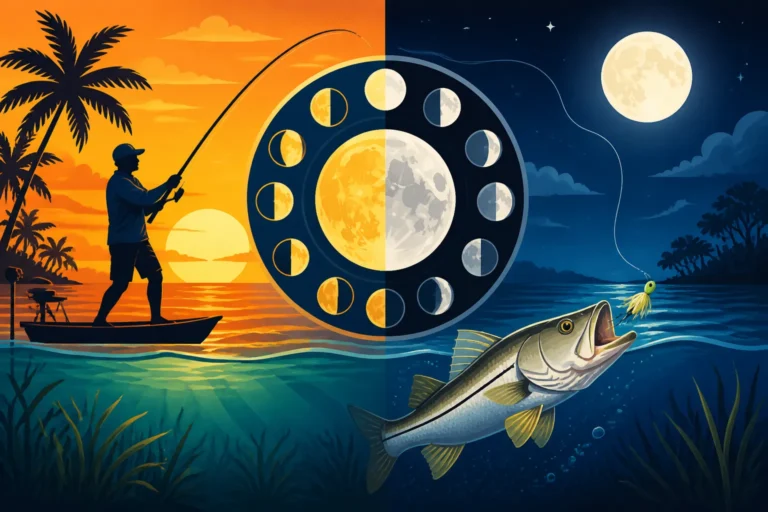
While not as immediately impactful as daily tides, moon phases can certainly play a role in tarpon behavior, particularly concerning their migration and spawning cycles. Full and new moon phases are often associated with stronger tidal currents (spring tides), which, as we've discussed, can be highly beneficial for tarpon feeding and movement. The increased water movement concentrates bait and can make tarpon more active.
Many experienced tarpon anglers believe that the full moon in late spring and early summer often coincides with peak migratory activity and aggressive feeding behavior, leading up to or during spawning events. The extra moonlight can also extend feeding periods into the night, especially on clear nights when tarpon might still be able to hunt effectively.
Conversely, during the quarter moon phases (neap tides), tidal currents are weaker, which can sometimes lead to slower fishing, as bait might be more dispersed and tarpon less inclined to expend energy chasing food. However, this is not a hard and fast rule, and localized conditions like bait presence and water temperature can often override the general influence of the moon phase. It's one more piece of the puzzle to consider when planning your trips.
Essential Gear and Tackle for Tarpon Fishing
Tackling a tarpon requires robust gear capable of handling powerful runs, acrobatic jumps, and sheer brute force. Skimping on tackle is a surefire way to end up with a heartbreaking break-off. Investing in quality equipment specifically designed for big game, inshore saltwater fishing will pay dividends.
Rods, Reels, and Line Selection
For tarpon, you'll need a stout setup that can withstand prolonged battles.
Rods: A heavy action spinning rod or a medium-heavy conventional rod, typically in the 7 to 8-foot range, is ideal. The longer rod provides better casting distance for reaching rolling fish and offers more leverage during the fight. For example, a St. Croix Legend Tournament Inshore rod or a similar heavy-duty model is often favored. The rod needs to have enough backbone to turn a large fish but also enough tip sensitivity for casting and feeling subtle bites.
Reels: A high-quality spinning reel in the 6000-8000 size class (like a Shimano Saragosa or a Penn Spinfisher) or a conventional reel like a Penn Fathom or an Avet MXL, spooled with plenty of line, is essential. The reel's drag system is paramount; it needs to be smooth, consistent, and capable of applying significant pressure without sticking. A faulty drag system will quickly lead to lost fish.
Line: Braided line is the standard for tarpon fishing due to its incredible strength-to-diameter ratio and lack of stretch, which provides excellent sensitivity. Most anglers opt for 50-80 lb test braided line. The no-stretch property of braid allows for solid hook sets and helps to maintain direct contact with the fish throughout the fight. You'll need at least 300 yards of line on your reel, preferably more, as a tarpon's initial run can strip off a surprising amount. For more specific setups, checking out a guide on "Best Rod and Reel Setup for Florida Inshore Fishing" can provide additional context.
Terminal Tackle: Leaders, Hooks, and Swivels
The business end of your line needs to be just as robust as your rod and reel.
Leaders: Tarpon have extremely abrasive mouths, and their gill plates are like razor blades. A heavy-duty fluorocarbon leader is non-negotiable. Most anglers use 60-100 lb test fluorocarbon leader, typically 6-8 feet in length. Fluorocarbon is preferred over monofilament due to its superior abrasion resistance and invisibility in water. The leader is usually connected to the braided main line via a strong knot like an FG knot or an Albright knot, which passes smoothly through the rod guides.
Hooks: The size and type of hook will depend on your chosen bait or lure. For live bait, strong, sharp circle hooks in sizes ranging from 7/0 to 12/0 are common. Circle hooks are mandatory in many areas for tarpon to promote jaw hooking and reduce gut hooking, making for safer releases. For artificial lures, ensure they come with stout, saltwater-grade treble hooks or upgrade them to withstand the power of a tarpon. Brands like Gamakatsu or Owner are popular choices for their strength and sharpness.
Swivels: While not always necessary, a high-quality barrel swivel or ball-bearing swivel (100-150 lb test) can be used when drifting with current or using heavy, twisting baits to prevent line twist. Connect it to your main line and then to your leader. Ensure all terminal tackle components are rated for heavy use and saltwater corrosion.
Must-Have Accessories and Apparel
Beyond the basic fishing gear, a few essential accessories and appropriate apparel will significantly enhance your tarpon fishing experience.
Gloves: Fishing gloves with reinforced palms protect your hands from line burns during runs and provide a better grip when handling fish.
Pliers/Cutters: A good pair of long-nose pliers or multi-tool pliers is essential for hook removal, cutting heavy leader, and crimping.
Measuring Device: A tape measure or ruler is necessary for quick measurement, especially if you plan to keep a tarpon (which is very rare and requires a tag) or just want to estimate its size for bragging rights.
Camera: You'll want to capture the moment, so a waterproof camera or phone case is a good idea.
Apparel: Sun protection is critical in Florida. Wear long-sleeved UPF-rated shirts, wide-brimmed hats, polarized sunglasses (essential for sight-fishing!), and plenty of reef-safe sunscreen. A good pair of comfortable, non-slip deck shoes is also important. Many of these items, from gloves to sunglasses, can be found conveniently on Amazon, often at competitive prices.
Remember, the goal is to be prepared for a long and intense fight. A little extra investment in quality gear will make all the difference when that dream tarpon finally hits your line.
Effective Tarpon Fishing Techniques
Tarpon are intelligent and powerful fish, requiring a variety of techniques to consistently entice them. Depending on the location, time of day, and the fish's mood, you might need to switch between live bait, artificial lures, or even the subtle art of fly fishing.
Live Baiting Strategies
Live bait is often the most effective method for targeting tarpon, particularly when they are finicky or when you're fishing in high-current areas. The key is using fresh, lively bait that mimics what the tarpon are naturally feeding on in that specific area.
Mullet: Finger mullet and larger mullet (up to a pound) are a primary food source for tarpon. They can be slow-trolled, drifted, or fished under a float in channels, passes, or along mangrove edges. When drifting, hook the mullet through the nose or tail. If slow-trolling, a small weight can be added to keep them at the desired depth. Mullet are especially effective in areas like Southwest Florida where tarpon frequently feed on them.
Crabs: Live crabs, particularly blue crabs and pass crabs (also known as hill crabs), are irresistible to tarpon, especially during their migratory runs in the Florida Keys and Boca Grande. They are usually fished unweighted or with minimal weight under a float or free-lined in the current. Hook them gently through a point on their shell to keep them lively. Crabs are a highly prized tarpon bait, and their availability can sometimes dictate the success of a trip.
Pilchards and Threadfin Herring: These smaller baitfish are excellent when tarpon are schooling and feeding aggressively on smaller forage. They can be chummed to bring tarpon closer to the boat, then free-lined with a circle hook. This method is often employed when tarpon are "rolling" or showing their presence on the surface. Catching enough of these live baits usually requires a good cast net and some skill. You can learn more about "Best Bait for Snook Fishing in Florida" which often applies to tarpon as well due to similar diets.
Artificial Lure Presentations
While live bait is often king, artificial lures can be incredibly effective and offer a more active, engaging style of fishing. Lure selection depends heavily on the depth, clarity of the water, and the feeding behavior of the tarpon.
Soft Plastics: Large soft plastic jerkbaits or paddle-tail swimbaits rigged on heavy-duty jig heads (1/2 oz to 2 oz, depending on current and depth) are versatile. Colors like white, chartreuse, natural baitfish patterns, and dark colors like black or purple can be effective. Work them with a retrieve that mimics a wounded baitfish – a series of twitches, pauses, and steady retrieves. Berkley Gulp! baits, known for their scent, can also be quite effective. These are great for casting to rolling fish or working deeper channels.
Hard Baits: Large swimming plugs (like Rapala X-Raps or MirrOlure MirrOdines) are excellent for covering water, especially when prospecting along beaches or through channels. Topwater plugs (like Heddon Super Spooks or Yo-Zuri Sashimi Bull) can create explosive strikes when tarpon are actively feeding on the surface, especially during low light conditions. The walk-the-dog retrieve for topwater lures can be incredibly enticing. Subsurface twitch baits can also be worked effectively in shallower water when tarpon are cruising the flats.
Flies: Fly fishing for tarpon is a specialized and incredibly rewarding technique. It requires powerful fly rods (10-12 weight), large arbor reels with a strong drag, and skill in casting large flies accurately. Common tarpon flies include toad patterns, EP (Enrico Puglisi) flies, and various baitfish imitations in colors like black and purple, chartreuse, tan, and white. The presentation must be subtle and precise, often requiring the fly to be "intercepted" by the fish rather than actively chased. For a deeper dive into this demanding but thrilling method, consult the "Florida Fly Fishing Guide".
Fly Fishing for the Silver King
Fly fishing for tarpon is a pinnacle achievement for many anglers, known for its visual thrill and technical demands. It involves spotting a cruising tarpon, presenting a fly perfectly ahead of its path, and then executing a strip-strike when the fish takes the fly.
The key to success lies in casting accuracy and stealth. Tarpon on the flats are easily spooked, so long, precise casts are crucial. Anglers use 10-12 weight fly rods paired with large arbor reels spooled with at least 250-300 yards of 30-50 lb backing, along with an intermediate or floating line. Leaders for tarpon fly fishing are also specialized, consisting of a heavy butt section, a class tippet (typically 12-20 lb test), and a shock tippet (60-100 lb test fluorocarbon) to prevent cut-offs from the tarpon's abrasive mouth.
Flies are typically tied to imitate crabs, shrimp, or small baitfish. Presentation is critical; the fly must land softly without spooking the fish and then be stripped in a manner that mimics natural prey. The "eat" is often subtle, but the fight is anything but. Hooking a tarpon on a fly rod is an unparalleled experience, combining intense focus with the raw power of one of the ocean's greatest game fish. Many anglers consider this the ultimate pursuit in Florida fishing.
Tarpon Regulations and Conservation Efforts
Florida's tarpon fishery is world-renowned, and safeguarding this incredible resource is paramount. Therefore, strict regulations are in place to ensure the sustainability of tarpon populations for future generations. Understanding and adhering to these rules is not just about legality; it's about responsible angling.
Catch and Release Mandates and Harvest Tags
For the vast majority of recreational anglers, tarpon fishing in Florida is strictly catch and release. This mandate is a cornerstone of tarpon conservation, acknowledging their importance as a highly valued game fish and their critical role in the marine ecosystem. The goal is to minimize stress and injury to the fish, allowing them to survive and reproduce.
However, there is a rare exception: if you wish to possess a tarpon (e.g., for mounting a trophy), you must purchase a special tarpon harvest tag before your fishing trip. These tags are limited in number and cost a significant amount, reflecting the species' protected status. Anglers pursuing an International Game Fish Association (IGFA) record may also use a tarpon tag. Without a tag in possession, it is illegal to harvest any tarpon.
It's critical to understand the nuances of these regulations. Even if you have a tag, the fish must meet specific size criteria to be legally harvested. The intent is not to encourage harvesting, but to provide a very limited avenue for trophy fish under strict conditions. Always check the latest Florida Fishing Regulations and Bag Limits before heading out, as rules can change.
Size Limits and Bag Limits
While tarpon fishing is predominantly catch and release, it's still important to understand that traditional "bag limits" don't apply in the same way they do for other species. For recreationally caught tarpon, the limit is effectively zero unless you possess that specific harvest tag. If you have a tag, you are permitted to keep one tarpon per person, per year, and it must fall within a specific size range (typically 40 inches to 100 inches, but always verify current FWC rules).
There are no daily bag limits for catch-and-release tarpon, meaning you can catch and release as many as you safely can in a day. However, responsible angling dictates that you prioritize the health of the fish. If a tarpon is clearly exhausted, stressed, or if the conditions are not favorable for a safe release (e.g., extreme heat, red tide), it's best to stop fishing for them. The emphasis is always on minimal handling and quick, safe release.
Furthermore, there are rules regarding the use of gear. For example, it is generally illegal to use any gear that would prevent a tarpon from being released alive, or to remove tarpon over 40 inches from the water unless you possess a tarpon tag. These rules are designed to protect the fish and promote healthy catch-and-release practices.
Best Practices for Handling Tarpon
Proper handling of tarpon is crucial for their survival after release. A mishandled tarpon is a dead tarpon.
Keep it in the water: The most important rule is to keep the tarpon in the water as much as possible. This minimizes stress on its internal organs and gills.
Minimize fight time: Fight the fish hard and try to land it as quickly as safely possible. Prolonged fights lead to exhaustion. You can find more tips on "How to Fight a Tarpon on Light Tackle" to improve your technique.
Use proper tools: Use dehooking tools to remove hooks, especially if the fish is deeply hooked. Avoid gaffs unless you have a harvest tag and intend to keep the fish.
Support the fish: If you must briefly bring a tarpon boatside for a photo, support its weight horizontally by both the tail and the pectoral girdle. Never hold a large tarpon vertically by the jaw or gills, as this can cause severe internal damage.
Revive the fish: If the tarpon appears exhausted, hold it gently by the tail and jaw in the water, facing into the current. Move it forward and backward gently to force water over its gills until it regains strength and swims away on its own.
No unnecessary contact: Avoid putting your fingers in the tarpon's eyes or gills. Use wet hands when touching the fish to protect its slime coat.
These practices, along with securing the necessary Florida Fishing License Guide and understanding all aspects of Florida Saltwater Fishing License Rules, contribute to a sustainable and enjoyable tarpon fishery for everyone. Conservation is a collective responsibility, and every angler plays a part.
Planning Your Florida Tarpon Fishing Trip
Planning a tarpon fishing trip to Florida requires careful consideration of various factors, from choosing the right time and location to deciding whether to go with a guide or venture out on your own. The success of your trip often hinges on thorough preparation.
Hiring a Reputable Tarpon Guide
For many, especially those new to tarpon fishing or visiting Florida for the first time, hiring a reputable fishing guide is invaluable. A good guide offers several key advantages:
Local Knowledge: Guides have an intimate understanding of the local waters, including the best spots, current tarpon patterns, and optimal techniques for that specific day. They track bait movements, tide changes, and recent catches.
Specialized Equipment: Guides provide all the necessary, high-quality gear and tackle, often specialized for tarpon. This saves you the expense and hassle of purchasing or transporting your own.
Safety and Expertise: They are experienced boat handlers and know how to safely navigate the waters, handle large fish, and ensure a memorable experience. They also have the required licenses and insurance.
Increased Success Rates: While no guide can guarantee a catch, their expertise significantly increases your chances of encountering and hooking a tarpon. They know how to "read" the water and fish's behavior.
When choosing a guide, look for captains with a strong reputation, good reviews, and extensive experience specifically with tarpon. Ask about their catch-and-release philosophy and ensure they prioritize fish health. Booking well in advance is crucial, especially for peak season trips in popular areas like the Keys or Boca Grande. Many anglers consult a Florida Fishing Charter Guide to find the best options.
DIY Trip Planning Considerations
Venturing out on a Do-It-Yourself (DIY) tarpon trip can be incredibly rewarding for experienced anglers with their own boat and gear. However, it requires significantly more planning and self-reliance.
Boat and Equipment: Ensure your boat is suitable for the waters you plan to fish (e.g., shallow draft for flats, offshore capability for deeper water) and that all your gear is up to the task of fighting big tarpon.
Navigation and Safety: Familiarize yourself with navigation charts, local hazards, and safety protocols. Always have a float plan and safety equipment onboard.
Bait Acquisition: You'll need to know how to locate and catch your own live bait, which can be a time-consuming process involving cast nets or sabiki rigs.
Scouting and Research: Spend time researching tarpon movements, tidal patterns, and productive areas. Online forums, local tackle shops, and fishing reports can provide valuable insights.
Regulations: Be intimately familiar with all Florida Fishing Regulations and Bag Limits and ensure you have all the necessary licenses and permits.
DIY trips offer unparalleled freedom and a sense of accomplishment, but they also come with a steeper learning curve and greater responsibility. They are generally recommended for anglers who already have a solid foundation in saltwater fishing and boat operation.
Weather and Environmental Factors
Florida's weather can be notoriously unpredictable, and environmental factors play a huge role in tarpon fishing.
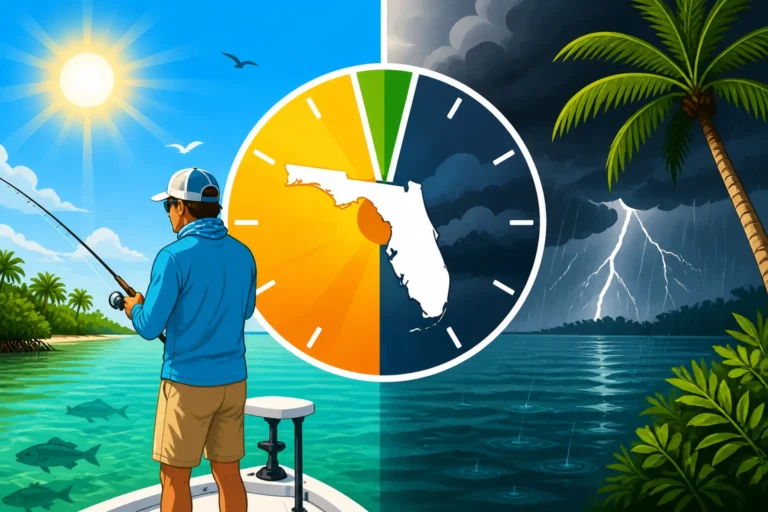
Weather: Strong winds can make sight-fishing impossible and create uncomfortable or unsafe boating conditions. Heavy rain can temporarily disperse bait and affect water clarity. Always check the forecast leading up to and during your trip. Thunderstorms are common in the afternoon during summer, so early morning starts are often preferred.
Water Temperature: As mentioned, tarpon are highly sensitive to water temperature. Cold fronts can send them packing to deeper, warmer waters, while sustained warm weather encourages their presence.
Red Tide/Algae Blooms: These harmful algal blooms can severely impact fishing. Red tide, in particular, can cause fish kills, drive fish out of an area, and even be harmful to humans. Always check current conditions reported by the Florida Fish and Wildlife Conservation Commission (FWC) or local news before heading out, especially if fishing on the Gulf Coast. These events can drastically change where fish are located or if they are even present.
Being flexible with your fishing dates and having backup plans (e.g., different fishing locations or alternative species to target) can help mitigate the impact of adverse weather or environmental conditions. This preparation is key to ensuring that your pursuit of the Silver King is both successful and safe.
Common Challenges and How to Overcome Them
Tarpon fishing is not without its difficulties. These magnificent fish can be incredibly challenging, and even experienced anglers face moments of frustration. Knowing what obstacles to expect and how to approach them can significantly improve your chances of success.
Dealing with Finicky Eaters
One of the most common frustrations in tarpon fishing is encountering large schools of fish that simply refuse to bite. You'll see them rolling, cruising, and sunning themselves, seemingly oblivious to your perfectly presented bait or lure. This is often referred to as "tarponitis" and can drive anglers to despair.
Match the Hatch: The primary solution is to truly match what they are eating, or what they might be eating. If they are feeding on tiny glass minnows, a large mullet might be ignored. If they are keyed in on crabs during a specific tide, other baits will be ineffective. Observe the water for signs of natural prey. If you're not seeing anything, try a variety of baits or lures in different sizes and colors. Sometimes, a subtle change in retrieve speed or the weight of a jig head can make all the difference.
Presentation is Key: Tarpon are highly visual predators. Your presentation must be flawless. For live bait, ensure it's lively and natural-looking. For lures and flies, casts must be accurate, leading the fish without spooking it. Avoid splashing or hard landings. For fly fishing, this means delicate casts with minimal false casts. Sometimes, a slow, methodical approach is better than an aggressive one.
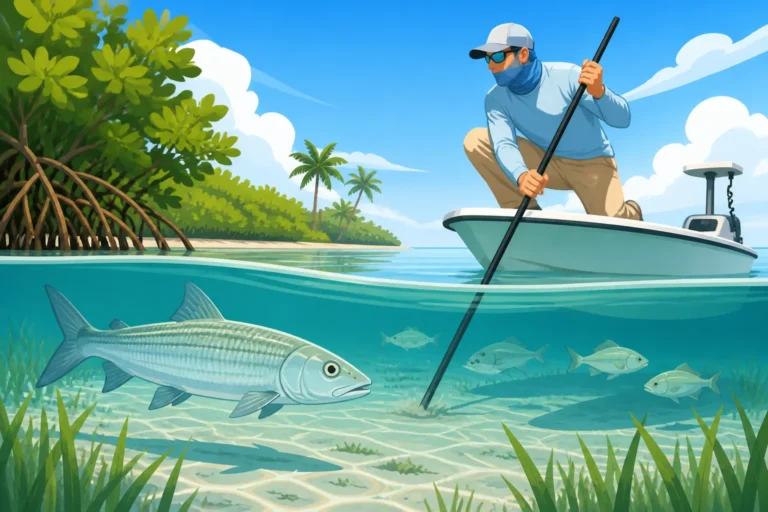
Stealth and Patience: Being quiet on the boat, minimizing noise, and using a trolling motor or push pole instead of a noisy outboard can reduce the chances of spooking fish. Patience is a virtue; sometimes, you need to wait for the fish to move into a more favorable position or for their mood to change. Don't constantly cast at fish that aren't interested. Often, a brief pause and a new approach will yield better results.
Fighting and Landing Large Tarpon
Hooking a tarpon is only half the battle; fighting and landing one is a true test of strength, skill, and endurance. Tarpon are famous for their powerful runs and spectacular acrobatic leaps, making them incredibly difficult to keep on the line.
The "Bow to the King": When a tarpon jumps, the most critical technique is to "bow to the king." This means lowering your rod tip sharply towards the water as the fish leaps. This creates slack in the line, preventing the fish from using the tension against the hook to throw it. If you keep the line tight, the force of their head shakes during a jump can easily pull the hook or break the leader. This technique takes practice to master, but it's essential.
Maintain Pressure: Between jumps, you need to maintain constant, heavy pressure on the fish to wear it down. Pump the rod and reel down, trying to gain line when the fish isn't running. Avoid giving the fish any slack. If it starts to run towards structure, try to steer it away by applying side pressure. For more detailed advice, read about "How to Fight a Tarpon on Light Tackle".
Work the Drag: Your reel's drag system needs to be perfectly set. It should allow the fish to take line during powerful runs, but apply enough pressure to tire it out. Never "lock down" the drag completely, as this will lead to broken lines or straightened hooks. Be prepared for multiple long runs and jumps; a tarpon battle can last anywhere from 15 minutes to over an hour for a truly large fish.
Avoiding Spooking Fish
Tarpon, especially in clear, shallow water, are incredibly wary and easily spooked. A single wrong move can send an entire school scattering, ruining your chances.
Stealthy Approach: Always approach tarpon quietly. If in a boat, use a trolling motor on its lowest setting or, even better, a push pole in shallow water. Avoid slamming hatches, dropping items, or making sudden movements on deck. Keep conversations low.
Long, Accurate Casts: The closer you get to a tarpon, the more likely you are to spook it. Practice making long, accurate casts to present your bait or lure well ahead of the fish's travel path. For fly anglers, minimizing false casts and making a delicate presentation is paramount.
Polarized Sunglasses: These are an absolute must-have. High-quality polarized sunglasses cut the glare off the water, allowing you to spot cruising tarpon or subtle changes in water depth and bottom structure that might hold fish. Without them, you're fishing blind.
Understand Their Behavior: Pay attention to how tarpon are behaving. Are they cruising slowly and calmly? Are they "nervous" and moving quickly? Are they rolling aggressively? This will tell you how sensitive they are and how you should adjust your approach. If they seem agitated, give them space. A little patience and observation go a long way in avoiding a spooked school.
Disclaimer
Fishing conditions and regulations in Florida are subject to change. Always consult the latest rules and advisories from the Florida Fish and Wildlife Conservation Commission (FWC) before your trip. This guide is for informational purposes only and does not constitute legal or professional advice. Always prioritize safety and responsible angling practices.