What Size Boat Is Used for Offshore Charters in Florida?
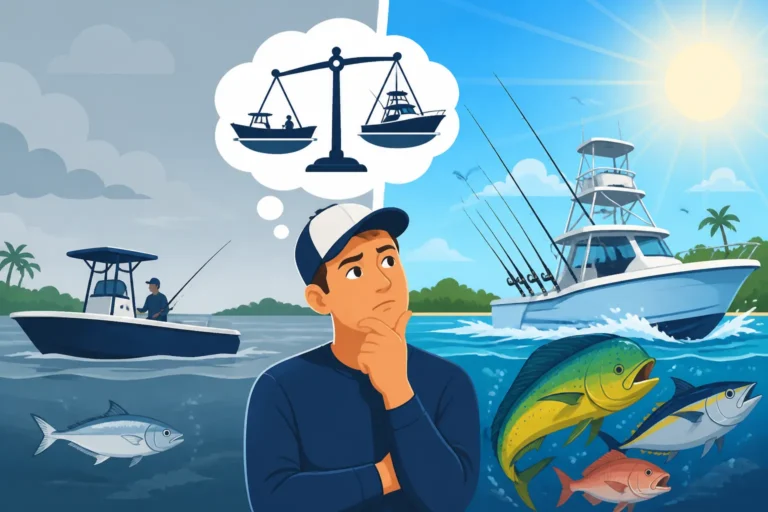
When you're dreaming of an offshore fishing adventure in Florida, one of the first questions that pops into your head, after "what am I going to catch?!", is often about the boat itself. It’s easy to feel a bit lost in the jargon – what's an offshore boat anyway, and how big do they really get for charters? Many anglers worry about booking a trip only to find themselves on a vessel that feels either too small for the open ocean or unnecessarily huge for their group. This guide will help demystify the types and sizes of boats typically used for offshore fishing charters here in the Sunshine State, so you can book your next trip with confidence and know exactly what to expect.
Understanding What "Offshore" Means in Florida Fishing
Before we dive into boat sizes, let's clarify what "offshore" fishing truly entails in Florida. It's a term that gets thrown around a lot, but it carries specific implications for the type of vessel you'll need and the experience you'll have. Unlike fishing the calm, shallow backcountry or the nearshore reefs, offshore means venturing out into the big blue, often miles from land, where the water is deep, and the ocean conditions can change rapidly.
Beyond the Shoreline: Defining the Distance and Depth
When a captain talks about an "offshore" charter, they're generally referring to fishing spots that are a significant distance from the coastline and in much deeper water. This isn't your casual afternoon trip where you can still see the condo buildings shimmering in the distance. We're talking about open ocean, often past the 3-mile state waters limit and into federal waters, where depths can range from 100 feet to several thousand feet.
Think about it: inshore fishing might target redfish or snook in a foot or two of water, sometimes even less. Nearshore fishing might take you to artificial reefs or natural ledges a few miles out, where you’re still seeing depths under 100 feet and can easily make it back to shore if the weather turns. But offshore? That's when you're targeting species like mahi-mahi, wahoo, tuna, or deep-dwelling grouper and snapper. These fish live further out, in areas where current lines form, bait congregates, and the bottom structure drops off dramatically. The boat needs to be designed for these conditions, offering stability, range, and the capability to handle whatever the Atlantic or Gulf throws at it. You can explore this further in our Florida Offshore Fishing Charter Guide.
The Different Fisheries of Florida's Open Waters
Florida's unique geography means "offshore" can vary significantly from one coast to the other. On the Atlantic side, the continental shelf drops off sharply, meaning you can get into very deep waters relatively close to shore. You might be targeting sailfish, kingfish, or even swordfish, which require specialized techniques and robust vessels. On the Gulf Coast, the shelf extends much further, so "offshore" might mean a much longer run to reach truly deep water for species like red snapper or amberjack.
This geographical difference directly impacts the type of boat a charter might operate. A captain fishing out of Miami for pelagics might favor a fast, deep-V hull, while a Gulf Coast captain running 50 miles out to oil rigs for monster snapper might prioritize a boat with more fuel capacity and cabin space for longer runs. Understanding these nuances helps set your expectations for the vessel you'll be on.
Common Offshore Charter Boat Types and Sizes
When you're looking at offshore charters in Florida, you'll encounter a few distinct categories of boats, each with its own advantages depending on the type of trip you envision. Generally, offshore boats are built to handle rougher seas, carry more fuel, and provide a stable fishing platform far from land.
Center Consoles: The Versatile Workhorses
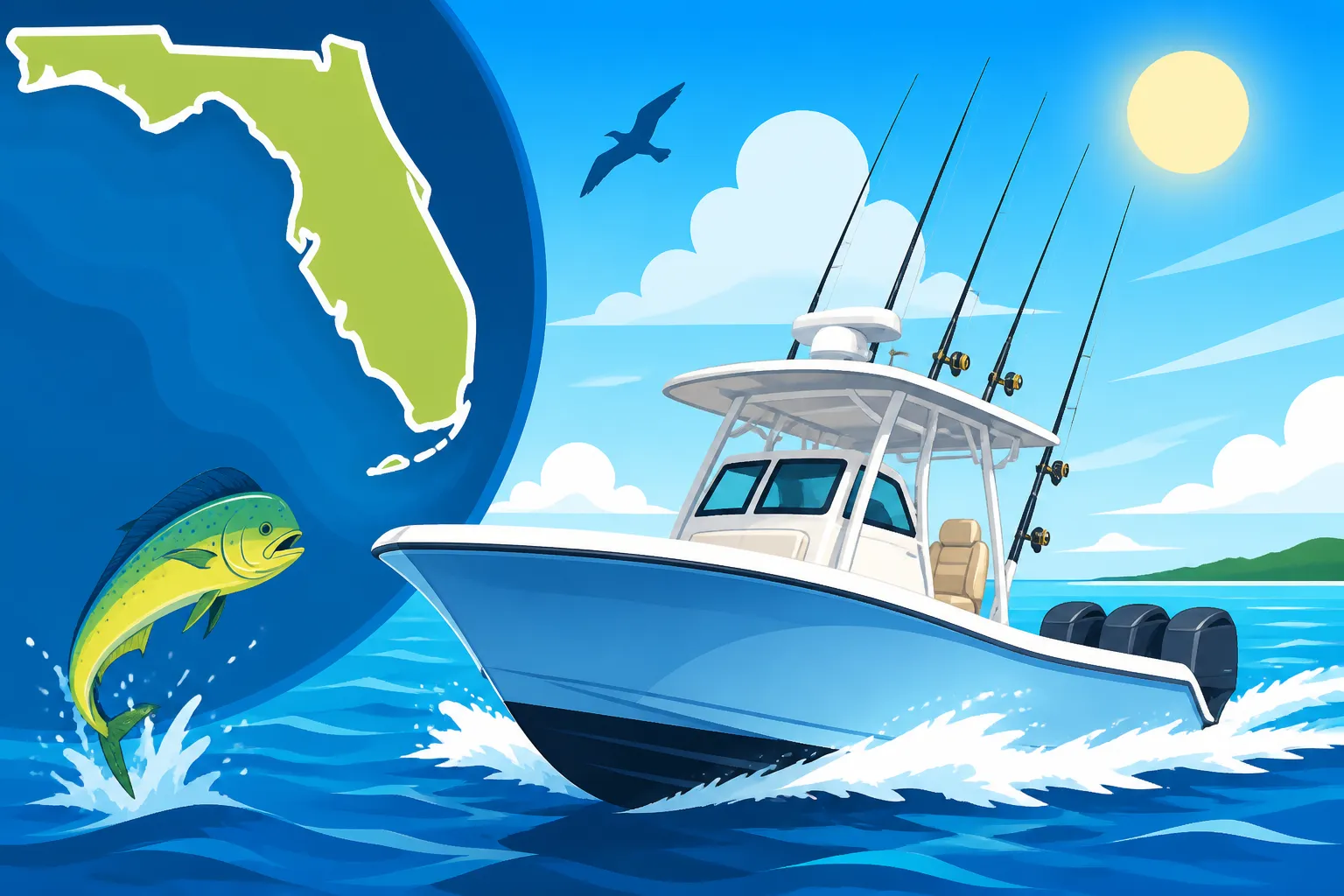
These are perhaps the most common type of boat you’ll see used for Florida offshore charters, especially for groups of 2-6 anglers. Center consoles get their name from their steering station being in the middle of the boat, which allows for 360-degree fishability around the entire deck.
- Sizes: You’ll typically find offshore charter center consoles ranging from 28 to 45 feet in length. Smaller ones in the high 20s to low 30s are fantastic for speedy runs to closer offshore reefs or for chasing dolphin (mahi-mahi) on good weather days. The larger ones, in the 35-45 foot range, offer incredible stability, more deck space, multiple powerful outboards for speed and safety redundancy, and often a small head (bathroom) in the console.
- Pros: They are fast, efficient, and truly designed for fishing. Their open layout is ideal for multiple anglers to fight fish simultaneously without getting tangled. Many come equipped with advanced electronics, livewells, outriggers for trolling, and plenty of rod holders. They can get you to the fishing grounds quickly, maximizing your fishing time.
- Cons: While some larger models offer more creature comforts, they are generally open-air, meaning less protection from sun, wind, or rain compared to a full cabin. If you're sensitive to the elements, this is something to consider.
- Ideal for: Anglers focused purely on the fishing experience, often targeting species like kingfish, tuna, mahi-mahi, or bottom fishing for snapper and grouper. Perfect for smaller, more dedicated fishing groups.
Sportfishing Yachts: Comfort and Capability
If you're looking for a more luxurious or longer-range offshore experience, a sportfishing yacht is often the vessel of choice. These boats are larger, typically enclosed, and designed for serious offshore campaigns.
- Sizes: Sportfishing yachts used for charters generally start around 40 feet and can go up to 70 feet or more. The sheer size means they can handle very rough seas with greater comfort and stability than a center console.
- Pros: They offer superior comfort with air-conditioned cabins, galleys, multiple berths (beds), and full heads. Many feature a "flybridge" (an elevated helm station) which gives the captain a better vantage point for spotting fish, bait, or weed lines. Their robust construction and extensive fuel capacity allow for much longer runs, enabling access to distant fishing grounds that smaller boats simply can't reach. They are often rigged to the gills for trolling, with large cockpits for fighting big game.
- Cons: They are slower than many center consoles of comparable size, meaning longer travel times to the fishing grounds. They are also significantly more expensive to charter, reflecting the vessel's cost, fuel consumption, and crew requirements. The enclosed nature can sometimes make it harder for multiple anglers to spread out and fish as freely as on an open center console.
- Ideal for: Longer trips, overnight charters, corporate outings, or anglers who prioritize comfort and amenities alongside big game fishing for species like marlin, swordfish, or long-range tuna.
Express Cruisers: The Hybrid Choice
An express cruiser attempts to blend the comfort of a yacht with some of the fishability of a center console, though often with more emphasis on the "cruiser" aspect.
- Sizes: You'll typically find these boats in the 35 to 55-foot range for charter use.
- Pros: They offer a more substantial cabin than a center console, providing good protection from the elements and often basic amenities like a galley and head. They often have a decent-sized cockpit for fishing and a comfortable helm area. They can be faster than traditional sportfishing yachts of similar size.
- Cons: Their primary design often leans towards cruising and overnight stays rather than pure fishing functionality. This can mean less dedicated fishing space, fewer rod holders, or less specialized tackle storage compared to a purpose-built sportfishing yacht or a large center console.
- Ideal for: Groups who want a balance of comfort and fishing, perhaps for a family outing where some members prefer to relax in the cabin while others fish, or for shorter offshore trips where comfort is a high priority.
Party Boats (Head Boats): The Social Giants
For those on a budget or looking for a social fishing experience, party boats, also known as head boats, are a popular option. These are the largest vessels in the charter fleet.
- Sizes: Party boats typically range from 60 feet up to 100 feet or more in length. They are designed to carry a large number of passengers.
- Pros: Very stable in rough seas due to their size, making them a good option for those prone to seasickness. They are the most economical way to get offshore, as you're sharing the cost with many other anglers. Bait, tackle, and even basic instruction are usually provided.
- Cons: You're fishing shoulder-to-shoulder with many other people, which can mean limited space and tangled lines. The target species are usually common bottom fish or trolling species that can be caught in quantity. It's less about a personalized experience and more about a productive, social outing.
- Ideal for: Large groups, families with kids, budget-conscious anglers, or beginners who want an easy introduction to offshore fishing without the commitment of a private charter.
| Boat Type | Typical Charter Size (feet) | Ideal Group Size | Key Features | Best For |
|---|---|---|---|---|
| Center Console | 28 – 45 | 2-6 anglers | Fast, 360° fishability, open deck, powerful engines | Serious anglers, diverse offshore species, speed |
| Sportfishing Yacht | 40 – 70+ | 4-8 anglers | Enclosed cabin, A/C, galley, flybridge, long range | Luxury, comfort, big game, long trips, corporate |
| Express Cruiser | 35 – 55 | 4-6 anglers | Hybrid cabin comfort & fishing deck | Balanced comfort & fishing, family trips |
| Party/Head Boat | 60 – 100+ | 20-100+ passengers | Very stable, shared trip, economical, basic amenities | Budget-friendly, social, beginners, general bottom fishing |
Factors Influencing Your Offshore Charter Boat Choice
Choosing the right boat size for your offshore charter isn't just about how many people are in your group, though that's certainly a big part of it. There are several other crucial factors that can significantly impact your experience on the water. Thinking through these points before you book will help you match your expectations with the reality of your trip.
Group Size and Comfort Levels
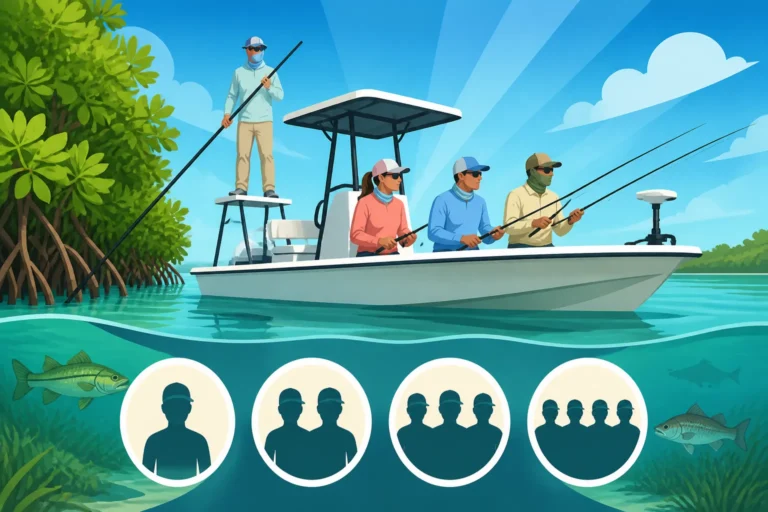
This is often the first consideration for good reason. A smaller center console might feel spacious for two anglers, but put six adults on it with all their gear, and things can get cramped quickly, especially when fighting fish. On the flip side, a massive sportfishing yacht might feel empty and less personal with just a couple of people.
When considering group size, also think about everyone's comfort level on the water. Are you all seasoned anglers used to standing and battling the elements, or do some members of your party prefer the option of a dry, shaded, or air-conditioned cabin? If you have young children or older family members, the stability and amenities of a larger vessel with more enclosed space can make a huge difference in their enjoyment. For a family-friendly experience, a boat with a head and some shelter from the sun is often a must. Consider whether a Florida fishing charter for boat captains is needed or if a professional guide is included.
Target Species and Fishing Style
The type of fish you're hoping to catch and how you plan to catch them will heavily influence the ideal boat size and setup.
- Trolling for Pelagics: If your dream is to troll for mahi-mahi, wahoo, or sailfish, you'll want a boat with ample open deck space, preferably a large cockpit, and robust outriggers. Both larger center consoles and sportfishing yachts excel here. The open deck of a center console makes it easy to move around as lines are deployed and retrieved, or when multiple fish hit at once.
- Bottom Fishing for Grouper and Snapper: For deep-dropping or bottom fishing, stability is key. You'll be anchored or drift fishing over specific spots, and a steady platform makes it much easier to feel bites and manage your lines. While center consoles are perfectly capable, a larger boat might offer a more comfortable day if the seas are choppy.
- Big Game Hunting: If you're chasing truly massive fish like blue marlin or swordfish, a full-fledged sportfishing yacht with a fighting chair, heavy tackle, and specialized gear is almost a requirement. These boats are built to withstand the strain of battling leviathans for hours.
Don't forget that some specialized fishing, like fly fishing for offshore species, might benefit from the unobstructed casting platforms of a large, stable center console.
Weather and Water Conditions
Florida weather can be notoriously fickle, especially offshore. What starts as a calm, beautiful morning can quickly turn into a bumpy afternoon.
- Rough Water Capability: Larger boats, whether a big center console or a sportfishing yacht, generally handle rougher seas much better. Their weight, deeper V-hulls, and wider beams provide more stability, reducing the pitching and rolling that can lead to seasickness. If you or members of your group are prone to motion sickness, opting for a larger vessel can be a wise investment. You might find our guide on How to Avoid Seasickness on a Florida Fishing Charter helpful.
- Protection from Elements: An enclosed cabin on an express cruiser or sportfishing yacht offers a sanctuary from scorching sun, sudden rain showers, or chilling winds on a cold front day. On an open center console, you'll be more exposed, relying on T-tops or limited bimini tops for shade, and rain gear if the weather turns. Always discuss expected conditions with your captain before the trip, and don't hesitate to reschedule if the forecast looks too rough for your comfort level.
Amenities and Creature Comforts
Finally, think about what amenities are important for your enjoyment.
- Restroom Facilities: For many, a private, clean head (marine toilet) is non-negotiable, especially on longer offshore trips. Most boats over 30 feet, even center consoles, will have one, but its size and privacy can vary. Sportfishing yachts will typically have full, comfortable restrooms.
- Shade and Shelter: While a T-top on a center console offers some shade, it won't protect you from a driving rain or offer a cool, air-conditioned escape. If prolonged exposure to the sun is a concern, or if you prefer a break from the heat, a boat with an enclosed cabin is the way to go.
- Food and Drink Storage: All charters will have coolers, but larger boats might offer more extensive galley facilities with refrigeration, microwaves, and even a stove for heating up meals on longer excursions. Always confirm What's Included in a Florida Fishing Charter Price regarding food and drink, or plan to bring your own.
- Electronics and Technology: While most offshore boats are equipped with modern GPS, sonar, and radar, larger charters often feature more sophisticated systems, including satellite communication, advanced fish finders, and entertainment systems. When you're searching for charters, especially through platforms like FishingBooker, you can often filter by these amenities.
Considering these factors carefully will help you narrow down your choices and select an offshore charter boat that perfectly suits your fishing goals and comfort preferences.
Safety and What to Expect When Booking Your Offshore Adventure
Embarking on an offshore fishing charter is an exhilarating experience, but it’s crucial to ensure it’s also a safe one. Understanding the safety standards and what to expect during the booking process can alleviate any concerns and ensure a smooth trip. The size and type of boat often correlate with certain safety features and regulatory requirements.
Safety Features and Regulations for Offshore Vessels
Any reputable offshore charter in Florida will adhere to strict safety regulations, most notably those set by the U.S. Coast Guard (USCG). These regulations ensure that vessels are seaworthy, properly equipped, and operated by qualified personnel.
- USCG Certified Captains: Every offshore charter boat, regardless of size, must be operated by a captain holding a valid USCG license. This license signifies that the captain has undergone extensive training, passed rigorous exams, and has proven experience on the water. They are knowledgeable about navigation, emergency procedures, and marine safety. You can ask about a captain's credentials, and a good one will be proud to share them.
- Mandatory Safety Equipment: All charter boats must carry a full complement of safety gear. This includes, but isn't limited to, sufficient life jackets for everyone on board (including appropriately sized ones for children), distress signals (flares, air horn), a first-aid kit, fire extinguishers, and a VHF radio for communication. For offshore vessels, more advanced equipment like an Emergency Position Indicating Radio Beacon (EPIRB) or a Satellite Messenger is also common, allowing for distress signals to be sent even far from shore.
- Vessel Maintenance: A well-maintained boat is a safe boat. Reputable charters conduct regular inspections and maintenance on their engines, electrical systems, and hull. Before booking, don't hesitate to ask about the boat's maintenance schedule or if it has undergone any recent safety inspections. The cleanliness and general condition of the vessel can often be a good indicator of how well it's maintained. The larger the vessel, the more complex these maintenance schedules become, but a professional operation prioritizes this above all else. Remember, your captain is ultimately responsible for the safety of everyone on board, and they will make decisions based on prevailing conditions.
Booking Your Offshore Adventure: Tips and Considerations
Booking an offshore charter, whether it's a nimble center console or a sprawling sportfishing yacht, should be a straightforward process. Reputable booking platforms and direct charter services make it easy to find a vessel that fits your needs.
- Clarify Boat Details: When you're looking at options, especially online, always clarify the exact size and type of boat. Photos are great, but confirming the dimensions and specific amenities with the captain or booking agent is crucial. Don't be shy about asking about the head, shade coverage, or how many anglers can comfortably fish at once. A platform like FishingBooker allows you to see detailed boat descriptions and often includes multiple photos, helping you make an informed decision.
- Discuss Your Goals: Be upfront about your fishing goals. Are you looking for a trophy fish, or just a fun day reeling in whatever bites? Do you want to try a specific technique, like trolling or deep dropping? Knowing your preferences helps the captain recommend the best boat and trip duration for your group. For example, if you're set on a Florida Tarpon Fishing Season Guide experience, a specific type of boat might be recommended.
- Understand What's Included: Always confirm what the charter price covers. This typically includes the captain, mate (on larger vessels), fuel, bait, tackle, and ice. Some charters might include fish cleaning, while others charge an additional fee or expect a tip for the service. Double-check for any hidden costs like fuel surcharges or gratuities. You can often find a good breakdown in articles like What's Included in a Florida Fishing Charter Price.
- Review Cancellation Policies: Offshore fishing is weather-dependent. Make sure you understand the charter's cancellation policy, especially regarding weather-related cancellations. Most reputable charters will offer a full refund or the option to reschedule if the captain deems the conditions unsafe.
- Read Reviews and Ask for References: Before committing, read reviews from past clients. Platforms like FishingBooker are excellent for this, as they feature verified reviews that give you insight into the captain's expertise, the boat's condition, and the overall experience. Personal recommendations are also invaluable.
By focusing on these safety and booking considerations, you can confidently select the perfect offshore charter boat for an unforgettable Florida fishing adventure, knowing you're in capable hands and on a well-equipped vessel.
Disclaimer
This article is for general informational purposes only and does not constitute professional advice. Laws, prices and regulations vary by location and change over time. Consult a qualified professional for guidance on your specific situation.