Best Fishing Charters for Beginners in Florida
Florida's waters are an angler's paradise, but for someone just starting out, the sheer variety of fish, habitats, and fishing techniques can feel incredibly daunting. You might be dreaming of reeling in a trophy snook or a feisty redfish, but have no idea where to even begin, what gear you need, or if you'll just be in the way. This comprehensive guide is here to cut through the confusion and help you discover the absolute best fishing charters for beginners in Florida, ensuring your first foray into the state's incredible fishing scene is nothing short of fantastic.
Why a Fishing Charter is Perfect for Beginners in Florida
Stepping onto a fishing boat for the first time, especially in a new environment like Florida, can bring a mix of excitement and apprehension. You might worry about not knowing what to do, fumbling with gear, or simply not catching anything. That's precisely where a good fishing charter shines, acting as your seasoned mentor on the water and making the experience accessible and enjoyable from the get-go.
Knowledge and Expertise of the Captain
Think of your charter captain as your personal fishing guru. They live and breathe Florida fishing, often having spent decades navigating its intricate waterways, understanding the subtle shifts in tides, and knowing exactly where the fish are hiding. This isn't just about pointing out a spot; it's about a deep, intuitive understanding of the ecosystem. A great captain can read the water, predict fish behavior based on weather patterns, and adapt their strategy on the fly. For a beginner, this expertise is invaluable. You're not just fishing; you're getting a masterclass in real-time. They'll teach you about the different species you're targeting, their feeding habits, and even the local conservation efforts that keep Florida's fisheries healthy. This direct, hands-on learning is far more effective than reading a dozen articles or watching countless videos.
Beyond simply finding fish, the captain's knowledge extends to ensuring a smooth and safe trip. They know the channels, the shallow spots to avoid, and how to handle unexpected weather changes. This allows you to relax and focus entirely on the thrill of fishing, without the added stress of navigation or safety concerns. Many reputable guides, which you can often find listed on platforms like FishingBooker, pride themselves on educating their clients, transforming a simple fishing trip into a truly enriching experience where you gain a deeper appreciation for the sport and the local environment.
Provided Gear and Bait
One of the biggest hurdles for new anglers is accumulating all the necessary gear. Rods, reels, lines, lures, hooks, nets, bait buckets – the list can seem endless and expensive. The beauty of a fishing charter is that all of this is typically provided. You don't need to invest a fortune in equipment you might not know how to use, or even if you'll enjoy the sport enough to justify the cost. The captain comes equipped with high-quality, well-maintained rods and reels perfectly suited for the target species and local conditions. This means you'll be using gear that gives you the best chance of success, rather than struggling with ill-suited or cheap equipment.
Even more crucial is the bait. Sourcing fresh, effective bait can be a challenge for beginners, requiring knowledge of local bait shops, cast-netting techniques, or even finding specific types of live bait. On a charter, the captain has already taken care of this. They'll arrive with live bait like shrimp, pilchards, or pinfish, or an array of artificial lures that are known to work in that particular area on that specific day. This saves you time, money, and a lot of guesswork, allowing you to get straight to fishing without any pre-trip logistical headaches. It’s all part of the seamless experience that makes charters so appealing for those new to the sport.
Safety and Navigation
Navigating Florida's diverse waters, from the intricate mangroves of the Everglades to the vast open expanse of the Gulf or Atlantic, requires considerable skill and experience. For a beginner, heading out on your own boat can quickly become overwhelming, even dangerous, if you're unfamiliar with the local charts, shifting sandbars, or sudden weather changes. A licensed charter captain, however, is a master of these waters. They know the safe channels, where to find shelter if a storm pops up, and how to handle emergencies.
Beyond just knowing the water, captains are typically equipped with essential safety gear, including life jackets, first-aid kits, communication devices, and often advanced GPS and radar systems. They adhere to strict safety protocols, ensuring everyone on board is secure. This peace of mind is paramount for beginners. You can focus on learning to cast, feeling the bite, and enjoying the scenery, rather than worrying about getting lost, running aground, or encountering unforeseen hazards. The captain handles all the heavy lifting of navigation and safety, allowing you to fully immerse yourself in the joy of fishing.
What Makes a Charter "Beginner-Friendly"?
Not all fishing charters are created equal, especially when it comes to catering to first-time anglers. While many captains are excellent at what they do, some truly excel at making the experience approachable, educational, and fun for those new to the sport. Identifying a "beginner-friendly" charter goes beyond just finding a boat; it's about finding the right captain and the right environment for your inaugural fishing adventure.
Patience and Teaching Style
The hallmark of a truly beginner-friendly charter captain is their patience and knack for teaching. An experienced angler might just want to be put on fish, but a beginner needs guidance every step of the way. Look for captains who are known for their calm demeanor and willingness to explain the basics without making you feel silly. This means demonstrating how to cast properly, explaining how to feel a bite, and showing you the best way to reel in a fish. They won't just hand you a rod; they'll walk you through the process, offering tips and encouragement.
A great teaching captain understands that mistakes are part of the learning curve. They'll patiently re-bait your hook, untangle lines, and celebrate every small success, whether it's a perfect cast or reeling in your first catch, no matter how small. They'll take the time to answer all your questions, from "What kind of fish is this?" to "Why are we fishing here?" This supportive and informative approach builds confidence and transforms what could be a frustrating experience into an empowering one. When researching charters, especially on platforms that feature customer reviews, pay close attention to comments about a captain's patience and whether they're good with novices or children.
Targeting Easier-to-Catch Species
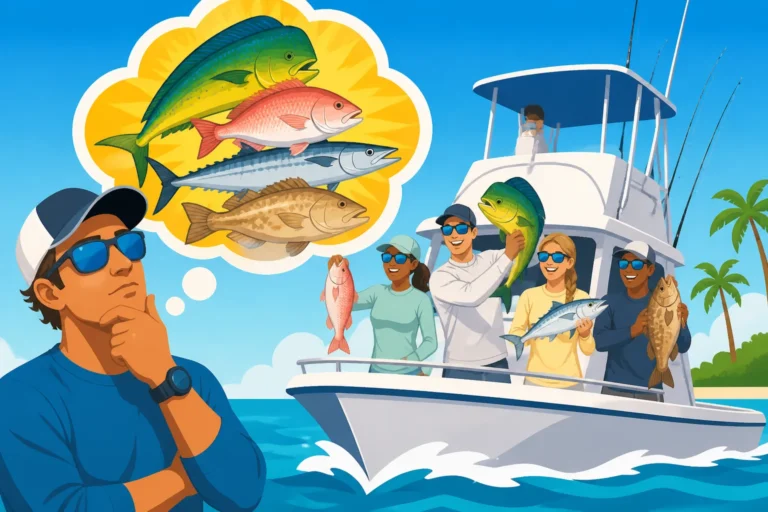
For a beginner, the goal isn't necessarily to land a record-breaking trophy fish right off the bat, but to experience the thrill of consistent bites and successful catches. Beginner-friendly charters often focus on species that are more abundant and generally easier to entice. In Florida's saltwater, this might include spotted seatrout, mangrove snapper, or small to medium-sized redfish. These fish offer plenty of action, providing that satisfying tug on the line that hooks new anglers on the sport. In freshwater, species like largemouth bass, bluegill, or crappie are excellent targets for their prevalence and willingness to bite.
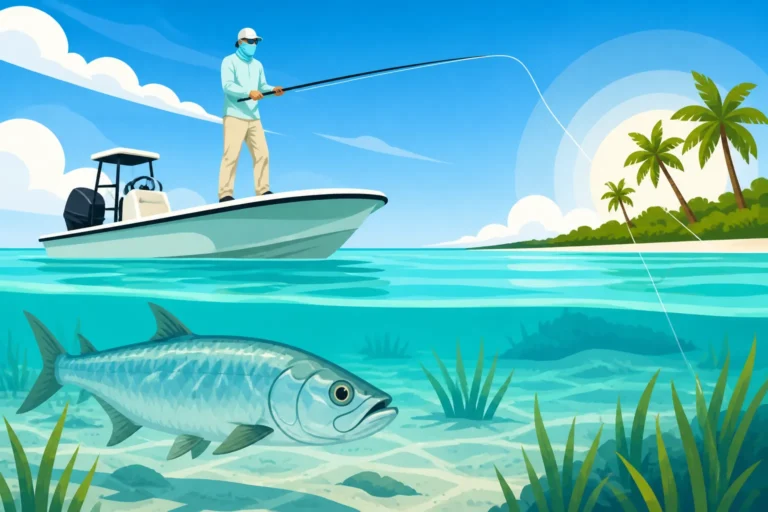
While a seasoned angler might chase elusive tarpon or permit, a beginner's trip should prioritize quantity and consistent engagement over the challenge of landing a specific, difficult species. The excitement of reeling in multiple fish, even if they're not massive, builds enthusiasm and confidence. Captains who specialize in beginner trips understand this and will tailor their fishing strategy to maximize your chances of success, ensuring you go home with positive memories and maybe even some dinner. This focus on "fishability" makes the learning process much more enjoyable and rewarding.
Shorter Trip Durations
While a full-day, eight-hour offshore trip might sound adventurous, it can be quite taxing for a first-time angler, especially if you're still getting your sea legs or just learning the ropes. Beginner-friendly charters often offer shorter trips, typically half-day (4-hour) options. These shorter excursions are perfect for dipping your toes into the world of fishing without committing to an entire day on the water. They provide ample time to learn the basics, make a few catches, and experience the thrill, but also allow you to return to shore before fatigue or seasickness might set in.
A half-day trip is also a great way to gauge your interest in fishing without a significant time or financial investment. It's enough time to get a feel for the rhythm of the boat, the casting technique, and the excitement of a fish on the line. Many families, in particular, find these shorter trips ideal for introducing children to fishing, as kids often have shorter attention spans. If you discover a passion for the sport, you can always book a longer, more adventurous trip next time. This flexibility in trip duration is a key indicator of a charter that genuinely caters to the needs of first-time anglers.
Types of Charters Best Suited for First-Timers
Florida offers a bewildering array of fishing charter options, each specializing in different environments, techniques, and target species. For a beginner, understanding these distinctions is crucial to picking a trip that will be enjoyable and successful. Generally, certain types of charters lend themselves much better to those just starting out, offering more accessible fishing experiences.
Inshore and Nearshore Charters
For a beginner, the thought of heading far offshore can be intimidating, and honestly, a bit rough on the stomach for many. This is where inshore and nearshore charters truly shine. Inshore fishing takes place in the calmer, shallower waters of bays, estuaries, mangrove tunnels, and flats. Think of places like Tampa Bay, the Indian River Lagoon, or the backcountry of the Florida Keys. The focus here is often on species like redfish, snook, spotted seatrout, and various types of snapper. The water is typically much calmer than the open ocean, which significantly reduces the chances of seasickness – a huge plus for novices. The scenery is also often more varied and interesting, with mangroves, islands, and coastlines always in view.
Nearshore charters bridge the gap between inshore and offshore, venturing just a few miles from the coast into slightly deeper waters, often targeting artificial reefs, wrecks, or natural bottom structures. Here you might encounter species like Spanish mackerel, kingfish, cobia, or smaller grouper and snapper. While the water can be a bit choppier than inshore, it's still generally less intense than true deep-sea fishing. Both inshore and nearshore trips tend to involve more hands-on casting and less lengthy travel time, maximizing your fishing time and opportunities to learn basic techniques directly from the captain. These environments often offer consistent action, which is fantastic for building a beginner's confidence.
Party Boat vs. Private Charters for Beginners
When deciding on your first charter, you'll encounter two main models: party boats (also known as head boats) and private charters. Each has its pros and cons for beginners.
Party Boats: These are larger vessels that take many anglers (sometimes 20-50+) out together on a single trip.
- Pros for beginners: They are generally much more affordable per person, making them a budget-friendly way to try fishing. All gear and bait are typically provided, and there's often a mate on board to help with baiting hooks, untangling lines, and even cleaning your catch. They usually stick to calmer nearshore waters or specific reef sites, offering a stable ride. You don't need to worry about Do You Need Your Own License for a Florida Charter? as the boat holds a blanket license.
- Cons for beginners: You share the space and the captain's attention with many others, so personalized instruction is limited. It can get crowded, lines can get tangled easily, and the focus is often less on teaching and more on simply getting as many fish as possible into the boat. If you're looking for an intimate learning experience, this might not be it. However, if you're just looking to get a line wet and see if you enjoy it, a party boat can be a fun, low-pressure option. Check out Party Boat Fishing Cost in Florida for more details.
Private Charters: This is when you book the entire boat and captain for your group (typically 1-6 people).
- Pros for beginners: This offers a highly personalized experience. The captain can dedicate their full attention to teaching you, answering questions, and tailoring the trip to your group's skill level and interests. They can teach you Florida Inshore Fishing Techniques in detail. You have more input on target species and fishing locations, and the boat is yours for the duration. It's ideal for families or small groups wanting a dedicated learning environment.
- Cons for beginners: Private charters are significantly more expensive than party boats, as you're covering the cost of the entire boat and captain yourself. However, if split among a few people, it can become more manageable. The biggest advantage for beginners is the one-on-one instruction, which can dramatically accelerate your learning curve and make the experience far more rewarding. Many platforms like FishingBooker allow you to filter by private charters and read reviews about captains' teaching styles. You can also explore Half-Day vs Full-Day Fishing Charter Cost in Florida to compare options.
| Feature | Party Boat (Head Boat) | Private Charter |
|---|---|---|
| Cost | Lower (per person) | Higher (for the whole boat) |
| Group Size | Large (many anglers) | Small (typically 1-6 people) |
| Instruction | Limited; general assistance from mates | Personalized one-on-one instruction from captain |
| Target Species | Often bottom fish or general nearshore species | Tailored to group interest and skill level |
| Experience | Less intimate, can be crowded | Highly personalized, focused on your group's enjoyment |
| Seasickness Risk | Often on larger, more stable boats, but still possible | Smaller boats can be choppier, but captain can pick calmer areas |
| Ideal For | Budget-conscious, casual introduction, social experience | Dedicated learning, families, specific goals, privacy |
Family-Friendly Options
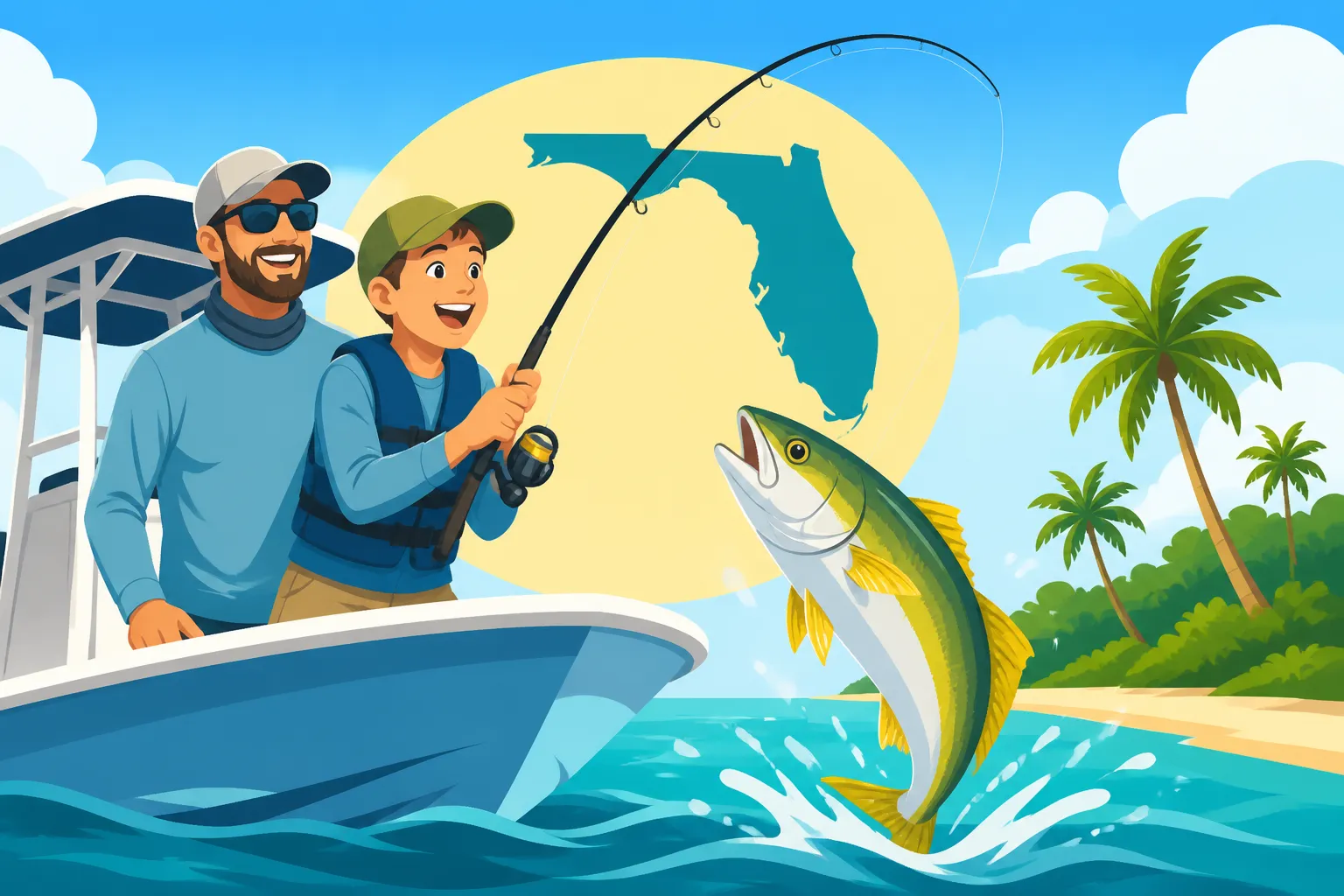
Introducing children to fishing is one of the most rewarding aspects of the sport, and Florida charters often excel at creating memorable family experiences. A family-friendly charter typically means a captain who not only possesses a strong teaching style but also has an innate understanding of how to engage younger anglers. They'll have patience for wiggles, short attention spans, and endless questions. They often provide smaller, easier-to-handle rods and reels for kids, making it simpler for them to cast and reel in fish.
These charters usually prioritize safety and comfort, operating in calm waters to minimize seasickness and ensuring there are plenty of life jackets in various sizes. The focus is less on landing a trophy and more on ensuring every child gets to experience the thrill of a bite and reeling in their own catch. Species like bluegill or small snapper, which bite frequently, are perfect for keeping kids engaged. A good family-friendly captain might even incorporate some wildlife viewing, pointing out dolphins, manatees, or interesting birds to add to the overall adventure. If you're traveling with little ones, specifically look for charters advertised as "family-friendly" or "kid-friendly," as these captains have honed their approach to make sure everyone, regardless of age, has a fantastic time. Best Fishing Charters for Families in Florida offers more insights on this.
Key Questions to Ask Before Booking Your First Charter
Booking your first fishing charter can feel like a big step. To ensure a smooth, enjoyable, and successful trip, it's wise to go into the process armed with the right questions. Don't be shy – a reputable captain or booking agent will appreciate your thoughtfulness and be happy to provide clear answers. This due diligence will help manage your expectations and prevent any unwelcome surprises.
What's Included and What to Bring
This is perhaps the most crucial category of questions for a beginner. You need to know exactly what the charter provides and what you are expected to bring yourself.
- Fishing License: In Florida, generally, if you're on a licensed charter boat, the boat's license covers everyone on board. However, it's always smart to confirm. Ask, "Does the charter boat provide the necessary fishing license for all passengers, or do I need to purchase my own?" This helps clarify the Florida Fishing License Guide requirements.
- Gear and Bait: While most charters include rods, reels, and tackle, confirm this upfront. "Will rods, reels, and all necessary tackle be provided? What about bait – is it live bait, artificial lures, or both, and is it included in the price?"
- Fish Cleaning: For many, the idea of bringing home fresh fish is a huge draw. Ask, "Is fish cleaning included, or is there an extra fee for it?" Some captains will fillet and bag your catch right on the boat or at the dock, while others may not offer this service.
- Coolers/Ice: "Will there be a cooler on board for our drinks and snacks? Do we need to bring our own ice for drinks, and for keeping our catch?"
- Other Essentials: Clarify if things like bottled water, sunscreen, or any specific comfort items are provided. For your part, plan to bring sunglasses (polarized are a huge plus for spotting fish), a wide-brimmed hat, comfortable non-marking shoes, a light long-sleeved shirt for sun protection, and any personal medications. Don't forget snacks and drinks, just in case they aren't provided, and a camera to capture those first big catches! We cover more of this in What to Bring on a Florida Fishing Charter.
Understanding Costs and Tipping Etiquette
While the base price of a charter is usually clear, there can be additional costs that new anglers might not anticipate. Being upfront about these helps avoid awkward situations later.
- Additional Fees: Ask, "Are there any additional fees beyond the quoted price, such as fuel surcharges, live bait costs, or ramp fees?" While less common on private charters, some party boats might have small add-ons.
- Tipping: This is a big one, and often overlooked by beginners. Tipping your captain and mate is standard practice in the charter industry, similar to restaurant service. Ask, "What is the customary tipping percentage or amount for the captain and crew?" A general rule of thumb is 15-20% of the trip's cost, provided you received good service. Even if fishing was slow (which isn't always the captain's fault!), a good effort and positive attitude from the crew still warrant a fair tip. Understanding Tipping Etiquette for Florida Fishing Guides before you go will make you feel much more comfortable.
- Payment Methods: Confirm how payment is accepted. "Do you accept cash, credit card, or other payment methods for the trip and for tips?" Knowing this beforehand means you can come prepared, ensuring a smooth transaction at the end of a great day.
Cancellation Policies and Weather
Florida's weather can be unpredictable, especially during certain seasons. Understanding the charter's policy regarding cancellations, particularly due to inclement weather, is essential.
- Weather Cancellations: "What is your policy if the weather is too bad to fish? Will we receive a full refund, or can we reschedule?" Reputable captains prioritize safety and will cancel if conditions are dangerous or simply too uncomfortable for a good experience. They usually offer a full refund or the option to rebook. Be wary of any charter that pressures you to go out in unsafe conditions.
- Client Cancellations: "What is your cancellation policy if our plans change, and we need to cancel or reschedule?" Most charters require a certain amount of notice (e.g., 24-72 hours) to avoid a cancellation fee. Knowing this protects both you and the captain.
- Rain vs. Unsafe Weather: Understand the distinction. A light rain shower might not warrant a cancellation, but heavy thunderstorms, high winds, or rough seas certainly do. Discuss with your captain their criteria for calling off a trip due to weather. This clarity ensures everyone is on the same page and minimizes disappointment or disputes. A good captain wants you to have a great time, and that means choosing the right day for it.
Preparing for Your First Florida Fishing Adventure
You've booked your beginner-friendly charter, asked all the right questions, and now the excitement is building! To ensure your first Florida fishing trip is as comfortable and enjoyable as possible, a little preparation goes a long way. This isn't just about packing a bag; it's about setting yourself up for success and minimizing any potential hiccups.
Essential Gear and Comfort Items
Even though your charter will provide the fishing gear, there are several personal items that you absolutely should bring for your comfort and safety.
- Sun Protection is Paramount: Florida's sun is no joke, even on cloudy days. Pack a high-SPF, reef-safe sunscreen (check the label for "oxybenzone" and "octinoxate" if you're concerned about coral reefs). A wide-brimmed hat offers much better protection than a baseball cap. Sunglasses are non-negotiable – polarized lenses are highly recommended as they cut glare off the water, helping you see fish and protecting your eyes. Long-sleeved, lightweight, breathable shirts and fishing buffs (neck gaiters) are also fantastic for protecting your skin. Many anglers swear by brands like Columbia PFG or Simms for their sun-protective clothing.
- Appropriate Footwear: Choose comfortable, non-marking shoes with good grip. Think boat shoes, deck shoes, or closed-toe sandals with straps. Avoid flip-flops, as they offer little support and can be slippery on a wet deck.
- Snacks and Drinks: While some charters provide water, always bring your own hydration, especially if you have specific preferences. Pack some easy-to-eat snacks like granola bars, fruit, or sandwiches. Fishing can make you hungry!
- Personal Items: Don't forget any necessary medications, a small towel, and perhaps a Ziploc bag for your phone to keep it dry. A small, dry backpack or bag is perfect for keeping your essentials organized and safe from spray.
Managing Expectations and Seasickness
Setting realistic expectations and preparing for potential seasickness can make a huge difference in your enjoyment of the trip.
- Embrace the Experience, Not Just the Catch: While catching fish is the ultimate goal, sometimes the fish just aren't biting. Understand that fishing is called "fishing," not "catching." Focus on the entire experience: the beautiful scenery, the guidance from your captain, the thrill of learning, and the joy of being on the water. Even if the fish are elusive, a good day on the water is still a good day. Your captain will work hard, but they can't control every variable.
- Seasickness Prevention: If you're prone to motion sickness or unsure how you'll react, take preventative measures. Over-the-counter medications like Dramamine or Bonine work best when taken the night before or at least an hour before your trip, allowing them to get into your system. Non-drowsy formulas are usually available. Acupressure wristbands (like Sea-Bands) can also help. On the boat, try to stay on deck in the fresh air, focus on the horizon, and avoid reading or looking at your phone excessively. Eating a light, bland meal before the trip (avoiding greasy or acidic foods) and staying hydrated can also help. We have a full guide on How to Avoid Seasickness on a Florida Fishing Charter if you want more details.
Learning Basic Etiquette on Board
Being a respectful and considerate guest on a charter boat not only makes the trip more pleasant for everyone but also ensures you get the most out of your experience with the captain and crew.
- Listen to Your Captain: The captain is the expert and the one in charge of your safety and fishing success. Pay close attention to their instructions, whether it's about casting, handling fish, or safety procedures. Their advice is gold.
- Be Mindful of Space: Boats, especially private ones, can feel small with multiple people and gear. Be aware of your surroundings, avoid casting over other people's lines, and keep your personal gear tidy and out of the way.
- Ask Before You Do: If you're unsure about something, whether it's where to put your cooler or how to handle a fish, just ask. It's always better to ask than to assume and make a mistake.
- Be Ready: When the captain or mate says "lines in" or "fish on," be ready to respond. Don't be buried in your phone when it's time to fish. Your promptness helps the whole group.
- Hydrate and Communicate: Keep yourself hydrated, and if you start feeling unwell (whether from the sun, seasickness, or anything else), let the captain or mate know immediately. They are there to help.
By taking these steps, you'll be well-prepared for an incredible first Florida fishing adventure. Remember, the goal is to have fun, learn something new, and perhaps even catch some dinner! With a beginner-friendly charter, you're set for an experience that will hopefully spark a lifelong love for Florida's amazing fisheries. You can often find highly-rated beginner and family-friendly guides on platforms like FishingBooker, which makes finding the right fit much easier.
Disclaimer
This article is for general informational purposes only and does not constitute professional advice. Laws, prices and regulations vary by location and change over time. Consult a qualified professional for guidance on your specific situation.