How to Avoid Seasickness on a Florida Fishing Charter
There’s nothing quite like the excitement of a Florida fishing charter, anticipating the tug of a trophy snook or the fight of a deep-sea grouper. But for many, that excitement can quickly turn into dread if the dreaded feeling of seasickness starts to creep in. That queasy stomach, the dizziness, the cold sweats – it can absolutely ruin what should be an incredible day on the water. This guide is here to walk you through exactly how to avoid seasickness on a Florida fishing charter, so you can focus on the fishing, not the nausea.
Understanding Seasickness: Why It Happens on the Water
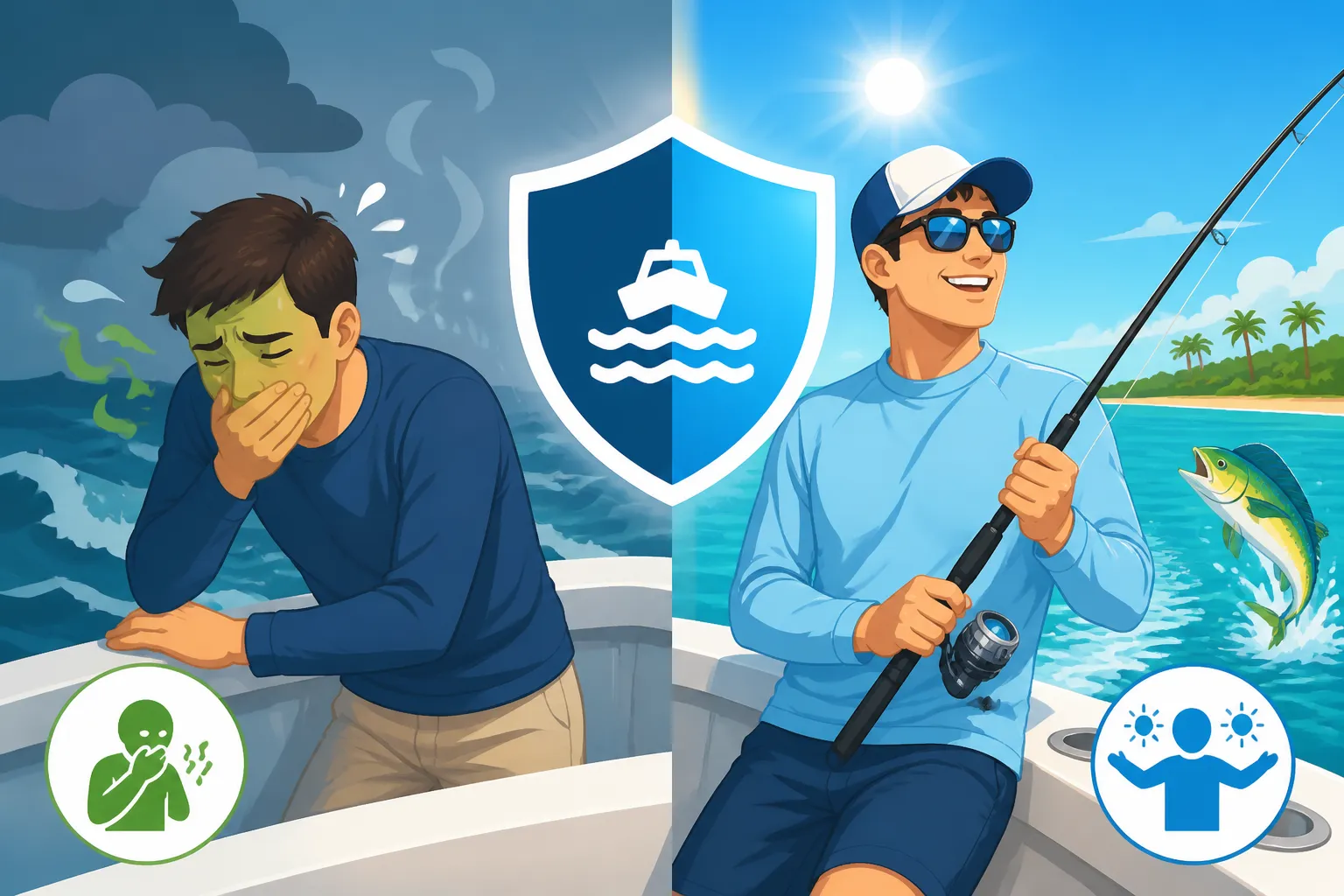
Seasickness, also known as motion sickness, is a perfectly normal reaction to motion, and it certainly doesn't discriminate. It can hit anyone, regardless of how experienced they are on the water. It’s not just a "weak stomach" or a mental block; there's a real physiological reason behind it that, once understood, can help you combat it more effectively.
The Inner Ear and Conflicting Signals
The core of seasickness lies in a sensory mismatch, specifically involving your brain, your eyes, and your inner ear. Your inner ear contains a complex system of fluid-filled canals and sacs that detect motion and your body's position in space – essentially, it's your balance system. When you’re on a boat, especially one rocking and rolling on the waves, your inner ear is constantly sending signals to your brain about that motion.
Here’s where the trouble starts: your eyes might be focused inside the boat, on the deck, or even on your fishing rod. This visual input tells your brain that you're relatively still. Meanwhile, the muscles and joints in your body might also be telling your brain you’re not moving much, or at least not in the same way your inner ear is perceiving. Your brain gets these conflicting messages – "I'm moving, I'm not moving, I'm rocking, I'm still!" – and it can't reconcile them. This confusion leads to the unpleasant symptoms we associate with seasickness: nausea, vomiting, dizziness, and a general feeling of malaise. It’s your brain essentially freaking out, trying to protect you from what it perceives as a neurotoxin or poison, even though it’s just conflicting sensory data.
Common Triggers on a Florida Charter
Florida charters offer a wide variety of fishing experiences, from calm backcountry flats to choppy offshore adventures, and each can present its own seasickness triggers. Understanding these can help you mentally and physically prepare.
Firstly, the motion itself is the primary trigger. This is obvious, but the type of motion matters. A slow, gentle rocking on a calm day in the Gulf might be fine, but sharp, unpredictable swells out in the Atlantic can be a different story. The size of the boat also plays a role; smaller vessels, like a flats boat in choppy bay waters, can feel every ripple, while a large offshore sportfisher might cut through the waves more smoothly. When considering a trip, you might find information on a site like FishingBooker that describes the typical vessel size and the type of waters fished, which can be a good indicator.
Secondly, heat and humidity are huge culprits in Florida. Even on a perfectly calm day, the intense Florida sun combined with high humidity can lead to dehydration and overheating, which significantly exacerbates seasickness symptoms. Imagine feeling nauseous already, then adding the oppressive feeling of stifling heat – it’s a recipe for disaster. Being mindful of the sun, staying in shaded areas when possible, and dressing appropriately are crucial. What to Wear on a Florida Fishing Charter is an excellent resource for packing smart.
Lastly, unpleasant odors can push you over the edge. The smell of diesel fuel, live bait in a well, chum, or even fish guts on the deck can trigger or worsen nausea for someone susceptible to seasickness. Even if you're feeling okay, a strong, unpleasant scent can quickly turn your stomach. Being aware of these potential triggers allows you to try and avoid them or prepare for them with strategies like fresh air and a strong focus on the horizon.
Pre-Trip Preparations: Arming Yourself Before You Go
Successfully warding off seasickness often starts long before you even step foot on the boat. Being proactive with your preparations can make all the difference between a fantastic day of fishing and a miserable one spent over the rail.
Medication: Over-the-Counter and Prescription Options
For many, medication is the most effective first line of defense. It's crucial to understand your options and, most importantly, to take them before you feel sick. Once seasickness symptoms have set in, it's often too late for oral medications to be effective.
Over-the-counter options are widely available and include popular choices like Dramamine (dimenhydrinate) and Bonine (meclizine). Dramamine is well-known but can cause significant drowsiness, which might not be ideal if you want to be alert for a fishing bite. Bonine, on the other hand, is often marketed as "non-drowsy" and many anglers prefer it for this reason. Both typically need to be taken an hour or so before boarding the boat to allow them time to get into your system. Another common option is the scopolamine patch (Transderm Scop), which requires a prescription from your doctor. This small patch is placed behind your ear usually several hours or even the night before your trip, and it releases medication steadily over three days. Many find this to be highly effective with fewer side effects than oral medications, though some people do experience dry mouth or blurred vision. Always consult with your doctor or pharmacist to determine the best option for you, especially if you have existing health conditions or are taking other medications.
It’s also wise to consider ginger as a natural remedy. Ginger, whether in candy form, capsules, or even ginger ale, has long been used to alleviate nausea. While it might not be as potent as pharmaceutical options for severe cases, it can be a great addition to your prevention strategy or a mild alternative for those with minor sensitivities.
Food and Drink: What to Consume and What to Avoid
What you eat and drink before and during your charter can profoundly impact your susceptibility to seasickness. Think of your stomach as the control center – keep it calm and happy, and the rest of your body has a better chance of following suit.
The night before and the morning of your trip, focus on bland, easily digestible foods. Toast, crackers, bagels, plain oatmeal, or a banana are excellent choices. Avoid heavy, greasy, or spicy meals, as these can sit in your stomach and create an uncomfortable feeling even on solid ground, let alone a rocking boat. Think about how a big, greasy breakfast might make you feel anyway – now amplify that by boat motion. Similarly, steer clear of excessive alcohol the night before. Hangovers and seasickness are a truly terrible combination that nobody wants to experience.
Hydration is your best friend. Water, water, and more water! Start hydrating well before your trip and continue throughout the day. Dehydration can mimic and worsen seasickness symptoms. Avoid sugary sodas and excessive caffeine, which can lead to energy crashes and further dehydration. If you're bringing snacks on board, stick to bland options like crackers, pretzels, or plain sandwiches. Many charter boats allow you to bring a small cooler with your own provisions; check with your captain beforehand, or if you're booking through a platform like FishingBooker, the charter description often details what's provided and what you can bring. What to Bring on a Florida Fishing Charter will cover more about provisions.
Choosing the Right Charter and Time of Day
Believe it or not, your choice of charter and even the time of day can play a significant role in mitigating seasickness. Not all fishing trips are created equal when it comes to boat motion.
If you’re prone to seasickness, consider inshore or backcountry charters over deep-sea offshore trips. Inshore fishing often takes place in calmer waters like bays, estuaries, or along the coast, where the waves are significantly smaller than those far out in the ocean. Flats fishing, for instance, involves very shallow water and typically smaller, faster boats, but the motion is usually less severe than offshore rolling. Florida Inshore Fishing Techniques and Florida Offshore Fishing Techniques offer insights into the different experiences.
When booking your trip, especially through a platform that allows direct communication with captains, like FishingBooker, don't be shy about discussing your concerns. A good captain can often advise on the calmest days or specific locations given the weather forecast. Also, consider the duration of the trip. A Half-Day vs Full-Day Fishing Charter Cost in Florida can also impact how long you're exposed to the motion. For your first few trips, a shorter half-day excursion might be a better starting point to see how you react.
The time of day can also make a difference. Early morning charters often offer the calmest conditions before afternoon sea breezes or thunderstorms kick up. Florida afternoons, especially in summer, can bring strong winds and pop-up storms, making the water much choppier. Best Time of Day to Book a Charter for Tarpon (or any other species) often coincides with these calmer morning windows.
Here’s a quick comparison of common seasickness remedies:
| Remedy Type | Example | Key Benefit | Potential Drawback | How to Use |
|---|---|---|---|---|
| Oral OTC | Bonine (Meclizine) | Non-drowsy for most | Less potent for severe cases | 1 hour before trip |
| Dramamine (Original) | Effective relief | Can cause significant drowsiness | 1 hour before trip | |
| Prescription Patch | Transderm Scop | Long-lasting (3 days), hands-free | Requires prescription, side effects | Night before, behind ear |
| Natural | Ginger (capsule/candy) | Gentle, no drug-related side effects | Less effective for severe symptoms | Throughout the trip as needed |
| Acupressure | Sea-Bands | Drug-free, reusable | Effectiveness varies per person | Worn on wrists before/during trip |
Onboard Strategies: Managing Symptoms While Fishing
Even with the best pre-trip planning, once you're on the water, you might still feel a little queasy. The good news is there are several effective strategies you can employ to manage those symptoms and keep them from escalating.
Finding Your Horizon and Optimal Positioning
This is perhaps one of the most classic and effective pieces of advice for anyone feeling seasick: focus on the horizon. When your brain is receiving conflicting signals, giving your eyes a stable reference point helps to realign your senses. Staring at a distant, fixed point on the horizon allows your visual input to confirm the motion your inner ear is detecting, reducing the sensory mismatch. Avoid looking down at your phone, reading, or concentrating intensely on anything inside the boat, as this exacerbates the problem. Keep your gaze outward.
Your physical positioning on the boat also matters. Generally, the center of the boat (amidships) and closer to the waterline is where you'll experience the least motion. The bow (front) and stern (back) of the boat tend to pitch and roll more dramatically. If possible, find a spot where you can sit or stand comfortably, facing forward, with an unobstructed view of the horizon. On larger vessels, look for a spot with good air circulation. If you're on a smaller flats boat, you might have fewer options, but still try to keep your eyes fixed on the distant land or horizon rather than the deck. Don't be afraid to move around a bit to find a spot that feels best, as long as it's safe and doesn't interfere with the captain or other anglers.
Fresh Air, Hydration, and Light Snacking
These might sound simple, but they are incredibly powerful tools against seasickness. Don't underestimate their importance.
Fresh air is paramount. Being cooped up in a cabin or a sheltered area can make things worse. Get out into the open air, where you can feel the breeze and breathe deeply. The fresh air helps to clear your head and can reduce the sensation of stuffiness or nausea. If you're feeling a bit overheated, the cool air can also help regulate your body temperature, which, as we discussed, is a significant trigger in Florida's climate.
Continue to hydrate regularly with water. Even if you're not feeling thirsty, sip water frequently. Dehydration often creeps up on you, especially under the Florida sun, and it can quickly worsen any feelings of nausea or dizziness. Avoid sugary drinks and definitely no alcohol once you're on board. If you find plain water unappealing, a little bit of clear, fizzy soda like ginger ale can sometimes settle an upset stomach, but primarily stick to water.
Light snacking can also be surprisingly helpful. An empty stomach can sometimes make seasickness feel worse, almost like hunger pangs mixed with nausea. Small, bland snacks like saltine crackers or pretzels can absorb stomach acids and give your stomach something to work on. Just like with medications, it's about prevention – don't wait until you're truly sick to try to eat. Take small bites throughout the trip if you feel up to it, focusing on those simple, non-greasy foods you packed earlier.
Distraction Techniques and Mental Focus
Sometimes, your mind can be your worst enemy when it comes to seasickness. Dwelling on the feeling, or constantly worrying that you might get sick, can actually bring on or worsen symptoms. Learning to redirect your focus can be a powerful antidote.
Engage in the act of fishing itself. Focus intensely on your rod tip, the line, or the action of your lure. When a fish bites, the adrenaline rush can often momentarily banish any feelings of nausea. Ask the captain or mate questions about the fishing, the local area, or the species you're targeting. This engagement keeps your mind occupied and less focused on your stomach. On a trip booked via a service like FishingBooker, you'll often find that the captains and crews are excellent at engaging anglers and making the experience fun, which is a great distraction.
Even if the fishing is slow, try to find other engaging tasks. Take a mental inventory of the boat, learn about the different tackle being used, or simply enjoy the scenery. Listen to some music or a podcast if you have headphones, as long as it doesn't require you to look down and break your horizon focus. The goal is to consciously shift your attention away from the internal sensations of your body and onto external stimuli. Remember, a positive mindset, while not a cure, can certainly make you more resilient to the initial onset of seasickness. This is especially important for Best Fishing Charters for Someone Who Gets Seasick, where captains are often particularly attuned to these needs.
Post-Trip Recovery and Future Planning
Even if you successfully navigated your Florida fishing charter without a major seasickness incident, you might still feel a bit "off" once you're back on solid ground. This is perfectly normal and known as "land sickness" or "mal de débarquement." Planning for your recovery and learning from each trip can make future excursions even more enjoyable.
Gentle Re-entry to Land-Life
When you step off the boat, don't be surprised if the world still feels like it's swaying for a while. Your brain has adapted to the constant motion of the boat, and it takes some time to re-calibrate to stable ground. This can manifest as dizziness, a swaying sensation, or even a feeling of being on a trampoline.
Take it easy. Avoid immediately getting into a car and driving, if possible, as the sensation of motion might be disorienting. Instead, walk around a bit, find a stable spot to sit, and allow your body to re-adjust. A light, easily digestible meal and plenty of water are still good ideas. Resist the urge to dive into a heavy, celebratory feast right away, even if you're starving. Your stomach might still be a bit sensitive. The good news is that for most people, "land sickness" dissipates within a few hours, though some might experience it for a day or two. Remember that this is a sign your brain is working hard to adapt, not a sign of failure.
Learning from Experience and Building Tolerance
Every fishing trip is a learning experience, especially when it comes to managing seasickness. Pay attention to what worked and what didn't. Did taking Bonine an hour beforehand make a difference? Did focusing on the horizon truly help? Did the type of water or boat motion exacerbate your symptoms?
Keep a mental note, or even a quick written one, of the conditions, your preparations, and your reactions. This information will be invaluable for future trips. For example, if you found an Offshore Fishing Charter Guide particularly challenging, perhaps your next trip should be a Florida Flats Fishing Guide outing in calmer waters.
Some people find that their tolerance for boat motion improves with repeated exposure. Just like any new activity, your body and brain can adapt. Start with shorter trips or trips on larger, more stable boats in milder conditions. Gradually, you might find yourself able to handle longer excursions or choppier seas without discomfort. Don't be discouraged by one bad experience; Florida fishing offers so much variety that there's always a way to find a comfortable and exciting adventure on the water. Platforms like FishingBooker often have reviews that can help you find Best Fishing Charters for Families in Florida or Best Fishing Charters for Beginners in Florida, which are often more accommodating and understanding of seasickness concerns.
Disclaimer
This article is for general informational purposes only and does not constitute professional advice. Laws, prices and regulations vary by location and change over time. Consult a qualified professional for guidance on your specific situation.