Best Guides for Teaching Beginners to Fly Fish
Stepping into the world of fly fishing can feel incredibly daunting at first. You see those seasoned anglers gracefully casting lines, and it looks less like fishing and more like an art form, leaving many beginners feeling like they'd never even get past tangling their line. This guide is here to walk you through finding the absolute best guides in Florida who specialize in teaching beginners the ropes, ensuring your first foray into fly fishing is inspiring, not frustrating.
Why Embark on a Fly Fishing Journey with a Guide?
Let's be real, fly fishing isn't like tossing a baitcaster from the shore. It's a whole different beast, and trying to learn it all by watching YouTube videos in your backyard can quickly lead to more frustration than actual progress. Florida, with its vast and varied waters, from freshwater lakes teeming with bass to saltwater flats crawling with redfish and snook, offers an incredible playground for fly anglers. But this very diversity means you need someone who truly understands these unique environments.
The Unique Appeal of Fly Fishing
There's something almost meditative about fly fishing. It's less about brute force and more about finesse, observation, and connecting with nature on a deeper level. The rhythmic motion of the cast, the delicate presentation of the fly, and the electrifying moment a fish takes your offering – it's an experience unlike any other. For many, it becomes a lifelong passion, not just a hobby. It forces you to slow down, pay attention to the subtle cues of the environment, and truly hunt your fish. This isn't just about catching dinner; it's about the dance, the challenge, and the serene beauty of being on the water. If you're looking to dive deeper into this specialized angling, you might find our comprehensive Florida Fly Fishing Guide helpful as well.
Overcoming the Initial Learning Curve
The biggest hurdle for most beginners is the cast itself. It looks easy, but coordinating your arm, wrist, and rod to propel a nearly weightless fly with a heavy line takes practice, patience, and proper instruction. Beyond the cast, there's learning to read the water, understanding fly selection for different species and conditions, knot tying, and the subtle art of presentation. Going out with an experienced guide isn't just about getting a fishing trip; it's an intensive, hands-on clinic. They can correct your technique in real-time, explain why something works (or doesn't), and provide a safe, encouraging environment to experiment. Without a guide, you might spend hours repeatedly making the same mistakes, solidifying bad habits that are much harder to break later on.
The Value of Local Expertise and Gear Provision
Florida's waters present their own set of challenges and opportunities. A guide knows the local tides, the seasonal movements of fish, and the specific flies that work best in their particular fishing grounds, whether it's the skinny water of the Mosquito Lagoon or the bass-filled waters of Lake Okeechobee. They often provide all the necessary gear – quality fly rods, reels, lines, and a vast array of flies – saving you the significant upfront cost of buying your own setup before you even know if you truly love the sport. This means you can show up ready to learn, without worrying if your gear is appropriate or if you've forgotten something vital.
Hallmarks of an Exceptional Beginner Fly Fishing Instructor
Not all guides are created equal, especially when it comes to teaching novices. A phenomenal guide for a seasoned angler chasing a trophy tarpon might not be the best fit for someone who's never held a fly rod. When you're just starting, you need someone with a very specific set of skills and a particular temperament.
Patience and a Positive Teaching Demeanor
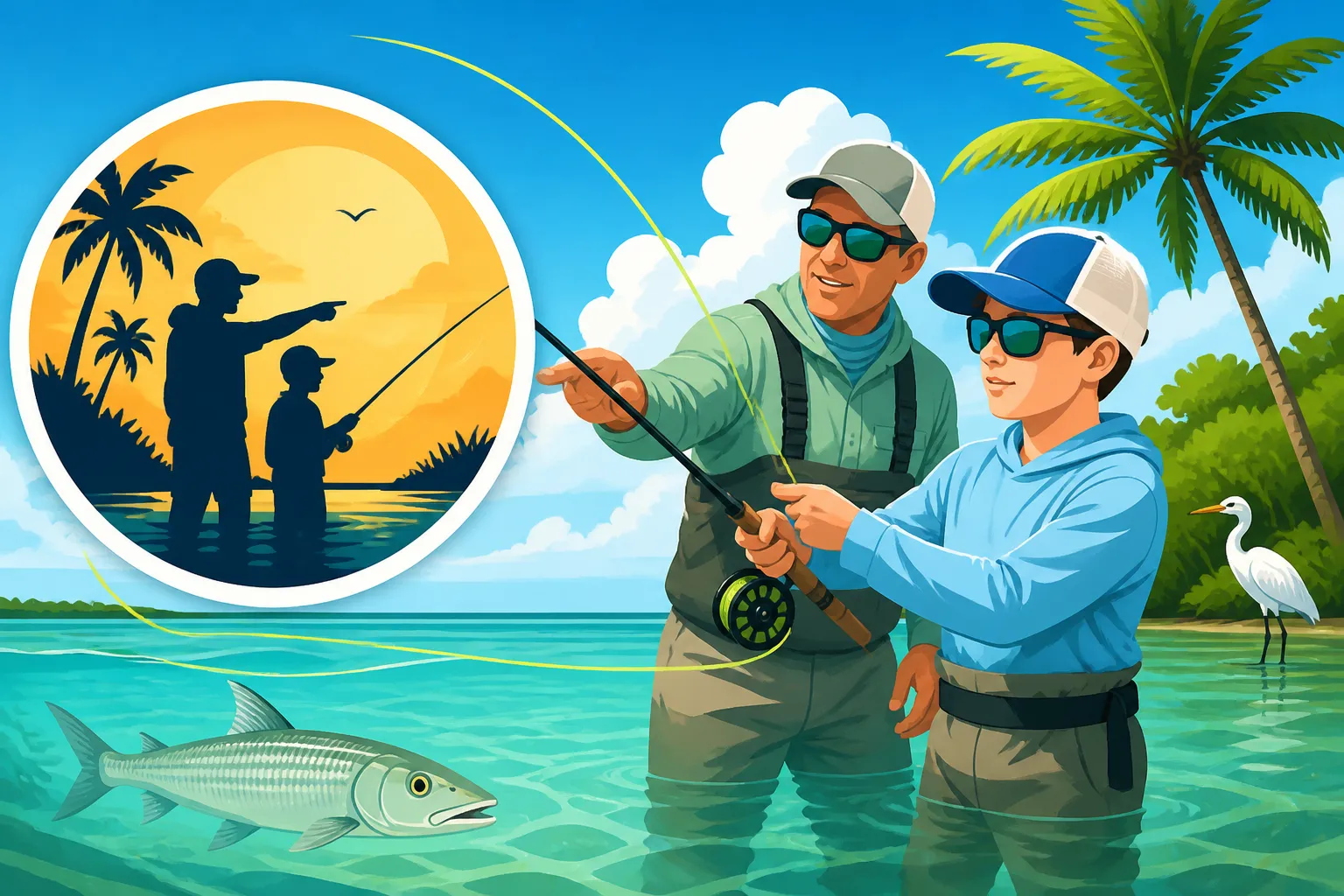
This is, hands down, the most crucial quality for a beginner's guide. Learning to fly cast can be frustrating, and you will make mistakes – plenty of them. A good guide understands this deeply. They won't get annoyed when your line tangles for the tenth time or when you miss a fish they spotted for you. Instead, they'll offer calm, encouraging instruction, breaking down complex movements into digestible steps. They'll celebrate your small victories, like a clean backcast or a successful roll cast, and use every "failure" as a teaching moment. Think of them as a professor who genuinely wants you to succeed, rather than just someone running through the motions. They understand that a positive first experience is key to sparking a lifelong passion.
Effective Communication and Instructional Methods
A great teacher isn't just knowledgeable; they're skilled at conveying that knowledge. They can explain the mechanics of a cast in multiple ways until it clicks for you. They might use analogies, visual demonstrations, or hands-on adjustments to your grip or stance. They should be able to simplify complex concepts, focusing on one or two key elements at a time rather than overwhelming you with too much information. For instance, they might spend dedicated time on the casting pond or a quiet flat just practicing the mechanics before even looking for fish. This systematic approach ensures you build a strong foundation. You'll find many guides who excel at this on platforms like FishingBooker, where client reviews often highlight a guide's teaching ability.
Safety First and Foremost
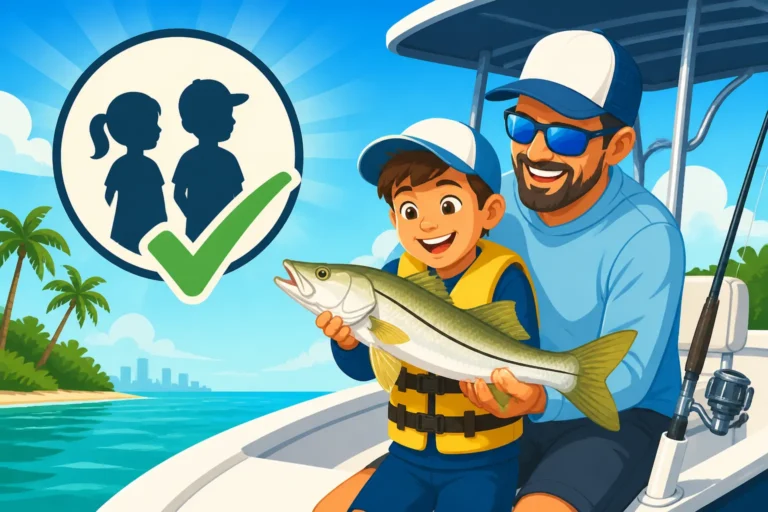
While often overlooked by beginners eager to cast, safety is paramount. A good guide will prioritize your well-being above all else. This means clear instructions on how to handle sharp hooks, how to safely navigate the boat or wade the flats, and awareness of weather conditions. They should provide appropriate personal flotation devices if needed and ensure you understand how to safely handle fish for both your sake and the fish's. For example, knowing how to properly land and release a feisty snook without getting a hook in your hand or harming the fish is vital. This often includes teaching responsible Catch and Release Best Practices for Snook and other species.
Appropriate Gear and Local Knowledge
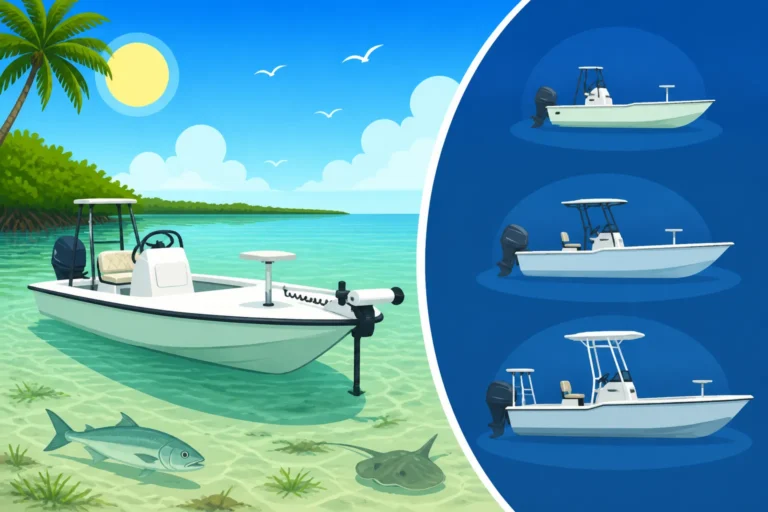
While some beginners want to bring their own gear, a guide should have high-quality, beginner-friendly equipment available. This means rods and reels that are forgiving for learning the cast, typically in a medium-heavy weight for saltwater species or a lighter weight for freshwater bass. They should also possess an intimate knowledge of their local waters – where the fish are likely to be, what they're eating, and how to approach them without spooking them. This local lore, combined with providing the right tools, makes a huge difference in your success and enjoyment. It's one thing to learn to cast; it's another entirely to learn to cast to a fish in their environment.
Here's a quick comparison of what makes an excellent beginner guide:
| Quality | Excellent Beginner Guide | Less Ideal Guide for Beginners |
|---|---|---|
| Patience | Endless, understanding, uses mistakes as learning opportunities | Gets frustrated, impatient, makes you feel incompetent |
| Teaching Style | Clear, adaptable, breaks down complex actions, hands-on feedback | Assumes prior knowledge, vague instructions, limited real-time correction |
| Encouragement | Celebrates small wins, builds confidence, positive reinforcement | Focuses on missed opportunities, critical, deflating |
| Equipment Provided | High-quality, beginner-friendly rods/reels, diverse fly selection | Worn-out gear, limited options, expects you to bring everything |
| Safety Focus | Explicit instructions, provides PFDs, teaches safe fish handling | Assumes you know, less emphasis on prevention, rushed |
| Local Knowledge | Deep understanding of tides, species, patterns, specific spots | Generic knowledge, relies on luck, limited "secret" spots |
Navigating Your Search for the Ideal First-Time Fly Fishing Guide
Once you understand what to look for, the next step is actually finding that perfect mentor. Florida is brimming with fishing guides, but sifting through them to find the one who truly caters to beginners can take a little effort.
Starting Your Search: Word-of-Mouth and Local Resources
Often, the best recommendations come from other anglers. If you know anyone who fly fishes, ask them who they recommend for beginner instruction. Local fly shops are also invaluable resources; the staff there typically know many guides personally and can point you toward those with a reputation for patience and teaching skills. They might even host casting clinics or beginner workshops that can act as a stepping stone to a guided trip. Don't be shy about popping into a local shop like those found in the Florida Keys or near popular bass lakes, and just asking for advice. They live and breathe this stuff!
Online Platforms and Comprehensive Listings
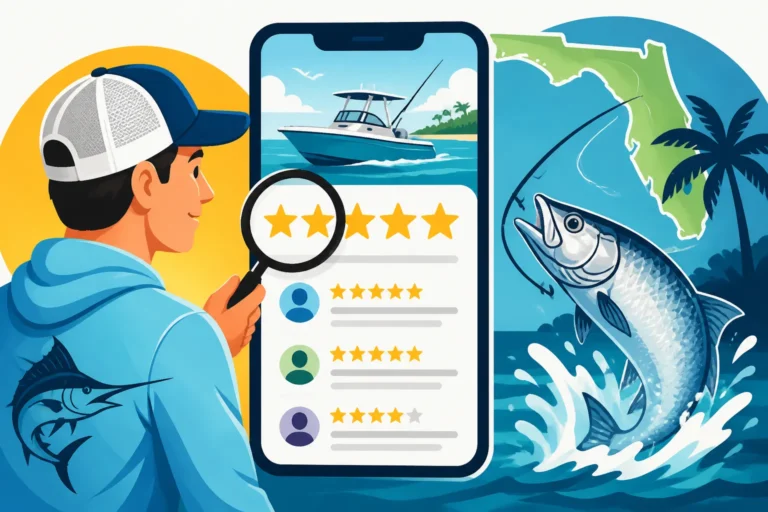
In today's digital world, online booking platforms have become incredibly useful for finding and vetting guides. Websites like FishingBooker allow you to search for guides in specific Florida locations, read detailed descriptions of their trips, and, most importantly, pore over reviews from past clients. When using these platforms, pay close attention to reviews that mention a guide's patience, teaching ability, and suitability for novices. Many guides will specifically state in their profiles if they welcome beginners or specialize in instruction. These platforms can be a great starting point for finding guides, allowing you to compare options and see what's included in different Florida Fishing Charter Cost Guide options.
Remember to be explicit when contacting a guide that you are a beginner looking for instructional help. Don't assume they'll know your skill level. You might even ask if they have experience teaching specific techniques like How to Fly Fish for Bonefish if that's a species you're keen to target.
Essential Questions to Ask Potential Guides
Before you book, have a list of questions ready. This helps ensure you and the guide are on the same page and that their services align with your beginner needs. Here are a few to consider:
- "Do you specialize in teaching beginners?" This is the most important question. Some guides prefer to take experienced anglers.
- "What is your teaching philosophy for new fly anglers?" Listen for answers that emphasize patience, breaking down techniques, and focusing on fundamentals.
- "Do you provide all the necessary fly fishing equipment, including flies?" Most beginner-friendly guides do, but it's good to confirm. It helps to clarify if you need to bring your own Do You Need to Bring Your Own Fly Rod?.
- "Will we spend dedicated time practicing casting before looking for fish?" For true beginners, this is crucial. You need to learn the mechanics before applying them to a live fishing scenario.
- "What species do you typically target on beginner trips, and how do you approach them?" This helps set expectations and ensures you're targeting fish appropriate for learning. For example, some fish, like certain types of snapper, are more forgiving than others for a beginner.
- "What should I bring for the trip (clothing, sun protection, food, drinks)?" Get a clear list so you're prepared. Our guide on What to Bring on a Florida Fishing Charter offers some general advice.
- "What happens if the weather is bad?" Understand their cancellation or rescheduling policy upfront.
Always ask for a clear breakdown of costs and what's included. While you won't get exact figures, understanding the structure of their pricing – whether it's a half-day versus a full-day trip, or if gratuity is handled separately – is important. For example, understanding the Cost of a Fly Fishing Guide in the Florida Keys might differ from guides operating in other parts of Florida.
Preparing for Your First Fly Fishing Trip with a Guide
Once you've chosen your guide and booked your trip, a little preparation on your end can go a long way in making your experience even more successful and enjoyable.
What to Bring and What to Expect
Even if your guide provides all the gear, there are personal items you'll want to have. Think layers of clothing, as Florida weather can change quickly, even on sunny days. Sun protection is paramount: a wide-brimmed hat, sunglasses (polarized are a must for spotting fish on the flats!), and plenty of reef-safe sunscreen. Comfortable, non-slip shoes are also essential. Bring water and snacks, as you'll be expending energy learning and casting. Your guide will likely confirm these details, but it never hurts to be prepared. If you're trying to decide between Fly Fishing vs Spin Fishing for Tarpon, your guide can offer great insights into the challenges and rewards of fly fishing for such a powerful species.
Setting Realistic Expectations
Your first fly fishing trip is about learning, not necessarily filling a cooler. While catching fish is always the goal, focus on mastering the basics of casting, presentation, and fish identification. Celebrate the small victories: a decent cast, spotting a fish before your guide points it out, or a brief hook-up. Understand that fly fishing, especially in saltwater, can be challenging, and there will be times when the fish just aren't cooperating. A great guide will make the learning process fun regardless of the catch count. Trust your guide's judgment on fly selection, casting advice, and where to look for fish. They are there to put you in the best position to succeed.
The Role of Practice and Further Learning
Your guided trip is an amazing jumpstart, but it's just the beginning. A good guide will give you tips and "homework" for practicing your casting at home. Even 15-20 minutes in your yard a few times a week can dramatically improve your muscle memory and technique. Think about investing in a practice rod or just using your actual rod with a yarn fly in an open space. Look for local fly fishing clubs or events; they often offer clinics or informal gatherings where you can practice with other enthusiasts. Consider exploring more on Best Guides for Fly Fishing the Flats for future trips once you've gained confidence. Your guide can also recommend specific resources for continued learning, ensuring your fly fishing journey is long and rewarding.
It's truly an exciting time to get into fly fishing in Florida. With the right guide, your initial fears will melt away, replaced by the pure joy of the cast and the thrill of the chase. Good luck out there!
Disclaimer
This article is for general informational purposes only and does not constitute professional advice. Laws, prices and regulations vary by location and change over time. Consult a qualified professional for guidance on your specific situation.