Private Charter Fuel Surcharge in the Florida Keys
Planning a fishing trip to the beautiful Florida Keys is an exciting endeavor, but nothing can throw a wrench in your budget faster than an unexpected extra charge. One of the most common surprises many anglers encounter is the private charter fuel surcharge. It's frustrating to think you've got everything planned, only to find an added cost you hadn't anticipated. This guide is here to demystify these surcharges, explain why they exist, how they're typically calculated, and what you can do to be prepared and budget effectively for your next Keys fishing adventure.
Understanding the Necessity of Fuel Surcharges in the Florida Keys
Let's face it, nobody likes an extra fee. You're dreaming of reeling in that trophy tarpon or snapper, not wondering about the price of diesel. However, in a place like the Florida Keys, fuel surcharges aren't just an arbitrary add-on; they're often a necessary component of running a successful and sustainable charter business. The unique geography and fishing opportunities of the Keys play a huge role in this.
Think about it: the Florida Keys are a chain of islands stretching far out into the Atlantic and Gulf of Mexico. To get to those prime fishing grounds – whether it’s offshore wrecks, distant reef lines, or even specific backcountry flats – captains often have to travel significant distances. These aren't quick hops from the dock; they involve substantial runs, sometimes 20, 30, or even 50 miles one way, depending on where the fish are biting and what species you're targeting. Large offshore vessels, in particular, are fuel-hungry machines, burning many gallons per hour at cruising speeds.
The other major factor is the unpredictable nature of fuel prices. Unlike many other business expenses that can be fixed or forecasted with reasonable accuracy, marine fuel costs can fluctuate dramatically, sometimes even weekly. A captain might set their charter rates months in advance, only for fuel prices to spike unexpectedly just before your trip. Absorbing these huge increases would quickly make a charter operation unprofitable. It’s a tightrope walk for these small businesses, trying to provide an incredible experience while keeping their boats running and their families fed.
The Dynamics of Fuel Costs for Charter Operations
Charter captains operate on relatively slim margins, especially given the significant investment in their boats, gear, maintenance, insurance, and the years of experience they bring to the table. Fuel is one of their largest variable expenses, alongside bait and crew salaries. When you book a charter, a portion of your fee covers the captain's time, the boat's depreciation, the cost of tackle, and a baseline for fuel. However, when fuel prices escalate beyond a certain threshold, that baseline just isn't enough to cover the actual cost of getting you to the fish and back.
This is where the surcharge comes into play. It acts as a safety valve for the captain, allowing them to adjust for market fluctuations without having to constantly reprint brochures or completely overhaul their base pricing. It ensures that the cost of your trip accurately reflects the current operational expenses, protecting both the business and, ultimately, the quality of your fishing experience. Imagine a captain having to cut a trip short or avoid prime distant spots because they can’t afford the fuel. That wouldn't be good for anyone.
Why the Keys are Particularly Affected
The Keys are renowned for their diverse fishing opportunities, from the shallow water flats of the backcountry to the deep-sea canyons off the Marathon hump. This means captains need to be versatile, and that versatility often involves traveling to different ecosystems based on conditions, seasons, and target species. Florida Keys Fishing Guide gives you a sense of the vastness involved. Unlike some fishing destinations where prime spots might be just a few miles offshore, the sheer length of the Keys archipelago means that traveling between, say, Islamorada and Key West, or even just to offshore zones, can add up in terms of distance and fuel consumption. This expansive geography naturally increases the likelihood and necessity of fuel surcharges compared to more localized fishing areas.
How Private Charter Fuel Surcharges Are Typically Structured
Navigating the specifics of fuel surcharges can feel like trying to untangle a particularly stubborn knot. There isn't a single, universal way that captains apply these charges, which can sometimes lead to confusion. However, most fall into a few general categories, and understanding these will empower you to ask the right questions before you commit to a booking.
Flat Rate Surcharges
Some captains prefer the simplicity of a flat rate surcharge. This means they'll add a fixed amount to the total cost of your trip, regardless of how much fuel is actually consumed on your specific day. For example, they might say, "Due to current fuel prices, there will be a $X fuel surcharge on all full-day offshore trips."
- Pros: This method offers transparency and predictability for you, the angler. You know exactly what the added cost will be upfront. It's easy to budget for, and there are no surprises at the end of the day based on how far you traveled or how long the engine ran.
- Cons: It might not feel entirely fair if, for some reason, your trip requires less fuel than average. However, it's typically calculated to cover the average increase in fuel costs for their typical trip profiles.
Variable or Percentage-Based Surcharges
Other charters opt for a more dynamic approach, often linking the surcharge to either the actual fuel consumed or a percentage of the total trip cost based on current market prices.
- Per-Gallon Charge: In this scenario, the captain might pass on the increase in fuel costs over a certain baseline price per gallon. For instance, if their base rate assumes fuel at $4/gallon, and it's currently $6/gallon, you might pay the additional $2/gallon for the total fuel consumed on your trip. This requires tracking the fuel used, which is common on larger vessels.
- Percentage of Trip Cost: Less common but still seen, some surcharges might be a percentage (e.g., 5-10%) added to the overall charter fee. This generally applies when fuel costs have risen significantly across the board, impacting the overall operational budget.
- Pros: This method is often seen as fairer by captains, as it directly reflects their actual increased operating costs. If fuel prices drop, the surcharge might decrease or disappear.
- Cons: It can be less predictable for you, the angler. You might not know the exact final cost until the end of the trip, or at least until closer to the departure date when fuel prices are firmer. Communication is absolutely key here to avoid any sticker shock.
When Surcharges Are Communicated
Ideally, a reputable charter will communicate any potential fuel surcharges transparently and upfront, well before you finalize your booking. This might be stated clearly on their website, in their booking confirmation emails, or verbally discussed when you call to inquire. Platforms like FishingBooker often include sections where captains can detail these additional costs in their listings.
However, circumstances can sometimes necessitate a last-minute adjustment. If fuel prices spike dramatically between the time you book and the day of your trip, a captain might need to inform you closer to the date. This is less ideal, but understandable given the volatility of the market. Always ask about their policy on this during your initial inquiry. A good captain will explain their policy clearly and answer all your questions.
| Surcharge Type | Predictability for Angler | Fairness to Captain | Common Communication Method | When Applied |
|---|---|---|---|---|
| Flat Rate | High | Moderate | Website, Booking Form | Upfront at Booking |
| Per-Gallon Overage | Moderate | High | Discussion, Post-Trip Calc. | Post-Trip, based on usage |
| Percentage of Trip | Moderate | Moderate | Website, Booking Form | Upfront or Closer to Trip |
| Market Adjustment | Low | High | Closer to Trip | Due to extreme volatility |
Remember, your best defense against an unpleasant surprise is proactive communication. Don't be shy about asking direct questions about potential fuel surcharges when you're inquiring about Florida Fishing Charter Cost Guide.
Proactive Strategies for Understanding and Budgeting
Steering clear of surprises when it comes to private charter fuel surcharges means being proactive and asking the right questions. It's all about gathering information upfront so you can make informed decisions and budget with confidence.
Ask Directly During Booking
This is perhaps the most crucial step. When you're making that initial phone call, sending an email inquiry, or using an online booking platform, always ask about their fuel surcharge policy. Don't assume it's included just because it's not explicitly mentioned. Here are some questions you might pose:
- "Do you anticipate any fuel surcharges for a trip like the one I'm interested in?"
- "How do you calculate your fuel surcharge, and when would I be informed of the exact amount?"
- "What is your policy if fuel prices change dramatically between now and my trip date?"
- "Is the amount of fuel used on the trip always included, or is there a separate charge based on usage?"
A professional and transparent captain will be happy to answer these questions clearly. If they seem hesitant or vague, that might be a red flag. Look for captains who prioritize clear communication. Many reputable guides who list their services on platforms like FishingBooker make an effort to include detailed information about all potential costs, including fuel, right on their profiles.
Review the Booking Confirmation and Policies
Once you've decided on a charter and are ready to book, thoroughly read all the documentation they provide. This includes the booking confirmation, any terms and conditions, and any explicit policy statements about surcharges. Sometimes, the information might be buried in the fine print, but it's vital to read it. If anything is unclear, ask for clarification before you put down a deposit. This is also a good time to double-check their Cancellation Policy for Florida Fishing Charters in case unforeseen circumstances arise.
Remember, a signed agreement or paid deposit often signifies your acceptance of these terms. Knowing what you're agreeing to beforehand prevents disputes later on.
Consider Trip Type and Location
The kind of fishing trip you plan to take and where you plan to go will have a direct impact on potential fuel costs.
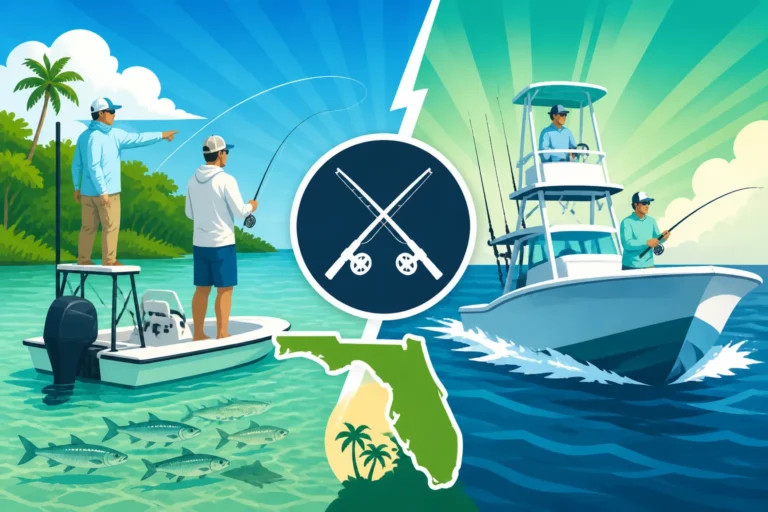
- Offshore vs. Inshore: Generally, deep-sea or offshore charters require significantly more fuel than inshore or flats fishing trips. Offshore boats are larger, travel further, and burn more fuel at high speeds to get to distant wrecks, reefs, or the Gulf Stream. If you're targeting species like mahi-mahi, wahoo, or sailfish, you can expect a higher fuel consumption. Conversely, a flats fishing guide targeting bonefish or tarpon in the shallow backcountry might use very little fuel, sometimes even poling or using a trolling motor for long stretches.
- Half-Day vs. Full-Day: A full-day trip naturally involves more time on the water and often more travel to various spots, increasing fuel usage compared to a half-day excursion. If your budget is tight, a half-day trip might be a good way to minimize potential fuel surcharge impact. Half-Day vs Full-Day Fishing Charter Cost in Florida can help you weigh the options.
- Specific Fishing Grounds: If you're going to a remote area like the Dry Tortugas or planning a very long run to a particular offshore spot, that distance will translate directly to higher fuel costs. Discuss the intended fishing grounds with your captain. Sometimes, adjusting your target species or location slightly can save on fuel without sacrificing the quality of the fishing. For instance, a trip to Best Reef Spots Off Key West for Snapper closer to shore might incur less fuel cost than a far-flung wreck.
By taking these proactive steps, you'll be well-prepared for any fuel surcharges that might come your way, allowing you to focus on the excitement of your Florida Keys fishing adventure.
Comparing Charter Types and Their Fuel Needs
When planning your fishing trip in the Florida Keys, it's wise to consider how different types of charters inherently impact fuel consumption and, consequently, the likelihood and potential size of a fuel surcharge. Not all fishing experiences are created equal when it comes to how much gas they'll guzzle.
Offshore vs. Inshore and Flats Charters
This is perhaps the most significant distinction in terms of fuel needs.
- Offshore Charters: These are your deep-sea adventures, typically on larger center console boats or sportfishing yachts. They venture many miles out into the Atlantic or Gulf of Mexico, often running at high speeds for extended periods to reach prime fishing grounds for species like tuna, marlin, mahi-mahi, grouper, or snapper. The distances covered are substantial, and the engines are powerful, designed for speed and range.
- Fuel Implication: High. Expect these trips to have a greater potential for fuel surcharges, especially for full-day excursions or when targeting very distant spots. A day of trolling for pelagics or steaming far offshore can consume hundreds of gallons of fuel.
- Examples: A Key West Offshore Charter 4-Hour Rate might have a smaller surcharge due to shorter run times, but a full day targeting migratory fish could see a significant fuel adjustment.
- Inshore and Flats Charters: These trips focus on the shallower waters of the bays, backcountry, and nearshore reefs. Boats are typically smaller, like flats boats or bay boats, designed for navigating skinny water or calmer nearshore conditions. Target species include snook, redfish, trout, and smaller snapper.
- Fuel Implication: Low to Moderate. Flats boats, which are often poled silently through the shallows, use very little fuel. Bay boats might make longer runs across bays or to nearshore structures but generally don't consume fuel at the same rate as offshore vessels. The fuel surcharge, if any, will likely be much smaller.
- Examples: A Key West Flats Guide Half-Day Rate might be less affected by fuel cost fluctuations due to minimal engine use, while a bay boat covering more ground in Charlotte Harbor Fishing Guide might see a moderate impact.
Half-Day vs. Full-Day Charters
The duration of your trip also directly correlates with fuel consumption.
- Half-Day Charters: Typically 4-5 hours long, these trips usually focus on closer fishing grounds to maximize fishing time. While a captain might still run at speed to get to a productive spot, the overall distance covered and engine run time is less than a full day.
- Fuel Implication: Lower. Shorter trips mean less time burning fuel, making them a more budget-friendly option if fuel surcharges are a concern. This is often the case for a Half-Day vs Full-Day Fishing Charter Cost in Florida.
- Full-Day Charters: Lasting 8 hours or more, full-day trips offer the flexibility to explore a wider range of fishing spots, including those further afield. This extended time and greater range almost always mean higher fuel consumption.
- Fuel Implication: Higher. More time on the water, more travel, and potentially more diverse locations mean full-day trips are more susceptible to significant fuel surcharges.
Other Factors Influencing Fuel Consumption
Beyond the primary distinctions, a few other elements can subtly affect how much fuel your trip consumes:
- Fishing Technique: Trolling for pelagics offshore involves constant engine use, burning a lot of fuel. Bottom fishing, once you've reached a spot, involves less engine time as the boat drifts or is anchored. Light tackle casting on the flats uses minimal fuel, especially if the guide is poling.
- Weather Conditions: Choppy seas or strong currents can force a captain to run the engines harder and slower, increasing fuel burn. Calm days might allow for more efficient travel.
- Finding the Fish: Sometimes, despite the captain's best efforts, the fish aren't where they're expected to be. This might necessitate longer runs to different locations, impacting fuel consumption. A good captain will always try to put you on fish, even if it means burning a little extra fuel.
By understanding these dynamics, you can better anticipate and budget for any potential fuel surcharges, ensuring your Florida Keys fishing trip is as enjoyable and free of financial surprises as possible. Choosing a shorter trip or an inshore adventure, particularly if you're booking through platforms like FishingBooker where many options are available, can be a strategic way to manage these costs.
Budgeting for Your Florida Keys Fishing Adventure
Budgeting for a fishing charter can feel like a guessing game if you don't know all the potential costs involved. The fuel surcharge is just one piece of the puzzle, but by incorporating it into your overall financial plan, you can enjoy your time on the water without worrying about unexpected expenses.
Creating a Comprehensive Trip Budget
Start by listing all the known and potential costs associated with your fishing trip to the Keys. This isn't just about the charter itself, but everything surrounding it.
- Base Charter Fee: This is the advertised price for the half-day or full-day trip.
- Fuel Surcharge: Based on your inquiries, factor in the most likely scenario for this cost. If the captain has a variable policy, try to get an estimate for a typical trip.
- Crew Gratuity: Tipping your fishing guide or mate is customary and highly recommended, usually around 15-20% of the base charter fee. Don't forget this! How Much to Tip a Florida Fishing Guide? provides excellent guidance here.
- Bait & Tackle: While many charters include this, some might charge extra for live bait, especially specialty baits like pilchards or goggle eyes. Confirm this beforehand.
- Fishing License: While most charter boats cover the required license for everyone on board, it’s always wise to confirm this directly with your captain. If you plan to fish from shore or a pier on your own, you'll need a Florida Fishing License Guide.
- Food and Drinks: Pack a cooler with snacks, sandwiches, and plenty of hydration. These items can add up if you're buying them last minute.
- Sun Protection: Sunscreen, hats, sunglasses, and appropriate clothing are essential in the Keys' strong sun. Don't skimp here.
- Travel and Accommodation: Factor in flights, car rentals, lodging, and meals for your entire stay.
- Souvenirs/Fish Processing: If you catch keepers and want to take them home, there might be costs for fish cleaning, bagging, or even shipping if you're traveling. Does a Florida charter clean and bag your fish? is a good question to ask your captain.
By building out this comprehensive list, you'll have a much clearer picture of your total investment, making any fuel surcharge feel less like an ambush and more like a planned expense.
The Value of Clear Communication and Research
We can't stress this enough: ask questions! There's no such thing as a silly question when you're planning an investment in an experience. When looking for a charter, whether you're contacting them directly or browsing options on a platform like FishingBooker, pay close attention to reviews and detailed descriptions. Many experienced anglers will mention if a charter has transparent pricing.
If a captain explicitly states their fuel surcharge policy, it shows their commitment to transparency, which is a hallmark of a professional operation. Don't be afraid to compare a few different charters, asking the same questions to each. You might find that one captain has a more favorable or predictable fuel policy for your specific trip needs. However, remember that the cheapest option isn't always the best. A slightly higher fee, including a clearly defined fuel surcharge, might lead to a more reliable boat, better gear, and a more experienced guide.
Ultimately, by being prepared for potential fuel surcharges and integrating them into a broader budget, you can ensure that your Florida Keys fishing trip remains a dream vacation, not a financial headache. The joy of landing that big fish will far outweigh any minor adjustments you made in your planning.
Disclaimer
This article is for general informational purposes only and does not constitute professional advice. Laws, prices and regulations vary by location and change over time. Consult a qualified professional for guidance on your specific situation.