Cancellation Policy for Florida Fishing Charters
Planning a dream Florida fishing trip only to have unforeseen circumstances threaten to derail it can be incredibly frustrating. Whether it's a sudden change in your schedule, a surprise illness, or the infamous Florida weather throwing a curveball, understanding what happens to your hard-earned money and eagerly anticipated angling adventure is crucial. This comprehensive guide will walk you through the ins and outs of Florida fishing charter cancellation policies, explaining what to expect from both the client and captain's perspective, so you can book your next trip with confidence and peace of mind.
Understanding Why Charters Have Cancellation Policies
It might seem like a hassle, but cancellation policies aren't just there to make your life difficult. For fishing charter captains and their businesses, these policies are a fundamental part of protecting their livelihood and ensuring they can continue to offer amazing experiences on the water. They operate on tight margins, and every booking represents a significant commitment of resources.
The Financial Investment for Charter Captains
Think about everything that goes into a single charter trip. The boat itself is a massive investment, requiring constant maintenance, repairs, and upgrades to keep it safe and functional. Then there's the cost of fuel, which can be astronomical, especially for offshore trips that burn through dozens of gallons. Bait, tackle, lines, hooks, and lures are all consumables that need to be restocked regularly. Beyond the tangible items, captains also face significant operational costs like insurance, specific licensing requirements (did you know Florida Fishing License Requirements for Boat Captains are quite stringent?), and dockage fees.
When you book a charter, that captain immediately earmarks that slot in their schedule. They might turn away other potential clients for that specific day, and they begin preparing weeks or days in advance, checking weather patterns, scouting fishing reports, and making sure all equipment is in top condition. A last-minute cancellation, especially one outside of the agreed-upon policy, means not only lost revenue for that day but also the wasted time and money already invested in preparing for your trip. It’s not just about the profit; it's about covering the extensive overhead that keeps their business afloat and enables them to continue sharing their passion for Florida fishing with others.
Weather, Mechanical Issues, and Unforeseen Circumstances
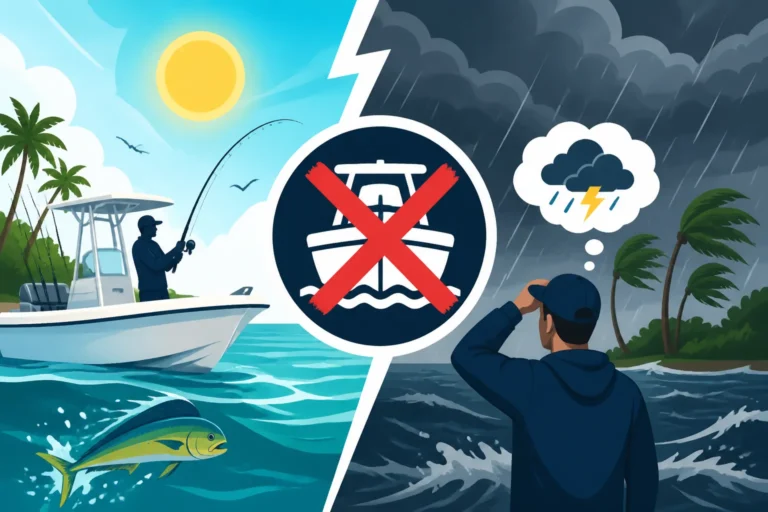
Life, and especially fishing, is inherently unpredictable. While you might be concerned about needing to cancel, charter captains also face their own set of challenges that can necessitate a trip cancellation. The most common culprit in Florida is, without a doubt, the weather. Safety is always paramount on the water, and a responsible captain will never risk their clients' well-being for a fishing trip. This means if there are strong winds, heavy seas, lightning, or a severe weather advisory, they will make the difficult but necessary call to cancel. This isn't just a preference; it's a professional obligation.
Beyond weather, mechanical issues can rear their ugly heads at the worst possible moment. An engine problem, a faulty steering system, or critical electronic failures can render a boat unsafe or inoperable. Just like any other complex machinery, boats can have unexpected breakdowns. Furthermore, a captain might face personal emergencies, such as a sudden illness or a family crisis, preventing them from running a trip. When these unforeseen circumstances arise, the cancellation is initiated by the charter, not the client, and different rules apply. It's important to understand this distinction, as it dictates the potential for refunds or rescheduling.
Common Types of Client-Initiated Cancellation Policies
So, you've booked your trip, paid your deposit, and now something has come up on your end. What happens next? Understanding the common structures of client-initiated cancellation policies is key to avoiding disappointment and potential financial loss. Every charter is different, but there are some general rules of thumb.
Deposit and Payment Structures
Almost every Florida fishing charter will require some form of deposit to secure your booking. This deposit serves a few crucial purposes: it confirms your commitment to the trip, it provides the captain with some initial capital to cover early preparation costs, and it acts as a safeguard against last-minute no-shows. These deposits can vary widely. Some captains might ask for a flat fee, perhaps a couple of hundred dollars, regardless of the trip's total cost. Others might require a percentage of the total charter price, often ranging from 25% to 50%. The deposit amount often reflects the length and cost of the trip, with longer, more expensive offshore adventures usually commanding a larger initial payment.
The remaining balance is typically due on the day of the trip, often paid directly to the captain at the dock before you depart. Some charters, particularly those booked through larger platforms like FishingBooker, might process the full payment in advance or handle the remaining balance through their system. It's vital to clarify these details when booking. If you cancel, the deposit is usually the first thing at risk. Charters view deposits as compensation for the slot they held for you, and whether it's refundable depends entirely on how far in advance you cancel and the specific terms outlined in their policy.
Standard Notice Periods for Full or Partial Refunds
This is where the fine print really matters. Most charter operations will have a clearly defined "notice period" for cancellations. If you cancel outside of this window, you typically stand a good chance of getting your full deposit back, or at least a significant portion of it. For many smaller, independent captains, this window might be 72 hours or a week prior to the trip. For larger operations or peak season bookings, it could extend to two weeks or even a month. The idea is that the captain needs enough time to potentially re-book that slot with another client.
If you cancel within the notice period, you will likely forfeit your deposit. For example, if a charter has a 48-hour cancellation policy and you call to cancel 36 hours before your trip, that deposit is probably gone. This is because at such short notice, it’s highly improbable the captain can fill the spot, leading to a direct loss of income. It's also worth noting the "no-show" scenario. If you simply don't show up for your trip without any communication, you will almost certainly lose your entire deposit, and some policies even reserve the right to charge your card for the full amount of the trip. Always communicate! Even if it's last-minute, a phone call is better than radio silence. This helps the captain manage their expectations and perhaps make alternative arrangements. Check out Florida Fishing Charter Cost Guide to understand the financial implications of these bookings.
| Cancellation Scenario | Client Notice Time | Typical Outcome (Client-Initiated) |
|---|---|---|
| Early Cancellation | Well before notice period | Full deposit refund |
| Within Notice Period | 24-72 hours before trip | Forfeit deposit |
| Day-Of Cancellation | Day of trip, before departure | Forfeit deposit, possibly full trip cost |
| No-Show | No communication, no appearance | Forfeit deposit, likely full trip cost |
| Captain Cancels (Weather/Mech) | Anytime before/during trip | Full refund or reschedule |
Captain-Initiated Cancellations: What to Expect
It’s not always the client who needs to cancel. Sometimes, the captain makes the call, usually for very good reasons. Knowing your rights and expectations in these situations can save you a lot of stress.
Weather-Related Cancellations (Safety First!)
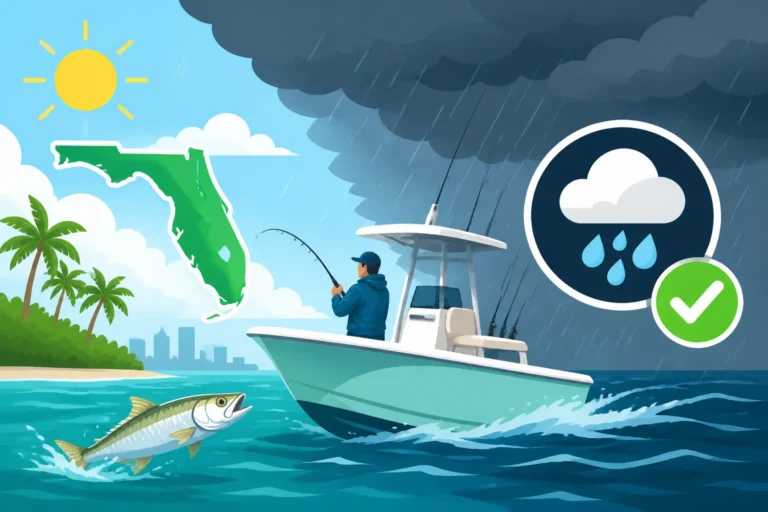
As mentioned, Florida weather is a beast of its own, and the captain's primary responsibility is the safety of everyone on board. This means that if the forecast calls for conditions that are unsafe or simply too uncomfortable to make for an enjoyable fishing trip, the captain will cancel. It's important to understand that "bad weather" to a captain might not be what you perceive from your hotel window. A little rain often isn't an issue, and sometimes fish even bite better in it. However, strong winds that create rough seas, heavy thunderstorms with lightning, or tropical system threats are definite deal-breakers. A reputable captain won't risk their vessel, your safety, or their reputation just to get out on the water.
When a captain cancels due to weather, you should always be offered either a full refund of any deposits or payments made, or the option to reschedule your trip for another available day. Most clients prefer to reschedule, especially if they’ve traveled to Florida specifically for the fishing. Some captains might even work with you to find a slightly different type of trip on a calmer body of water, if feasible. For instance, if offshore conditions are terrible, but the bay is calm, they might offer an inshore trip if they have the right boat and expertise. However, this is always at their discretion and your agreement. There's no obligation to accept a different kind of trip if your heart was set on the original plan. Knowing Florida Fishing Seasons Explained can help manage expectations about weather patterns throughout the year.
Mechanical or Unforeseen Circumstances from the Charter
Boats are complex machines, and even the best-maintained vessels can experience unexpected mechanical failures. An engine issue, a malfunctioning bilge pump, or a critical electronics problem can render a boat unsafe or unable to operate effectively. Similarly, captains are human too. A sudden illness, a family emergency, or an accident can make it impossible for them to run their scheduled trip. These situations, while rare, do happen.
When the charter company or captain initiates a cancellation due to mechanical issues or personal unforeseen circumstances, the same principle of offering a full refund or rescheduling applies. You should never be penalized for a situation beyond your control. In many cases, if a captain has a network, they might even try to help you find an alternative charter with another reputable captain they know. This is a sign of a truly professional operation. Don't be shy about asking for proof of such issues if you feel something is amiss, but generally, captains are honest about these unfortunate occurrences. Their reputation is on the line, and they want to ensure you have a positive experience, even if the original plan falls through.
The Role of Third-Party Booking Platforms
In our digital age, many anglers find and book their Florida fishing charters through online platforms rather than directly with individual captains. Services like FishingBooker have become incredibly popular, offering a convenient way to browse numerous charters in various locations, read reviews, and compare prices. However, when it comes to cancellations, these platforms add an extra layer to consider.
How Booking Services Mediate Policies
Platforms like FishingBooker essentially act as an intermediary between you and the charter captain. They host the listings, process payments, and often provide a standardized framework for cancellation policies. While each captain typically sets their own specific cancellation terms (e.g., 48-hour notice, 7-day notice), the booking platform will enforce these rules. This means that if you need to cancel, you'll usually go through the platform's customer service channels, and they will apply the captain's stated policy.
One of the benefits of using such services is that they often have robust dispute resolution processes. If there's a disagreement over a cancellation or a refund, the platform can mediate, drawing on their records of communication, payment, and the agreed-upon policy. This can provide an extra layer of protection for both the client and the captain, ensuring fairness. It's less of a "he said, she said" situation and more about clearly documented terms. Just remember, while they facilitate the booking and cancellation process, the specific policy itself still originates from the individual charter operation you chose. Understanding How to Book a Florida Fishing Charter Online often means understanding these platforms.
Reading the Fine Print on Online Bookings
This cannot be stressed enough: always read the specific cancellation policy for the charter you are booking, even if you are using a well-known platform like FishingBooker. While platforms provide a general structure, the actual notice periods and refund specifics can vary dramatically from one captain to another, and even between different trips offered by the same captain. A half-day inshore trip might have a different policy than a full-day offshore excursion.
Before you click "book" and enter your payment information, take a few extra minutes to locate and thoroughly read the cancellation policy section. Look for details such as:
- The exact notice period required for a full refund. Is it 24 hours, 72 hours, a week?
- What percentage of the deposit (or full payment) is refundable under different circumstances?
- What is the policy for weather-related cancellations? Does it explicitly state full refund or reschedule options?
- Are there any non-refundable fees (e.g., booking fees, processing fees) even if the trip is canceled?
If anything is unclear, don't hesitate to reach out to the platform's customer service or the captain directly for clarification before you commit. A few minutes of due diligence upfront can save you a lot of headache and potential financial loss down the road. This also applies to understanding other specifics like What's Included in a Florida Fishing Charter Price, as some inclusions might be non-refundable.
Tips for Protecting Your Investment and Ensuring a Smooth Experience
Nobody wants to cancel a fishing trip, but sometimes it's unavoidable. Taking a few proactive steps can significantly reduce stress and protect your investment.
Communication is Key
This is perhaps the single most important piece of advice when dealing with fishing charter bookings. If you foresee any potential issue that might lead to a cancellation or rescheduling, communicate it with your captain or booking platform as early as humanly possible. Don't wait until the last minute, hoping things will magically resolve themselves. The more notice you give, the better your chances of a favorable outcome, whether that's a full refund of your deposit or a smooth rescheduling process.
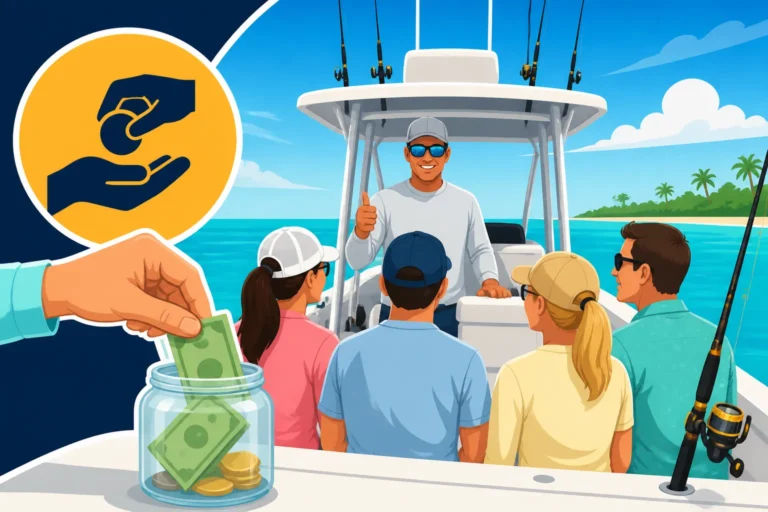
If you need to cancel, call the captain directly if you booked with them, or follow the cancellation procedure outlined by the booking platform. Be polite, explain your situation honestly, and refer to the cancellation policy you agreed to. Most captains are understanding, especially if you give them ample notice. They would rather know ahead of time than have a no-show. Conversely, if you have questions about the captain's own cancellation policy, call them before you book. A quick conversation can often clear up any ambiguities and give you peace of mind. Remember, a good relationship with your captain starts with clear communication from the very beginning. Thinking about Tipping Etiquette for Florida Fishing Guides also shows consideration, which often goes hand-in-hand with good communication.
Travel Insurance Considerations
For some fishing trips, especially those that involve significant travel expenses, accommodations, or a particularly high charter fee, purchasing travel insurance might be a wise investment. While many fishing charter policies cover captain-initiated cancellations (like weather or mechanical issues) with a full refund, they typically don't cover your personal reasons for canceling, unless you've given sufficient notice according to their policy.
Travel insurance can fill this gap. Depending on the policy, it might cover non-refundable deposits or full payments for your charter if you have to cancel due to unforeseen personal events like illness, injury, family emergencies, or even certain travel delays. Some policies also offer "cancel for any reason" (CFAR) coverage, which, while more expensive, provides the ultimate flexibility. Carefully review the terms and conditions of any travel insurance policy to ensure it covers the specific scenarios you are concerned about. It’s an extra cost, yes, but for a high-stakes trip, it can be invaluable peace of mind. This is particularly relevant if you're booking complex multi-day excursions or traveling a long distance for something like a Florida Keys Fishing Charter Guide.
Asking the Right Questions Before You Book
Before you commit to a charter, don't be afraid to ask direct questions about their cancellation policy. A reputable captain or booking agent will be transparent and happy to provide all the information you need. Here are some essential questions to ask:
- "What is your exact cancellation policy if I need to cancel?" Ask about the notice period and what percentage of the deposit is refundable.
- "What happens if you (the captain) have to cancel due to bad weather or mechanical issues?" Confirm that a full refund or rescheduling option will be offered.
- "What do you consider 'bad weather' for a cancellation?" This helps set expectations. Is it just heavy rain, or is it specifically high winds and lightning?
- "When is the final payment due, and what are the accepted payment methods?"
- "Is there any flexibility in the policy for extenuating circumstances?" While not guaranteed, some captains might be more lenient if you communicate early and have a truly unavoidable situation.
By asking these questions upfront, you'll have a clear understanding of the terms and conditions, preventing any surprises later. It helps ensure a smooth, enjoyable experience, even if the unexpected happens. Many charter guides, especially those specializing in specific areas like the Everglades Fishing Guide, have unique challenges and therefore very specific policies.
Disclaimer
This article is for general informational purposes only and does not constitute professional advice. Laws, prices and regulations vary by location and change over time. Consult a qualified professional for guidance on your specific situation.