Can You Keep the Fish You Catch on a Charter?
It's a really common question, and one that trips up a lot of folks planning their Florida fishing adventure: if you reel in a prize, can you actually take it home with you? The excitement of landing a beautiful fish is undeniable, but the rules around keeping your catch, especially on a charter, can feel a little murky. This guide is here to clear the waters, explaining exactly what to expect when it comes to keeping the fish you catch on a Florida fishing charter.
The General Rule of Thumb on Florida Fishing Charters
Let's get right to it: the short answer is often "yes," you absolutely can keep the fish you catch on a charter. But like most things in life, and especially in fishing, it's not always a simple yes or no. There are some really important factors at play, and understanding them before you even step foot on the boat can make all the difference in your experience and whether you end up with dinner on the table.
Yes, Usually, But With Important Caveats
When you book a fishing charter, particularly one advertised for "bottom fishing," "reef fishing," or even some inshore trips targeting species like snapper, grouper, or certain types of trout, the expectation is generally that you'll be able to keep any legally caught fish. Many anglers specifically book these trips with the hope of bringing home fresh seafood, and captains understand this desire perfectly. They know that a cooler full of fillets is a huge part of the fun for many guests.
However, the "yes" comes with a whole tackle box full of caveats. It's never a guarantee, and it's always subject to regulations, the type of fish, and even the captain's specific policies. Imagine reeling in a massive tarpon, only to find out it's strictly catch-and-release. That can be a real bummer if you weren't expecting it! So, while the general inclination is to allow guests to keep their catch, the devil is truly in the details.
Understanding Your Charter's Policy Before You Go
This is perhaps the single most important piece of advice anyone can give you: always clarify the charter's policy on keeping fish before you book or, at the very latest, before you depart. Don't assume anything. Some charters specialize in "meat fishing," where the primary goal is to fill the cooler, while others might focus on "sport fishing," where the thrill of the catch and a healthy release are paramount. You want to make sure your expectations align with what the charter offers.
When you're browsing for charters, whether through a local captain's website or platforms like FishingBooker, look for details in the trip description. Does it mention fish cleaning services? Does it highlight catch-and-release for certain species? A quick phone call or email to the captain can also clear up any ambiguities and ensure everyone is on the same page. You wouldn't want to show up dreaming of fresh red snapper only to find out it's a tarpon-only, catch-and-release trip, right? Asking upfront prevents disappointment and ensures you book the right kind of trip for your angling goals.
Factors Influencing Whether You Can Keep Your Catch
It's not just about what you want to catch; it's about what the law allows, what the species dictates, and what your captain's approach is. Florida's waters are teeming with diverse fish, but each comes with its own set of rules and traditions. Navigating these factors is key to understanding whether your trophy will end up on the dinner plate or swim away to fight another day.
State and Federal Regulations: The Law of the Land (and Sea)
The biggest factor dictating whether you can keep a fish is the law. Florida has some pretty specific Florida Fishing Regulations and Bag Limits, which are put in place by the Florida Fish and Wildlife Conservation Commission (FWC) for state waters and by federal agencies for federal waters further offshore. These regulations cover a multitude of aspects, including:
- Size Limits: Many species have a minimum and/or maximum length, known as a "slot limit." For example, Florida Snook Size and Slot Limits mean you can only keep snook within a certain size range, and they must be released if they're too small or too large. Keeping an undersized or oversized fish can lead to significant fines.
- Bag Limits: This is the maximum number of a particular species you can keep per person per day. It’s important to remember that these limits apply to each person on board, not just the charter as a whole, though the captain will keep a running tally.
- Closed Seasons: Some popular species, like certain types of grouper or snapper, have specific seasons when they cannot be harvested at all, regardless of size or bag limit. Trying to keep a fish during a closed season is a serious violation.
- Species-Specific Rules: Beyond size and bag, some species might have other unique rules. For instance, some are completely catch-and-release only, like Goliath Grouper or Sawfish, due to conservation efforts.
Your charter captain is a licensed professional and is ultimately responsible for ensuring all regulations are followed. They're the ones who will measure your fish, count them, and know if a season is open or closed. Trust their judgment – they’re the experts and they're protecting their license, and your fishing experience. If a captain tells you a fish needs to go back, it's for a very good reason.
Charter Type and Target Species
The kind of fish you're targeting often determines whether it's a "keeper" trip. Different charters specialize in different experiences, and this dramatically impacts the likelihood of bringing fish home.
- "Meat Fish" Charters: These trips, often targeting species like snapper (mangrove, lane, red), Florida Grouper Fishing Guide, or hogfish, are usually geared towards providing edible fish for guests. When you book a trip to specifically target these species, the expectation is that you will keep what is legally caught. These are often called "bottom fishing" or "reef fishing" charters.
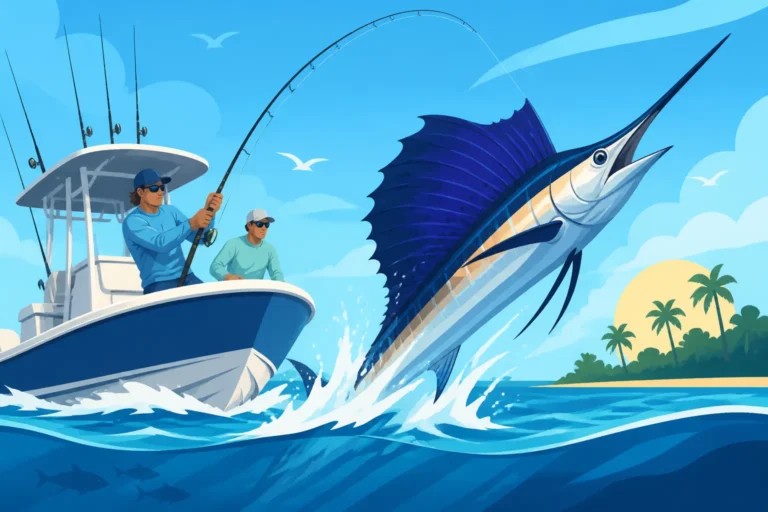
- "Sport Fish" Charters: On the other hand, many charters focus on highly prized game fish like tarpon, sailfish, or marlin. For these species, the thrill of the fight is the main event, and they are almost universally catch-and-release. You might get a quick photo, but the fish goes back in the water to fight another day. If your goal is to land a monster and take a picture, but not necessarily eat it, a sport fish charter might be perfect for you.
- Inshore vs. Offshore: Generally, inshore charters (fishing bays, flats, and nearshore waters) might have a mix, with redfish and snook often being catch-and-release or having very strict slot limits, while speckled trout might be more commonly kept. Offshore charters (deep sea fishing) are where you'll find more opportunities for species like snapper, grouper, mahi-mahi, and king mackerel that are popular for eating. For example, a charter targeting Florida Red Snapper Fishing Guide is almost certainly about bringing fish home, assuming the season is open.
When you're researching charters, pay close attention to the species they primarily target. This will give you a big clue about their philosophy on keeping fish.
Captain's Discretion and Conservation Ethic
Even if a fish is perfectly legal to keep, some captains might encourage catch-and-release for various reasons. Many Florida fishing guides are deeply committed to conservation and preserving fish stocks for future generations. They might advocate for releasing larger breeding fish, or simply prefer to practice catch-and-release for certain species they feel are under pressure, even if regulations allow keeping them.
For example, a captain might have a personal policy to release all redfish over a certain size, even if the FWC slot limit is wider, because those larger fish are vital breeders. This isn't about breaking the law; it's about going above and beyond the minimum requirements to protect the fishery. A good captain will explain their philosophy if it deviates from simply keeping every legal fish. It's a sign of a responsible guide who cares about the resource, and it’s something to respect. Always discuss this with your captain before the trip if you have specific expectations.
What Happens After You Catch a Keeper?
So, you've landed a legal fish, and the captain gives the nod – it's a keeper! What happens next? The process from the moment the fish comes aboard to when it's ready for your cooler is an important part of the charter experience, and understanding it helps manage expectations.
From Hook to Cooler: The Process
Once a fish is deemed a keeper, the crew typically takes over. Their priority is to humanely dispatch the fish and get it into a cooler filled with ice as quickly as possible. This is crucial for maintaining the quality and freshness of the meat.
- Humane Handling: A professional crew will handle the fish respectfully and efficiently. This usually involves stunning the fish or bleeding it out to ensure a quick and humane end, which also significantly improves the taste and texture of the fillets.
- Icing Down: The fish is then immediately placed on ice. This rapid chilling stops bacterial growth and preserves the meat. On a good charter, there will be plenty of ice in dedicated coolers specifically for the catch, separate from the drinks cooler.
- Storage: Throughout the trip, the fish will remain in the ice chest. This is why you often see captains encourage quick photos and then get the fish on ice – every minute out of the cold can impact quality.
This entire process is designed to ensure that when you eventually take your fish home, it's in the best possible condition for cooking and enjoying. It's part of the professional service you're paying for.
Fish Cleaning Services: What to Expect
One of the best perks of a good fishing charter is that you usually don't have to worry about cleaning your catch yourself! Most Florida fishing charters offer fish cleaning services, but how it works can vary.
- Included Services: Many charters include basic fish cleaning as part of their service. This means the crew will fillet your fish, remove the skin and bones, and bag the fillets for you. It's a fantastic value-add, saving you the messy and time-consuming task at home. When comparing different charters or looking on platforms like FishingBooker, you might see this explicitly mentioned as Is Fish Cleaning Included in a Florida Charter?.
- Tipping for Cleaning: Even if cleaning is included, it's standard practice and highly appreciated to tip the mate or captain who performs this service. Cleaning a boatload of fish is hard work, often done at the end of a long day, and a good tip reflects your appreciation. Check out our guide on Tipping Etiquette for Florida Fishing Guides for more details.
- External Services: In some cases, especially on larger party boats or if the crew doesn't handle cleaning, they might direct you to a fish cleaning station at the marina. These stations are usually run by independent contractors who will clean your fish for a fee, typically per pound of whole fish or per fish. They are often very efficient and do an excellent job.
- What You Take Home: Regardless of who cleans it, you'll typically receive your fillets bagged and ready for transport in your cooler. You won't be taking home whole fish (unless specifically requested for a certain cooking style, which is rare).
Always bring a separate cooler for your cleaned fillets, distinct from the one used on the boat for drinks or ice. This keeps your catch fresh and separate for the ride home.
Maximizing Your Chances of Bringing Home Dinner
If your main goal for a Florida fishing charter is to stock your freezer or have a fresh fish dinner, there are definite steps you can take to make that happen. It starts long before you even cast a line and involves smart planning and clear communication.
Choosing the Right Charter and Asking the Right Questions
This is where your homework really pays off. Don't just pick the first charter you see; put in a little effort to find the one that aligns with your fishing goals.
- Research Charter Types: Look for charters that explicitly mention targeting "food fish" like snapper, grouper, mahi-mahi, or king mackerel. These are often advertised as "bottom fishing," "reef fishing," or "deep sea fishing." Avoid charters that heavily emphasize "sport fishing" for tarpon, marlin, or sailfish if you're set on bringing dinner home, as these are typically catch-and-release.
- Read Reviews and Descriptions: Check out online reviews and detailed descriptions on charter booking sites. Look for comments from past guests about their experience with keeping fish. If a charter consistently gets praise for sending people home with full coolers, that’s a good sign.
- Direct Communication is Key: Don't hesitate to call or email the captain directly. Clearly state your intention: "My family is really hoping to bring some fresh fish home for dinner. What are the best times of year and types of trips you offer that maximize our chances of keeping some fish?" A reputable captain will be honest about what's realistic. This is also a good time to ask about what's included, such as What's Included in a Florida Fishing Charter Price, especially regarding fish cleaning.
- Consider Half-Day vs. Full-Day: Often, a full-day trip, as opposed to a Half-Day vs Full-Day Fishing Charter Cost in Florida, provides more time to get to productive spots and allow for a larger catch. While shorter trips are great, more time on the water often means more opportunities.
Platforms like FishingBooker are excellent resources for comparing different charters, reading reviews, and directly contacting captains to ensure they meet your expectations for keeping fish. Doing this upfront will save you potential disappointment and ensure a more enjoyable trip. For a deeper dive into selecting the right guide, check out our article on How to Choose a Florida Fishing Guide.
Understanding Local Bag Limits and Seasons
While your captain is the ultimate authority on legal compliance during your trip, having a basic understanding of Florida's fishing regulations can only help. You don't need to memorize every single rule, but being generally aware of common species, their seasons, and size limits can enhance your trip.
- Know Your Target Species: Before you go, do a quick search on the FWC website for the specific fish you hope to catch and keep. Knowing, for example, that grouper season is closed in certain months or that redfish have a specific slot limit, will help you appreciate why certain fish are released.
- Be Aware of Regional Differences: Florida is a big state, and fishing regulations can sometimes vary slightly by region (e.g., Gulf Coast vs. Atlantic Coast). Your captain will be dialed into the specifics for their operating area.
- Flexibility is a Virtue: Sometimes, the fish just aren't biting, or the target species for keeping might be out of season. A good captain will pivot and try to find other species that are legal to keep. Being flexible and open to catching different kinds of fish can mean the difference between an empty cooler and a fantastic dinner. Trust your captain to make the best decisions on the water given current conditions and regulations.
Remember, the goal is not just to catch fish, but to catch them responsibly. Adhering to bag limits and seasons ensures that these precious resources remain abundant for generations of anglers to come.
| Species | Typical Charter Focus | Keeping Status (General) | Notes |
|---|---|---|---|
| Snapper (various) | Food Fish | Often Kept | Common target for "meat" trips. Subject to size/bag limits. |
| Grouper (various) | Food Fish | Often Kept | Highly sought after. Strict seasons and size limits. |
| Mahi-Mahi (Dolphin) | Food/Sport Fish | Often Kept | Excellent eating, good fight. Generous bag limits often. |
| King Mackerel | Food/Sport Fish | Often Kept | Good eating, strong fighter. Subject to bag limits. |
| Snook | Sport Fish | Mostly Catch & Release | Highly regulated slot limits, closed seasons. Popular for sport. |
| Redfish | Sport Fish | Mostly Catch & Release | Strictly regulated slot limits, often released. Great fighters. |
| Tarpon | Sport Fish | Catch & Release Only | Iconic game fish, strictly protected. |
| Sailfish/Marlin | Sport Fish | Catch & Release Only | Prized for acrobatic fights. |
| Spotted Seatrout | Food/Sport Fish | Often Kept | Common inshore species. Subject to size/bag limits. |
| Amberjack | Sport Fish | Sometimes Kept | Great fighting fish, but some find meat strong. Regulations apply. |
Note: This table provides general guidance. Regulations change frequently by season and region. Always consult your charter captain and current FWC guidelines.
Disclaimer
This article is for general informational purposes only and does not constitute professional advice. Laws, prices and regulations vary by location and change over time. Consult a qualified professional for guidance on your specific situation.