Florida Fishing License Discounts for Disabled Residents
For many Floridians living with disabilities, the simple joy of casting a line into one of our abundant waters can seem out of reach, not because of physical limitations alone, but due to the perceived complexities and costs associated with obtaining a fishing license. It's easy to feel overwhelmed by regulations and paperwork, especially when you're already navigating daily challenges. This comprehensive guide is here to cut through that confusion, shedding light on the valuable Florida fishing license discounts available for disabled residents and making your path to the water much smoother.
Understanding Florida's Commitment to Disabled Anglers
Florida, with its incredible natural beauty and unparalleled fishing opportunities, genuinely strives to make these experiences accessible to everyone. The Florida Fish and Wildlife Conservation Commission (FWC) understands that fishing isn't just a pastime; it's a therapeutic activity, a connection to nature, and a source of peace for many. That's why provisions are in place to reduce financial barriers for disabled residents who wish to participate. These aren't just handouts; they're an acknowledgment of the unique circumstances many face and an effort to foster inclusivity in our outdoor heritage.
Why These Discounts Matter
For someone living with a disability, every dollar can count, and the cost of an annual fishing license, while not exorbitant, can add up when combined with other essential expenses. These discounts are designed to alleviate that financial pressure, making it easier for individuals to enjoy Florida's world-class fishing without worrying about the added expense. It’s about more than just saving money; it's about opening doors to recreational therapy, stress reduction, and the immense satisfaction that comes from a day spent on the water, whether you're targeting largemouth bass in a freshwater lake or snook in a coastal estuary. The ability to participate fully in community life, including recreational activities, is a fundamental right, and these programs help ensure that right is upheld for disabled anglers.
The Broader Goal of Inclusivity
Beyond the individual financial benefits, these fishing license discounts represent a broader commitment to inclusivity. The FWC recognizes that disabled residents are a vital part of Florida's community and that their participation enriches the state's outdoor culture. By removing barriers, the state encourages a more diverse group of anglers to get out and experience what Florida has to offer. This also leads to greater awareness and appreciation for our natural resources among all segments of the population. When you see more people with varied abilities enjoying the outdoors, it fosters a sense of shared responsibility for conservation and environmental stewardship. It's a testament to the idea that Florida's natural treasures belong to everyone, regardless of physical challenges.
Eligibility Criteria for Disabled Resident Discounts
Understanding who qualifies for these special licenses is the first crucial step. Florida has specific definitions and requirements to ensure these benefits go to those who truly need them. It's not a one-size-fits-all situation, and the criteria can be quite detailed, so paying close attention to the specifics is essential. Don't assume; always verify your eligibility with the most current FWC guidelines.
Defining "Disabled" for Fishing Licenses
When it comes to fishing licenses, Florida's definition of "disabled" generally aligns with federal guidelines for total and permanent disability. This typically means an individual who has been medically determined to be permanently and totally disabled, often evidenced by receiving Social Security Disability benefits, Railroad Retirement Board disability benefits, or a similar designation from another recognized governmental agency. It's not merely about having a physical limitation; it's about a condition that significantly impairs one's ability to engage in substantial gainful activity. The key here is "total and permanent." Temporary disabilities, while certainly challenging, usually do not qualify for these specific long-term license discounts. You'll need official documentation to prove this status.
Specific Medical Conditions and Documentation
For individuals whose disability status isn't tied to federal benefits like Social Security Disability, the FWC may consider other forms of documentation. This often includes a certification from a licensed physician stating that the applicant is totally and permanently disabled. The specific wording on the physician's statement is important, and it typically needs to explicitly confirm the total and permanent nature of the disability. This could apply to a wide range of conditions, from severe mobility impairments to certain cognitive or sensory disabilities that permanently prevent substantial gainful employment. It's important to remember that the FWC needs clear, official proof. A simple doctor's note saying you have a bad back probably won't cut it. You'll want to ensure your medical professional understands the specific requirements for the "Florida Resident Disabled Person Hunting and Fishing License." This careful verification process helps prevent misuse and ensures the program's integrity for those truly in need.
Types of Fishing License Discounts Available
Florida offers a few different pathways for disabled residents to obtain discounted or exempt fishing privileges. It's vital to understand which category you fall into to ensure you apply for the correct license and provide the right documentation. These options are designed to cover various circumstances, from general disability to service-related veteran disabilities. Remember that each comes with its own set of rules and application procedures. This guide will also touch upon the general requirements for a Florida Fishing License Guide so you can have a complete picture.
Florida Resident Disabled Person Hunting and Fishing License
This is the primary avenue for most disabled Florida residents. The "Florida Resident Disabled Person Hunting and Fishing License" is a combination license that covers both freshwater and saltwater fishing, as well as hunting, for a significantly reduced fee. This license is typically issued for a five-year period, offering long-term convenience and avoiding the need for annual renewals. To qualify, you generally need to provide proof of total and permanent disability as defined by the FWC. This proof often includes a copy of your Social Security Disability Income (SSDI) award letter, a statement from the Railroad Retirement Board, or a letter from a licensed physician confirming your total and permanent disability. This license is a fantastic value, offering extensive recreational opportunities for a fraction of the regular Florida Fishing License Costs and Fees. It's also important to note that specific endorsements, like those for snook or lobster, are often separate and may still require additional fees, even with this discounted license.
Military Disabled Veteran Exemptions
Florida deeply values its veterans, and there are specific exemptions and benefits for disabled military veterans. Any Florida resident who is a veteran of the U.S. Armed Forces and has been certified by the U.S. Department of Veterans Affairs (VA) as being 100% permanently and totally disabled, or who has been determined to have a service-connected disability and is qualified to receive a veteran's disability pension, is typically exempt from hunting and fishing license requirements. This means they don't need to purchase a license at all. Instead, they need to carry proof of their disability status, such as a VA identification card or a letter from the VA, while fishing. This is a significant benefit, recognizing the sacrifices made by our service members. For more details on who needs a fishing license in Florida, and specific exemptions, it's always a good idea to consult the FWC's official resources directly. This exemption is distinct from the general disabled person license and provides even greater relief.
Other Potential Waivers or Reduced Fees
While the two categories above cover the majority of disabled residents, it's worth noting that the FWC occasionally has other special provisions or programs, often temporary or localized, that might offer additional waivers or reduced fees. These could be for specific events, youth programs, or limited-time initiatives. It's always a good idea to check the FWC website regularly or contact their customer service if you have unique circumstances. For example, some special events or fishing tournaments specifically for disabled individuals might offer temporary exemptions. While not a direct license discount, it's also worth remembering that Florida offers Free Fishing Days periodically throughout the year, during which all residents and non-residents can fish without a license, including those with disabilities. These days provide a fantastic opportunity to enjoy fishing without any license requirements at all.
Navigating the Application Process
Applying for a special discounted or exempt fishing license can feel like a daunting task, especially with all the paperwork involved. However, understanding the steps and knowing what to expect can significantly ease the process. Florida has worked to streamline these procedures, but having your ducks in a row beforehand will always save you time and frustration.
Where to Apply and What to Expect
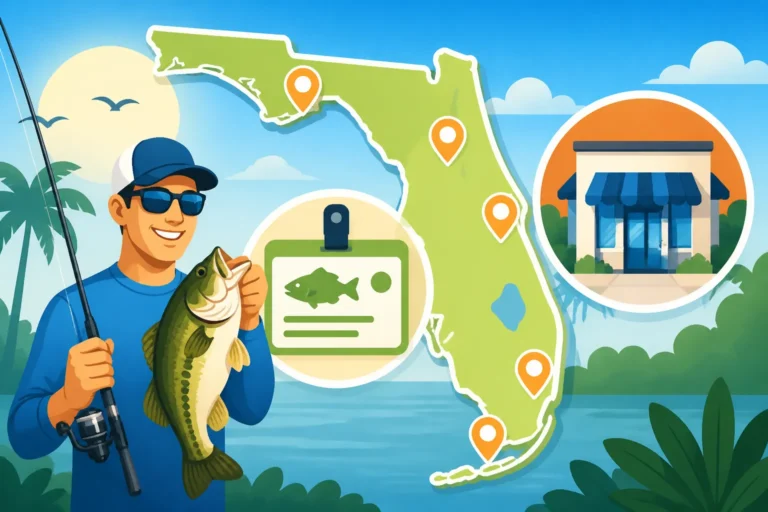
The most common ways to apply for a Florida Resident Disabled Person Hunting and Fishing License are online, in person, or by mail. Applying online through the FWC's Go Outdoors Florida website is often the most convenient method for many. You'll typically need to create an account, fill out the application, and then upload or mail your supporting documentation. This digital platform streamlines the initial submission. For those who prefer a more personal touch or need assistance, visiting a local tax collector's office or an authorized license agent, like many tackle shops or outdoor retailers, is an option. These locations can help you fill out the forms and verify documentation on the spot. If mailing, you'll send your completed application and copies of your documents directly to the FWC licensing division. No matter which method you choose, expect a processing time for verification. It’s not always immediate, so plan ahead, especially if you have a specific fishing trip in mind. The general process for How to Buy a Fishing License Online is quite similar, but for disabled licenses, the documentation requirement adds an extra layer.
Gathering Your Essential Documentation
This is arguably the most critical part of the application process. Without proper documentation, your application for a Florida fishing license for disabled residents will not be approved. You'll need clear, verifiable proof of your total and permanent disability.
For the Florida Resident Disabled Person Hunting and Fishing License:
- Social Security Disability Income (SSDI) Award Letter: This is one of the most common and straightforward forms of proof. You'll need a copy of your official award letter from the Social Security Administration, clearly stating your total and permanent disability status.
- Railroad Retirement Board Statement: Similar to SSDI, an official statement confirming total and permanent disability from the Railroad Retirement Board is acceptable.
- Physician's Certification: If you don't receive SSDI or Railroad Retirement benefits, you'll need a certification from a licensed physician. This letter must explicitly state that you are permanently and totally disabled, according to medical standards. It should be on official letterhead and signed by the physician. The FWC has a specific form (Form FWC Form 19146) that physicians can use, which simplifies this requirement, ensuring all necessary information is included.
For 100% Disabled Veterans:
- VA Identification Card: A U.S. Department of Veterans Affairs (VA) identification card indicating 100% service-connected permanent and total disability is usually sufficient.
- VA Letter: An official letter from the VA confirming your 100% service-connected permanent and total disability status or qualification for a veteran's disability pension.
Always make sure you provide copies, not original documents, as they may not be returned. It’s a good idea to keep all your paperwork organized and easily accessible, perhaps in a dedicated fishing binder, so you're prepared whenever you head out. Finding a good waterproof document holder on Amazon can be a smart move to keep these crucial papers safe.
What Your Discounted License Covers
Once you've successfully obtained your Florida Resident Disabled Person Hunting and Fishing License, it's important to understand the scope of what it covers. While it's a fantastic all-encompassing license, there are nuances, especially regarding freshwater versus saltwater fishing and specific species endorsements. This understanding will help you plan your fishing adventures without accidentally running afoul of regulations.
Freshwater vs. Saltwater Privileges
The great news about the Florida Resident Disabled Person Hunting and Fishing License is that it combines both freshwater and saltwater fishing privileges. This means you don't have to worry about buying separate licenses for different types of water, which is often the case with standard licenses. You can pursue largemouth bass, bluegill, and crappie in inland lakes and rivers, then turn around and target redfish, snook, and trout in coastal flats and estuaries, all under one convenient license. This simplifies things immensely for anglers who enjoy the diverse fishing opportunities Florida offers. This combined coverage is a significant advantage, as standard residents often need to decide between a Florida Freshwater Fishing License Rules and a Florida Saltwater Fishing License Rules. The freedom to switch between environments without additional licensing concerns truly opens up the entire state to disabled anglers.
Understanding Endorsements and Additional Permits
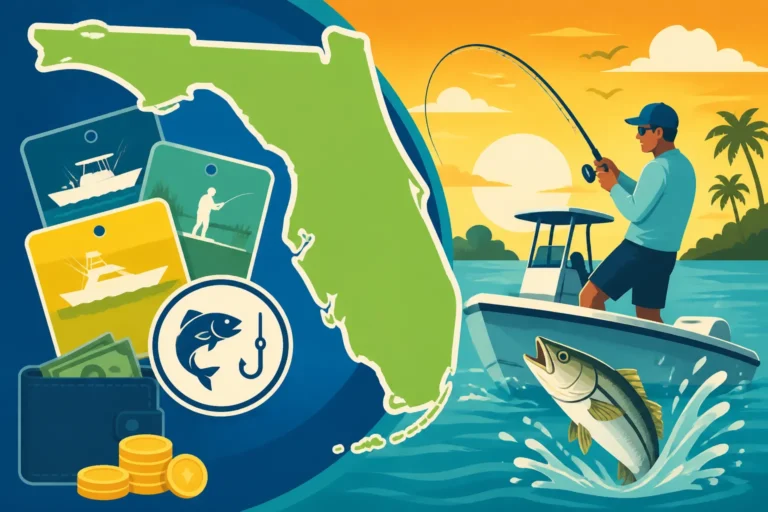
While your discounted license covers the general act of fishing in both fresh and saltwater, it's crucial to remember that certain species and activities require additional permits, known as endorsements. These endorsements are typically purchased separately, even if you hold a disabled person's license. The most common examples include:
- Snook Permit: If you plan to target and keep snook, you'll need a Snook Permit.
- Lobster Permit: For harvesting spiny lobster, both during the mini-season and the regular season, a Lobster Permit is mandatory.
- Tarpon Tag: For anglers who intend to keep a tarpon (which is rarely done, as most tarpon fishing is catch and release), a Tarpon Tag is required.
These endorsements exist to manage specific fisheries and ensure their sustainability, and their fees usually apply to all anglers, regardless of disability status. Always check the current Florida Fishing Regulations and Bag Limits for the species you intend to target before you head out. It's a small extra step that ensures you're fishing legally and responsibly, contributing to the health of Florida's valuable fish populations.
Maximizing Your Fishing Experience with a Discounted License
Having a discounted fishing license is just the beginning. The real joy comes from getting out on the water and making the most of Florida's incredible fishing opportunities. For disabled anglers, this often involves thoughtful planning and considering accessible options, from fishing spots to specialized gear.
Finding Accessible Fishing Spots
Florida is increasingly focused on creating accessible outdoor recreational areas. Many state parks, county parks, and municipal piers now offer features specifically designed for individuals with disabilities. Look for locations with:
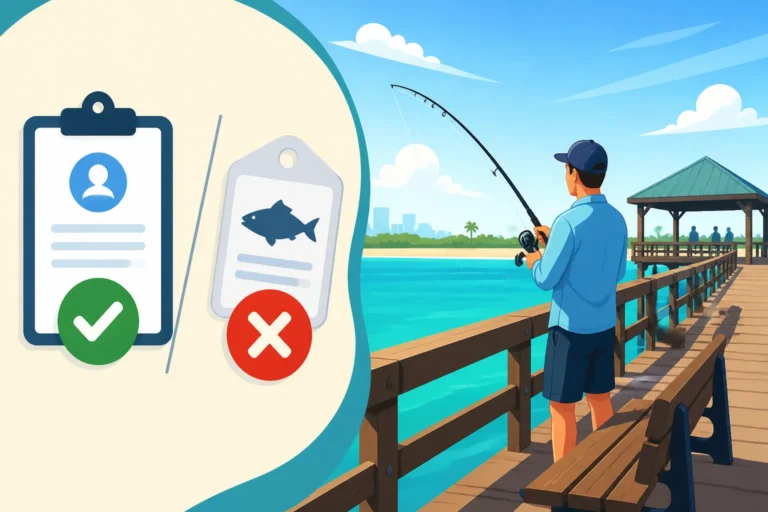
- Accessible Fishing Piers: Piers with wide, level surfaces, stable railings, and often lower fishing spots specifically designed for wheelchair access. Many piers even have designated accessible parking. For example, some piers in the St. Petersburg area, like the Skyway Fishing Pier State Park, offer fantastic fishing with good accessibility.
- Paved Trails and Boardwalks: Many freshwater lakes and coastal areas offer paved paths or sturdy boardwalks that allow easy access to shoreline fishing spots.
- Boat Ramps with ADA Features: If you use a boat, seek out ramps that have accessible parking, restrooms, and sometimes even assistive loading/unloading devices.
- Adaptive Kayak/Canoe Launches: Some parks are installing specialized launches that make it easier for individuals with mobility challenges to get in and out of kayaks or canoes.
A quick search on the Florida State Parks website or county park directories will often provide information on accessibility features. Don't be afraid to call ahead to a park ranger or local bait shop for firsthand information on conditions. Knowing where you can fish comfortably without extra hurdles can make all the difference for an enjoyable outing. Consider exploring resources like "Best Pier Fishing Spots in Florida" for ideas, and then verify their specific accessibility features.
Gear Considerations for Disabled Anglers
Fishing gear has come a long way, and there are many adaptive solutions available to make fishing more comfortable and effective for anglers with disabilities. Thinking about your specific needs can help you select the right tools:
- Rod Holders: Whether mounted to a wheelchair, a boat, or a pier, adjustable rod holders can take the strain out of holding a rod for extended periods, especially useful when waiting for a bite or when battling a strong fish.
- Electric Reels: For deep-sea fishing or when reeling in heavy catches, electric reels can provide significant assistance, reducing physical exertion.
- Adaptive Grips: Rods and reels can be fitted with custom grips that are easier to hold for those with limited hand strength or dexterity. Companies like Ugly Stik offer a range of comfortable grips.
- Casting Aids: Devices that assist with casting can help individuals with upper body limitations achieve good casting distance and accuracy.
- Lightweight Gear: Opting for lighter rods and reels can reduce fatigue, making it easier to fish for longer periods. High-quality graphite rods and lightweight spinning reels can be found on platforms like Amazon.
- Fishing Chairs: Portable, comfortable fishing chairs with good back support can make a long day on the bank or pier much more pleasant.
It's all about finding what works best for your abilities and limitations. Don't hesitate to visit a local tackle shop to try out different gear or explore online retailers like Amazon for specialized adaptive equipment. Many anglers with disabilities have found innovative ways to adapt, and their experiences can be a great source of inspiration and practical advice.
Supporting Conservation Efforts Through Your License
Even with a discounted or exempt license, your participation in Florida's fishing community plays a vital role in supporting the state's conservation efforts. Every license, permit, and fee contributes directly to the health and management of our precious fisheries and wildlife habitats.
How License Fees Fund Conservation
It's a common misconception that discounted licenses don't contribute to conservation. In reality, the system is designed so that all anglers, whether paying full price or a reduced fee, are part of the larger funding structure. While the direct revenue from a discounted license might be less, the overall framework ensures sustainability. The funds generated from fishing license sales, including those purchased by disabled residents, go directly to the Florida Fish and Wildlife Conservation Commission (FWC). These funds are crucial for:
- Fish Stocking and Habitat Restoration: Ensuring healthy populations of popular species and restoring critical habitats in both freshwater and saltwater environments.
- Research and Monitoring: Studying fish populations, migration patterns, and environmental factors to make informed management decisions.
- Enforcement: Funding wildlife officers who protect our resources by enforcing regulations, preventing poaching, and ensuring fair access.
- Public Access and Education: Maintaining boat ramps, fishing piers, and providing educational programs for anglers of all ages and abilities.
Essentially, by obtaining your license, you're becoming a steward of Florida's natural resources, actively contributing to the preservation of the very environments that bring you so much joy. If you want to dive deeper, exploring "How Florida Fishing License Fees Fund Conservation" can give you a better understanding of the direct impact.
| License Type | Eligibility | Key Features | Typical Term | Est. Cost (Resident) |
|---|---|---|---|---|
| Florida Resident Disabled Person H&F License | Total & Permanent Disability (SSDI, RRB, Physician Cert.) | Combined hunting/fishing, freshwater & saltwater. | 5 Years | ~$13.50 |
| 100% Disabled Veteran Exemption | 100% Service-Connected Permanent & Total Disability (VA certified) | Exempt from all hunting/fishing license fees. | Lifetime | Free |
| Regular Annual Fishing License (Comparison) | All other Florida residents (16-64 years old) | Freshwater or Saltwater (separate licenses). Combination available. | 1 Year | ~$17.00 – ~$32.50 |
| Regular 5-Year Fishing License (Comparison) | All other Florida residents (16-64 years old) | Freshwater or Saltwater (separate licenses). Combination available. | 5 Years | ~$79.00 – ~$152.00 |
Note: Costs are approximate and subject to change by the FWC. Always verify current fees on the official FWC website.
Conclusion
Navigating the world of fishing licenses can be confusing for anyone, but for disabled residents, the added layer of understanding eligibility and documentation can be particularly frustrating. However, Florida is committed to ensuring that its incredible fishing opportunities are accessible to everyone. With the Florida Resident Disabled Person Hunting and Fishing License and specific exemptions for 100% disabled veterans, significant financial barriers are removed, allowing more individuals to experience the peace and excitement of Florida's waters. By understanding the criteria, gathering the right documents, and exploring accessible fishing options, you can confidently cast your line, knowing that you're not only enjoying a cherished pastime but also contributing to the conservation of our beautiful state's natural treasures. So go ahead, get your license, and get out there – the fish are waiting!
Disclaimer
The information provided in this guide is for general informational purposes only and does not constitute legal advice. While we strive to keep the information up-to-date and correct, rules and regulations regarding fishing licenses and disability criteria in Florida can change. Always consult the official Florida Fish and Wildlife Conservation Commission (FWC) website or contact them directly for the most current and accurate information before making any decisions related to purchasing or applying for a fishing license.