Florida Nonresident Fishing License Types and Costs
Visiting Florida, whether for a quick vacation or an extended stay as a snowbird, often brings the dream of casting a line into its famous waters. But for out-of-state anglers, figuring out the labyrinth of Florida's fishing license requirements can be a real headache, especially when you're just trying to relax. This comprehensive guide is here to untangle all the complexities, explaining the various nonresident fishing license types, their current costs, and everything you need to know to fish legally and enjoyably in the Sunshine State.
Understanding Florida's Nonresident Fishing License Requirements
It's easy to assume that because you're on vacation, the rules might be different, or perhaps even laxer, but that's simply not the case in Florida. The state takes its natural resources seriously, and that means everyone, residents and nonresidents alike, generally needs to abide by the same set of regulations when it comes to recreational fishing. Ignoring these rules can lead to significant fines and ruin an otherwise perfect trip, which is certainly not what you want when you're here to enjoy the beautiful waters.
Who Needs a Nonresident License?
Essentially, if you're not a Florida resident and you plan on catching finfish in either freshwater or saltwater, you're going to need a license. This applies whether you're vacationing in the Florida Keys, visiting family in Orlando, or spending the winter months along the Gulf Coast. The only exceptions are usually for very young children or specific scenarios like fishing on a licensed pier, which can be a bit confusing. For example, while children under 16 generally don't need a license, if you're an adult visitor, you absolutely do. This guide delves deeper into Florida Fishing License Age Requirements.
It doesn't matter if you're fishing from a boat, a kayak, the shore, or even wading in a flat – if you're actively engaging in the act of fishing, a nonresident license is typically required. Many out-of-state visitors assume that if they're on a charter boat, the captain's license covers everyone. While many reputable charter captains do carry a vessel-wide license, it's always best practice to confirm this with your captain before you book, or to simply ensure you have your own personal license to be absolutely safe, especially if you plan to fish from shore or elsewhere during your trip.
Why Florida Requires Nonresident Licenses
Florida's robust fishing industry and diverse aquatic ecosystems don't just happen; they're the result of careful management and significant investment. The fees collected from fishing licenses, including those purchased by nonresidents, play a critical role in funding conservation efforts across the state. These funds are directly channeled into programs managed by the Florida Fish and Wildlife Conservation Commission (FWC), which are vital for maintaining healthy fish populations, restoring habitats, and enforcing regulations that protect Florida's invaluable natural resources.
Imagine the sheer number of anglers who visit Florida each year, drawn by the allure of incredible freshwater bass or world-class saltwater species. Without a system to manage this activity and generate revenue for conservation, the state's fisheries would quickly become overstressed. So, while buying a license might feel like just another travel expense, it's actually your direct contribution to ensuring that Florida remains a premier fishing destination for generations to come, allowing future visitors to experience the same incredible opportunities.
Common Misconceptions About Nonresident Licenses
One of the biggest misunderstandings out-of-state anglers have is regarding reciprocity with other states. Unfortunately, Florida does not have fishing license reciprocity agreements with neighboring states like Georgia or Alabama. If you're fishing in Florida, you need a Florida license, regardless of whether you hold a valid license from your home state. This is a common pitfall that can lead to unexpected fines. Another frequent misconception revolves around catch-and-release fishing; even if you intend to release every fish you catch, a valid license is still required. The act of attempting to catch fish is what triggers the licensing requirement.
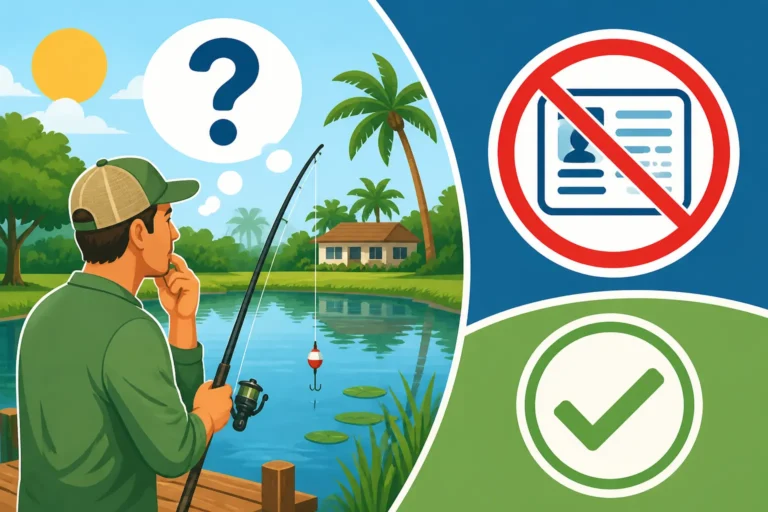
Another area of confusion often involves private property. Many wonder, "Do You Need a License to Fish a Private Pond in Florida?" Generally, if the pond is entirely self-contained on private land and has no connection to public waters, you might be exempt. However, if that pond is connected to a creek, canal, or any other public waterway, then a license is absolutely necessary. It's crucial to clarify these specifics before you cast your line, as enforcement officers treat all violations seriously. The general rule of thumb is: when in doubt, get the license.
Types of Nonresident Florida Fishing Licenses Available
Florida recognizes that not all visitors stay for the same duration or have the same fishing preferences. To accommodate this, the FWC offers a range of nonresident licenses designed to fit different needs, from a short weekend trip targeting bass to an extended winter stay chasing redfish and snook. Understanding these options is the first step to choosing the right license for your adventure.
Freshwater vs. Saltwater Licenses for Nonresidents
Unlike some other states that offer a single, all-encompassing fishing license, Florida distinctly separates its licensing for freshwater and saltwater activities. This means you need to decide which type of water you'll be fishing in predominantly. If your plan is to exclusively chase largemouth bass in Lake Okeechobee or panfish in the St. Johns River, you'll need a nonresident freshwater fishing license. Conversely, if you're dreaming of reeling in snook in the backcountry of the Everglades or bottom fishing for snapper off the coast of Destin, a nonresident saltwater fishing license is what you'll need.
This distinction is important because the ecosystems, management strategies, and even the conservation efforts differ significantly between fresh and saltwater environments. It's a system designed to ensure that funds generated from each type of fishing directly support the resources being utilized. You can read more about the differences in Florida Saltwater vs Freshwater Fishing License to help you decide. Many out-of-state anglers mistakenly buy one, only to find themselves wanting to fish the other, requiring an additional purchase. It's a good idea to consider all your potential fishing plans before making your initial purchase.
Combination Freshwater and Saltwater Licenses
For those adventurous nonresidents who can't decide between the thrill of a freshwater fight and the excitement of saltwater angling – or who simply want the flexibility to do both – Florida offers a convenient combination license. This single license covers both freshwater and saltwater recreational fishing, eliminating the need to purchase two separate licenses. It's often the most practical choice for visitors planning a diverse fishing trip, perhaps a morning on a lake followed by an afternoon exploring coastal flats.
While the upfront cost for a combination license is higher than for a single freshwater or saltwater license, it often represents a cost saving compared to purchasing both individually. More importantly, it provides peace of mind, knowing you're covered no matter where your fishing journey takes you within Florida's vast aquatic landscapes. This option is particularly popular with snowbirds who spend several months in the state and might explore various fishing opportunities from the Panhandle down to the Keys.
Special Permits and Endorsements
Beyond the basic freshwater and saltwater licenses, Florida also requires specific permits or endorsements for certain high-demand species. The two most common ones nonresidents encounter are the Snook Permit and the Lobster Permit. If you plan to specifically target and harvest snook, you'll need to purchase a Florida Snook Permit Requirements in addition to your regular saltwater fishing license. Similarly, if you're coming to Florida for the recreational lobster season, you'll need a Florida Lobster Permit Requirements on top of your saltwater license.
These permits are crucial for the management of these popular species, ensuring their populations remain healthy and sustainable despite intense fishing pressure. The costs for these permits are typically modest, but failing to obtain them can result in hefty fines and penalties if you're found with these species in your possession. It's always best to check the FWC website for the most up-to-date information on any special permits you might need, especially if you're targeting specific game fish that have unique regulations.
Navigating Nonresident License Durations and Costs
One of the most common questions out-of-state anglers have revolves around how long their license is valid and, of course, how much it will cost. Florida offers several duration options for nonresidents, which allows you to tailor your license purchase to the length of your stay and your fishing intentions. Planning ahead can save you both money and hassle.
Short-Term Nonresident Options
For the casual vacationer or someone just passing through, Florida provides short-term nonresident fishing licenses. These are incredibly popular for quick trips to the Sunshine State.
Currently, the most common short-term options include:
- 3-Day Nonresident License: Perfect for a long weekend fishing trip.
- 7-Day Nonresident License: Ideal for a week-long family vacation.
These short-term licenses are available for both freshwater and saltwater, or as a combination. It’s important to note that historically, some short-term nonresident licenses, particularly the 3-day and 7-day options, could be a bit tricky to find online for a while. However, the FWC's GoOutdoors Florida system has significantly streamlined this process, making them generally available for purchase through various channels. For specific costs, which can fluctuate slightly, it’s always best to check the official FWC website or the GoOutdoors Florida platform directly. These temporary options are designed to be convenient and ensure visitors can get on the water quickly.
Annual Nonresident License
If you're a "snowbird" who spends several months in Florida each year, or if you simply plan multiple fishing trips throughout a 12-month period, an annual nonresident fishing license is usually the most economical and practical choice. An annual license is valid for 12 months from the date of purchase, providing extensive flexibility.
The cost of an annual nonresident license, whether for freshwater or saltwater, or as a combination, is significantly more than the short-term options, but the value is clear if you're a frequent visitor. For instance, the Florida Nonresident Annual Fishing License Cost for saltwater is around $47.00, while a combination annual license is approximately $97.00. While these prices might seem higher than what residents pay, they reflect the state's investment in managing fisheries that draw anglers from all over the world. This type of license ensures you're always ready to fish, without needing to make repeated purchases.
Comparing Costs: Short-Term vs. Annual
Deciding between a short-term and an annual license boils down to how often you anticipate fishing in Florida within a year. Let's look at a hypothetical example:
| License Type | Duration | Approximate Freshwater Cost | Approximate Saltwater Cost | Approximate Combo Cost |
|---|---|---|---|---|
| Nonresident Fishing License | 3-Day | $17.00 | $17.00 | $30.00 |
| Nonresident Fishing License | 7-Day | $30.00 | $30.00 | $50.00 |
| Nonresident Fishing License | Annual | $47.00 | $47.00 | $97.00 |
(Costs are approximate and subject to change by the FWC. Always verify current prices on the official FWC website.)
As you can see, if you're planning more than two 7-day trips, or definitely more than three 3-day trips, the annual license quickly becomes the better value. For example, two 7-day combo licenses would run you about $100.00, which is already slightly more than an annual combo. If you visit Florida multiple times a year, even for short stints, the annual option will save you money and the hassle of repeated purchases. It's a simple calculation that can make a big difference, allowing you to focus on the fishing rather than the paperwork.
Where and How to Purchase Your Nonresident License
Once you've determined which type of nonresident fishing license suits your needs, the next step is actually acquiring it. Florida has made this process quite accessible, offering several convenient methods to ensure you can get your license quickly and efficiently, often even before you arrive in the state.
Online Purchase Through GoOutdoors Florida
The easiest and most recommended way to purchase your Florida nonresident fishing license is online through the official FWC "GoOutdoors Florida" website. This platform is designed for user convenience and allows you to buy your license from the comfort of your home, anytime, anywhere. You simply navigate to the site, select "Licenses and Permits," and follow the prompts for purchasing a recreational fishing license as a nonresident. You'll need to provide some personal information, including your name, address, and date of birth.
Purchasing online means you can print your license immediately, or even keep a digital copy on your phone through the Go Outdoors Florida app. This is incredibly handy, as it means one less piece of paper to worry about losing on the water. Plus, if you ever misplace your physical license, you can easily log back into your account and print a new one. It’s truly the most streamlined way to secure your fishing privileges before your boots even hit Florida soil. You can learn more about How to Buy a Fishing License Online here.
In-Person Retailers and County Tax Collectors
If you prefer a more traditional approach or find yourself needing a license spur-of-the-moment while already in Florida, numerous authorized agents across the state sell fishing licenses. These include many large retailers like Walmart and Bass Pro Shops, as well as smaller, independent tackle shops and bait stores. These locations often have knowledgeable staff who can answer basic questions about license types and local fishing regulations, which can be a huge bonus for out-of-state visitors.
Additionally, every County Tax Collector's office in Florida is authorized to sell fishing licenses. This can be a reliable option if you're looking for official assistance or if you're in an area where dedicated sporting goods stores are scarce. When purchasing in person, remember to bring a valid form of identification, such as your driver's license or state ID, as it will be required to complete the transaction. For a complete list of physical locations, check out Where to Buy a Florida Fishing License Near You. Some anglers even pick up small waterproof lanyards or cases for their licenses from stores like Amazon to keep them protected on the water.
What You Need to Buy Your License
No matter if you buy your nonresident license online or in person, you'll need to provide some basic information. The primary requirement is a valid form of identification that confirms your non-resident status and age. This usually means a current driver's license or state-issued ID card from your home state. You’ll also need your full legal name, date of birth, and mailing address. For online purchases, a valid credit or debit card will be necessary to process the payment.
It's a straightforward process, but having all your information ready beforehand will make it even quicker. The system is designed to verify your identity and ensure you're getting the correct license type and cost. In some cases, if there's any discrepancy, you might be asked for additional proof of residency (or non-residency, in this case), but for most tourists and snowbirds, a valid out-of-state ID is all it takes to get you legal and ready to fish in Florida.
Important Considerations for Nonresident Anglers
Getting your license is a crucial first step, but there's a bit more to know to ensure your Florida fishing adventure is entirely smooth and compliant with state regulations. Understanding license validity, potential penalties, and specific exemptions can prevent common pitfalls and enhance your overall experience.
Understanding License Expiration and Renewal
A Florida nonresident fishing license is valid for the duration you purchase (3-day, 7-day, or annual) starting from the date of purchase. For annual licenses, this means it expires exactly one year from the day you bought it, not necessarily at the end of the calendar year. This is a common point of confusion. For example, if you buy an annual license on October 15, 2024, it will be valid until October 14, 2025. There's no grace period, so once it expires, you are no longer legally permitted to fish.
It's highly advisable to keep track of your license's expiration date, especially if you have an annual one and visit Florida frequently. The GoOutdoors Florida system often sends email reminders when your license is nearing its expiration. Renewing is just as simple as the initial purchase and can be done online or at any authorized vendor. Ensuring your Florida Fishing License Renewal and Expiration is up to date is key to continuous, hassle-free fishing.
The Ramifications of Fishing Without a License
This is where things can get serious, and it's absolutely something you want to avoid. Fishing without a valid Florida fishing license is a violation of state law. If caught, you can face significant penalties, which typically start with a substantial fine. A first offense for fishing without a license in Florida can easily cost you hundreds of dollars in fines and court fees, often more than the cost of an annual nonresident license itself. Furthermore, law enforcement officers, specifically FWC officers, have the authority to confiscate your fishing gear, including rods, reels, and even your catch.
In more severe or repeat cases, fishing without a license can escalate beyond just a fine, potentially leading to court appearances and even misdemeanor charges. Imagine having your Florida vacation interrupted by a court summons – it's certainly not worth the risk of trying to save a few dollars. Always ensure you have your license on you, whether it's a physical copy or easily accessible on your phone through the FWC app. Don't let a simple oversight turn your dream fishing trip into a nightmare. You can find more details about What Happens If You Fish Without a License.
Exemptions That Might Apply
While the general rule is that nonresidents need a license, there are a few specific exemptions that could apply to certain individuals or situations. As mentioned before, children under the age of 16 are typically exempt from needing a recreational fishing license in Florida. This is great news for families bringing young aspiring anglers on their trip. So, if you're taking your kids fishing in Florida, make sure to check Florida Youth Fishing License Rules.
Another significant exemption is for individuals who fish from a vessel that holds a valid Florida recreational vessel fishing license, often referred to as a "for-hire" license. This applies to most legitimate charter boats and party boats operating in Florida waters. If you're paying to fish on such a vessel, your individual license requirement is generally covered by the boat's license. However, if you plan to fish from shore or another private vessel before or after your charter trip, you'll still need your own individual nonresident license. It's always best to verify the specific licensing situation with your charter captain before you embark. Additionally, Florida has designated "Free Fishing Days" a few times a year, during which licenses are not required for anyone, resident or nonresident. However, these days are infrequent and should not be relied upon for a planned trip. Check Amazon for sunscreen and hats to protect yourself on those sunny days, whether it's a free fishing day or not!
Disclaimer
Please note that fishing regulations and license costs in Florida are subject to change by the Florida Fish and Wildlife Conservation Commission (FWC). While every effort has been made to provide accurate and up-to-date information in this guide, it is always recommended to consult the official FWC website (MyFWC.com) or contact them directly for the most current regulations, license types, and pricing before planning your fishing trip. This guide is for informational purposes only and does not constitute legal advice.