Florida Military Fishing License Exemptions
It can feel incredibly confusing trying to navigate the myriad of rules and regulations surrounding fishing licenses, especially when you're serving our country or have proudly worn the uniform. Many active duty military personnel, veterans, and even their families often wonder if their service grants them any special considerations when it comes to fishing in Florida's abundant waters. This guide aims to clear up that confusion, diving deep into the various exemptions and discounts available to military members in the Sunshine State, ensuring you can enjoy Florida's fantastic fishing without unnecessary worry.
Understanding Florida's General Fishing License Requirements
Before we dive into the specific military exemptions, it's helpful to understand the baseline. Florida is a true angler's paradise, offering everything from trophy largemouth bass in its freshwater lakes to world-class tarpon fishing in the saltwater flats. However, with such diverse fishing opportunities comes the responsibility of managing these resources, and that's where fishing licenses come in.
Who Generally Needs a License in Florida?
Generally speaking, anyone aged 16 or older who wishes to fish in Florida's public waters, whether freshwater or saltwater, needs a valid fishing license. This applies whether you're casting from a boat, off a pier, or wading in the shallows. There are distinct licenses for freshwater fishing and saltwater fishing, or you can opt for a combination license that covers both. This distinction often trips people up, as what constitutes "freshwater" versus "saltwater" might not always be immediately obvious. For instance, some rivers start freshwater but become brackish, then saltwater, as they approach the coast. Always know the type of water you're fishing in. You can learn more about the general requirements in our comprehensive Florida Fishing License Guide and understand specific age considerations in the Florida Fishing License Age Requirements article.
There are a few key exceptions to this general rule that apply to everyone, not just military members. For example, children under 16 are exempt, and anyone fishing from a licensed pier or a for-hire charter boat typically doesn't need their own individual license, as it's usually covered by the pier's or captain's blanket license. However, even within these exceptions, there can be nuances, particularly concerning species requiring special permits like snook or lobster.
Why Licenses are Essential for Conservation
It's easy to view a fishing license as just another fee, but it's much more than that. The funds generated from the sale of fishing licenses in Florida are absolutely crucial for the conservation, protection, and management of the state's incredible fish populations and aquatic habitats. This money goes directly towards programs run by the Florida Fish and Wildlife Conservation Commission (FWC), which include everything from stocking fish and enforcing bag limits to researching fish health and maintaining public boat ramps and access points.
Think about it: without these funds, the very fishing experiences we cherish would quickly degrade. Overfishing would become rampant, habitats would suffer from neglect, and the rich biodiversity that makes Florida a premier fishing destination would diminish. So, every time you purchase a license, you're directly contributing to the long-term health and sustainability of Florida's natural resources, ensuring that future generations can enjoy the same fantastic fishing we do today.
Specific Exemptions for Active Military Members
Florida recognizes the immense sacrifice made by active duty military personnel and offers several exemptions to make fishing a little easier for them. These aren't just a courtesy; they're a small token of appreciation for their service. However, it's vital to understand the precise conditions under which these exemptions apply, as a misunderstanding could lead to a fine.
Active Duty Residents on Leave
If you are an active duty member of the U.S. Armed Forces, are a Florida resident, and are home on leave for 30 days or less, you are generally exempt from Florida's recreational hunting and fishing license requirements. This means if you're returning home to Florida for a short break, you can typically pick up a rod and hit the water without needing to purchase a separate license.
The key here is "Florida resident" and "on leave for 30 days or less." You'll need to be able to show official documentation proving your active duty status and the duration of your leave, such as your military ID and official leave papers. This exemption is designed for those brief periods when you're back in your home state, allowing you to relax and enjoy some time outdoors without administrative hurdles. This is just one of several Florida Fishing License Exemptions that exist.
Out-of-State Active Duty Stationed in Florida
This is where things can get a bit more nuanced. If you are active duty military and are stationed in Florida, even if your legal residency is in another state, Florida law generally considers you a "resident" for the purpose of hunting and fishing licenses. This is a significant benefit, as resident licenses are typically much less expensive than non-resident licenses.
To qualify for this, you'll need to provide proof that you are stationed in Florida. This usually includes your military ID and a copy of your orders assigning you to a Florida duty station. While you might still maintain your home state residency for other purposes, like voting or vehicle registration, for fishing, Florida treats you as one of its own. This means you can purchase a Florida resident annual freshwater or saltwater fishing license, or even a combination license, at the resident rate. When gearing up for your Florida fishing adventures, many military families find great deals on essential items like polarized sunglasses, tackle boxes, or even comfortable fishing shirts on platforms like Amazon, making preparation convenient and affordable.
Fishing from a Charter Boat
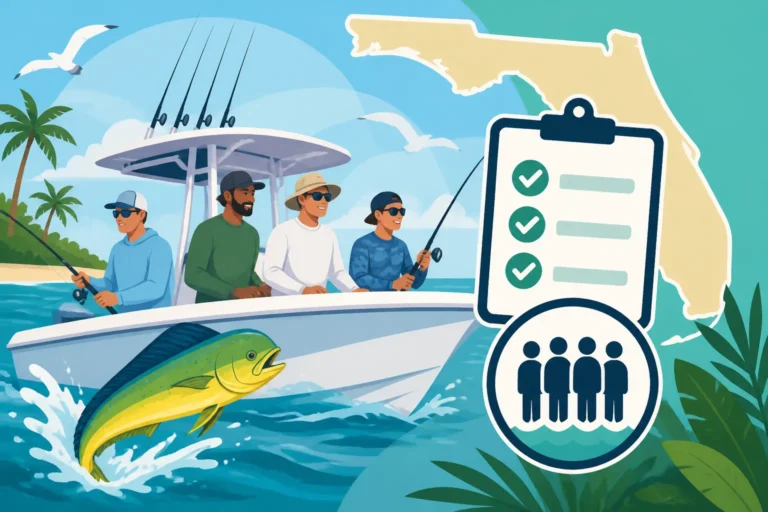
One of the most common questions from military members, especially those visiting or new to the state, is whether they need a license if they're going out on a charter boat. The good news is that if you're fishing from a vessel that holds a valid Florida recreational fishing license, such as a licensed charter boat or a party boat, you generally do not need to possess your own individual recreational fishing license. This rule applies to everyone on board, including military personnel.
The charter captain or vessel owner is responsible for securing the appropriate licenses for their boat to cover all recreational anglers on board. This makes booking a charter an excellent, hassle-free option for active duty military, veterans, and their families to experience Florida fishing without worrying about personal licensing. You can just show up with your sunscreen and a cooler, and the captain handles the rest. This often includes providing all the necessary rods, reels, bait, and even cleaning your catch at the end of the day.
Exemptions and Discounts for Veterans and Disabled Veterans
Florida holds its veterans in high regard, offering specific programs and discounts to those who have served. These benefits are a recognition of their sacrifices and aim to provide accessible recreational opportunities.
Florida Disabled Resident Fishing License Discounts
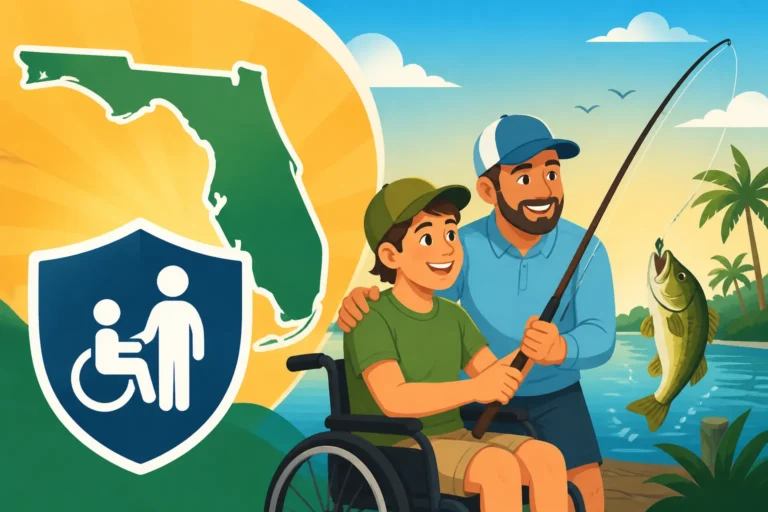
For Florida residents who are disabled, significant discounts and even exemptions are available for fishing licenses. This is a particularly important benefit for veterans who have service-connected disabilities. The Florida Fish and Wildlife Conservation Commission (FWC) offers a "Resident Disabled Person's Hunting and Fishing License" which is significantly reduced in price, or in some cases, a totally free "Florida Resident Disabled Veteran Hunting and Fishing Certificate."
To qualify for the disabled resident license, you must be a Florida resident and provide proof of total and permanent disability. For the disabled veteran certificate, you must be a Florida resident with a service-connected disability of 100% permanent and total, as determined by the U.S. Department of Veterans Affairs or military branch. This free certificate covers both hunting and fishing, including required permits for snook and lobster, making it an incredibly valuable benefit. Understanding these specific criteria and application processes is key, and you can find more details in our article on Disabled Veteran Fishing License Discounts in Florida.
Combat Wounded and Other Special Certificates
Beyond general disability, Florida also offers special recognition for specific categories of veterans. For example, a "Florida Resident Combat Wounded Veteran's Hunting and Fishing Certificate" is available to Florida residents who have been certified by the U.S. Department of Veterans Affairs or military branch as having a service-connected combat wound. This certificate is also free and covers all hunting and fishing licenses and permits.
Additionally, some programs provide benefits to veterans who may not have a 100% disability but still have significant service-connected injuries. It's always worth checking with the FWC or the Florida Department of Veterans' Affairs for the most current information and eligibility requirements, as programs can sometimes evolve. These certificates ensure that those who have given so much can continue to enjoy the peace and therapeutic benefits of fishing in Florida's beautiful outdoors. Many veterans find solace and community in fishing, and having accessible gear, which can often be found with competitive pricing on platforms like Amazon, helps make the sport more enjoyable and less financially burdensome.
National Programs and Reciprocity
While Florida's exemptions are specifically state-level, it's worth noting that some national programs or federal lands might have their own rules. For instance, if you're fishing on certain federal military installations or national wildlife refuges, they might have specific local regulations that supersede or supplement state rules. It's always best practice to check with the specific installation or refuge management beforehand.
However, generally speaking, Florida does not have "reciprocity" agreements with neighboring states like Georgia or Alabama that would allow you to use another state's military fishing license in Florida, or vice-versa, for general recreational fishing. Each state typically manages its own fishing license requirements and exemptions. So, even if you have a military exemption in a different state, you'll need to adhere to Florida's specific rules when fishing here.
Documenting Your Military Status for Exemptions
Understanding the exemptions is one thing; proving you qualify for them is another. Having the correct documentation readily available is crucial to seamlessly utilize your military fishing license exemptions in Florida. Game wardens and FWC officers are simply doing their jobs, and providing clear, official proof makes their job, and your fishing trip, much smoother.
Acceptable Forms of Identification
When an FWC officer asks for proof of your military status to confirm an exemption or a discounted license, they're looking for official, government-issued documents. Simply stating your service isn't enough. Here's a breakdown of commonly accepted forms of identification:
- Active Duty Military ID Card (CAC Card): For active service members, this is the most direct and universally accepted proof of current military status. It clearly identifies you as an active member of the U.S. Armed Forces.
- Leave and Earning Statement (LES) or Official Leave Orders: When claiming the active duty resident on leave exemption, your LES or official leave papers showing your leave dates are essential to verify you are indeed on leave and that it's within the 30-day window.
- DD-214 (Certificate of Release or Discharge from Active Duty): For veterans, this document is fundamental as it proves prior military service. While it doesn't directly grant a license, it's a foundational document for many veteran benefits.
- Veterans Health Identification Card (VHIC) or VA ID Card: Issued by the Department of Veterans Affairs, these cards identify you as a veteran and can be used to support claims for veteran-specific discounts or certificates.
- Florida Driver's License or State ID: Crucial for proving Florida residency, which is often a prerequisite for many military exemptions and discounted licenses. You'll need to show your How to Prove Florida Residency for a Cheaper License to ensure you qualify for resident rates.
- Official Disability Determination Letters: For disabled veterans, letters from the U.S. Department of Veterans Affairs or a branch of the U.S. Armed Forces certifying a 100% permanent and total service-connected disability, or a combat wound, are required to obtain the free certificates.
It's always a good idea to carry physical copies or easily accessible digital copies of these documents when you're fishing, especially if you're relying on an exemption. FWC officers have the right to request proof, and being prepared avoids any potential misunderstandings or citations.
Steps to Obtain or Utilize Exemptions
Utilizing your military exemptions or obtaining discounted licenses usually involves a straightforward process, but knowing the steps can save you time and frustration.
- Understand Your Eligibility: First, determine which exemption or discount you qualify for. Are you active duty on leave? Active duty stationed in Florida? A disabled veteran? A combat-wounded veteran? Each category has specific requirements.
- Gather Required Documentation: Based on your eligibility, collect all necessary proof. This might include your military ID, leave orders, DD-214, VA disability letters, and Florida residency proof.
- For Active Duty Exemptions (on leave): If you're a Florida resident on active duty leave for 30 days or less, you don't need to "obtain" anything beforehand. Just ensure you have your military ID and leave orders on hand while fishing.
- For Active Duty Stationed in Florida (resident rates): You can purchase a Florida resident license at any authorized license agent (like Walmart, Bass Pro Shops, or a county tax collector's office) or online through the FWC's Go Outdoors Florida website. You'll need to present your military ID and orders showing your Florida duty station to qualify for the resident rates.
- For Disabled Veteran Certificates: You'll need to apply for the "Florida Resident Disabled Veteran Hunting and Fishing Certificate." This typically involves submitting an application, along with your Florida residency proof and your VA disability letter, to the FWC. Once approved, you'll receive a physical certificate. This isn't something you can usually pick up instantly at a retail location.
- Always Carry Proof: Regardless of the exemption or license you have, always carry the corresponding identification or certificate with you while fishing. A digital copy on your phone through the FWC's GoOutdoors Florida app is generally accepted, but having a physical backup is never a bad idea, especially in areas with spotty cell service.
Common Misconceptions and Key Considerations
Even with clear guidelines, some common misunderstandings can lead to trouble. Being aware of these nuances will help you navigate Florida's fishing regulations with confidence.
Exemptions are Not Universal
One of the biggest misconceptions is that a military exemption covers absolutely everything. This isn't always the case, particularly when it comes to the type of water you're fishing or special harvest permits.
- Saltwater vs. Freshwater: While many military exemptions and discounted licenses cover either freshwater or saltwater recreational fishing, or both with a combination license, it's critical to ensure your specific license or exemption applies to the type of water you're in. Florida distinguishes between these two environments because they have different fish populations, ecosystems, and management strategies. Our articles on Florida Saltwater Fishing License Rules and Florida Freshwater Fishing License Rules can provide more granular detail.
- Special Permits (Snook, Lobster, etc.): Even if you have a general fishing license or an exemption, certain high-value or highly regulated species may still require a separate special permit or stamp. The most common examples are the Snook Permit and the Lobster Permit. For instance, if you're targeting snook, you'll need a Florida snook permit, regardless of your military status or whether you have a general fishing license. The same applies to lobstering. These permits are typically a small additional fee but are legally required. You can learn more about specific requirements in our guides on Florida Snook Permit Requirements and Florida Lobster Permit Requirements. Always double-check if your military benefit specifically includes these permits. The free disabled veteran certificates do typically include these endorsements, but general military exemptions often do not.
Staying Up-to-Date on Regulations
Florida's fishing regulations, like those everywhere, are subject to change. Bag limits, size restrictions, open and closed seasons, and even license requirements can be updated periodically based on scientific data, conservation needs, and public input. Relying on outdated information can lead to unintentional violations.
- Official Sources: The Florida Fish and Wildlife Conservation Commission (FWC) is your primary and most reliable source for all fishing regulations. Their website (MyFWC.com) is updated regularly and features comprehensive guides, current rule changes, and even an interactive map. You can also download their "Fish|Hunt FL" app, which puts all the regulations, seasons, and bag limits right on your phone. Many anglers keep a physical copy of the current regulations handbook in their tackle box or boat, which can often be found or ordered through retailers like Amazon.
- Check Before You Go: Make it a habit to quickly check the FWC website or app before each fishing trip, especially if you're targeting a specific species or fishing in a new area. This is particularly important for species with short, highly regulated seasons, like red snapper, or those with regional closures, like snook. Our article on Florida Fishing Regulations and Bag Limits can help you get started, but always refer to the FWC for the very latest information.
- Local Knowledge: While official sources are paramount, local bait shops, tackle stores, and reputable fishing guides can also be excellent resources for up-to-the-minute local conditions, recent regulation interpretations, and what's biting. Don't be shy about asking questions!
By staying informed and understanding that exemptions have limits, military members and veterans can fully enjoy Florida's incredible fishing opportunities without any unnecessary headaches. Your service is appreciated, and knowing the rules ensures your recreational time is truly relaxing.
Summary of Florida Military Fishing License Exemptions
To help clarify the various provisions, here's a concise table summarizing the key military fishing license exemptions and discounts available in Florida:
| Category | Eligibility | Benefit | Requirements for Proof | Special Considerations |
|---|---|---|---|---|
| Active Duty Resident on Leave | Florida resident active duty U.S. Armed Forces, on leave for 30 days or less. | Exempt from recreational freshwater and saltwater fishing license requirements. | Military ID + Official Leave Papers. | Does NOT typically include Snook/Lobster permits. |
| Active Duty Stationed in Florida | Active duty U.S. Armed Forces stationed in Florida (regardless of home state residency). | Qualifies for Florida Resident rates on all recreational hunting and fishing licenses. | Military ID + Official Orders to a Florida Duty Station. | Must purchase license at resident rate; does NOT include Snook/Lobster permits unless bought separately. |
| Fishing from Licensed Charter Boat | Any individual fishing from a for-hire vessel with a valid Florida recreational fishing license. | Does NOT need an individual recreational fishing license. | N/A (Captain's license covers all anglers). | Typically covers Snook/Lobster permits if captain has them; confirm with captain. |
| Florida Disabled Veteran (100% P&T) | Florida resident with 100% permanent and total service-connected disability (VA certified). | Free "Florida Resident Disabled Veteran Hunting and Fishing Certificate" (covers all licenses & permits). | Florida ID + VA Letter certifying 100% P&T disability. | INCLUDES Snook, Lobster, and other required permits/stamps. |
| Florida Combat Wounded Veteran | Florida resident certified by VA/military as combat wounded. | Free "Florida Resident Combat Wounded Veteran's Hunting and Fishing Certificate." | Florida ID + VA/military certification of combat wound. | INCLUDES Snook, Lobster, and other required permits/stamps. |
Disclaimer
The information provided in this guide is for general informational purposes only and is not intended as legal advice. Fishing regulations in Florida can change, and it is the sole responsibility of each individual angler to ensure they are compliant with all current Florida Fish and Wildlife Conservation Commission (FWC) rules and regulations before engaging in any fishing activities. Always refer to the official FWC website (MyFWC.com) or contact them directly for the most up-to-date and accurate information.