Best Fishing Charter for Catching Snapper
Finding the right fishing charter for snapper in Florida can feel like searching for a needle in a haystack, especially with so many options promising the trip of a lifetime. It’s easy to get overwhelmed trying to figure out who’s genuinely experienced with snapper, what type of boat you need, and what’s included in the price. This guide will cut through the confusion, helping you understand the nuances of snapper fishing and how to select the perfect charter to put those delicious fish in your cooler.
Understanding Snapper Fishing in Florida
Snapper fishing is a hugely popular activity across Florida, and for good reason. These feisty fish offer a fantastic fight, are often plentiful, and let's be honest, they're absolutely delicious on the dinner plate. But not all snapper are created equal, and understanding the different species and their habits is key to a successful trip.
Common Snapper Species in Florida
Florida is home to a vibrant array of snapper species, each with its own characteristics and preferred habitats. While many anglers dream of bagging a trophy Red Snapper, it's important to know that these aren't the only game in town. Other species are readily available and provide excellent fishing opportunities year-round.
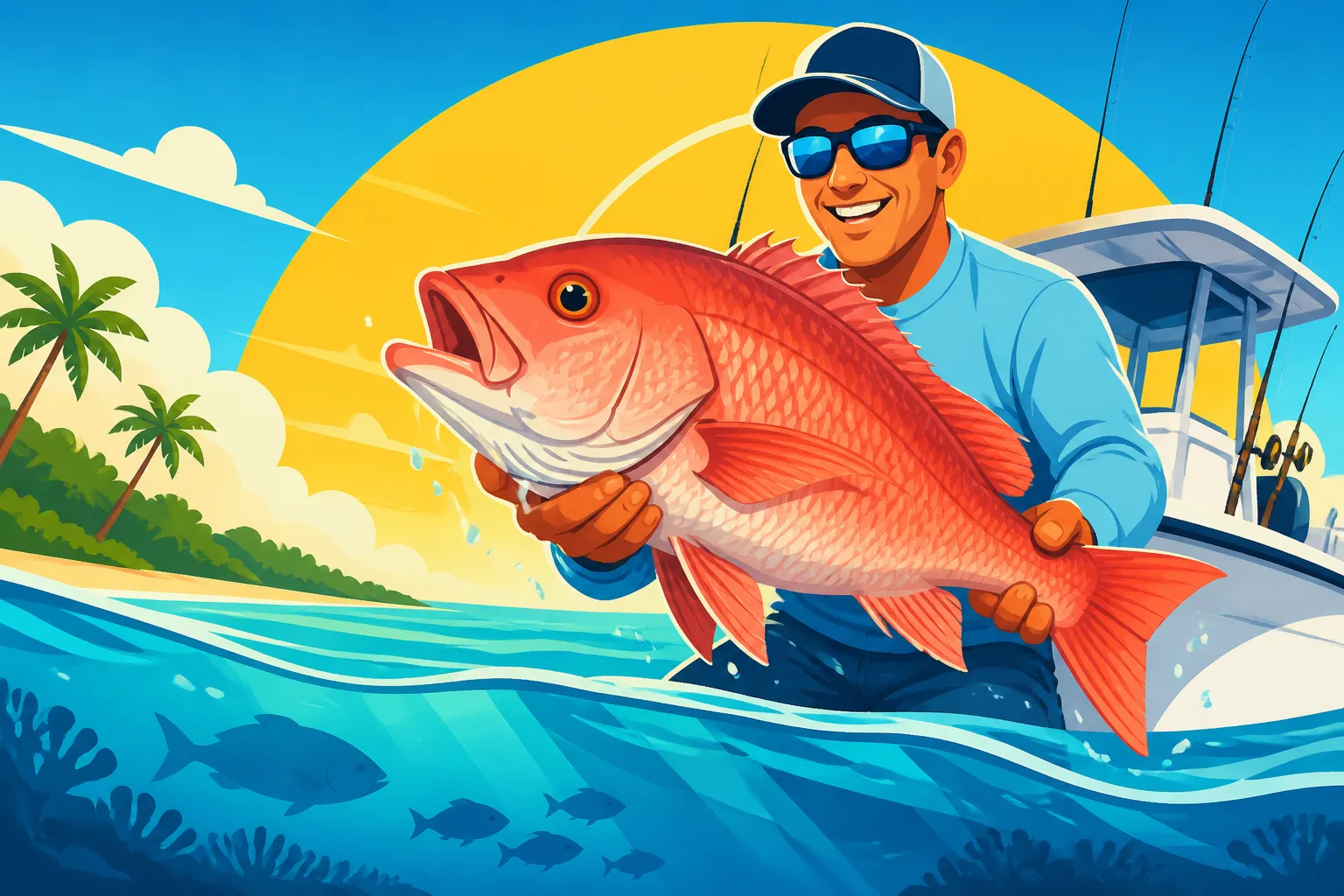
The undisputed king of the snapper family for many is the Red Snapper. These beautiful red-hued fish are highly sought after due to their impressive size and delectable taste. However, their populations are carefully managed, meaning there are strict seasons and bag limits, particularly in federal waters. Catching Red Snapper often requires venturing further offshore to deeper wrecks and reefs. Then there’s the Mangrove Snapper, also known as Grey Snapper. These guys are incredibly versatile, found everywhere from shallow mangroves and grass flats to nearshore reefs and even far offshore. They might not reach the sheer size of a Red Snapper, but they're aggressive feeders and a blast to catch on lighter tackle. You'll often find them lurking around structure, like pilings, docks, and rock outcroppings. If you're looking for more details on these cunning fish, check out our Florida Mangrove Snapper Fishing Guide.
Another popular target is the Lane Snapper, a colorful fish that’s smaller than a Red Snapper but larger than many Mangrove Snapper. They're often found over sandy bottoms, rock piles, and artificial reefs in both nearshore and offshore waters, typically in depths ranging from 20 to 200 feet. They're excellent eating and generally have more liberal regulations, making them a great target when other species are out of season. Lastly, the Yellowtail Snapper is a favorite, especially in South Florida and the Keys. Known for their vibrant yellow tails and delicate flesh, they are usually found in clear, shallower waters over reefs and patches of hard bottom. They tend to be a bit more finicky, often requiring chumming to bring them up from the bottom, but the reward is well worth the effort.
Snapper Habitats and Behavior
Snapper are opportunistic feeders and are typically structure-oriented, meaning they love to hang out around anything that provides cover or holds bait. This could be natural coral reefs, rocky ledges, wrecks, artificial reefs, or even bridge pilings and mangroves. Their diet largely consists of smaller fish, crustaceans, and squid, making them responsive to a variety of baits.
Red Snapper, as mentioned, are primarily deep-water dwellers, often found around significant offshore structures. They'll school up in impressive numbers, making for fast and furious action when you find a good spot. Mangrove Snapper, on the other hand, are masters of camouflage and ambush. They'll hide in the shadows of mangrove roots, under docks, or in rocky crevices, darting out to strike at unsuspecting prey. Their ability to thrive in varying salinity levels means you can find them in diverse environments. Knowing these behavioral patterns helps your captain pinpoint the best locations and employ the most effective fishing strategies.
Lane and Yellowtail Snapper typically inhabit slightly shallower offshore waters compared to Red Snapper, favoring reef environments and rubble patches. Yellowtail, in particular, are often caught by "chumming" – a technique where small pieces of bait are thrown into the water to attract fish to the boat. This creates a feeding frenzy, drawing the Yellowtails right to you. Understanding these subtle differences is exactly what a good charter captain brings to the table, maximizing your chances of a successful day.
Best Seasons for Snapper Fishing
Florida’s vast waters offer snapper fishing opportunities year-round, but the best time to target specific species can vary significantly. The biggest factor influencing seasonality is often regulatory, especially for species like Red Snapper. Historically, Florida Red Snapper Season Guide highlights how the season is usually a short window, primarily in the summer months, and it's something anglers eagerly anticipate each year. This limited season means booking a charter well in advance is absolutely crucial if Red Snapper are your primary target.
For other species, the seasons are far more open. Mangrove Snapper, for instance, are available almost all year long, with peak fishing often occurring during the warmer months when they are more active and aggressive. The fall and spring can also be incredibly productive for them as they move inshore and nearshore for spawning or feeding. Lane and Yellowtail Snapper also offer consistent action throughout much of the year, particularly in the warmer southern waters of the state. It's always a smart move to check the latest regulations from the Florida Fish and Wildlife Conservation Commission (FWC) before planning any trip, as rules can change.
Key Factors When Choosing a Snapper Charter
So, you're ready to book a trip to catch some snapper. But how do you pick the right charter? It's not just about the price; it's about the captain, the boat, and the overall experience. Making an informed decision will drastically improve your chances of a successful and enjoyable day on the water.
Captain's Experience and Knowledge
This is, arguably, the most critical factor. A truly great snapper captain isn't just someone who can drive a boat; they're a seasoned angler with an intimate understanding of the local waters, fish behavior, and effective techniques. They know where the fish are hiding, what they're biting, and how to adapt to changing conditions. Look for a captain who specializes in bottom fishing or reef fishing, as these are the primary methods for catching most snapper species. Their local knowledge means they have a mental map of countless wrecks, reefs, and ledges, some public, some private, that hold fish.
An experienced captain will also prioritize safety and ensure all necessary licenses and permits are in order. They'll know the current bag limits and minimum sizes for each species, preventing any accidental violations. When you're talking to potential charters, don't hesitate to ask about their experience specifically targeting snapper, how long they've been fishing these waters, and what their typical success rates are. A good captain will be happy to share this information and make you feel confident in their abilities. Remember, a knowledgeable captain is your best asset for a productive day.
Boat Type and Equipment
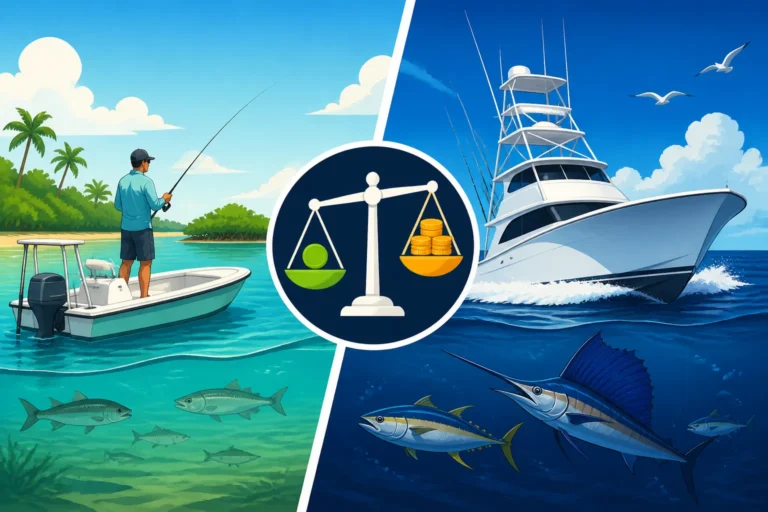
The type of boat matters, especially when you're heading offshore for species like Red Snapper. For serious offshore snapper fishing, you'll want a boat that's stable, spacious, and equipped with the right electronics. Large center console boats or sportfishing yachts are common choices for deep sea excursions, providing enough room for multiple anglers and tackle, and capable of handling offshore conditions. Make sure the boat is well-maintained and has safety equipment like life jackets, a first-aid kit, and communication devices.
Beyond the vessel itself, the gear provided is crucial. A reputable snapper charter will supply high-quality rods, reels, lines, and terminal tackle appropriate for the target species. For bottom fishing, this often means stout rods capable of handling heavy weights and powerful fish, paired with reliable conventional reels spooled with strong braided line. Having a good fish finder (sonar) and GPS is also non-negotiable for locating productive fishing grounds. Don't forget to inquire if they provide bait – usually live bait like pilchards, sardines, or pinfish, or cut bait like squid or bonita, which are often irresistible to snapper. This is generally included in the overall Florida Fishing Charter Cost Guide.
Charter Pricing and Inclusions
Charter pricing can vary wildly based on location, boat size, trip duration, and what's included. A half-day trip will naturally cost less than a full-day adventure, but a full-day trip usually offers more time to reach prime offshore spots and maximize your catch. Always get a clear understanding of the pricing structure before you book.
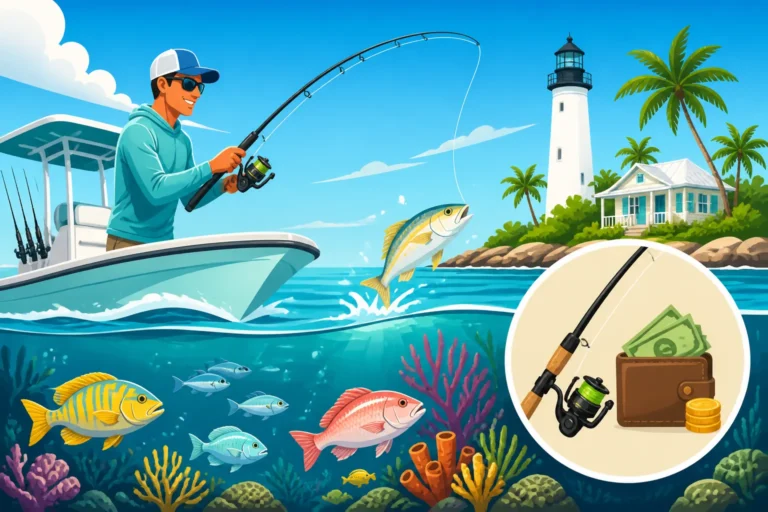
Ask specifically what is included in the price. Common inclusions are bait, tackle, and ice. Some charters might even include fish cleaning and bagging at the end of the trip, which is a huge convenience. What about your fishing license? For most charters, the vessel itself holds a blanket license that covers everyone on board, so you usually won't need your own personal Florida Saltwater Fishing License Rules if you're with a licensed guide. However, it's always best to confirm this upfront to avoid any surprises. Be wary of charters that seem significantly cheaper than the competition; sometimes, you get what you pay for, and cutting corners on safety or equipment isn't worth the savings.
Reading Reviews and Reputations
In today's connected world, researching a charter's reputation is easier than ever. Online reviews are your best friend here. Look for consistent positive feedback regarding the captain's expertise, the boat's condition, the quality of the gear, and the overall customer experience. Pay attention to reviews that specifically mention snapper success or offshore fishing. Platforms like FishingBooker are excellent resources, as they aggregate reviews from real customers and often provide detailed information about the captains, their boats, and their target species.
Don't just skim the star ratings; read the actual comments. Did the captain go the extra mile? Was the equipment in good shape? Were fish caught? Were they helpful with beginners or great with kids? Similarly, negative reviews, while sometimes unfair, can offer valuable insights. If multiple reviews mention the same issue, it could be a red flag. Social media pages and fishing forums can also provide additional insights into a charter's reputation within the local angling community. A charter with a long-standing positive reputation is often a safe bet for a quality experience.
What to Expect on a Snapper Charter
So, you've done your homework, booked your charter, and the day is finally here. Knowing what to expect can help you relax and fully enjoy the experience. A typical snapper charter involves more than just dropping a line; it's an adventure from start to finish.
Typical Day on the Water
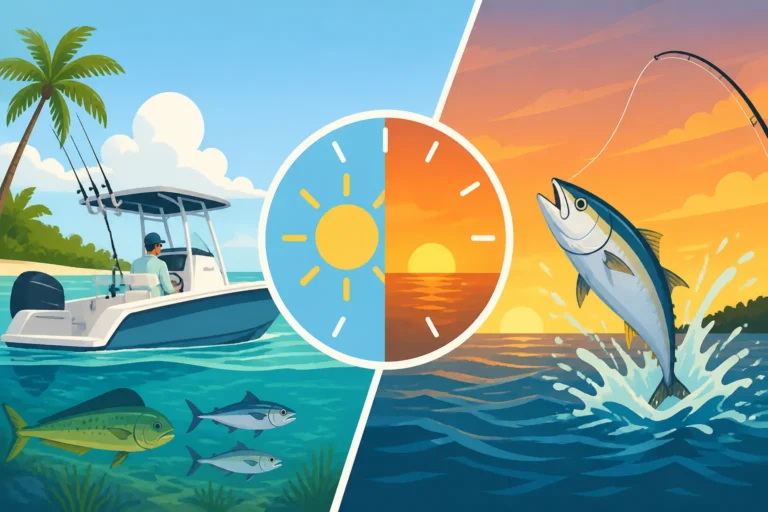
Your snapper charter day will usually begin early in the morning, often before sunrise, especially for offshore trips that require a longer run to the fishing grounds. You'll meet your captain at the designated dock, load your gear, and get a quick safety briefing. Once underway, the captain will navigate to their preferred fishing spots, which could be anything from a nearshore reef a few miles out to a deep-water wreck far offshore. The journey itself can be part of the adventure, offering chances to spot dolphins, sea turtles, or even other marine life.
Once you arrive at a promising spot, the captain will position the boat, often using a "spot-lock" trolling motor or anchoring directly over the structure. This is when the real work begins. The captain or mate will usually bait your hooks or show you how to do it, and then it's time to drop your lines to the bottom. Snapper fishing often involves repeated drops, moving from spot to spot if the bite slows down. Be prepared for a dynamic day; fishing isn't always instant, but persistence often pays off. Most charters will run for a half-day (around 4 hours) or a full-day (6-8 hours), giving you ample time on the water.
Gear and Techniques Used
The primary technique for snapper fishing is bottom fishing. This involves using a weighted rig to get your bait down to where the snapper are congregating near the bottom structure. The type of rig can vary, but common setups include a "knocker rig" or a "Carolina rig" with a circle hook. Circle hooks are often preferred in Florida as they greatly reduce gut-hooking, improving the survival rate of released fish. You'll typically use live bait, like pilchards, sardines, or threadfin herring, which are highly effective for enticing snapper. Cut bait, such as squid or chunks of bonita, can also be very productive.
When fishing for Red Snapper or other larger offshore species, you'll be using heavier conventional tackle, designed to handle the strong pulls and deeper depths. For Mangrove Snapper in shallower waters, lighter spinning tackle might be used, which offers a more sporting fight. The captain will guide you on how to properly drop your bait, feel for a bite, and set the hook. They'll also explain the proper way to fight a snapper, which often involves keeping a steady retrieve and pumping the rod to bring the fish up from the bottom without getting "rocked up" (where the fish wraps your line around structure). For more general deep-water techniques, refer to our Florida Offshore Fishing Techniques guide.
Fish Handling and Regulations
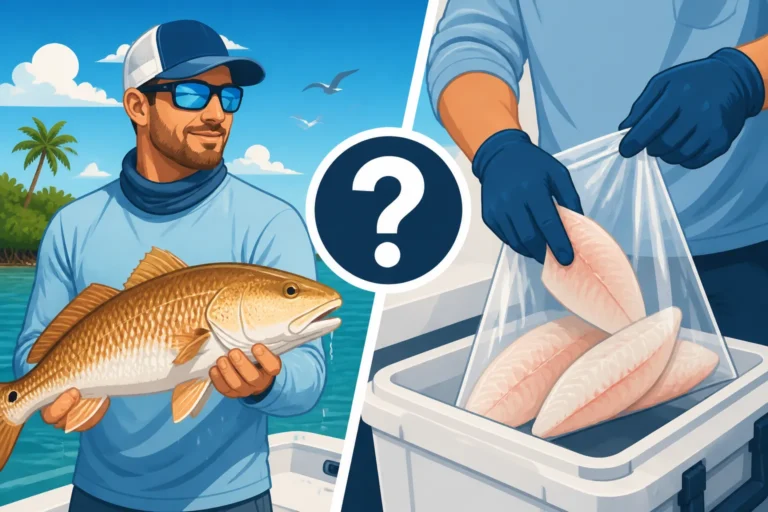
Part of a successful charter is knowing how to properly handle your catch and adhering to all regulations. Once you've reeled in a snapper, the captain or mate will help you unhook it. If the fish is legal size and within the bag limit, it will be placed on ice in a cooler to ensure its freshness. It's crucial to understand the Florida Red Snapper Minimum Size and other regulations for the species you're targeting. For example, some species have a "slot limit" meaning they must be within a certain size range to be kept.
| Snapper Species | Typical Habitat | Size Range (Avg) | Common Bait | Seasonality (General) |
|---|---|---|---|---|
| Red Snapper | Deep offshore wrecks, reefs | 15-30 lbs | Live pinfish, squid | Limited summer season |
| Mangrove Snapper | Mangroves, docks, reefs, wrecks | 1-8 lbs | Live shrimp, cut bait | Year-round, peaks in summer |
| Lane Snapper | Nearshore/offshore reefs, sand | 1-5 lbs | Squid, cut bait, shrimp | Year-round |
| Yellowtail Snapper | Offshore reefs, clear water | 1-4 lbs | Chum, live pilchards | Year-round, best in Keys |
For any fish that are undersized or out of season, proper catch-and-release techniques are paramount to ensure their survival. The captain will instruct you on how to quickly and carefully release these fish. If you're fishing in very deep water for species like Red Snapper, fish often suffer from barotrauma (due to the rapid change in pressure). A responsible captain will have venting tools or descending devices to help these fish recover and return to the depths safely. Always listen to your captain's guidance on these matters, as they are experts in conservation and compliance.
Maximizing Your Snapper Catch
Even with the best charter, there are things you, as an angler, can do to enhance your experience and increase your chances of landing more snapper. Fishing is often a team effort between the angler and the captain, and good communication goes a long way.
Communication with Your Captain
Don't be shy! Your captain is there to help you. If you're new to fishing or just new to snapper fishing, let them know. Ask questions about the techniques, the bait, and what to expect. If you're not feeling a bite, or if you're struggling with a particular rig, speak up. A good captain will be happy to offer advice and adjust strategies. They'll also appreciate feedback about what you're feeling on the line – sometimes a subtle tap can be a snapper investigating the bait, and your input helps them understand the bite pattern.
Before the trip, clearly communicate your expectations. Are you hoping for a cooler full of fish for dinner? Or are you more interested in the thrill of the fight and don't mind catch-and-release? Knowing your goals helps the captain tailor the trip to your preferences, whether that means focusing on plentiful Lane Snapper or trying to get you on a prized Red Snapper during its limited season. Platforms like FishingBooker often allow you to send messages directly to captains before booking, making it easy to clarify details and set expectations.
Bait and Lure Strategies
While most charters will provide bait, understanding why certain baits are used can give you an edge. Live bait like pilchards or pinfish are often irresistible to snapper because they look and act like natural prey. Presenting live bait naturally, without making it spin or look unnatural, is key. Cut bait, such as squid or strips of bonita, is also very effective, especially for larger snapper species. Make sure your hook is fully exposed from the bait, allowing for a solid hookset.
For lures, heavy jigs tipped with a piece of bait or soft plastics can also be very productive, particularly when the fish are aggressive. The captain might suggest jigging if a school of snapper is marked on the sonar. Pay attention to how the captain or mate rigs the lines and try to mimic their technique. Small adjustments, like changing the size of your bait, the amount of weight, or how often you "jig" your rod, can sometimes make a big difference in getting bites.
Weather and Sea Conditions
Florida weather can be notoriously unpredictable, and sea conditions play a huge role in offshore fishing. A calm, sunny day might be ideal, but snapper often bite well even in overcast or slightly choppy conditions. What truly matters for your comfort and safety is the wind and wave height. Too much wind can make for a bumpy ride and challenging fishing, as it's harder to feel subtle bites.
Your captain will be constantly monitoring the weather forecast and sea conditions. Trust their judgment if they suggest rescheduling or altering the trip due to unfavorable weather. Safety always comes first, and fishing in truly rough seas is rarely enjoyable or productive. On the flip side, sometimes a little chop can actually improve the bite by stirring up the water and disorienting baitfish, making them easier targets for snapper. The captain's experience in reading these conditions is invaluable for putting you on the fish safely.
A successful snapper charter in Florida is a combination of many factors: a skilled captain, a well-equipped boat, the right techniques, and a little bit of angler savvy. By understanding the different snapper species, asking the right questions, and being prepared for your day on the water, you're well on your way to a memorable fishing adventure and perhaps a delicious fresh snapper dinner. And don't forget, a little bit of Tipping Etiquette for Florida Fishing Guides goes a long way to show your appreciation for a great day!
Disclaimer
This article is for general informational purposes only and does not constitute professional advice. Laws, prices and regulations vary by location and change over time. Consult a qualified professional for guidance on your specific situation.