Best Fishing Charter for Catching Tarpon
Trying to find the perfect fishing charter for tarpon in Florida can feel like navigating a maze, especially when you're dreaming of tangling with the "Silver King" but aren't sure where to start. With so many options out there, it’s easy to get overwhelmed wondering who genuinely knows the tarpon's elusive ways and can put you on that fish of a lifetime. This guide is here to cut through the noise, helping you understand what makes a tarpon charter truly stand out, so you can book with confidence and maximize your chances of a successful and memorable tarpon encounter.
Understanding Tarpon Fishing in Florida
Tarpon fishing in Florida isn't just a pastime; it's an obsession for many, and for good reason. These incredible fish offer a challenge and a thrill unlike almost anything else in the angling world. But to find the best charter, you first need to understand what makes tarpon fishing so unique and why a specialized approach is key.
The Challenge of the Silver King: Why Tarpon Are Special
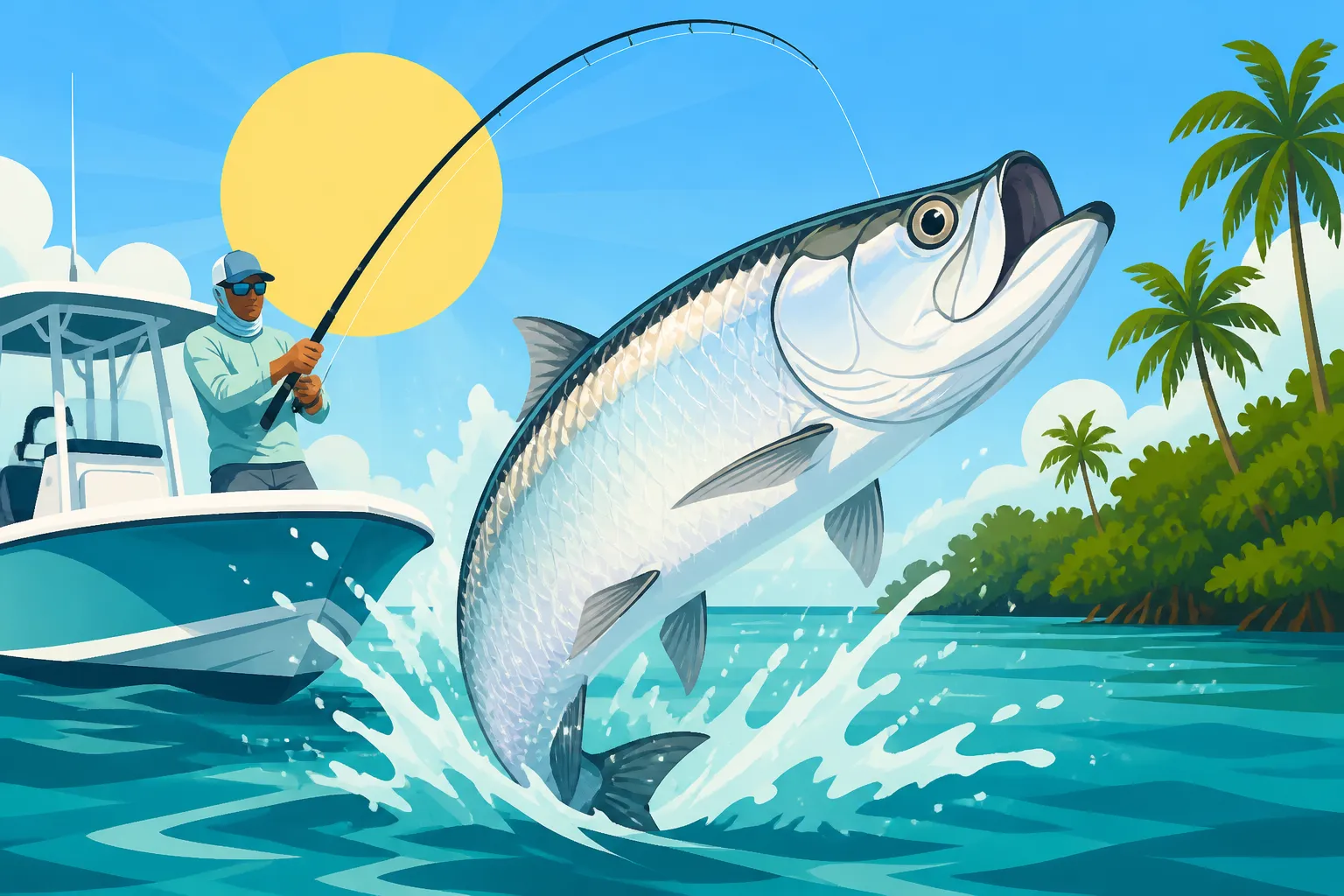
Tarpon, often called the "Silver King," are legendary for their size, strength, and acrobatic aerial displays when hooked. They are highly intelligent, finicky eaters, and possess an uncanny ability to throw a hook with a violent head shake or a spectacular jump. This isn't your average catch-and-release bass fishing; it's a test of skill, patience, and often, pure endurance. They are primarily a catch-and-release species in Florida, making the thrill purely in the fight and the release, rather than the dinner table. This emphasis on conservation means that a good tarpon charter captain is not just a guide but also a steward of the species, employing best practices to ensure the fish's survival after the battle. It's a dance between angler and fish, where respect for the creature is paramount.
Key Tarpon Seasons and Migration Patterns in Florida
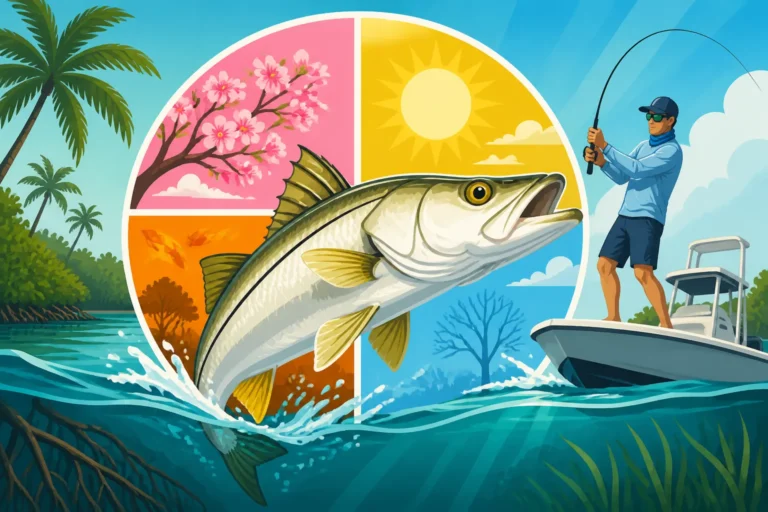
Tarpon are migratory fish, and their presence in certain Florida waters is highly seasonal, which is a crucial factor in booking your charter. While you can find resident tarpon in some areas year-round, the prime time for targeting the big migratory fish is generally from April through July, peaking in May and June. During these months, massive schools of tarpon move along both the Gulf and Atlantic coasts, following baitfish and heading towards their spawning grounds.
- Spring Migration (April-May): As water temperatures rise, tarpon begin their northward migration along Florida's coasts. The Florida Keys become a major hotspot, with thousands of fish moving through the passes and along the flats. Southwest Florida, particularly around Boca Grande Pass, also sees an incredible influx. This is when the sight-fishing opportunities on the flats can be spectacular.
- Summer Peak (June-July): The migration continues, with fish spreading out to areas further north on both coasts, and the bite in the Keys and Southwest Florida often remains strong. You'll find them in estuaries, nearshore wrecks, and along beaches. This is a time of intense feeding, making for some of the most exciting fishing.
- Fall (August-October): While the peak migration has passed, smaller numbers of tarpon can still be found in some areas, especially around inlets and in deeper channels as they prepare to move south for the winter.
- Winter (November-March): Resident tarpon can be targeted in certain warm-water refuges like power plant discharges or deep canals in South Florida, but these are generally smaller numbers and can be more challenging to find.
Understanding these patterns is vital because the "best" charter will be one that aligns with the tarpon's movements, putting you in the right place at the right time. For more specific details on when and where to find them, you might want to read our Florida Tarpon Migration Timing guide.
Prime Tarpon Fishing Locations Across the State
Florida offers a smorgasbord of tarpon fishing locations, each with its own character and charm. The "best" location for you might depend on the time of year, your preferred fishing style (sight-fishing on flats, pass fishing, or nearshore), and your travel plans.
- The Florida Keys: Truly legendary for tarpon, especially during the spring migration. The vast shallow flats and numerous channels from Key Largo down to Key West offer incredible sight-fishing opportunities. Guides here are experts at poling shallow water and spotting fish from a distance, demanding precise casts from anglers. Where to Find Tarpon in the Florida Keys can give you an even closer look at specific spots.
- Boca Grande Pass: Located on Florida's southwest coast, this pass is world-renowned as the "Tarpon Capital of the World" during the peak season (May-July). Thousands of tarpon funnel through this deep, narrow pass, creating a truly unique fishing experience. Charters here often employ specialized "pass-fishing" techniques, anchoring or drifting with live bait.
- Southwest Florida (Naples, Fort Myers, Charlotte Harbor): Beyond Boca Grande, the extensive backcountry and nearshore waters of Southwest Florida provide excellent tarpon opportunities. Areas like Charlotte Harbor are vast estuarine systems that hold huge numbers of tarpon, especially around mangrove islands and deep channels.
- Central West Coast (Tampa Bay, Clearwater, Sarasota): These areas see good numbers of migratory tarpon, particularly around major passes, bridges, and nearshore structure. You might find them cruising along beaches or staging in deep channels.
- East Coast (Sebastian Inlet, Fort Pierce, Stuart): While the Gulf Coast is often more famous for tarpon, the Atlantic side has fantastic tarpon fishing, especially around inlets, jetties, and coastal rivers. Areas like Sebastian Inlet are known for their strong currents and resident tarpon, as well as migratory fish.
- Everglades National Park (Flamingo, Ten Thousand Islands): For a truly wild and remote experience, the Everglades offers exceptional backcountry tarpon fishing. Here, you'll find these powerful fish deep in mangrove creeks and expansive bays, often with minimal boat traffic.
Each location requires a slightly different approach, and the best charter will have intimate knowledge of their local waters and the specific techniques required for success there.
What Makes a Tarpon Charter "Best"?
When you're shelling out for a tarpon charter, you're not just paying for a boat ride; you're investing in an experience and the expertise of a seasoned professional. The "best" charter for tarpon fishing will combine several key elements that dramatically increase your chances of hooking up with a Silver King.
Expertise and Local Knowledge of the Captain
This is, hands down, the most critical factor. A tarpon captain isn't just someone who drives a boat. They are a local meteorologist, marine biologist, master angler, and patient instructor all rolled into one. Their ability to read the water, understand tarpon behavior, predict movements based on tides and weather, and adapt techniques on the fly is invaluable.
- Deep Understanding of Tarpon Behavior: The best captains know where tarpon will be at specific times of day, on different tides, and under varying weather conditions. They understand what triggers a bite – whether it's the subtle twitch of a shrimp or the frantic struggle of a mullet. They know when to cast, where to cast, and how to present the bait or lure to entice these notoriously finicky fish. This isn't knowledge you can get from an app; it comes from years, often decades, spent on the water.
- Proven Track Record and Reputation: While no charter can guarantee a catch (it's called fishing, not catching!), the best tarpon captains have a consistent history of putting clients on fish. Look for guides with strong reputations, positive reviews, and a deep passion for tarpon. They are often booked months, if not a year, in advance, especially during peak season. You can often find reputable guides through platforms like FishingBooker, which allows you to see reviews and specialties.
- Patience and Instructional Skills: Tarpon fishing can be challenging, especially for beginners. A great captain will be patient, offering clear instructions on casting, fighting the fish, and ethical handling for release. They understand that not everyone is an expert and will work to make the experience enjoyable and educational, regardless of your skill level.
Specialized Gear and Techniques for Tarpon
Tarpon demand specialized tackle and refined techniques. A general fishing charter might have decent gear, but a dedicated tarpon charter will have top-tier equipment specifically chosen to handle these powerful fish.
- Heavy-Duty Rods and Reels: You'll need sturdy rods with plenty of backbone and reels with smooth, powerful drags capable of handling long, blistering runs. Most tarpon charters will provide high-quality spinning or conventional setups, often spooled with heavy braided line and fluorocarbon leaders designed for battling a fish that can exceed 150 pounds. Don't be shy about asking about their gear; a good answer will mention brands known for durability and performance. Best Rod and Reel Setup for Florida Inshore Fishing or What Pound Test Line for Tarpon Fishing? can shed more light on specific gear considerations.
- Appropriate Bait and Lures: The "best" bait or lure for tarpon changes based on location, time of year, and even the fish's mood.
- Live Bait: This often includes mullet, threadfin herring, pilchards, or crabs. A top tarpon charter will have a reliable method for catching and keeping these baits alive and healthy.
- Artificial Lures: Large soft plastics, jigs, and flies are often used, especially in sight-fishing scenarios. The captain will have a curated selection of lures proven to work in their specific waters.
- Refined Fishing Techniques: Tarpon fishing involves a variety of techniques:
- Sight Fishing: Poling shallow flats and spotting cruising tarpon, then making a precise, often quick, cast. This is common in the Keys and some parts of Southwest Florida.
- Pass Fishing: Drifting or anchoring in deep passes with live bait, capitalizing on the massive schools moving through. Boca Grande is the prime example.
- Bridge Fishing: Targeting tarpon that hold around bridge pilings, often at night, using live bait or large jigs.
- Nearshore/Beach Fishing: Looking for rolling or cruising fish along the coast, especially during migration, using large plugs or live bait.
A great charter captain will be proficient in multiple techniques and know which one to employ based on current conditions and where the fish are holding.
Boat Type and Setup for Tarpon Pursuits
The type of boat matters significantly for tarpon fishing, as different platforms excel in different environments and techniques.
- Flats Boats/Skiffs: For sight-fishing on shallow water, a quiet, shallow-drafting flats boat is essential. These boats are designed for stealth and allow the captain to pole silently into position. They typically accommodate 1-2 anglers.
- Bay Boats/Center Consoles: More versatile, bay boats or smaller center consoles (18-25 feet) are ideal for targeting tarpon in deeper bays, channels, nearshore waters, and around bridges. They offer more room, can handle choppier conditions, and often accommodate 2-4 anglers comfortably. These are common for pass fishing or general nearshore tarpon trips.
- Offshore Vessels: While less common for dedicated tarpon charters, larger offshore boats might target tarpon when they are further out in the Gulf or Atlantic, though this is usually part of a mixed-bag offshore trip.
The "best" charter will have a boat that is perfectly suited for the specific type of tarpon fishing they specialize in. It should be well-maintained, clean, and equipped with all necessary safety gear. Beyond the boat itself, consider its amenities – a comfortable casting deck, ample cooler space for drinks and snacks, and a good livewell system to keep bait fresh are all important details.
Questions to Ask Before Booking a Tarpon Charter
Booking a fishing charter can feel like a big commitment, especially for a specialized trip like tarpon fishing. To ensure you're getting the "best" experience, it’s absolutely essential to ask the right questions before you put down a deposit. Don't be afraid to be thorough; a reputable captain will appreciate your diligence.
Inquiring About Experience and Success Rates
It's natural to want to know if you'll actually catch fish, but remember, fishing involves variables beyond anyone's control. Frame your questions to understand their commitment to success and their experience with tarpon, rather than demanding a guarantee.
- "How long have you been guiding specifically for tarpon in this area?" This helps gauge their depth of local knowledge. Someone who has been guiding for 20 years in Boca Grande for tarpon will have an entirely different level of expertise than someone who does a few tarpon trips a year alongside general inshore fishing.
- "What are your typical tarpon fishing strategies for the time of year I'm interested in?" Their answer should reflect specific techniques (e.g., "we'll be poling the flats looking for singles and doubles," or "we'll be anchored in the pass soaking live crabs") and show an understanding of seasonal patterns. This also tells you if their style aligns with what you want to experience.
- "Do you focus solely on tarpon, or do you target other species as well on these trips?" For the "best" tarpon experience, you want a captain whose primary focus is the Silver King during your charter. While a backup plan for other species can be nice, a dedicated tarpon captain lives and breathes tarpon.
- "What is your philosophy on catch and release for tarpon?" Given that tarpon are a protected species, their answer should demonstrate a strong commitment to ethical angling, proper fish handling, and minimal stress on the fish. You want to ensure they prioritize the health of the fish. You can learn more about this in Catch and Release Best Practices for Snook.
Understanding Inclusions and Exclusions
Charters vary widely in what they provide, and misunderstandings can lead to unexpected costs or disappointments. Get a clear picture of what's covered in the price.
- "What's included in the charter price?"
- Fishing License: In Florida, if you're fishing with a licensed charter captain, your fishing license is typically covered under their blanket license. However, always confirm. Do You Need Your Own License for a Florida Charter? can provide more details.
- Bait and Tackle: Confirm if live bait, artificial lures, rods, reels, and terminal tackle are all provided. For tarpon, specialized tackle is key, so make sure they have it.
- Coolers and Ice: Most charters provide a cooler with ice for your drinks and snacks, but it's good to confirm.
- Fish Cleaning: For tarpon, this isn't relevant as they are catch-and-release, but for other species, it's a common question.
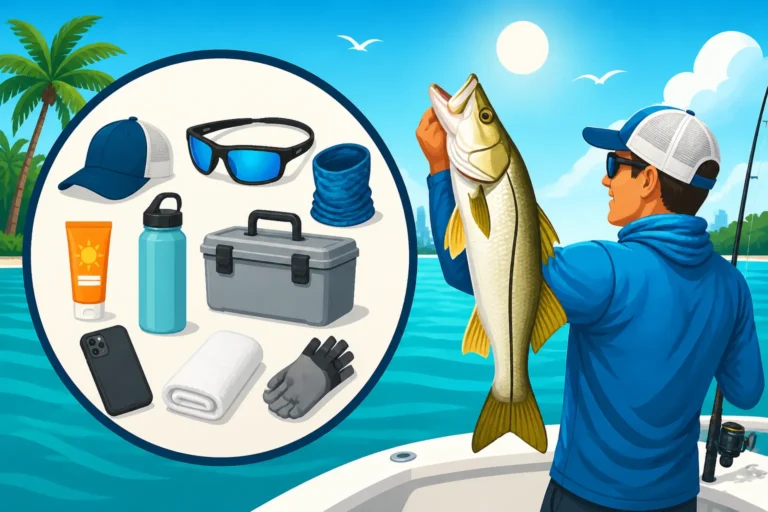
- "What should I bring on the trip?" Beyond personal items like sunscreen (non-spray is often preferred to avoid boat residue), hats, sunglasses, and appropriate clothing (light layers are best), ask about food and drinks. Some charters might provide bottled water, others expect you to bring everything. Check out What to Bring on a Florida Fishing Charter for a comprehensive list.
- "Are there any additional fees I should be aware of, like fuel surcharges?" Some charters might have fuel surcharges, especially for longer offshore trips. Make sure there are no hidden costs.
- "What is your tipping policy/recommendation for the captain and mate?" Tipping is customary in the charter industry. A standard tip is usually 15-20% of the charter fee, assuming good service. Don't overlook this important aspect of the trip. See How Much to Tip a Florida Fishing Guide? for detailed advice.
Reviewing the Charter's Policies and Reputation
A good charter will have clear policies and a strong reputation, ensuring a smooth and reliable experience.
- "What is your cancellation policy, especially for weather?" Florida weather can be unpredictable. Understand what happens if the captain cancels due to unsafe conditions (e.g., high winds, lightning). Reputable charters will typically offer a reschedule or a full refund if they cancel. This is vital, so confirm this explicitly. Florida Fishing Charter Cancellation and Refund Policy dives deeper into this.
- "How many anglers can comfortably fish for tarpon on your boat?" While a boat might be rated for a certain number of passengers, active fishing for large tarpon often requires more space per angler. For fly fishing, it's typically one angler at a time. For spin or conventional, 2-3 anglers might be ideal for tarpon.
- "Can you provide references or point me to recent reviews?" While online review platforms like FishingBooker are a great resource, asking for direct references can sometimes provide deeper insight. Look for patterns in reviews – do people consistently praise the captain's patience, knowledge, and dedication to finding tarpon?
- "Are you a licensed and insured captain?" All legitimate charter captains in Florida should hold a valid U.S. Coast Guard (USCG) Captain's License and have appropriate liability insurance. This protects both you and them. Don't hesitate to ask for verification.
Planning Your Ultimate Tarpon Charter Experience
Securing the best tarpon charter is just the first step. To truly have the ultimate experience, you need to prepare yourself and understand your role in making the trip a success, while also embracing the conservation aspect that is so crucial for these magnificent fish.
Preparing for Your Day on the Water
Once you've booked your ideal tarpon charter, a little preparation on your part can go a long way in ensuring a comfortable and productive day.
- Dress Appropriately: Florida weather, especially during tarpon season, can be hot and humid with intense sun. Wear light-colored, moisture-wicking clothing, long sleeves, and pants for sun protection. A wide-brimmed hat and polarized sunglasses are absolute must-haves. Even on cloudy days, UV rays are potent. A lightweight rain jacket is also a good idea for sudden afternoon showers.
- Sun Protection is Key: Apply reef-safe sunscreen generously and reapply often. The reflection off the water amplifies the sun's intensity.
- Stay Hydrated and Bring Snacks: Bring plenty of water and other non-alcoholic beverages. Tarpon fishing often involves long periods of waiting, followed by intense battles, so staying hydrated and fueled is important. Pack easy-to-eat snacks.
- Manage Expectations: Remember, it's fishing, not catching. While a good captain will put you in the best position for success, tarpon can be notoriously challenging. Enjoy the process, the beautiful Florida scenery, and the chance to be on the water. A positive attitude, even if the fish aren't cooperating, makes for a better day for everyone.
- Practice Your Cast: If you're going sight-fishing, especially on the flats, quick and accurate casting is paramount. Practice casting to a target in your yard before the trip. Being able to put a bait or lure exactly where the captain tells you, quickly, can be the difference between a hook-up and a spooked fish.
Ethical Angling and Conservation for Tarpon
Tarpon are a protected species in Florida, and almost all tarpon fishing is strictly catch-and-release. This makes ethical angling practices not just a recommendation but a necessity. The best charters will be staunch advocates for tarpon conservation.
- Minimizing Fight Time: While exhilarating, fighting a tarpon for an extended period can exhaust the fish. Use appropriate tackle and apply steady pressure to bring the fish to the boat as quickly and safely as possible.
- Proper Handling at the Boat: Never remove a tarpon from the water unless you are an FWC-permitted guide (which most reputable tarpon captains are) and are planning to keep it for a state record, or if the fish is less than 40 inches and caught by an angler who has purchased a tarpon tag. Even then, the guidelines are very strict. For most recreational anglers, the fish should remain in the water, supported horizontally at the boat. Do not hold it vertically by the jaw.
- Reviving the Fish: After a hard fight, a tarpon might need to be revived before release. The captain will typically hold the fish by the mouth and tail, moving it gently back and forth in the current to push oxygenated water over its gills until it regains strength and can swim away under its own power.
- Tarpon Tags and Regulations: If you wish to harvest a tarpon (which is highly discouraged and rarely done), you must purchase a special tarpon tag. These tags are very limited, region-specific, and rarely used for recreational catches. Always adhere to Florida's strict Florida Fishing Regulations and Bag Limits for tarpon, which your captain will be very familiar with.
Booking Tips for a Seamless Trip
Securing your spot with a top tarpon charter, especially during the peak season, requires foresight.
- Book Early: The best tarpon captains, particularly in highly sought-after areas like the Florida Keys or Boca Grande, often book up months, even a year, in advance for the prime spring and summer dates. As soon as you know your travel dates, start looking. Platforms like FishingBooker can help you find available dates and compare captains.
- Communicate Clearly: Don't hesitate to communicate your expectations and experience level to the captain. If you're a seasoned fly angler, let them know. If you're a complete novice, they'll adjust their teaching style. Clear communication ensures both you and the captain are on the same page.
- Confirm Details: A few days before your trip, reconfirm the meeting time, location, and any last-minute weather considerations with your captain. This avoids any confusion on the morning of your highly anticipated tarpon adventure.
- Consider a Multi-Day Trip: If tarpon fishing is your primary goal, consider booking multiple days. This increases your chances significantly, especially if weather or fish behavior is challenging on one particular day. Many passionate anglers book 2-3 days in a row to maximize their opportunities.
By understanding the unique challenges and rewards of tarpon fishing, knowing what to look for in a top-tier charter, asking informed questions, and preparing yourself for the adventure, you'll be well on your way to experiencing the thrill of tangling with the Silver King in the bountiful waters of Florida.
Disclaimer
This article is for general informational purposes only and does not constitute professional advice. Laws, prices and regulations vary by location and change over time. Consult a qualified professional for guidance on your specific situation.