Florida Mangrove Snapper Fishing Guide
One of the most satisfying experiences as a Florida angler is reeling in a feisty fish that tastes incredible on the dinner plate. However, knowing where to find them, what gear to use, and how to stay within the rules can be a real head-scratcher, especially with a species as adaptable as the mangrove snapper. This comprehensive guide is here to untangle those knots, giving you all the insider knowledge to successfully target, catch, and enjoy Florida's abundant mangrove snapper.
Understanding the Mangrove Snapper: A Florida Favorite
Mangrove snapper, often affectionately called "mangos" or "grey snapper," are an absolute staple for anglers throughout Florida. They're widespread, notoriously good fighters for their size, and their flaky, white meat is simply delicious. You'll find them lurking in a huge variety of habitats, making them accessible to just about anyone with a rod and reel, whether you're fishing from shore, a pier, or a boat. They're a fantastic target for beginners and seasoned pros alike, always ready to put up a spirited battle.
What Makes Mangrove Snapper So Special?
What sets the mangrove snapper apart is its incredible adaptability and opportunistic feeding habits. Unlike some finicky fish, mangos are usually eager to bite, making them a reliable target when other species might be shy. They're incredibly intelligent and wary, especially the larger ones, which adds a rewarding challenge to the pursuit. These fish thrive in both saltwater and brackish environments, from the shallow roots of mangrove shorelines to offshore wrecks hundreds of feet deep. This versatility means you don't need a specialized boat or expensive gear to get into the action; a simple setup can often get the job done.
Their strong schooling behavior is another aspect that makes them special. When you find one mangrove snapper, chances are you've found a whole school. This can lead to some truly exhilarating fishing sessions where you're constantly hooking up, providing a fast-paced and memorable experience. They're also relatively long-lived, contributing to healthy populations when managed responsibly. It's this combination of accessibility, fighting spirit, and culinary value that cements their status as a true Florida favorite for recreational anglers.
Identifying Your Catch: Mangrove Snapper vs. Other Snappers
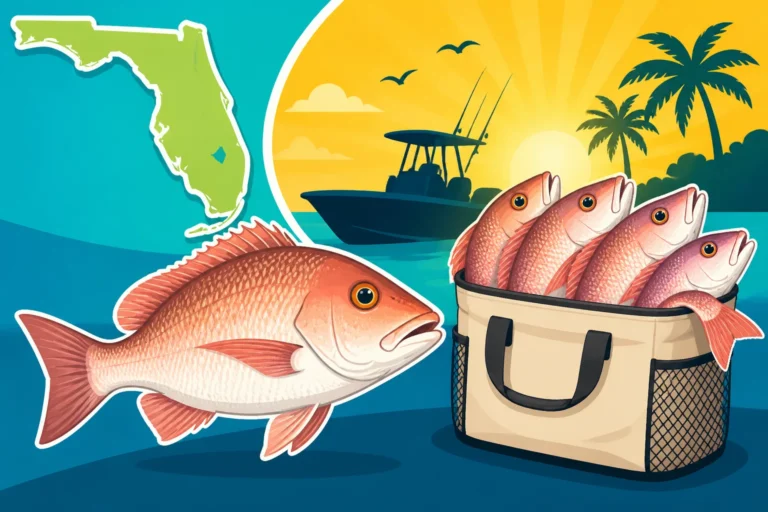
Florida waters are teeming with different snapper species, and it's absolutely crucial to correctly identify your catch, as size and bag limits can vary significantly. Mangrove snapper are generally greyish or reddish-brown on top, fading to a lighter belly. They often have faint vertical bars along their sides, especially when smaller or stressed. A key identifier is the dark reddish-brown stripe that runs from their snout through the eye, though this can sometimes be subtle. Their canine teeth are noticeably larger than other snappers, and their anal fin is triangular with a pointed tip.
It's easy to confuse them with other common species. For instance, schoolmaster snapper (often found in similar habitats) have more pronounced vertical bars and yellowish fins. Lane snapper are smaller, typically have distinct yellow horizontal lines, and a black spot on their upper side. Mutton snapper are much larger, often have reddish fins, blue lines on their face, and a distinctive black spot below the dorsal fin, though juvenile muttons can resemble mangroves. Always take a moment to confirm your fish, especially if you're unsure, to ensure you're complying with regulations. A good fish identification chart or an app on your phone can be an invaluable tool. Remember, knowing your fish helps you keep Florida Fishing Regulations and Bag Limits straight.
Where to Find Mangrove Snapper in Florida's Waters
The beauty of targeting mangrove snapper is their pervasive nature across Florida's diverse aquatic landscapes. From the dense, intricate root systems of the Everglades to the artificial reefs scattered offshore in the Gulf and Atlantic, there's rarely a spot where you can't find them if you know what you're looking for. Their ability to tolerate a wide range of salinities and depths means they're truly an "everywhere" fish, but certain habitats consistently hold larger numbers and bigger individuals.
Inshore Havens: Mangroves, Docks, and Piers
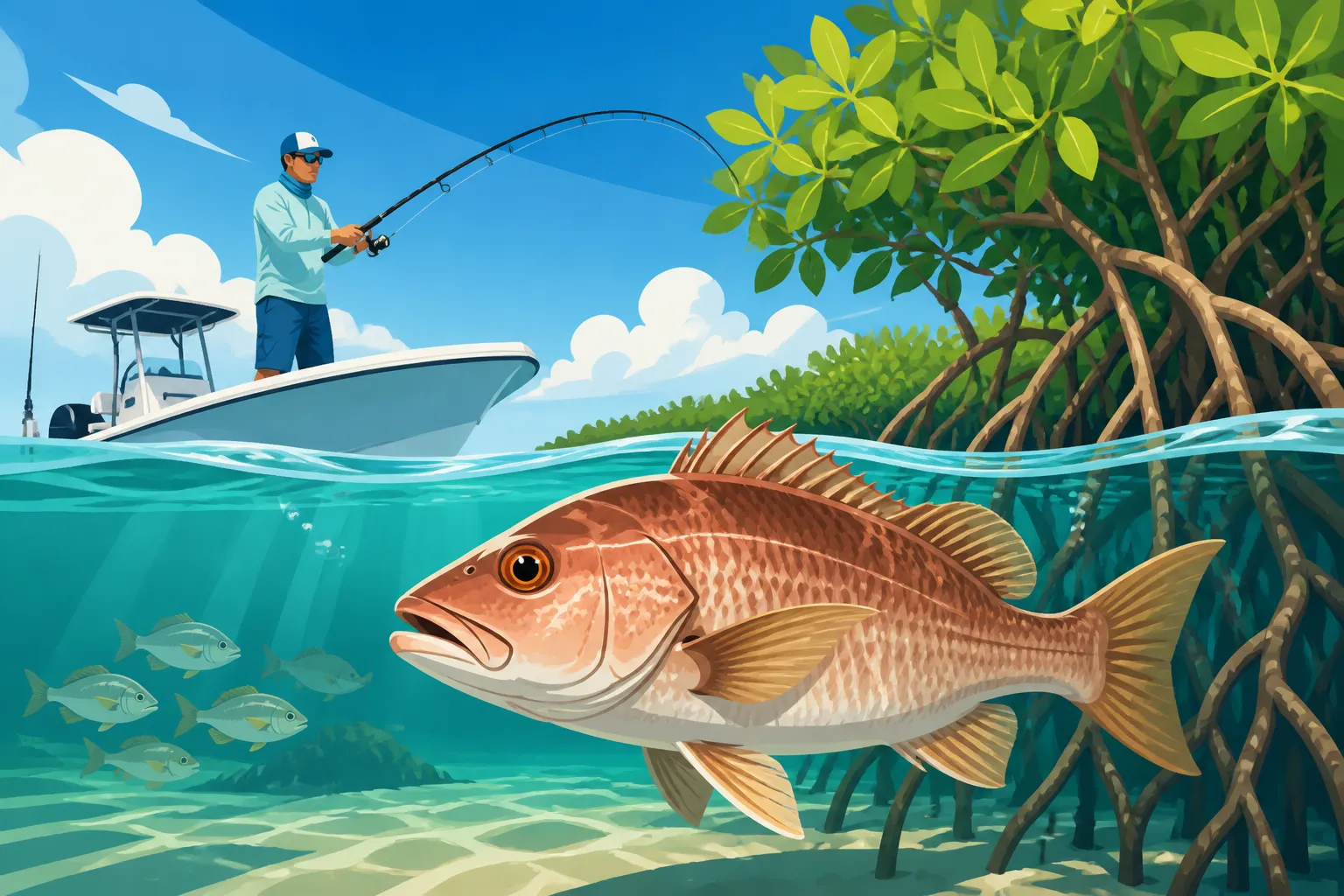
For many anglers, the inshore waters are the prime hunting grounds for mangrove snapper. True to their name, the intricate root systems of red, black, and white mangroves provide perfect ambush points and protection for these fish. They love to hide deep within the shadows, darting out to snatch unsuspecting baitfish or crustaceans. When targeting these areas, look for deeper pockets of water near the mangrove edge, especially where tidal flow brings in food. You'll often find them lurking around fallen trees, oyster bars, and any other structure that breaks up the current.
Beyond the mangroves, docks, pilings, and piers are absolute goldmines. Anywhere there's vertical structure and a good food source, you'll find mangos. Think about those barnacle-encrusted pilings under a dock in Tampa Bay Fishing Guide or the shadowy areas beneath residential canals in South Florida. They'll hug these structures tightly, making precise casting and presentation key. Public fishing piers, like those in St. Petersburg or on the Gulf Coast, are fantastic access points for shore anglers, providing deep water access and plenty of structure for snapper to congregate. These are often accessible without a boat and can be incredibly productive, sometimes even offering the chance to catch larger "sow" snapper.
Nearshore Reefs and Structures
As you venture just a bit further offshore, the world of nearshore reefs and structures opens up for mangrove snapper. These can include natural limestone outcroppings, rocky bottom, and a multitude of artificial reefs. Florida has an extensive program for deploying artificial reefs, ranging from old bridge rubble and concrete culverts to purposely designed reef balls. These underwater playgrounds quickly attract a vibrant ecosystem, with snapper often being one of the first residents. Look for ledges, potholes, and any kind of relief on the bottom in depths ranging from 10 to 60 feet.
Mangrove snapper will school up tightly on these structures, using them for shelter from currents and as hunting grounds. They love to pick off smaller baitfish and crustaceans that also inhabit these reefs. Good spots often include ledges where bait congregates, or the leeward side of a wreck where the current isn't as strong. If you have a boat and a good bottom machine, you'll be looking for distinct bumps or variations in the bottom contour, often marked by baitfish schools. Targeting these areas can be incredibly rewarding, as you might hook into a mix of other reef species like grunts, hogfish, or even smaller groupers alongside your snapper. Keep an eye out for these spots, especially around popular areas like Destin Fishing Spots or off the coast of Sarasota.
Offshore Deepwater Sanctuaries
While many associate mangrove snapper with inshore and nearshore environments, don't underestimate their presence in deeper offshore waters. Larger, mature mangrove snapper often migrate to deeper natural and artificial reefs, ledges, and wrecks, sometimes in depths exceeding 100-200 feet. Here, they'll congregate in larger schools, often mixed in with other snapper species like vermilion snapper, mutton snapper, and even red snapper during their respective seasons. These deepwater fish tend to be significantly larger, offering a more substantial fight and a bigger meal.
When fishing these offshore sanctuaries, precise boat positioning over structure is paramount. Strong currents can be a factor, requiring heavier weights to get your bait down effectively. Look for the same types of structure as nearshore, but on a grander scale: large wrecks, extensive rock piles, and significant changes in bottom topography. Your fish finder will be your best friend here, helping you pinpoint the exact location of the fish. Often, the bigger mangos will hold closer to the structure, especially within the confines of a wreck. This deepwater pursuit requires more robust tackle and a willingness to deal with stronger currents, but the rewards—in terms of fish size and sheer numbers—can be well worth the effort.
The Best Seasons and Times for Mangrove Snapper
Knowing when to fish is almost as important as knowing where to fish when it comes to mangrove snapper. While they are a year-round resident in Florida, certain times of the year and specific tidal conditions can dramatically increase your chances of a successful outing. Understanding their seasonal movements and daily feeding patterns will put you way ahead of the game.
Seasonal Movements and Spawning Patterns
Mangrove snapper can be caught throughout the year in Florida, but their activity levels and locations do shift with the seasons. During the warmer months, typically from late spring through early fall, their populations are at their peak in shallower, inshore waters. This is when they're actively feeding and preparing for their spawning aggregations. Summer is often considered prime time for mangrove snapper, as they become more aggressive and widespread in the mangroves, around docks, and on nearshore reefs. This is also when they tend to school up heavily in preparation for spawning, making it easier to find concentrated numbers.
As temperatures cool in late fall and winter, many mangrove snapper, especially the larger ones, tend to move to deeper, more stable offshore waters. While you can still find smaller individuals inshore, the truly big "sows" often retreat to deep wrecks and reefs where water temperatures are more consistent. This doesn't mean they can't be caught inshore during winter; a warm front can often bring them back into shallower areas to feed actively. However, if you're chasing trophy-sized mangos in the winter, focusing on offshore structure is generally your best bet. Keep in mind that seasonal weather patterns like cold fronts can temporarily slow down inshore fishing, even for a hardy fish like the snapper.
Tidal Influences and Time of Day
For inshore mangrove snapper fishing, understanding tidal movement is absolutely critical. Mangrove snapper are ambush predators, and they use tidal currents to their advantage to feed. Generally, the moving tide—whether incoming or outgoing—is when they are most active. This is because the current pushes baitfish, crustaceans, and other food sources past their hiding spots, making them easier targets. Often, the last hour of an incoming tide and the first hour of an outgoing tide are the most productive, as the current is at its strongest and the water is actively flushing.
Slack tide, both high and low, tends to be less productive for mangrove snapper. When the water isn't moving, the bait isn't moving, and the snapper often become less active and more reluctant to strike. However, this isn't a hard and fast rule; sometimes, especially around deep structure, a brief bite can occur during slack tide. The time of day also plays a significant role. Early mornings and late evenings, particularly around sunrise and sunset, are often prime feeding times. The lower light conditions give snapper a predatory advantage and make them feel more secure venturing out from cover. Overcast days can extend these low-light feeding windows, while bright, sunny days might push them deeper into shaded areas. Fishing at night, especially around dock lights, can also be incredibly productive, as the lights attract baitfish, which in turn attract snapper.
Essential Gear for Mangrove Snapper Success
Having the right tackle is paramount when pursuing mangrove snapper. While they're not enormous fish, they're incredibly strong for their size and have a knack for finding every piece of structure to break you off. You don't need highly specialized or overly expensive gear, but choosing the right rod, reel, line, and terminal tackle will significantly increase your hook-up ratio and land more fish.
Rods, Reels, and Line Selection
For inshore and nearshore mangrove snapper, a medium to medium-light spinning rod between 7 to 7.5 feet is an excellent choice. This length provides good casting distance for reaching those mangrove edges or dock pilings, while also offering enough backbone to pull a fighting snapper away from structure. The action should be fast, meaning the rod bends mostly in the tip, allowing for quick hook sets. A good rod choice can make a huge difference in your success. A matching spinning reel in the 2500-4000 series size will balance well with this rod. Look for a reel with a smooth drag system, as even a small snapper can test your tackle.
When it comes to line, braided line in the 10-20 lb test range is a popular choice for your main line. Braid offers superior sensitivity, allowing you to feel even the slightest tap, and its thin diameter for its strength helps with casting distance and cutting through water, especially in current. You'll want to tie a fluorocarbon leader to your braided main line. Fluorocarbon is nearly invisible underwater, which is crucial for wary snapper, and it's also more abrasion-resistant, a must-have when fishing around sharp barnacles or mangrove roots. A 20-30 lb fluorocarbon leader, about 2-3 feet long, is usually sufficient. For offshore fishing in deeper water, you might step up to a medium-heavy rod, a 5000-6000 series reel, and 30-40 lb braid with a heavier fluorocarbon leader to handle stronger currents and potentially larger fish. You can find a wide selection of these options on platforms like Amazon.
Terminal Tackle: Hooks, Leaders, and Weights
Your terminal tackle configuration is where the rubber meets the road with mangrove snapper. These fish have surprisingly hard mouths and often hit aggressively, so sharp, strong hooks are essential. Circle hooks are highly recommended, especially when using live bait. They significantly reduce gut-hooking, which is critical for releasing undersized fish unharmed, and they usually find the corner of the snapper's mouth. Sizes from 1/0 to 3/0 are common, depending on the size of your bait and the expected size of the fish. For artificial baits, jig heads with strong, sharp hooks ranging from 1/8 to 1/2 ounce are effective.
As mentioned, a fluorocarbon leader is non-negotiable. For inshore and nearshore, a 20-30 lb test leader about 2-3 feet long should be fine. For offshore, don't hesitate to go up to 40-50 lb test, especially if there are larger fish or other species like grouper in the mix. The choice of weight depends heavily on current and depth. In shallow, calm inshore waters, you might not need any weight at all, letting your bait drift naturally. When fishing around docks or in light current, a small split shot or an egg sinker (1/8 to 1/4 ounce) can help get your bait down. For stronger currents or deeper spots, a knocker rig (where the egg sinker slides freely on the main line down to the hook eye) or a Carolina rig (with a swivel separating the weight from the leader) are effective. Always use just enough weight to get your bait to the strike zone without hindering its natural presentation.
Must-Have Accessories for Snapper Anglers
Beyond the core rod, reel, and terminal tackle, a few essential accessories can make your mangrove snapper trip much more enjoyable and successful. First up, a good pair of pliers or a dehooking tool is crucial. Snapper have sharp teeth, and getting a hook out of their mouth safely for both you and the fish is important. Next, a bait bucket with an aerator is vital if you're using live bait, keeping your pilchards or shrimp frisky throughout the day. A small cooler with ice will keep your catch fresh if you plan on taking some home for dinner.
Sun protection is key in Florida, so don't forget a wide-brimmed hat, polarized sunglasses (which also help you spot fish or structure in shallow water), and plenty of sunscreen. A sharp fillet knife is also a good idea if you're processing your catch yourself, along with a cutting board. For keeping track of regulations, a printed copy of the current FWC rules or the official MyFWC app on your phone is a must. Lastly, consider a small tackle box or bag to keep all your hooks, weights, and leaders organized. Having these small but important items ready to go can make all the difference in a smooth and productive fishing trip.
Proven Techniques for Catching Mangrove Snapper
Mangrove snapper are opportunistic feeders, which means they'll respond to a variety of presentations. However, some techniques consistently outperform others, particularly when you're trying to coax the wariest, biggest fish out of their cover. The key is often a natural presentation and understanding how to use bait and chum to your advantage.
Live Baiting Strategies
Without a doubt, live bait is often the most effective way to catch mangrove snapper, especially larger ones. Nothing beats a struggling, natural food source to trigger a predatory strike. The best live baits will vary slightly by region and season, but some universal favorites include pilchards, scaled sardines, threadfin herring, finger mullet, and live shrimp. If you can catch your own bait with a cast net, it’s usually fresher and more effective than store-bought. Check out How to Cast Net for Live Bait for tips.
There are a few ways to rig live bait for snapper. One of the simplest and most effective is a free-lined bait, especially in areas with light current or when fishing around structure. Simply hook the bait through the nose or just behind the dorsal fin with a small circle hook and let it swim naturally. If you need to get the bait down deeper or through current, a knocker rig or a small split shot above the hook will work wonders. When fishing around heavy structure like bridge pilings or mangrove roots, try to keep your bait close to the cover without getting snagged. A long, light leader is also crucial for a natural presentation and for dealing with their sharp vision. Sometimes, letting the bait drop directly into the strike zone and letting it wiggle naturally is all it takes to get an aggressive bite.
Artificial Lure Tactics
While live bait is king, don't underestimate the power of artificial lures, especially when fishing for active snapper or when bait is hard to come by. Soft plastic jigs are incredibly versatile and effective. Paddle tail or Gulp! shrimp imitations on a light jig head (1/8 to 1/4 ounce for inshore) can mimic small baitfish or crustaceans perfectly. Cast them close to structure and retrieve with a slow, twitching motion, allowing the lure to bounce along the bottom or fall naturally. The key is to make it look like an easy meal.
Small bucktail jigs, tipped with a piece of cut bait or a soft plastic trailer, can also be deadly, especially when jigged vertically around deeper structure. Topwater lures, while less common for snapper, can be exciting to use in very shallow water around mangroves, especially during low light conditions when snapper might be more aggressive and willing to strike at the surface. Small spoons or jerkbaits can also elicit strikes. The trick with artificials is to experiment with different colors and retrieve speeds until you find what the snapper are keying in on that particular day. Bright colors might work in murky water, while natural colors are often better in clear conditions. Don't be afraid to try different presentations—snapper can be curious!
Chumming for Greater Success
Chumming is a tactic that can dramatically increase your mangrove snapper success, essentially drawing fish out of hiding and concentrating them in your fishing zone. The idea is to create a scent trail and visual cues that attract fish. Common chumming methods involve using a frozen chum block in a mesh bag, suspended off the side of your boat or pier, slowly releasing a stream of fishy goodness into the water. For an even more active chum line, you can regularly toss out handfuls of cut bait, small pilchards, or even crushed shrimp.
When chumming, consistency is key. A steady, light stream of chum is usually more effective than dumping a large amount at once, which can quickly fill the fish up. The goal is to get them into a feeding frenzy, but not to satiate them. As the snapper rise in the water column or move closer to your boat/pier because of the chum, present your live bait or artificial lure subtly within the chum line. The fish will be less wary and more competitive, often striking aggressively. Chumming is particularly effective when fishing around docks, bridges, or anchored over a reef, creating a feeding zone right where you want it. This strategy can be especially productive on days when the bite is slow, turning a quiet trip into a memorable one.
Florida Regulations: Keeping Your Mangrove Snapper Legally
Understanding and adhering to fishing regulations is not just about avoiding fines; it's about being a responsible angler and ensuring healthy fish populations for future generations. Florida has specific rules for mangrove snapper, and they can sometimes change, so it's vital to stay informed.
Size and Bag Limits You Need to Know
Florida's regulations for mangrove snapper include both a minimum size limit and a daily bag limit. The minimum size limit is typically 10 inches total length. This means the fish must measure at least 10 inches from the tip of the snout to the end of the tail, with the tail compressed. This minimum size allows the fish to reach maturity and spawn at least once before being harvested, which is crucial for the species' sustainability. Catching a snapper under this size means it must be immediately released unharmed.
The daily bag limit usually allows for 5 mangrove snapper per person per day. This means each angler can keep up to five legal-sized mangrove snapper within a 24-hour period. It's important to remember that this is a per person limit, not a per boat limit, unless specifically stated otherwise for certain species. These regulations apply in both state and federal waters. Always double-check the latest FWC regulations before heading out, as they can occasionally be updated. Knowing Florida Fishing Regulations and Bag Limits is part of being a good steward of our waters.
The Importance of Conservation and Responsible Angling
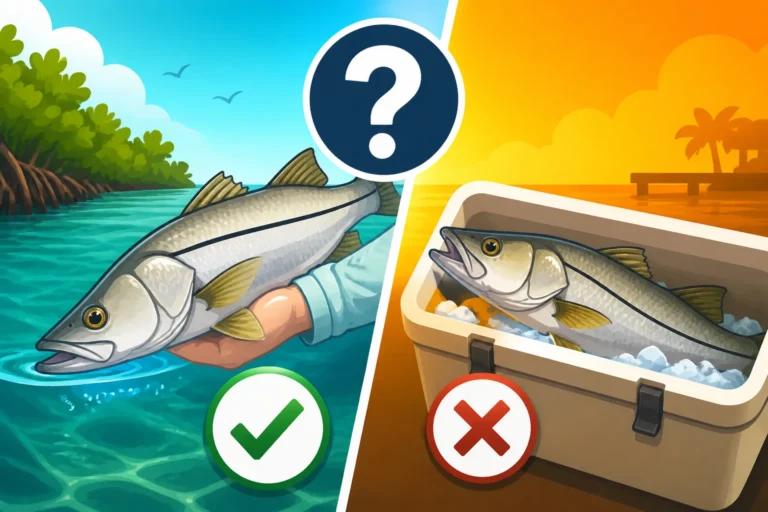
Adhering to size and bag limits is just one part of responsible angling. Practicing good catch-and-release techniques for undersized fish or those you don't intend to keep is equally important. When releasing a fish, try to handle it as little as possible, and always with wet hands to protect its slime coat. Use a dehooking tool to quickly remove hooks, especially circle hooks that typically set in the corner of the mouth. If a fish is deeply hooked, cut the line as close to the hook as possible rather than trying to remove it forcefully.
Furthermore, minimizing stress on the fish is key. Don't hold fish out of the water for extended periods for photos, especially in warm weather. If a fish appears lethargic upon release, gently place it headfirst into the water and move it back and forth to force water over its gills until it regains strength and swims away on its own. Avoiding areas where large numbers of spawning fish are aggregated can also help conserve populations. By being mindful of these practices, we ensure that the thrilling experience of catching mangrove snapper remains a cherished part of Florida's fishing heritage for years to come.
Cleaning and Cooking Your Mangrove Snapper
Congratulations, you've caught some beautiful mangrove snapper! Now for the truly rewarding part: preparing them for a delicious meal. Mangrove snapper are highly prized for their firm, white, flaky meat and mild flavor, making them one of the best eating fish in Florida.
Filleting and Preparation Tips
The first step after a successful fishing trip is properly cleaning your catch. For mangrove snapper, filleting is the most common and efficient method. You'll need a sharp fillet knife, a sturdy cutting board, and plenty of fresh water.
Step-by-Step Filleting Guide:
- Rinse: Thoroughly rinse the fish to remove any slime or loose scales.
- First Cut (Behind the Gills): Lay the fish on its side. Make a diagonal cut behind the pectoral fin and gill plate, cutting down until you feel the backbone. Don't cut through the backbone.
- Second Cut (Along the Top): Turn your knife flat and cut along the top of the backbone, working from the head towards the tail. Keep the knife blade pressed firmly against the bone to maximize meat yield.
- Rib Cage Separation: Once you reach the tail, don't cut through. Instead, flip the fillet over so the skin side is down but it's still attached at the tail. Now, carefully slice the meat away from the rib cage, following the curve of the ribs.
- Skinning the Fillet: Lay the fillet skin-side down. Hold the tail end of the skin firmly with one hand. Angle your knife slightly downwards and begin slicing the meat away from the skin, working slowly towards the head. Keep the knife blade pressed against the skin.
- Repeat: Flip the fish over and repeat the process for the second fillet.
- Trim: Inspect your fillets for any remaining bones (pin bones can sometimes be found along the lateral line – use pliers to pull them out if present) or dark bloodline, and trim them away. Rinse the fillets thoroughly in cold water and pat dry.
Proper care after cleaning is essential. Keep your fillets on ice or refrigerate them immediately. Fresh snapper should be cooked within a day or two for the best flavor, or you can vacuum seal and freeze them for later enjoyment.
Delicious Ways to Enjoy Your Catch
Mangrove snapper's mild, sweet flavor and firm texture make it incredibly versatile in the kitchen. Here are a few popular and delicious ways to prepare it:
- Pan-Seared or Fried: This is a classic for a reason. Lightly dredge the fillets in seasoned flour or cornmeal, then pan-sear in olive oil or butter until golden brown and flaky. A simple squeeze of lemon juice and a sprinkle of fresh parsley is all you need. If you're looking for a crispy, fried fish sandwich, this is your go-to method.
- Baked or Broiled: For a healthier option, bake or broil the fillets. Place them on a baking sheet, drizzle with olive oil, season with salt, pepper, garlic powder, and paprika. You can also add some diced tomatoes, herbs, or a pat of butter. Bake at 375°F (190°C) for 12-15 minutes or broil for 8-10 minutes, until cooked through and flaky.
- Grilled: Grilling imparts a wonderful smoky flavor. Brush the fillets with olive oil, season, and place them on a medium-hot grill. Cook for about 4-6 minutes per side, being careful not to overcook. Using a fish basket can help prevent sticking and breaking.
- Fish Tacos: Flaked, seasoned snapper meat is fantastic in tacos. Prepare it grilled, pan-seared, or baked, then shred and serve in warm tortillas with your favorite toppings like cabbage slaw, pico de gallo, avocado crema, and a squeeze of lime.
- Snapper Ceviche: For a refreshing, no-cook option, ceviche is perfect for ultra-fresh snapper. Dice the raw fillets into small cubes, marinate in lime juice with red onion, cilantro, and jalapeño until the fish "cooks" in the acid (turns opaque). Serve with tortilla chips.
No matter how you choose to prepare it, mangrove snapper is a culinary delight that perfectly caps off a successful day of fishing in Florida.
| Method | Preparation Time | Cook Time | Best For | Key Tip |
|---|---|---|---|---|
| Pan-Seared | 5 minutes | 10-12 minutes | Quick, crispy fillets | Don't overcrowd the pan; cook in batches. |
| Baked | 5 minutes | 12-15 minutes | Healthy, easy cleanup | Add vegetables for a one-pan meal. |
| Grilled | 5 minutes | 8-12 minutes | Smoky flavor, outdoor cooking | Use a fish basket or foil to prevent sticking. |
| Fish Tacos | 10 minutes | 10-15 minutes | Casual, flavorful meal | Serve with fresh, vibrant toppings. |
| Ceviche | 15 minutes | 15-30 mins (marinating) | Light, refreshing, no-cook | Use only the freshest, sushi-grade snapper. |
Mangrove snapper truly offers the best of both worlds: a thrilling catch and a delicious meal. With the right knowledge and a little practice, you'll be a pro in no time.
Disclaimer
This article is for general informational purposes only and does not constitute professional advice. Laws, prices and regulations vary by location and change over time. Consult a qualified professional for guidance on your specific situation.