Florida Fishing License for Out-of-State Visitors
Planning a fishing trip to the Sunshine State is incredibly exciting, but the minute you start looking into the rules, the question of "Do I need a fishing license if I'm not from here?" can quickly become a tangled mess. It's a common source of confusion for out-of-state visitors, and frankly, it's not always straightforward. This comprehensive guide is here to untangle those knots, breaking down everything you need to know about securing a Florida fishing license as a non-resident, ensuring your trip is filled with fish, not fines.
Understanding Florida's Fishing License Requirements for Visitors
Florida's waters, both fresh and salt, are teeming with incredible fishing opportunities. From battling a trophy largemouth bass in a pristine freshwater lake to reeling in a powerful snook in the brackish estuaries, there's something for every angler. However, this natural abundance comes with responsibilities, primarily in the form of regulations designed to protect these precious resources for generations to come.
Why Out-of-State Anglers Need a License
It might feel a bit unfair to pay for a license when you're just visiting, but think of it this way: your license fees are directly contributing to the conservation efforts that keep Florida's fisheries healthy and vibrant. The Florida Fish and Wildlife Conservation Commission (FWC) manages these vast ecosystems, and the revenue from licenses helps fund critical research, habitat restoration, enforcement, and public access projects. So, whether you're a Florida resident or an out-of-state visitor, participating in fishing means contributing to its future.
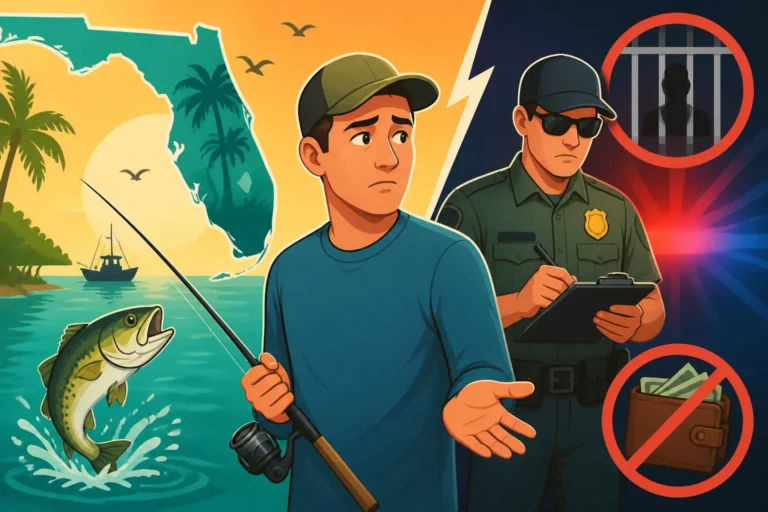
For any non-resident aged 16 or older, a valid Florida fishing license is generally required to take, attempt to take, or possess freshwater or saltwater fish. This rule applies almost universally, whether you're casting from a public dock, wading a shallow flat, or heading offshore on your own boat. Ignoring this requirement can lead to significant penalties, including hefty fines and even confiscation of your gear, which is definitely not the kind of souvenir you want to take home from your Florida vacation. So, before you even think about wetting a line, make sure you understand who needs a fishing license in Florida.
Differentiating Freshwater and Saltwater Licenses
One of the biggest hurdles for out-of-state anglers is understanding that Florida distinguishes between freshwater and saltwater fishing licenses. Unlike some states where a single license covers all types of fishing, Florida requires separate licenses for each environment, or a combination license that covers both. This distinction is crucial because the species you're targeting and the regulations governing them are entirely different.
If your Florida adventure involves battling bass, crappie, or panfish in lakes like Okeechobee or the St. Johns River, you'll need a freshwater fishing license. On the other hand, if you're dreaming of redfish, snook, trout, or heading out into the Gulf or Atlantic for snapper and grouper, a saltwater fishing license is your ticket. Many visitors come to Florida hoping to experience both worlds, so it's essential to plan accordingly. Trying to use a freshwater license for saltwater fishing, or vice-versa, is just as unlawful as not having any license at all. Make sure to consult the specific Florida freshwater fishing license rules and Florida saltwater fishing license rules depending on where you plan to cast your line.
Age Requirements and Exemptions for Non-Residents
Just like residents, there are specific age requirements for non-resident anglers in Florida. Generally, anyone 16 years of age or older needs a license. This means that if you're bringing teenagers on your fishing trip, and they've hit that sweet sixteen mark, they'll need their own license. Kids under 16, however, are in luck! They can fish without a license, which is fantastic for family trips and getting the younger generation hooked on fishing.
There are also a few specific exemptions that can sometimes apply to non-residents, though they are less common than for residents. For example, if you're fishing from a pier that has a valid pier fishing license covering all patrons, you might not need an individual license. Similarly, if you're on a licensed charter boat, your individual license might be covered under the boat's license. However, always double-check with the pier or charter captain beforehand to confirm. It's always better to be safe than sorry, and it avoids any potential misunderstanding with law enforcement. You can read more about Florida fishing license age requirements to be absolutely sure.
Types of Florida Fishing Licenses Available for Non-Residents
Florida understands that visitors come for varying lengths of time, from a quick weekend getaway to an extended snowbird stay. Because of this, the state offers several non-resident fishing license options to accommodate different travel plans and fishing desires. This flexibility is great, but it can also make choosing the right license a bit tricky.
Short-Term vs. Annual Options for Saltwater and Freshwater
For many out-of-state visitors, a short-term license is the most practical and cost-effective choice. Florida offers non-resident licenses for 3 days or 7 days, which are perfect for a brief fishing vacation. These short-term options are available for both freshwater and saltwater separately, so you'll need to decide which type of fishing you'll be doing. If you plan to fish for a week or longer, or if you're a frequent visitor who makes multiple fishing trips to Florida throughout the year, an annual non-resident license often makes more financial sense.
It's important to do a little math before you buy. If you're staying for 10 days and plan to fish every day, two 7-day licenses might be more expensive than one annual license. If you're only coming for a long weekend, a 3-day license will suit you just fine. These short-term fishing license options offer great flexibility, but remember they are specific to either freshwater or saltwater unless you opt for a combination.
Combination Licenses: The Best of Both Worlds?
If you're like many anglers who visit Florida, you're probably eager to experience both the thrill of freshwater angling and the excitement of saltwater fishing. The good news is, you don't have to buy two separate annual licenses. Florida offers a combination freshwater and saltwater fishing license for non-residents. This is often the most convenient and sometimes the most economical choice if you plan to explore both environments.
A combination license simplifies things immensely – one purchase, one document, and you're covered for both types of fishing for the duration of your chosen license (3-day, 7-day, or annual). This is particularly appealing for visitors staying in central Florida, where access to both world-class bass fishing lakes and coastal saltwater flats is often just a short drive away. Always compare the Florida combination freshwater and saltwater license cost against buying individual licenses to see which option provides the best value for your specific trip.
Additional Permits for Specific Species (Snook, Lobster, etc.)
While your base freshwater or saltwater license covers most general species, Florida has specific regulations for certain highly sought-after fish and invertebrates. If you plan on targeting snook or lobster, for example, you'll need to purchase additional permits on top of your standard saltwater fishing license. These permits are crucial for managing these valuable populations and ensuring their sustainability.
The snook permit is a classic example. Snook are prized game fish, known for their powerful fights and delicious meat. To legally harvest a snook when the season is open, you must have a valid saltwater fishing license and a snook permit. Similarly, if you're keen on diving for spiny lobster during the popular mini-season or regular season, you'll need a valid saltwater fishing license and a lobster permit. These special permits usually come with a nominal fee and are available for both residents and non-residents. Always check the current Florida snook permit requirements and Florida lobster permit requirements before your trip, as seasons and rules can change.
How and Where to Purchase Your Florida Fishing License
Getting your Florida fishing license doesn't have to be a complicated scavenger hunt. The FWC has made the process quite accessible, whether you prefer the convenience of online shopping or the personal touch of an in-person transaction. Knowing your options ahead of time will save you valuable fishing time once you arrive.
Online Purchases Through FWC's Go Outdoors Florida
The easiest and most recommended way for out-of-state visitors to purchase a Florida fishing license is online through the official FWC website, specifically the "Go Outdoors Florida" platform. This digital portal is user-friendly and allows you to buy your license from the comfort of your home before you even pack your bags. All you need is internet access, a valid ID, and a credit card.
Once purchased, you can often print a temporary license immediately or simply save a digital copy to your phone. This method eliminates the need to find a retail location upon arrival, giving you more time to enjoy your vacation. The Go Outdoors Florida app is also a fantastic resource, allowing you to not only purchase licenses but also check regulations, report harvests, and even view your license digitally. Many anglers find the ease of use of the Florida GoOutdoors App Fishing License invaluable.
In-Person Locations: Retailers and Tax Collector Offices
If you prefer to buy your license in person, or if you simply forget to do it online before you leave, don't worry! There are numerous physical locations across Florida where you can purchase your fishing license. Major sporting goods retailers like Bass Pro Shops and many Walmart locations have dedicated counters or customer service desks where you can buy licenses. These spots are often convenient as they're typically near popular fishing areas or along major travel routes.
Beyond big-box stores, many local bait and tackle shops throughout Florida also sell fishing licenses. These smaller, independent shops are often a treasure trove of local knowledge, and the folks behind the counter can provide invaluable tips on what's biting and where. Additionally, county tax collector offices sometimes offer license sales. While they might not be as numerous or as conveniently located as the retail options, they are a reliable government source. For more options, check out where to buy a Florida fishing license near you.
Digital vs. Physical License: What to Carry
Once you've bought your license, you might wonder if you need a physical printout or if a digital version on your phone is sufficient. Florida law allows you to carry proof of your license digitally on a mobile device. This means you can show your license on your smartphone or tablet if requested by a law enforcement officer. This is incredibly convenient, as it's one less piece of paper to worry about losing in the humidity or getting wet on the boat.
However, a word of caution: technology can fail. Batteries die, screens crack, and sometimes signals disappear in remote areas. It's always a good idea to have a backup plan. Many experienced anglers prefer to have a screenshot of their digital license, or even a small printed copy stored in a waterproof bag, just in case. While you can use a digital fishing license on your phone in Florida, having a physical backup is never a bad idea, especially if you plan to be out on the water all day.
Costs Associated with Non-Resident Fishing Licenses
Budgeting for a fishing trip involves more than just gas, bait, and accommodations. Understanding the costs of your Florida fishing license is crucial, especially for non-residents, as the fees are typically higher than for state residents. Don't let a surprise fee catch you off guard – know what to expect.
Breakdown of Short-Term and Annual License Fees
The cost of a non-resident Florida fishing license varies depending on the duration and the type of fishing you plan to do. Generally, you'll find options for 3-day, 7-day, and annual licenses, each available for freshwater, saltwater, or as a combination.
Here's a general breakdown of non-resident license costs (prices are subject to change, so always verify on the FWC website):
| License Type | Freshwater Cost (Approx.) | Saltwater Cost (Approx.) | Combination Cost (Approx.) |
|---|---|---|---|
| 3-Day Non-Resident | $17.00 | $17.00 | N/A (buy individually) |
| 7-Day Non-Resident | $30.00 | $30.00 | N/A (buy individually) |
| Annual Non-Resident | $47.00 | $47.00 | $79.00 |
As you can see, purchasing individual 3-day or 7-day licenses for both freshwater and saltwater can quickly add up. If you're planning an extended trip or multiple trips within a year, the annual non-resident combination license often presents the best value. This table provides a quick reference, but for the most current figures, always check the FWC site. You can also explore the Florida 3-day nonresident fishing license cost and Florida 7-day nonresident fishing license cost for specific details on those short-term options.
Costs for Specialty Permits and Add-ons
Beyond the base fishing license, remember that specialty permits for species like snook and lobster come with their own separate fees. These permits are typically an additional $10 each, regardless of whether you're a resident or non-resident. These are flat fees added to your existing saltwater license.
For example, if you're an out-of-state angler looking to fish for snook for a week, your cost would be a 7-day non-resident saltwater license plus the snook permit. These additional permits ensure that specific conservation efforts for these popular species are adequately funded. Always factor these into your budget if you plan on targeting these particular fish. Reviewing the Florida snook permit cost and requirements or Florida lobster permit cost and requirements will give you the precise figures you need.
Comparing Non-Resident Costs to Resident Options
It's no secret that non-resident fishing licenses in Florida are more expensive than resident licenses. This is a common practice in many states, as residents typically contribute to the state's economy and conservation efforts in various other ways, such as through property taxes or sales taxes on goods purchased within the state.
For example, a Florida resident annual saltwater fishing license might be around $17, while a non-resident annual saltwater license is $47. The difference is substantial, and it's something every out-of-state visitor should be aware of. It simply underscores the importance of correctly identifying your residency status when purchasing a license. Attempting to purchase a resident license when you are not eligible could lead to serious legal consequences, so always be truthful about your status to avoid issues like the penalty for fishing without a license in Florida.
Common Questions and Scenarios for Out-of-State Anglers
Florida's diverse landscape offers countless fishing opportunities, but this also means various specific scenarios can raise questions about license requirements. Out-of-state visitors often have unique concerns, and it's important to address them to ensure a smooth, legal fishing experience.
Fishing from Piers, Shorelines, or Charter Boats
One of the most frequently asked questions from out-of-state visitors concerns license requirements for different fishing access points. Many come to Florida hoping to fish from its beautiful beaches, extensive piers, or by hiring a local captain.
- Fishing from Piers: If you're fishing from a public pier that has obtained a valid "pier fishing license" that covers all patrons, you generally do not need an individual Florida fishing license. Many popular fishing piers, especially along the coasts, carry such a license. However, not all do, so it's absolutely crucial to check with the specific pier management before you cast a line. If the pier doesn't hold a blanket license, you'll need your own saltwater license. For more details, explore do you need a license to fish from a Florida pier?.
- Fishing from Shorelines/Beaches: If you're fishing directly from the shoreline, a beach, or a bridge that doesn't have a pier license, then yes, you absolutely need your own individual saltwater fishing license (or freshwater, if you're on a lake or river bank). There isn't a blanket exemption for simply being on land and casting into public waters.
- Fishing from Charter Boats: This is a fantastic option for visitors, as licensed Florida fishing charter operations typically cover the state fishing license requirements for everyone on board. This means you don't usually need your own individual license if you're fishing on a for-hire vessel with a valid FWC charter license. However, always confirm this with your charter captain when booking, as rules can vary slightly depending on the type of charter (e.g., inshore vs. offshore) and the specific species being targeted (you might still need special permits for snook or lobster, even on a charter). You can delve deeper into Florida charter boat fishing license rules.
Rules for Cruise Ship Passengers and RV Travelers
Florida is a major port for cruise lines and a popular destination for RV enthusiasts, and both groups often include anglers eager to wet a line during their visit.
- Cruise Ship Passengers: If you're arriving in Florida as a cruise ship passenger and want to fish during a port stop, the same rules apply as for any other out-of-state visitor. If you plan to fish from shore, a private boat, or any location not covered by a blanket license (like a charter), you'll need your own Florida fishing license. The duration of your stay will dictate whether a 3-day, 7-day, or annual non-resident license is appropriate. Don't assume your cruise fare covers fishing permits – it almost certainly does not. Specific details for these visitors are often found under cruise ship passenger fishing license rules in Florida.
- RV Travelers/Snowbirds: Many RV travelers and "snowbirds" (seasonal residents) spend extended periods in Florida, making the annual non-resident license a very popular choice. Even if you consider yourself a temporary resident, for licensing purposes, if you don't meet the strict criteria for Florida residency (which typically involves establishing domicile and often requires a Florida driver's license), you'll still be considered a non-resident. These extended visitors often find the annual combination license to be the most practical. For more detailed insights, you might look into RV traveler fishing license rules in Florida.
Consequences of Fishing Without a Valid License
This is perhaps the most critical point for any out-of-state visitor. Fishing without a valid license in Florida is a violation of state law, and the consequences can be more severe than you might expect. This isn't just a slap on the wrist; it can significantly impact your vacation budget and experience.
An FWC officer or local law enforcement official can issue a citation, which typically carries a substantial fine. These fines can easily exceed the cost of an annual license, sometimes reaching hundreds of dollars, plus court costs. In more serious cases, especially for repeat offenses or if other violations are involved (like exceeding bag limits or taking prohibited species), your fishing equipment (rods, reels, even your boat) could be confiscated. Furthermore, getting a citation could potentially affect your ability to get future licenses or even lead to legal proceedings. It's simply not worth the risk. Always ensure you have your proper Florida fishing license. If you're curious about the specifics, you can check what happens if you fish without a license.
Tips for a Smooth Fishing Trip as an Out-of-State Visitor
Coming to Florida for a fishing trip should be an incredible experience, not a stressful one. As an out-of-state visitor, a little extra preparation can go a long way in ensuring your trip is hassle-free and full of tight lines. Beyond just the license, consider these practical tips to maximize your enjoyment.
Researching Local Regulations and Bag Limits
Having a license is just the first step. Florida's fishing regulations are extensive and can vary by region, season, and even specific body of water. Species like redfish, snook, and spotted seatrout have specific slot limits (a minimum and maximum size you can keep) and bag limits (how many you can keep per day). These rules are in place to manage fish populations and often change based on scientific assessments, so what was legal last year might not be this year.
Before you head out, familiarize yourself with the FWC's current Florida fishing regulations and bag limits for the specific area you'll be fishing and the species you hope to catch. The FWC website and the Go Outdoors Florida app are invaluable resources for this. You can even find waterproof regulation cards at bait shops or through online retailers like Amazon that you can keep in your tackle box for quick reference. Knowing the rules not only keeps you legal but also contributes to the sustainability of Florida's fisheries. Don't be "that" angler who keeps an undersized fish – it's just not cool and can lead to trouble.
Essential Gear and Supplies to Consider
While your fishing license is paramount, having the right gear is what makes the experience enjoyable. As an out-of-state visitor, you might be traveling light, so planning your tackle is key. Florida's diverse fishing environments call for different setups, but here are some general considerations:
- Sun Protection: The Florida sun is no joke, even on cloudy days. Pack high-SPF sunscreen, polarized sunglasses, a wide-brimmed hat, and lightweight, long-sleeved fishing shirts with UPF protection. You can find excellent options for all of these on Amazon.
- Appropriate Footwear: If you're planning on wading or fishing from a boat, water-resistant shoes with good grip are essential. For beach or pier fishing, sandals or comfortable athletic shoes might suffice.
- Hydration: Bring plenty of water. It gets hot and humid, and staying hydrated is critical for safety and enjoyment. A good cooler, easily found at sporting goods stores or online, is a must.
- Tackle for Target Species: If you're coming for bass, ensure you have freshwater rods, reels, and lures. For saltwater, light tackle setups suitable for inshore species or heavier gear for offshore adventures are necessary. Most local bait shops carry a good selection of lures and live bait specific to what's biting in their area.
- First-Aid Kit: A small, waterproof first-aid kit for minor cuts, scrapes, or hook mishaps is always a smart addition to your gear.
Many visitors choose to rent gear or buy basic tackle once they arrive to save on luggage space. Whatever you choose, make sure you're prepared for the conditions.
Protecting Florida's Natural Resources
As a visitor, you play a vital role in helping to protect Florida's incredible natural resources. Your fishing license fees are a direct contribution, but your actions on the water are just as important. Practicing responsible angling ensures that future generations, and future visitors, can enjoy the same opportunities you do.
This includes adhering to catch-and-release best practices for any fish you don't plan to keep, especially for sensitive species or those near slot limits. Handle fish gently, minimize their time out of the water, and use appropriate de-hooking tools. Always dispose of your trash properly; never leave fishing line, bait containers, or food wrappers in the water or on shore. Adhere to all no-wake zones and protect sensitive habitats like seagrass beds. By fishing ethically and respectfully, you're not just following the rules; you're becoming a steward of Florida's unique aquatic environments, leaving them better for everyone.
Disclaimer
The information provided in this guide is for general informational purposes only and does not constitute legal advice. Fishing regulations and license requirements in Florida can change. Always consult the official Florida Fish and Wildlife Conservation Commission (FWC) website or contact them directly for the most current and accurate information before engaging in any fishing activities.