What Happens If You Fish Without a License
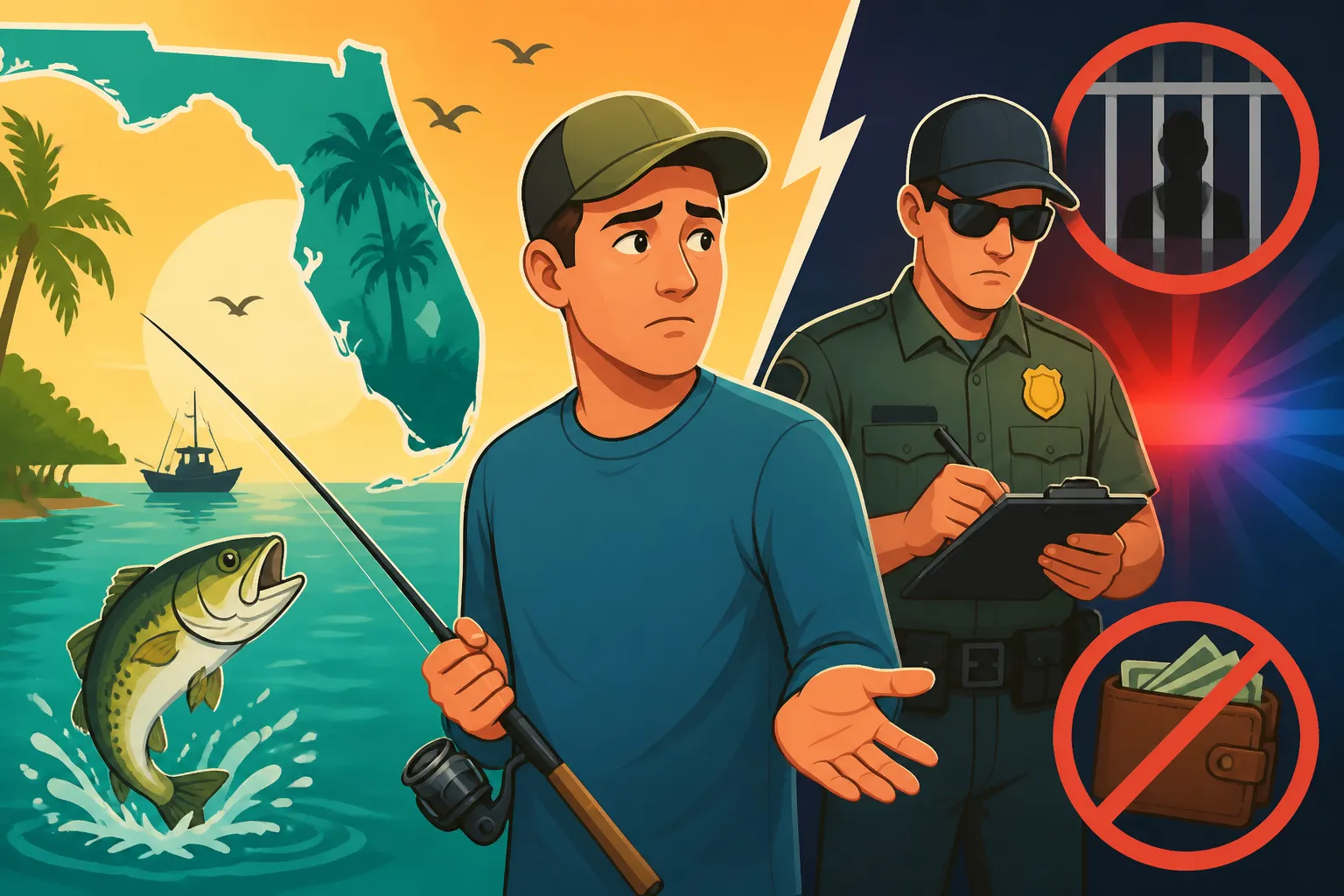
There’s nothing quite like a peaceful day out on the water, rod in hand, feeling that classic Florida sunshine on your face. But imagine this: you’re reeling in a beautiful catch, feeling that surge of excitement, when suddenly a law enforcement vessel pulls up. Your heart drops. Did you remember your fishing license? This guide is going to walk you through exactly what happens if you find yourself fishing in Florida without the proper authorization, the penalties you might face, and most importantly, how to avoid this stressful situation altogether.
The Immediate Fallout: Fines, Penalties, and More
Getting caught fishing without a license in Florida isn’t just a minor inconvenience; it can quickly turn your relaxing day into a serious legal hassle. Enforcement officers with the Florida Fish and Wildlife Conservation Commission (FWC), local sheriff's offices, and even the U.S. Coast Guard have the authority to check for valid licenses, and they take their job seriously. The consequences can range from a significant financial penalty to the loss of your fishing gear.
Understanding the Cost of a Violation
The most common immediate consequence of fishing without a license is a fine. In Florida, recreational fishing license violations are typically considered a second-degree misdemeanor. While that might sound intimidating, for a first offense of simply not having a valid license, it usually results in a civil penalty or a citation, not immediate arrest. However, the fine itself can be substantial.
Historically, a first-time offense for fishing without a license in Florida could set you back around $50, plus court costs and fees, often totaling over $100 or even $200 depending on the county. This amount can increase significantly if you're cited for other related offenses at the same time, such as exceeding bag limits or fishing out of season. It’s a lot more expensive than just buying the license in the first place, which is a common frustration for many anglers who simply forgot or didn't realize they needed one. You can find detailed information about the financial implications in our guide on Florida Fishing License Costs and Fees.
Equipment Confiscation and Property Seizure
While less common for a simple first-time license infraction, especially if you're cooperative, law enforcement officers do have the authority to confiscate your fishing equipment. This can include your rods, reels, tackle, and even your catch. Imagine losing that brand new rod and reel combo you just bought, along with the fish you worked so hard to land. This is a real possibility, especially if the violation is severe, repeated, or combined with other serious offenses like illegal harvesting of protected species.
In more extreme cases, particularly involving commercial-level poaching or significant multiple violations, vessels and vehicles used in the commission of the crime can also be subject to seizure. While this is unlikely for a recreational angler simply forgetting a license, it underscores the gravity with which fishing regulations are viewed. Officers have discretion, but it’s always better to be in compliance than to risk losing your valuable gear.
The Disruption to Your Day
Beyond the financial hit and potential loss of gear, there's the immediate disruption to your fishing trip. Getting stopped, questioned, and issued a citation can take a significant amount of time out of your day. It’s embarrassing, frustrating, and immediately sours what was supposed to be a relaxing escape. No one wants to spend their precious leisure time dealing with law enforcement, explaining themselves, or sitting on the side of the road or water while paperwork is processed.
For many, fishing is a way to de-stress, connect with nature, and enjoy time with family and friends. A violation instantly shatters that tranquility. Even if you ultimately pay the fine and move on, the memory of that unpleasant encounter can linger, diminishing the joy of future trips. It's a stark reminder that ignorance of the law is never an excuse, and personal responsibility is paramount when enjoying Florida's natural resources.
Here's a quick overview of potential penalties for fishing without a license, keeping in mind these are general guidelines and can vary by specific circumstances and judicial discretion:
| Violation Type | Typical Charge (Florida) | Common Fine Range (First Offense) | Additional Consequences (Potential) |
|---|---|---|---|
| Fishing without a valid license | Second-degree misdemeanor (citation) | $50 – $200+ (plus court costs) | Confiscation of catch, possible confiscation of gear |
| Fishing out of season | Second-degree misdemeanor | $100 – $500+ (plus court costs) | Confiscation of catch, gear, potential loss of fishing privileges |
| Exceeding bag limits | Second-degree misdemeanor | $100 – $500+ (per fish/violation) | Confiscation of catch, gear, potential loss of fishing privileges |
| Illegal harvest of protected species | First-degree misdemeanor or felony | $500 – $5,000+ (plus court costs) | Confiscation of all gear, vessel, jail time, permanent fishing ban |
Beyond the Ticket: Deeper Legal and Practical Repercussions
While a simple forgotten license might lead to a fine and a bad day, repeated offenses or more serious violations can escalate quickly. The legal system in Florida has mechanisms to deal with anglers who consistently disregard regulations, and the long-term consequences can be far more impactful than a single ticket.
Potential for Criminal Charges
As mentioned, fishing without a license is categorized as a second-degree misdemeanor in Florida. While many first-time offenses are handled as civil infractions, the classification means that, technically, you could face criminal charges. A second-degree misdemeanor carries a maximum penalty of 60 days in jail and a $500 fine. While jail time for a single forgotten license is highly improbable, especially for a cooperative individual with no prior record, it's a possibility that looms for repeat offenders or those who are uncooperative with law enforcement.
If you are also found to be engaging in other illicit activities, such as commercial harvesting without the proper commercial licenses, selling illegally caught fish, or poaching endangered species, the charges can quickly escalate to first-degree misdemeanors or even felonies, which carry much more severe penalties, including significant jail time and massive fines. It’s a slippery slope, and understanding What Happens If You Fish Without a License often involves knowing these potential severe outcomes.
Impact on Future Fishing Privileges
One of the most disheartening consequences for a true angler can be the suspension or revocation of fishing privileges. If you accumulate multiple violations or commit a particularly egregious offense, the FWC has the authority to suspend your ability to obtain a fishing license for a period of time, or even permanently in extreme cases. This means you wouldn't be able to legally fish in Florida waters, regardless of whether you’re a resident or a visitor, even if you wanted to buy a license.
Imagine being told you can't fish for a year or more, especially if fishing is a major part of your lifestyle or how you unwind. It’s a penalty that cuts deep for those who cherish their time on the water. This loss of privilege often comes after a court appearance or administrative hearing, where your past record and the severity of the offense are taken into consideration.
The Stress and Embarrassment
Beyond the legal and financial ramifications, there's the very real human toll of stress and embarrassment. Being cited or arrested can be a deeply humiliating experience, especially if you’re with family or friends. Explaining to your kids why the trip was cut short, or facing the judgment of your peers, can be tough. The anxiety of potentially going to court, the inconvenience of paying fines, and the worry about how it might affect your record are all very real stressors.
This isn't just about avoiding a ticket; it's about preserving your peace of mind and your reputation. Anglers are generally a respectful and conservation-minded community, and being known as someone who disregards regulations can damage your standing within that community. It simply isn't worth the risk for the sake of buying an inexpensive license.
Prevention is Key: How to Ensure You're Always Licensed
The best way to avoid all these unpleasant scenarios is, quite simply, to make sure you're always properly licensed before you cast a line. Florida has made it incredibly easy to obtain a fishing license, and there are many resources available to help you understand the requirements. Don't let a momentary lapse or misunderstanding ruin your day.
Easy Ways to Purchase Your License
Gone are the days when you had to track down a specific government office during limited hours. Today, buying a Florida fishing license is more convenient than ever. The quickest and most popular method is to purchase your license online directly through the FWC's GoOutdoorsFlorida website. You can do this from your computer, tablet, or even your smartphone right before you head out. This way, you can instantly get a digital copy that serves as your proof of license. For more details, check out our guide on How to Buy a Fishing License Online.
If you prefer an in-person transaction, licenses are readily available at hundreds of locations across the state. These include most bait and tackle shops, sporting goods stores like Bass Pro Shops and Academy Sports + Outdoors, Walmart locations, and even county tax collector's offices. You can use our resource on Where to Buy a Florida Fishing License Near You to find a convenient location. Just remember to bring a valid ID and, if you're a Florida resident, proof of residency.
Knowing Your Exemptions and Requirements
While most recreational anglers need a license, Florida does have specific exemptions. It's crucial to understand if you fall into one of these categories. For instance, children under 16 years of age do not need a license. Florida residents who are 65 years or older can often obtain a free license or are entirely exempt under certain conditions, as detailed in Do Seniors Need a Fishing License in Florida?. There are also exemptions for those fishing from a pier with a valid pier license, or during designated Florida Free Fishing Days.
Understanding Who Needs a Fishing License in Florida is the first step. Florida distinguishes between freshwater and saltwater licenses, and often, you'll need both if you plan to fish in different environments. Some species, like snook and lobster, require additional permits on top of your base license. Always make sure you know exactly what kind of fishing you'll be doing and what licenses and permits that entails.
Staying Informed About Regulations
Beyond just having a license, it’s vital to understand the current fishing regulations, bag limits, and seasons for the species you intend to target. These rules can change, sometimes annually, and vary by region. For example, Florida Snook Season Guide and Florida Red Snapper Season Guide highlight how seasons can impact your ability to keep certain fish.
The FWC publishes an annual recreational fishing regulations handbook, which is an invaluable resource. You can pick up a physical copy at many license vendors or download a digital version from the FWC website. There’s also the Florida GoOutdoors App, which can store your license and provide quick access to current regulations right on your phone. Keeping informed, perhaps by occasionally checking resources on platforms like Amazon for the latest FWC regulation guides or related publications, ensures you’re not only licensed but also fishing legally and responsibly.
When the Rules Get Tricky: Common Misconceptions and Special Circumstances
Florida's fishing rules can sometimes feel a bit like a tangled line, especially for newcomers or those visiting from out of state. There are many scenarios where anglers mistakenly believe they don't need a license, only to find themselves in hot water. Let's clear up some of those common confusions.
Fishing from a Pier or Charter
This is one of the most frequent areas of misunderstanding. Many anglers assume that if they're fishing from a licensed pier or on a charter boat, they don't need their own individual license. This isn't always the case, and the rules vary.
- Public Fishing Piers: Some public fishing piers in Florida operate under a blanket pier license, meaning anyone fishing from that specific pier does not need an individual recreational fishing license. However, not all piers have this, and it's essential to confirm with the pier management or look for signage. If a pier does not have a valid pier license, every individual fishing there will need their own. Always double-check!
- Charter Boats and For-Hire Vessels: Generally, if you are fishing from a for-hire vessel (like a charter boat or head boat) that has a valid vessel license, you are covered and do not need your own individual recreational fishing license. This is a huge convenience for tourists and occasional anglers. However, this only applies while you are on that specific vessel and fishing under the captain's license. If you leave the charter and decide to fish from shore later, you'll need your own license. Our guide on Florida Charter Boat Fishing License Rules goes into more detail.
Private Ponds and Property Lines
Another common misconception revolves around private property. Many people believe that if they are fishing in a pond or lake entirely enclosed within private property, they don't need a license. In Florida, this is largely true, but with important caveats:
- Wholly Enclosed Private Waters: If a pond or lake is entirely within the boundaries of private land, and there is no public access to it, and no fish can ingress or egress from other public waters, then you generally do not need a state fishing license to fish there. This includes many farm ponds or retention ponds within gated communities.
- Connecting Waters: The moment that private pond or lake has a connection, however small or seasonal, to any public waters (like a canal, river, or even a ditch that drains into one), then it is no longer considered "wholly enclosed" and a state fishing license is required. This is a crucial distinction that trips up many anglers. Always assume a license is needed unless you are absolutely certain the water body is completely isolated from all public access and other waterways. Our piece on Florida Private Pond and Farm Pond Fishing Rules offers a deeper dive into this specific area.
Age and Residency Considerations
Florida has clear guidelines based on age and residency, which can lead to confusion if not properly understood.
- Age Requirements: As mentioned, children under 16 years of age are exempt from needing a Florida fishing license. This is fantastic for encouraging youth participation in fishing. However, once a child turns 16, they are considered an adult in the eyes of fishing regulations and must obtain the appropriate license. For non-residents, the same age rule generally applies. You can read more about Florida Fishing License Age Requirements to ensure you're compliant.
- Residency Proof: Florida residents pay significantly less for licenses than non-residents. However, you must be able to prove your residency. This typically involves having a valid Florida driver's license or ID card for at least six months, or other documentation like voter registration, homestead exemption, or declaration of domicile. Simply owning property in Florida or having a Florida mailing address might not be enough if you don't meet the specific residency criteria. Many "snowbirds" or seasonal residents mistakenly buy a resident license without meeting the legal definition, which could lead to a violation if challenged.
The Bigger Picture: Why Fishing Licenses Matter for Florida's Future
While getting caught without a license can be a real headache, it's important to understand why these regulations exist in the first place. Fishing licenses aren't just a government formality or a way to collect revenue; they are a critical component of conservation and sustainable management of Florida's incredible aquatic resources.
Funding Conservation Efforts
Perhaps the most significant reason for fishing license requirements is the direct funding they provide for conservation. The revenue generated from the sale of fishing licenses in Florida goes directly into programs managed by the FWC. This money is vital for a wide array of activities, including:
- Habitat Restoration: Protecting and restoring vital fish habitats, such as seagrass beds, mangrove forests, and freshwater springs, which are crucial nurseries and feeding grounds.
- Fish Stocking: In freshwater systems, license fees help fund stocking programs to enhance fish populations, ensuring there are plenty of fish for future generations.
- Research and Management: Scientists use these funds to study fish populations, understand their migratory patterns, assess health, and inform management decisions like setting bag limits and seasons.
- Boating Access and Facilities: A portion of the funds goes towards maintaining and improving public boat ramps, fishing piers, and other access points for anglers.
When you purchase a fishing license, you're not just buying permission to fish; you're directly contributing to the health and sustainability of the very waters and fish you love to pursue. It's an investment in the future of Florida fishing.
Maintaining Healthy Fish Populations
Licenses and the regulations they support are indispensable tools for managing fish populations. Without them, there would be chaos, overfishing, and rapid depletion of many species. The FWC uses data gathered through licensing, creel surveys, and scientific research to set bag limits, size restrictions, and open/closed seasons. Our comprehensive Florida Fishing Regulations and Bag Limits guide details these measures.
These limits are not arbitrary; they are carefully calculated to allow fish populations to reproduce, grow, and maintain healthy numbers. For example, Florida Redfish Fishing Guide details how slot limits help protect breeding-size fish. By ensuring anglers adhere to these rules (which enforcement of licenses supports), we collectively prevent overharvesting and safeguard the biodiversity that makes Florida a world-renowned fishing destination. Each license bought is a vote for responsible angling and thriving ecosystems.
Upholding Fair Play on the Water
Finally, fishing licenses contribute to a sense of order and fair play. When everyone is required to adhere to the same set of rules, it creates an equitable environment for all anglers. It prevents those who might seek to exploit the resource for personal gain from having an unfair advantage over recreational anglers who follow the law.
Enforcement of license requirements also helps to deter illegal activities such as poaching, which not only harms fish populations but also undermines the efforts of law-abiding citizens. It ensures that the opportunities to enjoy Florida's rich fishing heritage are available to everyone, fairly and sustainably. So, the next time you consider heading out, remember that getting your Florida Fishing License Guide is more than just avoiding a penalty; it's about being a responsible steward of this incredible natural treasure.
Disclaimer
The information provided in this guide is for general informational purposes only and does not constitute legal advice. Fishing regulations, laws, and penalties can change, and specific circumstances may alter outcomes. Always consult the official Florida Fish and Wildlife Conservation Commission (FWC) website or legal counsel for the most current and accurate information.