Florida Resident Fishing License Rules
It can be incredibly confusing to figure out the exact rules for fishing in Florida, especially when it comes to licenses. You’re just trying to enjoy a peaceful day on the water or from the shore, but the thought of getting caught without the right paperwork can cast a dark shadow over your plans. This comprehensive guide will demystify the Florida resident fishing license rules, ensuring you understand who needs a license, how to get one, and all the critical details to fish legally and confidently in the Sunshine State.
Understanding the Basics of Florida Resident Fishing Licenses
Florida, with its incredible diversity of freshwater lakes, rivers, and vast saltwater coastlines, offers some of the best fishing opportunities in the world. But for residents, navigating the ins and outs of fishing licenses can sometimes feel like trying to untangle a particularly stubborn fishing knot. The fundamental idea behind a resident fishing license is straightforward: it grants you the legal right to harvest fish from Florida's public waters, and it does so at a rate that acknowledges your contribution to the state's economy and infrastructure. This isn't just a bureaucratic hurdle; it's a critical component of conservation efforts.
Having a proper resident license means you’re not just an angler; you’re a stakeholder in the future of Florida’s aquatic ecosystems. It ensures that you're recognized as someone who lives here, contributes to the state, and therefore qualifies for the often significantly lower pricing compared to non-residents. Without this clear understanding, many well-intentioned residents find themselves in a bind, either overpaying for a non-resident license or, worse, fishing illegally. It’s all about making sure the incredible fishing resources we have today are still here for generations to come.
Defining Florida Residency for Fishing Licenses
So, what exactly makes you a "Florida resident" in the eyes of the Florida Fish and Wildlife Conservation Commission (FWC) when it comes to fishing licenses? It's more specific than simply owning property or vacationing here for extended periods. To qualify for a resident license, you must establish a bona fide domicile in Florida for at least six continuous months, immediately preceding your application for a license. This isn't just about having an address; it's about making Florida your primary, permanent place of abode.
Imagine a scenario: you've just moved down from Ohio in May, rented a house, and are excited to hit the water in July. While you might feel like a resident, technically, you haven't met the six-month continuous residency requirement yet. You'd still need to wait a bit longer or purchase a non-resident license until you hit that mark. The FWC requires demonstrable proof of this intent to reside permanently, which can include things like a Florida driver's license, voter registration, or declaration of domicile. They're looking for concrete evidence that you've truly planted your roots here.
This distinction is crucial because the price difference between a resident and non-resident license can be substantial. For example, a Florida resident annual saltwater fishing license is much more affordable than its non-resident counterpart, making it a significant saving over time. Understanding and meeting these residency requirements is the first step to ensuring you get the correct and most cost-effective license for your angling adventures.
The "Why" Behind Resident Licenses: Conservation and Funding
It’s easy to view a fishing license as just another fee, but it's much more than that. The funds generated from the sale of fishing licenses in Florida, particularly resident licenses, are the lifeblood of the state's incredible conservation efforts. Every dollar spent on a license goes directly back into protecting, managing, and enhancing Florida’s freshwater and saltwater fisheries. This is a powerful cycle: you pay a fee, and that fee directly contributes to the health and abundance of the fish you want to catch.
Think about the scientific research into fish populations, habitat restoration projects in vital estuaries, or the daily enforcement efforts by FWC officers who ensure regulations are followed. All these critical activities are largely funded by your license fees. Without this dedicated revenue stream, Florida's world-class fishing could quickly degrade. When you purchase a Florida Fishing License Guide, you're not just buying a piece of paper; you're investing in the future of Florida's natural resources.
Moreover, these funds often unlock federal matching grants through programs like the Sport Fish Restoration Act. This means your state dollars are often doubled or even tripled by federal contributions, exponentially increasing the impact on conservation. So, next time you're casting a line, remember that your resident fishing license is a direct, tangible contribution to keeping Florida the "Fishing Capital of the World."
Types of Resident Fishing Licenses Available
When you decide to get your Florida resident fishing license, you'll quickly realize it's not a one-size-fits-all situation. The FWC offers a variety of options designed to fit different needs, whether you're a casual weekend angler or a dedicated multi-species enthusiast. Understanding these types is key to choosing the right one for your specific fishing habits and ensuring you're covered for all your intended adventures.
The main distinction often comes down to the type of water you plan to fish: freshwater or saltwater. Florida has an abundance of both, and the licenses are typically split to reflect this. Additionally, there are options for how long your license is valid, offering flexibility for both short-term needs and long-term planning. Taking the time to explore these options will save you headaches and potential fines down the road.
Annual vs. 5-Year Options for Residents
For Florida residents, the FWC provides flexibility in how long your fishing license remains valid. The most common choice is the annual license, which, as the name suggests, is good for 12 months from the date of purchase. This is a great option for many, especially if you're new to Florida fishing or just prefer to renew yearly. It keeps the initial cost lower and allows for easier adjustments if your fishing habits change.
However, for the committed angler who knows they'll be fishing Florida waters consistently for the foreseeable future, the 5-year resident fishing license is an incredibly attractive option. While the upfront cost is higher, it often works out to be a significant saving over five individual annual licenses. More importantly, it offers unparalleled convenience; you buy it once and don't have to think about renewal for half a decade. Imagine the peace of mind knowing your license is sorted for years to come, letting you focus entirely on the fishing. This option is particularly appealing to those who frequent the water and want to minimize administrative tasks. You can read more about the Florida 5-Year Resident Fishing License Cost to see the potential savings.
Consider the practical side: no more frantic last-minute renewals, no more missing out on a perfect fishing day because your license lapsed. It's a commitment to Florida fishing, and in return, you get simplicity and often a better value. Many seasoned anglers find this long-term investment worthwhile, freeing them up to enjoy the countless fishing opportunities Florida offers without interruption.
Freshwater, Saltwater, and Combination Licenses
Florida’s unique geography means anglers often find themselves fishing in both freshwater and saltwater environments. The FWC recognizes this and offers distinct licenses for each, as well as a convenient combination option. A Florida Freshwater Fishing License Rules covers all non-tidal waters, including the vast Lake Okeechobee, the St. Johns River, and countless other lakes, ponds, and canals teeming with species like largemouth bass, crappie, and bluegill. If your passion lies in battling big bass or panfishing, this is your ticket.
On the other hand, a Florida Saltwater Fishing License Rules is essential for anyone casting a line in Florida's coastal waters, bays, estuaries, and out into the Gulf of Mexico or Atlantic Ocean. This includes popular species like snook, redfish, spotted seatrout, snapper, and grouper. Whether you're surf fishing on the beach, drifting the flats, or heading offshore, this license is mandatory. It's important to remember that brackish water, where fresh and saltwater mix, generally falls under saltwater regulations, so always err on the side of caution.
For those of us who simply can't choose between the two – or whose fishing adventures frequently take us from an inland lake one weekend to a coastal flat the next – the Resident Freshwater/Saltwater Combination License is a true lifesaver. This single license covers both environments, often at a reduced total cost compared to buying separate annual freshwater and saltwater licenses. It’s the ultimate convenience package for the versatile Florida angler, ensuring you’re legally covered no matter where your rod takes you. This combination approach is incredibly popular because it streamlines the process and usually offers significant savings.
Specialty Permits and Endorsements for Residents
Beyond the basic freshwater, saltwater, or combo licenses, some highly sought-after species in Florida require additional, separate permits or endorsements, even for residents. These permits are typically associated with species that are particularly popular, have strict management needs, or are subject to intense fishing pressure. For example, if you dream of targeting the elusive snook, you'll need a Florida Snook Permit Requirements. This is an add-on to your saltwater or combo license, not a standalone license.
Similarly, if you plan to go after the delectable Florida spiny lobster, whether recreationally or during the popular mini-season, you'll need a Florida Lobster Permit Requirements. These permits help the FWC track catch data more precisely and manage these specific fisheries to ensure their long-term health. Failing to have the correct permit for these species, even if you have your general fishing license, can lead to fines and penalties. It’s crucial to check the specific regulations for any target species you plan to pursue.
These specialty permits usually come with a small additional fee, which, like the main license fees, contributes directly to the conservation and management of these specific species. Before embarking on a trip targeting snook, lobster, or certain other species, always double-check the latest FWC regulations to confirm if any additional permits or endorsements are required. You can typically add these permits at the time of your initial license purchase or at any point thereafter through the GoOutdoorsFlorida website or a license vendor.
Who Needs a Florida Resident Fishing License
One of the most common questions from new and even seasoned anglers is, "Do I actually need a fishing license?" While the general rule of thumb is "yes," there are specific age requirements and several exemptions that can make the answer "no" for certain residents. Understanding these nuances is critical to avoiding unintended legal issues and making sure you’re fishing legitimately. It’s not just about knowing the law; it’s about respecting the state’s efforts to manage its precious aquatic resources responsibly.
Age Requirements for Resident Anglers
In Florida, the age at which a resident needs a fishing license is quite clear, creating distinct categories for young anglers, adults, and seniors. For resident children, the good news is that they can enjoy Florida's incredible fishing opportunities without needing their own license. Specifically, all Florida residents under 16 years of age are exempt from fishing license requirements. This means kids can fish freely, whether in freshwater or saltwater, and harvest fish (within bag limits) without any special paperwork. This exemption is fantastic for encouraging youth participation in outdoor activities and fostering a love for fishing from an early age.
Once a Florida resident turns 16, the requirement for a fishing license kicks in. From their 16th birthday onward, they are considered an adult angler and must possess a valid Florida resident fishing license to fish in public waters, unless another specific exemption applies. This is the standard rule for most adults up to a certain age.
For older residents, Florida offers a wonderful benefit: residents 65 years of age or older are exempt from the requirement to purchase a recreational fishing license. This means that once you hit that 65-year milestone, you can continue to fish without needing to buy an annual or 5-year license. However, while the license is waived, these senior residents still need to possess proof of age and residency (like a Florida driver's license or ID card) while fishing, and they must still abide by all other fishing regulations, including bag limits and season closures. This exemption is a well-deserved perk for those who've contributed to the state over the years. You can find more details in Do Seniors Need a Fishing License in Florida?.
Exemptions for Florida Residents
While most adult Florida residents need a fishing license, there are several important exemptions beyond the age requirements that can apply. These exemptions are designed to accommodate specific groups or circumstances, ensuring that everyone has an opportunity to enjoy fishing. One significant exemption is for Florida residents who are totally and permanently disabled. Depending on the specifics of their disability and supporting documentation, they may qualify for a free or discounted fishing certificate. This allows individuals facing physical challenges to participate in fishing without the financial burden of a license. You can learn more about Florida Fishing License Discounts for Disabled Residents.
Another notable exemption applies to military members. Florida residents who are active duty military personnel home on leave, for example, may not need a license under certain conditions. This is a small token of appreciation for their service. Always check current FWC guidelines for military exemptions, as they can have specific criteria regarding duration of leave or where they are stationed.
Furthermore, Florida's Florida Fishing License Exemptions extends to residents fishing from their homestead property, or the property of an immediate family member. If you're casting a line from your own backyard dock or your parent's private pond, you might not need a license. However, this is specific to private property; if you venture into public waters, even directly adjacent to private land, the license requirement generally applies. The rules are in place to ensure fair access and resource management.
Special Scenarios: Pier Fishing, Charter Boats, Private Ponds for Residents
Beyond the general rules, several common fishing scenarios in Florida have specific license requirements that often confuse residents. One popular activity is pier fishing. Many anglers assume that if they're on a public pier, especially one with a fee, they might be covered. While many licensed public fishing piers throughout Florida operate under a pier-wide fishing license, meaning individual anglers do not need their own recreational saltwater fishing license while actively fishing from that specific pier, it's not universal. You absolutely must confirm this with the pier management before fishing, as not all piers are covered. If a pier does not hold a valid pier license, then individual anglers will need their own. For more information, check out Do You Need a License to Fish From a Florida Pier?.
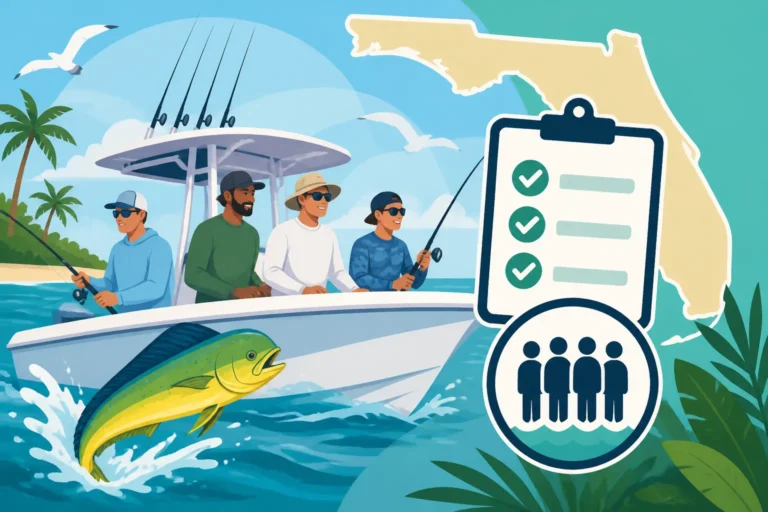
Another common question revolves around charter boats. If you're a Florida resident booking a fishing charter, do you still need your own license? Generally, no. Most licensed Florida fishing charter boats operate under a vessel-wide recreational fishing license. This means that everyone on board, including residents, is covered by the captain's license while on that particular charter. It's one of the perks of booking a guided trip – the captain handles all the licensing for the anglers on board. This makes it a great option for tourists and residents alike, simplifying the process.
Lastly, private ponds and farm ponds often raise questions. If you are fishing in a strictly private pond or lake that is entirely enclosed on private land and has no connection to public waterways, you typically do not need a Florida fishing license. However, if that pond has any connection to a public waterway, even intermittently, then a license is usually required. The key is "no connection to public waters." Always ensure you have permission from the landowner to fish on private property. The FWC has specific Florida Private Pond and Farm Pond Fishing Rules to clarify these situations.
How to Purchase and Renew Your Resident Fishing License
Getting your Florida resident fishing license is simpler than you might think, thanks to modern technology and widespread availability. The FWC has streamlined the process to make it convenient for residents to comply with regulations, whether you prefer the digital route or a more traditional in-person experience. Knowing your options beforehand can save you time and hassle, getting you on the water faster.
Remember that once you purchase a license, it's typically valid for 12 months from the date of purchase (for annual licenses) or for five years (for 5-year licenses). Keep track of your expiration date to ensure continuous coverage.
Online Purchase Through GoOutdoorsFlorida
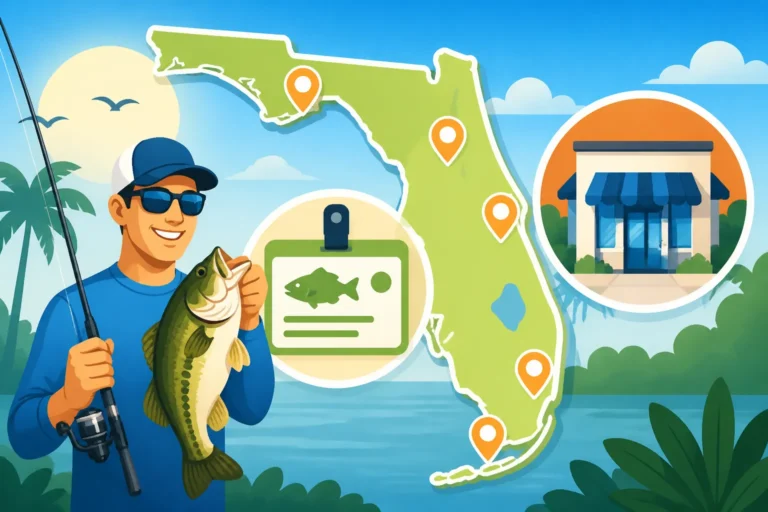
Without a doubt, the most convenient way for Florida residents to purchase or renew a fishing license is online through the FWC’s official GoOutdoorsFlorida website. This platform is a one-stop shop for all your licensing needs. You simply navigate to their site, create an account (or log in if you already have one), and follow the prompts. The system is designed to walk you through the process step-by-step, allowing you to select your residency type, choose between freshwater, saltwater, or combination licenses, and add any necessary endorsements like the snook or lobster permits.
One of the biggest advantages of using GoOutdoorsFlorida is instant gratification. Once your transaction is complete, you'll receive a confirmation email with your license details, which you can print out or, even better, access digitally on your smartphone through the Go Outdoors Florida mobile app. This digital option means you always have proof of your license with you, eliminating the worry of losing a physical card. Many anglers even find fishing-related books or gear on platforms like Amazon that complement their digital license, ensuring they're fully prepared. For a detailed walkthrough, refer to How to Buy a Fishing License Online.
The online portal also stores your purchase history, making renewals incredibly easy. It’s accessible 24/7, meaning you can purchase a license right before heading out for an impromptu fishing trip, even if it’s outside regular business hours. Just make sure you have a reliable internet connection and a valid credit card.
In-Person Options: Retailers, County Tax Collectors
While online purchasing is incredibly convenient, not everyone prefers or has access to digital platforms. Thankfully, Florida residents have plenty of in-person options to purchase or renew their fishing licenses. These traditional methods ensure that everyone, regardless of tech savviness, can get properly licensed. Many authorized license agents are spread across the state, making it easy to find a location near you.
One of the most popular places to purchase a fishing license in person is at major outdoor retailers. Stores like Bass Pro Shops and many local bait and tackle shops are authorized FWC license agents. These locations often have knowledgeable staff who can answer questions about license types and local regulations. It's a great opportunity to grab some bait, tackle, or even a new fishing hat from a brand you like, all while getting your license sorted. In fact, while you're there, you might even consider looking for related items on your favorite online marketplace, such as Amazon, to compare prices.
Additionally, most Florida County Tax Collector offices also sell fishing licenses. This can be a reliable option, especially if you're already handling other county business. While the wait times might be a bit longer than at a dedicated outdoor store, you'll get official assistance and can often handle other vehicle or property-related tasks at the same time. Remember to bring proof of Florida residency and a valid form of identification, as these will be required for any in-person purchase. For local options, check out Where to Buy a Florida Fishing License Near You.
Florida Fishing License Renewal and Expiration
Keeping your Florida resident fishing license current is just as important as purchasing it in the first place. For annual licenses, remember that they are valid for 12 months from the date of purchase, not necessarily the calendar year. This means if you buy your license on April 15th, it will expire on April 14th of the following year. It’s a common mistake to assume a December 31st expiration, so always check the exact date printed on your license. For 5-year licenses, the expiration date is clearly marked five years from the purchase date.
The FWC does an excellent job of reminding anglers when their license is nearing expiration. If you've provided your email address during the purchase process, you'll typically receive email notifications leading up to your expiration date. This is a helpful nudge to prevent you from inadvertently fishing without a valid license. Renewing is just as simple as purchasing initially, whether you do it online via GoOutdoorsFlorida or in person at a license agent. The process is quick, usually taking just a few minutes. For a more detailed guide on keeping your license up-to-date, look at Florida Fishing License Renewal and Expiration.
Failing to renew your license can lead to unintended consequences. Imagine getting stopped by an FWC officer on a busy fishing day, only to discover your license expired last week. Not only can this result in a citation and a fine, but it can also put a damper on your entire fishing trip. Proactive renewal means peace of mind and continuous legal access to Florida's incredible waters. So, add a reminder to your calendar or phone for your license expiration date!
Costs and Fees for Florida Resident Fishing Licenses
Let's talk money. The cost of a Florida resident fishing license is remarkably affordable, especially when you consider the vast amount of fishing opportunities available across the state and the crucial conservation efforts these fees support. Understanding the specific costs will help you budget for your angling adventures and choose the most economical option for your fishing style. The FWC aims to keep resident costs low to encourage participation and promote responsible resource use among its citizens.
It's a small investment for the immense enjoyment and access it provides, not to mention the direct benefit to the fisheries themselves. These fees are foundational to managing one of the most biodiverse fishing environments in the world.
Breakdown of Annual License Costs for Residents
For most Florida residents, an annual fishing license is the go-to choice, offering a full year of access to Florida's waters. The costs are generally structured as follows, though prices can change, so always verify with the FWC directly or through the GoOutdoorsFlorida website:
- Florida Resident Annual Freshwater Fishing License: This license covers all freshwater bodies within the state, allowing you to target species like largemouth bass, crappie, and various panfish. The cost is typically very reasonable, often under $20.
- Florida Resident Annual Saltwater Fishing License: If your passion lies in the vast coastal waters, estuaries, and offshore areas, this is the license for you. It covers popular species like snook, redfish, trout, and many more. The cost for this is also quite affordable, usually in the low $20s. You can find more specific details on the Florida Saltwater Fishing License Cost for Residents.
- Florida Resident Annual Freshwater/Saltwater Combination License: This is by far the most popular choice for versatile anglers. It combines both freshwater and saltwater privileges into one license, usually at a discounted rate compared to buying them separately. This combo license is an excellent value, typically priced in the mid-$30s, offering comprehensive coverage for all of Florida's diverse fishing environments. You can compare this to the Florida Combination Freshwater and Saltwater License Cost.
These prices are a true bargain when compared to the costs in many other states, especially considering the year-round fishing opportunities Florida provides. These fees directly fuel the research, management, and enforcement activities that keep Florida's fisheries healthy and productive.
Understanding 5-Year Resident Fishing License Cost
For the angler who plans to be a long-term fixture on Florida’s waters, the 5-year resident fishing license is an investment that truly pays off. While the initial outlay is higher, the cumulative cost over five years is often less than purchasing five individual annual licenses. This long-term option is a testament to Florida’s commitment to its resident anglers.
Let's look at the approximate costs (always subject to change, so check current FWC rates):
- Florida Resident 5-Year Freshwater Fishing License: This offers five years of freshwater fishing at a discounted rate compared to annual renewals.
- Florida Resident 5-Year Saltwater Fishing License: Similarly, this provides five years of saltwater fishing benefits.
- Florida Resident 5-Year Freshwater/Saltwater Combination License: This is the ultimate long-term value, combining both fresh and saltwater privileges for five years. The Florida 5-Year Resident Fishing License Cost often makes this a very attractive proposition, saving anglers money and the hassle of annual renewals.
The exact savings will depend on the current FWC fee schedule, but the principle remains: buy for five years, pay less than five one-year licenses. This makes financial sense for dedicated anglers and simplifies the licensing process considerably. It’s about more than just saving money; it’s about securing hassle-free access to your passion for half a decade.
Additional Costs: Permit Fees, Processing Fees
While the core license fees are straightforward, it's important to be aware of potential additional costs. These usually come in the form of specialty permits and small processing fees.
-
Specialty Permit Fees: As mentioned earlier, certain highly managed species like snook and lobster require additional permits. These are not included in your base freshwater or saltwater license. For example, the Florida Snook Permit Cost and Requirements or Florida Lobster Permit Cost and Requirements will add a small, separate fee to your total. These fees are specifically earmarked for the management and conservation of those particular species, ensuring focused efforts to maintain healthy populations.
-
Processing Fees: Whether you purchase your license online or in person, there is typically a small, non-refundable convenience or processing fee added to the total cost. This fee helps cover the administrative costs of issuing and managing licenses. For online purchases through GoOutdoorsFlorida, this fee is usually minimal, often just a couple of dollars. When purchasing in person at a vendor, a similar fee might apply. These small charges are standard across most licensing systems and are a necessary part of the process.
It’s always a good idea to factor these small additional costs into your budget when planning your fishing season. The total cost, even with permits and processing fees, remains a relatively minor expense for a full year (or five years) of access to Florida's unparalleled fishing opportunities.
Here's a simplified table illustrating approximate resident license costs (always check FWC for current pricing):
| License Type | Term | Approximate Resident Cost | Includes Specialty Permits? |
|---|---|---|---|
| Freshwater Fishing License | Annual | $17.00 | No |
| Saltwater Fishing License | Annual | $17.00 | No |
| Freshwater/Saltwater Combination License | Annual | $32.50 | No |
| Freshwater Fishing License | 5-Year | $79.00 | No |
| Saltwater Fishing License | 5-Year | $79.00 | No |
| Freshwater/Saltwater Combination License | 5-Year | $154.50 | No |
| Snook Permit (requires Saltwater or Combo) | Annual | $10.00 | N/A |
| Lobster Permit (requires Saltwater or Combo) | Annual | $5.00 | N/A |
| Federal Duck Stamp (for migratory waterfowl) | Annual | $25.00 | N/A |
Note: Prices are approximate and subject to change by the FWC. Always confirm current rates on the official GoOutdoorsFlorida website.
Proof of Residency Requirements
Establishing and proving your Florida residency is a critical step to ensure you qualify for the more affordable resident fishing license rates. The FWC takes residency seriously to prevent non-residents from circumventing the higher fees, which are designed to reflect their lesser contribution to the state's ongoing conservation efforts. Simply having a vacation home in Florida for a few months a year doesn't automatically qualify you; you need to demonstrate a genuine intent to make Florida your primary and permanent home for at least six continuous months.
This proof is not just a formality; it's a legal requirement. When purchasing a license, especially in person, you'll be asked to provide documentation. Online, the system typically relies on self-attestation combined with checks against state databases for things like driver's licenses.
Acceptable Documents for Proving Florida Residency
When you go to purchase your Florida resident fishing license, especially if you're doing so in person for the first time or if there's any ambiguity, you'll need to provide acceptable proof of residency. The FWC has clear guidelines on what documents they consider valid to establish that you meet the six-month continuous residency requirement.
The most straightforward and widely accepted form of proof is a valid Florida Driver's License or a Florida Identification Card. These documents explicitly state your Florida address and are considered strong evidence of residency. If your driver's license or ID card was issued less than six months prior to your license application, you may be asked to provide supplemental documentation to cover the full six-month period.
Other acceptable forms of documentation, often used in conjunction with a newer Florida ID or when a driver's license isn't available, include:
- Florida Voter Registration Card: Showing you're registered to vote in Florida.
- Declaration of Domicile: A formal legal document filed with the county clerk.
- Utility Bills or Rent/Lease Agreement: Showing your Florida address and a continuous period of residence (e.g., bills spanning six months).
- Florida Vehicle Registration: Demonstrating that your vehicles are registered in the state.
The key is to have documents that cumulatively prove you've been living in Florida as your primary residence for the required six months. Don't show up with just a P.O. Box address or a utility bill from last month if you just moved; they'll need more. This is all part of ensuring fairness and proper funding for our state's resources. You can also review Proof of Residency Needed for a Florida Fishing License for more in-depth information.
Special Cases: College Students, Military Members, New Residents
Life often throws us curveballs, and residency rules can become a bit trickier for certain groups of people. For instance, college students attending a Florida institution often wonder if they qualify as residents for fishing license purposes. Generally, if an out-of-state student has continuously resided in Florida for at least six months for purposes other than education and can provide the necessary documentation (like a Florida driver's license, voter registration, or utility bills in their name), they can qualify. However, merely attending a Florida university does not automatically grant resident status for licensing; their primary domicile intent must be in Florida. If they're here solely for school and maintain a primary residence elsewhere, they may not qualify. You can often find additional guidance through the FWC on Can College Students Get a Florida Resident License?.
Military members stationed in Florida present another special case. Active-duty military personnel stationed in Florida (and their immediate family residing with them) are generally considered Florida residents for hunting and fishing license purposes, regardless of their actual state of legal residency, as long as they provide proper military identification and documentation of their stationing in Florida. This is a common courtesy and benefit extended to service members. However, if a Florida resident is serving out of state, they must still meet the standard residency rules for a resident license when they are home.
For new residents who have recently moved to Florida, the six-month waiting period can be frustrating. Until you hit that six-month mark, you will technically need to purchase a non-resident license, even if you intend to make Florida your permanent home. Once you've established your continuous six months and have the supporting documentation, you can then apply for the resident license. It's a temporary hurdle, but an important one to ensure compliance. For those just getting settled, learning about Florida Fishing License for New Residents can be very helpful.
Consequences of Fishing Without a Proper Resident License
It's tempting sometimes, especially if you're just dipping a line in for a few minutes, to think "what's the harm?" when it comes to having a fishing license. But make no mistake: fishing without the proper license in Florida, whether resident or non-resident, is a serious offense. The FWC takes these regulations very seriously, and for good reason. Violations undermine conservation efforts, can put unfair pressure on fish populations, and directly impact the funding that maintains Florida's incredible natural resources.
Ignorance of the law is not an excuse. FWC officers are highly trained and regularly patrol Florida's vast waterways, looking for compliance with all fishing regulations, including proper licensing. Getting caught without the correct paperwork can turn a relaxing day on the water into a costly and frustrating experience, potentially resulting in fines, court appearances, and even more severe penalties.
Penalties and Fines for Fishing Without a License in Florida
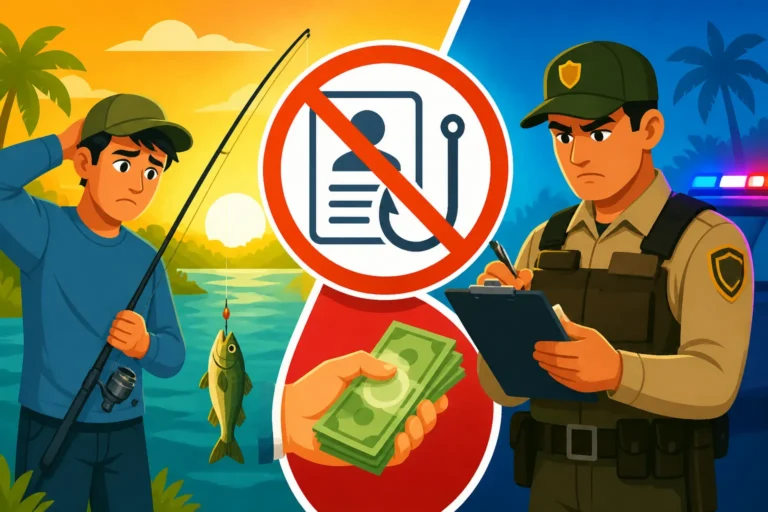
Getting caught fishing without a valid Florida resident fishing license can lead to a range of penalties, depending on the severity of the violation and whether it's a first offense. Generally, fishing without a license is classified as a second-degree misdemeanor in Florida. While this might sound minor, it carries significant potential repercussions.
For a first offense, you can typically expect a citation and a substantial fine. The base fine for fishing without a license is often around $50, but with court costs, administrative fees, and any other surcharges, the total amount can easily exceed $200-$300 or more. This is far more expensive than simply purchasing the appropriate annual license in the first place. You can read more about the exact Penalty for Fishing Without a License in Florida to understand the gravity of the situation.
Beyond the monetary fine, repeat offenders can face escalating penalties, including higher fines, loss of fishing privileges (suspension of future licensing), and in some egregious cases, even jail time. FWC officers also have the authority to seize your fishing gear and even your catch. Imagine losing your prized rod and reel, or having your day's catch confiscated, all because you didn't have a piece of paper that costs less than a tank of gas. It's simply not worth the risk.
Why Enforcement Matters: Protecting Florida's Natural Resources
The strict enforcement of fishing license requirements is not about harassing anglers; it's about safeguarding Florida's unique and incredibly valuable aquatic ecosystems. Every fishing license sold contributes directly to the FWC's ability to manage fish populations, restore critical habitats, conduct scientific research, and educate the public. When individuals fish without a license, they are effectively freeloading on this system, undermining the collective effort to preserve these resources.
Consider the immense pressure placed on Florida's fisheries by millions of residents and visitors each year. Without regulated harvesting, bag limits, and the funding for enforcement and management provided by licenses, these populations could quickly decline. Healthy fish stocks mean better fishing for everyone, for generations to come. The FWC's role is to ensure that angling remains sustainable, balancing the enjoyment of today with the preservation of tomorrow.
By purchasing your resident fishing license, you're not just complying with the law; you're actively participating in the stewardship of Florida's natural heritage. This is why FWC officers are vigilant in checking licenses – they are upholding the integrity of a system designed to protect the very resources that make Florida a world-renowned fishing destination. Your license is a commitment to conservation, and enforcement ensures everyone shares that commitment.
Maximizing Your Resident Fishing Experience
Once you've got your Florida resident fishing license sorted, you're officially ready to explore the vast and diverse fishing opportunities the Sunshine State has to offer. But having a license is just the first step. To truly maximize your experience, it's essential to understand other key regulations and take advantage of special opportunities. This isn't just about staying legal; it's about becoming a more informed and responsible angler, which ultimately leads to more enjoyable and productive fishing trips.
Utilizing Florida's Free Fishing Days
Even with the affordable cost of a Florida resident fishing license, the FWC offers special "Free Fishing Days" each year. These designated days allow all individuals, residents and non-residents alike, to fish recreationally without needing a license. It's an incredible opportunity, particularly for introducing newcomers to the joys of fishing, or for those who might only fish once or twice a year and don't want to commit to an annual license.
Florida typically hosts several free fishing days throughout the year, usually split between freshwater and saltwater. For example, there might be a weekend in April for freshwater fishing and another in June for saltwater. These dates are publicly announced by the FWC well in advance, so keep an eye on their website or local news for the upcoming schedule. During these days, while the license requirement is waived, all other fishing regulations, such as bag limits, size limits, and season closures, still apply. It's crucial to understand these rules to ensure you're fishing responsibly. For more details on the schedule, check out Florida Free Fishing Days.
Free Fishing Days are a fantastic way to experiment with different types of fishing, try out a new spot, or simply spend quality time outdoors with family and friends without the barrier of a license fee. They act as a gateway to the broader fishing community and can often inspire new anglers to purchase a full license and dive deeper into the sport.
Understanding Bag Limits and Regulations
Getting your resident fishing license is the foundation, but a truly responsible and successful angler also knows and respects Florida's comprehensive bag limits and other fishing regulations. These rules are put in place by the FWC, based on scientific data, to ensure the sustainability of fish populations. They dictate how many fish of a certain species you can keep, what size they must be, and when certain seasons are open or closed.
Ignoring bag limits or size restrictions is not only illegal but also directly harmful to the ecosystem. For instance, keeping too many fish of a particular species can deplete local populations, making it harder for everyone to catch them in the future. Similarly, taking undersized fish prevents them from reaching maturity and reproducing, impacting future generations. This is especially true for popular species like snook and redfish, which often have slot limits – meaning you can only keep fish within a specific size range, protecting both juveniles and large breeding adults.
It's your responsibility as an angler to be familiar with the current regulations for the specific species you're targeting and the waters you're fishing. The FWC publishes an annual fishing regulations handbook, available online and at license vendors, and updates its website regularly. Before every trip, take a moment to review the rules. Organizations like Florida Wildlife Federation also provide resources to help anglers understand these vital guidelines. Adhering to these regulations is a critical part of ethical angling and ensures that Florida's amazing fishing opportunities remain abundant. You can gain more insight into this by visiting Florida Fishing Regulations and Bag Limits.
Disclaimer
The information provided in this guide is for general informational purposes only and is subject to change. While we strive to keep the content accurate and up-to-date, fishing regulations, license requirements, and costs are determined by the Florida Fish and Wildlife Conservation Commission (FWC) and can be modified at any time. It is always the angler's responsibility to consult the official FWC website (MyFWC.com) or contact the FWC directly for the most current and authoritative information before engaging in any fishing activities. We are not responsible for any inaccuracies or outdated information.