Do Tourists Need a Fishing License in Florida?
It's incredibly frustrating, isn't it? You've finally booked that dream vacation to Florida, picturing yourself casting a line into our beautiful waters, only to be met with a cascade of confusing questions about fishing licenses. Many visitors assume that because they're on vacation, or just fishing from a casual spot, the rules might be different. This comprehensive guide will clear up all that confusion, detailing exactly when and why tourists need a fishing license in Florida, and how to get one quickly and easily.
The Simple Truth: Most Tourists Need a Florida Fishing License
Let's cut right to it: if you're visiting Florida and plan to fish, chances are, you're going to need a license. This often comes as a surprise to many, especially those who are just hoping to casually drop a line off a dock or from the beach. But the truth is, Florida's wildlife and fisheries are managed through a system that relies heavily on license sales to fund conservation efforts. Without these funds, our amazing aquatic ecosystems wouldn't be nearly as vibrant or healthy.
Think of it this way: every time you purchase a fishing license, you're directly contributing to the protection and enhancement of the very fish and habitats you're hoping to enjoy. This includes everything from maintaining healthy fish populations to restoring critical marine and freshwater environments, and even enforcing regulations that keep our waters fair and sustainable for everyone. It's not just a fee; it's an investment in the future of Florida's fishing. The Florida Fish and Wildlife Conservation Commission (FWC) meticulously uses these funds for a wide array of programs, ensuring that the fishing experiences you cherish today will be available for generations to come. So, while it might seem like an extra step, it's a vital one that benefits every angler.
Why the License is Crucial for Conservation
Florida is an unparalleled fishing destination, boasting a diverse range of freshwater lakes, rivers, and thousands of miles of saltwater coastline. From the largemouth bass in Lake Okeechobee to the snook and redfish thriving in our estuaries, and the majestic offshore species like mahi-mahi and king mackerel, the variety is astounding. This incredible biodiversity, however, requires careful management. The funds generated from fishing license sales are funneled directly into programs designed to monitor fish populations, conduct scientific research, manage invasive species, improve public access sites, and educate anglers on responsible practices.
For instance, knowing "Florida Redfish Size and Bag Limits" or "Florida Snook Size and Slot Limits" is only effective if there's enforcement and scientific backing. Your license dollars support the biologists who study these species, the law enforcement officers who patrol our waters, and the habitat restoration projects that keep our fish thriving. It’s a holistic approach, ensuring that when you visit and experience Florida fishing, you're enjoying a well-managed resource. Without these funds, overfishing or habitat degradation could quickly diminish the very allure that draws so many anglers to our state each year.
Who Needs a License and Who is Exempt?
Generally speaking, any non-resident 16 years of age or older needs a Florida fishing license to take, attempt to take, or possess freshwater or saltwater fish. This rule applies whether you're using a rod and reel, a cast net, or even gigging for flounder. The specific type of license you need depends on whether you'll be fishing in freshwater or saltwater, or both, and for how long you plan to visit.
There are, however, some specific exemptions that tourists should be aware of. For example, if you're fishing with a licensed charter boat, the vessel itself usually holds a blanket license that covers all passengers. Kids under 16 are also exempt, which makes fishing a fantastic family activity without additional hurdles for the little ones. We'll dive into these common exemptions in more detail later, but for the majority of adult visitors planning to fish independently, securing a license is a necessary step. It’s always best to be sure, because facing a "Penalty for Fishing Without a License in Florida" can quickly turn a fun trip into a costly one. For a deeper understanding of these regulations, check out our guide on "Who Needs a Fishing License in Florida".
Understanding Florida's Fishing License Options for Visitors
So, you're a tourist and you know you need a license. What kind should you get? Florida offers various non-resident license options designed to accommodate different lengths of stays and fishing preferences, whether you're targeting bass in a lake or snapper in the Gulf.
Nonresident Freshwater and Saltwater Licenses
Florida separates its fishing licenses into freshwater and saltwater categories. This is a crucial distinction, as the species, habitats, and management strategies for each are quite different. Many visitors are often caught off guard by this, expecting a single "all-inclusive" license.
- Nonresident Freshwater Fishing License: If your Florida vacation involves casting for largemouth bass in the St. Johns River or trying your luck for crappie in Lake Toho, this is the license you'll need. It covers all non-saltwater bodies, including rivers, lakes, and most canals. Make sure you understand "Florida Freshwater Fishing License Rules" before heading out.
- Nonresident Saltwater Fishing License: For those drawn to the expansive coastlines of the Gulf of Mexico or the Atlantic Ocean, whether you're fishing from a beach in Destin, a pier in St. Petersburg, or a private boat in the Florida Keys, you'll need a saltwater license. This covers fishing in bays, estuaries, and offshore waters. A good resource for this is our "Florida Saltwater Fishing License Rules" guide.
It's important to decide where you'll be fishing most. If your plans include both a day of bass fishing and a day of surf fishing at the beach, you'll need both types of licenses. However, there's a more convenient option for the multi-faceted angler.
Short-Term vs. Annual Options for Nonresidents
Florida offers flexible durations for nonresident licenses, catering to the transient nature of tourist visits. This is where you can save some money by only paying for the time you'll actually be fishing.
- 3-Day Nonresident License: Perfect for a quick weekend getaway or a short fishing excursion during a longer vacation. This is a popular choice for visitors who might only dedicate a day or two to fishing.
- 7-Day Nonresident License: A great option for those enjoying a full week in the Sunshine State and planning multiple fishing trips. This gives you more flexibility without committing to a full year.
- Annual Nonresident License: If you're a frequent visitor to Florida, perhaps a "snowbird" who spends several months here each year, or you simply anticipate making multiple fishing trips throughout a 12-month period, the annual license can be the most cost-effective choice. It might seem like a lot up front, but if you're coming down more than once, it often pays for itself. You can learn more about "Florida Nonresident Annual Fishing License Cost" here.
You can purchase these licenses individually for freshwater or saltwater, or combine them. The "Florida Combination Freshwater and Saltwater License Cost" offers a bit of savings if you know you'll be doing both.
Here’s a quick overview of common nonresident license costs (prices are approximate and subject to change, always check the FWC website for current figures):
| License Type | Duration | Approximate Freshwater Cost | Approximate Saltwater Cost | Approximate Combo Cost |
|---|---|---|---|---|
| Nonresident Fishing License | 3-Day | $17.00 | $17.00 | N/A (buy individually) |
| Nonresident Fishing License | 7-Day | $30.00 | $30.00 | N/A (buy individually) |
| Nonresident Fishing License | Annual | $47.50 | $47.50 | $95.00 |
Note: These prices do not include any additional permits you might need, such as a Snook Permit or Lobster Permit, if you plan to target those specific species.
It's a good idea to consider your travel plans carefully. Will you be returning to Florida within a year? Will you mostly stick to one type of water, or do you envision exploring both? Answering these questions will help you select the most appropriate and economical license for your visit.
Common Scenarios and Tourist Exemptions
While the general rule is that tourists need a license, there are specific situations where you might be exempt. Knowing these can save you time and money, or more importantly, keep you from inadvertently breaking the law.
Fishing from a Licensed Charter or Party Boat
One of the most common exemptions for tourists is when you're fishing with a licensed charter or party boat. When you book a trip with a reputable "Florida Fishing Charter Guide" or a party boat, the captain and the vessel itself will typically hold all the necessary recreational fishing licenses, covering everyone on board. This is fantastic because it means you can just show up, enjoy the experience, and not worry about individual licensing.
However, there’s a small but significant caveat: while the general fishing license is usually covered, special permits for certain species are sometimes not. For example, if you're planning to target snook or lobster, even on a charter, you might still need your own "Florida Snook Permit Requirements" or "Florida Lobster Permit Requirements". It's always best practice to clarify this with your charter captain when you book your trip. They are the experts on local regulations and will advise you on any additional permits you might need for your specific fishing goals. This ensures a hassle-free and compliant fishing adventure.
Fishing from a Public Pier or Bridge with a Covered License
Florida has a fantastic network of public fishing piers, and some of these are covered by a "pier license" held by the facility itself. If you're fishing from such a pier, you usually don't need your own individual saltwater fishing license. This is a huge bonus for tourists looking for a casual fishing experience without the commitment of a full license purchase. The catch (pun intended!) is that not all piers are covered.
You'll need to check with the specific pier you plan to visit. Often, there will be signage indicating whether an individual license is required. Popular piers like the Skyway Fishing Pier State Park in St. Petersburg often operate under a blanket license, but smaller county or private piers might not. Our article "Do You Need a License to Fish From a Florida Pier?" dives deep into this topic and can help you identify which piers offer this convenience. Similarly, fishing from bridges can be tricky. While many bridges offer excellent fishing access, they typically do not fall under a blanket license, so individual licenses are usually required there.
Age Exemptions for Young Anglers
This is a wonderful rule for families: children under the age of 16 are not required to have a Florida fishing license. This applies to both freshwater and saltwater fishing. It makes fishing a fantastic, accessible activity for kids and encourages them to get outdoors and connect with nature.
So, if you're bringing your kids on vacation, they can cast a line without any additional paperwork or cost. This exemption is clearly outlined in "Florida Fishing License Age Requirements". It's a great opportunity to introduce them to the joys of fishing, whether it's catching small panfish in a freshwater pond or pulling in a feisty trout from a coastal flat. Just remember that while they don't need a license, they still need to adhere to all "Florida Fishing Regulations and Bag Limits" for any fish they catch.
Special License-Free Fishing Days
Throughout the year, Florida designates several "Florida Free Fishing Days." On these specific days, residents and non-residents alike can fish without a license. These days are usually scheduled in April and June for both freshwater and saltwater fishing. They are fantastic opportunities for tourists to experience fishing in Florida without the need to purchase a license.
These free fishing days are generally well-advertised by the FWC. While they are a great way to try fishing, keep in mind that all other regulations, such as bag limits and size restrictions, still apply. These days are popular, so expect some crowds at public access points. It’s a perfect chance to try out a new spot, maybe even exploring one of the "Best Shore Fishing Spots in Florida" you've been eyeing, without the initial license commitment. It's wise to check the FWC website for the exact dates each year to plan your trip accordingly.
Fishing in Private Ponds
Another lesser-known exemption relates to fishing in privately owned ponds. If you're fishing in a private pond that is entirely enclosed on private land and has no connection to state waters (meaning fish can't move in or out naturally), you typically do not need a Florida fishing license.
This situation often applies to guests staying at private vacation rentals with their own pond, or visiting friends or family who own such a property. However, the key here is "entirely enclosed." If the pond has any connection to a stream, river, or canal that leads to public waters, then a license is required. Always verify the status of the pond if you're unsure. For more clarity on this, consult our detailed guide: "Florida Private Pond and Farm Pond Fishing Rules". When in doubt, it's always safer to err on the side of caution and get a license.
How and Where to Get Your Tourist Fishing License
Now that you know if and what kind of license you need, the next step is actually getting one. Thankfully, Florida has made the process incredibly convenient, with several options available whether you're planning ahead or are already on your trip.
Buying Your License Online
For most tourists, purchasing a fishing license online is by far the easiest and most recommended method. The Florida Fish and Wildlife Conservation Commission (FWC) has a user-friendly online licensing system through their GoOutdoorsFlorida website. You can access it from anywhere with an internet connection, often even from your phone before you head out to your fishing spot.
The process is straightforward:
- Visit the official GoOutdoorsFlorida website.
- Select "Buy a License" or "Purchase License."
- Choose "Guest/New Customer" if you don't have an existing account.
- Follow the prompts to provide your personal information, including your name, address (your home address, not a temporary Florida address), and date of birth.
- Select the desired non-resident freshwater, saltwater, or combo license and duration (3-day, 7-day, or annual).
- Pay using a credit or debit card.
- Once purchased, you'll receive a confirmation email with your temporary license. You can print this out or keep a digital copy on your phone. Florida accepts digital licenses, so having it readily available on your device via the GoOutdoorsFlorida app is perfectly fine. This method saves you time and allows you to plan your fishing adventures seamlessly. For a complete walkthrough, see "How to Buy a Fishing License Online".
Purchasing a License In Person
If you prefer to handle things in person, or perhaps you've just arrived and want to pick up a license along with some bait and tackle, there are numerous authorized vendors across the state. This option is great if you have questions or prefer a tangible license printout.
Common locations include:
- Sporting Goods Stores: Major retailers like Bass Pro Shops and smaller local tackle shops are excellent places to get your license. They often have knowledgeable staff who can also give you tips on local fishing conditions and what bait to use. Look up "Florida Fishing License at Bass Pro Shops" for locations.
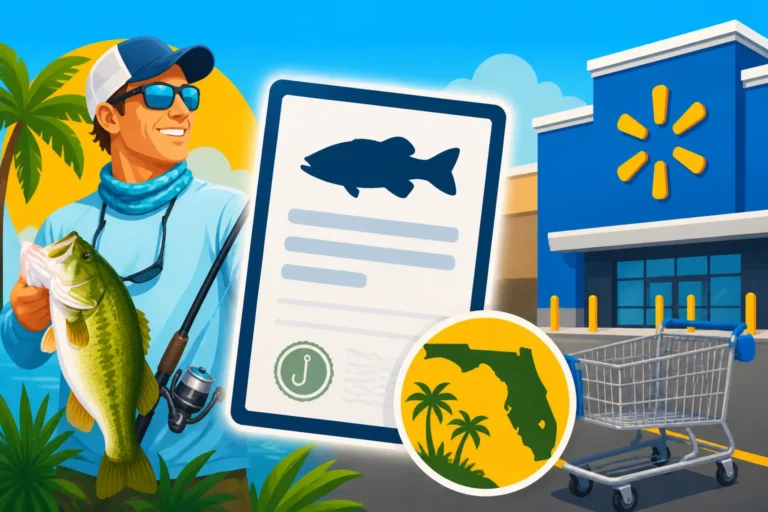
- Walmart: Many Walmart Supercenters with a sporting goods department can issue Florida fishing licenses. This is a convenient option, especially if you're already doing some grocery or supply shopping. You can find more details on "Florida Fishing License at Walmart".
- County Tax Collector's Offices: These government offices can also issue licenses. While perhaps less convenient for a quick stop, they are a reliable option during business hours. For more information, read "Buying a Florida Fishing License at the County Tax Collector".
- Marina and Bait & Tackle Shops: Most marinas and dedicated bait and tackle shops will also be authorized license vendors. These are often invaluable resources for local fishing information, so it's a good stop to make anyway!
When purchasing in person, you'll need a valid photo ID and payment. The staff will guide you through the process, and you'll typically leave with a printed license right away. For a comprehensive list of places, check "Where to Buy a Florida Fishing License Near You".
Essential Gear and Pre-Trip Checklist
Once your license is secured, whether online or in person, you're almost ready to hit the water! But before you go, consider a few more things, especially as a tourist.
- Sun Protection: Florida sun is no joke! Pack plenty of sunscreen, a wide-brimmed hat, and polarized sunglasses. You can find some excellent gear on Amazon before you even leave home.
- Appropriate Clothing: Lightweight, breathable clothing is key. Long sleeves and pants can offer additional sun protection.
- Hydration: Bring plenty of water. It's easy to get dehydrated quickly, especially during the warmer months.
- Basic Tackle: Depending on where you plan to fish, make sure you have the right bait or lures. Many local bait and tackle shops will set you up with what's working best. You might even want to browse "Best Bait for Snook Fishing in Florida" or "Best Lures for Florida Bass Fishing" beforehand.
- FWC Regulations: Always double-check the latest "Florida Fishing Regulations and Bag Limits" for the species you plan to target. These rules can change, so staying informed is crucial.
By planning ahead, understanding the license requirements, and preparing your gear, you can ensure your Florida fishing adventure is enjoyable, memorable, and completely stress-free!
Disclaimer
The information provided in this guide is intended for general informational purposes only and is subject to change. While we strive to keep the content up-to-date and accurate, fishing regulations, license costs, and exemptions in Florida can be modified by the Florida Fish and Wildlife Conservation Commission (FWC) without prior notice. Always consult the official FWC website (MyFWC.com or GoOutdoorsFlorida.com) or contact them directly for the most current and authoritative information before engaging in any fishing activities. Compliance with all applicable laws and regulations is the sole responsibility of the angler.