Do Snowbirds Need a Florida Fishing License?
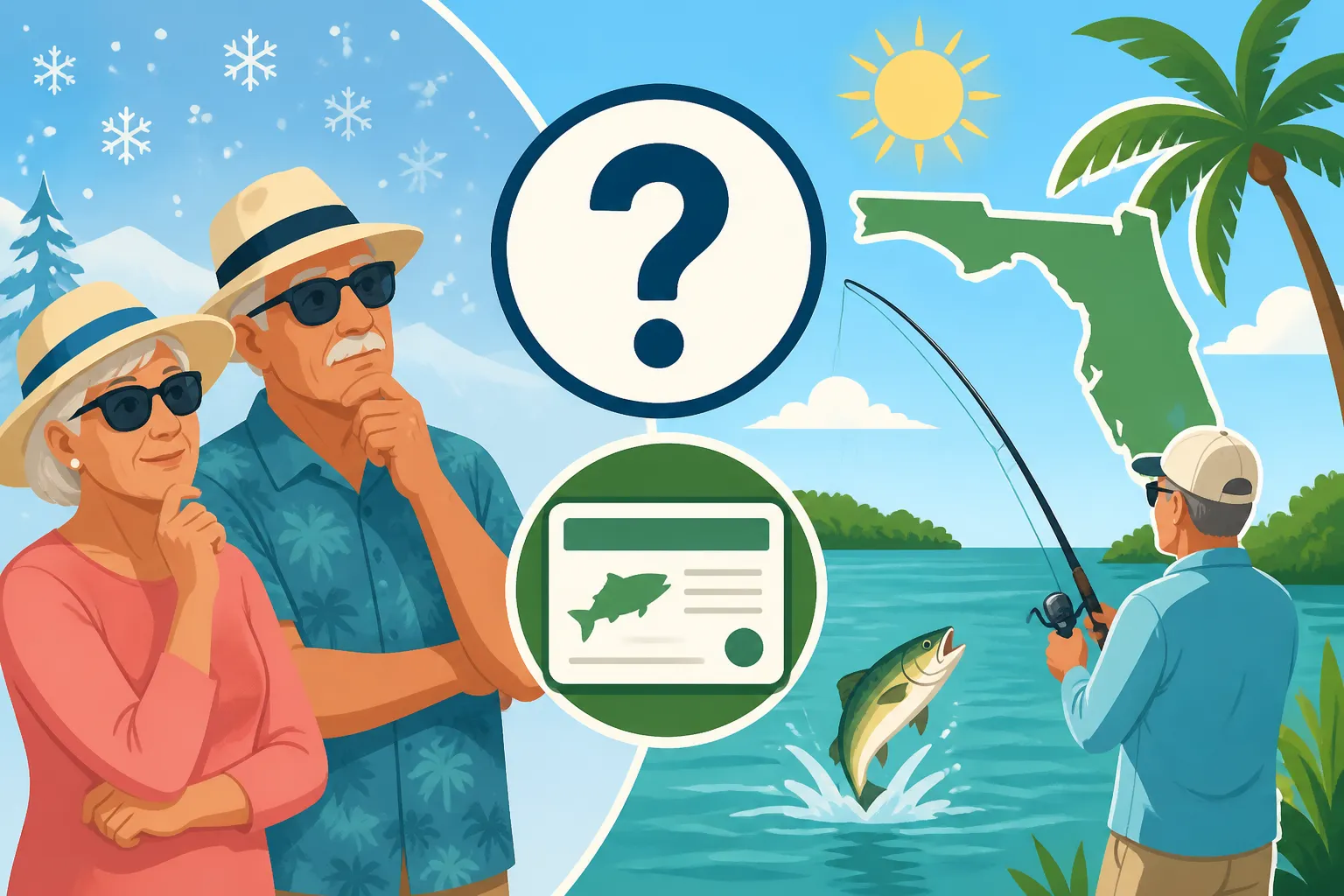
Ah, the annual migration of our beloved snowbirds to the Sunshine State! It’s a rite of passage, a much-anticipated escape from the bitter cold. But as you trade your snow boots for flip-flops and start dreaming of casting a line into Florida's sparkling waters, a common question pops up: do snowbirds need a Florida fishing license? It's a completely valid concern, and the answer isn't always as straightforward as you might hope, especially when you're caught between being a visitor and feeling almost like a local. This guide will untangle the nuances of Florida's fishing license requirements, helping you understand exactly what you need to do to fish legally and enjoyably while you're here.
The Big Question: Do Snowbirds Need a Florida Fishing License?
Let's cut to the chase: almost every adult who isn't a permanent, legal resident of Florida and wants to fish here does need a fishing license. This includes our cherished snowbirds. The key factor isn't how much time you feel like you spend here or if you own property; it’s about official residency status according to Florida law. The state wants to ensure that anyone enjoying its incredible fishing resources contributes to their conservation and management.
Understanding the Residency Nuance
Florida has a very specific definition of who qualifies as a resident for fishing license purposes. It’s not just about spending a few months escaping winter. To be considered a resident, you must have established a domicile in Florida for at least six consecutive months, and you must have documentation to prove it. This might include a Florida driver's license, voter registration, or a declaration of domicile. Without these, even if you own a condo in Sarasota or a winter home in Naples, you are generally considered a non-resident when it comes to buying a fishing license. This often comes as a surprise to many, especially those who feel they've put down significant roots here.
The "Six Consecutive Months" Rule
This rule is pivotal for snowbirds. If you spend less than six consecutive months in Florida, you will almost certainly be classified as a non-resident. For many snowbirds, their stay might be three, four, or five months, which falls short of this threshold. Even if you come down every winter for five months for many years running, each stay is generally considered separate unless you’ve taken steps to officially establish your permanent domicile in Florida. The Florida Fish and Wildlife Conservation Commission (FWC) uses this clear benchmark to determine who pays resident rates versus non-resident rates for licenses. It's designed to be fair but can certainly feel restrictive if you're a long-term visitor who doesn't quite meet the permanent residency criteria. Understanding this distinction is the first step in figuring out what kind of license you'll need. You can dive deeper into the specifics by checking out our comprehensive guide on Florida Resident Fishing License Rules.
Navigating Florida's Fishing License Options for Visitors
Since most snowbirds won't meet the stringent residency requirements, your primary path will be securing a non-resident license. Thankfully, Florida offers several flexible options designed to accommodate visitors, whether you're here for a quick getaway or an extended winter stay. It’s not a one-size-fits-all, so understanding the choices can save you both money and hassle.
Non-Resident Licenses: Your Go-To Choices
Florida offers a few different non-resident fishing license options, catering to various lengths of stay. These are crucial for snowbirds who are not full-time Florida residents.
- 3-Day Non-Resident License: Perfect for a short trip, maybe a long weekend or a week-long visit where fishing is just one of many activities on your agenda. This is a great choice if you're just dipping your toes into Florida's fishing scene.
- 7-Day Non-Resident License: If your stay is a bit longer, or you plan to fish more frequently during a single week, this offers more flexibility than the 3-day option. Many snowbirds find this suitable for a focused fishing vacation.
- Annual Non-Resident License: This is often the most cost-effective option for snowbirds who spend several months in Florida each year, or who make multiple shorter trips throughout the calendar year. While it costs more upfront than the short-term options, if you plan to fish for more than 7-10 days in total over a 12-month period, it usually pays for itself. It lasts for 12 months from the date of purchase, not just for the calendar year. This flexibility is a huge bonus.
It’s important to remember that these licenses are generally available for either freshwater or saltwater fishing, or you can often purchase a combination license. Check out our detailed guide on Florida Nonresident Fishing License Rules for more specific information on costs and types.
Special Considerations: Saltwater, Freshwater, and Endorsements
Florida is unique in that it generally separates freshwater and saltwater fishing licenses. This can sometimes confuse visitors coming from states where a single license covers all types of fishing.
- Freshwater vs. Saltwater: If you're planning to target largemouth bass in Lake Okeechobee or panfish in a local pond, you'll need a freshwater license. If your sights are set on redfish in the Indian River Lagoon or snook in the Gulf, a saltwater license is what you need. Many snowbirds enjoy both, so a combination freshwater and saltwater license is often the most convenient and cost-effective choice. It ensures you're covered no matter where your fishing adventures take you. You can learn more about this distinction in our article Florida Saltwater vs Freshwater Fishing License.
- Special Permits (Endorsements): Beyond the basic license, some highly sought-after species require additional permits or endorsements, regardless of whether you’re a resident or non-resident. The most common ones for saltwater anglers are the Snook Permit and the Lobster Permit. If you plan to specifically target these species, you’ll need to purchase these endorsements in addition to your regular fishing license. Always double-check the current regulations, as these can change. Our guide on Florida Snook Permit Requirements offers more details.
Practical Scenarios and Smart Planning for Snowbirds
Let's face it, most snowbirds aren't just visiting for a week; they're often settling in for months, creating a temporary home. This extended stay creates a unique situation when it comes to fishing licenses, and it's where smart planning can save you a headache.
Short Stays vs. Extended Vacations
The duration of your stay directly impacts your best license choice.
- For a Quick Trip (Less Than 2 Weeks): If you're only in Florida for a week or two, and you anticipate fishing just a couple of days, the 3-day or 7-day non-resident licenses are generally your best bet. These offer excellent value for sporadic fishing during a brief visit. For example, if you're coming down from Michigan for a family vacation to Disney World and plan one day of fishing, a 3-day license makes the most sense. Don't forget, you can easily pick up tackle and gear for a quick trip. Even if you're not getting your license on Amazon, you can certainly grab a new fishing hat or some sun-protective clothing there before you leave home.
- For the Longer Haul (Several Months): This is where most snowbirds fall. If you're spending three, four, or even five months in Florida, an annual non-resident license is almost always the most economical choice. While the initial cost is higher than a 7-day license, it covers you for an entire 12-month period from the date of purchase. Think about it: if you bought several 7-day licenses throughout your stay, the costs would quickly add up and likely surpass the annual fee. Plus, an annual license means less paperwork and more time on the water! You can learn more about short-term options by reading our article on Short-Term Fishing License Options.
Here’s a quick comparison of non-resident options:
| License Type | Duration | Best For | Approximate Cost (Saltwater or Freshwater, subject to change) |
|---|---|---|---|
| Non-Resident 3-Day | 3 consecutive days | Very short visits, occasional fishing | $17 |
| Non-Resident 7-Day | 7 consecutive days | Week-long trips, more frequent fishing | $30 |
| Non-Resident Annual Freshwater | 12 months | Extended stays, frequent freshwater fishing | $47 |
| Non-Resident Annual Saltwater | 12 months | Extended stays, frequent saltwater fishing | $47 |
| Non-Resident Annual Combo | 12 months | Extended stays, frequent freshwater & saltwater fishing | $79 |
Note: These are approximate costs and can change. Always verify current prices with the Florida Fish and Wildlife Conservation Commission (FWC) or an authorized vendor.
The Free Shoreline Fishing License: A Closer Look
Some snowbirds hear about Florida's "free shoreline fishing license" and wonder if it applies to them. This license is indeed a great benefit, but it comes with a critical caveat: it's only available to Florida residents.
- Who Qualifies: The free shoreline fishing license allows Florida residents to fish for saltwater species from shore or from structures attached to shore (like docks and piers) without needing to purchase a saltwater fishing license.
- Why It Doesn't Apply to Most Snowbirds: Because most snowbirds do not meet Florida's residency definition, they are not eligible for this free license. Even if you only plan to fish from the beach right outside your rented condo, if you're not a resident, you'll need to purchase a non-resident saltwater fishing license. It's a common misunderstanding, and it's best to err on the side of caution. If you're truly only fishing from land, this can be a significant cost difference, so understanding your residency status is paramount. For more on this, check out Florida Shoreline Fishing License Explained.
Where and How to Secure Your Florida Fishing License
Getting your Florida fishing license is relatively easy, whether you prefer the convenience of online purchasing or a more personal interaction. Knowing your options means you can get your license quickly and hit the water without delay.
Online, Phone, or In-Person: Picking Your Method
Florida offers multiple avenues for purchasing fishing licenses, making it accessible for everyone.
- Online: The most popular and often the quickest way for many. The Florida Fish and Wildlife Conservation Commission (FWC) website offers a streamlined process. You can purchase your license from the comfort of your home before you even arrive in Florida, or from your rental property once you’re here. It’s convenient, and you'll receive a digital copy almost instantly, which you can keep on your phone. This is a great option for non-residents who want to get everything sorted before their trip. Our guide on How to Buy a Fishing License Online provides a step-by-step walkthrough.
- By Phone: You can also purchase your license over the phone by calling the FWC's customer service number. This is a good alternative if you prefer speaking to someone or have specific questions not easily answered online. They'll guide you through the process and send your license information.
- In-Person: For those who like a physical license or prefer to handle transactions face-to-face, licenses are available at various retail locations across Florida. These include bait and tackle shops, sporting goods stores like Bass Pro Shops or West Marine, and even some Walmarts. This can be a good opportunity to ask local fishing questions and perhaps pick up some fresh bait or a new lure. Just remember, while you can find great fishing gear deals on Amazon, your actual FWC fishing license needs to be purchased through official channels.
Prepping for Your Purchase: What You'll Need
Regardless of how you choose to buy your license, you’ll need a few pieces of information ready.
- Identification: For non-residents, this will typically be your out-of-state driver's license or another form of government-issued photo ID. You'll need to provide personal details such as your full name, date of birth, and physical address from your home state.
- Payment: Have a credit card or debit card ready for online or phone purchases. If buying in person, cash or card is usually accepted.
- Social Security Number: For U.S. citizens, a Social Security Number is required for any hunting or fishing license purchase in Florida, as mandated by federal law. This is used for child support enforcement purposes. This often catches snowbirds by surprise, so make sure you have it handy.
Having all this information prepared will make the purchasing process smooth and efficient, getting you closer to the water faster.
Beyond the License: Rules, Gear, and Staying Legal
Getting your license is the first crucial step, but it's just the beginning of responsible and enjoyable fishing in Florida. The Sunshine State has an incredibly diverse and often complex set of fishing regulations designed to protect its precious marine and freshwater ecosystems.
Understanding Regulations and Bag Limits
Florida's fishing regulations can be quite detailed, varying by species, region, and even time of year. What's legal to catch in the Gulf might be different from the Atlantic, and rules for snook change seasonally.
- Species-Specific Rules: Every desirable species, from snook and redfish to snapper and grouper, has specific size limits (minimum and sometimes maximum or "slot" limits), daily bag limits (how many you can keep), and sometimes even seasonal closures. These rules are put in place to ensure sustainable populations for future generations.
- Conservation is Key: It’s not just about what you can keep, but how you handle fish you intend to release. Best practices for catch and release, like minimizing handling time and using appropriate de-hooking tools, are vital. Florida is a leader in conservation, and every angler plays a part. You can delve into the specifics with our comprehensive Florida Fishing Regulations and Bag Limits guide.
- Where to Find Current Regulations: Always check the most up-to-date regulations before heading out. The FWC website and its "Go Outdoors Florida" app are excellent resources. You can also pick up a printed copy of the regulations at most bait and tackle shops. When you're stocking up on tackle, whether from a local shop or browsing online at Amazon, remember to check the regulations as well.
Essential Gear for Your Florida Fishing Adventures
Florida's climate and diverse fisheries mean that having the right gear can make a huge difference in your success and comfort.
- Sun Protection: This is paramount. Florida sun is intense year-round. Think wide-brimmed hats, long-sleeved UPF (Ultraviolet Protection Factor) shirts, polarized sunglasses, and plenty of high-SPF sunscreen.
- Appropriate Tackle: Whether you’re fly fishing for tarpon in the Keys, casting for bass on Lake Okeechobee, or bottom fishing offshore, having the correct rod, reel, line, and bait/lures is essential. Light to medium spinning gear is versatile for most inshore and nearshore saltwater species. For freshwater, a medium-action spinning or baitcasting combo will serve you well.
- Hydration: Always bring plenty of water, especially during the warmer months. A cooler with ice is a good investment.
- Cooler for Your Catch: If you plan on keeping fish, a good cooler to store your catch on ice is necessary to maintain freshness. You can find excellent coolers and many other fishing essentials like tackle boxes, pliers, and even waterproof bags on Amazon, making it easy to equip yourself before you arrive.
The Ramifications of Fishing Without a License
Fishing without the proper license in Florida is not just a minor oversight; it's a violation that can lead to significant penalties.
- Fines and Fees: Expect a hefty fine if you're caught fishing without a valid license. These fines can easily outweigh the cost of an annual license, making it a very expensive mistake.
- Seizure of Equipment: In some cases, enforcement officers have the authority to seize your fishing equipment.
- Potential Criminal Charges: While rare for a first offense, repeat offenses or fishing without a license while also violating other serious regulations could lead to more severe legal consequences.
- Conservation Impact: Beyond the legal issues, fishing without a license means you're not contributing to the very conservation efforts that protect Florida's fisheries. License fees are a primary source of funding for habitat restoration, research, and enforcement. To understand the full implications, read our article on Penalty for Fishing Without a License in Florida.
It’s always better to be safe than sorry. Take the time to understand the requirements, purchase the correct license, and familiarize yourself with the regulations. This ensures a stress-free and rewarding fishing experience during your time as a snowbird in beautiful Florida!
Disclaimer
Please remember that fishing regulations and license requirements can change. Always verify the most current information directly with the Florida Fish and Wildlife Conservation Commission (FWC) before engaging in any fishing activities. This guide is for informational purposes only and should not be considered legal advice.