Do You Need a License for Catch and Release Fishing in Florida?
It’s a really common question, and honestly, a logical one: if you're not keeping any fish, why would you need a license? Many anglers, especially those just getting into the sport or visiting Florida, assume that catch and release fishing somehow exempts them from the rules. However, the reality in Florida is a bit different. This comprehensive guide will clear up the confusion, explaining exactly when and why a fishing license is required for catch and release, and what exceptions exist.
Understanding Florida’s Fishing License Requirements
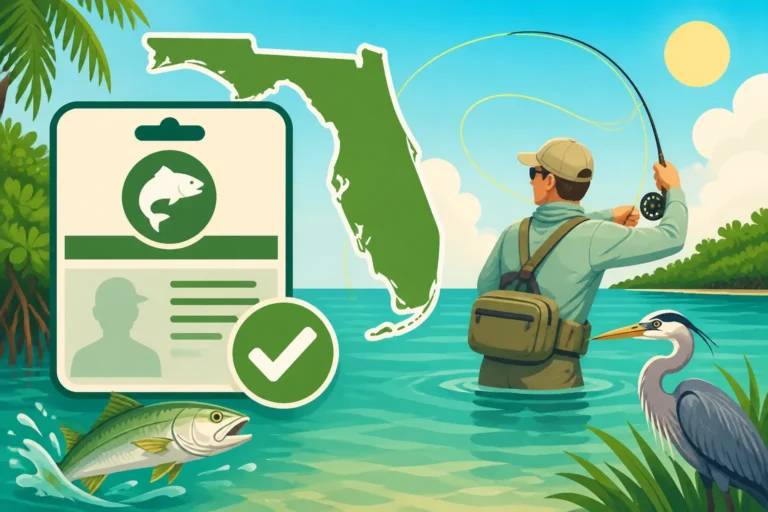
Let's cut right to the chase: in almost all scenarios, you do need a valid Florida fishing license even if you intend to practice catch and release exclusively. The Florida Fish and Wildlife Conservation Commission (FWC) views any act of attempting to catch fish as "fishing," and that activity requires a license for most people in public waters. This isn't about whether you fill your cooler; it's about participating in the recreational fishery.
Why Licenses Fund Conservation, Not Just Catching Dinner
It’s easy to think a license is just for taking fish home, but the fees collected from fishing licenses are absolutely vital for conservation efforts across the state. These funds go directly towards managing fish populations, restoring habitats, conducting scientific research, enforcing regulations, and maintaining public access sites like boat ramps and fishing piers. Every single angler, whether they’re keeping a trophy snook or releasing every single bluegill, benefits from these programs and contributes to the health of Florida's incredible aquatic ecosystems. Without these funds, our fishing opportunities would dwindle, regardless of whether you plan to keep your catch or not. Even careful catch and release still puts some stress on the fish, making sound management practices all the more critical.
The Act of Fishing Itself Requires a License
The core of the matter is the act of fishing. If you have a rod in your hand, a line in the water, and are actively trying to catch fish in any public waterbody – be it a freshwater lake, a saltwater flat, or the open ocean – you are considered an angler and generally need a license. It doesn't matter if you're using live bait, artificial lures, or simply trying out a new fly pattern. The FWC regulations are clear on this point, ensuring that everyone who participates in the sport contributes to its sustainability. This applies whether you're targeting big game fish like tarpon or just hoping for some panfish.
Common Scenarios and License Requirements
While the general rule is "yes, you need a license," there are specific situations that can be a bit confusing. Let’s break down some of the most common fishing scenarios and clarify the license rules, even for catch and release.
Fishing From a Boat in Public Waters
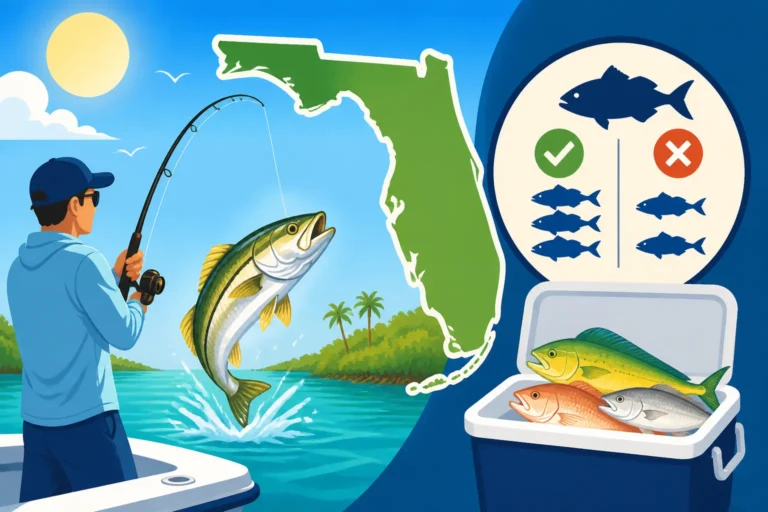
If you're out on your own boat, a friend's boat, or even a rental boat in any of Florida's vast freshwater lakes, rivers, or saltwater coastal waters, each person aged 16 or older typically needs their own valid Florida fishing license. This includes everything from fishing for bass on Lake Okeechobee to chasing redfish in Tampa Bay or trolling offshore for mahi-mahi. The boat itself might be registered, but that's a separate permit for operating the vessel, not for fishing from it. Remember, this applies regardless of whether you're planning to keep your catch or perform a quick, healthy release. To ensure you’re fully compliant, check out our detailed Florida Fishing License Guide for all the specifics.
Fishing From Shore or Wading
Just because you're not in a boat doesn't mean you're exempt. If you're casting a line from a beach, a jetty, a seawall, or wading into the shallows of an estuary, a license is generally required if you are 16 or older. This is especially true for saltwater fishing from shore. There's a common misconception about free shoreline fishing, but for most residents, an actual license is needed. However, residents can obtain a free Florida shoreline fishing license, which allows them to fish from shore or structures attached to shore in saltwater areas without a paid license. This license does not cover fishing from a vessel or accessing federal waters. For freshwater shore fishing, a regular freshwater license is still required.
Fishing from a Licensed Pier or Charter Boat
This is where some key exceptions come into play for catch and release anglers.
On a Licensed Fishing Pier
Many public fishing piers in Florida operate under a "pier license" that covers all anglers fishing from that specific structure. If a pier has purchased one of these blanket licenses from the FWC, then individual anglers (residents and non-residents alike) do not need to buy their own separate fishing license to fish from that pier. This is fantastic news for casual anglers or those who want to try catch and release without the upfront cost of a full license. Always look for signage at the pier confirming they hold such a license. If you're unsure, it's always best to ask an attendant or check the pier's website.
Aboard a For-Hire Charter or Party Boat
Booking a trip on a licensed for-hire fishing charter or party boat is another excellent way to fish without needing your own license. The captain of these vessels holds a specific FWC Charter Boat Fishing License that covers all the paying passengers onboard. This means you can enjoy the thrill of catching fish, whether you keep them or release them, without worrying about your individual license status. This applies to both saltwater and freshwater charter operations. If you're considering this option, you might want to read our article on Florida Charter Boat Fishing License Rules for more information.
Fishing in Private Ponds or Farm Ponds
If you're fishing in a wholly private pond or farm pond that is completely enclosed and doesn't have any connection to public waters (meaning fish can't move freely in and out), you generally don't need a state fishing license. This often applies to retention ponds in communities or farm ponds on private property. However, you must have permission from the pond owner to fish there. If the pond does connect to public waterways, or if fish can migrate from public waters into the pond, then a license is required. It's always best to err on the side of caution and understand the specific rules. Our guide on Florida Private Pond and Farm Pond Fishing Rules delves deeper into these specific regulations.
Children Under 16 and Other Exemptions
Florida has several other exemptions worth noting:
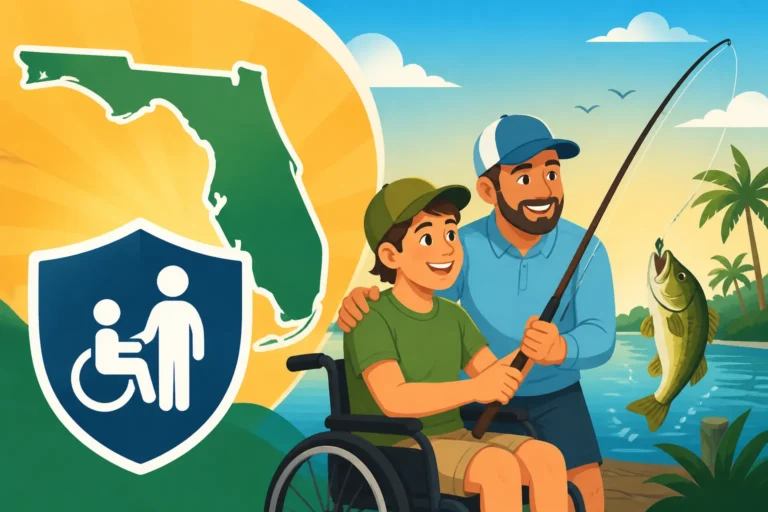
- Youth Under 16: Children under the age of 16 are generally exempt from needing a fishing license in Florida, regardless of whether they are residents or non-residents. This is a wonderful way to introduce youngsters to the joys of fishing, including the art of catch and release, without bureaucratic hurdles. You can find more details in Florida Fishing License Age Requirements.
- Florida Free Fishing Days: The FWC designates specific days throughout the year as "Free Fishing Days." On these days, residents and non-residents alike can fish without a license in either freshwater or saltwater, depending on the specific free day. These are fantastic opportunities to try fishing, including catch and release, or to introduce a friend to the sport. Keep an eye on the FWC calendar for these dates, which we cover in our Florida Free Fishing Days article.
- Disabled Residents & Seniors: Florida offers specific exemptions and reduced-cost licenses for certain disabled residents and seniors who meet particular criteria. For example, Florida residents 65 and older can often obtain a free or reduced-cost license. It’s important to understand the specific qualifications for these exemptions, which often require obtaining a specific certificate.
What Happens If You Fish Without a License for Catch and Release?
Even if your intentions are purely catch and release, fishing without the required license in Florida can lead to penalties. FWC law enforcement officers patrol Florida's waters and can request to see your license. If you are found fishing without a valid license when one is required, you could face:
- Fines: These can vary depending on the severity and whether it's a first offense, but they can be significant.
- Court Costs: You may also be responsible for court costs associated with the citation.
- Confiscation of Gear: In some cases, your fishing gear might be confiscated.
- Loss of Future Privileges: Repeated offenses could lead to a suspension of your fishing privileges.
It's simply not worth the risk. The cost of a fishing license is minimal compared to the potential fines and hassle. Always ensure you have the appropriate license for the waters you're fishing. Our article on the Penalty for Fishing Without a License in Florida details the consequences.
Choosing the Right License for Your Catch and Release Adventures
If you determine you need a license, the next step is getting the right one. Florida separates licenses into freshwater and saltwater, and you'll need the appropriate one for where you plan to fish, even if you're only doing catch and release.
- Florida Freshwater Fishing License: Required for fishing in lakes, rivers, and ponds that are primarily freshwater. This covers species like largemouth bass, crappie, and bluegill.
- Florida Saltwater Fishing License: Required for fishing in coastal waters, bays, estuaries, and the open ocean. This covers species like redfish, snook, trout, grouper, and snapper.
- Combination Hunting and Fishing License: If you enjoy both activities, a combination license can often be a more economical choice.
The good news is that acquiring a license is incredibly easy. You can purchase them online through the FWC's GoOutdoorsFlorida website, at local tackle shops, Walmart stores, or county tax collector's offices. For residents, a Florida Resident Fishing License Types and Costs guide provides all the necessary information, and for visitors, Florida Nonresident Fishing License Rules is invaluable.
Best Practices for Responsible Catch and Release
Since the goal is to protect the resource, practicing proper catch and release techniques is just as important as having your license. Here are some quick tips:
- Minimize Fight Time: Bring the fish in quickly to reduce stress.
- Use Barbless Hooks: They make de-hooking much easier and less damaging. Many specialized hooks designed for ethical release are available on platforms like Amazon.
- Handle Fish Gently: Avoid touching the gills or eyes. Support the fish horizontally, especially larger ones, to protect internal organs.
- Use Wet Hands or Gloves: Dry hands can remove the fish's protective slime layer. Specialized fishing gloves for handling fish can be found on Amazon.
- Use De-hooking Tools: Long-nose pliers or specific de-hookers (also widely available on Amazon) allow for quick hook removal without excessive handling.
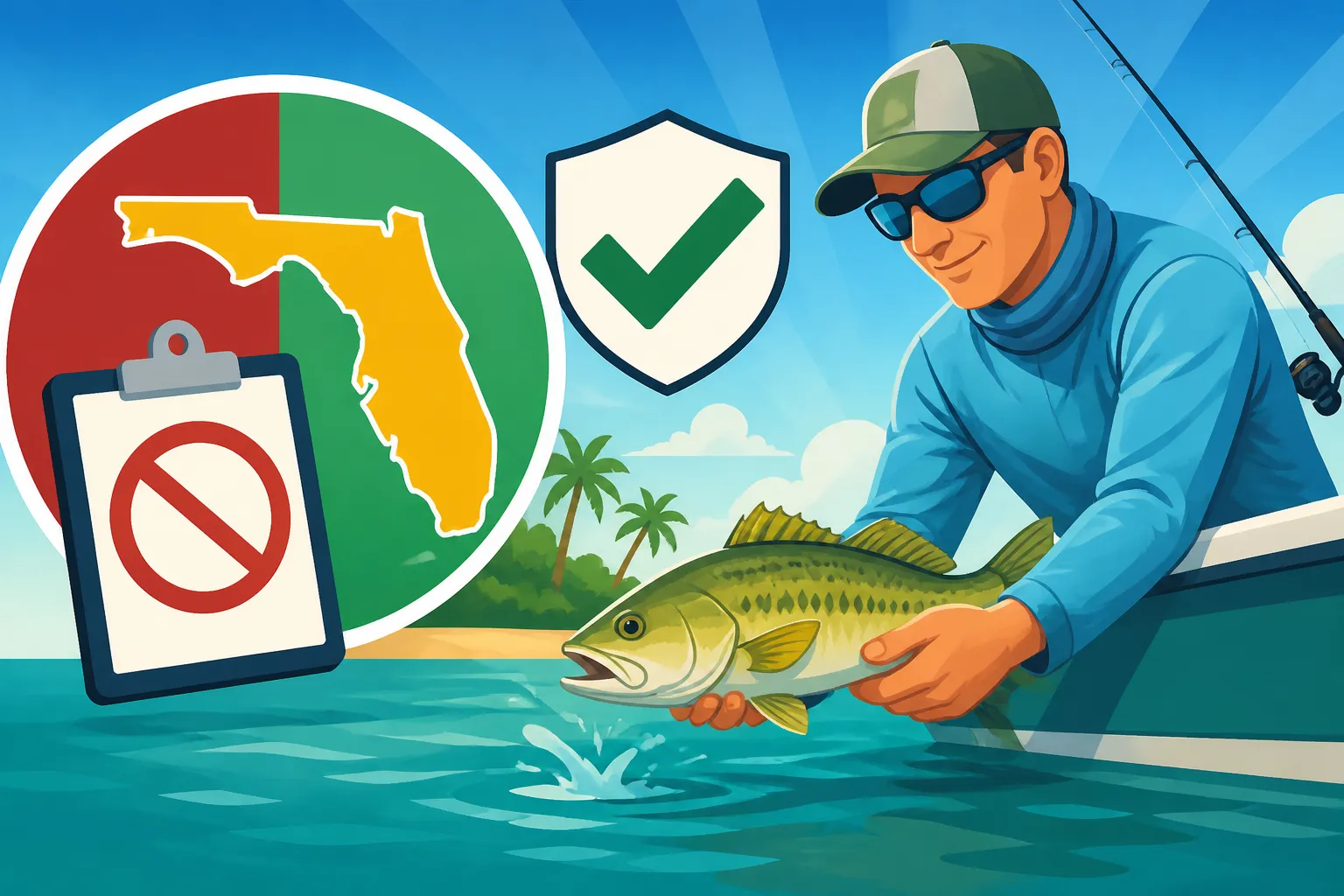
- Revive the Fish: If a fish is lethargic, hold it upright in the water, facing into the current, until it regains strength and can swim away on its own.
- Consider Species-Specific Regulations: Even if you're releasing, you should still be aware of Florida Fishing Regulations and Bag Limits for minimum sizes and closed seasons, as these often dictate how you should handle the fish or if you should even target them at all. For instance, Catch and Release Best Practices for Snook might involve specific handling techniques or even avoiding targeting them during certain times.
Here’s a quick overview of common catch and release scenarios:
| Scenario | License Required (Ages 16+) | Notes |
|---|---|---|
| Fishing from your own boat | Yes | Each individual 16+ needs a valid freshwater or saltwater license, depending on the waterbody. |
| Fishing from shore (saltwater) | Yes (or Free Shoreline) | Florida residents can obtain a free shoreline fishing license. Non-residents need a full saltwater license. |
| Fishing from shore (freshwater) | Yes | All anglers 16+ need a valid freshwater license. |
| Fishing from a licensed pier | No | Individual anglers are covered by the pier's blanket license. Look for signs. |
| Fishing on a charter/party boat | No | Covered by the captain's commercial license. |
| Fishing in private pond | No | Only if the pond is entirely enclosed and has no connection to public waters. Permission from owner is essential. |
| Kids under 16 | No | Exempt from all fishing license requirements in Florida. |
| Florida Free Fishing Days | No | Specific dates designated by FWC. |
Conclusion
So, to reiterate, for most fishing activities in Florida's public waters, a fishing license is indeed required, even if you are diligently practicing catch and release. This isn't an arbitrary rule; it's a fundamental component of the state's conservation efforts, ensuring that Florida's incredible fisheries remain vibrant for generations to come. Always make sure you have the correct license for your planned activities to avoid any unwelcome surprises from FWC officers. Happy fishing, and remember to release those fish responsibly!
Disclaimer
The information provided in this guide is for general informational purposes only and does not constitute legal advice. Fishing regulations in Florida can change, and interpretations may vary. It is always the responsibility of the individual angler to consult the latest official regulations published by the Florida Fish and Wildlife Conservation Commission (FWC) or to contact them directly for the most accurate and up-to-date information before fishing.