What Counts as Shoreline for Florida’s Free Fishing License?
It can be incredibly confusing to figure out the ins and outs of fishing regulations, especially in a state like Florida where the waters are so diverse. Many folks hear about a "free shoreline fishing license" and immediately wonder if they can finally ditch the expense of a traditional license. This guide is here to untangle exactly what the Florida Fish and Wildlife Conservation Commission (FWC) means by "shoreline" when it comes to that free license, ensuring you understand if your chosen fishing spot qualifies or if you need to snag a standard license.
Understanding Florida's Free Shoreline Fishing License
The Sunshine State is famous for its incredible fishing opportunities, from the Gulf to the Atlantic and countless inland waters. Recognizing that many residents enjoy a casual day of fishing without the need for a boat, Florida offers a specific exemption to its standard licensing requirements. This is where the free shoreline fishing license comes into play, but it's often misunderstood, leading to potential fines if you're not careful.
What the Free Shoreline License Covers
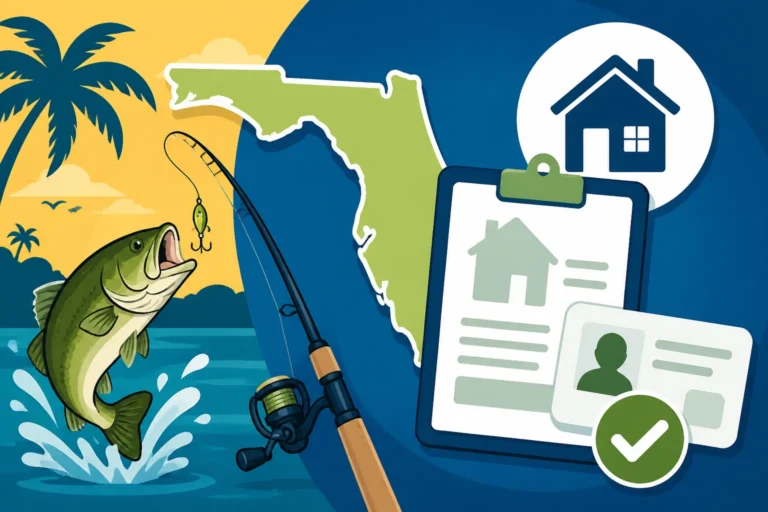
First and foremost, it's vital to understand that the Florida free shoreline fishing license is exclusively for Florida residents. If you're an out-of-state visitor, even if you're fishing directly from the beach, this particular exemption does not apply to you. Non-residents, even if they're only visiting for a short while, will need to purchase a Florida nonresident fishing license to avoid any legal trouble.
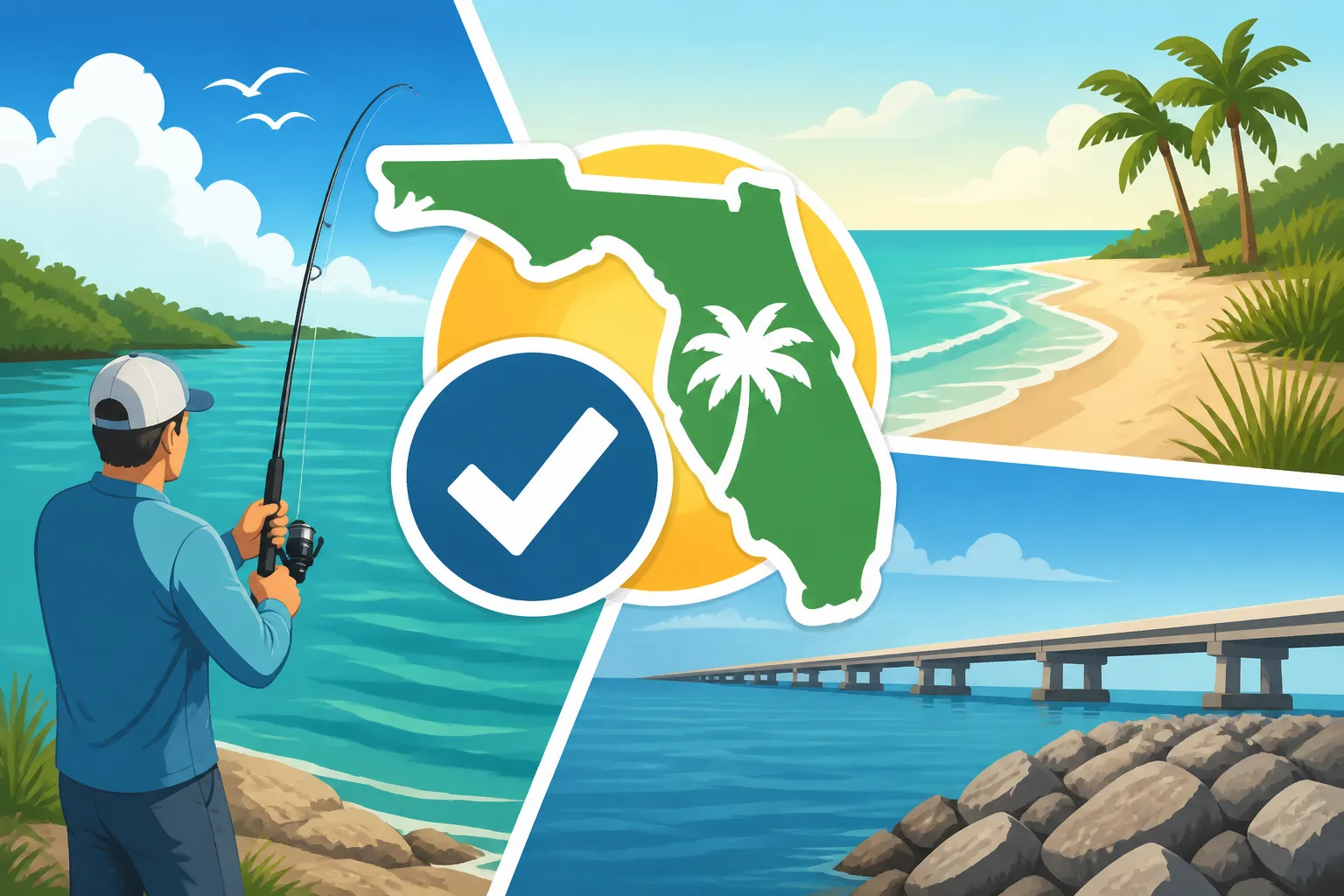
For eligible residents, this license allows you to fish for saltwater species from land or from structures attached to land. This is the core of "what counts as shoreline." Think of it as truly being land-based. This covers a vast array of popular fishing scenarios:
- Sandy Beaches: Standing on the sand and casting into the surf is a classic example of shoreline fishing.
- Seawalls and Bulkheads: Many urban areas and residential properties feature these structures, and fishing from them is generally covered.
- Docks (Public and Private): As long as the dock is permanently affixed to the land, you're usually good to go. However, remember that private property rules always supersede fishing license exemptions.
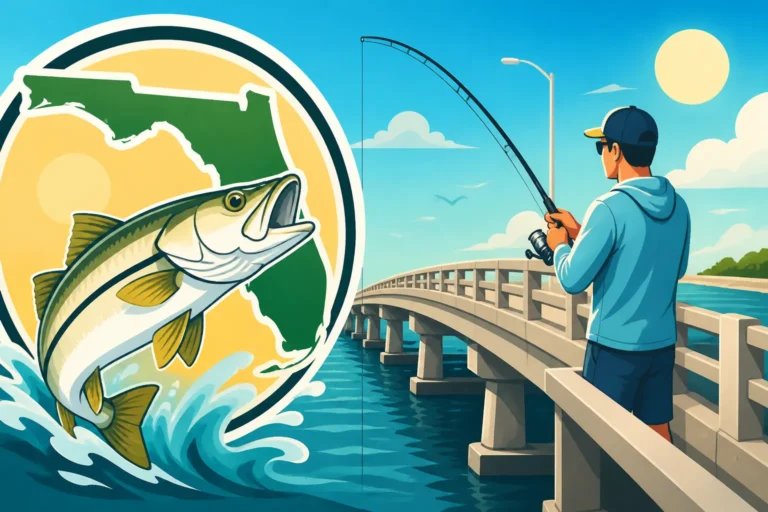
- Bridges and Causeways: Fishing from a bridge that's part of a road or pedestrian path connected to land is also considered shoreline fishing. Just make sure it's a legal and safe spot to fish!
- Parks and Designated Fishing Areas: Many state and local parks offer areas where you can fish directly from the bank or a designated platform.
The primary goal of this initiative is to encourage participation in saltwater fishing by making it accessible to those who might not have a boat or want to invest in a full license for occasional land-based trips. It's a fantastic way to enjoy Florida's rich marine life without an extra cost, provided you understand the boundaries. For a full breakdown of who needs a fishing license in Florida, it’s always a good idea to check the official FWC guidelines.
Why This Specific Exemption Exists
The free shoreline fishing license program was actually implemented as part of a federal requirement. The federal government mandated that states charge a saltwater fishing license fee to residents fishing in federal waters, but also allowed an exemption for those fishing from shore. To avoid charging a new fee to casual shore anglers, Florida opted to create this free, but required, license for its residents.
It serves as a way for the state to track participation in shore-based fishing, which helps with conservation efforts and funding, without putting an undue financial burden on residents who simply want to cast a line from the beach. This data is surprisingly important for managing fish populations and understanding angling pressure on various species. In fact, understanding how Florida fishing license fees fund conservation can shed more light on why these regulations are in place.
Specific Scenarios: What Does and Doesn't Qualify as Shoreline
The devil, as they say, is in the details. While the concept of "land-based" fishing seems straightforward, there are quite a few nuances that can trip up even experienced anglers. Let's break down some common scenarios.
Truly "Shoreline" Activities
These are the activities that are generally covered by Florida's free shoreline fishing license for residents:
- Fishing from the Beach: This is probably the most common and clear-cut example. You're standing on the sand, casting out into the ocean or bay. This includes surf fishing where you might wade out a few feet into the water, but your primary base of operation remains the contiguous land. Many popular spots, from the white sands of Clearwater Beach to the rugged shores of Jupiter Island, are perfect for this.
- Casting from Public Parks and Seawalls: If you're at a waterfront park, like Fort De Soto Park in Pinellas County, and casting from the grassy bank or a concrete seawall, you're good. The structure must be permanently attached to the land and publicly accessible (or you have permission on private land).
- Fishing from Non-Commercial Bridges and Causeways: Many bridges that connect islands or cross waterways allow pedestrian access for fishing. As long as you are fishing from the bridge structure itself, which is a fixed part of the land infrastructure, your free shoreline license should cover you. Always check local ordinances for specific bridge fishing rules.
- Fishing from Private Residential Docks: If you're a Florida resident fishing from your own private dock, or a friend's dock with their permission, and that dock is permanently attached to the land, this also falls under the free shoreline license. Remember, permission is key for private property!
Essentially, if your feet (or your chair) are on solid ground or a structure solidly connected to it, and you're not on a boat, kayak, or other vessel, you're likely covered.
Activities That Do Not Qualify as Shoreline Fishing
This is where many anglers get caught off guard. Even if you're very close to shore, certain situations absolutely require a standard Florida saltwater fishing license (or a specific vessel license).
- Fishing from a Boat, Kayak, Canoe, or Paddleboard: This is the most critical distinction. If you are in any type of vessel, no matter how small, how close to shore you are, or whether it's anchored or drifting, you need a full saltwater fishing license. This includes paddleboards, kayaks, canoes, and even inflatable rafts. The moment you push off the land in a watercraft, the shoreline exemption ceases to apply. This is a common point of confusion, especially for those who enjoy kayak fishing, but it's a clear line in the sand (or, rather, the water).
- Fishing from a Commercial Pier or Pompano Beach Pier: Many larger, public fishing piers in Florida, like the Skyway Fishing Pier State Park or the Dania Beach Pier, operate under a "pier license." This means the pier itself holds a blanket fishing license that covers anyone fishing from it, regardless of their residency status. If you're on one of these licensed piers, you do not need an individual fishing license (free shoreline or otherwise). However, not all piers are licensed, so always check before you cast. If a pier isn't licensed, and you're a Florida resident, your free shoreline license would apply. This highlights the need to understand specific local rules for where you can fish in Florida without buying a license.
- Fishing from a For-Hire Charter Boat: When you book a fishing charter, whether it's a small inshore guide service or a large deep-sea vessel, you typically do not need your own individual fishing license. The vessel itself, or the captain, holds a specific license that covers all passengers. This is a huge convenience and one of the benefits of booking a guided trip.
- Harvesting Seafood Using Cast Nets or Other Gear from a Vessel: While casting a net for bait from the shoreline is often covered by the free shoreline license (for saltwater species), if you're doing so from a boat, you'll need a standard license. This applies to activities like gigging flounder from a boat or setting crab traps from a vessel.
To help clarify, here's a quick table outlining common scenarios:
| Activity / Location | Requires Individual FL Resident Saltwater License? | Covered by Free FL Resident Shoreline License? | Other License May Apply / Exemptions |
|---|---|---|---|
| Standing on the beach, casting into surf | No | Yes | (Must be FL resident) |
| Fishing from a seawall or public park bank | No | Yes | (Must be FL resident) |
| Fishing from a private dock attached to land | No | Yes | (Must be FL resident, with permission) |
| Fishing from a bridge connected to land | No | Yes | (Must be FL resident) |
| Fishing from a kayak or canoe | Yes | No | |
| Fishing from a boat (even small boats near shore) | Yes | No | |
| Fishing from a "licensed" public fishing pier | No | No (Pier's blanket license covers you) | Check pier signage |
| Fishing on a for-hire charter boat | No | No (Charter's license covers you) | |
| Using a cast net for bait from a vessel | Yes | No |
It's a nuanced system, but once you grasp the "land-based only" rule for the free shoreline license, most situations become much clearer.
Common Misconceptions and Important Exceptions
Even with the basic rules, a few tricky situations and long-standing beliefs can cause confusion. Let's clear those up so you can fish with confidence.
The "Private Pond" Myth
One persistent myth is that you don't need a license to fish in a private pond in Florida. This is largely true for freshwater private ponds, especially if they are wholly contained on private land and don't have a connection to other public waters. If you're fishing a private pond or farm pond in Florida that is completely enclosed and privately owned, you generally don't need a license.
However, the "shoreline" discussion here specifically refers to saltwater fishing. If that "private pond" is actually a brackish canal or a lagoon with a connection to the open ocean or a larger bay, then saltwater rules (and thus, potentially a license) would apply even if it feels "private." Always err on the side of caution and check if your private water body has a connection to public saltwater.
Age Exemptions and Other Free Licenses
While the free shoreline license is specifically for residents, Florida offers other exemptions that might apply to you, regardless of where you're fishing from.
- Youth Anglers: Kids under 16 years of age do not need a fishing license in Florida, regardless of whether they are residents or non-residents, and whether they are fishing from shore or a boat. This is a wonderful incentive to get young ones hooked on fishing!
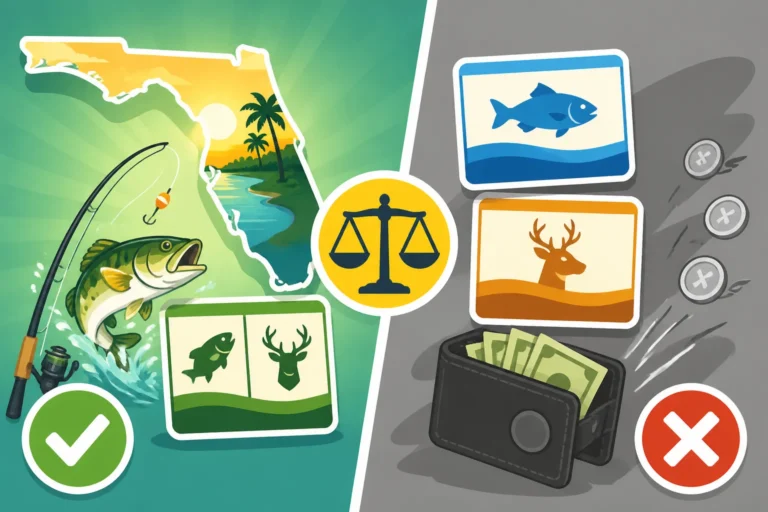
- Senior Residents: Florida residents who are 65 years of age or older can obtain a free Senior Citizen Hunting and Fishing Certificate. This covers both freshwater and saltwater fishing, as well as hunting, and removes the need for even the free shoreline license. It's a fantastic benefit for Florida's elder community, recognizing their contributions to the state.
- Disabled Residents: Florida offers various fishing license discounts for disabled residents, and in some cases, full exemptions. If you are a disabled resident, you may qualify for a free Disabled Resident Fishing License. This is another area where the FWC aims to make fishing accessible to everyone.
- Military Exemptions: There are also specific Florida military fishing license exemptions for active duty military personnel and veterans, particularly disabled veterans. These often provide free or reduced-cost licenses.
These exemptions are separate from the free shoreline license but can offer a broader scope of fishing opportunities without a fee. It's always worth checking if you qualify for any of these.
What About Catch and Release?
A very common question is, "Do you need a license for catch and release fishing in Florida?" The answer is a resounding yes. The requirement for a fishing license in Florida is based on the act of fishing, not on whether you intend to keep or release your catch. Even if you're practicing strict catch and release, you still need the appropriate license (be it the free shoreline license for residents from shore, or a standard saltwater license from a vessel). This applies to all species, whether you're targeting a prized snook or just enjoying the simple pleasure of reeling in whatever bites.
Ensuring You're Compliant and Prepared
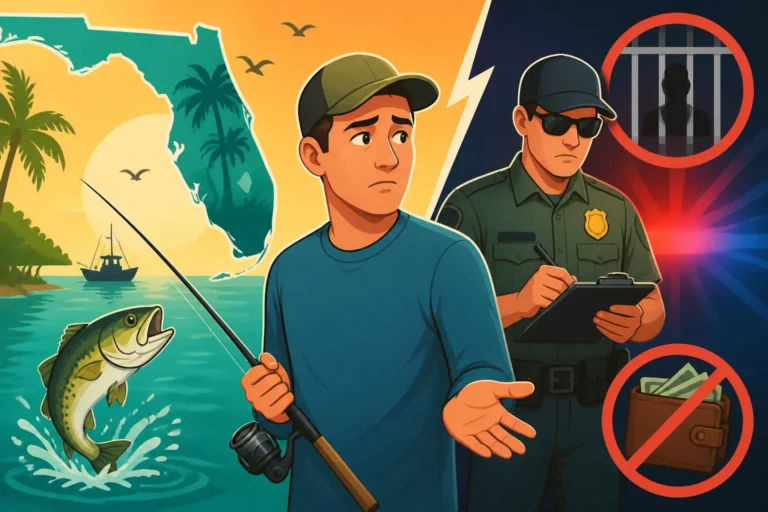
The last thing anyone wants is to have a relaxing day of fishing interrupted by a run-in with law enforcement due to a licensing mix-up. Staying informed and prepared is key to a stress-free experience.
How to Obtain Your Free Shoreline License
If you're a Florida resident and your fishing plans align with the "from shore" definition, getting your free shoreline fishing license is simple. You can easily obtain it online through the Florida Fish and Wildlife Conservation Commission's GoOutdoorsFlorida website. You can also pick one up in person at any Florida County Tax Collector's office or a license agent, like a bait and tackle shop or even a Walmart sporting goods counter.
While it's free, it's still a formal license, and you need to have it on you (either physically or digitally via the Florida GoOutdoors App Fishing License) when you're fishing.
Verifying Local Regulations and Conditions
Beyond the license itself, always remember that fishing regulations can change, and local rules apply.
- Check for Emergency Orders: Hurricanes, red tide events, or cold snaps can trigger emergency closures or changes to bag limits and seasons. Always check the FWC website for the latest updates before heading out. Knowing how Florida fishing license rules change during red tide events, for example, can save you a lot of hassle.
- Bag and Size Limits: Even with a valid license, you must adhere to all Florida fishing regulations and bag limits for the specific species you're targeting. These limits are crucial for conservation.
- Access Restrictions: While your free shoreline license might cover the act of fishing, it doesn't grant you access to private property. Respect "No Trespassing" signs and always ask permission if you're unsure.
Gear for Shoreline Fishing
Shoreline fishing is incredibly accessible, often requiring minimal gear. For basic surf fishing or casting from a dock, a medium-action spinning rod and reel combo, some basic tackle like sinkers, hooks, and swivels, and a cooler for your bait and any keepers are usually all you need. Many anglers find great deals on "starter kits" for saltwater fishing on platforms like Amazon, which can be a convenient way to get set up quickly without breaking the bank. Don't forget essentials like sunscreen, a hat, polarized sunglasses, and a pair of pliers for hook removal. You can find quality polarized sunglasses and durable fishing pliers easily on Amazon to enhance your experience and keep you safe.
For those serious about finding the best spots, investing in a good quality fishing cart or backpack can make hauling your gear along sandy beaches or long piers much easier. Brands like Berkley and Ugly Stik offer reliable and affordable options often found on Amazon, perfect for the rigors of Florida's saltwater environment. And if you're relying on your phone for the GoOutdoors app, a waterproof phone case is always a smart investment, which you can also grab from Amazon.
By understanding the precise definition of "shoreline" for Florida's free fishing license and staying informed about regulations, you're all set to enjoy the incredible land-based fishing opportunities this state has to offer. Tight lines!
Disclaimer
The information provided in this guide is for general informational purposes only and is not intended as legal advice. Fishing regulations in Florida can be complex and are subject to change by the Florida Fish and Wildlife Conservation Commission (FWC). Always consult the official FWC website or contact them directly for the most current and accurate information regarding fishing licenses, seasons, and bag limits before engaging in any fishing activities. Compliance with all federal, state, and local laws is the responsibility of the individual angler.