Which Florida Piers Don’t Require a Fishing License?
There's nothing quite like the feeling of a salty breeze, the rhythmic sound of waves, and the anticipation of a tug on your line as you cast from a Florida fishing pier. But let's be honest, the moment you start thinking about licenses, the fun can feel like it's taking a backseat to bureaucracy. Many anglers, especially those just visiting or looking for a casual outing, often wonder: do I need a fishing license to cast a line from every pier in Florida? The good news is, no, not always! This guide is going to clear up all that confusion and point you to the fantastic Florida piers where you can enjoy a day of fishing without needing an individual license.
Understanding the Florida Fishing License Requirement on Piers
When you picture fishing in Florida, it often involves a boat out on the open water or wading through shallow flats. However, pier fishing offers a unique, accessible, and often very productive way to enjoy the sport. The convenience of simply walking out onto a pier, setting up your gear, and casting a line is hard to beat, especially for families or those new to fishing. But this ease of access sometimes leads to confusion about licensing.
The General Rule: Individual Licenses are Standard
Most places you fish in Florida, whether from a boat, shoreline, or non-exempt pier, require an individual Florida fishing license. This applies to both residents and non-residents, with specific age requirements and exemptions for various situations. It's a system designed to fund crucial conservation efforts and manage fish populations responsibly, ensuring healthy ecosystems for future generations of anglers. For a deeper dive into the overall requirements, you might want to check out our comprehensive guide on the Florida Fishing License Guide.
The Florida Fish and Wildlife Conservation Commission (FWC) is serious about these regulations, and ignorance is rarely accepted as an excuse. If you're caught fishing without the proper documentation where it's required, you could face fines and penalties, which can quickly turn a fun day into a frustrating and costly experience. That's why understanding these rules is so crucial, especially when you're planning a fun day out at a pier. Even if your intention is purely catch-and-release, the individual license requirement often still applies in most fishing scenarios across the state.
The Public Pier Exemption: How It Works
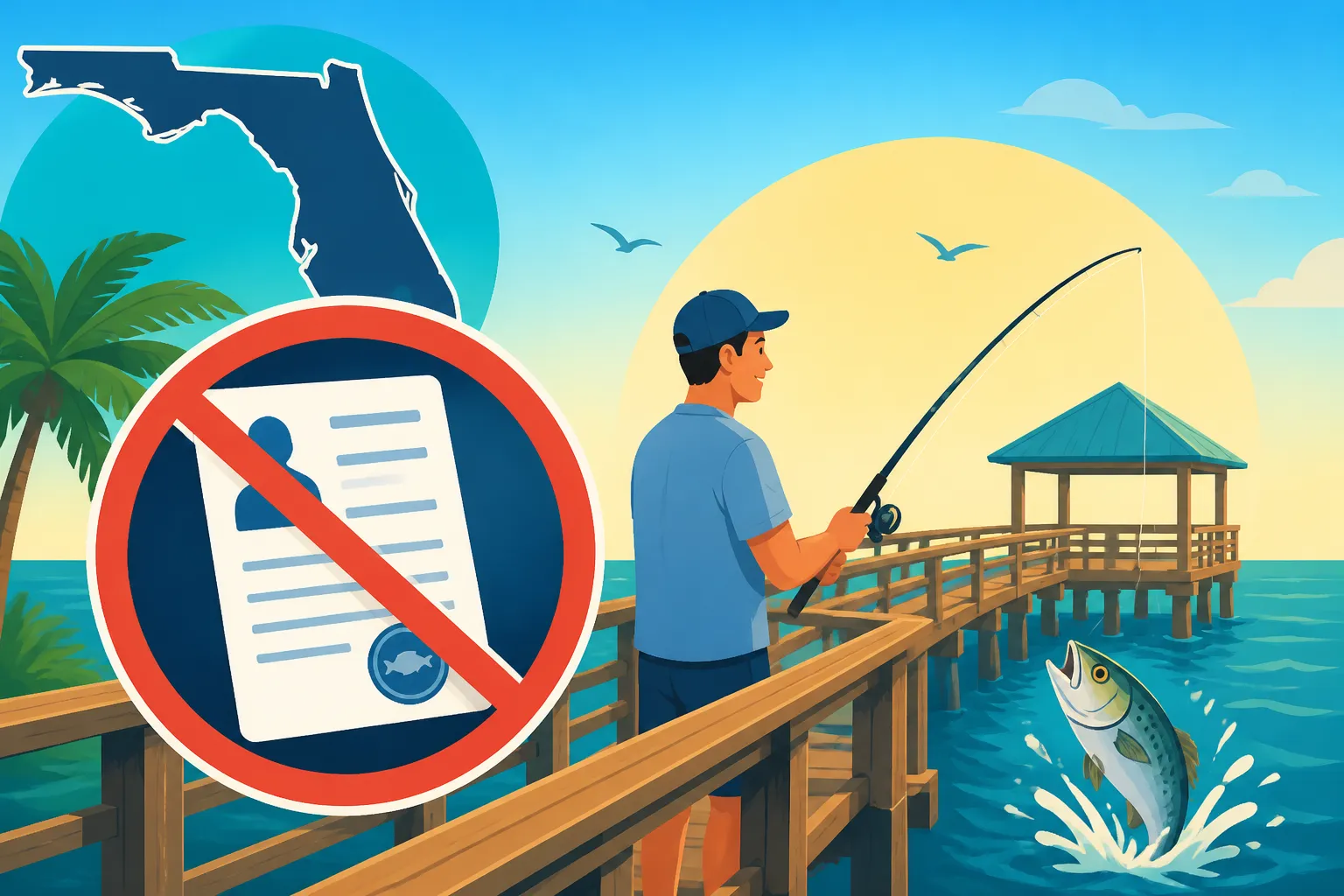
Now, for the exciting part that brings relief to many casual anglers: the public pier exemption. The FWC has a rule that allows specific, publicly operated fishing piers to purchase and hold a single, blanket pier fishing license. This "pier fishing license" then covers all individuals fishing from that particular pier. This means that if you're fishing from one of these designated, FWC-licensed piers, you do not need to purchase and possess your own individual saltwater fishing license. It's a fantastic perk that significantly enhances accessibility and makes fishing a hassle-free activity for countless tourists and locals alike.
This exemption is a huge draw for families, vacationers, or those who might only fish a few times a year and don't want the commitment or expense of an annual license. Imagine: no need to figure out Florida Fishing License Costs and Fees or navigate the process of How to Buy a Fishing License Online just for a few hours of enjoyable pier fishing. This system truly simplifies things, allowing you to focus entirely on the fishing experience itself – the bites, the catches, and the beautiful scenery. It's important to remember that this specific exemption generally applies to saltwater fishing from a pier, as most smaller freshwater piers are less regulated and would still typically require an individual freshwater fishing license.
Identifying Exempt Piers: What to Look For
So, how do you actually know if a pier is covered by this convenient blanket license? It's not always immediately obvious, and you certainly don't want to make assumptions that could lead to an unwelcome interaction with law enforcement. There are clear signs and reliable methods to confirm a pier's license-exempt status before you even wet a line. The crucial phrase here is "publicly operated." These are typically piers managed by a city, county, or state park system, designed for public recreation and often supported by local government funds. Privately owned piers, small docks at resorts, or neighborhood common area piers usually do not fall under this exemption, and for those, you would definitely need your own individual license.
Signs of a License-Exempt Pier
The easiest and most reliable way to tell if a pier doesn't require an individual license is to look for explicit signage. Exempt piers are generally quite proud of this feature and will clearly post signs stating that a "Florida fishing license is not required for anglers fishing from this structure" or similar wording. You'll often see these prominent signs near the entrance of the pier, by any onsite bait shop, or at informational kiosks. If you don't see any explicit signage, it's always best practice to assume you do need a license or to proactively ask a pier attendant or staff member for clarification. Don't be shy about asking; it's better to be safe than sorry.
Another strong indicator that a pier operates under a blanket license is if it charges a nominal fishing fee. This small fee, typically just a few dollars, often goes directly towards covering the cost of the pier's master fishing license, as well as general maintenance and amenities. For example, many of the larger, more well-known piers throughout Florida operate this way. If a pier collects a fee from anglers specifically for fishing access, chances are very good that they hold the required license to cover their patrons. These fees are usually quite reasonable, making it a small price to pay for the incredible convenience of hassle-free fishing without an individual license.
Verifying Pier Status and Best Practices
When in doubt, always take the extra step to verify a pier's licensing status. You can usually find up-to-date information about specific piers on their official websites, city or county tourism sites, or directly on the FWC website's "Where to Fish" section. A quick phone call to the pier office, a local park ranger, or even the county's parks and recreation department can also confirm their current licensing arrangements. It's crucial not to rely solely on old blog posts, social media discussions, or outdated information, as regulations and pier policies can change. For a general overview of who needs a license in various situations, you can refer to our guide on Who Needs a Fishing License in Florida.
It's also a smart idea to carry a small, waterproof pouch (you can find plenty of excellent and affordable options on Amazon) with relevant contact numbers or printouts of confirmation emails if you're still unsure, just in case you need to clarify something with authorities. Even on license-exempt piers, all other Florida Fishing Regulations and Bag Limits still apply. This is a critical point! You still need to abide by species-specific size limits, daily bag limits, and gear restrictions for the fish you're targeting. The exemption only covers the individual license, not the underlying rules of ethical and legal fishing.
Notable Florida Piers That Often Don't Require an Individual License
Florida is blessed with thousands of miles of coastline and countless beautiful piers, and many of them offer the fantastic license-exempt fishing experience. These piers are often major attractions in their own right, featuring not only prime fishing spots but also amenities like bait and tackle shops, clean restrooms, and sometimes even restaurants, observation decks, or entertainment venues. They are designed for extensive public enjoyment, making them perfect destinations for a casual fishing trip or a fun family outing.
Popular License-Exempt Piers Across the State
While it's impossible to list every single pier in Florida that operates under a blanket license, here are some prominent examples of well-known Florida fishing piers that typically hold a blanket license. This means you generally won't need to purchase your own individual fishing license to cast a line there. However, it's always a good practice to confirm the current policy before you go, as conditions and regulations can occasionally change!
- Naples Pier (Naples): This iconic pier stretches over a thousand feet into the Gulf of Mexico and is famous for its breathtaking sunsets and consistently good fishing. It's a prime spot to catch various saltwater species, and anglers deeply appreciate the convenience of not needing an individual license to enjoy the action.
- Clearwater Beach Pier 60 (Clearwater): Located on Florida's stunning Gulf Coast, Pier 60 is not only a fantastic fishing spot but also home to a lively nightly "Sunsets at Pier 60" festival. They readily offer fishing without an individual license required for a small daily fee, making it a vibrant and exceptionally accessible place to fish for both locals and tourists.
- Sunshine Skyway Fishing Pier (St. Petersburg/Palmetto): This truly unique fishing destination is one of the longest fishing piers in the world, built on sections of the original Skyway Bridge. It consists of two massive piers, north and south, and famously does not require an individual fishing license for its patrons. It's a huge draw for both serious and casual anglers, offering unparalleled deep-water access directly from the pier.
- Fort De Soto Park Piers (St. Petersburg): Within the confines of the nationally acclaimed Fort De Soto Park, you'll discover two excellent fishing piers—one extending into the Gulf of Mexico and another into Tampa Bay. Both generally fall under the park's blanket license, allowing you to fish without an individual license after paying the park's nominal vehicle entrance fee.
- Cocoa Beach Pier (Cocoa Beach): On Florida's Space Coast along the Atlantic side, this historic pier is a popular destination combining fishing, dining, and entertainment. They typically have a blanket license in place, making it incredibly easy for visitors to enjoy fishing without the prior purchase of an individual license.
- Okaloosa Island Pier (Fort Walton Beach): Up in the beautiful Florida Panhandle, this pier is a consistent hot spot for catching everything from pompano and whiting to Spanish mackerel and even king mackerel. For a small pier access fee, you can fish here without an individual license. They also have a very well-stocked bait and tackle shop right on site, which is super convenient if you forgot something crucial or just need to grab some fresh bait or a new lure.
Remember, these are just a few prominent examples. Many other municipal and county parks across Florida offer similar blanket license arrangements. Always keep an eye out for those reassuring "Pier Fishing Permit Included" signs!
Here's a quick reference table for some of these popular license-exempt piers:
| Pier Name | Location | Type of Water | Individual License Required? | Typical Fishing Fee (Approx.) |
|---|---|---|---|---|
| Naples Pier | Naples (Gulf Coast) | Saltwater | No | ~$2-$5 (per angler) |
| Clearwater Beach Pier 60 | Clearwater (Gulf Coast) | Saltwater | No | ~$2-$5 (per angler) |
| Sunshine Skyway Fishing Pier | St. Petersburg/Palmetto | Saltwater | No | ~$4-$5 (per vehicle) |
| Fort De Soto Park Piers | St. Petersburg (Gulf/Bay) | Saltwater | No | ~$5 (per vehicle) |
| Cocoa Beach Pier | Cocoa Beach (Atlantic) | Saltwater | No | ~$5-$10 (per angler) |
| Okaloosa Island Pier | Fort Walton Beach (Gulf) | Saltwater | No | ~$5-$10 (per angler) |
| Dania Beach Pier | Dania Beach (Atlantic) | Saltwater | No | ~$2-$5 (per angler) |
Note: Fees are subject to change and may vary for residents/non-residents or by duration. Always check directly with the specific pier or its official website for the most current and accurate information before planning your trip.
What to Bring for a License-Exempt Pier Fishing Trip
Just because you don't need an individual license doesn't mean you shouldn't be thoroughly prepared for your fishing excursion! A successful and enjoyable pier fishing trip still requires the right gear and a little bit of knowledge. While many of these larger piers have convenient bait and tackle shops where you can purchase supplies, having your own reliable setup is always a good idea. Consider bringing a sturdy, medium-heavy spinning rod and reel combo, which is versatile enough to handle a wide variety of common saltwater species you might encounter from a pier. You can find excellent, durable, and affordable combos on Amazon that are perfectly suited for the demands of pier fishing.
Other essential items for your pier tackle box should include a variety of hooks (like circle hooks or J-hooks), an assortment of sinkers (pyramid or egg weights work well), swivels, and perhaps a few popular artificial lures that mimic local baitfish. Don't forget a sharp bait knife, a good pair of fishing pliers (for hook removal and cutting line), a few rags, and a cooler with plenty of ice for any fish you plan to keep within legal limits. Sun protection is absolutely paramount in the Florida sun, so bring a wide-brimmed hat, polarized sunglasses, and ample high-SPF sunscreen. A comfortable small folding chair can also make your extended time on the pier much more relaxing. Knowing about Florida Saltwater Fishing License Rules might still be helpful if you plan to venture beyond the pier during your trip or try different fishing methods.
Beyond the Pier: Other License Exemptions and Considerations
While fishing from a licensed public pier is a fantastic and convenient way to enjoy Florida's rich fishing waters without needing an individual license, it's not the only exemption available. Florida offers several other specific scenarios where you might not need to purchase your own fishing license, which can be useful to know for planning future trips or exploring different fishing adventures throughout the state. Being aware of these exceptions can open up even more opportunities for stress-free angling.
Other Scenarios Where a License Might Not Be Needed
- Charter Boats: If you're fortunate enough to be fishing on a licensed for-hire charter boat or with a professional fishing guide, the captain's vessel license typically covers all the passengers onboard. This is a very common arrangement for offshore deep-sea fishing trips, inshore guided excursions, or even specialized fly-fishing trips. So, if you book a trip with one of the many excellent Florida fishing charter services, you generally won't need to purchase your own individual fishing license, as you're covered by the commercial license of the operation.
- Kids and Seniors: Florida's regulations are designed to encourage participation across all age groups. Children under 16 years of age do not need a fishing license to fish in Florida waters. This makes pier fishing, and many other forms of fishing, an especially great family activity, as younger kids can participate fully without any licensing hurdles. For older anglers, Florida residents 65 years of age or older can obtain a free Resident Senior Citizen Hunting and Fishing Certificate, which effectively exempts them from needing a regular fishing license. If you're looking for more specific details on age requirements, our article on Florida Fishing License Age Requirements can provide more comprehensive information.
- Florida Free Fishing Days: The FWC thoughtfully designates several "Free Fishing Days" throughout the year. On these specific, predetermined days, both residents and non-residents can fish saltwater or freshwater without needing any type of fishing license. These are truly wonderful opportunities to try fishing for the very first time, introduce a friend or family member to the sport, or simply enjoy a day on the water without any financial commitment to a license. Always keep a close eye on the FWC calendar for upcoming Florida Free Fishing Days to mark your own calendar!
- Private Ponds: Generally, if you're fishing in a private pond that is located entirely on your own land or on land for which you have explicit permission to fish, you may not need a license. This typically applies to ponds that are completely enclosed and do not have any connection to other public waterways like rivers, lakes, or the ocean. However, rules can sometimes vary by locality or specific circumstances, so it's always prudent to confirm with the landowner or your local FWC office if you have any doubts about a particular private water body.
- Shoreline Fishing (Resident Specific): Florida residents have access to a special free Florida Shoreline Fishing License Explained if they are fishing exclusively from the shoreline or from a structure that is directly attached to the shore (such as a private dock or a bridge that does not extend over state waters). However, it's crucial to understand that this is only for residents and requires you to specifically obtain this free license. It's not a blanket exemption where you can just go fish; you still need to possess the specific shoreline license. Non-residents fishing from the shoreline would still need a regular nonresident saltwater fishing license.
Planning Your Next Florida Fishing Adventure
Whether you choose the simplicity and accessibility of a license-exempt pier, the guided excitement of a professional charter, or plan your trip strategically around one of the state's generous free fishing days, Florida offers an incredible array of opportunities for anglers of all skill levels. Taking the time to understand the nuances of the licensing rules will ensure that your focus remains squarely on the joy of fishing, rather than on potential legal issues or regulatory headaches.
Consider exploring different types of fishing and various locations throughout the state. Perhaps you'll discover your new favorite spot among the Best Pier Fishing Spots in Florida, or maybe you'll feel inspired to try a new technique like fly fishing or targeting a different species. The most important thing is to get out there, immerse yourself in the beautiful Florida environment, and create some incredible, lasting fishing memories. Just make sure you're always informed, prepared, and ready for whatever exciting fishing adventure awaits you!
Disclaimer
The information provided in this guide is for general informational purposes only and does not constitute legal advice. Fishing regulations in Florida can change frequently and may vary based on location, species, and other factors. It is the angler's sole responsibility to verify all current rules, requirements, and exemptions directly with the Florida Fish and Wildlife Conservation Commission (FWC) or local pier authorities before engaging in any fishing activities. Reliance on this information is at your own risk.