Do You Need a License to Catch Blue Crabs in Florida?
Navigating the world of Florida fishing and harvesting regulations can often feel like trying to untangle a particularly stubborn fishing line – confusing, frustrating, and seemingly endless. Many folks wonder about the simplest things, like whether they need a license just to catch some delicious blue crabs for dinner. It's a valid question, given how specific Florida's rules can be for different species. This comprehensive guide is here to clear up all that head-scratching, detailing exactly when a license is required, the specific regulations you need to follow, and how to enjoy blue crabbing responsibly in the Sunshine State.
The Big Question: Do You Need a License to Catch Blue Crabs in Florida?
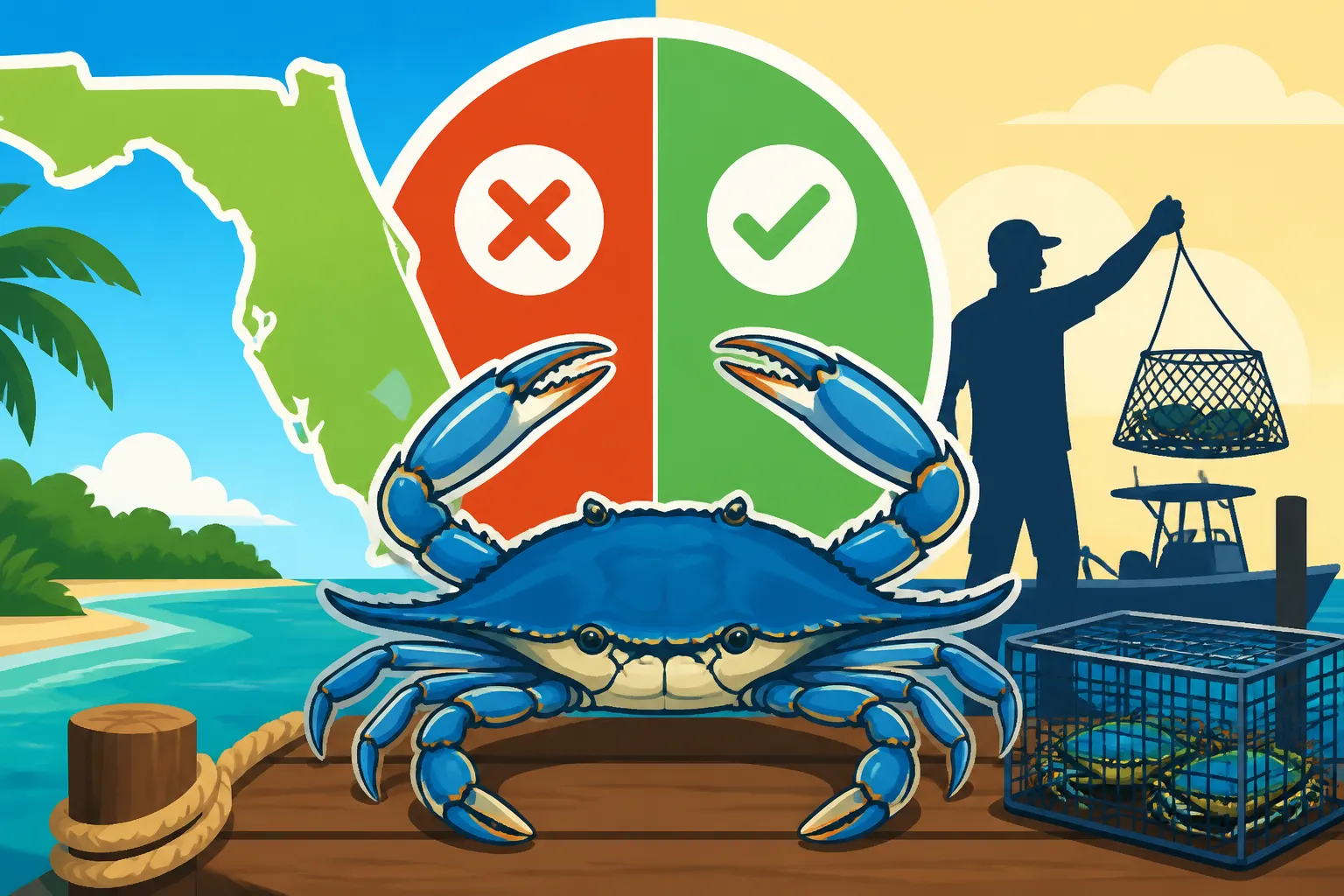
Let's get straight to the point because this is the question on everyone's mind: Yes, in most cases, if you're planning to recreationally harvest blue crabs in Florida, you absolutely need a valid Florida saltwater fishing license. This often catches people by surprise because they might associate fishing licenses primarily with hook-and-line angling for finfish. However, the state's regulations are broad, encompassing the recreational harvest of many marine species, including crustaceans like blue crabs. It's not just about what you catch, but how you catch it and whether you're taking it from public waters.
Recreational Crabbing: The Saltwater Fishing License Connection
For the casual crabber looking to catch a few blue crabs for a family meal, the key piece of paperwork you'll need is a Florida recreational saltwater fishing license. This applies to anyone aged 16 and older, unless you fall under specific exemption categories (more on those later). Whether you're using a dip net from a dock, dropping a handline with bait from a bridge, or deploying a few recreational crab traps from your boat, that saltwater license needs to be in your possession.
Think of it this way: Florida's abundant marine resources are a treasure, and the fees from these licenses go directly back into conserving these populations and managing their habitats. So, while it might feel like an extra step, buying a license is a direct contribution to ensuring there are plenty of blue crabs and other marine life for future generations to enjoy. It’s important to understand that these rules are in place to manage sustainable harvesting. Trying to dodge the requirement isn't just risky; it undermines these crucial conservation efforts. You can learn more about who needs a license in our detailed guide on Who Needs a Fishing License in Florida.
Commercial Crabbing: A Different Ballgame Entirely
Now, if you're thinking beyond a family dinner and considering harvesting blue crabs for commercial purposes – meaning you intend to sell your catch – then the requirements become far more extensive and specialized. Commercial blue crabbing is a highly regulated industry in Florida, requiring specific commercial licenses, endorsements, and often adherence to more stringent gear and harvesting rules than recreational crabbing.
Commercial crabbers need to hold a valid Florida saltwater products license (SPL) with the appropriate restricted species endorsements. The gear they can use, the number of traps they can deploy, and the areas they can operate in are all subject to strict regulations by the Florida Fish and Wildlife Conservation Commission (FWC). These rules are designed to prevent overfishing and ensure the long-term viability of Florida's commercial fisheries. If you're even contemplating commercial operations, it's critical to consult the FWC's official commercial regulations directly, as they are complex and frequently updated. For recreational purposes, stick to the saltwater fishing license.
Recreational Blue Crabbing: Gear, Limits, and Important Rules
Once you've got your Florida saltwater fishing license squared away, you're ready to dive into the exciting world of blue crabbing! But before you start dropping lines, it's crucial to understand the specific rules governing recreational harvest. These aren't arbitrary guidelines; they're designed to maintain healthy blue crab populations and ensure fair access for everyone.
Acceptable Methods for Catching Blue Crabs
Recreational blue crabbers in Florida have several methods at their disposal, but it's vital to use only approved gear. You can't just throw anything in the water and call it a crab trap.
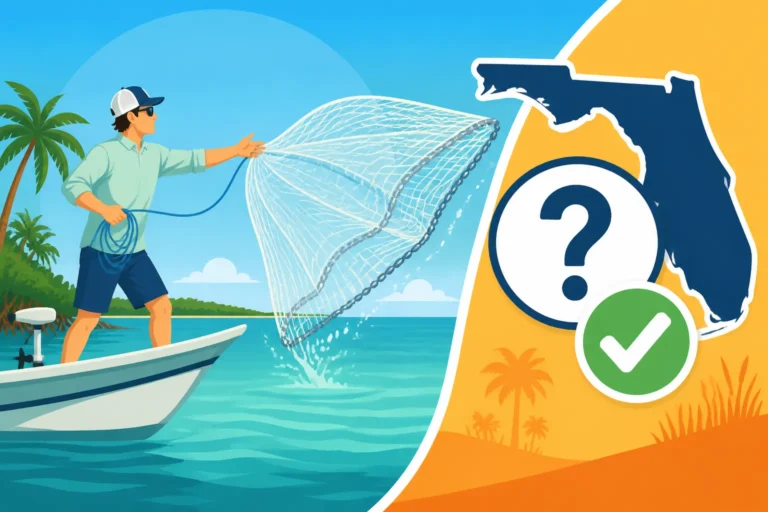
- Handlines and Dip Nets: These are perhaps the simplest and most accessible methods. A handline involves a piece of bait (often a chicken neck or fish scrap) tied to a string, which you lower into the water. When a crab grabs on, you slowly pull it up and use a dip net to scoop it out. Many beginners start with this method, often from docks or shorelines, as it requires minimal equipment. A sturdy dip net is a must-have, and you can find a good selection of various sizes and handle lengths on Amazon.
- Fold-Up Traps and Drop Nets: These are compact traps that fold flat for easy transport. They typically consist of a wire frame with netting, and a bait clip in the middle. When lowered, they lie flat on the bottom, allowing crabs to walk over the bait. When you pull the line, the sides spring up, trapping the crabs. You are limited to a maximum of five of these fold-up traps or drop nets per person.
- Recreational Blue Crab Traps: These are more substantial, rigid traps, often made of wire mesh. They feature funnels or openings that allow crabs to enter but make it difficult for them to exit. For recreational use, you can deploy a maximum of five such traps per person. Each trap must have a buoy attached that is clearly marked with the letter "R" (for recreational), the trap owner's name and address, and their FWC customer identification number. It’s also important that these traps don’t exceed 24 inches by 24 inches if square, or 30 inches in diameter if round. These traps are not allowed to be placed in navigation channels.
- Trotlines: These are long lines with bait attached at intervals. They are typically set between two points, often with buoys marking each end. As you slowly motor along the line, you can lift it to retrieve any crabs clinging to the bait. Recreational trotlines are limited to a maximum of three per person and cannot exceed 150 feet in length. Each end of a trotline must be marked with a buoy displaying the owner's name, address, and FWC customer ID number.
Remember, whatever method you choose, make sure your gear is in good condition and clearly marked as required by law.
Understanding Bag and Size Limits for Recreational Harvest
Florida has specific limits on how many blue crabs you can keep and whether there are size restrictions. These are crucial for sustainable harvesting.
- Bag Limit: For recreational blue crabbers, the daily bag limit is generous: you can keep up to 10 gallons of whole blue crabs per person, per day. A 5-gallon bucket filled to the brim is a good visual reference, so imagine two of those. This limit applies to the volume of whole crabs, not just the meat.
- Size Limit: Here's a pleasant surprise: there is no minimum size limit for blue crabs recreationally harvested in Florida. This differs from other crab species, like stone crabs, which have strict claw size requirements. So, if you catch a legal blue crab, it's yours, regardless of its shell width. However, many crabbers choose to release smaller crabs to allow them to grow and reproduce, which is a great practice for conservation.
- Egg-Bearing Females: A critical rule to remember is that you cannot keep egg-bearing blue crabs (often called "sponge crabs" due to the orange or dark sponge-like egg mass on their underside). These females are vital for the reproductive cycle of the species. If you catch one, it must be immediately and carefully returned to the water. This is a non-negotiable rule designed to protect future crab populations.
It’s always a good idea to refresh your memory on the general Florida Fishing Regulations and Bag Limits for all species to ensure you’re always compliant.
General Rules and Areas to Observe While Crabbing
Beyond gear and limits, there are general rules and considerations for responsible crabbing.
- Trap Soaking Time: If you're using recreational crab traps that aren't continuously tended, they can only be soaked for a maximum of five days. After five days, they must be pulled, emptied, and either reset or removed from the water. This prevents "ghost fishing" where traps continue to catch crabs even if they are lost or abandoned.
- Avoiding Navigation Channels: Never place crab traps or trotlines in marked navigation channels. This is not only illegal but also creates a hazard for boating traffic.
- Private Property: Always be mindful of private property. Do not place traps or harvest crabs from private docks, seawalls, or property without explicit permission from the landowner.
- Responsible Disposal: When baiting your traps, avoid using non-biodegradable materials that could pollute the water. And when you're done crabbing, make sure all your gear, lines, and trash are properly removed and disposed of. Littering harms marine life and degrades Florida's beautiful waterways.
By adhering to these rules, you're not just avoiding fines; you're actively participating in the responsible stewardship of Florida's natural resources.
Getting Your Florida Saltwater Fishing License
Securing your Florida saltwater fishing license is a straightforward process, designed to be accessible to residents and visitors alike. It's the essential first step before you even think about dropping a crab trap or casting a line in Florida's vast coastal waters. Understanding where and how to get it, and what information you'll need, will save you a lot of time and potential hassle.
Where to Purchase Your License
Florida offers several convenient options for purchasing your fishing license:
- Online: The quickest and easiest way for most people is through the Florida Fish and Wildlife Conservation Commission (FWC) GoOutdoorsFlorida website. You can purchase your license 24/7, print a temporary copy immediately, and often even have it linked to a mobile app on your phone. This is a great option if you're planning a spontaneous trip. For detailed steps, check out our guide on How to Buy a Fishing License Online.
- In-Person: If you prefer a face-to-face transaction or need some expert advice, you can purchase licenses at local tackle shops, bait stores, sporting goods retailers (like Bass Pro Shops or West Marine), and even some Walmart locations across the state. These vendors are typically well-versed in the various license types and can answer many of your questions. To find a location near you, see Where to Buy a Florida Fishing License Near You.
- By Phone: For those who prefer to speak with someone directly, you can call the FWC customer service line. They can assist you with purchasing a license over the phone, and it will then be mailed to you or accessible online.
No matter how you purchase it, always keep a copy of your license with you when you are actively crabbing or fishing. A digital copy on your phone through the GoOutdoorsFlorida app is usually sufficient.
Proof of Residency and License Types
The cost of your Florida saltwater fishing license will vary depending on whether you are a Florida resident or a non-resident. To qualify for a resident license, you generally need to show proof that you have resided in Florida for at least six continuous months.
- Florida Residents: Residents have access to annual saltwater fishing licenses, 5-year options, or even combination hunting and fishing licenses. An annual resident saltwater license is quite affordable, often around $17, allowing you to harvest blue crabs and a host of other saltwater species for an entire year. You can find more specific details on the various options and costs in our article on Florida Saltwater Fishing License Cost for Residents.
- Florida Nonresidents: Non-residents also have several options, including 3-day, 7-day, or annual saltwater fishing licenses. These are great for tourists or "snowbirds" visiting the state for a shorter period. The cost is higher than for residents, but it grants you access to Florida's incredible marine resources. Our guide on Florida Nonresident Fishing License Rules has all the details.
Make sure you select the correct type of license based on your residency and the duration you plan to be crabbing. If you only plan to fish or crab for a short period, a 3-day or 7-day license might be more economical than a full annual license.
The Importance of Supporting Conservation
It's easy to view a license fee as just another cost, but it's much more than that. The funds generated from the sale of Florida fishing licenses are directly reinvested into conservation efforts by the FWC. This includes:
- Habitat Restoration: Protecting and restoring vital coastal habitats like seagrass beds and mangroves, which are crucial nurseries for blue crabs and many other species.
- Research and Monitoring: Funding scientific studies to track fish and crab populations, assess their health, and inform management decisions to prevent overfishing.
- Enforcement: Supporting law enforcement officers who ensure that regulations are followed, protecting resources from poaching and illegal harvesting.
- Public Access: Maintaining and developing public boat ramps, fishing piers, and other access points so everyone can enjoy Florida's waters.
So, when you purchase your license, you're not just getting permission to catch blue crabs; you're becoming an active participant in safeguarding Florida's unique natural heritage. It's an investment in the future of fishing and crabbing in the state.
Responsible Crabbing: Protecting Florida's Blue Crab Population
As passionate anglers and harvesters, we all share a responsibility to protect Florida's incredible natural resources. Blue crabs are a vital part of the state's ecosystem, serving as both predator and prey, and supporting both recreational and commercial industries. Practicing responsible crabbing ensures that these populations remain healthy for generations to come.
Best Practices for Sustainable Harvesting
Going beyond just following the letter of the law, here are some best practices that truly contribute to sustainable blue crabbing:
- Release Egg-Bearing Females Immediately: This is perhaps the most critical rule, but it bears repeating as a best practice. A female crab carrying eggs is quite literally the future of the blue crab population. Handle her gently and return her to the water as quickly as possible, minimizing stress.
- Consider Voluntarily Releasing Smaller Crabs: While there's no minimum size limit for recreational blue crabs, larger crabs generally have had more opportunities to reproduce. Many ethical crabbers will release smaller "juvenile" crabs, even if legal, allowing them to grow larger and contribute further to the gene pool. It's a personal choice, but a good one for conservation.
- Check Your Traps Regularly: If you're using traps, check them frequently – ideally daily, but certainly within the five-day limit. This minimizes stress on trapped crabs, prevents them from starving, and reduces the chance of "ghost fishing" if a trap is lost. The quicker you check, the fresher your catch will be, too!
- Use Proper Bait: Stick to natural, biodegradable baits like chicken necks, fish carcasses, or specialized crab bait. Avoid using anything that could introduce harmful chemicals or non-native species into the water. For convenience, you can often find good quality bait bags or clips to secure your bait in traps on Amazon.
- Avoid Over-Harvesting: Just because the bag limit is 10 gallons doesn't mean you have to take that many every time. Take only what you need for a meal or two, and leave plenty for others and for the continued health of the population.
- Remove All Gear: Ensure that all your crabbing gear, including lines, buoys, and traps, are completely removed from the water when you are finished. Lost or abandoned gear can continue to harm marine life and pollute the environment.
By incorporating these practices into your crabbing routine, you become a steward of Florida's natural environment, ensuring that the thrill of catching blue crabs can be enjoyed for years to come.
Avoiding Penalties: The Cost of Ignoring Regulations
Ignoring Florida's fishing and crabbing regulations can lead to more than just a stern lecture. The FWC takes these rules seriously, and violations can result in significant penalties.
- Fines and Citations: The most common consequence of fishing or crabbing without a proper license or violating bag/size limits is a monetary fine. These fines can range from hundreds to thousands of dollars, depending on the severity and nature of the violation. For example, being caught without a valid saltwater fishing license, which you need for blue crabbing, can result in a hefty fine. Our article on What Happens If You Fish Without a License delves deeper into these consequences.
- Confiscation of Gear and Catch: FWC officers have the authority to confiscate any illegally harvested crabs and any gear used in the commission of a violation. This means you could lose your traps, nets, and your day's catch.
- Criminal Charges: More severe or repeated violations, especially those involving commercial quantities without the proper licenses or egregious disregard for conservation rules, can lead to criminal charges, including potential jail time. While less common for recreational blue crabbing, it underscores the importance of understanding and respecting the law.
- Suspension of Privileges: In some cases, your fishing and hunting privileges in Florida could be suspended or revoked for a period, preventing you from enjoying these activities legally in the future.
The FWC's enforcement division regularly patrols Florida's coastal waters, piers, and shorelines. They are highly skilled at identifying violations, and their presence helps protect our marine resources. It's far better to spend a few dollars on a license and a few minutes familiarizing yourself with the rules than to face the legal and financial repercussions of non-compliance. Responsible crabbing isn't just about ethics; it's about staying on the right side of the law.
Summary of Recreational Blue Crab Regulations
To make it easy to remember the essentials for recreational blue crabbing in Florida, here's a quick overview:
| Regulation Category | Details for Recreational Blue Crabbing |
|---|---|
| License Required | Florida Saltwater Fishing License (for all ages 16+) |
| Gear Allowed | Dip nets, fold-up traps (max 5), trotlines (max 3), handlines, drop nets, rigid recreational traps (max 5) |
| Trap Size Limits | Max 24" x 24" (square) or 30" (diameter if round) for rigid traps |
| Bag Limit | 10 gallons of whole blue crabs per person per day |
| Size Limit | No minimum size limit for blue crabs |
| Egg-Bearing Females | MUST be immediately released unharmed |
| Buoy Requirements | Clearly marked with "R", owner's name/address, and FWC customer number |
| Trotline Length | Max 150 feet per line (max 3 lines) |
| Soak Time | Traps can be soaked for a max of 5 days (if not continuously tended) |
| Prohibited | Using spears, gigs, or poisons; placing traps in navigation channels |
Disclaimer
The information provided in this guide is intended for general informational purposes only and is not a substitute for official legal advice or regulations. Florida's fishing and harvesting regulations, including those for blue crabs, are subject to change. Always consult the most current regulations published by the Florida Fish and Wildlife Conservation Commission (FWC) before engaging in any fishing or harvesting activities. Ignorance of the law is not considered a defense for violations.