Do You Need a License to Cast Net in Florida?
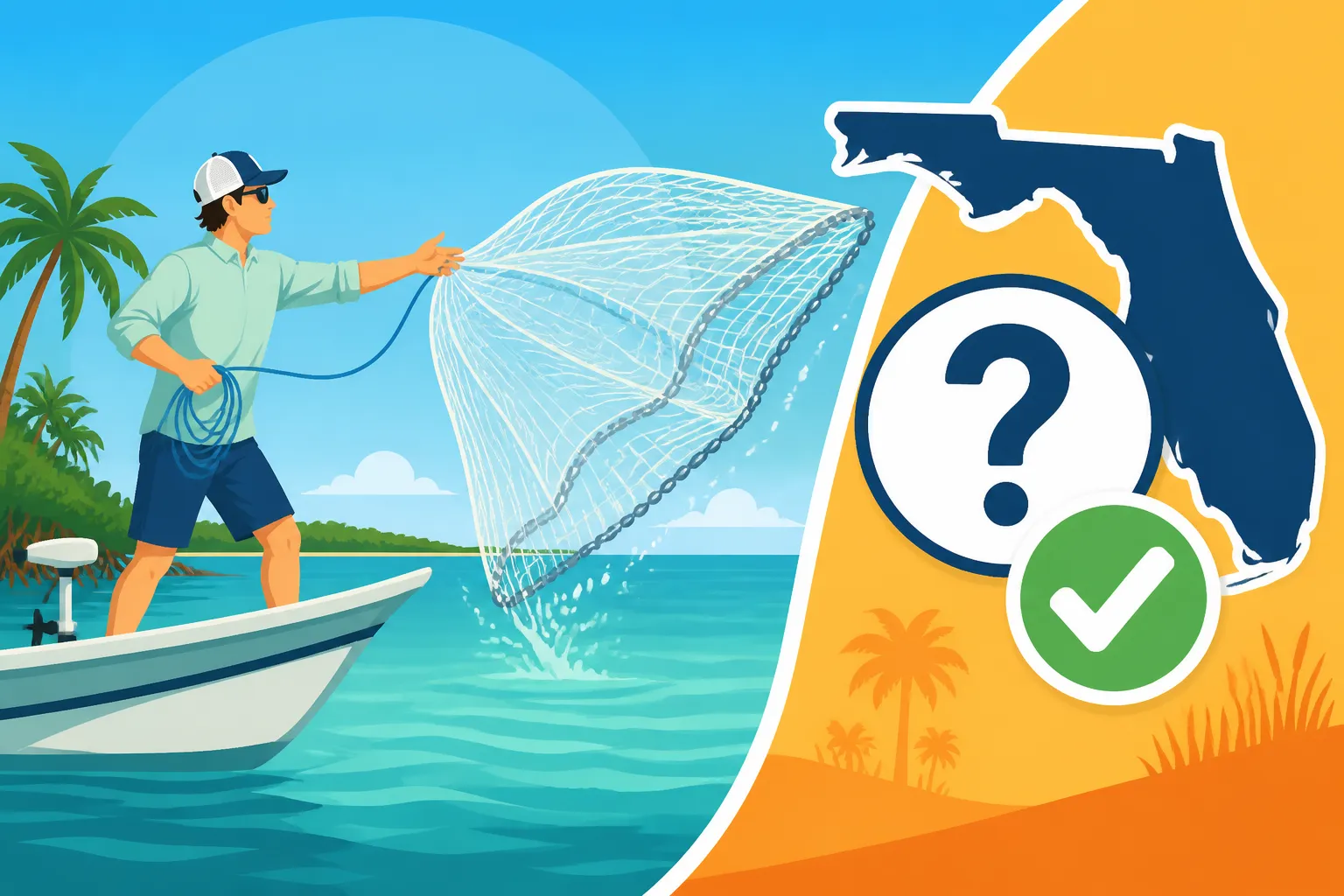
One of the most common questions I hear from folks gearing up for a fishing adventure in Florida, especially those new to the area or new to certain techniques, revolves around cast netting. There's a lot of confusion about whether you actually need a license to simply toss a cast net to catch bait, and honestly, it’s not always as straightforward as you might think. This guide will clear up that murky water, explaining exactly when and why you need a fishing license for cast netting in the Sunshine State, and what you need to know to stay on the right side of the law.
Do You Need a Fishing License to Cast Net in Florida? The Short Answer
Let's get right to it, because nobody wants to get caught off guard by a Florida Fish and Wildlife Conservation Commission (FWC) officer. In Florida, if you are 16 years of age or older and you are using a cast net to take any marine or freshwater animal (fish, crabs, shrimp, etc.), you generally do need a valid Florida fishing license. This applies whether you intend to keep the catch for bait, for dinner, or even if you're just practicing your cast net throwing skills before releasing everything. The act of "taking" a resource from Florida waters, regardless of the method, is considered fishing and requires proper licensure.
This often surprises people because they might think of cast netting as a way to get bait, separate from "actual" fishing with a rod and reel. However, Florida law is pretty broad in its definition of fishing. It covers any activity where you're attempting to catch, collect, or harvest aquatic animals. So, if you're throwing a cast net into a canal for shiners for freshwater bass fishing or into the flats for mullet to use for snook, that license is a must-have. Understanding Who Needs a Fishing License in Florida is crucial before you even wet a line or throw a net.
Understanding Florida's Fishing License Requirements for Cast Netting
The Florida Fish and Wildlife Conservation Commission (FWC) defines "fishing" broadly to include any activity that involves taking or attempting to take fish, crabs, or other aquatic animals. This definition isn't limited to just a rod and reel. If you're actively engaging with the aquatic environment to harvest its resources, you're generally considered to be fishing, and that includes the skillful art of cast netting.
What Constitutes "Fishing" When Using a Cast Net?
The key here is the "taking" part. Whether you're throwing your net for finger mullet to use as live bait, catching shrimp for a low-country boil, or scooping up some blue crabs for a delicious dinner, you are effectively harvesting a resource. The FWC sees this as no different than someone dropping a line with a hook. It's all about responsible management of the state's natural resources, and the license fees play a vital role in funding conservation efforts. If you're simply practicing casting on dry land or in a very controlled private pond where you're not actually taking anything from public waters, then it’s a different story. But as soon as that net hits public water with the intent to catch, you need to be licensed.
Freshwater vs. Saltwater Considerations
Florida is unique because it's largely surrounded by water and crisscrossed by countless rivers, lakes, and canals. This means you might be cast netting in either freshwater or saltwater, and the type of license you need reflects that.
- Saltwater Cast Netting: If you're tossing your net in the ocean, a bay, an inlet, or brackish estuaries, you'll need a valid Florida Saltwater Fishing License Rules. This is the most common scenario for many anglers looking for baitfish like pilchards, greenbacks, or finger mullet, or even for catching shrimp or small crabs. The rules around saltwater fishing licenses can be a bit more complex, especially with different endorsements or permits needed for certain species, but for general cast netting of bait, the basic saltwater license is typically sufficient.
- Freshwater Cast Netting: Heading to a local lake, river, or freshwater canal for shiners, shad, or other freshwater baitfish? Then you'll need a Florida Freshwater Fishing License Rules. Keep in mind that some areas might be designated as either exclusively freshwater or saltwater, even if they appear to be a mix, so always double-check the local regulations or the FWC website if you're unsure. The type of water body directly dictates which license is appropriate.
Many seasoned anglers opt for a combination license that covers both freshwater and saltwater activities, offering convenience and ensuring they're covered no matter where their adventures take them. You can find out more about the different licenses and their costs in the comprehensive Florida Fishing License Guide.
Age Requirements and Exemptions
Like all fishing activities, age plays a significant role in whether a license is required for cast netting.
- Anglers 16 and Older: If you are 16 years of age or older, you absolutely need a valid Florida fishing license (freshwater or saltwater, depending on the location) to cast net. There are no two ways about it.
- Anglers Under 16: Good news for the youngsters! Anyone under the age of 16 is exempt from needing a Florida fishing license. So, if your child is out there learning to throw a cast net, they can do so without a license. It's a fantastic way to introduce them to the joys of fishing and bait collection from a young age. For more details on this, check out Florida Fishing License Age Requirements and Do Kids Need a Florida Fishing License?.
- Other Exemptions: Florida does offer some other specific exemptions, such as for disabled residents, military personnel on leave, or certain senior citizens. For instance, Do Seniors Need a Fishing License in Florida? often comes up, and while many seniors are exempt, there are specific criteria. It’s always best to verify if you fall into one of these categories to avoid any misunderstandings.
Remember, even if you are exempt from needing a license, all other fishing regulations, such as bag limits, size limits, and gear restrictions, still apply. These Florida Fishing Regulations and Bag Limits are in place to protect Florida’s fisheries and ensure their sustainability for future generations.
Exceptions and Special Cases for Cast Netting
While the general rule is that you need a license to cast net in Florida if you're 16 or older, there are a few specific scenarios where this might not be the case, or where different rules apply. It's essential to understand these nuances to avoid any unintentional violations.
Fishing from Licensed Piers
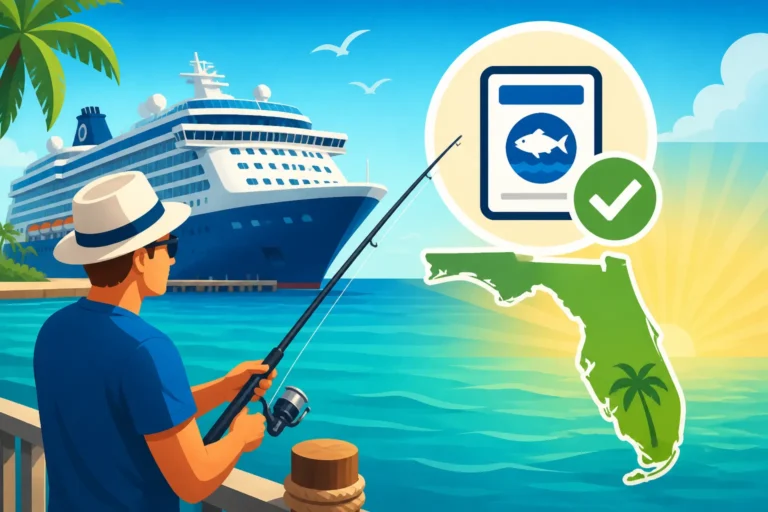
This is a common point of confusion. Some public fishing piers in Florida operate under a blanket fishing license that covers all anglers fishing from that structure. This means if you're casting your net from one of these specifically licensed piers, you often do not need your own individual fishing license.
However, this isn't universal for all piers. It's critical to check with the specific pier you plan to visit. Look for signage, ask at the bait shop, or check their website. Many major piers, especially popular ones that charge a daily fishing fee, will typically have this license. For example, piers like Skyway Fishing Pier State Park in St. Petersburg usually cover their anglers. Always verify before you cast. For a deeper dive into pier fishing, you might want to read Which Florida Piers Don't Require a Fishing License?. If you venture off the pier and onto the adjacent shoreline or into a boat, your individual license requirements resume.
Private Ponds and Property
If you are cast netting in a wholly private pond that is entirely enclosed within private property and contains only fish stocked by the owner, you generally do not need a Florida fishing license. The key here is "wholly private" – meaning no connection to public waters. If the pond has any flow or connection to a public waterway, even intermittently, it’s considered public water, and a license would be required. This distinction is vital for avoiding trouble. For more specifics, check out the rules on Florida Private Pond and Farm Pond Fishing Rules.
Florida Free Fishing Days
Florida offers specific "Free Fishing Days" throughout the year, typically a couple of weekends for saltwater and a couple for freshwater. During these designated days, Florida residents and non-residents can fish (including cast netting) without a fishing license. These days are a fantastic opportunity for new anglers to try out fishing or for seasoned folks to just enjoy a day on the water without the license formality.
However, even on free fishing days, all other regulations like bag limits, size limits, and gear restrictions still apply. These days are usually advertised well in advance by the FWC. Keep an eye out for Florida Free Fishing Days announcements to take advantage of these opportunities.
Cast Netting for Non-Target Species / Bycatch
While cast nets are primarily used for baitfish, it's inevitable that you might catch other species, sometimes called bycatch. What you can and cannot keep with a cast net is highly regulated. For example, while you might catch a small snook or redfish in your net while targeting mullet, you generally cannot retain these game fish if they don't meet the legal size and slot limits, or if their season is closed. In many cases, retaining game fish caught by cast net is prohibited, and they must be immediately released unharmed. Always refer to the FWC's current regulations for specific species to understand what is permissible when using a cast net. The purpose of a cast net is typically for collecting bait or certain non-game species, not for primary harvesting of sportfish.
Permitted Species and Regulations for Cast Netting
Beyond just needing a license, understanding what you can legally catch with a cast net, and under what conditions, is equally important. Florida has specific rules about species, sizes, and quantities when using this method.
Allowed Species for Cast Netting
Cast nets are primarily intended for collecting baitfish and certain non-game species. This includes:
- Baitfish: Species like mullet, pilchards (sardines), greenbacks (threadfin herring), shiners, and various small minnows. These are the bread and butter of cast netting, providing excellent live bait for larger game fish.
- Shrimp: Depending on the season and location, you can legally catch shrimp with a cast net. Shrimp runs in certain areas can be incredibly productive.
- Blue Crabs: Small blue crabs can also be caught in cast nets, though specific regulations for crab harvesting (like minimum size and gear limits, often favoring traps) should be consulted.
- Other Non-Game Fish: Various other small, non-sporting fish that aren't specifically protected or regulated as game fish.
It's crucial to understand that even if you catch a highly regulated game fish like a snook, redfish, or tarpon in your cast net, you often cannot legally keep it. These species have strict size, bag, and season limits, and many are illegal to harvest with a cast net, regardless of their size. If you accidentally catch one, it must be released immediately and unharmed.
Size and Bag Limits for Cast Netting
Just like with rod and reel fishing, there are limits on how many and what size of certain species you can keep, even if caught with a cast net. These regulations are designed to prevent overharvesting and maintain healthy populations.
- Baitfish: While many common baitfish species don't have explicit minimum size limits, there are often aggregate bag limits. This means you can only keep a certain total volume or number of baitfish. For instance, the FWC might specify a total of 5 gallons of unpreserved marine baitfish per person per day. It’s always best to check the most current FWC regulations booklet or website, as these can change.
- Shrimp: There are specific bag limits for shrimp, often measured in gallons per person per day.
- Blue Crabs: If you're targeting crabs, they will have minimum size limits and bag limits, regardless of the gear used.
Failing to adhere to these limits can result in significant penalties, so it's not just about having the license, but also about knowing the rules for what you're catching.
Restricted Areas and Seasons
Not every body of water is open to cast netting, and some areas have specific seasons or prohibitions.
- Closed Areas: Certain areas, such as wildlife sanctuaries, spawning protection zones, or designated "no-take" areas, may prohibit cast netting entirely. Always be aware of your surroundings and any posted signage. National parks, state parks, and wildlife refuges often have their own specific rules on fishing methods.
- Protected Species Habitats: Cast netting might be restricted in sensitive habitats like seagrass beds if it causes undue damage.
- Species-Specific Seasons: While you might be able to cast net for shrimp, there will be specific seasons when it's allowed or when the bag limits are more generous. For species like snook or redfish, even if you could hypothetically catch them in a net, their closed seasons would mean they cannot be kept.
Staying informed about Florida Fishing Regulations and Bag Limits is crucial. The FWC offers free resources, including their annual fishing regulations booklet and an excellent mobile app called "Fish|Hunt FL," which provides real-time access to rules, seasons, and limits. There’s no excuse for not knowing the rules when you have these tools at your fingertips.
Practical Tips for Cast Netting in Florida
So, you've got your license sorted (or confirmed your exemption), and you're ready to hit the water with your cast net. But wait, there's more to it than just throwing! Effective and responsible cast netting involves a bit of skill, the right gear, and an understanding of the environment.
Choosing the Right Cast Net
Not all cast nets are created equal. The type of net you choose can significantly impact your success and compliance with regulations.
- Net Size (Radius): Cast nets are measured by their radius (from the center to the edge when spread out). For beginners, a smaller net (e.g., 4-6 feet) is easier to learn to throw. Experienced netters might go for larger nets (8-12 feet), which cover more area but require more technique.
- Mesh Size: This is critical for legality and efficiency. Florida regulations often specify minimum mesh sizes for cast nets, especially for certain uses or in specific areas, to prevent the capture of undersized baitfish or protected species. A common mesh size for general baitfish is 3/8 inch to 1/2 inch. Always check current FWC regulations before buying.
- Weight: The lead line (or chain line) along the bottom of the net helps it sink quickly. Heavier nets sink faster, which is great for deeper water or fast-moving bait, but they are also harder to throw and retrieve. Lighter nets are better for shallow water or over delicate grass flats. Most nets are rated by pounds per foot of lead line.
- Construction Material: Most modern cast nets are made from nylon monofilament, which is durable and sheds water well. Brands like Betts and Fitec are popular choices among Florida anglers. You can often find a good selection of cast nets suitable for Florida fishing on online retailers like Amazon or at local tackle shops such as Bass Pro Shops or West Marine.
How to Cast Net for Live Bait
Learning How to Cast Net for Live Bait effectively takes practice. There are many techniques, but the goal is always a wide, flat pancake spread.
- Preparation: Make sure the lead line is untangled and the horn (the center ring) is secured. Load the net properly, usually by coiling it over one arm and holding a portion of the lead line in your teeth or off your shoulder.
- The Throw: This is where skill comes in. The most common method involves a combination of arm swing and body rotation to get a perfect spread. Practice makes perfect – start in a shallow, clear area or even your backyard before hitting prime fishing spots.
- Retrieval: Let the net sink to the desired depth. Once it's settled, slowly pull the retrieve line (braille line) to close the net, trapping the bait.
- Emptying: Lift the net, shake the fish into a bucket or livewell, and untangle any caught debris.
Safety and Responsible Cast Netting
Cast netting, while seemingly simple, requires a degree of responsibility.
- Awareness of Surroundings: Be mindful of other anglers, swimmers, and boaters. A flying cast net can be dangerous.
- Bottom Type: Avoid throwing your net over areas with heavy snags like oyster beds, rocks, or submerged trees, which can tear your net. Sandy or grassy bottoms are ideal.
- Conservation: Only take what you need. If you're collecting bait, don't overharvest. Practice catch and release for non-target species.
- Water Quality: Be aware of water conditions. Avoid cast netting in areas with known red tide blooms or other harmful algal blooms, as fish caught there might be unsafe to eat or even use as bait.
- Hydration and Sun Protection: Florida sun is no joke. Always wear sunscreen, a hat, and sunglasses, and stay hydrated, especially during warmer months.
Where to Purchase Cast Nets
While many local tackle shops, like those found across Florida, will stock cast nets, large retailers like Amazon offer a vast selection from various brands, often with competitive pricing and delivery right to your door. Stores such as Academy Sports + Outdoors and Dick's Sporting Goods also carry a range of cast nets. When buying, remember to prioritize the right mesh size and net size for your intended use and local regulations. A good quality net, even if a bit more expensive, will last longer and perform better, making your efforts more rewarding.
Consequences of Fishing Without a License (or Improper Cast Netting)
Ignoring Florida's fishing license requirements or disregarding cast netting regulations isn't just a minor oversight; it can lead to serious legal and financial repercussions. FWC officers are highly trained and regularly patrol Florida's vast waterways, both freshwater and saltwater. They are vigilant in enforcing these rules to protect the state's natural resources.
Fines and Penalties
If you are caught cast netting without a valid license, or if you violate specific cast netting regulations (e.g., catching prohibited species, exceeding bag limits, using an illegal mesh size, or cast netting in a restricted area), you can face significant penalties.
- Violation Type: Most license violations are considered non-criminal infractions, similar to a traffic ticket. However, repeat offenses or more serious violations (like gross overharvesting or taking highly protected species) can escalate to misdemeanors or even felonies.
- Fines: For a first-time offense of fishing without a license, fines can range from approximately $50 to several hundred dollars, plus court costs and administrative fees. The exact amount can vary by county and the discretion of the issuing officer or court. In some cases, if you purchase the correct license promptly, the fine might be reduced. However, this is not guaranteed and often depends on the specifics of the situation. To understand more about these repercussions, consider reading Penalty for Fishing Without a License in Florida.
- Seizure of Gear: FWC officers have the authority to confiscate your fishing gear, including your cast net, if it was used in the commission of a violation. This means you could lose a valuable piece of equipment in addition to paying a fine.
- Loss of Privileges: Depending on the severity and frequency of violations, your fishing privileges in Florida could be suspended or revoked for a period of time. This means you wouldn't be able to legally obtain a fishing license for a specified duration.
- Criminal Charges: While less common for simple license violations, deliberate or egregious violations of fishing laws, especially those involving endangered or highly protected species, commercial poaching, or multiple repeat offenses, can lead to criminal charges, potential jail time, and much steeper fines. Can You Go to Jail for Fishing Without a License in Florida? explores these serious consequences.
Why Compliance Matters
Beyond avoiding penalties, complying with Florida's fishing license and cast netting regulations is crucial for several reasons:
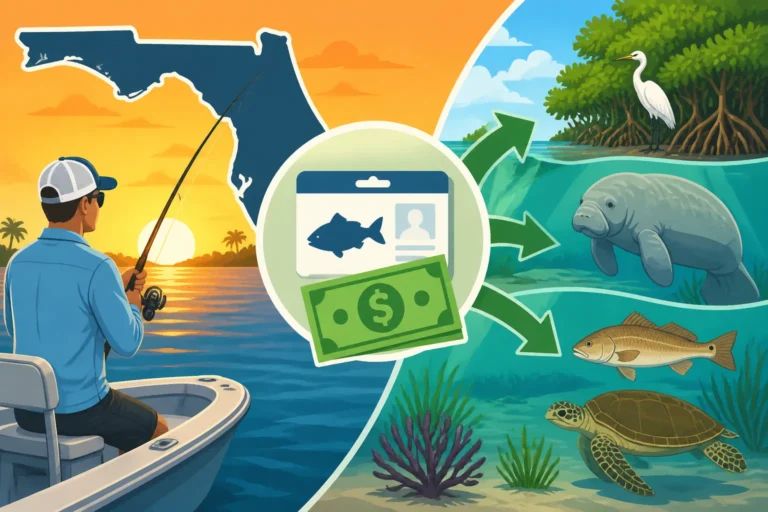
- Conservation Funding: The revenue generated from fishing license sales directly funds the FWC's conservation efforts. This includes fisheries management, habitat restoration, law enforcement, and educational programs that ensure sustainable fishing opportunities for everyone. Learning How Florida Fishing License Fees Fund Conservation highlights the importance of your purchase.
- Resource Management: Regulations on mesh size, bag limits, and seasons are not arbitrary. They are based on scientific research and designed to protect fish populations, ensuring they can reproduce and thrive. Unregulated harvesting, even of baitfish, can have a detrimental impact on the ecosystem.
- Fairness: When everyone follows the rules, it creates a level playing field and ensures that the resources are available to all legal users.
- Respect for the Environment: As anglers, we are stewards of the environment. Adhering to regulations is a fundamental way to show respect for Florida's incredible natural resources.
In conclusion, when in Florida, assume you need a fishing license for cast netting if you are 16 or older and using it in public waters, whether freshwater or saltwater. Always verify the rules for your specific location and target species, and invest in a quality cast net from a reputable source like Amazon or your local tackle shop. Staying informed and compliant ensures not only a worry-free day on the water but also contributes to the health of Florida's amazing fisheries.
Disclaimer
Please note that fishing regulations in Florida are subject to change. While this guide aims to provide accurate and up-to-date information, it is your responsibility to consult the latest regulations published by the Florida Fish and Wildlife Conservation Commission (FWC) before engaging in any fishing activities. Always refer to the official FWC website or their current regulations handbook for the most precise and legally binding information.