Why Florida Splits Freshwater and Saltwater Licenses
It’s a common moment of confusion for many anglers visiting or new to Florida: you're planning a fantastic fishing trip, perhaps dreaming of casting a line in a serene freshwater lake one day and battling a powerful saltwater species in the ocean the next, only to realize you might need two different fishing licenses. This often feels like an unnecessary complication, making you wonder, "Why does Florida split its fishing licenses between freshwater and saltwater?" This guide is here to unravel that mystery, explaining the fundamental reasons behind this system and how it ultimately benefits Florida's incredible aquatic diversity.
Understanding Florida's Unique Aquatic Ecosystems
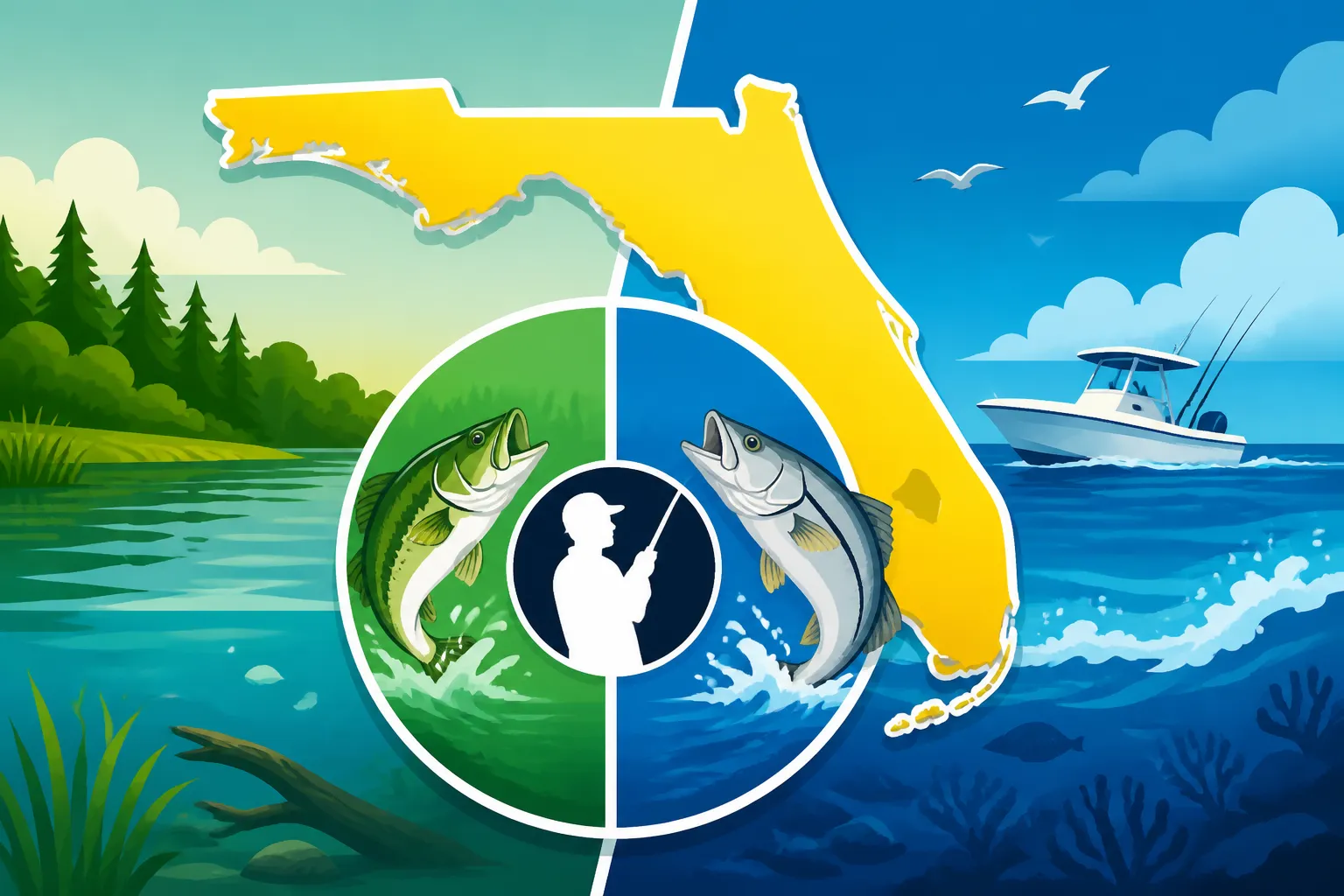
Florida is a geographical marvel, a peninsula surrounded by vast saltwater on three sides, yet teeming with an intricate network of freshwater lakes, rivers, and springs inland. This creates an unparalleled variety of fishing experiences, but it also necessitates distinct approaches to conservation and management.
The Distinct Worlds of Freshwater and Saltwater
Think about it for a moment: the clear, sandy-bottomed flats of the Florida Keys are a world apart from the cypress-lined shores of the St. Johns River. These environments are fundamentally different, primarily in their salinity, which is the salt content of the water. Freshwater bodies like Lake Okeechobee, the Kissimmee Chain of Lakes, or the Suwannee River are home to species adapted to low-salinity conditions, such as largemouth bass, bluegill, and various types of catfish. Their habitats include dense vegetation, submerged timber, and muddy or sandy bottoms within enclosed systems.
On the flip side, Florida's extensive coastline, including the Gulf of Mexico, the Atlantic Ocean, and massive estuaries like Tampa Bay and the Indian River Lagoon, are saltwater realms. Here, you'll find an entirely different cast of characters: snook, redfish, spotted seatrout, tarpon, grouper, snapper, and countless other marine species. These fish thrive in high-salinity waters, navigating complex habitats like mangrove forests, oyster beds, seagrass flats, and offshore reefs. The physiological needs, dietary preferences, and reproductive cycles of freshwater fish are completely distinct from their saltwater counterparts, making it nearly impossible to manage them under a single, blanket set of rules.
Biodiversity and Habitat Conservation Needs
Florida boasts an astonishing level of biodiversity, both in its freshwater and saltwater environments. This isn't just about different types of fish; it's about entire ecosystems that function uniquely. Freshwater habitats might be impacted by issues like nutrient runoff from agriculture, invasive aquatic plants like hydrilla, or fluctuating water levels due to drought or flood control. The management of these issues often involves things like hydrilla treatments, fish stocking programs, or water quality monitoring specific to inland waterways.
Saltwater habitats, conversely, face different pressures. Coastal development, coral bleaching, red tide events, and the health of seagrass beds are paramount concerns. Conservation efforts here might focus on marine protected areas, artificial reef deployment, or strict regulations on commercial fishing to protect vulnerable species like certain types of grouper or snapper. Because the threats and ecological dynamics are so varied, the Florida Fish and Wildlife Conservation Commission (FWC) needs the flexibility to implement targeted conservation strategies. A blanket approach would simply not be effective in protecting either the delicate freshwater balance or the robust marine life that defines Florida's fishing heritage.
The Regulatory Framework Behind Separate Licenses
The primary reason for splitting licenses boils down to effective management and dedicated funding for these diverse ecosystems. It's not just a bureaucratic hurdle; it's a strategic approach to ensure the long-term health of Florida's fishing resources.
Tailored Management Strategies for Each Domain
Imagine trying to enforce a single set of fishing regulations across all of Florida's waters. It would be a chaotic mess! The FWC develops highly specific rules for each environment. For instance, freshwater regulations might specify different minimum lengths and bag limits for largemouth bass, crappie, or sunfish, along with specific rules for unique freshwater areas like certain ponds or river sections. These rules often consider spawning seasons, population health, and local ecological conditions specific to lakes and rivers.
Saltwater regulations, on the other hand, are incredibly complex, with specific open and closed seasons, size limits, and bag limits for popular species like snook, redfish, and various snapper and grouper species. There are also specific rules for unique activities like harvesting oysters or scallops. These rules can even vary by region (e.g., Gulf vs. Atlantic) and change annually based on stock assessments and scientific data. Trying to consolidate these vastly different regulatory frameworks under one license would make enforcement a nightmare and conservation efforts ineffective. The separate license system allows the FWC to fine-tune its management, ensuring that decisions are based on the specific needs of each ecosystem. You can learn more about these specifics in our Florida Fishing Regulations and Bag Limits guide.
Funding Conservation Through Dedicated Revenue Streams
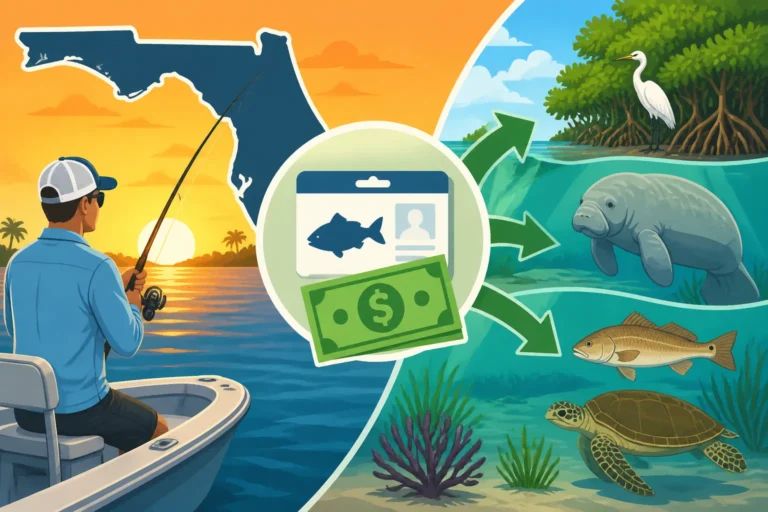
One of the most critical reasons for the split in licenses is the way it directs funding for conservation. When you purchase a Florida Freshwater Fishing License Rules or a Florida Saltwater Fishing License Rules, the fees generated are largely earmarked for the specific environment it covers. This means that funds from freshwater licenses primarily go towards freshwater conservation programs, such as:
- Freshwater Habitat Restoration: Improving water quality in lakes and rivers, removing invasive vegetation, and restoring natural flow patterns.
- Fish Stocking Programs: Releasing specific freshwater species into appropriate bodies of water to enhance populations.
- Research: Studying freshwater fish populations, their health, and environmental factors affecting them.
- Boating Access: Maintaining and developing boat ramps and access points for freshwater anglers.
Similarly, revenue from saltwater licenses supports vital marine conservation initiatives:
- Marine Research: Conducting studies on saltwater fish populations, migration patterns, and the health of coastal ecosystems.
- Artificial Reef Programs: Deploying new artificial reefs to create habitat for marine life and expand fishing opportunities.
- Coastal Cleanup Efforts: Protecting delicate coastal environments from pollution.
- Law Enforcement: Funding patrols and enforcement to ensure compliance with saltwater regulations.
This dedicated funding mechanism ensures that the money anglers pay directly supports the resources they enjoy. It's a system designed for accountability, making sure that your dollars are used where they are most needed within each distinct fishery. For a deeper dive into the overall costs, check out our Florida Fishing License Costs and Fees article.
Practical Implications for Anglers
While the separate license system might seem like an added layer of bureaucracy, understanding its structure makes it much easier to navigate and appreciate. It ensures that anglers are aware of the specific environment they are engaging with and the regulations that apply.
Navigating the License Requirements
For anglers, this split means you need to be mindful of where you'll be fishing. If you're planning a trip to catch largemouth bass in the tranquil waters of Lake Toho near Orlando, you'll need a freshwater license. However, if your sights are set on the exhilarating experience of targeting redfish in the vast estuaries of Tampa Bay, a saltwater license is your ticket. Many anglers in Florida enjoy both, which is why the FWC offers a convenient combination license. The Florida Combination Freshwater and Saltwater License Cost can often be a more economical and hassle-free option if you plan to fish across both types of waters regularly.
You can purchase these licenses in several ways: online through the GoOutdoorsFlorida website, at local tackle shops, sporting goods stores like Bass Pro Shops or Dick's Sporting Goods, or even at county tax collector's offices. Retailers like Walmart also sell them, making it easy to pick one up while grabbing other essentials. If you're unsure, our guide on Where to Buy a Florida Fishing License Near You can point you in the right direction. It's always a good idea to secure your license before heading out, as getting caught without the proper authorization can lead to penalties, as detailed in What Happens If You Fish Without a License.
Species-Specific Regulations and Permits
Beyond the general freshwater or saltwater license, some highly sought-after species in Florida require additional permits, often reflecting their unique conservation status or specific management needs. These permits almost always align with the freshwater/saltwater distinction. For example, if you plan to target snook, a prized game fish found exclusively in saltwater and brackish environments, you’ll need a Florida Snook Permit Requirements in addition to your saltwater license. Similarly, if you're venturing out for the popular recreational lobster mini-season or regular season, a Florida Lobster Permit Requirements is mandatory.
These permits serve to collect more specific data on angler participation and harvest rates for these particular species, allowing the FWC to implement even more granular management strategies. It reinforces the idea that each type of fish, and its specific habitat, demands a tailored approach to ensure its sustainability. When you're gearing up for a specific type of fishing, whether it's for bass or tarpon, it’s worth looking for specialized equipment. Many anglers purchase their fishing essentials, from specialized rods to bait, from retailers like Amazon or at local tackle shops, ensuring they have the right gear for the right environment. Always check the current regulations before you go, as they can change.
The Benefits of Florida's Two-Tiered System
While it might occasionally feel like an extra step, the reality is that Florida's split licensing system is a powerful tool that offers significant advantages for both the environment and the angling community. It's a testament to the state's commitment to preserving its unparalleled natural resources.
Enhanced Conservation Effectiveness
The most significant benefit of separate licenses is the vastly improved conservation effectiveness. By segregating funds and management efforts, the FWC can directly address the unique challenges and opportunities within each ecosystem. This has led to healthier fish populations in both freshwater and saltwater environments. For example, targeted stocking programs in freshwater lakes help maintain robust populations of game fish, while marine research funded by saltwater licenses leads to better understanding and protection of critical spawning grounds for species like redfish and snook.
Without this distinction, funds could be spread thin, potentially diluting the impact of conservation dollars. Instead, freshwater angler fees are directly reinvested into the freshwater resources they cherish, and saltwater fees enhance the marine environment. This focused approach ensures that Florida's diverse aquatic habitats remain vibrant and productive for generations to come, providing a sustainable fishery. Many new residents wonder, "Do tourists Need a Fishing License in Florida?" or what about Florida Fishing License Exemptions? It's all part of a comprehensive Florida Fishing License Guide designed for careful management.
Clearer Enforcement and Accountability
For FWC officers, the split license system simplifies enforcement. When an officer checks an angler's license, the type of license immediately indicates the waters they are permitted to fish in and, by extension, the general regulations that apply. This reduces ambiguity and makes it easier to ensure compliance. If an angler is found with a freshwater license fishing in a saltwater estuary, it's a clear violation, prompting a check for the correct license. This level of clarity helps officers protect both the fish populations and the legitimate anglers who follow the rules.
Furthermore, it creates a sense of accountability. Anglers know that their license fees are going towards the specific type of fishing they enjoy. This transparency fosters a stronger connection between the angling community and the conservation efforts, encouraging more people to understand and support the regulations designed to protect their beloved pastime. For instance, when looking up new gear, many anglers reference online resources or even specialized fishing guides found on platforms like Amazon to ensure they're compliant with local tackle regulations.
Protecting Florida's Fishing Heritage
Ultimately, the reason Florida splits its freshwater and saltwater licenses is to safeguard its extraordinary fishing heritage. This system allows the state to manage its incredibly diverse fisheries with the precision and dedication they deserve. Whether you dream of catching a trophy largemouth bass in a sprawling freshwater lake or battling a powerful tarpon on the vast saltwater flats, Florida offers it all. The dual licensing system is a fundamental part of how the state ensures these distinct and valuable fishing opportunities remain available.
It's about respecting the ecological integrity of each environment, providing tailored protection, and channeling resources effectively. This means that future generations of anglers will continue to enjoy the bountiful and varied fishing experiences that make Florida truly unique. When people ask "Can You Buy a Florida Fishing License Online?", the answer is yes, and it’s a crucial step in maintaining this heritage.
Freshwater vs. Saltwater Fishing in Florida: A Comparison
To help illustrate the distinctions further, here's a quick comparison of typical characteristics for both types of fishing in Florida.
| Feature | Freshwater Fishing | Saltwater Fishing |
|---|---|---|
| Typical Habitat | Lakes, rivers, ponds, canals, reservoirs, springs | Oceans, bays, estuaries, flats, intercoastal waterways, reefs, wrecks |
| Key Target Species | Largemouth Bass, Crappie, Bluegill, Catfish, Chain Pickerel | Snook, Redfish, Spotted Seatrout, Tarpon, Grouper, Snapper, Mahi-Mahi |
| Primary Rod/Reel | Spinning gear, baitcasters (medium to light tackle) | Spinning gear, baitcasters, conventional (medium to heavy tackle) |
| Common Baits/Lures | Plastic worms, crankbaits, spinnerbaits, shiners, minnows | Live shrimp, pinfish, mullet, cut bait, jigs, topwater lures, spoons |
| Major Environmental | Water quality, invasive plants, water levels | Red tide, coral health, seagrass health, coastal development |
| Conservation Focus | Habitat restoration, fish stocking, public access | Marine research, artificial reefs, coastal protection, species limits |
| License Required | Florida Freshwater Fishing License | Florida Saltwater Fishing License |
Disclaimer
Please remember that fishing regulations, including license requirements, seasons, and bag limits, can change. Always check the most current information available from the Florida Fish and Wildlife Conservation Commission (FWC) before heading out on your fishing trip. This guide is for informational purposes only and should not be considered legal advice.