Florida Freshwater Fishing License Rules
There's nothing quite like the tranquility of casting a line into one of Florida's countless lakes or rivers, waiting for that tell-tale tug. But before you can fully immerse yourself in the natural beauty and incredible fishing opportunities, there's a crucial step: understanding the often-confusing world of Florida freshwater fishing license rules. Many anglers, both new and seasoned, get tripped up by the specific requirements, age limits, and various exemptions. This comprehensive guide is here to untangle all that, ensuring you're fully prepared and legal for your next freshwater adventure.
Why You Need a Freshwater Fishing License in Florida
It might seem like just another hoop to jump through, another expense, but those freshwater fishing licenses in Florida serve a really important purpose beyond just making things official. They're a cornerstone of how the state manages and protects its incredible aquatic resources for everyone, including future generations of anglers.
The Legal Requirement for Anglers
Let's get straight to it: if you're planning to fish in Florida's freshwaters, you're almost certainly going to need a license. It's not just a suggestion; it's a legal mandate from the Florida Fish and Wildlife Conservation Commission (FWC). This isn't unique to Florida, of course; most states have similar requirements. The idea is to have a consistent framework that allows for responsible management. Without these rules, it would be a free-for-all, and our precious fish populations and ecosystems would suffer immensely. Think of it as a shared responsibility. Even if you're just enjoying a casual afternoon fishing trip, having the correct license means you're playing by the rules and contributing to the bigger picture of conservation. Fishing without one, even unintentionally, can lead to fines and other penalties, which nobody wants when they're trying to relax on the water.
Funding Florida's Freshwater Conservation Efforts
So, where does your hard-earned money go when you purchase a Florida freshwater fishing license? It's not just disappearing into a black hole! A significant portion of these funds is directly channeled back into vital conservation and management programs. This includes everything from maintaining healthy fish populations through stocking programs in lakes and rivers to protecting crucial habitats that fish rely on for spawning and growth. The FWC uses these funds to conduct scientific research, monitor water quality, control invasive species like hydrilla that can choke out native plants, and enforce fishing regulations to prevent overfishing. It’s an investment in the future of Florida fishing. Without this revenue, many of these critical programs simply wouldn't exist, and the quality of fishing we enjoy today would decline dramatically. It's a clear example of how individual contributions collectively create a massive positive impact.
Protecting and Managing Aquatic Resources
Florida's freshwater systems are incredibly diverse, from the vast expanse of Lake Okeechobee to the winding St. Johns River and countless smaller lakes, ponds, and canals. These ecosystems support an astounding array of fish species, including the iconic largemouth bass, various panfish like bluegill and crappie, and even unique species like the peacock bass found in South Florida's canals. The FWC's role, supported by license sales, is to ensure these resources remain healthy and sustainable. This involves setting appropriate bag limits and size limits, establishing open and closed seasons for certain species, and continually assessing the health of fish stocks. It’s a delicate balance between providing abundant recreational opportunities for anglers and safeguarding the ecological integrity of these natural treasures. By purchasing a license, you're directly supporting the scientific data collection and management strategies that keep Florida's freshwater fishing world-class.
Who Needs a Florida Freshwater Fishing License
One of the most common questions, and often the source of confusion, is precisely who needs a fishing license. It's not a one-size-fits-all answer, as age, residency, and even the type of fishing can change the requirements. It’s critical to understand these nuances before you head out.
Age Requirements and Youth Anglers
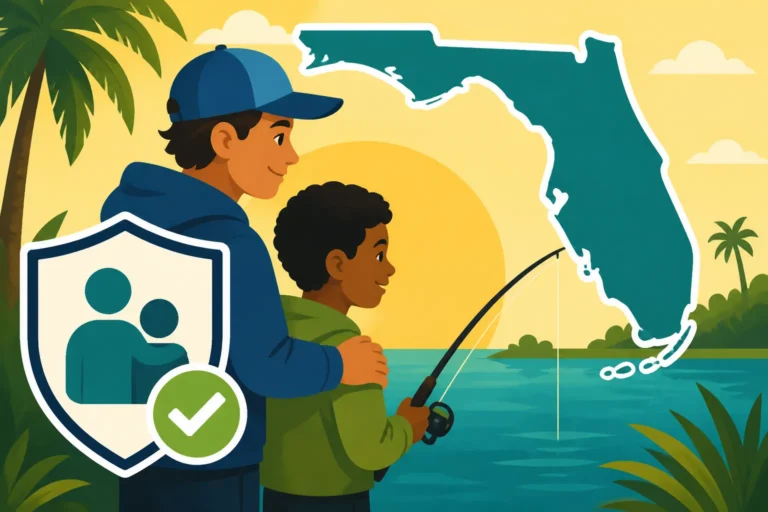
Good news for the youngest anglers! In Florida, children under the age of 16 are generally exempt from needing a freshwater fishing license. This is fantastic because it encourages families to get out and enjoy fishing without the added hassle or expense of licenses for the kids. It's a wonderful way to introduce them to the sport, foster a love for nature, and create lasting memories. So, if you're taking your son or daughter, niece or nephew, or any young person under 16 out to a lake or river, they can fish freely without needing their own license.
However, once they hit their 16th birthday, the rules change. As soon as an individual turns 16, they are considered an adult for licensing purposes and must possess a valid Florida freshwater fishing license to fish in public freshwaters. It’s a pretty firm cutoff, so it's something to keep in mind, especially for those teenage anglers who might be transitioning from being exempt one year to needing a license the next. You can find more details on these specific age considerations in our guide on Florida Fishing License Age Requirements.
Residency Defined for License Purposes
Florida residents often benefit from significantly lower license fees compared to nonresidents. But what exactly qualifies someone as a "Florida resident" for fishing license purposes? It's not just about owning property here or visiting frequently. The FWC has clear guidelines. Generally, to qualify as a Florida resident, you must have established a permanent home in the state and resided there for at least six continuous months immediately preceding the application for a license.
There are specific criteria that help establish residency, such as holding a Florida driver's license, registering to vote in Florida, or filing a declaration of domicile. College students attending a Florida institution and members of the U.S. Armed Forces stationed in Florida (and their dependents) can also qualify as residents under certain conditions. For example, military personnel stationed in Florida on active duty can purchase a resident license. It's crucial to ensure you genuinely meet these criteria before purchasing a resident license, as misrepresenting your residency status can lead to penalties. If you've recently moved to the state, check out our guide on Florida Resident Fishing License Rules for the full rundown.
Nonresidents and Their License Obligations
If you're visiting the Sunshine State and planning to enjoy some freshwater fishing, you'll need a nonresident freshwater fishing license. This applies whether you're coming from another state or even another country. Florida is a huge tourist destination, and many visitors want to experience its world-class fishing, so the FWC has made it relatively easy for nonresidents to get licensed.
Nonresident licenses typically come with different validity periods to accommodate various trip lengths. While short-term options were once more common, it's generally annual licenses that are available now. This means if you're here for a week-long vacation, an annual license might be your primary option. The costs are higher for nonresidents, reflecting their temporary status and ensuring that local residents, who continuously support the state's resources, benefit from lower rates. You can explore the specific costs and options in our article on Florida Nonresident Fishing License Rules. It's always best to purchase your license before you even hit the water to avoid any unexpected run-ins with enforcement officers.
Understanding Florida Freshwater License Types and Costs
Navigating the various types of fishing licenses and their associated costs can sometimes feel like trying to untangle a particularly stubborn fishing knot. But don't worry, once you understand the main categories, it's pretty straightforward. Florida offers options designed to fit different needs, whether you're a year-round angler or someone who only dips a line occasionally.
Annual and Five-Year License Options
For most resident anglers who plan to fish regularly throughout the year, an annual freshwater fishing license is the go-to choice. It's valid for 12 months from the date of purchase, giving you a full year of fishing enjoyment. This provides great value and convenience, as you don't have to worry about renewing it frequently.
However, for those truly dedicated anglers who want even more long-term peace of mind, Florida offers a five-year freshwater fishing license option for residents. This is an excellent choice for individuals who know they'll be fishing consistently for the foreseeable future. While the upfront cost is higher, it can often represent a slight discount compared to buying five individual annual licenses consecutively. Plus, you get the added convenience of not having to think about renewal for half a decade. This can be particularly appealing if you frequently purchase fishing gear from retailers like Amazon, where you want to focus on new lures and rods, not license renewal dates!
Here's a quick look at typical resident costs (always check the FWC website for the most current prices, as they can change):
| License Type | Resident Annual Cost (Approx.) | Resident 5-Year Cost (Approx.) |
|---|---|---|
| Freshwater Fishing License | $17.00 | $79.00 |
| Freshwater/Saltwater Combo | $32.50 | $151.50 |
Note: These are approximate costs and can vary. Always check the official FWC website for the most current pricing.
Combination Freshwater and Saltwater Licenses
Florida is unique in that it offers both unparalleled freshwater and saltwater fishing opportunities. Many anglers, myself included, love to switch it up, enjoying a day chasing largemouth bass one weekend and then targeting redfish or snook in the brackish estuaries the next. For these multi-faceted anglers, the Florida Combination Freshwater and Saltwater License is an absolute lifesaver.
Instead of buying two separate annual licenses, one for freshwater and one for saltwater, the combination license covers both, usually at a reduced overall price compared to purchasing them individually. This makes it incredibly convenient and cost-effective. If you live anywhere near the coast or plan to visit both inland lakes and coastal areas, this is definitely the smart choice. It simplifies your licensing requirements, allowing you to focus on planning your next fishing trip rather than worrying about which license you need for which body of water. Our detailed article on Florida Combination Freshwater and Saltwater License Cost breaks down the exact savings and benefits.
Specialty Licenses and Permits
While the standard freshwater fishing license covers most recreational angling, there are a few niche situations or specific methods that might require additional permits or have special rules. For instance, if you're planning to use gear beyond a traditional rod and reel, such as certain types of commercial gear for recreational use, you might need an endorsement.
However, for most recreational freshwater anglers, these specialty permits are less common than in saltwater, where permits like the Florida Snook Permit Requirements or Florida Lobster Permit Requirements are crucial. For freshwater, generally, if you're using a rod and reel, cane pole, or gig for personal consumption and adhering to bag and size limits, your standard freshwater license is sufficient. It's always a good practice to check the FWC regulations if you're planning on trying an unconventional fishing method or targeting a very specific species, just to be sure you're fully compliant. The FWC website is the definitive source for any such specialized requirements.
How to Obtain Your Florida Freshwater Fishing License
Getting your Florida freshwater fishing license is thankfully quite a straightforward process these days, with several convenient options available. Gone are the days when you might have had to drive miles out of your way to a specific government office. Now, you can often get licensed with just a few clicks or a quick stop on your way to the water.
Purchasing Online Through GoOutdoorsFlorida
Without a doubt, the easiest and most popular way to buy your Florida freshwater fishing license is online through the official FWC website, specifically their GoOutdoorsFlorida platform. This system is designed to be user-friendly, allowing you to purchase and print your license from the comfort of your home, 24/7. It's incredibly convenient, especially if you suddenly decide to go fishing on a weekend and realize your license has expired.
The GoOutdoorsFlorida site will walk you through the process step-by-step. You'll need to provide some personal information, verify your residency if you're applying for a resident license, and then select the type of license you need. Once purchased, you can often print a temporary license immediately, which is valid until your official license arrives in the mail or you download it to the GoOutdoors app on your smartphone. Many anglers appreciate this digital convenience, as it means one less physical card to keep track of. For a full walkthrough, check out our guide on How to Buy a Fishing License Online.
In-Person Retailers and County Tax Collectors
While online purchasing is convenient, sometimes you prefer to do things in person, or maybe you're already out and about running errands. Luckily, Florida has a vast network of authorized license agents where you can purchase your freshwater fishing license. These typically include many sporting goods stores, bait and tackle shops, and even some large retailers like Walmart and Bass Pro Shops. These locations are often staffed by knowledgeable individuals who can answer basic questions about license types.
Additionally, your local County Tax Collector's office or their authorized subagents can also issue fishing licenses. These governmental offices are reliable sources and often have extended hours during weekdays. Visiting one of these locations can be a good option if you have specific questions about residency requirements or need assistance with your application. Just remember to bring proper identification, especially if you're trying to prove Florida residency for a cheaper license. Our article on Where to Buy a Florida Fishing License Near You provides more location-specific advice.
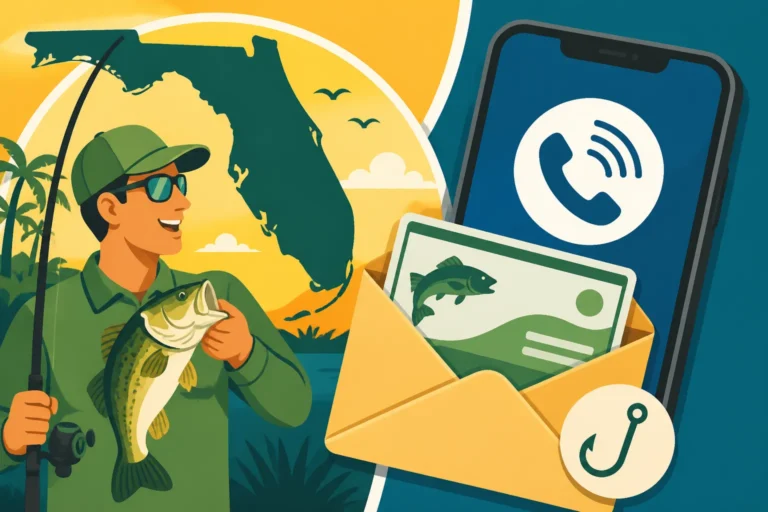
Phone and Mail Order Options
For those who prefer a more traditional approach or who might not have easy access to the internet or physical locations, the FWC also offers options to purchase your fishing license over the phone or by mail. While these methods might take a little longer to process and receive your physical license, they are still viable options.
To purchase by phone, you can call the FWC's customer service line. They can process your order and provide you with a confirmation number, which might serve as temporary proof of your license until the physical copy arrives. This is especially useful if you're trying to get a license quickly but are away from a computer. For mail orders, you'll typically need to download and print an application form from the FWC website, fill it out, and then mail it in with your payment. This method requires the most lead time, so it's not recommended if you plan to fish in the next few days. Always ensure you're using the official FWC contact numbers and addresses to avoid any scams or unofficial services.
Important Freshwater Fishing License Exemptions
It's easy to assume everyone needs a license, but Florida actually has a number of specific exemptions that can save certain individuals or groups both time and money. Knowing these can prevent unnecessary purchases and ensure you're fishing legally under the right circumstances. It's all about fairness and encouraging participation where appropriate.
Age-Based Exemptions for Seniors and Youth
We've already touched on it, but it bears repeating because it's such an important exemption: youth under the age of 16 are not required to have a Florida freshwater fishing license. This is a fantastic policy that makes it easier for families to introduce kids to the joys of fishing without an extra financial barrier.
For seniors, Florida also offers significant exemptions. If you are a Florida resident and are 65 years of age or older, you do not need to purchase a recreational freshwater fishing license. That's right, free fishing for life once you hit that milestone! While you don't need a license, it is generally recommended to carry proof of age and residency (like a Florida driver's license or ID card) while fishing, just in case a FWC officer asks. This exemption is a wonderful perk for our senior residents who have contributed so much to the state. Many other states have similar programs, but Florida's is particularly generous. For more details on this, check out our guide on Do Seniors Need a Fishing License in Florida?.
Fishing in Private Ponds and Farm Ponds
This is another common area of confusion. Do you need a license to fish in a private pond? The short answer is, generally, no, if it meets specific criteria. If you are fishing in a private pond or farm pond that is entirely enclosed by land owned by a single person or entity, and there's no public access or connection to public waters, you usually don't need a license. This is because these waters are considered private property, and the owner has control over who fishes there.
However, there's a crucial caveat: if that "private" pond has any connection, even intermittently, to public waters (like a canal or river), or if it's on land owned by multiple parties and accessible to the public, then a license is required. For example, a retention pond in a gated community might seem private, but if it drains into a public canal, then it's considered public water for licensing purposes. Always verify the status of the pond if you're unsure. When in doubt, it's safer to have a license. You can learn more about this in our guide on Florida Private Pond and Farm Pond Fishing Rules.
Florida's License-Free Freshwater Fishing Days
Periodically throughout the year, the FWC designates specific days as "license-free fishing days." These are fantastic opportunities for residents and nonresidents alike to try their hand at fishing in Florida's freshwater (and saltwater) without needing to purchase a license. It's a great way for beginners to get a taste of the sport or for experienced anglers to introduce friends and family who might not have a license.
These days are usually scheduled to coincide with popular fishing seasons or holidays. For instance, there's often a freshwater license-free day in April and another in June. While the license requirement is waived, all other fishing regulations, such as bag limits, size limits, and gear restrictions, still apply. So, you still need to know what you're catching and whether you can keep it! Keeping an eye on the FWC calendar for these special days is a good idea. You can find out more about the specific dates and rules in our post on Florida Free Fishing Days. These are truly a gift to the angling community and a wonderful initiative to promote outdoor recreation.
Freshwater Fishing License Rules for Specific Activities and Species
While a standard freshwater license covers most recreational angling in Florida, there are still some specific activities, gear choices, and even certain locales where you need to be extra mindful of the rules. These aren't necessarily about needing another license, but rather understanding how your existing license applies (or doesn't) to more specialized situations.
Rules for Using Various Gear Types
Most freshwater anglers primarily use a rod and reel or a cane pole, and for these, your standard freshwater fishing license is perfectly sufficient. However, if you venture into other gear types, the rules can get a bit more complex. For instance, using a cast net to catch bait fish in freshwater is often allowed, but there might be restrictions on the net's size or where you can deploy it. Some specific water bodies might prohibit cast nets entirely.
When it comes to more specialized gear like gigs, crossbows, or spear guns, these are generally geared towards different types of fishing and are less common in traditional freshwater recreational angling for species like bass or crappie. If you plan to use such gear, particularly for non-game fish (like rough fish or eels), you must consult the FWC regulations very carefully. Often, specific rules apply to what species can be harvested with these methods and in which locations. Using a trotline, for example, for catching catfish might be permitted in some areas but strictly regulated in others, often requiring specific labeling of the lines. Always check the current regulations published by the FWC, as these rules are subject to change and can vary by region.
Special Considerations for Tournament Fishing
Tournament fishing, especially for largemouth bass, is incredibly popular in Florida. It's a competitive sport that brings many anglers to the state's lakes and rivers. For most recreational fishing tournaments, if you are participating as an individual angler or as part of a team, you will still need to possess a valid Florida freshwater fishing license, just as you would for any other day of fishing. The tournament itself doesn't typically negate this requirement.
However, some larger, sanctioned tournaments, particularly those that involve prize money or specific organizational structures, might have additional permitting requirements for the organizers of the event, not necessarily for individual anglers. These permits help the FWC monitor the impact of large events on fish populations and ensure responsible practices are followed. As an angler participating in a tournament, your primary responsibility is to ensure your personal fishing license is current and that you adhere to all state bag and size limits for the species you're targeting, even if the tournament itself has different scoring criteria (e.g., total weight of fish within a slot limit). Always clarify with tournament organizers if there are any unique licensing or regulatory considerations beyond the standard state rules.
Fishing in State Parks and Wildlife Refuges
Florida boasts a phenomenal network of state parks and wildlife management areas (WMAs) that offer incredible freshwater fishing opportunities. Whether you're casting from a pier in a state park or exploring a remote WMA, having a valid freshwater fishing license is almost always a requirement. These areas are managed for conservation and public recreation, and the standard licensing rules apply.
However, some state parks or WMAs might have additional, specific regulations beyond the statewide FWC rules. This could include limitations on boat types, access hours, specific gear restrictions, or even different bag and size limits for certain species within that protected area. For instance, a WMA might have stricter rules on vehicle access or require a separate management area permit in addition to your fishing license. It's crucial to check the specific rules for the park or refuge you plan to visit before you go. Websites for Florida State Parks and the FWC's WMA pages are excellent resources for these hyper-local regulations. Don't assume that just because you have a state license, you're good to go everywhere; always double-check for local nuances. This diligence ensures you have a smooth, legal, and enjoyable fishing experience in these beautiful natural settings.
Maintaining Your Freshwater Fishing License
Getting your Florida freshwater fishing license is the first step, but keeping it current and accessible is just as important. Licenses aren't forever, and sometimes things happen – like licenses getting lost in the tackle box abyss. Knowing how to handle these situations ensures you're always ready to fish legally.
Understanding License Expiration and Renewal
A Florida annual freshwater fishing license is valid for 12 months from the date of purchase. It's not tied to a calendar year (like January to December), which can sometimes catch people off guard. For example, if you buy your license on March 15th, 2024, it will be valid until March 14th, 2025. This rolling 12-month period is important to remember.
As the expiration date approaches, the FWC often sends out renewal reminders via email or mail, especially if you purchased your license online through GoOutdoorsFlorida. It's a good idea to keep your contact information updated to receive these notifications. Renewing your license is just as easy as purchasing it the first time. You can typically do it online, in person at a license agent, or over the phone. Don't wait until the last minute! An expired license is just as bad as having no license at all in the eyes of the law. There's generally no grace period after your license expires, so make sure you're always up-to-date. Understanding When Florida Fishing Licenses Expire is key to staying legal.
Replacing a Lost or Damaged License
We've all been there – that sinking feeling when you reach for your wallet and realize your fishing license isn't where it should be. Or maybe it's been through the wash one too many times and is illegible. Don't panic! Replacing a lost or damaged Florida fishing license is usually a simple process.
If you purchased your license through the GoOutdoorsFlorida system, you can often log back into your account and print a duplicate copy for free or a nominal fee. Many anglers also use the GoOutdoors app, which stores a digital version of your license on your phone, making physical loss less of a concern. If you prefer a physical replacement card, you can order one online, by phone, or in person at a license agent or tax collector's office. There might be a small processing fee for a replacement card. It's always a good idea to carry some form of identification that matches the name on your license, regardless of whether you have a physical or digital copy. Having it readily available prevents any complications if an FWC officer requests to see it.
Digital vs. Physical License Requirements
In today's digital age, Florida offers flexibility regarding how you carry proof of your fishing license. While many anglers still prefer a physical card that they can tuck into their wallet or tackle box, digital options are increasingly popular and accepted. The GoOutdoors app allows you to display your license directly on your smartphone. This is incredibly convenient and means one less item to remember when you're heading out the door.
However, a word of caution: make sure your phone is charged! A dead phone means no digital license, which effectively means no proof of license. It's also wise to have a screenshot of your digital license saved to your phone's photo gallery, just in case you lose cell signal in a remote area. While digital licenses are widely accepted, it's always a good practice to ensure you have a reliable way to display it if requested by a law enforcement officer. Ultimately, the choice between digital and physical is yours, but ensure whichever method you choose is easily accessible and verifiable. Remember, the FWC's enforcement officers are looking for proof that you're compliant, and they want to make sure you have it readily available.
Consequences of Fishing Without a License
It's tempting to think, "What's the big deal if I just fish without a license this one time?" or "Nobody will ever know." But the reality is, fishing without the proper Florida freshwater fishing license can lead to some pretty significant headaches and financial penalties. It's far better to be prepared and legal than to face the repercussions.
Fines and Legal Penalties
Fishing without a valid Florida freshwater fishing license is a violation of state law, and it's treated seriously. The specific penalties can vary depending on the circumstances, such as whether it's your first offense, if you were also violating other regulations (like bag limits), or if you misrepresented your residency status to obtain a cheaper license. Generally, however, fishing without a license is considered a second-degree misdemeanor in Florida.
This can result in fines that range from a couple of hundred dollars to potentially much higher, plus court costs. You could also have your fishing gear confiscated by the FWC officer, and in some cases, you might even face jail time, though this is usually reserved for repeat offenders or more serious violations. It's a risk that's simply not worth taking, especially when a yearly license is relatively inexpensive compared to the potential fines. The FWC has officers patrolling Florida's waters constantly, and they are very diligent about enforcing licensing requirements. Our detailed guide on What Happens If You Fish Without a License offers a deeper dive into these potential legal issues.
Potential Impact on Future Fishing Privileges
Beyond the immediate fines and legal woes, being cited for fishing without a license can have longer-term consequences for your fishing privileges in Florida. The FWC maintains records of violations, and repeat offenses can lead to increased penalties. In severe cases or for chronic violators, the state has the authority to suspend or revoke your fishing privileges entirely. Imagine being told you can't fish in Florida for a year or more – for someone who loves the sport, that's a pretty heavy penalty.
This is why compliance is so important. A single mistake can go on your record, and if you ever find yourself in trouble again for a different fishing violation, that past offense could result in harsher judgment. It's not just about one day on the water; it's about your continued ability to enjoy Florida's incredible fishing for years to come. Staying on the right side of the law means ensuring your license is always current, understanding the bag and size limits, and respecting the regulations put in place for everyone's benefit.
Importance of Compliance for Conservation
Ultimately, these consequences reinforce the underlying message: compliance with fishing license rules isn't just about avoiding a ticket; it's about supporting the very health and future of Florida's freshwater ecosystems. When you choose to fish without a license, you're not contributing to the funds that maintain fish populations, protect habitats, and enforce the rules that keep the sport sustainable. This undermines the collective effort of millions of responsible anglers.
Every license sold contributes to conservation efforts that benefit all species, from the smallest baitfish to the largest trophy bass. When we all follow the rules, we ensure that there will be healthy fisheries for our children and grandchildren to enjoy. It's a shared responsibility, and every angler plays a part. So, before you head out, take that extra minute to make sure your Florida Fishing License Guide is up to date and that you're fully aware of all the Florida Fishing Regulations and Bag Limits. It's a small step that makes a huge difference.
Disclaimer
The information provided in this guide is for general informational purposes only and is not intended as legal advice. Fishing regulations in Florida, including license requirements and exemptions, are subject to change by the Florida Fish and Wildlife Conservation Commission (FWC). Always consult the official FWC website or contact them directly for the most current and accurate regulations before engaging in any fishing activities.