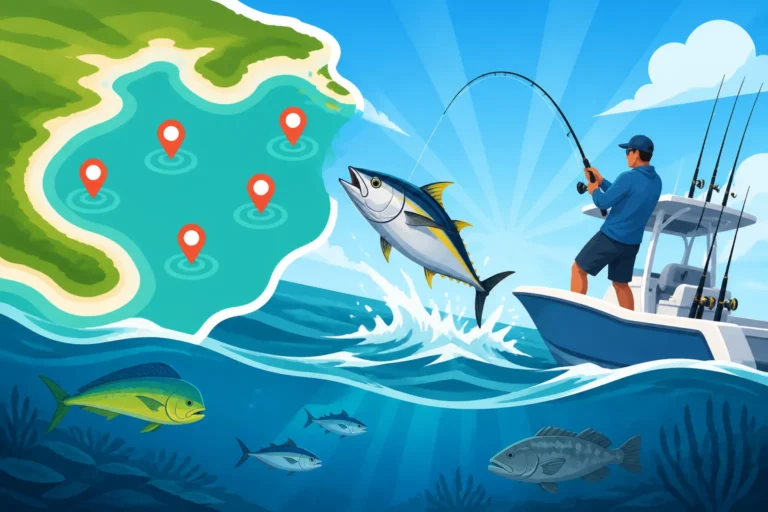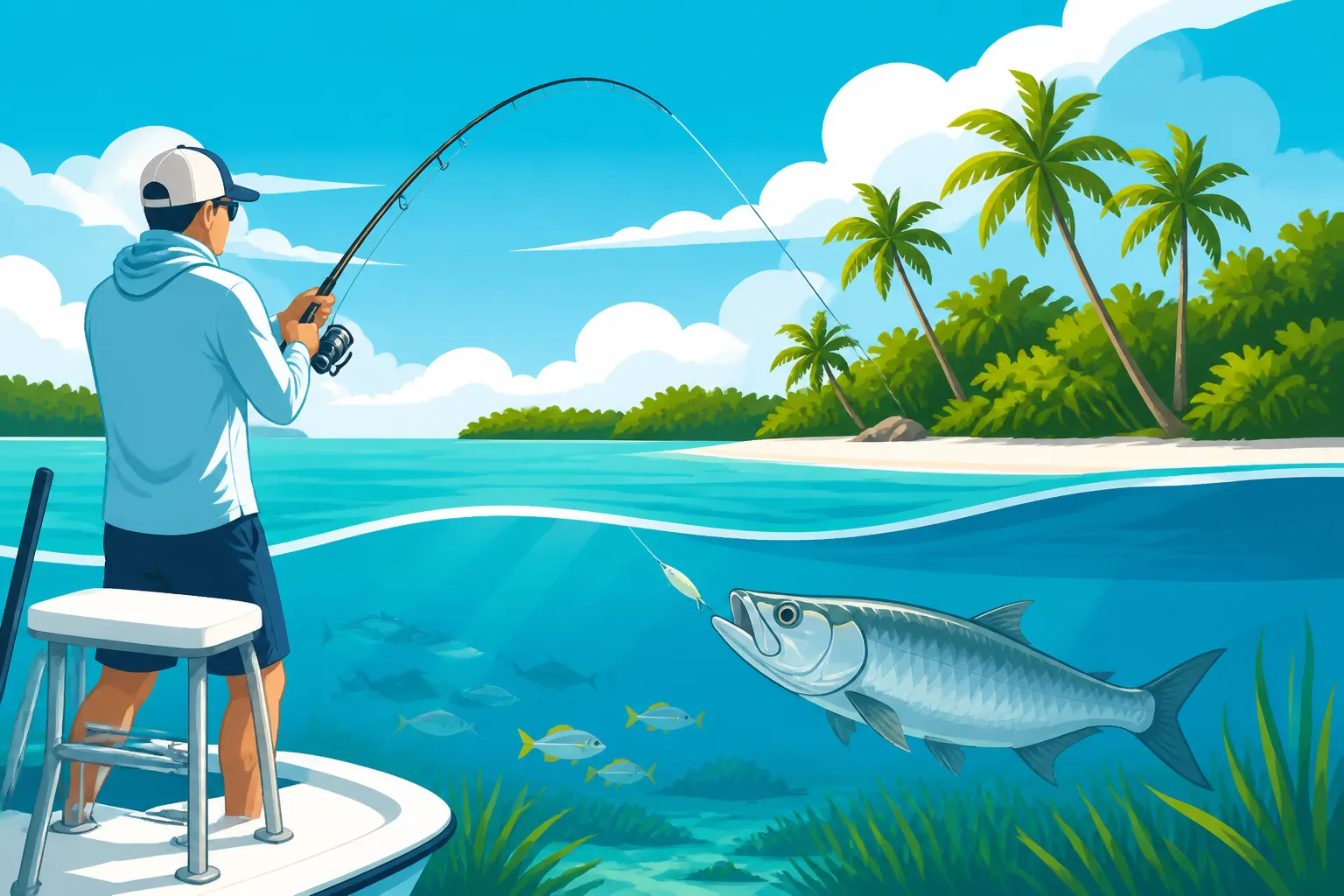
Best Spots in Biscayne National Park for Fishing
Many anglers find themselves scratching their heads when it comes to fishing within the boundaries of a national park, especially one as vast and ecologically sensitive as Biscayne National Park. The thought of navigating complex regulations, identifying productive zones, and understanding species limits can feel overwhelming, deterring even seasoned fishers from experiencing its incredible marine bounty. This comprehensive guide aims to demystify fishing in Biscayne National Park, providing you with all the essential information to plan a rewarding, legal, and responsible angling adventure.
Understanding Fishing Regulations and Zones in Biscayne National Park
Diving into the waters of Biscayne National Park is an extraordinary experience, but it’s crucial to remember that you're not just fishing in Florida; you're fishing in a federally protected area with its own specific rules layered on top of state regulations. This dual system can be confusing, but understanding it is key to a smooth and enjoyable trip. Ignoring these rules can lead to hefty fines or even more serious consequences, so let's get into the specifics.
The Importance of a Florida Fishing License and Permits
First and foremost, whether you're a Florida resident or visiting from out of state, you absolutely need a valid Florida saltwater fishing license to cast a line in Biscayne National Park's waters. The park is predominantly a marine environment, encompassing a significant portion of Biscayne Bay and adjacent Atlantic Ocean waters, making a saltwater license indispensable. This isn't just a formality; these license fees play a vital role in funding critical conservation efforts that protect Florida's precious marine resources, ensuring healthy fish populations for generations to come. You can find detailed information on what’s required in our guide, "Florida Fishing License Guide", and specifically for the marine environment, "Florida Saltwater Fishing License Rules."
Beyond the basic saltwater license, certain highly sought-after species require additional permits. For instance, if you're hoping to land a prized snook, you'll need a special snook permit. Similarly, if you plan to venture into the park's waters to harvest lobster during the season, a lobster permit is mandatory. These permits are crucial for monitoring and managing these specific populations, which can be vulnerable to overfishing. Always check the Florida Fish and Wildlife Conservation Commission (FWC) website right before your trip to ensure you have all the necessary permits, as regulations can sometimes change seasonally or in response to biological data. It’s always better to be over-prepared than to risk a citation.
It’s easy to overlook these extra steps, especially when you’re excited to hit the water, but proper documentation is non-negotiable. Imagine landing a trophy fish only to realize you didn't have the proper permit to even target it! That's a heartache no angler wants. The FWC website, or the GoOutdoors Florida app, are excellent resources for purchasing licenses and permits quickly and easily, often allowing you to have them instantly accessible on your phone.
Navigating Park-Specific Rules and Restricted Areas
Biscayne National Park's primary mission is conservation, meaning there are unique park regulations that complement state fishing laws. The park is a mosaic of habitats, including expansive seagrass beds, mangrove forests, and fragile coral reefs, many of which are designated as "no-take" zones or "park preservation zones" to protect their delicate ecosystems. This means that while you might be allowed to fish for a certain species in other parts of Florida, it could be prohibited or severely restricted in specific areas within the park.
Understanding these restricted areas is paramount. For example, some shallow reef areas or critical bird nesting islands might be completely off-limits to fishing or even boat entry. These restrictions are not arbitrary; they are meticulously planned to safeguard sensitive habitats, protect spawning aggregations, or allow critical species to thrive undisturbed. Violating these park-specific rules, even unknowingly, can lead to severe penalties, including significant fines and potential seizure of gear. Park rangers are vigilant, and ignorance of the law is not an acceptable defense. Our comprehensive guide on "Florida Fishing Regulations and Bag Limits" will provide context on state laws, but always consult the park’s official website or visitor center for the most current park-specific details.
Before you launch your boat or paddle your kayak, take the time to review the park's official maps, which clearly delineate all conservation areas, no-motor zones, and no-fishing zones. A quick stop at the Convoy Point Visitor Center can also provide up-to-date information and clarification on any confusing areas. Planning your route and fishing spots beforehand, with a clear understanding of where you can and cannot drop a line, will ensure a stress-free and environmentally responsible outing. These extra steps ensure that both you and the park's incredible biodiversity are protected for future generations.
Top Productive Fishing Grounds Within Biscayne National Park
Biscayne National Park is a haven for diverse marine life, offering a variety of environments from shallow, crystal-clear flats to mangrove-lined creeks and accessible patch reefs. Each area presents unique fishing opportunities and challenges, making it an exciting destination for anglers of all skill levels. Understanding these distinct zones is key to maximizing your success and truly appreciating the park’s natural beauty.
Exploring the Seagrass Flats of Biscayne Bay
The expansive seagrass flats covering much of Biscayne Bay are undeniably one of the most productive fishing grounds within the park. These lush underwater meadows, particularly prevalent around islands like Elliott Key, Sands Key, and parts of the northern bay, serve as crucial nurseries and feeding grounds for a multitude of species. The healthy seagrass provides shelter and abundant food sources, attracting everything from small baitfish to large predators. It’s a dynamic ecosystem where life thrives just beneath the surface, often in surprisingly shallow water.
On these flats, you're likely to encounter Florida's most iconic inshore game fish. Spotted seatrout are abundant, often found drifting over the grass, ambushing passing shrimp and baitfish. Redfish frequently patrol the edges of the flats or root around in potholes, searching for crabs and small crustaceans. For the truly patient and skilled angler, the clear waters here are also prime territory for bonefish, known as the "gray ghost of the flats" for their incredible camouflage and blistering runs. You can learn more about these fascinating fish in our "Florida Spotted Seatrout Fishing Guide" and "Florida Bonefish Fishing Guide."
The best fishing methods on the seagrass flats typically involve stealth and keen observation. Sight fishing is a popular and exhilarating approach, especially on calm, sunny days when you can spot cruising fish. Poling a flats boat or paddling a kayak quietly allows you to approach fish without spooking them. Light tackle, artificial lures like soft plastic jerkbaits or jigs, and natural baits such as live shrimp or small crabs work exceptionally well here. If you're new to flats fishing or want to maximize your chances, consider booking a guided trip. Platforms like FishingBooker list experienced local guides who specialize in these unique environments and can navigate the park's nuances, making your trip more successful.
Fishing the Mangrove Shorelines and Canals
Along the western edge of Biscayne Bay and surrounding the numerous keys within the park, dense mangrove shorelines form an intricate network of protective cover. These intricate root systems provide essential shelter for juvenile fish and a buffet for larger predators. The shaded, often deeper waters directly under the mangrove overhangs, as well as the mouths of tidal creeks and small canals carved through the islands, are prime ambush points. It's a different kind of fishing from the open flats, often requiring precision casting and a willingness to get up close and personal with the vegetation.
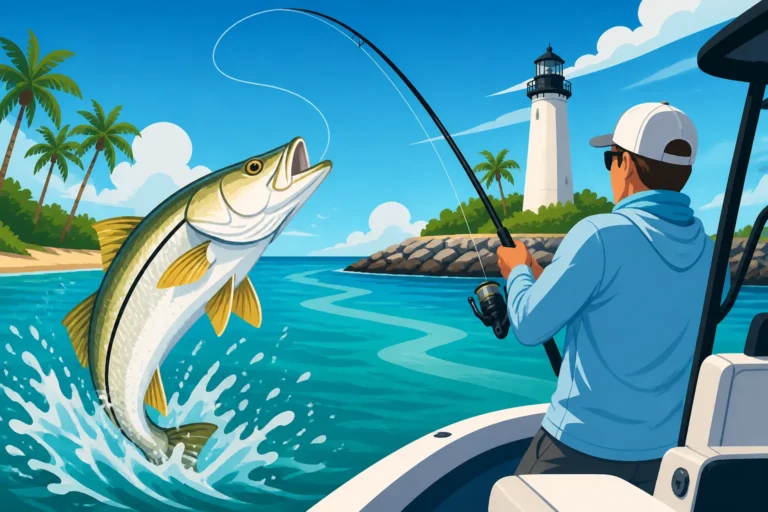
The species commonly found hugging these mangrove edges are diverse and exciting. Snook are perhaps the most famous residents, using the roots for cover while waiting to ambush passing baitfish. Tarpon, especially juvenile "baby" tarpon, can be found in the deeper creeks and channels, offering an incredible fight on light tackle. Mangrove snapper are also prevalent, often hiding deep within the root systems, along with barracuda lurking on the perimeters, ready to snatch an unsuspecting lure. These areas also hold a variety of baitfish, making them consistently productive. If you are interested in specific techniques for these fish, check out our "Florida Snook Fishing Guide."
Accessing these mangrove-lined areas is often best achieved by kayak or a shallow-draft skiff. The quiet approach of a paddle craft allows you to get deep into the cuts and close to the mangroves without disturbing the fish. Casting close to the structure is key, often requiring skipping lures under low-hanging branches. Topwater lures, weedless soft plastics, and live pilchards or shrimp are highly effective. For those who love the solitude and challenge of technical fishing, the mangrove shorelines of Biscayne National Park offer an unparalleled experience. Our "Best Spots to Fish From a Kayak in Florida" guide offers additional tips for this style of fishing.
Reefs and Patch Reefs for Offshore Action
While Biscayne National Park is renowned for its inshore flats and mangrove fishing, it also encompasses portions of the Florida Reef Tract and scattered patch reefs, offering exciting opportunities for nearshore reef fishing. These submerged structures, composed of hard bottom and coral formations, provide critical habitat for a variety of bottom-dwelling and pelagic species. While extensive deep-sea fishing typically occurs outside park boundaries, these accessible reefs within the park can yield impressive catches.
These patch reefs, often found east of the main keys like Elliott Key and Sands Key, are magnets for a range of snapper and grouper species. You can expect to encounter mangrove snapper (also known as gray snapper), which are incredibly feisty and delicious, as well as the more elusive mutton snapper. Grouper, such as gag grouper and red grouper, often hide within the crevices and ledges of these reefs. Occasionally, pelagic species like Spanish mackerel or king mackerel might cruise through, especially during cooler months, providing an unexpected thrill. For a deeper dive into target species, explore our "Florida Grouper Fishing Guide."
Bottom fishing is the primary technique for these reef areas. Using fresh cut bait (like squid or sardines), live pilchards, or pinfish dropped directly to the structure is often the most effective approach. Jigs tipped with bait can also entice strikes. It's essential to use appropriate tackle—heavier line and rods than for flats fishing—to handle strong currents and the powerful pulls of reef fish trying to get back into the structure. Due to the delicate nature of the coral and the importance of conservation, always practice responsible angling, minimizing reef contact and properly releasing any undersized or out-of-season fish. If venturing further out is your goal, many charter captains found through services like FishingBooker can take you to productive reef systems within and just outside the park, offering specialized trips for these species.
Targeting Key Species and Employing Effective Techniques
Biscayne National Park is a jewel for anglers precisely because of its diverse ecosystems, which support a remarkable array of fish species. Knowing what to target and how to approach them effectively will greatly enhance your fishing experience. Each species has its preferred habitat, diet, and fighting style, making every catch a unique challenge.
Inshore Favorites: Snook, Redfish, and Seatrout
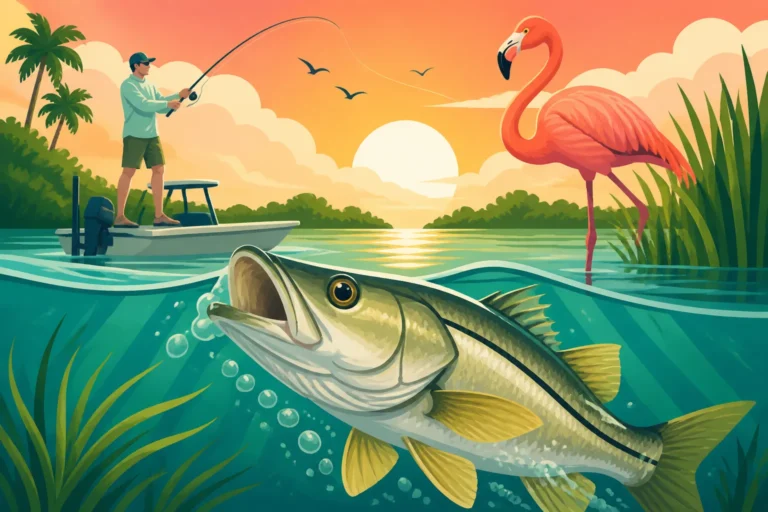
When fishing the inshore waters of Biscayne National Park, three species consistently draw anglers: snook, redfish, and spotted seatrout. Each offers a distinct angling experience. Snook, with their aggressive strikes and powerful runs, are a top predator, often found lurking near mangrove shorelines, dock pilings, and channel edges. They love moving water and tend to be most active during tidal changes. When targeting snook, live bait such as pilchards, pinfish, or shrimp are highly effective, but they will also readily hit artificial lures like topwater plugs, soft plastic jerkbaits, or sub-surface twitchbaits. Remember, snook have strict slot limits and seasonal closures in Florida, so always verify current regulations before keeping any.
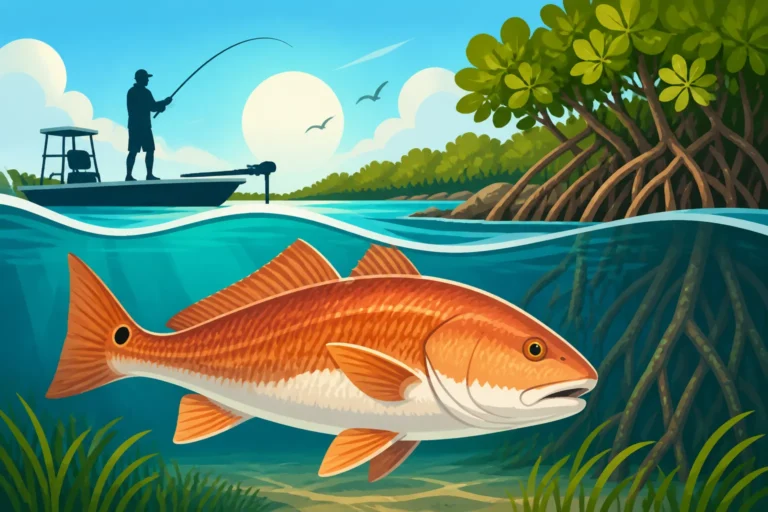
Redfish are another inshore staple, known for their distinctive spot on the tail and powerful fight. They prefer shallower waters, often found tailing on seagrass flats or cruising oyster bars. Sight fishing for redfish on clear flats can be incredibly rewarding, requiring accurate casts to spook-sensitive fish. Live shrimp, small crabs, or cut bait are excellent natural offerings, while artificial options include weedless spoons, soft plastic paddletails, and scented Gulp! baits. Like snook, redfish also have specific slot and bag limits that anglers must adhere to to ensure sustainable populations. Our "Florida Redfish Fishing Guide" provides detailed information on how to target these strong fighters.
Spotted seatrout, perhaps the most abundant of the inshore trio, are often found in large numbers over expansive seagrass beds. They are voracious eaters and can provide consistent action, making them a fantastic target for anglers of all ages and skill levels. Trout respond well to a variety of techniques, from drifting live shrimp under a popping cork to working artificial jigs or soft plastics along the bottom. They are particularly active during cooler months and often school up in deeper pockets within the flats. While less of a fight than snook or redfish, their delicate white meat makes them a popular choice for the dinner table, provided you respect their size and bag limits.
The Elusive Bonefish and Other Flats Challengers
For many dedicated flats anglers, the ultimate prize in Biscayne National Park is the elusive bonefish. These incredible fish, often referred to as "ghosts of the flats," are renowned for their incredible speed and stamina once hooked, making them a premier light tackle and fly fishing target. They inhabit shallow, clear, hard-bottomed flats, often found tailing as they root for crustaceans and worms in the sand. Catching a bonefish requires extreme stealth, keen eyesight, and a delicate, accurate presentation, as they are incredibly wary.
When targeting bonefish, live bait is highly effective, with small live shrimp or pieces of crab being top choices, presented on a light fluorocarbon leader with a small hook. For fly anglers, specific bonefish patterns like Gotchas, Crazy Charlies, and mantis shrimp imitations are essential. The key is to cast ahead of the moving fish and allow the bait or fly to settle naturally before slowly retrieving it. The best time to pursue bonefish is often during the incoming or outgoing tides, which push their food sources over the flats. Many anglers consider bonefish a strictly catch and release species, focusing on the thrill of the chase rather than table fare. For more in-depth techniques, consult our "Florida Fly Fishing Guide."
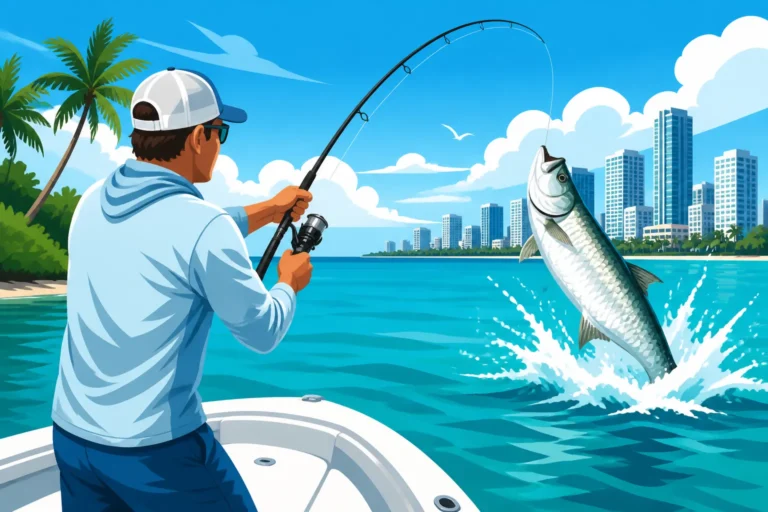
Beyond bonefish, Biscayne National Park's deeper channels and ocean-facing flats can occasionally yield other challenging species. Permit, another highly prized flats fish, can be found, particularly around structure like wrecks or rock piles within the bay. They are even more challenging than bonefish, requiring precise presentations of small crabs. During their migrations, especially in spring and early summer, larger tarpon might cruise through the deeper channels and inlets, offering a truly acrobatic fight. These are typically caught by experienced anglers with specialized heavy tackle, often under the guidance of a professional. If you're hoping to land a "silver king," our "Florida Tarpon Fishing Guide" can provide valuable insights. Finding a specialized guide through a service like FishingBooker can significantly increase your chances with these highly sought-after species.
Nearshore Reef Dwellers: Snapper and Grouper
While the focus on Biscayne National Park often leans towards its inshore fishing, the park’s proximity to the Atlantic Ocean means there are also excellent opportunities for targeting various snapper and grouper species on the scattered patch reefs and hard bottom areas. These fish provide a different kind of fight, often involving powerful dives back into rocky structure.
Mangrove snapper are incredibly common and delicious, found on nearly every piece of structure in the bay and nearshore reefs. They are aggressive feeders and will readily take live pilchards, cut bait, or shrimp presented on a small jig or traditional bottom rig. Mutton snapper, larger and more elusive, also inhabit these reefs, favoring a live pinfish or pilchard. Both species require quick reflexes to get them away from the structure once hooked.
Grouper, including gag grouper and red grouper, are also present on the park's patch reefs. These powerful bottom dwellers prefer to ambush prey from rocky ledges and holes. Targeting grouper typically involves heavier tackle, strong braided line, and robust bottom rigs with live baits like pinfish, grunts, or even frozen sardines. It’s crucial to remember that grouper populations are heavily managed, and there are strict size limits and seasonal closures that vary by species and location (Gulf vs. Atlantic). Always confirm the current regulations with the FWC before dropping a line for grouper to ensure compliance and conservation.
Here's a quick overview of some key species and tactics:
| Species | Primary Habitat | Recommended Technique | Preferred Bait/Lure | Key Regulations (Check FWC for current) |
|---|---|---|---|---|
| Snook | Mangrove edges, channels, dock lights | Casting, Live Bait | Live pilchards, pinfish, topwater plugs | Slot limit (e.g., 28-33"), seasonal closure |
| Redfish | Seagrass flats, oyster bars, creek mouths | Sight fishing, Casting | Live shrimp, small crabs, soft plastic paddletails | Slot limit (e.g., 18-27"), bag limit |
| Spotted Seatrout | Expansive seagrass beds, sandy patches | Drifting, Popping corks, Jigging | Live shrimp, artificial shrimp, jigs | Slot limit (e.g., 15-20"), bag limit |
| Bonefish | Hard-bottomed flats, clear water | Sight fishing (stealthy approach) | Live shrimp, small crabs, fly patterns | Catch & Release highly encouraged |
| Mangrove Snapper | Patch reefs, bridge pilings, structure | Bottom fishing | Cut bait, live pilchards, shrimp | Size limit (e.g., 10"), bag limit |
| Gag Grouper | Rocky reefs, ledges, wrecks | Bottom fishing, Jigging | Live pinfish, grunts, large jigs | Size limit, seasonal closure (Atlantic) |
Planning Your Biscayne National Park Fishing Adventure
A trip to Biscayne National Park for fishing is an unforgettable experience, but it requires careful planning to ensure a safe, successful, and respectful outing. From understanding how to access this predominantly aquatic park to packing the right gear and deciding whether to hire a guide, a bit of foresight goes a long way.
Access Points and Getting Around the Park
One of the unique aspects of Biscayne National Park is that approximately 95% of its 172,971 acres are underwater. This means that unlike many national parks, access is primarily by boat. The main land-based visitor center, Convoy Point, located just east of Homestead, Florida, serves as the primary gateway. Here you’ll find a boat ramp, ample parking, and essential information, maps, and restrooms. It's an excellent starting point for launching your own vessel, whether it's a powerboat, kayak, or canoe, allowing you to venture into the vast expanse of Biscayne Bay.
Beyond Convoy Point, other areas like Homestead Bayfront Park, just south of the main visitor center, also offer public boat ramps and access to the bay. If you're looking to explore the offshore patch reefs, you might consider launching from marinas further north in Miami-Dade County, such as those near Coconut Grove or South Beach, though these will require a longer run to reach the heart of the park. Once on the water, navigation within the park is generally straightforward, but it's crucial to pay close attention to channel markers, especially in shallow areas where prop scarring of fragile seagrass beds is a serious concern. Many areas are marked as "no wake" or "idle speed only" to protect manatees and preserve the calm environment.
For those without their own boat, accessing the park’s fishing grounds will require a charter or guided trip, which many local outfitters provide. These charters typically depart from marinas in the surrounding towns or directly from the Convoy Point area. Remember that cell service can be spotty in certain parts of the park, so having a reliable marine GPS and VHF radio is highly recommended for safety. Always inform someone of your float plan and expected return time before heading out, especially if you plan to explore remote keys.
Essential Gear and Supplies for a Successful Trip
Packing the right gear is critical for any fishing trip, but especially in an environment as diverse as Biscayne National Park. Your fishing setup will largely depend on what species you plan to target. For inshore flats and mangrove fishing, a medium-light to medium action spinning rod (7-7.5 feet) paired with a 2500-4000 series reel spooled with 10-20 lb braided line is a versatile choice. Don't forget a selection of fluorocarbon leaders (20-40 lb test) for stealth and abrasion resistance. A variety of artificial lures—soft plastics, topwater plugs, shallow-diving crankbaits—along with an assortment of hooks, weights, and swivels for live bait, should fill your tackle box.
Beyond your fishing arsenal, consider the challenging Florida environment. High-quality polarized sunglasses are non-negotiable for sight fishing on the flats and protecting your eyes from glare. A wide-brimmed hat, UPF-rated long-sleeve shirts, and plenty of reef-safe sunscreen will protect you from the intense Florida sun. Hydration is paramount, so bring plenty of water—more than you think you'll need—along with snacks. A small cooler to keep your drinks and any legal catches fresh is also a good idea. Always pack a first-aid kit, a sharp pair of pliers or dehooking tool, and a measuring device to ensure your fish meet legal size requirements.
If you are using your own boat, ensure all safety equipment is on board and in good working order: life vests for everyone (including children), flares, a whistle or horn, and a fire extinguisher. A well-maintained anchor and sufficient rode are also essential. Remember that much of Biscayne National Park is remote, so being self-sufficient is key. Planning ahead for what you'll need, from extra fishing line to bug spray, will make your adventure much more enjoyable and safe.
Hiring a Local Fishing Guide or Charter
For many, navigating a new and ecologically sensitive area like Biscayne National Park is best done with a seasoned expert. Hiring a local fishing guide or charter captain offers numerous benefits, especially for first-time visitors or those looking to specifically target a challenging species like bonefish or snook. These professionals possess an intimate knowledge of the local waters, including the best fishing spots, current regulations, and optimal techniques for the conditions. They can literally save you hours, or even days, of trial-and-error. Our guide on "How to Choose a Florida Fishing Guide" can help you in your selection process.
When selecting a guide, look for those who specialize in the type of fishing you're interested in – whether it's shallow water flats fishing, mangrove creek exploration, or nearshore reef trips. A good guide will also be well-versed in the specific park regulations and ensure that your trip is conducted responsibly and legally. Many reputable guides are listed on platforms like FishingBooker, which allows you to read reviews, compare prices, and see their specialties. They often provide all the necessary fishing gear, bait, and tackle, making it a hassle-free experience for you.
Beyond finding fish, a good guide acts as an educator, teaching you about the local ecosystem, proper fish handling techniques for catch and release, and the conservation efforts within the park. They can also share local history and wildlife observations, enriching your overall experience beyond just fishing. While hiring a charter might seem like an added expense, the value of their expertise, safety measures, and access to premium fishing grounds often makes it a worthwhile investment, transforming a potentially frustrating outing into a memorable and successful adventure. For a broader perspective on charter options, explore our "Florida Fishing Charter Guide."
Disclaimer
The information provided in this guide is for general informational purposes only and is subject to change. Fishing regulations, seasons, and licensing requirements in Florida and within Biscayne National Park are updated regularly by the Florida Fish and Wildlife Conservation Commission (FWC) and the National Park Service. It is the responsibility of each angler to verify and comply with all current local, state, and federal rules and regulations before engaging in any fishing activities. Always prioritize safety and environmental stewardship.