Best Spots Near Crystal River for Redfish
For anglers venturing into Florida’s abundant waters, few experiences rival the thrill of targeting redfish. However, the sheer size and complexity of systems like Crystal River can make finding those prime redfish hot spots feel like searching for a needle in a haystack. This comprehensive guide is designed to cut through that frustration, offering detailed insights into the best locations, optimal conditions, and essential tactics to ensure your Crystal River redfish adventure is a memorable and successful one.
The Unique Allure of Crystal River for Redfish Anglers
Crystal River, often lauded as one of Florida’s most pristine aquatic environments, isn't just a haven for manatees; it's a phenomenal fishery for redfish. The unique confluence of freshwater springs, vast shallow grass flats, intricate mangrove estuaries, and numerous oyster bars creates an ideal ecosystem for Sciaenops ocellatus, the red drum, to thrive. Understanding why this area is so productive for redfish is key to unlocking its full potential.
An Ecosystem Built for Redfish
Imagine a sprawling network of shallow, clear water, where sunlight penetrates deeply, nourishing expansive beds of turtle grass and shoal grass. These seagrass meadows are the foundation of Crystal River's redfish productivity. They provide crucial foraging grounds, offering a buffet of crabs, shrimp, and baitfish—all prime food sources for redfish. Furthermore, the numerous freshwater springs that feed into the system, such as those in Kings Bay, help moderate water temperatures, making certain areas appealing to redfish even during cooler winter months when other flats might be too cold.
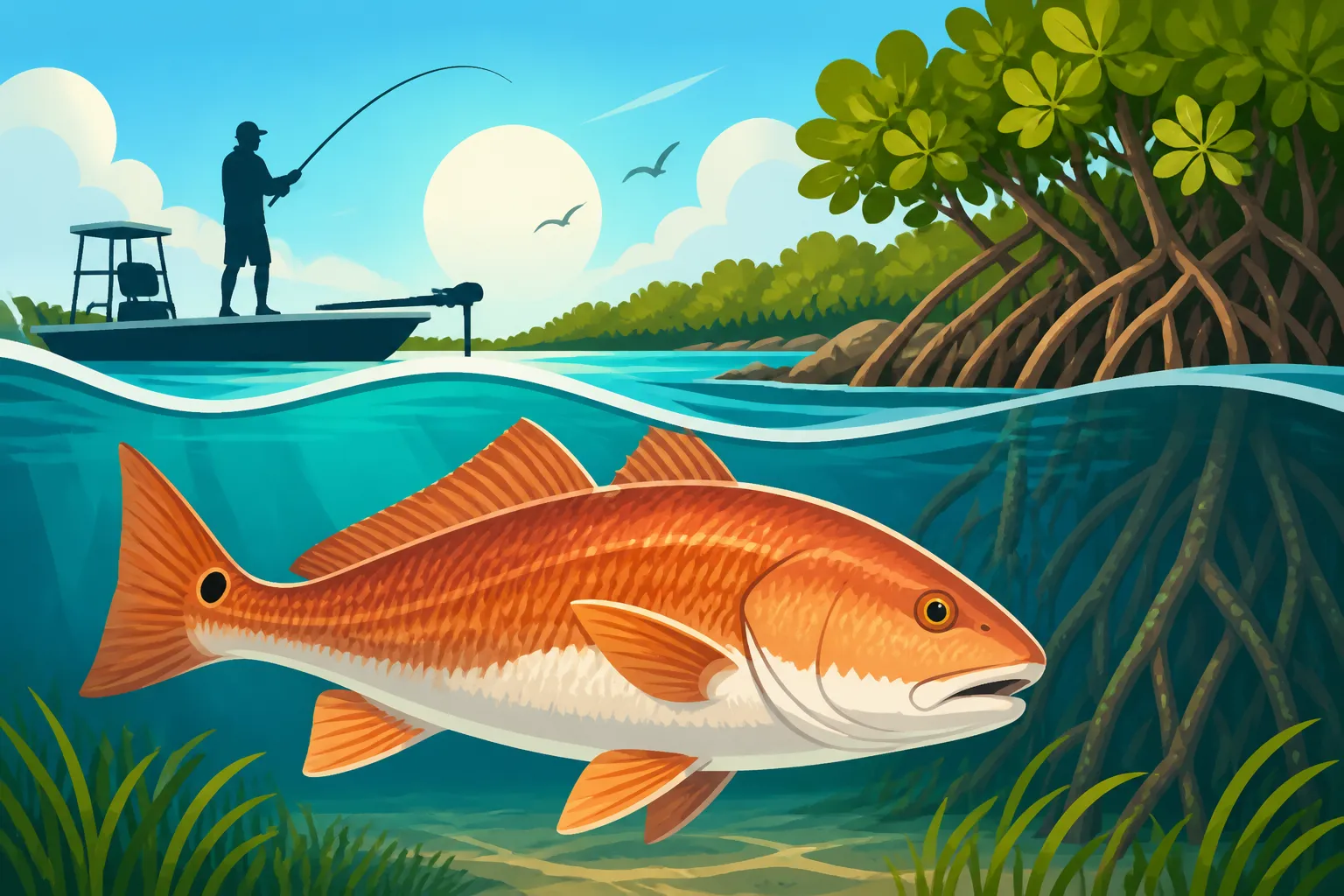
The complex network of tidal creeks and mangrove shorelines throughout the Crystal River system offers redfish both refuge and ambush points. These areas are particularly effective during higher tides when redfish push deep into the mangroves to hunt. As the tide recedes, these fish often fall back into the deeper pockets, channels, and along the edges of the flats, making them more predictable targets. The sheer diversity of habitat, from open flats to intricate backwaters, means redfish can always find ideal conditions, whether they're seeking food, shelter, or warmer water.
Seasonal Considerations for Redfish in Crystal River
While redfish can be caught year-round in Crystal River, their behavior and preferred locations can shift with the seasons. During the warmer months, from late spring through fall, redfish are spread out across the expansive grass flats and actively patrol the mangrove shorelines. This is often the best time for sight fishing, as the fish are more active and the water can be incredibly clear. However, the summer heat can make midday fishing tough, so early mornings and late afternoons often prove most fruitful.
As winter approaches, cold fronts can dramatically affect water temperatures. Redfish, like many other inshore species, become less active in cold water and will seek out deeper channels, dark-bottomed potholes that absorb more heat, or areas near the warmer spring-fed waters. This is when understanding the local geography becomes paramount. The Crystal River system, with its spring-fed bays and numerous residential canals, offers these warmer refuges, making winter fishing entirely possible, albeit with different tactics. For a deeper dive into how fish react to different temperatures, consider exploring the best water temperature for snook fishing, which shares many behavioral similarities with redfish.
Top Redfish Hot Spots in Crystal River and Nearby Waters
Pinpointing the exact best spots in Crystal River for redfish often depends on the tide, time of year, and even the day's specific weather. However, several areas consistently produce for anglers who know what to look for.
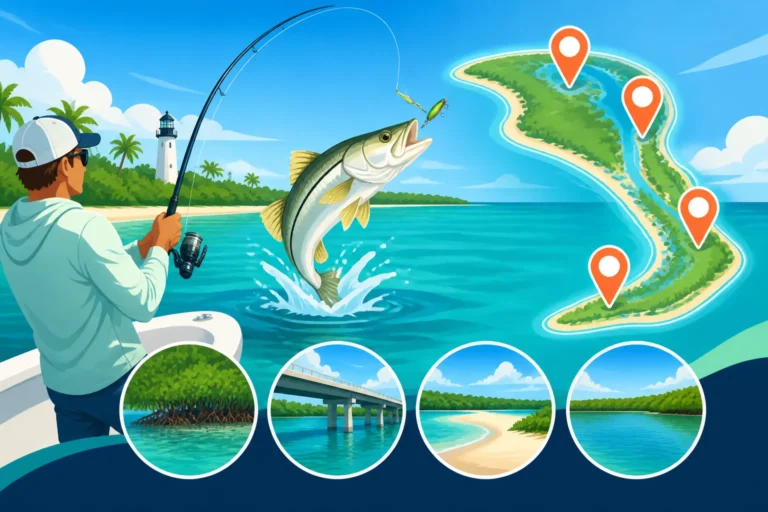
The Ozello Keys and Mangrove Mazes
South of Crystal River, the Ozello Keys represent a vast and incredibly intricate network of mangrove islands, oyster bars, and shallow flats. This area is a true wilderness, offering endless opportunities for experienced anglers to target redfish, often via sight fishing.
- Exploring the Mangrove Tunnels: When the tide is high, redfish will push deep into the mangrove tunnels and along the shaded edges of the islands, ambushing baitfish and crabs. These spots require precise casting and stealth. Look for "nervous water" or the subtle ripple of a tail breaking the surface. Light tackle and natural baits like live shrimp or small mud minnows can be incredibly effective here. You'll need a shallow-draft boat, kayak, or paddleboard to access these areas effectively.
- Oyster Bars and Potholes: As the tide falls, redfish often stage around the edges of prominent oyster bars or seek refuge in deeper potholes scattered across the flats. These oyster bars are natural congregating points for bait and offer structure that redfish love. Casting soft plastic paddletails or weedless spoons near these structures can yield excellent results. Learning how to read a tide chart for fishing is crucial for timing your approach to these areas.
- The Backcountry Flats: The expansive flats within the Ozello system, particularly around islands like Cat Island or those deeper into the network, are classic redfish territory. During periods of clear water and good light, you can pole or slowly motor across these flats, sight casting to cruising fish. Pay attention to the subtle color changes in the bottom, as darker areas might indicate potholes or deeper grass, holding feeding fish.
The Salt River and Its Tributaries
North of Crystal River, the Salt River flows into the Gulf of Mexico, offering a different but equally productive redfish environment. This system features deeper channels, more pronounced oyster bars, and a distinct tidal flow that can concentrate fish.
- Channel Edges and Drop-offs: Redfish often patrol the edges of the Salt River's main channel, especially during outgoing tides when baitfish are flushed out of the smaller creeks. These deeper areas provide a consistent holding spot. Bottom fishing with cut bait, such as mullet or pinfish, can be very effective, especially if you're targeting larger "bull" redfish.
- Hidden Creeks and Pockets: The Salt River has numerous smaller creeks and pockets that branch off the main flow. Exploring these tributaries can reveal secluded spots where redfish stack up, particularly during the cooler months when they seek thermal refuge. Look for areas with good current flow and submerged structure.
- Nearshore Spoil Islands: The mouth of the Salt River features several spoil islands created from dredging. These islands often have rocky bottoms or shell hash, attracting bait and, consequently, redfish. These can be productive spots for casting artificial lures or even live pilchards.
Kings Bay and the Inner River System
While primarily known for manatees, the inner reaches of Crystal River, especially Kings Bay, can hold redfish, particularly during colder weather. The constant 72-degree F (22 C) water from the springs makes it a thermal sanctuary.
- Spring Run Edges: Redfish will often be found along the edges of the spring runs, where the warmer water blends with the cooler bay water. Target areas where there's some current or submerged vegetation. Anglers should be mindful of manatee zones and exercise extreme caution and courtesy here, especially during winter months when manatee populations are at their highest.
- Docks and Structures: The residential docks and seawalls within Kings Bay offer artificial structure that redfish sometimes utilize for ambush points. Casting soft plastics or live shrimp around pilings and submerged debris can entice a strike. Just be sure to respect private property.
- Canals and Marinas: Many canals leading off Kings Bay provide sheltered, often warmer waters. Redfish can hold deep within these canals, especially after a strong cold front. These areas are excellent for soaking a piece of cut bait on the bottom.
Here's a quick guide to some of these spots:
| Location | Key Characteristics | Best Tides | Recommended Baits/Lures | Notes |
|---|---|---|---|---|
| Ozello Keys Mangroves | Intricate, shallow, dense mangrove cover | High, incoming | Live shrimp, cut bait, weedless soft plastics | Excellent for sight fishing; requires stealth and shallow draft. |
| Ozello Oyster Bars | Scattered shell mounds, good current breaks | Falling, low | Soft plastic paddletails, spoons, live mud minnows | Redfish stack up around structure; identify potholes at low tide. |
| Salt River Channels | Deeper flow, pronounced edges, open water | Outgoing, low | Cut mullet, live pinfish, jigs | Good for larger redfish; can fish from a larger boat. |
| Kings Bay Spring Edges | Warmer water from springs, some submerged vegetation | Any tide | Live shrimp, small soft plastics | Be extremely mindful of manatees; can be good in winter. |
| Kings Bay Docks/Canals | Residential structures, sheltered water, deeper pockets | Any tide | Live shrimp, cut bait | Respect private property; good during cold weather. |
Essential Gear and Techniques for Crystal River Redfish
Successfully targeting redfish in Crystal River requires more than just knowing where they are; it's about having the right tools and using them effectively.
Rods, Reels, and Line Choices
For most inshore redfish situations in Crystal River, a medium-light to medium power spinning rod, typically 7 to 7.5 feet in length, is ideal. This length provides excellent casting distance for covering flats and punching baits into mangroves, while offering enough backbone to fight a strong redfish. Pair this with a 2500-4000 series spinning reel spooled with 10 to 20-pound braided line. Braided line offers superior casting distance, sensitivity, and strength-to-diameter ratio, which is crucial when fishing around abrasive oyster bars or heavy cover.
- Leader Material: Always use a fluorocarbon leader. Redfish have excellent eyesight, especially in the clear waters of Crystal River. A 20 to 30-pound fluorocarbon leader, about 2-3 feet long, is a good starting point. This provides abrasion resistance and a nearly invisible connection to your bait or lure. Consider learning more about the best rod for inshore fishing in Florida for a broader gear perspective.
Baits and Lures That Get Results
Redfish are opportunistic feeders, so a variety of baits and lures can work. The key is often matching the hatch or presenting something irresistible.
- Live Bait: Live shrimp are universally effective and often the go-to bait in Crystal River. They can be fished under a popping cork, on a jig head, or free-lined. Live mud minnows, pinfish, or small pilchards are also excellent choices, especially for larger redfish. When using live bait, focus on presenting it naturally. The article on best live bait for Florida inshore fishing provides more detailed information.
- Artificial Lures: Soft plastic paddletail jigs, such as those from D.O.A. Lures or Z-Man, rigged on a 1/8 to 1/4 ounce jig head, are incredibly versatile. Work them with a slow, erratic retrieve along the bottom or through the grass. Weedless spoons, like the Johnson Silver Minnow, are perfect for fishing over shallow grass and around oyster bars without snagging. Topwater lures, particularly during calm mornings or evenings, can provoke explosive strikes from aggressive redfish. They are exhilarating to use and cover a lot of water.
- Cut Bait: For targeting larger redfish in deeper channels or areas with stronger current, cut bait like mullet, ladyfish, or blue crab can be irresistible. A simple Carolina rig or knocker rig will keep your bait on the bottom.
Mastering the Tides and Stealth
Understanding the tides is non-negotiable for consistent redfish success in Crystal River. Redfish movement is heavily dictated by tidal flow, and fishing the wrong tide can lead to frustratingly slow days. Incoming and outgoing tides are generally best, as the moving water stirs up bait and makes redfish more active. Slack tide, when the water is still, is often the slowest.
- Low Tide Scouting: Use low tide to your advantage. It reveals the potholes, channels, and oyster bars that redfish will use as ambush points and refuges when the water rises. Make mental notes or mark these on your GPS.
- Stealth is Key: Especially in the clear, shallow waters of Crystal River, noise and movement can quickly spook redfish. Use a push pole or a quiet trolling motor to approach spots. Make long, accurate casts to avoid getting too close to the fish. Practice catch and release best practices for snook, many of which also apply to redfish, to ensure the health of the fishery.
Making the Most of Your Crystal River Redfish Trip
A successful redfish trip to Crystal River isn't just about catching fish; it's about embracing the experience, respecting the environment, and perhaps even learning from the pros.
Hiring a Local Fishing Guide
For those new to the Crystal River area or looking to maximize their time on the water, hiring a local fishing guide is an invaluable investment. Guides, often found through services like FishingBooker, possess an intimate knowledge of the local waters, current fishing patterns, and where the redfish are biting. They can navigate the complex system safely, provide all the necessary gear, and teach you techniques specific to the region.
- Benefits of a Guide: A good guide will not only put you on fish but also educate you on the ecosystem, conservation efforts, and local regulations, such as Florida fishing regulations and bag limits. They often have access to private bait spots and know the subtle signs of feeding redfish that an inexperienced eye might miss. Booking a Crystal River guide through FishingBooker can streamline the process, connecting you with reputable captains who specialize in redfish.
- What to Expect: Most guides offer half-day or full-day trips. Discuss your expectations beforehand – whether you're looking for sight fishing, live bait action, or focusing on artificials. Remember, these guides work hard, so tipping etiquette for Florida fishing guides is an important consideration.
Conservation and Sustainable Practices
Crystal River's beauty and productivity depend on responsible angling practices. Redfish populations are robust but benefit greatly from catch-and-release, especially for the larger breeding-size "bull" redfish.
- Handling Fish: Handle redfish gently, minimizing their time out of the water. Use appropriate landing gear like a net or lip grippers. If using a lip gripper, support the fish's body with your other hand. Avoid dragging fish onto dry land or rough surfaces.
- Know the Regulations: Always be aware of the current Florida redfish size and bag limits. These regulations are in place to protect the fishery and ensure healthy populations for future generations. If you’re unsure, opting for catch-and-release is always the safest and most conservation-minded choice.
Best Time of Year to Visit
While redfish are available year-round, the "best" time often depends on your preferred fishing style.
- Spring (March-May): Water temperatures are rising, and redfish become very active on the flats. Excellent for sight fishing.
- Summer (June-August): Early mornings and late evenings are prime. Midday can be hot, pushing fish into deeper, shadier spots.
- Fall (September-November): Often considered the peak season. Cooler temperatures, active fish, and the "mullet run" can bring in larger reds.
- Winter (December-February): Requires more specialized knowledge. Focus on warmer spring-fed areas, deep channels, and dark-bottomed potholes. It’s also important to understand the best time of year to fish in Florida in general, as it offers a broader context for seasonal changes across species.
Whether you choose to navigate the intricate backcountry by yourself or opt for the expertise of a local captain found on platforms like FishingBooker, Crystal River promises an unforgettable redfish experience. Its unique blend of clear water, diverse habitats, and abundant fish makes it a true gem on Florida's Nature Coast.
Disclaimer
Fishing conditions and regulations in Florida can change frequently due to environmental factors, fish stock assessments, and management decisions. Always consult the latest rules and advisories from the Florida Fish and Wildlife Conservation Commission (FWC) before planning your trip. This guide is for informational purposes only and should not replace official FWC guidelines.