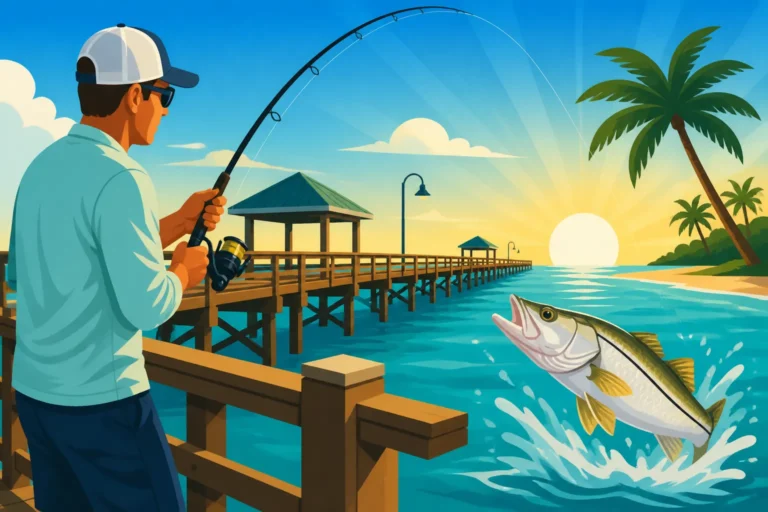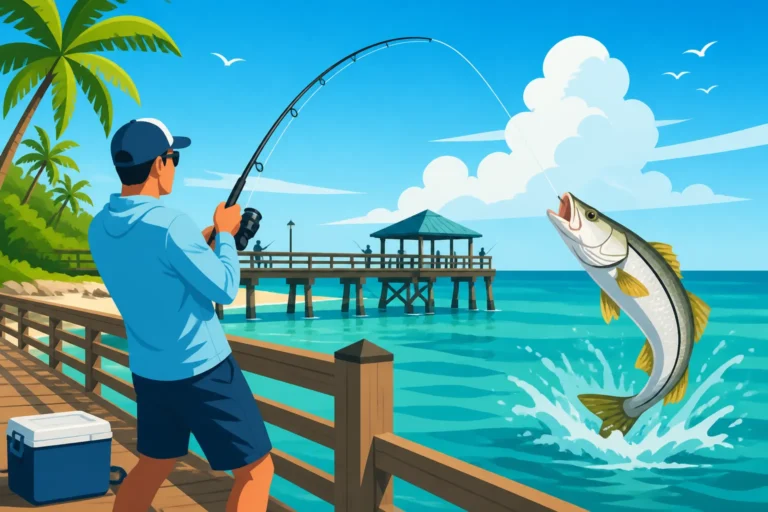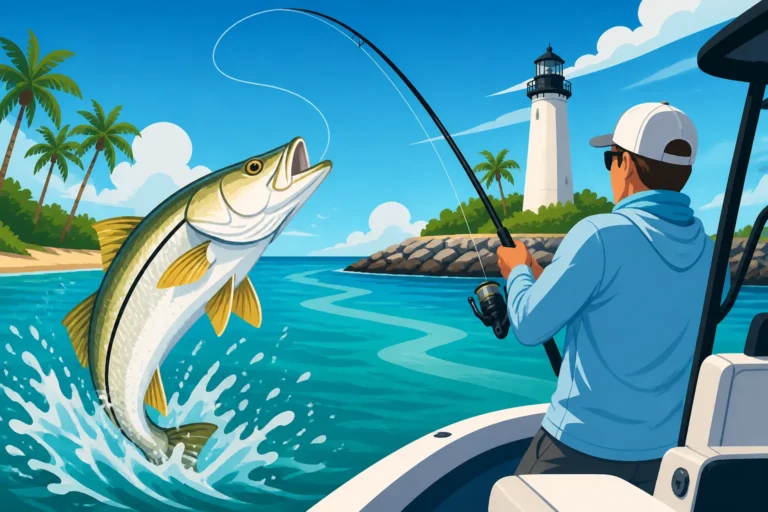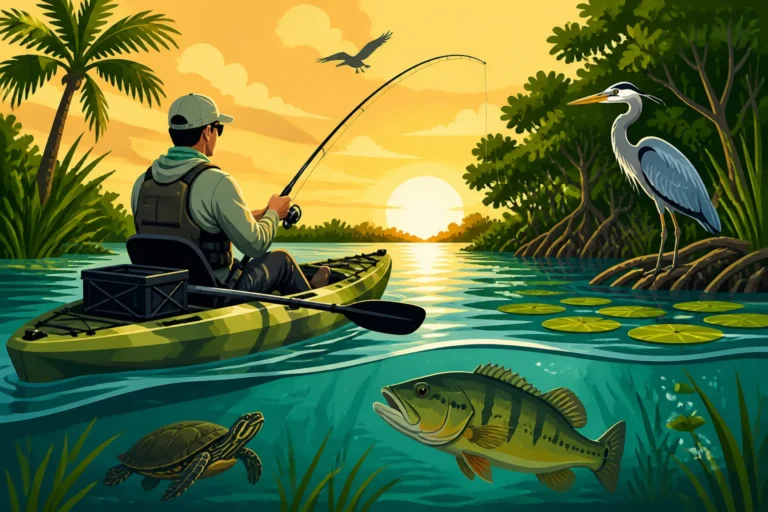
Fishing Homosassa for Tarpon
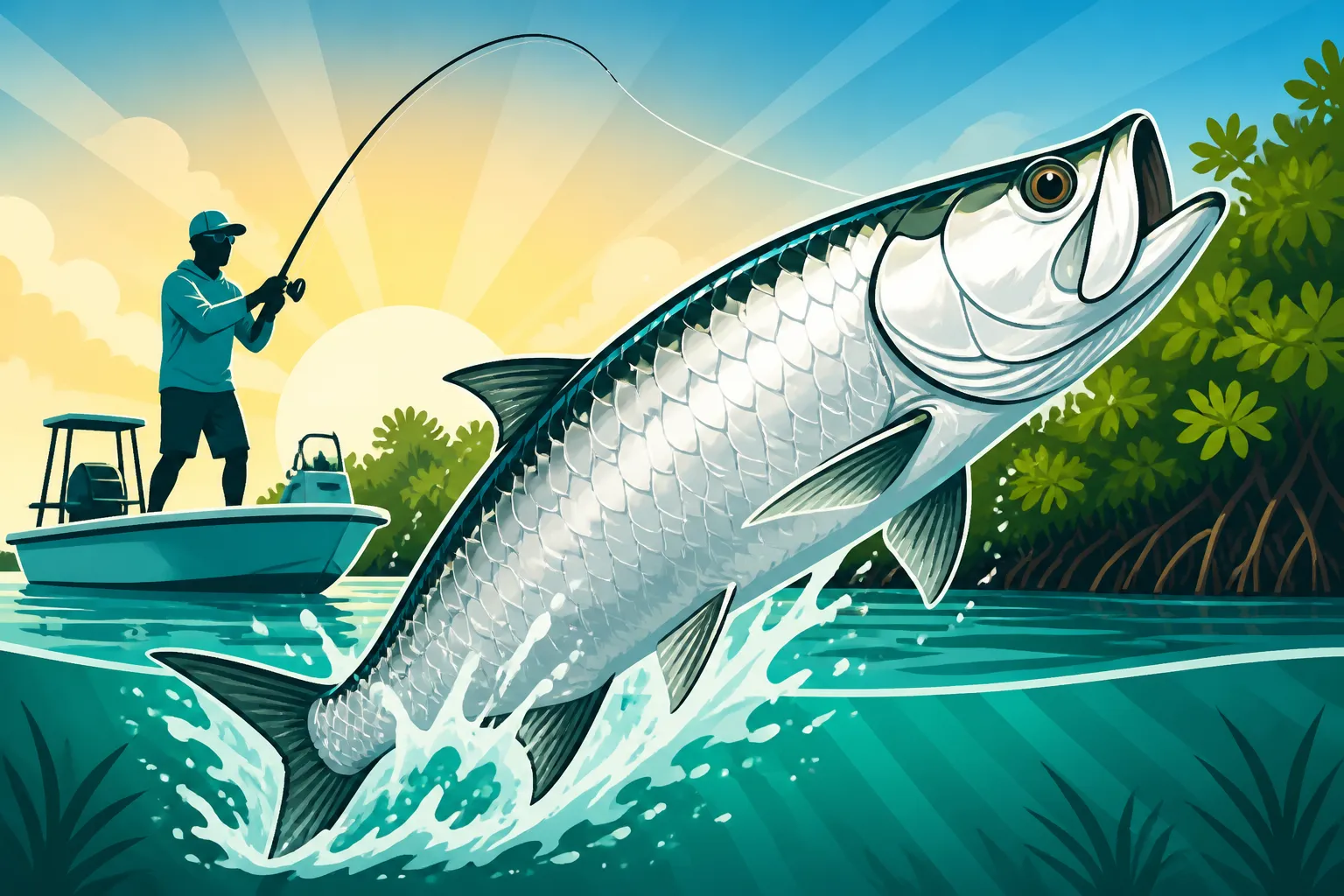
The thrill of hooking into a powerful tarpon in Florida is an experience few anglers ever forget, and Homosassa, with its pristine waters and abundant marine life, is an undeniable hotspot for chasing the "Silver King." But knowing the ins and outs – when to go, what to bring, and how to find these elusive giants – can be tricky. This comprehensive guide will arm you with the knowledge you need to maximize your chances of a successful and memorable tarpon fishing adventure in Homosassa.
Why Homosassa is a Premier Tarpon Destination
Homosassa isn't just another pretty spot on Florida's Gulf Coast; it's a unique ecosystem perfectly tailored for tarpon. The convergence of crystal-clear spring-fed rivers, expansive shallow flats, and proximity to the Gulf of Mexico creates an ideal environment for these migratory giants. Anglers come from all over the world, often returning year after year, drawn by the incredible fishing opportunities here.
The Spring-Fed Advantage
One of the defining characteristics of Homosassa is its spring-fed rivers, like the Homosassa River itself, which maintain remarkably consistent water temperatures. This stable environment offers a sanctuary for baitfish and, consequently, their predators, including tarpon, especially during cooler periods or when extreme heat affects other areas. The clarity of the water here is also a huge advantage for sight fishing. When you're poling across the flats, being able to spot a cruising tarpon from a distance dramatically increases your chances of a successful cast. It's a game of patience and keen eyes, and Homosassa's clear waters provide the perfect stage. This stable environment also contributes to the health of the entire ecosystem, supporting robust populations of the baitfish that tarpon gorge on.
A Baitfish Bonanza
Tarpon are voracious predators, and Homosassa’s extensive seagrass flats and healthy estuaries are teeming with their preferred forage. Mullet, pinfish, threadfin herring, and various crabs are abundant, providing a constant buffet that keeps tarpon in the area. These baitfish schools are often visible, creating ripples or disturbances on the water's surface, which can tip off observant anglers to the presence of larger predators. A thriving baitfish population is the foundation of any good fishery, and Homosassa delivers on this front, attracting huge schools of tarpon during their annual migrations. Understanding what do tarpon eat? is key to selecting the right bait or fly for your trip.
Timing Your Tarpon Trip: Seasons and Tides
Successfully fishing for tarpon in Homosassa often boils down to timing. These are migratory fish, and their presence in large numbers is highly seasonal, further influenced by daily tidal movements. Knowing when to be on the water can make all the difference between an epic day and a frustrating one.
Peak Tarpon Season Explained
The prime window for fishing Homosassa for tarpon typically stretches from late spring through early summer, specifically from May through July. This is when the annual tarpon migration brings massive schools of fish along the Florida Gulf Coast, and Homosassa lies directly in their path. During these months, the water temperatures are ideal, and the tarpon are actively feeding and staging for spawning.
Early May can see the first big pushes of migratory fish, often cruising the nearshore Gulf waters and the deeper channels leading into the flats. By June, the fish are typically well established on the flats, making for some of the most exciting sight fishing opportunities. July can still be fantastic, though the heat can become a factor, often pushing the best fishing into the early mornings or late evenings. It’s worth noting that this window aligns closely with the general Florida Tarpon Fishing Season Guide for the rest of the state. If you’re wondering Best Month to Catch Tarpon in Florida, May and June are generally considered the sweet spot for Homosassa.
| Month | Tarpon Activity | Key Conditions | Notes for Anglers |
|---|---|---|---|
| May | Increasing, early migration | Warming waters, stable weather | Excellent sight fishing, larger schools |
| June | Peak, abundant fish | Warm waters, occasional afternoon storms | Prime time for flats and nearshore |
| July | Strong, but tapering off | Hot, frequent afternoon storms | Best early morning/late evening, fish can be finicky |
| August | Declining, scattered fish | Very hot, less predictable | Less reliable, often requires more searching |
Understanding Tides and Moon Phases
Beyond the seasonal window, daily tides play a critical role in tarpon behavior, especially on the shallow flats. Strong incoming or outgoing tides often stimulate feeding activity as baitfish are pushed through bottlenecks or concentrated. Many experienced Homosassa guides pay close attention to the tide charts, knowing that certain stages of the tide can be far more productive than others. For example, a strong incoming tide might push mullet onto the flats, while a falling tide might funnel them out of mangrove creeks, creating ambush points for tarpon.
Moon phases also influence tidal strength, with new and full moons typically resulting in stronger "spring" tides, and quarter moons leading to weaker "neap" tides. While tarpon can be caught on any tide, stronger tides often present more consistent opportunities due to the increased movement of water and bait. Sometimes, understanding a particular Florida Tarpon Migration Timing can also help predict how fish will behave in response to tides.
Essential Gear and Proven Techniques for Homosassa Tarpon
Chasing tarpon is a serious endeavor that demands proper gear and refined techniques. These fish are powerful, acrobatic, and notorious for breaking lines and spirits. Being prepared with the right equipment and knowing how to use it will dramatically improve your chances of landing one of these magnificent fish.
Conventional Tackle Setup
For conventional gear, you'll want a heavy-duty spinning or baitcasting setup capable of handling powerful runs and jumps. A medium-heavy to heavy action rod, typically 7-8 feet in length, paired with a robust reel (like a 6000-8000 series spinning reel or a large conventional reel) is standard. Spool your reel with 50-80 lb braided line, which offers superior casting distance and strength. The critical component is the leader: a long section (6-8 feet) of heavy monofilament or fluorocarbon, usually 60-100 lb test. This heavy leader is essential for abrasion resistance against the tarpon's rough mouth and gill plates. Without it, you're practically guaranteed to get cut off. If you're wondering What Pound Test Line for Tarpon Fishing?, it's always better to err on the side of heavier line for the main braid and definitely for the leader.
Circle hooks are highly recommended, especially when using live bait, as they are designed to hook fish in the corner of the mouth, reducing gut-hooking and improving the chances of a healthy release. A 5/0 to 9/0 circle hook, depending on your bait size, is a good starting point. Popular live baits include small mullet, pinfish, threadfin herring, and even crabs, which can be free-lined or fished under a small float.
Fly Fishing for Tarpon
Fly fishing for Homosassa tarpon is a truly exhilarating challenge and a rewarding experience. It's not for the faint of heart, but the payoff of landing a tarpon on a fly rod is unparalleled. You'll typically need a 10-12 weight fly rod, paired with a matching large arbor reel loaded with at least 250-300 yards of 30 lb backing. A weight-forward floating line or an intermediate sinking line is crucial, along with a specialized tarpon leader that tapers down to a 20 lb class tippet and then a 60-80 lb bite tippet.
Popular fly patterns include various toad patterns, Gurglers, and classic tarpon flies like the Black Death or Purple Haze, mimicking baitfish or crabs. The key to fly fishing is often the presentation – a perfect cast 10-15 feet in front of a cruising fish, allowing it to "eat" the fly as it approaches, followed by a strip strike, not a rod lift. This technique is often discussed in detail in guides about How to Fight a Tarpon on Light Tackle.
Live Bait Tactics
Regardless of whether you're fly fishing or using conventional gear, live bait is often the most effective method for attracting tarpon, especially when they are being selective. In Homosassa, live crab is a top choice, particularly during the peak season when migrating tarpon are known to feast on them. Large shrimp and small mullet or pinfish are also excellent options.
When fishing live bait, presentation is paramount. You want the bait to look natural. Free-lining a crab or mullet on the flats, allowing it to swim freely, can be incredibly effective. For deeper channels or around structure, a slight weight to get the bait down might be necessary, but try to keep it as light as possible to maintain a natural drift. Paying attention to how the bait acts is also important; if a tarpon is near, your bait might become agitated, giving you a valuable heads-up.
Enhancing Your Homosassa Tarpon Experience with a Guide
While going it alone can be an adventure, for a fish as challenging and specialized as tarpon, especially in a new area like Homosassa, hiring a professional guide is often the best investment you can make. They possess invaluable local knowledge that can make all the difference.
Why Local Knowledge Matters
Homosassa's tarpon fishery is intricate, with fish moving between Gulf passes, expansive flats, and deeper river channels. A local guide has spent countless hours on these waters, understanding the subtle nuances of the tides, the seasonal movements of baitfish, and the preferred feeding grounds of tarpon. They know where the fish were yesterday, where they’re likely to be today, and how their behavior changes with weather and tide.
A good guide can spot fish that an inexperienced eye would miss, navigate the shallowest flats without spooking fish, and position the boat for the perfect cast. They’re also experts at reading fish behavior – knowing when a tarpon is receptive to a fly or bait versus when it's just cruising and likely to ignore your offering. This deep local insight isn't something you can gain in a day or two; it’s earned over years of dedication. They can also advise on specific regulations for species like Florida Snook Permit Requirements or Florida Lobster Permit Requirements if you plan on targeting other species.
Choosing the Right Charter
When selecting a Homosassa tarpon guide, look for captains who specialize in tarpon and have a strong reputation for ethical fishing practices. You'll want someone who prioritizes catch and release, as tarpon are primarily a sport fish and generally not kept. Platforms like FishingBooker can be an excellent resource for finding reputable Homosassa fishing charters. You can read reviews, compare different captains, and even filter by specific target species like tarpon. Many guides will also have detailed information about their specific boat, gear, and fishing style, helping you find the perfect match for your trip.
It's wise to book your charter well in advance, especially during the peak tarpon season, as the best guides often get booked up months ahead. Don't be afraid to ask questions about their experience, what's included in the trip (bait, tackle, licensing), and what you should bring. A good guide will be happy to discuss these details and ensure you're prepared for your adventure. Remember, a Florida Fishing Charter Guide can also provide all the necessary fishing licenses, so you often don't need your own when fishing with them.
Conservation and Responsible Angling
Tarpon are an iconic species, cherished by anglers for their incredible fight and majestic presence. To ensure future generations can experience the thrill of the Silver King, responsible angling and strict adherence to conservation guidelines are paramount.
Catch and Release Best Practices
In Florida, tarpon are almost exclusively a catch-and-release fishery. If you choose to harvest a tarpon (which requires a special tag and specific regulations), it's a rare exception. Therefore, practicing proper catch and release techniques is crucial. Minimize the fight time to avoid exhausting the fish, especially in warm water. Handle the fish as little as possible, and never remove it from the water if you can avoid it. If you must lift it for a quick photo, support its entire body horizontally. For larger fish, revive them boat-side by holding them gently in the water, facing into the current, until they are strong enough to swim away on their own. Avoiding unnecessary stress on the fish is key to their survival. These practices are similar to Catch and Release Best Practices for Snook, ensuring the health of the species.
Understanding Tarpon Regulations
The Florida Fish and Wildlife Conservation Commission (FWC) sets specific regulations for tarpon to protect their populations. These regulations include bag limits (typically catch and release only, with a single tag available for harvest under strict conditions), size limits, and gear restrictions. It’s your responsibility as an angler to be familiar with and adhere to these rules. Information on Florida Fishing Regulations and Bag Limits is readily available on the FWC website or from local tackle shops and guides. Before heading out, always double-check the current regulations, as they can change. Your guide, if you hire one through platforms like FishingBooker, will also be up-to-date on all the latest rules.
Conclusion: An Unforgettable Homosassa Tarpon Experience
Fishing Homosassa for tarpon isn't just about catching a fish; it's about the entire experience – the anticipation, the challenge, the breathtaking beauty of the natural surroundings, and the sheer power of these magnificent creatures. With the right preparation, understanding the seasons and tides, equipping yourself with appropriate gear, and perhaps enlisting the expertise of a local guide, you're setting yourself up for an unforgettable adventure. Homosassa truly offers some of the best tarpon action on the Gulf Coast, and with responsible angling practices, we can ensure it remains a premier destination for the Silver King for years to come.
Disclaimer
Fishing conditions and regulations in Florida can change frequently. Always consult the latest Florida Fish and Wildlife Conservation Commission (FWC) regulations before planning your trip. This guide is for informational purposes only and should not replace official sources.