Best Spots Near Fort Myers for Tarpon
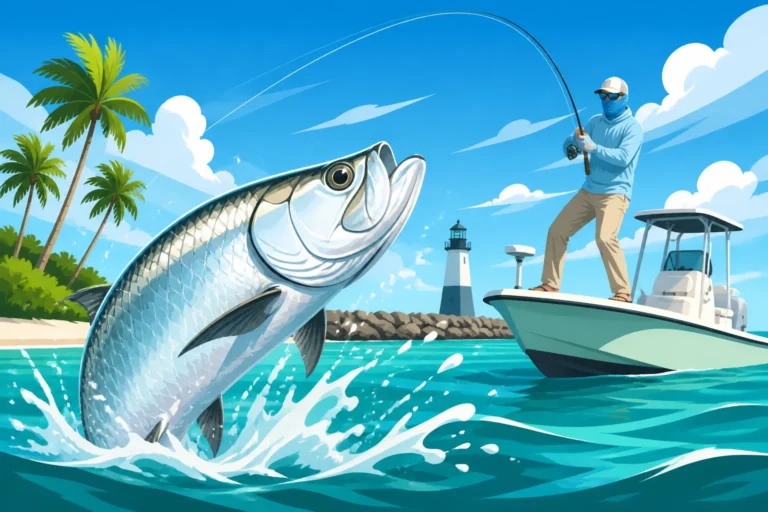
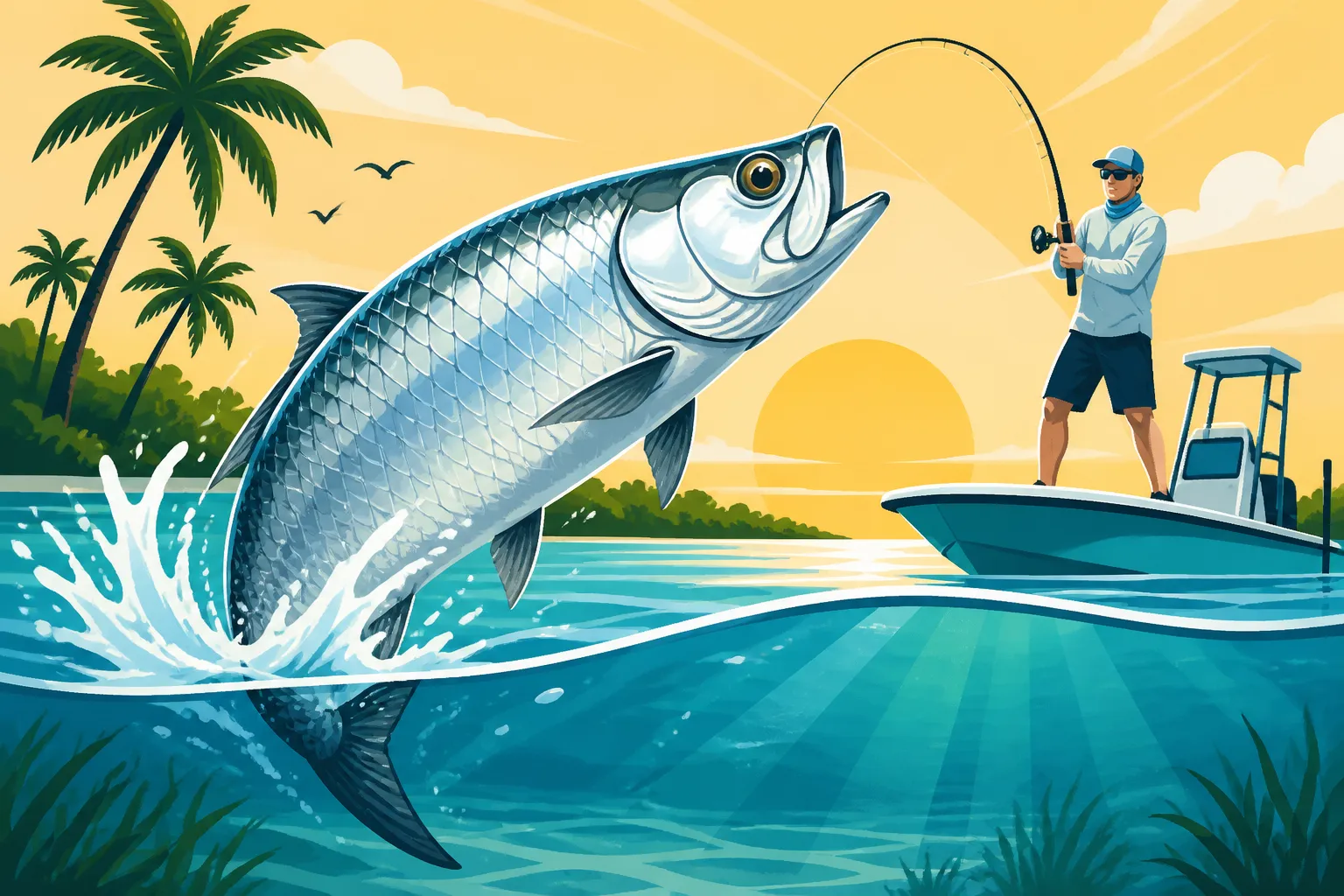
Searching for tarpon near Fort Myers can feel like looking for a needle in a haystack – these magnificent "Silver Kings" are notoriously elusive, demanding a deep understanding of their habits and preferred habitats. Many anglers spend countless hours on the water, only to come up empty-handed. This guide is designed to cut through that frustration, providing you with detailed insights into the most productive tarpon spots in and around the Fort Myers area, alongside essential tips for a successful encounter.
Uncovering Fort Myers' Prime Tarpon Haunts
Fort Myers and its surrounding areas, particularly the estuaries and nearshore waters, are legendary for their tarpon fishing, especially during the peak migration periods. These powerful fish follow baitfish, warmer waters, and intricate current lines, making certain locations hotspots year after year. Understanding these specific areas is key to increasing your chances of a thrilling hookup.
Boca Grande Pass and Surrounding Waters
Without a doubt, Boca Grande Pass, just north of Fort Myers, is the undisputed "Tarpon Capital of the World." While it's a bit of a drive, no discussion of Fort Myers tarpon fishing would be complete without highlighting this incredible location. The pass is a deep, narrow bottleneck where millions of migrating tarpon congregate from April through July, creating one of the most intense fishing spectacles on the planet. The sheer volume of fish is staggering, and the challenge lies in enticing one to bite among thousands.
During the peak Boca Grande Pass Tarpon Migration Timing, anglers target tarpon primarily with large live baits like threadfin herring, scaled sardines, and pass crabs, drifted through the swift currents. It's a highly competitive environment, often requiring skilled boat handling and specific techniques. Many anglers opt for a specialized guide who knows the intricacies of the pass, as navigating the currents and boat traffic can be daunting. The surrounding waters, including Charlotte Harbor and Gasparilla Sound, also hold significant numbers of tarpon before and after they enter the pass. These areas offer a slightly less crowded experience with excellent opportunities, especially in the shallower backcountry.
Pine Island Sound and Matlacha Pass
Closer to Fort Myers, Pine Island Sound and Matlacha Pass offer incredible tarpon opportunities, especially for those seeking a more tranquil, inshore experience. These vast, shallow estuaries are characterized by extensive seagrass flats, mangrove shorelines, and numerous creeks and channels. Tarpon, particularly juvenile and sub-adult fish, frequent these waters year-round, while larger migratory fish move through during the warmer months. The key here is stealth and observation.
Anglers often target tarpon in Pine Island Sound and Matlacha Pass by poling or quietly motoring along mangrove edges, scanning for rolling fish or subtle disturbances on the water's surface. Fly fishing for Florida Tarpon is particularly popular in these skinny waters, offering a sight-fishing challenge that's incredibly rewarding. Live bait, such as pilchards or mullet, under a bobber or free-lined, can also be highly effective when presented near mangrove overhangs or oyster bars. The intricate network of islands and channels provides ample ambush points for tarpon, making these areas productive for patient and observant anglers.
Sanibel and Captiva Island Beaches
The Gulf-side beaches of Sanibel and Captiva Islands, easily accessible from Fort Myers, become prime tarpon territory during the spring and early summer months. As migratory tarpon move north along the coast, they often travel just beyond the breaking waves, sometimes in large schools. The clear, calm waters on these beaches offer incredible sight-fishing opportunities from shore or a shallow-draft boat.
Anglers fishing from the beach will often walk the shoreline, looking for schools of tarpon rolling or cruising just offshore. Long casts with artificial lures, such as large soft plastics or swimbaits, can be effective, though live bait like threadfin herring or mullet presented with a long cast net is often preferred. Boaters can shadow these schools, trying to get ahead of them and present baits without spooking the fish. The shallow waters here mean a careful approach is crucial, as tarpon can be easily spooked by sudden movements or engine noise. The proximity to Fort Myers makes these beaches a convenient option for those looking to experience the thrill of a Silver King hookup without a long journey.
Understanding Tarpon Behavior in Southwest Florida
To consistently find and catch tarpon near Fort Myers, it’s not enough to know where to go; you also need to understand why they are there and what makes them bite. Their behavior is highly influenced by environmental factors like water temperature, tides, bait availability, and moon phases.
Seasonal Migration and Water Temperature
Tarpon are warm-water fish, and their presence in Southwest Florida is heavily dictated by the mercury. The primary migration into the Fort Myers area typically begins in April, peaks in May and June, and can extend into July and August before some begin their southward journey. During this period, the water temperatures consistently hover in the ideal 75-85°F range, triggering their northward movement and spawning aggregations. This period aligns perfectly with the Best Month to Catch Tarpon in Florida.
As the water cools in late fall and winter, most large migratory tarpon move out of the area, heading further south to the Florida Keys or even beyond. However, resident populations of smaller tarpon, often referred to as "juveniles" or "sub-adults," remain in the warmer backwater estuaries, deep canals, and power plant outflows year-round. These resident fish offer opportunities even outside the peak season, though they are typically smaller and require different tactics. Monitoring local water temperatures and understanding the Florida Tarpon Fishing Season Guide is paramount for planning a successful trip.
Tides, Currents, and Baitfish Dynamics
Tides and currents play a critical role in tarpon behavior, particularly in areas like Boca Grande Pass and the inlets around Sanibel. Tarpon often use strong tidal flows to their advantage, ambushing baitfish that are carried along by the current. In passes and inlets, outgoing tides can concentrate baitfish, making tarpon more active feeders. Incoming tides, especially around new and full moons, can also be productive as they bring in cooler, oxygenated water and fresh bait.
Beyond the major passes, in the shallower backcountry of Pine Island Sound, the subtle movements of tidal currents over seagrass flats and through mangrove creeks are equally important. Tarpon will often position themselves at choke points or along current seams, waiting for shrimp, crabs, and baitfish to drift by. Knowing how to read a tide chart and understanding how local currents affect bait movement is a skill that takes time to develop but pays huge dividends. Areas with abundant forage, whether it's schools of mullet, pilchards, or migratory pass crabs, are always good places to find hungry tarpon.
| Location | Best Season | Primary Tactic | Key Considerations | Average Target Size (lbs) |
|---|---|---|---|---|
| Boca Grande Pass | April – July | Live Bait Drifting | Heavy tackle, strong currents, crowded boat traffic | 80-200+ |
| Pine Island Sound | April – Nov (Year-round for Juveniles) | Sight Fishing (Fly/Lures), Live Bait | Stealth, shallow water, mangroves, less crowded | 20-100 |
| Sanibel/Captiva Beaches | May – July | Sight Fishing (Lures/Live Bait) | Clear water, schooling fish, careful approach, accessible by shore | 50-150 |
| Caloosahatchee River Estuary | Year-round (Resident Fish) | Live Bait, Artificials | Deeper channels, bridges, docks, structure | 10-60 |
Mastering the Art of Fort Myers Tarpon Fishing
Catching a tarpon is often described as the ultimate angling challenge. Their incredible strength, acrobatic jumps, and sheer size demand not just the right location and timing, but also specific gear, techniques, and a healthy dose of patience.
Essential Gear and Tackle
For serious tarpon fishing near Fort Myers, especially for the larger migratory fish, robust gear is non-negotiable. You'll need a stout rod and reel capable of handling powerful runs and heavy drag settings. For spin fishing, a 7-foot heavy action rod paired with a 6000-8000 series spinning reel spooled with 50-80 pound braided line is standard. The braid offers superior strength and sensitivity. Crucially, a long, heavy leader (80-100 lb fluorocarbon) is essential to withstand the tarpon's abrasive mouth and powerful surges. You can find more details on this in guides like What Pound Test Line for Tarpon Fishing?.
When it comes to baitcasting or conventional setups, a similar heavy-action rod with a high-capacity reel capable of holding hundreds of yards of 50-80 lb braid is appropriate. Circle hooks are highly recommended, especially when using live bait, as they are safer for the fish and reduce gut-hooking. Don't forget a sturdy pair of pliers for hook removal, a good quality de-hooking tool, and a large landing net or a proper tarpon glove for handling these magnificent fish boatside. For those interested in the more refined challenge, a specialized fly rod (10-12 weight) with a strong fighting butt and a large arbor reel is required for fly fishing.
Effective Techniques and Baits
The choice of technique and bait largely depends on the specific location and the tarpon's behavior. In Boca Grande Pass, the most common method is drifting large live baits like pass crabs or threadfin herring in the deep channels. Anglers use heavy weights to get the bait down into the strike zone and rely on the strong current to present it naturally. Elsewhere, particularly in shallower waters like Pine Island Sound, sight fishing dominates.
For sight fishing, whether with spinning gear or a fly rod, the key is to present your bait or lure accurately and subtly ahead of a cruising fish. Live scaled sardines, pilchards, or small mullet are often free-lined or presented under a minimal cork. For artificials, large soft plastic swimbaits, weighted jerkbaits, or topwater plugs can draw explosive strikes. The Best Live Bait for Florida Inshore Fishing guide offers more insights. When a tarpon takes the bait, a strong, sweeping hookset is crucial to penetrate their bony mouth. Then, get ready for a fight! Remember, knowing how to Fight a Tarpon on Light Tackle is key, as these fish put incredible strain on your gear and your body.
Maximizing Your Chances for a Silver King Encounter
While there's no guaranteed way to catch a tarpon, there are several strategies and resources that can significantly improve your odds of success in the Fort Myers area.
Hiring a Local Guide or Charter
For many, especially those new to tarpon fishing in Southwest Florida, hiring a local guide is the single best investment you can make. Experienced Fort Myers tarpon guides spend hundreds of days a year on the water, intimately knowing the best spots, the latest bait movements, and the most effective techniques for current conditions. They provide all the necessary specialized gear, live bait, and most importantly, invaluable local knowledge that only comes with years of experience. Services like FishingBooker can help you find reputable guides and compare their offerings in the Fort Myers area.
A good guide will also ensure you adhere to all local regulations, including tarpon conservation rules. They can teach you proper fish handling for catch and release, which is critical for the species' survival. While there's a cost involved, the learning experience and increased chance of success far outweigh the expense for many anglers. If you're looking for the Best Fishing Charters for Catching Tarpon, a local guide will be your best bet.
Tarpon Conservation and Best Practices
Tarpon are a highly valued sportfish in Florida, and their conservation is paramount. They are primarily a catch-and-release species, with strict regulations in place to protect them. Anglers must understand the Florida Fishing Regulations and Bag Limits for tarpon. While a tarpon tag can be purchased for a harvest (often for state records), it's a rare occurrence, and most anglers pride themselves on releasing these fish unharmed.
When you do hook a tarpon, fight it efficiently to reduce stress on the fish. Avoid prolonged fights, especially in warm water, which can deplete their energy reserves. Once alongside the boat, minimize the time the fish is out of the water. Handle them gently, supporting their full body weight horizontally. Revive the fish by moving it forward through the water until it swims away strongly. Always be mindful of their delicate gills and never hold a tarpon by its jaw vertically. Following Catch and Release Best Practices for Snook (which can be adapted for tarpon) is crucial for the long-term health of this iconic fishery.
Utilizing Online Resources and Fishing Reports
Beyond guides, modern technology offers a wealth of information. Websites and apps provide real-time tide charts, weather forecasts, and satellite imagery that can help identify favorable conditions and bait concentrations. Checking local fishing reports from bait shops, online forums, and charter services can give you an up-to-date picture of what's biting and where. Platforms like FishingBooker often feature recent catches and guide reports, giving you a pulse on the local tarpon scene.
However, always remember that fish are wild animals, and what worked yesterday might not work today. Use these resources as a starting point, but combine them with your own observations and intuition. Pay attention to water clarity, baitfish presence, and subtle signs of tarpon activity. Being adaptable and willing to explore different areas or techniques is often the key to cracking the tarpon code in the dynamic Fort Myers waters.
Disclaimer
Fishing conditions and regulations in Florida can change frequently. Always consult the latest rules and guidelines from the Florida Fish and Wildlife Conservation Commission (FWC) before heading out. This guide is for informational purposes only and does not guarantee fishing success.