Best Spots Near Miami for Sailfish
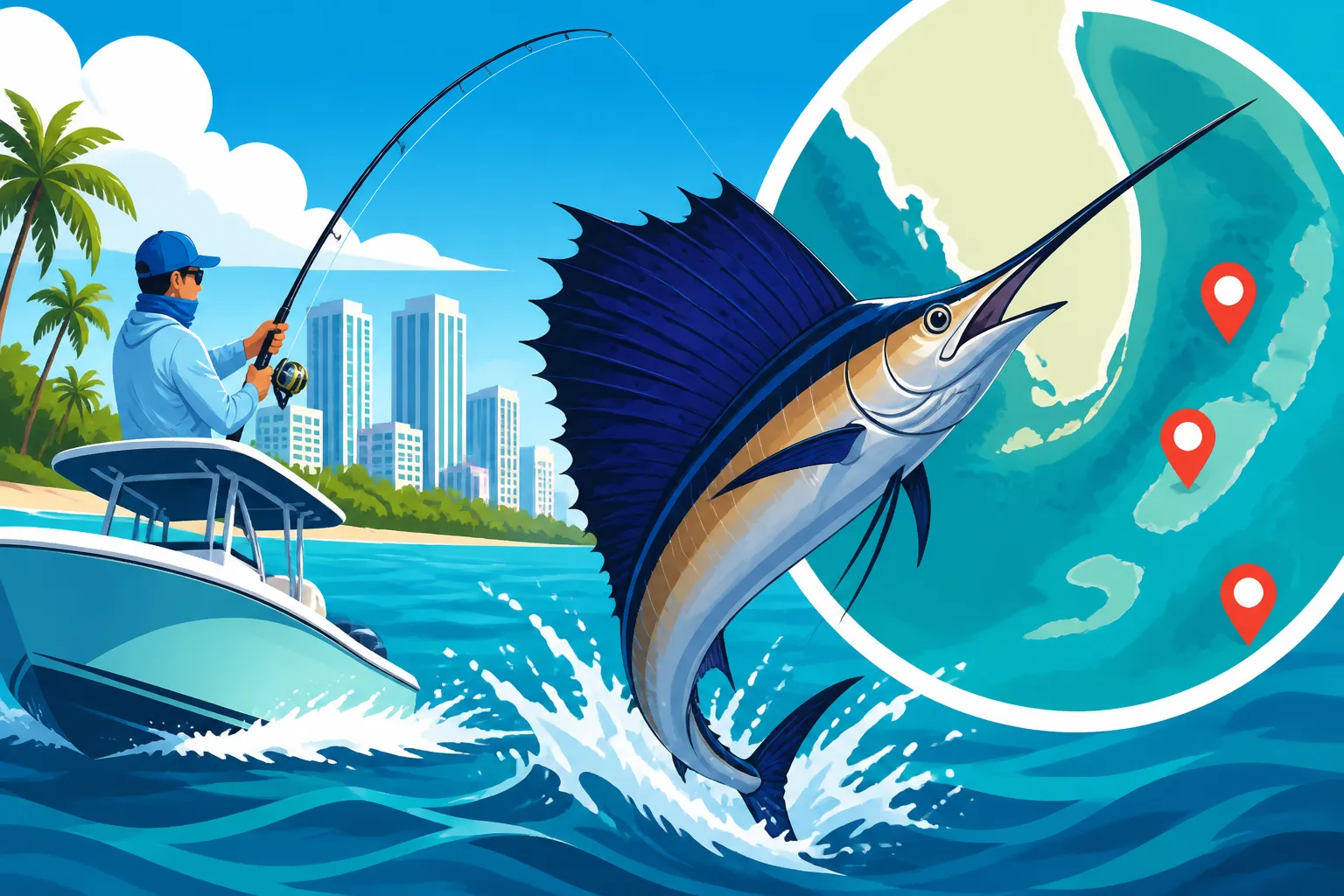
There's nothing quite like the thrill of a sailfish skyrocketing out of the water, tail-walking across the surface, and stripping line from your reel. For many anglers, catching a sailfish is the ultimate Florida fishing experience, but knowing where to find these incredible athletes near a bustling city like Miami can feel like searching for a needle in a haystack. This comprehensive guide will peel back the layers of Miami's offshore waters, pinpointing the best spots to target sailfish and sharing expert insights to make your next trip a success.
Understanding Sailfish Behavior Around Miami
Before we dive into specific coordinates and depths, it's crucial to understand what makes sailfish tick, especially in the unique environment off Miami. These are highly migratory, pelagic fish, meaning they live in the open ocean, and their movements are heavily influenced by food sources, water temperature, and ocean currents. Miami's proximity to the Gulf Stream makes it a prime location, but knowing how they use this oceanic highway is key.
Seasonal Migration Patterns
Sailfish don't just hang out in one spot year-round. They have distinct seasonal movements that dictate when and where you're most likely to encounter them. While you can catch a sailfish off Miami any time of year, certain seasons offer significantly better odds due to their migration patterns.
During the cooler months, generally from November through April, the sailfish bite off Miami truly heats up. This is when large numbers of Atlantic sailfish migrate south, often following schools of baitfish like pilchards, goggle-eyes, and sardines that are pushed closer to shore by colder upwellings and prevailing winds. The slight drop in water temperature in the Gulf Stream's western edge also seems to energize them, making them more aggressive feeders. Anglers often find phenomenal action just a few miles offshore during these peak winter months. Conversely, while summer months might see a few resident fish, the massive schools typically disperse, moving to deeper, cooler waters or further north along the coast, making them harder to target consistently. Understanding these patterns is fundamental to planning your trip and maximizing your chances. If you're looking for a broad overview of when various species are active, our guide on Florida Fishing Seasons Explained offers more insights.
Ideal Water Conditions and Forage
Sailfish are incredibly sensitive to their environment. They prefer clean, clear, blue oceanic water with specific temperature ranges, typically between 70-85 degrees Fahrenheit (21-29 degrees Celsius). Off Miami, this usually means getting out to where the deeper offshore currents are in play.
The edge of the mighty Gulf Stream is a key factor. This powerful current acts like a conveyor belt, bringing warm, nutrient-rich water and, crucially, massive schools of baitfish. Sailfish are apex predators that follow their food. Look for areas where the Gulf Stream's currents create rips, eddies, and color changes in the water. These are often visual indicators that different water masses are colliding, concentrating baitfish. Sargassum weed lines, which are often found within these currents, also provide shelter and food for smaller marine life, which in turn attracts larger predators like sailfish. The presence of flying fish, ballyhoo, and squid is a clear sign that you're in a productive area. Many experienced captains will tell you that finding the bait is half the battle when targeting sailfish. They'll also often look for subtle changes in water temperature, sometimes just a degree or two, that can indicate a productive "temperature break" where bait and predators congregate.
Top Sailfish Hotspots Off Miami
Miami's unique geography, with the Gulf Stream running relatively close to shore, creates an incredible playground for sailfish anglers. There isn't just one secret spot; rather, there are several key areas and structures that consistently hold these acrobatic billfish.
The Edge of the Gulf Stream
This is, without a doubt, the most important and consistent area for sailfish action off Miami. The Gulf Stream is typically found anywhere from 3 to 15 miles offshore, running parallel to the coastline. Its western edge is a dynamic zone where the fast-moving current interacts with the slower coastal waters, creating distinct features that attract marine life.
Anglers targeting sailfish here will focus on areas where the depth drops off dramatically, from around 100 feet down to several hundred feet. This "drop-off" creates upwellings and current seams that concentrate bait. Look for visible color changes in the water, from greener inshore water to the deep, cobalt blue of the Gulf Stream. These color changes are often magnets for baitfish and, consequently, sailfish. It's not uncommon to see birds diving, indicating bait schools, or even free-jumping sailfish along these edges. Savvy captains will also pay close attention to water temperature gauges and current speed readings to identify optimal conditions. The exact distance to the Gulf Stream can vary based on wind, tide, and moon phase, so real-time reconnaissance is always essential. A good fishing chart or a modern GPS plotter is invaluable here, helping you stay right on that productive edge.
Artificial Reefs and Wrecks
While sailfish are often associated with open water, they also utilize structure, especially when those structures hold bait. Miami has an extensive network of artificial reefs and wrecks that can act as magnets for baitfish, which in turn attract hungry sailfish.
These submerged structures, ranging from intentionally sunk ships and bridge rubble to purpose-built concrete modules, provide habitat for a vast array of marine life. Small schooling fish, crustaceans, and other forage species gather around these reefs, creating a buffet for predators. Sailfish will cruise these areas, often just off the structure, ambushing bait that ventures too far. Some popular artificial reefs off Miami include the Belzona IV wreck, the Tenneco wrecks, and various designated reef sites maintained by local conservation groups. These spots are particularly effective when the current is pushing bait past them. It's a different approach than purely working the Gulf Stream edge, often requiring a bit more precision in boat handling to stay on the numbers. When planning a trip, consider exploring a few of these spots. If you're looking to book a charter that knows these local secrets, platforms like FishingBooker can help you find experienced captains specializing in offshore fishing near Miami. For those interested in deeper dives into offshore tactics, our Florida Offshore Fishing Techniques guide offers more in-depth information.
Nearshore Reef Tracts and Bight Areas
Don't discount the closer-to-shore action! While the major push of sailfish happens further out, there are times when these majestic fish venture into shallower waters, sometimes as close as the 60-foot depth curve. This is especially true during strong north winds in winter, which can push bait and sailfish closer to the coast.
Areas like the outer edge of the Government Cut entrance, the reefs off South Beach, and other natural hard bottom areas can surprise anglers. These locations might not hold the sheer numbers found further offshore, but they can produce quality fish, sometimes even when the offshore bite is slow. Bight areas, which are subtle indentations or curves in the coastline or underwater topography, can also create current breaks where bait accumulates. These are often less defined than a wreck or a sharp drop-off, requiring keen observation of current, water color, and bait presence. Sometimes, these shallower bites can be some of the most exciting, as the fish have less room to run and often put on even more spectacular aerial displays. Knowing how to read the water and understand current dynamics is paramount in these less obvious, but highly productive, zones.
Essential Techniques for Miami Sailfish
Catching sailfish is an art form, and while luck plays a role, having the right techniques in your arsenal drastically increases your chances. Off Miami, certain methods have proven consistently effective.
Kite Fishing for Sailfish
Kite fishing is perhaps the most iconic and effective method for targeting sailfish off Miami. This technique involves suspending live baits from a kite, keeping them splashing and struggling on the surface, directly in the strike zone of cruising sailfish.
The kite carries your baits away from the boat, spreading them out and presenting them naturally without the boat spooking the fish. The struggling live bait on the surface creates irresistible vibrations and visual commotion that sailfish simply can't ignore. Common baits include goggle-eyes, threadfin herring, pilchards, and even small blue runners. The goal is to keep the bait just kissing the surface, making it look injured and vulnerable. When a sailfish strikes, the line pops out of a release clip on the kite, allowing you to fight the fish directly. Multiple kites can be deployed, often with three lines per kite, creating a wide spread of baits. The setup can be intricate, involving specialized kites, release clips, and even helium balloons on calm days when there's not enough wind. This method is incredibly visual and exciting, as you can often see the sailfish approach and engulf the bait before the hookup. It's a truly classic Miami technique.
Trolling with Live Bait
While kite fishing is king, trolling with live bait remains a highly effective method, especially for covering ground and locating fish. This technique is particularly useful when sailfish are spread out or when you're trying to find schools of bait.
Typically, anglers will slow-troll a spread of live baits, such as ballyhoo or goggle-eyes, behind the boat. The baits are often rigged with small leads or on a planer to keep them at different depths in the water column. The speed of the troll is critical – just fast enough to make the baits swim naturally without spinning. Some captains will use a "dredge" or "teaser" to create the illusion of a large school of baitfish behind the boat, drawing sailfish into the spread. When a sailfish appears, a "pitch bait" (a live bait quickly cast to the approaching fish) is often deployed. Trolling with live bait allows you to systematically work the edges of the Gulf Stream, cover multiple artificial reefs, and find those elusive schools of fish. It's a more active search method that can be incredibly productive, especially when the fish are actively feeding. You can learn more about general offshore tactics in our Trolling Technique for Offshore Fishing guide.
Sight Fishing the Weeds and Debris
Sometimes, the best strategy is to become a detective and look for visual cues. Sailfish are often found around floating debris and weed lines, especially large Sargassum weed lines.
These weed lines, created by ocean currents, provide a miniature ecosystem. Small baitfish, crabs, and juvenile pelagic species like mahi-mahi (dolphin fish) seek shelter and food within them. Sailfish will cruise these weed lines, picking off unsuspecting prey. When sight fishing, the goal is to slowly motor along these weed lines, looking for signs of life: nervous baitfish, jumping mahi, or even the distinct dorsal fin or tail of a sailfish. Once a fish is spotted, a live bait (often a pilchard or goggle-eye) is quickly cast to it. This technique requires a keen eye and quick reactions, but it can be incredibly rewarding, offering a direct, visual interaction with the fish before the strike. It's a testament to the diverse hunting strategies of sailfish and the ever-changing nature of the ocean.
Planning Your Miami Sailfish Adventure
Successful sailfish fishing isn't just about showing up with a rod. It requires careful planning, from choosing the right boat and captain to having the appropriate gear. Miami offers a plethora of options, but making informed decisions will enhance your experience.
Choosing the Right Charter or Guide
For many visitors or those new to Miami's offshore scene, hiring a professional fishing charter is the best way to ensure a productive and safe sailfish trip. A good captain brings invaluable local knowledge, years of experience, and all the necessary equipment.
When selecting a charter, look for captains who specialize in sailfish or offshore pelagic fishing. Platforms like FishingBooker can be an excellent resource for finding reputable guides with strong reviews and a proven track record. Consider the type of boat – typically a center console or a sportfishing yacht for offshore trips – and ensure it's well-equipped with outriggers, livewells, and safety gear. Don't hesitate to ask about the captain's preferred techniques (kite fishing, trolling, etc.) and what to expect in terms of fish cleaning and tackle provision. A good captain will also be transparent about Miami Fishing Charter Rates and what's included. They should also be well-versed in Florida Fishing Regulations and Bag Limits for various species, ensuring your trip is compliant with all local laws. Remember, a great captain isn't just a driver; they're a guide, an educator, and a critical part of your success.
| Charter Type | Target Species | Typical Boat Size | Key Techniques | Best For | Average Cost (Half-Day) |
|---|---|---|---|---|---|
| Offshore Sportfish | Sailfish, Mahi, Tuna | 40-60 ft. Yachts | Kite, Trolling, Live Bait | Serious anglers, larger groups, comfort | $1,000 – $2,500+ |
| Offshore Center Console | Sailfish, Mahi, Tuna | 25-40 ft. Open Boats | Kite, Trolling, Live Bait | Versatile, smaller groups, faster travel | $700 – $1,500 |
| Party/Head Boat | Snapper, Grouper | 60-100 ft. Large Deck | Bottom Fishing, Drifting | Budget-friendly, casual, often not for sailfish | $75 – $150 (per person) |
Note: Prices are estimates and can vary significantly based on season, duration, boat, and captain's experience.
Gear and Preparation for Success
Even if you're on a charter, understanding the gear and preparing yourself for the day can make a big difference. For sailfish, you'll want light to medium tackle.
Most sailfish anglers use spinning or conventional reels spooled with 20-30 pound monofilament or braided line. The rod should have a fast action to handle quick hook sets but enough backbone to fight a powerful, acrobatic fish. A 7-foot medium-heavy rod is a good general choice. Leaders are typically fluorocarbon, anywhere from 40 to 80 pounds, depending on water clarity and the captain's preference. Circle hooks are mandatory in Florida when fishing natural baits for sailfish, as they greatly reduce gut-hooking and improve the chances of a successful release. Sun protection is non-negotiable in the Florida sun – think broad-brimmed hats, polarized sunglasses, long-sleeved shirts, and plenty of reef-safe sunscreen. Bring plenty of water and snacks, and if you're prone to seasickness, take preventative measures well before you get on the boat. A good pair of non-skid deck shoes is also crucial for safety. For those looking to understand the core costs, our Florida Fishing Charter Cost Guide provides more detail on what to expect.
Catching a sailfish is an experience that stays with you long after the fight is over. With the right knowledge, the right spot, and a bit of preparation, your Miami sailfish adventure can be truly unforgettable.
Disclaimer
Fishing conditions and regulations in Florida can change frequently. Always consult the latest Florida Fish and Wildlife Conservation Commission (FWC) guidelines before planning any fishing trip. The information provided in this guide is for general informational purposes only and should not be considered legal advice or a substitute for current official regulations.