What Happens If a Florida Charter Is Canceled for Weather?
You've packed your bags, driven all the way to the coast, and are dreaming of that trophy snook or goliath grouper. But then, the forecast takes a turn, and suddenly, those clear skies and calm seas are looking a lot less certain. It's a frustrating scenario many anglers face: what happens when your eagerly anticipated Florida fishing charter is canceled due to bad weather? This comprehensive guide will walk you through exactly what to expect, your options, and how to best prepare for those unpredictable Florida skies.
Understanding Weather-Related Cancellations
Getting a call or text that your fishing trip is off can be a real downer, especially when you've invested time, money, and excitement. But rest assured, a reputable captain's decision to cancel is almost always made with your safety and the quality of the fishing experience in mind. It’s not a choice they take lightly, as it impacts their income too.
Captain's Discretion and Safety First
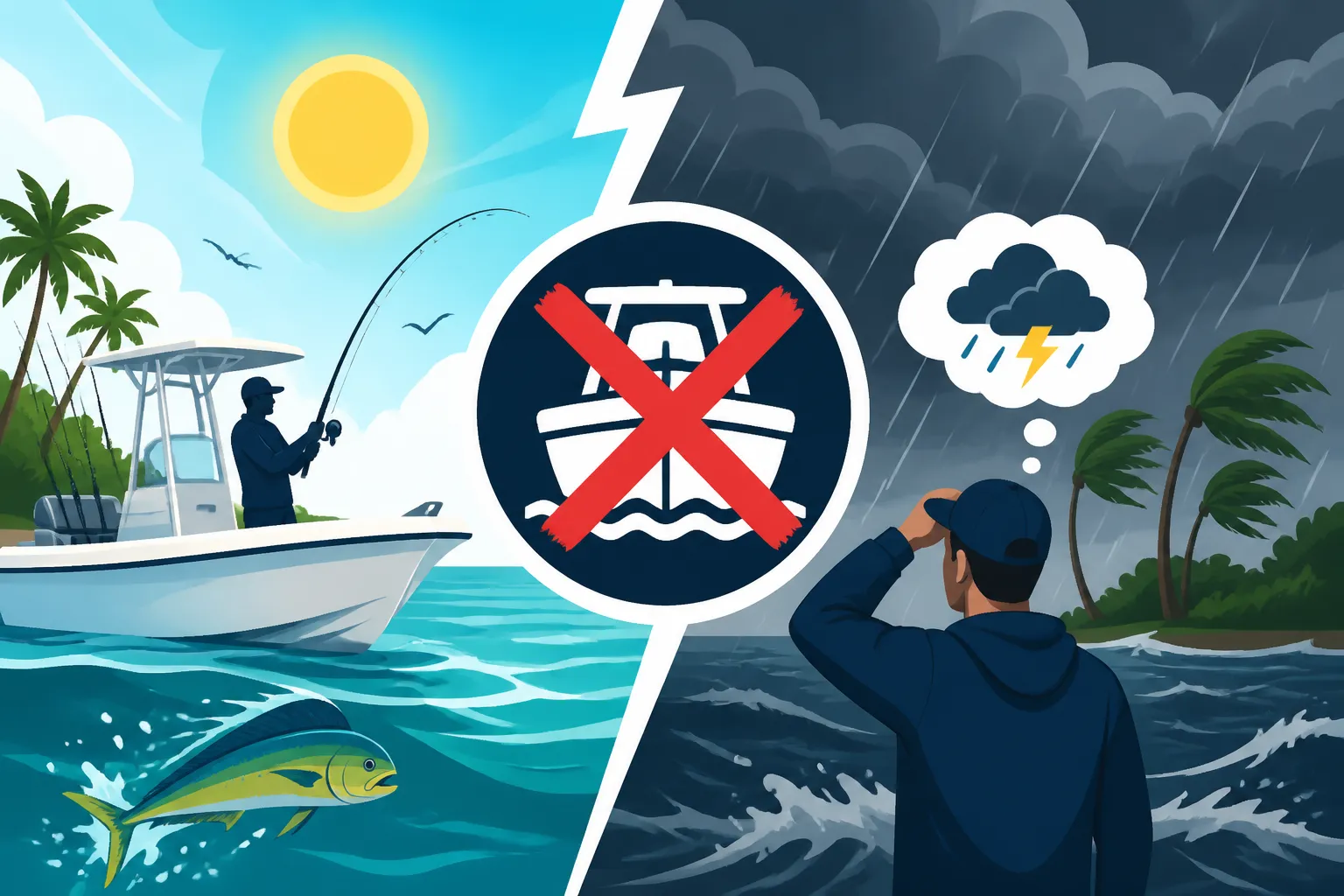
When it comes to the open water, safety isn't just a suggestion; it's the absolute priority. Your charter captain is a licensed professional, often with years, if not decades, of experience reading the local weather patterns and understanding how different conditions impact their vessel and, most importantly, their passengers. They aren't just looking at a weather app; they're considering wave height, wind speed, lightning risk, fog, and even sea conditions in specific fishing grounds. What might look like a "patchy" forecast on your phone could translate to genuinely dangerous or incredibly uncomfortable conditions offshore.
Think about it: no one wants to be 20 miles offshore in a squall, or bouncing around so violently that everyone on board is green. A good captain would rather cancel and keep everyone safe and comfortable than risk an accident or a miserable trip. They have a deep understanding of their local waters, whether it's the choppy Gulf near Destin or the sometimes-treacherous passes of the Florida Keys. Their decision is final, and it's always best to trust their judgment. They live and breathe these waters and know when it's just not worth the risk.
Common Weather Triggers for Cancellations
While a clear, sunny day is ideal, not all bad weather causes a cancellation. Light rain, for instance, often won't halt a trip, as fish are already wet! However, certain conditions are almost guaranteed to lead to a canceled trip, especially for offshore charters where conditions can escalate quickly.
Here are some of the most common weather culprits:
- High Winds and Rough Seas: This is the number one reason for cancellations. Even if there's no rain, strong winds can whip up waves, making for a dangerously rough ride. Offshore, this means potentially capsizing waves, while even inshore, it can make navigation difficult and casting nearly impossible. Imagine trying to stand and fish while your boat is rocking like a cradle on a washing machine – not fun, and definitely not safe.
- Lightning and Thunderstorms: Florida is the lightning capital of the U.S., especially during the summer months. Fishing During Florida's Hurricane Season Safely is a good read for this time of year. A direct lightning strike to a boat, especially one with tall antennas or poles, can be catastrophic. Captains will always err on the side of caution when there's a risk of electrical storms, even if it's just a pop-up afternoon shower.
- Heavy Fog: While less common, dense fog can make navigation incredibly dangerous, particularly in busy shipping lanes or areas with shallow reefs. Visibility is key for avoiding collisions and staying on course.
- Hurricane or Tropical Storm Warnings: This is an obvious one. Any active tropical system threatening the coast will lead to widespread cancellations. Charters will typically close down operations well in advance of a storm's arrival.
The Gray Area: When the Weather Isn't "Perfect" But Still Fishable
Sometimes, the weather forecast isn't outright terrible, but it's not ideal either. Maybe there's a 30% chance of rain, or winds are predicted to be a bit breezy but not dangerous. This is where the captain's expertise truly shines. A captain might decide to proceed with a trip, but perhaps alter the fishing location to a more protected area, or target different species that are less affected by the conditions.
For instance, on a day with moderate offshore chop, an inshore captain might still head out to the calmer bay or intercoastal waters, focusing on redfish or trout instead of venturing out into the rougher Gulf for snapper. Or, if there's a chance of afternoon thunderstorms, they might suggest an early morning start to get a few hours of fishing in before the weather turns. This flexibility is a hallmark of an experienced guide. It's not a cancellation, but an adaptation. If you're someone who gets easily seasick, even moderately choppy conditions might be enough to make you reconsider, and it's worth discussing this with your captain beforehand. Knowing How to Avoid Seasickness on a Florida Fishing Charter can also be helpful.
Your Options When a Charter is Canceled
So, your trip is off. Now what? The good news is that reputable charter operators understand that weather is an act of nature, and they almost always have policies in place to address these situations fairly. The key is clear communication.
Rescheduling Your Trip
For many anglers, rescheduling is the preferred option. You've likely planned this trip, potentially traveled, and are eager to get out on the water. Most captains will do everything in their power to work with you to find another open slot in their calendar. This is especially true if you're a local or are staying in the area for a few extra days. Be flexible with your dates and times if possible, as prime slots can fill up fast.
When rescheduling, consider:
- Availability: Ask your captain what their next available dates are. If you booked through a platform like FishingBooker, you can also check the captain's online calendar for immediate openings.
- Seasonality: If you're targeting a specific species like tarpon, rescheduling outside their peak season might mean a different fishing experience. Best Season to Book a Tarpon Charter in Florida gives great insights. Discuss this with your captain.
- Your Travel Plans: If you're from out of state and leaving soon, rescheduling might not be feasible during the current trip. This leads to the next option.
Understanding Refund Policies
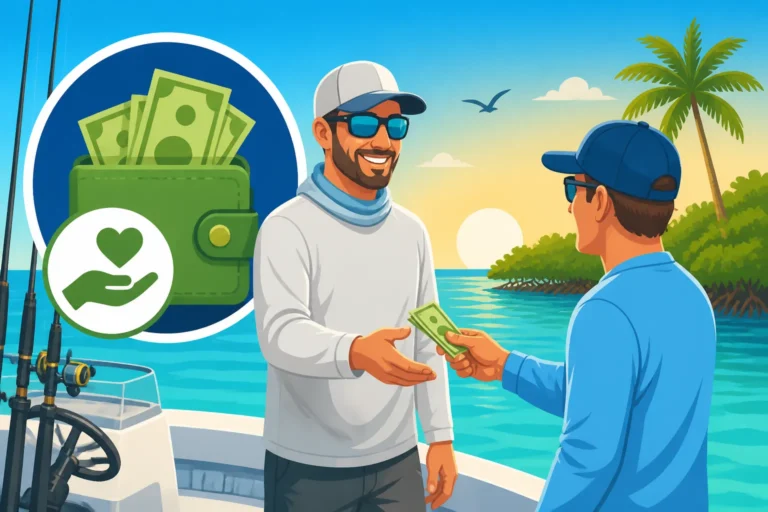
Every charter company has a Cancellation Policy for Florida Fishing Charters, and it's crucial to understand it before you book. When a captain initiates a cancellation due to unsafe weather, you are almost always entitled to either a full refund or the option to reschedule without penalty. This is standard practice in the industry.
Here's a general breakdown of how refund policies typically work for weather cancellations:
- Captain-Initiated Cancellation: If the captain determines the weather is unsafe or unfishable, you will usually receive a 100% refund of any deposit or full payment made. Some booking platforms, like FishingBooker, explicitly state this in their terms and conditions, offering a "bad weather guarantee."
- Partial Day Cancellation: In rare cases, a trip might start but then be cut short due to unexpected, rapidly deteriorating weather. What happens here can vary. Some captains might offer a partial refund, a discount on a future trip, or a full credit. This is something to clarify with your captain if it ever occurs.
Always double-check the specifics of your booking confirmation. Look for clauses related to "captain's discretion," "weather cancellations," or "acts of God." If you used a third-party booking site, their terms will also outline the process for requesting refunds or rescheduling.
Communicating with Your Charter Captain
Effective communication is your best tool when dealing with a weather cancellation.
- Be Proactive (but polite): If you see a questionable forecast a day or two before your trip, it's okay to send a polite message to your captain asking for their assessment. They are likely already monitoring the weather closely and appreciate you checking in. However, avoid pressuring them to go out in unsafe conditions.
- Respond Promptly: When your captain contacts you about a cancellation, respond as quickly as possible. This helps them manage their schedule and other bookings.
- Discuss Options Clearly: When discussing rescheduling or a refund, be clear about your preferences and availability. If you want a refund, state that clearly. If you want to reschedule, provide a few dates that work for you.
- Confirm in Writing: Once a decision is made (reschedule or refund), ask for a confirmation via email or text. This creates a record for both parties and helps prevent misunderstandings later on.
- Be Patient: Captains often have multiple trips booked and are dealing with several cancellations simultaneously during bad weather events. Give them a little grace as they work through everything.
Preparing for Weather Uncertainty
While you can't control the weather, you can certainly control how prepared you are for its potential impact on your fishing plans. A little foresight can save you a lot of headache and disappointment.
Booking with Flexible Policies in Mind
When you're comparing charters, take a moment to look beyond the price and the fish they catch. Pay attention to their cancellation policies, particularly those pertaining to weather. Charters that clearly outline their approach to weather cancellations are generally more reliable and transparent.
Here's what to look for:
- Clear Weather Clause: Does the policy explicitly state that the captain has the final say on weather-related cancellations and that you'll receive a full refund or reschedule option?
- Booking Platforms: Many reputable booking platforms like FishingBooker have standardized weather policies that protect both the angler and the captain. This can add an extra layer of confidence to your booking. When comparing different charters on FishingBooker, you can easily find their specific cancellation terms.
- Deposits: Some charters require a non-refundable deposit for angler-initiated cancellations but will fully refund it for captain-initiated weather cancellations. Understand the difference.
Booking How Far in Advance to Book a Florida Fishing Charter is important, but so is understanding the terms.
Travel Insurance Considerations
If your fishing charter is a significant part of a larger, expensive vacation, consider purchasing travel insurance. While a charter itself might not be costly enough to warrant it, the associated costs (flights, accommodation, rental cars) definitely are. Travel insurance policies often cover non-refundable expenses if your trip is canceled or significantly disrupted due to severe weather events like hurricanes, especially if the destination is under a mandatory evacuation.
However, read the fine print carefully. Most standard travel insurance policies will not cover a situation where a captain cancels a single fishing trip due to rain, but you still proceed with the rest of your vacation. They are usually designed for broader, more impactful events. Always consult with an insurance provider to understand what specific weather-related disruptions are covered.
Having Backup Plans for Your Trip
This is perhaps the most practical advice for any Florida traveler. The weather here can change on a dime, especially during the summer rainy season. Having a Plan B (or C!) can turn a potentially disappointing day into an enjoyable one.
- Alternative Activities: What else can you do in the area if you can't fish? Florida has incredible museums, aquariums, shopping, and natural parks. Research these options ahead of time.
- Different Types of Fishing: If your offshore trip gets canceled, maybe there's a possibility for some shore fishing, pier fishing, or even a trip to a local freshwater lake for bass. Remember, not all fishing requires a boat, and sometimes Where You Can Fish in Florida Without Buying a License can provide great alternatives. Do you need a license to fish from a pier? Generally, no, if the pier has a blanket license.
- Gear for Any Weather: Pack rain gear even if the forecast looks clear. You never know when a pop-up shower might hit. What to Bring on a Florida Fishing Charter usually includes rain gear for this reason. Also, Do Florida Fishing Charters Run in the Rain? will often happen, so be ready!
| Scenario | Who Cancels? | Typical Outcome |
|---|---|---|
| Severe Weather Warning | Captain | Full refund or reschedule option, no penalty. |
| Moderate Bad Weather | Captain | Full refund or reschedule option, no penalty. |
| Uncomfortable but Fishable | Captain (offers alternative) | Angler can accept alternative or request refund/reschedule based on policy. |
| Angler Concerned by Weather | Angler | Deposit usually forfeited unless captain agrees to waive it. |
| Trip Starts, then Worsens | Captain | Partial refund, future credit, or reschedule, depending on policy. |
What if You Want to Cancel Due to Weather?
This is a critical distinction that often catches anglers off guard. There's a big difference between a captain canceling for safety and an angler deciding they don't want to go because the weather isn't "perfect."
The Difference Between Captain-Initiated and Angler-Initiated Cancellations
When a charter captain cancels a trip due to weather, it's typically because they've deemed the conditions unsafe or unfishable. This decision protects everyone and, as we've discussed, usually comes with a full refund or reschedule option.
However, if you decide to cancel because you don't like the forecast (e.g., "it looks a little cloudy," "there's a 20% chance of rain," or "the wind looks a bit breezy, and I get seasick"), but the captain still believes the trip is safe and fishable, that's generally considered an angler-initiated cancellation. In these cases, the charter's standard cancellation policy for angler cancellations will apply, which often means forfeiting your deposit or the full payment if it's too close to the trip date.
This can be a tough pill to swallow, especially if you're traveling a long distance. Captains rely on their bookings, and last-minute cancellations from anglers cost them income they've already accounted for, not to mention the time and effort they've put into preparing for your trip (bait, fuel, tackle). This is why it's so important to communicate openly with your captain. If you have concerns about getting seasick even in moderate conditions, discuss it when you book, and choose a guide who emphasizes comfort, or opt for an inshore trip on a typically calmer day. How to Choose a Florida Fishing Guide is key here.
Reviewing Your Booking Agreement Carefully
This can't be stressed enough: read your charter's booking agreement and cancellation policy thoroughly before you commit. This document (or the terms listed on the booking website like FishingBooker) is your definitive guide to what happens in various scenarios.
Key points to look for in the fine print:
- Who makes the weather call? It should always be the captain's discretion.
- What are the specific conditions for a weather-related refund? Is it only for tropical storms, or does it include high winds and lightning?
- What is the refund process? How quickly can you expect your money back, or how do you go about rescheduling?
- Angler Cancellation Policy: Understand the cutoff for angler-initiated cancellations without penalty. Is it 48 hours, 72 hours, or a week?
Understanding these terms upfront will save you from potential arguments and disappointment later on. While a weather cancellation is never ideal, being informed and prepared can make the situation much smoother, allowing you to focus on getting back out on the water when conditions are right. And don't forget that external factors like How Red Tide Affects Fishing in Florida can also impact a trip and might have their own specific policies.
Disclaimer
This article is for general informational purposes only and does not constitute professional advice. Laws, prices and regulations vary by location and change over time. Consult a qualified professional for guidance on your specific situation.