Do Seniors Need a Fishing License in Florida?
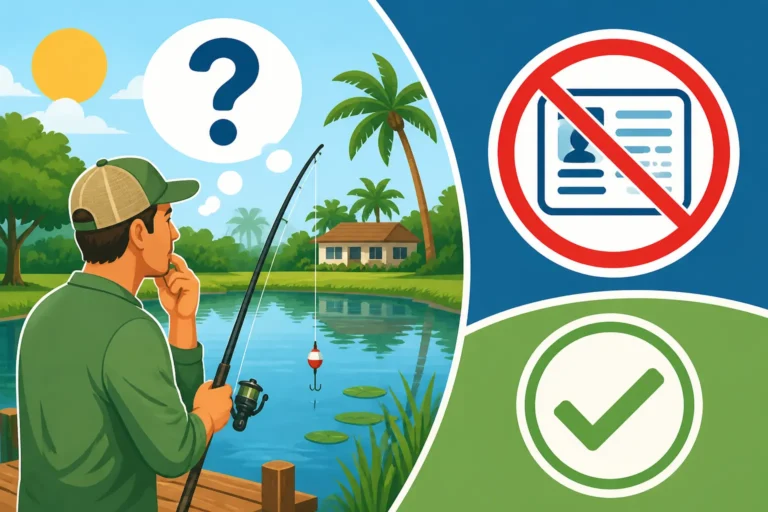
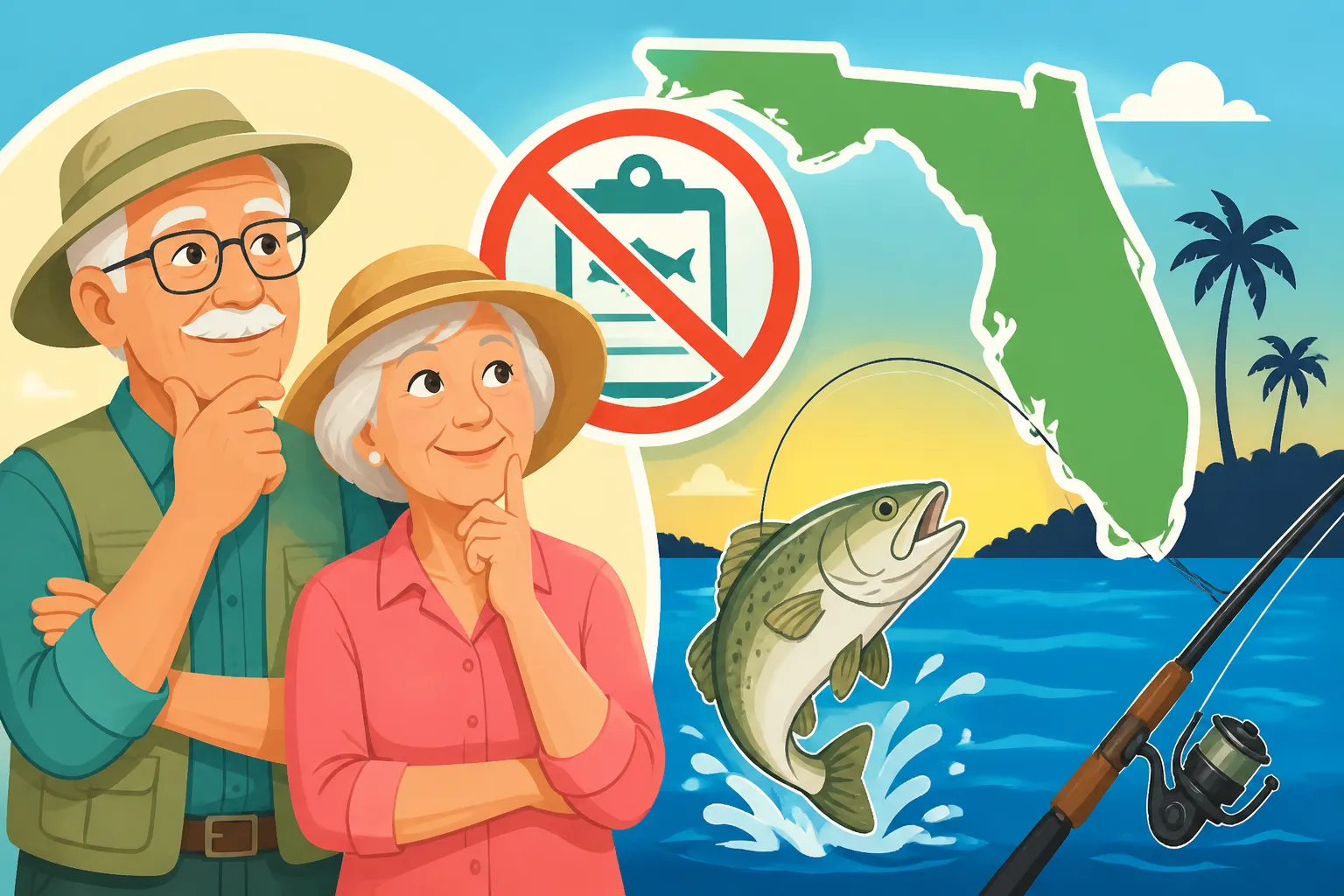
It's a common question, and one that often causes a fair bit of head-scratching, especially for our seasoned anglers enjoying their golden years in the Sunshine State: "Do I actually need a fishing license in Florida once I hit a certain age?" This confusion is completely understandable, as regulations can feel like a tangled fishing line sometimes. You want to enjoy a peaceful day on the water, not worry about whether you're breaking the law! This comprehensive guide is here to untangle those knots, giving you clear, empathetic, and realistic answers about Florida's fishing license requirements for seniors.
Understanding Florida's Fishing License Requirements for Seniors
Florida, with its abundant freshwater lakes and expansive saltwater coastline, is a paradise for anglers of all ages. However, navigating the rules, especially when you reach a certain age, can be a bit tricky. The good news is that the state offers some wonderful exemptions for its long-time residents, but it's not a blanket rule for everyone. Let’s dive into the specifics so you can cast your line with confidence.
The General Rule: Age 65 and Up
For Florida residents, the primary exemption is tied directly to age. If you are a resident of Florida and you are 65 years of age or older, you are generally exempt from needing a recreational fishing license. This applies to both freshwater and saltwater fishing. Imagine the relief! No more annual renewals or trying to remember where you put that little paper license. This exemption is designed to make enjoying Florida's natural beauty and incredible fishing opportunities easier for our senior population.
It’s important to remember that this isn't an automatic process when you turn 65. You don't just magically stop needing a license. While you don't have to buy a license, you still need to be able to prove your age and residency if asked by a Florida Fish and Wildlife Conservation Commission (FWC) officer. This means carrying a valid Florida driver's license or state identification card, which clearly shows your date of birth. Without this proof, even if you are over 65, you could potentially face a citation, which is the last thing anyone wants during a relaxing day out.
Florida Resident Senior Citizen Hunting and Fishing Certificate
While technically exempt, many Florida resident seniors opt to obtain a "Florida Resident Senior Citizen Hunting and Fishing Certificate." This isn't a mandatory requirement, but it’s a fantastic, free option that provides clear documentation of your exemption status. Think of it as your official "fishing pass" that explicitly states your eligibility. This certificate serves as an excellent, official proof of your exemption, saving you from having to explain the rules or present your driver's license every time.
This certificate is more than just proof; it's a convenient, wallet-sized card issued by the FWC that certifies your eligibility. It covers both freshwater and saltwater recreational fishing, and even includes the management area permit, deer permit, turkey permit, snook permit, and lobster permit, which are typically required in addition to a standard license. This comprehensive coverage means that with this single certificate, you’re good to go for nearly all recreational fishing activities within state waters. It’s a thoughtful way the state makes it easier for seniors to enjoy their passions without the hassle of multiple permits or constantly looking up rules for specific species.
Who Truly Qualifies for Senior Exemptions?
The "Florida resident, 65 or older" rule sounds straightforward, but like many things in life, the devil is in the details. It's crucial to understand what exactly constitutes "Florida residency" for licensing purposes and what documentation you'll need to back it up. Misunderstanding these points could lead to an unwelcome encounter with a wildlife officer, so let’s clear the air.
Defining Florida Residency for License Purposes
When it comes to fishing licenses and exemptions, Florida has specific criteria for what makes you a resident. Generally, to qualify as a Florida resident, you must reside in the state for at least six continuous months, immediately preceding the date you're applying for or claiming a license/exemption. This isn't just about having a vacation home here; it’s about making Florida your primary home. For many seniors, especially those who've chosen Florida as their retirement haven, this is usually a non-issue.
Proof of residency is key. The most common and widely accepted forms include a valid Florida driver's license or a Florida identification card. Other documents that can help establish residency might include a Florida voter registration card, a declaration of domicile, or even a homestead exemption on your property. However, it's always best to rely on your driver's license or state ID for fishing purposes, as these are universally recognized and easily verified. This also means that if you're a "snowbird" who only spends a few months out of the year in Florida but maintains primary residency in another state, the 65+ exemption likely won't apply to you. You'd be considered a non-resident, even if you own property here. Understanding this distinction is vital for avoiding any unforeseen issues on the water.
Age Verification and Documentation
Even if you've been a Florida resident for decades, you still need to prove your age to qualify for the 65+ exemption or the Senior Citizen Hunting and Fishing Certificate. As mentioned, a valid Florida driver's license or state identification card is typically all you need. These documents clearly display your date of birth, making verification quick and painless for enforcement officers. The FWC website offers detailed information on accepted forms of identification if you have any questions.
It's a good idea to ensure your identification is up-to-date and easily accessible when you're fishing. Don't leave it in your car if you're out on a boat or fishing from a pier. Nowadays, with technology, many people use the Florida Fish and Wildlife Conservation Commission's GoOutdoors Florida app on their phones. This app allows you to store your licenses and certificates digitally, which can be a convenient alternative to carrying physical cards, provided your phone is charged and accessible. Just make sure the digital representation clearly shows your age and residency status. It's always a good practice to have at least one form of physical ID with you, just in case technology fails you on a remote fishing trip.
Specific Scenarios and Exceptions for Senior Anglers
While the 65+ exemption is a fantastic benefit for Florida resident seniors, there are still a few nuances and specific situations where additional requirements might pop up. It’s never quite as simple as "set it and forget it," even for those who've earned their angling stripes over many decades. Staying informed about these exceptions will ensure your fishing trips remain carefree.
Special Permits and Federal Waters
Here's where things can get a little more intricate. Even if you're a Florida resident over 65 and hold your Senior Citizen Hunting and Fishing Certificate, some specific species still require additional permits or have special regulations that apply to everyone, regardless of age. For instance, if you plan on targeting snook, you'll still need a Florida Snook Permit Requirements in addition to your exemption. The same goes for harvesting spiny lobster; you'd need a Florida Lobster Permit Requirements. These permits are typically inexpensive and are designed to help manage specific fisheries, ensuring their sustainability for future generations.
Furthermore, a significant distinction exists between state waters and federal waters. Florida's state waters generally extend 3 nautical miles into the Atlantic Ocean and 9 nautical miles into the Gulf of Mexico. Beyond these boundaries lie federal waters. While your Florida resident 65+ exemption covers you in state waters, it does not extend into federal waters. If you're heading offshore on a private vessel into federal territory to chase red snapper, grouper, or other deep-sea species, you would need to possess a valid federal recreational fishing permit or be covered by the permit of the vessel owner. This is often where a lot of confusion arises, as the line between state and federal waters isn't always visibly marked. Always check your charts or ask your captain if you're venturing far from shore.
Non-Resident Seniors and Visiting Grandparents
This is one of the most common misunderstandings we see. The generous 65+ fishing license exemption in Florida is exclusively for Florida residents. If you are a senior visiting from another state, even if you are well over 65, you are considered a non-resident and do need a Florida fishing license to fish. This applies whether you're vacationing with family, spending a few months as a snowbird without establishing formal Florida residency, or just passing through.
For our out-of-state grandparents, aunts, and uncles who want to enjoy some fishing while visiting, there are several convenient non-resident license options. You can purchase short-term licenses, such as a 3-day or 7-day non-resident fishing license, or an annual one if you plan multiple trips. These can be easily acquired online, at bait and tackle shops, or at any Florida County Tax Collector's office. Remember, even for a quick trip, fishing without the proper license can lead to fines, so it's always best to be prepared. Before heading out, make sure to review the Florida Nonresident Fishing License Rules to understand what applies to your specific situation. Many visitors find it easy to pick up a license when they grab their bait at a local shop. You might also want to check out convenient options for necessary gear, from tackle boxes to sun hats, which can often be found with ease on online retailers like Amazon.
Benefits of the Senior Citizen Certificate and Obtaining It
Deciding to get the Florida Resident Senior Citizen Hunting and Fishing Certificate, even if you’re exempt from purchasing a license, is a choice many experienced anglers make. It’s a proactive step that removes ambiguity and offers peace of mind. Let’s explore why this free certificate is so beneficial and exactly how you can get your hands on one.
Comprehensive Coverage and Ease of Use
One of the biggest advantages of the Florida Resident Senior Citizen Hunting and Fishing Certificate is its extensive coverage. As previously mentioned, it acts as a comprehensive "all-in-one" pass for recreational fishing. This isn't just a basic freshwater or saltwater license. This single certificate also covers those often-overlooked special permits, like the Florida Snook Permit Requirements and the Florida Lobster Permit Requirements, which are essential for targeting these highly sought-after species. It also includes the management area, deer, and turkey permits, if your interests extend to hunting. This eliminates the need to remember which additional permits you might need for specific activities, drastically simplifying your preparations for any outdoor adventure.
The ease of use cannot be overstated. With this certificate, you have a clear, official document that demonstrates your exemption status. This means no fumbling for your driver's license to prove your age, and no potential misunderstandings with FWC officers who are simply doing their job. It's a clear, concise piece of identification specifically designed for recreational activities, making your experience smoother and more enjoyable. Many seniors appreciate the simplicity and the fact that it's a dedicated fishing credential, rather than just showing their general ID.
How to Apply for Your Senior Certificate
Getting your Florida Resident Senior Citizen Hunting and Fishing Certificate is a straightforward process, and best of all, it's free! There are a few convenient ways to apply, ensuring accessibility for everyone.
1. Online: The easiest way for many is through the FWC's GoOutdoorsFlorida website. You can create an account (if you don't have one already), verify your Florida residency and age, and apply for the certificate. It’s a fairly intuitive system designed to guide you through the steps. Once approved, you can print a temporary certificate immediately, and the official hard card will be mailed to you.
2. In-Person: If you prefer face-to-face interaction or need assistance, you can visit any Florida County Tax Collector's office or a designated license agent. These locations are equipped to help you fill out the necessary paperwork and verify your documents on the spot. This is a great option if you have questions or need help navigating the application process. Check the FWC website for a list of Where to Buy a Florida Fishing License Near You that also issue these certificates.
3. By Mail: You can also apply by mail, though this method typically takes longer. You'll need to download the application form from the FWC website, fill it out, and mail it along with copies of your proof of age and residency. Be sure to follow all instructions carefully to avoid delays.
No matter which method you choose, you'll need to provide proof of your Florida residency and age. Typically, this means a valid Florida driver's license or state identification card. Here’s a quick summary of what you’ll generally need:
| Requirement | Florida Resident Seniors (65+) | Non-Resident Seniors (65+) |
|---|---|---|
| Fishing License | Exempt | Required |
| Senior Certificate | Optional (Free) | Not Applicable |
| Proof of Residency | Required (FL Driver's License/ID) | N/A (for license purchase) |
| Proof of Age | Required (FL Driver's License/ID) | Required (Any valid ID for license purchase) |
| Special Permits | Covered by Senior Cert. / May still be needed if no cert. | Required |
| Federal Waters | Federal Permit May Be Needed | Federal Permit May Be Needed |
Once you have your certificate, you're all set! Just remember to keep it with you when you're fishing. And speaking of fishing, if you need any gear, from a new fishing chair to comfortable polarized sunglasses, a quick search on Amazon can get you geared up efficiently.
Common Misconceptions and Pro Tips for Senior Anglers
Even with the exemptions and certificates, some common misunderstandings persist among anglers, especially those of us who have been fishing for decades and might be used to older rules. Addressing these head-on will save you potential headaches and allow you to fully enjoy your time on Florida's beautiful waters.
"I'm on a Charter, So I Don't Need One!"
This is perhaps one of the most widespread misconceptions, not just among seniors, but all anglers. It's true that if you are fishing on a licensed for-hire charter boat or a licensed pier, bridge, or jetty, you are generally covered by the vessel's or facility's blanket license. This means you, as an individual angler, typically don't need your own recreational fishing license for that specific trip. This is a huge convenience, especially for visitors or those who only fish occasionally. The charter captain or pier owner pays a special commercial license fee that covers all their recreational customers. To learn more about this, check out our guide on Florida Charter Boat Fishing License Rules.
However, for Florida residents aged 65 and over, there's a slight nuance. While the charter or pier license does cover you, many seniors still appreciate having their Florida Resident Senior Citizen Hunting and Fishing Certificate. It's a personal preference. If you plan to fish from shore, your own boat, or a friend's boat on other days, your certificate will come in handy. So, while you technically don't need your personal exemption proof when on a licensed charter or pier, having your certificate means you're always ready, no matter where your fishing adventures take you. It eliminates any second-guessing and ensures continuity across all your angling activities.
Staying Informed and Prepared
Florida's fishing regulations are dynamic, constantly being updated to ensure sustainable fisheries and adapt to environmental changes. This means that what was true last year might have subtle changes this year. Even with a senior exemption or certificate, it’s always a wise idea to stay informed about current bag limits, size restrictions, and season closures for the species you’re targeting. The FWC website is the official source for all Florida Fishing Regulations and Bag Limits and should be your first stop for checking current rules before any trip. You can also download the FWC Fish|Hunt Florida app, which provides up-to-date regulations right on your phone.
Preparation also means ensuring you have everything you need for a comfortable and compliant day on the water. Always carry your valid Florida ID and/or your Senior Citizen Hunting and Fishing Certificate. Beyond the paperwork, consider practical items: plenty of water, sun protection (a good wide-brimmed hat, long-sleeve fishing shirt, and sunscreen are crucial in Florida!), and a small first-aid kit. Many senior anglers find that lighter tackle and comfortable seating make their outings more enjoyable. If you’re looking to upgrade your gear or stock up on essentials, remember that retailers like Amazon offer a vast selection, making it easy to find everything from ergonomic rod handles to specialized fishing vests. Planning ahead makes for a much more relaxed and rewarding fishing experience, allowing you to focus on the joy of the catch rather than worrying about forgotten items or outdated rules.
Disclaimer
Please remember that while this guide provides comprehensive information, fishing regulations can change. It is always the angler's responsibility to verify the most current rules and regulations with the Florida Fish and Wildlife Conservation Commission (FWC) before engaging in any fishing activities. This content is for informational purposes only and does not constitute legal advice.