Florida Fishing License Age Requirements
Navigating the ins and outs of fishing regulations can feel like trying to untangle a stubbornly knotted fishing line, especially when it comes to who needs a license and who doesn't. Many aspiring anglers, or even seasoned veterans planning a trip with family, often find themselves scratching their heads over Florida's specific age requirements for fishing licenses. This comprehensive guide is here to clear up all that confusion, ensuring you know exactly what’s expected before you cast a line in the Sunshine State.
The Core Age Rule for Florida Fishing Licenses
When you're dreaming of reeling in a big one in Florida, understanding the basic age requirement for a fishing license is your first step. It's a fundamental piece of information that applies whether you're a long-time resident or just visiting for a few days. Getting this wrong could lead to an unexpected fine, which is definitely not the kind of "catch" you want to take home.
The Standard Age Requirement
Florida's wildlife commission, FWC, has a clear guideline for when you need to start thinking about purchasing a fishing license. Generally speaking, anyone who is 16 years of age or older is required to have a valid Florida fishing license. This applies whether you're dipping your line into the calm freshwater lakes of Central Florida or battling a mighty snook in the saltwater flats of the Gulf Coast. This age isn't arbitrary; it typically aligns with other legal adult responsibilities and privileges, making it a fairly common benchmark across various recreational activities.
It's a straightforward rule, but it's surprising how often it causes confusion. Perhaps it's because other states might have different age cutoffs, or people assume that certain types of fishing (like from a dock) are exempt. However, the 16-and-older rule is quite consistent. This means that if your child just celebrated their 16th birthday, their days of fishing license-free are officially over, and it's time to get them set up with their own permit.
Who Needs a Fishing License in Florida Generally
Beyond just the age, it’s worth reiterating the general principle of Who Needs a Fishing License in Florida. Almost everyone engaging in recreational fishing activities within Florida's waters, be it freshwater or saltwater, needs a license. This includes residents, non-residents, and even those just trying their hand at catch-and-release fishing. The only major exceptions often revolve around age, residency status (for seniors), specific types of fishing (like commercial operations, which have their own complex licensing structures), or fishing from licensed piers or charter boats where the boat itself holds a blanket license.
Understanding this general requirement helps put the age rule into perspective. It's not just about being old enough to fish; it's about contributing to the state's conservation efforts. Each license sold helps fund programs that maintain healthy fish populations, protect aquatic habitats, and ensure future generations can also enjoy Florida's incredible fishing opportunities. So, while buying a license might feel like another chore, it's actually an investment in the very resource you're passionate about.
Exemptions and Rules for Youth Anglers
One of the most family-friendly aspects of Florida's fishing regulations is how it treats its youngest anglers. The state actively encourages kids to get involved in fishing, and a big part of that encouragement comes from clear, accessible rules that make it easy for families to enjoy the outdoors together.
Kids Under 16 Fish for Free
This is fantastic news for families: children under the age of 16 are not required to purchase a Florida fishing license. This rule applies uniformly across both freshwater and saltwater environments, from casting a worm into a neighborhood pond to trying to catch a snapper out in the Gulf. It's a wonderful policy that removes a financial barrier for parents and makes it incredibly easy to introduce youngsters to the joys of fishing. Imagine packing up the car, grabbing some snacks, and heading to your favorite fishing spot without worrying about extra paperwork or fees for your little ones – that's the reality in Florida.
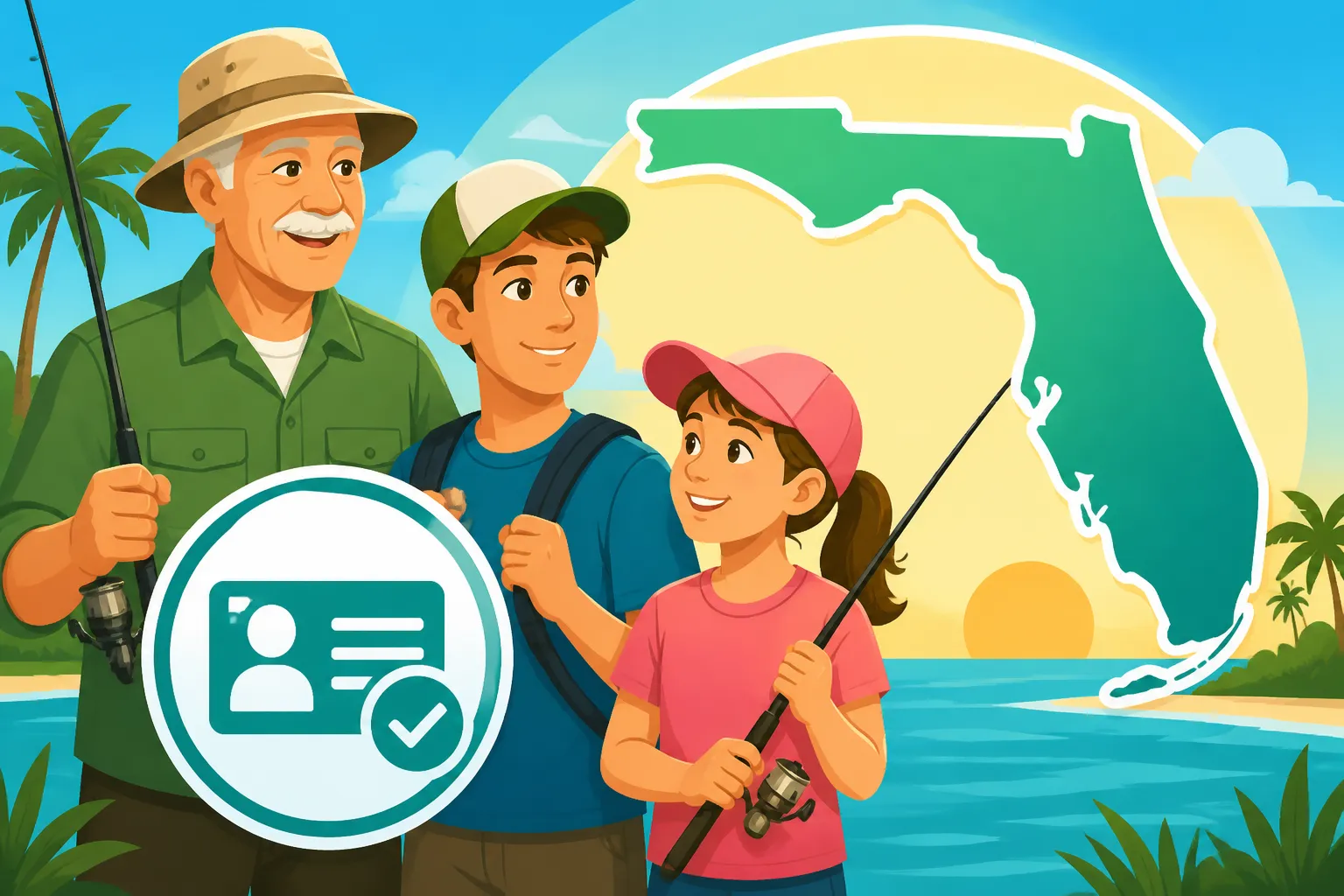
This exemption is a huge boon for local families and tourists alike. Whether you're a Florida resident taking your kids out on the weekend or an out-of-state visitor enjoying a family vacation, your children aged 15 and under can fish to their heart's content without needing their own license. This policy is explicitly detailed in the Florida Youth Fishing License Rules and is a cornerstone of the state's efforts to foster a love for nature and angling in its youth. So, don't hesitate to bring your pre-teen or teenager along; they're covered!
Supervising Young Anglers
While kids under 16 don't need their own license, it's crucial to remember that if they are fishing with an adult who is 16 or older, that adult does need a valid Florida fishing license (unless they qualify for another exemption, like being a senior resident). The licensed adult acts as the responsible party, ensuring that all other regulations, such as bag limits and size restrictions, are followed. Think of it as the adult setting the example and holding the overall responsibility for the fishing excursion.
This supervisory role is more than just a legal requirement; it's an opportunity for mentorship. A licensed adult can teach proper fishing techniques, explain conservation principles, and demonstrate responsible angling practices. It’s also important for safety. Even if you're just fishing from a dock, having an attentive adult supervise children is paramount. While your little one might be excited about their new beginner fishing rod (perhaps one you found on Amazon), the licensed adult is the one who ultimately ensures the trip is fun, safe, and compliant with all Florida fishing laws.
Special Considerations for Senior Residents
Florida is a popular destination for retirees, and many seniors enjoy the state's abundant fishing opportunities. Recognizing the contributions of its older residents, Florida offers specific exemptions for senior anglers, making it easier and more affordable for them to pursue their passion.
Do Florida Residents Over 65 Need a Fishing License?
This is a frequently asked question, and the answer is a resounding no for qualified residents. If you are a Florida resident aged 65 or older, you are exempt from needing a recreational fishing license. This is a significant benefit, allowing seniors to enjoy fishing without the recurring cost or hassle of renewal. This exemption extends to both freshwater and saltwater fishing, which means a qualified senior can fish for bass in a local lake or cast for redfish in the intercoastal waterways, all without a standard license. This generous policy is a testament to Florida's commitment to its senior population and their recreational pursuits.
It's important to stress the "Florida resident" part of this exemption. Non-residents, regardless of age, do not automatically qualify for this senior exemption and must purchase the appropriate non-resident license if they are 16 or older. This distinction is crucial and often misunderstood. For a deeper dive into this, you might want to read our article on Do Seniors Need a Fishing License in Florida?, which goes into more detail about the specific criteria and benefits.
Obtaining the Florida Senior Citizen Certificate
While Florida residents aged 65 and older are exempt from needing a paid recreational fishing license, it’s highly recommended that they still carry a no-cost Florida Resident Senior Citizen Hunting and Fishing Certificate. This certificate, which is free of charge, serves as official proof of their age and residency, making it much easier to demonstrate their exemption if ever questioned by a Florida Fish and Wildlife Conservation Commission (FWC) officer. It helps streamline interactions and prevents any potential misunderstandings while you're out enjoying the waters.
To obtain this certificate, qualified residents can typically apply online through the FWC’s Go Outdoors Florida website, visit a local tax collector's office, or stop by an authorized license agent, such as many tackle shops or sporting goods stores. All you usually need is proof of age (like a valid Florida driver's license or state ID) and proof of Florida residency. For comprehensive details on how to get yours, check out our guide on Florida Senior Citizen Hunting and Fishing Certificate Requirements. Having this certificate readily available, perhaps even laminated and tucked into your wallet or tackle box, just makes everything smoother on the water.
Non-Resident Age Requirements and Visitor Options
Florida's incredible natural beauty and abundant fisheries attract millions of visitors each year, many of whom want to experience the thrill of fishing in the Sunshine State. For these out-of-state anglers, the age requirements are a little different, primarily due to the residency distinction, but the core age cutoff remains the same.
Age Rules for Out-of-State Anglers
Just like Florida residents, non-residents who are 16 years of age or older are required to have a valid Florida fishing license. This rule applies whether they are visiting for a week-long vacation or just passing through for a day. The purpose of this requirement is consistent: to contribute to the conservation and management of Florida's valuable fish stocks and aquatic habitats. It ensures that everyone enjoying the state's natural resources is doing their part to support them.
The key difference for non-residents is that the senior resident exemption does not apply to them. So, even if you're 70 years old and visiting from Georgia or New York, you'll still need to purchase a non-resident fishing license if you plan to fish in Florida. This might come as a surprise to some, especially if their home state has similar senior exemptions that apply universally. For a more detailed breakdown of what non-residents need, our guide on Florida Nonresident Fishing License Rules is an excellent resource.
Short-Term Licenses for Tourists
Recognizing that many visitors are only in the state for a short period, Florida offers convenient short-term fishing license options for non-residents. These include 3-day and 7-day licenses, which are perfect for vacationers who only plan to fish for a few days during their stay. These short-term licenses cover both freshwater and saltwater recreational fishing, making them incredibly versatile. Opting for a short-term license means visitors don't have to commit to an annual license they won't fully utilize, offering a cost-effective way to enjoy Florida's fishing scene.
Purchasing these licenses is relatively easy. They can be bought online through the FWC website, by phone, or in person at various license agents across the state, including many Walmarts, tackle shops, and sporting goods stores. While these licenses don't typically apply to youth under 16 (who fish for free anyway), they are essential for any non-resident aged 16 and up. And while you're picking up your license, you might also grab some essential gear like a good pair of polarized sunglasses or a tackle box, easily found on platforms like Amazon, to complete your fishing setup. You can find more specific information on these flexible options in our Short-Term Fishing License Options article.
Common Fishing Scenarios and Age Rules
Florida offers a myriad of fishing experiences, from casting off a bustling pier to venturing out on a deep-sea charter. Each scenario might have slightly different nuances regarding licensing, but the core age requirements generally remain consistent. It’s important to understand these specific situations to ensure you’re always in compliance, regardless of where or how you choose to fish.
Pier and Charter Boat Fishing Exceptions
This is where things can get a little tricky, and it's a common area of confusion. If you're fishing from a public fishing pier that has a valid pier fishing license, individual anglers typically do not need their own separate fishing license. The pier's blanket license covers everyone fishing from its structure, regardless of age or residency. This is a fantastic option for families, as it means kids and adults alike can enjoy pier fishing without each needing a personal license, making it a truly accessible activity. However, it's crucial to confirm that the specific pier you're visiting actually holds such a license, as not all do.
Similarly, if you're fishing aboard a licensed charter boat, head boat, or guide boat, you are generally covered under the vessel's license. This applies to both residents and non-residents, and to all ages (16 and older still need to be covered, but the charter's license does that for them). This means if you book a fishing trip with a professional guide out of Key West or Destin, you won't need to purchase your own individual license. This is often a huge relief for tourists who might not be familiar with Florida's regulations. For more detailed information on these specific scenarios, refer to our articles on Do You Need a License to Fish From a Florida Pier? and Do You Need a License to Fish From a Charter Boat in Florida?. Always confirm with the pier or charter captain beforehand to be absolutely sure.
Catch and Release Still Requires Compliance
A common misconception among anglers is that if they plan on practicing catch and release, they are exempt from needing a fishing license. This is simply not true in Florida. The act of "fishing" itself, regardless of whether you intend to keep your catch or immediately release it, is what triggers the licensing requirement. Whether you're targeting big tarpon purely for the fight and photography, or just enjoying a peaceful day on the water with no intention of harvesting fish, if you are 16 years of age or older (and not otherwise exempt), you must have a valid Florida fishing license.
The reasoning behind this is that even catch-and-release fishing still impacts the fishery. Fish are handled, stressed, and sometimes injured during the process, even with the best intentions. Therefore, the regulations are in place to manage this impact and ensure the sustainability of fish populations. Plus, the funds generated from all license sales contribute directly to conservation efforts that benefit all fish, regardless of whether they end up on a dinner plate or swim away to be caught another day. Our article, Do You Need a License for Catch and Release Fishing in Florida?, delves deeper into this often-misunderstood aspect of fishing regulations.
Why These Age Requirements Matter: Conservation and Funding
It's easy to view fishing license requirements as just another government hoop to jump through. However, behind these regulations, especially those related to age, lies a crucial purpose: the long-term health and sustainability of Florida's incredible aquatic ecosystems. Understanding this "why" can shift perspective from mere compliance to active participation in conservation.
Funding Conservation Through License Sales
Every time someone aged 16 to 64 (or a non-resident of any age 16+) purchases a Florida fishing license, a significant portion of that fee goes directly into conservation programs. These funds are vital for managing fish populations, protecting and restoring critical habitats, conducting scientific research, and enforcing fishing laws. Without these funds, Florida's world-renowned fisheries would rapidly decline, impacting not only recreational opportunities but also the state's economy and ecological balance. Think about programs that protect endangered species, restore oyster beds, or monitor red tide events – these are often supported by your license dollars.
This funding model, often referred to as the "user-pays, public-benefits" system, is incredibly effective. Anglers directly contribute to the resource they enjoy, ensuring that the next generation has just as many, if not more, opportunities to fish. The exemptions for kids and seniors are strategically designed within this system. Kids fish free to foster early engagement, while seniors receive benefits as long-term contributors and valued members of the community. To learn more about how your dollars make a difference, check out our piece on How Florida Fishing License Fees Fund Conservation.
Promoting Sustainable Fishing for All Ages
The age-based regulations are also a critical tool for promoting sustainable fishing practices. By requiring licenses for adults (both residents and non-residents) and offering free fishing for young children, the state strikes a balance between encouraging participation and managing resource impact. It allows children to develop a passion for fishing early on, often under the guidance of licensed adults who can instill proper etiquette and responsible angling habits. This early exposure helps to create a generation of conservation-minded anglers.
The goal is to ensure that Florida's waters remain vibrant and healthy, teeming with diverse fish species for everyone to enjoy, from the youngest first-time angler to the most experienced senior citizen. These rules, including bag limits, size restrictions, and gear requirements, are enforced by FWC officers to maintain this delicate balance. It's a comprehensive approach that aims to safeguard Florida's natural heritage, ensuring that the thrill of a bending rod and the beauty of a sunrise over the water can be experienced by countless future generations.
Here's a quick reference table to help visualize Florida's fishing license age requirements:
| Angler Category | Age Requirement | License Needed? | Notes |
|---|---|---|---|
| Florida Resident | Under 16 | No | Encourages youth participation. |
| Florida Resident | 16 to 64 | Yes | Standard requirement for most adult residents. |
| Florida Resident | 65 and Older | No (but free certificate recommended) | Special exemption for senior residents. |
| Non-Resident (Visitor) | Under 16 | No | Kids fish free, regardless of residency. |
| Non-Resident (Visitor) | 16 and Older | Yes (Annual, 3-Day, or 7-Day options available) | No senior exemption for non-residents. |
| Fishing on a Licensed Pier | All Ages | No (if pier holds blanket license) | Always confirm with the specific pier. |
| Fishing on a Licensed Charter/Guide Boat | All Ages (16+ still covered) | No (covered by vessel's license) | Captain's license covers all passengers. |
Disclaimer
The information provided in this guide is for general informational purposes only and is subject to change. While we strive to keep the information up-to-date and correct, Florida's fishing regulations can change. It is always the angler's responsibility to consult the latest official regulations from the Florida Fish and Wildlife Conservation Commission (FWC) before engaging in any fishing activities.