What Is the Florida State Record Redfish?
Few things capture an angler's imagination quite like the pursuit of a state record fish. The sheer challenge, the legend, the stories told and retold – it all contributes to a dream that keeps many of us casting day after day. If you've ever found yourself wondering about the truly colossal redfish that swim Florida's waters and what it takes to land a fish that goes down in the record books, you're not alone. This comprehensive guide will dive deep into the world of Florida's state record redfish, exploring not just the fish itself, but the journey, the regulations, and the vibrant passion that drives anglers to chase such a magnificent catch.
The Elusive Crown: Understanding Florida's State Record Redfish
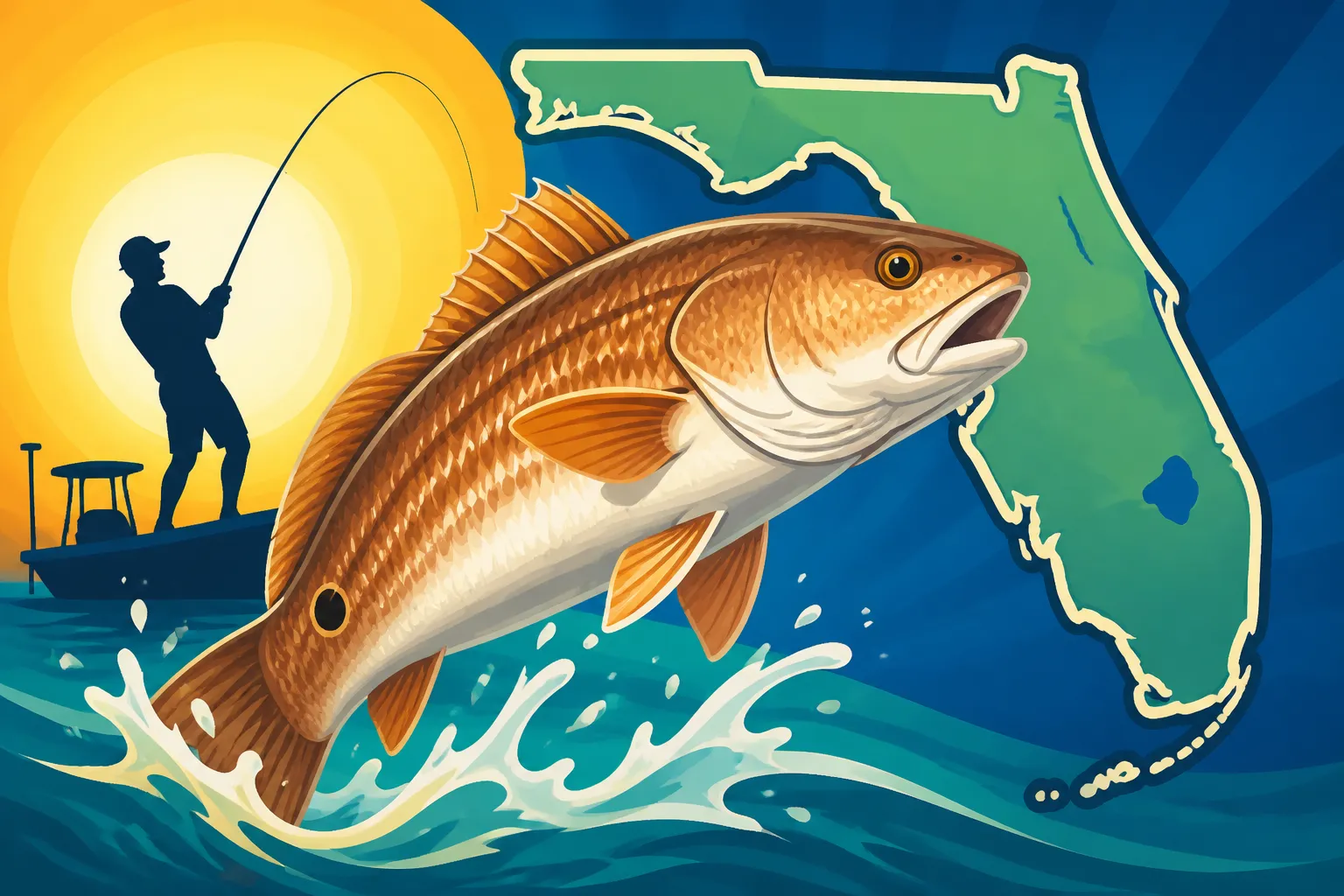
For many Florida anglers, the redfish, or red drum, is more than just a fish; it's an icon. Known for its distinct spot on the tail, powerful fights, and preference for shallow, grassy flats, the redfish is a species that commands respect. But what does it mean to hold the state record for such a revered fish? It means you've caught a redfish heavier than any other recreationally caught redfish ever officially documented in Florida. This isn't just about a big fish; it's about a monumental achievement, a testament to skill, patience, and a bit of pure luck.
The Florida Fish and Wildlife Conservation Commission (FWC) maintains these records, creating a public benchmark for anglers to aspire to. Imagine the adrenaline, the bending rod, the screaming drag as you wrestle with a fish that potentially outweighs anything you've ever encountered. Then, the careful process of bringing it to net, ensuring its health, and finally, the official weigh-in. It's a journey filled with anticipation and, for the select few, unparalleled triumph. The current conventional tackle record for a red drum in Florida is a truly impressive specimen, weighing in at 51 pounds, 8 ounces, caught in Merritt Island. This isn't a small feat by any stretch of the imagination, and it represents years of growth and survival for that particular fish, navigating through various threats and feeding voraciously to reach such an epic size. This record serves as a constant reminder of the incredible potential lurking in Florida's diverse waters.
Characteristics of a Record-Breaking Redfish
What exactly makes a redfish grow to such an astonishing size, pushing it into the realm of state record contenders? It's a combination of age, genetics, and a pristine environment rich in food sources. These aren't your average "slot" reds; these are ancient, seasoned warriors of the flats and estuaries.
Age and Growth Rate
Redfish are long-lived fish, capable of surviving for several decades. While the average redfish an angler catches might be anywhere from 2 to 10 years old, a record-breaking specimen is likely much, much older. Think of a fish that has seen countless seasons, survived numerous cold snaps, and evaded predators for a significant portion of its life. Their growth rate can vary depending on factors like food availability and water temperature, but generally, they grow fastest in their early years and continue to add weight and length as they age, albeit at a slower pace. A 50-pound redfish has accumulated biomass over many, many years, patiently foraging the bottom for crabs, shrimp, and smaller fish. These older, larger fish are often found in specific environments where they can thrive undisturbed and access abundant prey, allowing them to pack on the pounds year after year. Understanding this lifecycle gives you an appreciation for the fish itself, and the incredible journey it has taken to reach such a size.
Habitat and Diet of Giant Reds
Trophy redfish often inhabit slightly different areas than their smaller counterparts. While smaller reds are frequently found tailing in ultra-shallow grass flats, the true giants might prefer deeper channels, oyster bars, or larger estuarine systems with direct access to the ocean. Areas like the Indian River Lagoon system, the vast expanses of the Everglades, or even some of the deeper passes and inlets along the Gulf Coast are known for producing larger specimens. These areas provide both protection and a buffet of high-calorie food items.
Their diet, like their habitat, expands with size. While juvenile redfish feast on small shrimp and crabs, adult reds are opportunistic predators, consuming larger crabs, mullet, pinfish, and even juvenile snook or seatrout. Think of a 50-pound redfish as a super-efficient eating machine, constantly on the prowl. This voracious appetite, combined with a secure environment, is key to their monumental growth. You'll often find anglers targeting these behemoths with larger baits, both live and artificial, because a small shrimp simply won't cut it for a fish of that magnitude. It's a whole different ballgame compared to sight fishing for a 20-inch slot red.
The Quest for a Giant: How Anglers Target Trophy Reds
Catching a state record redfish isn't something you stumble upon every day. It often involves meticulous planning, specialized gear, and a deep understanding of the species. It's truly a labor of love for dedicated anglers.
Preparation and Gear for Record Redfish
When you're chasing a fish that could potentially be over 50 pounds, your standard inshore setup might not be enough. Anglers targeting these giants often employ heavier tackle. We're talking medium-heavy to heavy action rods, stout spinning reels or baitcasters spooled with strong braided line (think 30-50lb test, sometimes even heavier), and fluorocarbon leaders in the 40-80lb range to withstand abrasive mouths and strong runs. Hooks will be larger, appropriate for bigger baits, and robust enough not to straighten under extreme pressure. For example, a 7/0 circle hook paired with a whole mullet is a common choice for these larger fish.
Beyond the rod and reel, other equipment is crucial. A large, sturdy landing net is absolutely essential for safely securing a huge redfish without damaging it or the leader. A quality BogaGrip or lip gripper can help with handling, and a reliable scale certified for accuracy is a must for any potential record. Many anglers also carry a measuring tape or board to get a quick length and girth, even if the fish is ultimately released. Don't forget the proper safety gear for yourself too, especially if you're fishing remote areas. You can find many of these specialized items, from heavy-duty reels to certified scales, on platforms like Amazon, ensuring you're well-equipped for the challenge. Best Rod and Reel Setup for Florida Inshore Fishing will give you a good starting point for understanding appropriate gear.
Techniques and Strategies
Targeting monster redfish often involves different techniques than those used for smaller "slot" fish. While sight fishing with artificial lures on the flats is popular for slot reds, trophy hunters might focus on deeper water, strong current areas, or known congregation points.
- Live Baiting: This is arguably the most effective method for tempting truly large redfish. Whole mullet, sizable pinfish, ladyfish, or large crabs are prime choices. These baits can be free-lined in current, fished on a Carolina rig near structure, or suspended under a cork in deeper channels. The goal is to present a substantial, natural offering that a big redfish won't ignore.
- Bottom Fishing: When fishing deeper holes, channels, or around oyster bars, traditional bottom fishing with a heavy lead and a natural bait can be incredibly effective. Anglers will often anchor upcurrent of a promising spot and let their baits drift naturally into the zone where big reds might be lurking.
- Casting Large Artificials: While less common for the absolute biggest reds, large swimbaits, jerkbaits, and even topwater plugs can draw explosive strikes from trophy-sized fish, especially during times of heightened aggression. Accuracy in casting and an understanding of how these lures mimic natural prey are key.
- Patience and Persistence: Above all, catching a record redfish requires immense patience. These fish didn't get that big by being reckless. They can be finicky, and you might spend many hours or even days without a single bite from a true giant. Persistence, trying different spots, and adapting to conditions are paramount. Best Bait for Redfish Fishing in Florida offers more insights into bait choices.
The Weigh-In and Certification Process
So, you've battled a colossal redfish, brought it to the boat, and it looks like it might be a contender. What now? The process for certifying a state record is rigorous and designed to ensure accuracy and integrity.
- Immediate Action: The fish must be weighed on a certified scale. This usually means finding a local tackle shop, marina, or a designated FWC weigh station that has scales calibrated for official records. The weight must be verified by witnesses.
- Photos and Documentation: Clear photographs of the fish, the angler, and the weigh-in process are usually required. The FWC will also need detailed information about where and when the fish was caught, the tackle used, and a signed affidavit.
- Scientific Verification: In some cases, biological samples may be requested to confirm species identification or other data. This ensures that the record is legitimate and accurately represents the species.
- Adherence to Regulations: Crucially, the fish must have been caught legally, adhering to all current Florida Fishing Regulations and Bag Limits. This includes license requirements (though charter boats generally cover this), bag limits, and size restrictions. Any infraction, even accidental, can disqualify a catch. The FWC maintains an excellent website and provides detailed guidelines on their record fish program, so anyone aspiring to chase a record should familiarize themselves with these protocols before their trip. Florida Fishing License Guide is an essential read for all anglers.
Protecting the Future: Conservation of Florida's Redfish Population
The pursuit of trophy redfish, and the existence of a state record, highlights the importance of robust conservation efforts. These magnificent fish are a finite resource, and their continued health is vital for both the ecosystem and future angling opportunities.
Slot Limits and Bag Limits
Florida employs strict Florida Redfish Size and Bag Limits to manage the redfish population. These regulations typically include a "slot limit" – meaning only fish within a specific size range can be legally harvested. For example, a common slot might be 18 to 27 inches. Fish smaller than the minimum size are protected to allow them to mature and reproduce, while fish larger than the maximum size are also protected. These larger fish, often called "bull reds," are vital for breeding. They are the most productive spawners, contributing significantly to the next generation of redfish. This is why a record-setting fish, while celebrated for its size, is typically released after a quick weigh-in and photos, if caught within current regulations and handled carefully. The FWC also imposes daily bag limits, restricting the number of redfish an angler can keep in a single day. These measures are designed to prevent overfishing and maintain healthy stock levels across the state. Understanding the Florida Redfish Slot Limit Explained is crucial for any responsible angler.
Catch and Release Best Practices
Because trophy redfish are often "overslot" and critical for reproduction, catch and release is paramount. Improper handling can cause serious injury or even death to a fish that has fought hard and is already stressed. Here are some best practices:
- Minimize Fight Time: Use appropriate tackle to bring the fish in as quickly as possible without overstressing it.
- Keep the Fish in Water: Whenever possible, keep the fish in the water while unhooking it and taking photos. If you must remove it, do so briefly and support its entire body weight horizontally. Avoid holding it vertically by the jaw or tail, as this can damage internal organs.
- Wet Hands: Always wet your hands before touching the fish to protect its slime coat, which is vital for its immune system.
- Proper De-hooking Tools: Carry pliers, de-hookers, or cutters to quickly remove hooks. If the hook is deeply embedded, cut the line as close to the hook as possible rather than tearing the hook out.
- Revive the Fish: If the fish seems sluggish, hold it gently in the water, facing into the current, until it regains strength and swims away on its own.
- Circle Hooks: Using circle hooks significantly reduces gut-hooking, leading to higher survival rates for released fish.
Practicing How to Handle a Redfish for Release ensures that these magnificent fish continue to thrive and contribute to Florida's robust fishery. The long-term health of the redfish population relies heavily on every angler's commitment to these practices.
Role of Organizations and Anglers in Conservation
Conservation isn't just up to the FWC; it's a collaborative effort. Organizations like the Coastal Conservation Association (CCA) actively work to protect marine habitats and advocate for sustainable fishing practices. Anglers themselves play a huge role. By adhering to regulations, practicing responsible catch and release, and reporting any suspicious activity, we all contribute to the health of the fishery. Furthermore, purchasing a Florida Saltwater Fishing License Rules directly supports these conservation efforts through license fees, which fund research, habitat restoration, and enforcement. Every time you buy a license, you're investing in the future of Florida fishing. The collective impact of responsible anglers is what ensures that the dream of catching a state record redfish remains a possibility for generations to come.
| Florida State Redfish Record | Details | Significance |
|---|---|---|
| Weight | 51 pounds, 8 ounces | The current benchmark for trophy redfish |
| Location | Merritt Island, Florida | Illustrates areas with potential for giant reds |
| Year Established | (Check FWC for current year) | A long-standing record, proving enduring quality |
| Angler | Peter W. de Romford | The name synonymous with redfish greatness |
| Tackle Type | Conventional Tackle | Caught using traditional rod and reel |
| Importance | Inspires anglers & highlights conservation | Drives passion and responsible fishing |
Disclaimer: This article is for general informational purposes only and does not constitute professional advice. Laws, prices and regulations vary by location and change over time. Consult a qualified professional for guidance on your specific situation.