Best Rod and Reel Setup for Florida Inshore Fishing
If you've ever stood in the tackle aisle, staring at an overwhelming array of fishing rods and reels, feeling utterly lost, you're not alone. Florida's diverse inshore waters, from shallow grass flats to intricate mangrove mazes, demand specific gear, and figuring out the ideal rod and reel setup can feel like cracking a secret code. This comprehensive guide is designed to cut through the confusion, helping you understand the nuances of choosing the perfect setup for chasing snook, redfish, trout, and other thrilling species across Florida's incredible inshore fisheries.
Understanding Florida's Unique Inshore Environments
Before you even think about picking out a rod or reel, it's crucial to grasp the varied landscapes and the challenging adversaries you'll encounter in Florida's inshore waters. The environment dictates your gear more than you might imagine.
Diverse Environments and Their Demands
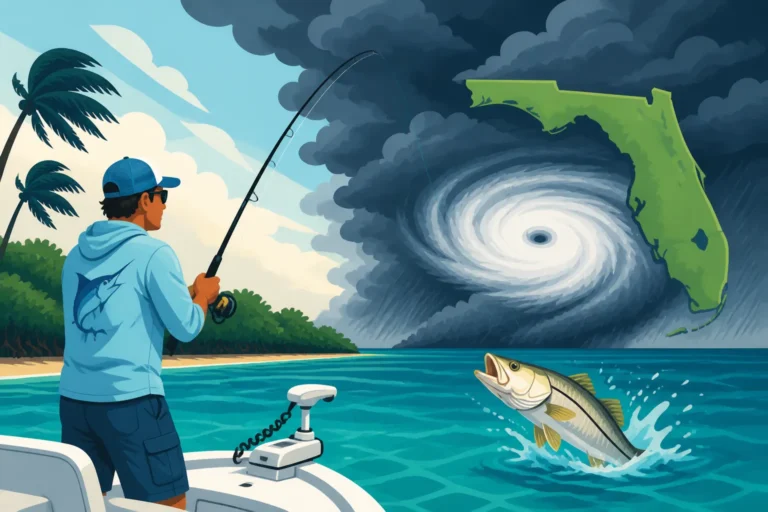
Florida is a fisherman's paradise, but it's not a one-size-fits-all fishing destination. Our inshore ecosystem is a beautiful, complex tapestry woven from shallow, sun-drenched grass flats, labyrinthine mangrove shorelines, unforgiving oyster beds, deep channels carved by tidal flow, bustling urban canals, and sturdy bridge pilings. Each of these unique habitats presents its own set of demands and opportunities for the discerning angler.
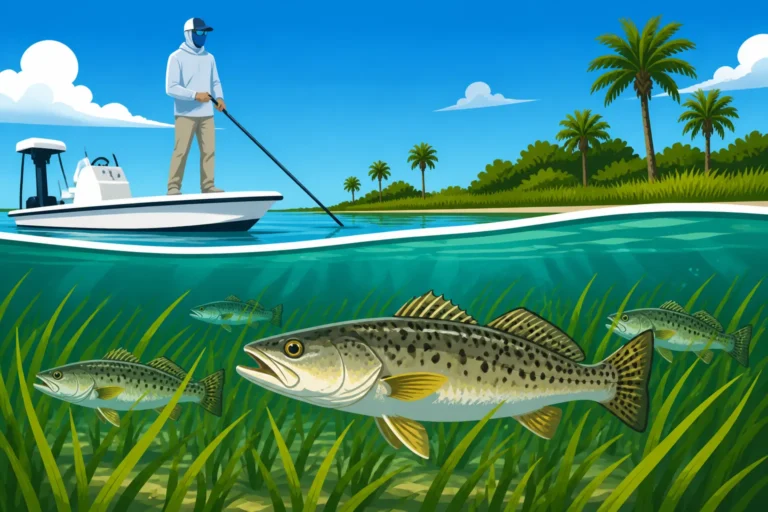
Imagine trying to navigate a tiny skiff through a narrow mangrove tunnel, casting with pinpoint accuracy, versus sight-casting to a tailing redfish on an expansive, glassy flat. The former requires a shorter, more powerful rod to extract fish quickly before they bury you in the roots, while the latter benefits from a longer rod for maximum casting distance and stealth. The constant exposure to saltwater, intense UV rays, and often abrasive structures like barnacle-encrusted docks and oyster bars means your gear isn't just battling fish; it's constantly fighting against corrosive elements and physical wear. You're not just buying a rod and reel; you're investing in tools that need to withstand the harsh realities of a truly wild and salty environment.
Target Species and Their Fights
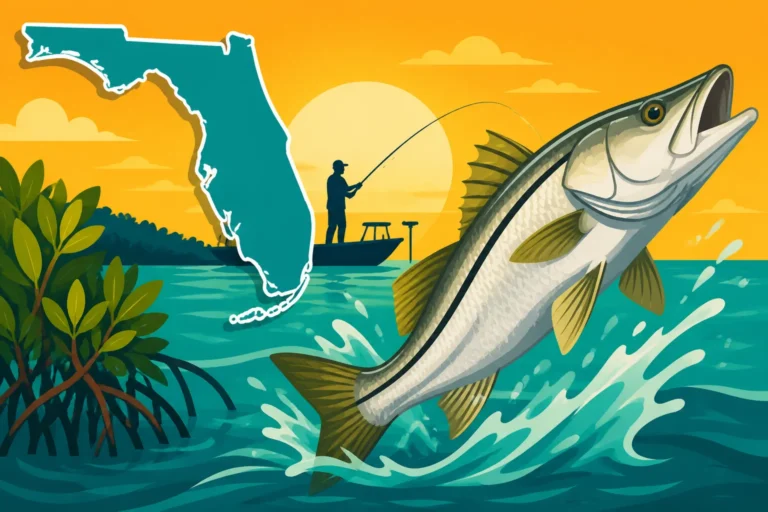
Florida's inshore waters are teeming with iconic game fish, each offering a distinct challenge and requiring a specific approach. When we talk about "inshore fishing," we're generally focusing on species like the hard-hitting snook, the powerful, bulldogging redfish, the acrobatic, yet delicate, spotted seatrout, and even juvenile tarpon that frequent brackish estuaries. Beyond these mainstays, you might encounter strong jack crevalle, tasty mangrove snapper, elusive sheepshead, and even the occasional black drum.
Each of these fish possesses a unique fighting style that will put your gear to the test. A snook's initial explosive run and head-shakes demand a reel with a smooth, consistent drag and a rod with sufficient backbone to turn its head. Redfish, with their strong, bottom-hugging pulls, require gear that can handle sustained pressure. Spotted seatrout, while not as powerful, can still surprise with quick runs and often strike with incredible subtlety, necessitating a sensitive rod. Juvenile tarpon, the "silver kings" in training, will test your tackle with their aerial acrobatics and powerful surges. Understanding these distinct fighting characteristics is paramount in selecting a rod and reel setup that can not only land the fish but also provide an enjoyable and confidence-inspiring fight. To truly master the art, check out our guide on Florida Inshore Fishing Techniques which delves into targeting these specific species.
Rod Characteristics for Inshore Success
Your fishing rod isn't just a stick; it's a precision instrument. Understanding its various attributes is key to selecting one that performs optimally in Florida's demanding inshore environment.
Length and Its Impact
The length of your fishing rod, typically measured in feet and inches, plays a significant role in your casting ability, leverage during a fight, and overall versatility. For most Florida inshore scenarios, rods typically range from 6'6" to 7'6". Shorter rods, in the 6'6" to 7' range, offer several advantages, especially when fishing in tight quarters. They provide more leverage when fighting a strong fish, allowing you to turn its head quicker and steer it away from structure like mangrove roots, oyster bars, or dock pilings. Their compact nature also makes them more accurate for precise casts into specific targets, which is crucial when targeting snook tucked deep under cover.
Conversely, longer rods, generally 7' to 7'6" or even longer, excel at maximizing casting distance. This is a huge benefit when you need to cover a lot of water on open grass flats or when trying to reach wary fish without spooking them by getting too close. The increased length also provides more shock absorption, which can be a blessing when a powerful fish makes a sudden, blistering run, acting as a larger lever to distribute the strain. Additionally, longer rods are often better for working topwater lures or suspending baits, allowing for more subtle rod tip movements to impart action. When considering a rod for different applications, it's wise to ponder where you'll be spending most of your time. If you're a keen sight-fisherman on the vast open flats, a 7'6" rod might be your best friend. For someone navigating the tight quarters of the Everglades backcountry, a 7' rod might be the more practical choice.
Action and Power Explained
Beyond length, a rod's "action" and "power" are critical descriptors that define how it performs. These two characteristics are often confused but describe very different aspects of the rod.
Action refers to where the rod bends when pressure is applied.
- Fast Action rods bend primarily in the top third or quarter of the blank. This provides exceptional sensitivity, allowing you to feel even the slightest tap or subtle bite. The stiff mid-section also enables lightning-fast hook sets, which is crucial when targeting fish with tough mouths or when working artificial lures that require quick responsiveness.
- Moderate-Fast Action rods bend through the top half of the blank. This offers a good balance between sensitivity and flexibility. It's often considered a versatile choice, allowing for easier casting of a wider range of lures and providing more forgiveness during the fight, reducing the chance of pulling hooks on aggressive head shakes.
- Moderate Action rods bend further down into the blank. These are less common for inshore artificial lure fishing but can be excellent for live bait applications where a softer tip allows fish to take the bait without immediate resistance, or for techniques requiring a more parabolic bend like fishing with treble hook lures to keep fish pinned.
Power describes the rod's lifting strength or stiffness (e.g., ultralight, light, medium, medium-heavy, heavy). It indicates how much pressure the rod can withstand without breaking and how much force it takes to bend the rod.
- For most Florida inshore species, a Medium (M) or Medium-Heavy (MH) power rod is the sweet spot. A medium-power rod is versatile enough for trout, redfish, and smaller snook, offering a good blend of casting ability and fighting power. A medium-heavy rod provides more backbone, essential for wrestling larger snook from heavy cover or for handling bigger redfish and juvenile tarpon. For techniques specifically targeting snook, understanding the Florida Snook Permit Requirements is also crucial, as regulations often dictate how you handle these fish.
A popular and highly effective combination for Florida inshore fishing is a Medium-Heavy Power, Fast Action rod. This setup provides the sensitivity needed to detect subtle bites from wary fish, the quick hook-setting ability required for artificial lures, and the raw power to control and turn strong fish before they can break you off on structure.
Material Matters: Graphite vs. Fiberglass
The material your fishing rod is constructed from fundamentally impacts its weight, sensitivity, and durability. Modern fishing rods predominantly utilize either graphite (carbon fiber), fiberglass, or a composite blend of the two.
Graphite rods are the undisputed champions when it comes to weight and sensitivity. High-modulus graphite rods are incredibly lightweight, which reduces angler fatigue during a long day of casting, and they transmit even the most delicate bites directly to your hand. This heightened sensitivity is invaluable when fishing with artificial lures, allowing you to feel the lure's action and any slight variations in the retrieve. The downside to pure graphite rods is that they can be more brittle and prone to snapping if subjected to extreme stress or impact, especially when high-modulus graphite is used. They typically offer less flexibility than fiberglass.
Fiberglass rods, on the other hand, are renowned for their durability and flexibility. They are generally heavier than graphite but incredibly tough, making them more forgiving against impacts and powerful fish runs. The softer, more parabolic bend of fiberglass can be advantageous for live bait fishing, as it allows the fish to take the bait without feeling immediate resistance. However, fiberglass rods are significantly less sensitive than graphite, making it harder to detect subtle bites or to feel the nuances of your lure's presentation.
Many high-quality rods today are composite blends, combining the best attributes of both materials. These rods might feature a graphite core for sensitivity and lightweight performance, with a layer of fiberglass for added durability and a more forgiving action. Brands like St. Croix, with their popular Mojo Inshore series, and Daiwa offer excellent composite rods that strike a fantastic balance for the demanding Florida inshore scene. When browsing for a new rod, whether online through platforms like Amazon or at a local tackle shop, pay close attention to the material composition to ensure it aligns with your fishing style and the specific challenges of your target environment.
Reel Characteristics for Inshore Durability and Performance
A fishing reel is a complex piece of machinery that needs to stand up to immense pressure, both from fighting fish and from the corrosive power of saltwater. Choosing the right one is paramount.
Spinning vs. Baitcasting Reels
The choice between a spinning reel and a baitcasting reel is often one of personal preference, but each type offers distinct advantages and disadvantages for inshore fishing.
Spinning reels are by far the most popular and versatile choice for the majority of Florida inshore anglers, especially for those new to the game. They are renowned for their ease of use, particularly in casting. The open-faced design, with the line peeling directly off a stationary spool, makes them incredibly forgiving, greatly reducing the dreaded "bird's nest" or backlash that can plague baitcaster users. This makes them ideal for casting lighter lures, live baits, and soft plastics, which are staples of inshore fishing. Spinning reels are also generally easier to switch hands with during a fight, and their drag systems are typically smooth and straightforward to adjust. For a reliable, all-around inshore setup, a quality spinning reel in the 3000 to 4000 series (referring to size, not capacity) is an excellent starting point, allowing you to comfortably handle anything from small trout to powerful snook and redfish.
Baitcasting reels, while having a steeper learning curve, offer superior casting accuracy and unparalleled line control for experienced anglers. The direct drive system often translates to more cranking power, which is beneficial when trying to pull a big fish away from heavy cover. Baitcasters are also excellent for pitching and flipping lures into tight spots and can handle heavier lines and lures with greater efficiency. The thumb control over the spool allows for precise lure placement and immediate stopping power if a fish tries to run into structure. However, they are more prone to backlashes if not spooled or cast correctly, especially with lighter lures or in windy conditions. Many anglers choose to have both types of setups: a spinning reel for general versatility and finesse, and a baitcaster for specific applications like targeting structure-oriented snook or pitching heavy jigs for a specific area.
Gear Ratio and Drag System
Two critical specifications often overlooked when choosing a reel are the gear ratio and the drag system, both of which profoundly impact how the reel performs during the cast and retrieve, and especially during a fish fight.
The gear ratio tells you how many times the spool (or rotor on a spinning reel) turns with one full rotation of the handle. A higher gear ratio, such as 7.1:1, means a faster retrieve speed. This is fantastic for quickly picking up slack line, working fast-moving lures like topwaters or jerkbaits, and making quick follow-up casts. Conversely, a lower gear ratio, perhaps 5.2:1, provides more cranking power, making it easier to battle strong, stubborn fish or to retrieve heavier lures against resistance. For a versatile inshore setup, a reel with a mid-range gear ratio (around 6.0:1) offers a good balance of speed and power, allowing you to adapt to various fishing techniques and species. If you find yourself mostly working artificials that need to move fast, leaning towards a higher ratio is a smart move.
The drag system is arguably the most vital component of any fishing reel, especially in saltwater. A smooth, consistent drag is what prevents your line from breaking when a powerful fish makes a sudden, blistering run. Look for reels that boast high-quality carbon fiber drag washers, as these provide a much smoother and more consistent release of line under pressure compared to felt or composite washers, which can become sticky or inconsistent when heated by a screaming run. The maximum drag rating (often listed in pounds) indicates the peak stopping power of the reel, but the quality and smoothness of the drag are far more important than just the number. A jerky, inconsistent drag will lead to snapped lines and lost fish. When a trophy snook suddenly decides to burn line towards the nearest pilings, a reliable drag is your last line of defense. Remember to always set your drag properly before fishing – not too tight that it breaks your line, and not too loose that you can’t control the fish.
Corrosion Resistance: A Must-Have
Let's be blunt: saltwater is an absolute beast on fishing gear. If your reel isn't specifically designed for saltwater use with robust corrosion resistance, its lifespan in Florida's humid, salty environment will be tragically short. This isn't an optional feature; it's a non-negotiable requirement for any serious inshore angler.
When evaluating reels, look for key indicators of corrosion resistance. Sealed bearings are crucial, preventing saltwater and grit from entering and seizing up critical internal components. The reel body itself should be constructed from anodized aluminum, graphite, or composite materials known for their resilience against salt. Stainless steel components, such as shafts, screws, and gears, are also vital. Many reputable manufacturers, including Shimano (with models like the Saragosa or Stradic FL, widely available on Amazon), Penn (with their Battle or Spinfisher series), and Daiwa (like the BG or Saltist), engineer specific "saltwater series" reels that incorporate multiple layers of protection against the corrosive onslaught. They often feature proprietary coatings, advanced sealing technologies, and high-quality, corrosion-resistant metals throughout. Even with these advanced features, proper maintenance remains key. A thorough rinse with fresh water after every single trip is absolutely essential to dislodge salt crystals and grime, significantly extending your reel's operational life. Neglect this step, and even the most corrosion-resistant reel will eventually succumb to the relentless power of salt.
Line Selection: The Unsung Hero
Often overlooked, your fishing line is the critical link between you and the fish. Choosing the right type and strength of main line and leader can drastically impact your success in Florida's inshore waters.
Monofilament, Fluorocarbon, and Braided Lines
The world of fishing lines can be confusing, with each type offering distinct advantages. For Florida inshore fishing, braided line has become the overwhelming favorite for the main line, and for very good reason. Brands like PowerPro, Sufix, and Seaguar offer braided lines with incredible strength-to-diameter ratios, meaning a 20 lb braid is often thinner than 8 lb monofilament, allowing for more line on your spool and longer, smoother casts. Braided line has virtually zero stretch, which translates to superior sensitivity, letting you feel the most subtle bites and the exact action of your lure. This lack of stretch also provides powerful, instantaneous hook sets, crucial for species like snook. For most inshore applications, 10-20 lb braided line is ideal for lighter tackle (e.g., trout and small redfish), while 20-30 lb is perfect for larger snook, bigger redfish, and juvenile tarpon.
Monofilament line, or "mono," while less sensitive and having considerable stretch, still has its place. It's often used as backing on spinning reels (to prevent braided line from slipping) or for certain topwater lures where its stretch and buoyancy can enhance lure action. It's also less expensive than braid or fluorocarbon.
Fluorocarbon line is a game-changer when it comes to leaders. Its key advantage is its near-invisibility underwater, as it has a refractive index very similar to water, making it virtually undetectable to wary fish. It also boasts excellent abrasion resistance, which is invaluable when fishing around sharp oyster shells, barnacle-encrusted pilings, or the raspy mouths of fish. While some anglers use fluorocarbon as a main line for specific applications, its stiffness and higher cost generally make it less common for inshore fishing main lines. Most anglers opt for a braided main line connected to a fluorocarbon leader. When selecting braided line, remember that reputable brands are key, and you can find a vast selection on Amazon, often with competitive pricing.
Leader Materials and Their Importance
The leader is arguably the most critical component in your entire fishing setup for Florida inshore environments. It's the sacrificial link that connects your main line to your lure or hook, and its properties are paramount for both stealth and durability. A good fluorocarbon leader is almost universally considered mandatory for inshore fishing here. Its aforementioned low visibility is a huge advantage in clear, shallow waters where fish like snook and redfish can be incredibly wary and easily spooked by a visible main line.
Beyond invisibility, the abrasion resistance of fluorocarbon is non-negotiable. Whether you're battling a snook that tries to run you into the unforgiving rough edges of a bridge piling, an oyster bar, or even the razor-sharp gill plates of a big redfish, a strong, tough leader can prevent heartbreak. For most inshore species, leader strengths typically range from 20 lb to 40 lb. For those days when you're specifically targeting larger snook or juvenile tarpon in heavy cover, bumping up to 50 lb or even 60 lb fluorocarbon is a smart move. Don't cheap out on leader material; a high-quality leader from brands like Seaguar, Berkley Vanish, or Yo-Zuri will pay dividends.
Learning to tie proper knots, especially for connecting your braided main line to your fluorocarbon leader, is absolutely essential. Knots like the FG knot or the Alberto knot are popular choices because they retain a high percentage of the line's breaking strength and create a slim profile that passes smoothly through rod guides. A poorly tied knot is always the weakest link in your system, regardless of how good your rod, reel, or line are. Mastering this aspect of your tackle will significantly increase your landing rates. For more specifics on line strength, our guide on What Pound Test Line for Snook Fishing? provides detailed recommendations.
Putting It All Together: Recommended Setups
Now that we've broken down the individual components, let's look at how to combine them into effective and balanced rod and reel setups tailored for different Florida inshore fishing scenarios.
Light Tackle for Finesse Fishing
Sometimes, finesse is the name of the game. For targeting smaller, more delicate species, or when fishing with ultralight baits and lures, a light tackle setup can be incredibly effective and immensely fun. This kind of setup excels when chasing spotted seatrout over grass flats, working small jigs for pompano in the surf, or simply enjoying the fight of smaller species that become giants on appropriate gear.
Rod: Aim for a rod between 6'6" and 7' in length, with a Medium-Light (ML) power and a Fast action. This combination provides exceptional sensitivity, allowing you to feel the slightest nibble, even from a cautious trout. The fast action ensures quick and precise hook sets, vital for these subtle biters. The lighter power makes casting small, lightweight lures effortless and enhances the fighting experience of smaller fish.
Reel: A 2500 to 3000 series spinning reel is perfectly matched for this rod. Look for a reel that is smooth, lightweight, and boasts a reliable drag system. Even though you're targeting smaller fish, you don't want a jerky drag to snap a light line.
Line: Spool your reel with 10-15 lb braided main line. This thin, sensitive braid will maximize your casting distance and feel. Connect it to a 20-25 lb fluorocarbon leader, providing that crucial invisibility and abrasion resistance. This setup is a joy to fish, making every hook-up feel like a genuine accomplishment.
Medium Tackle for Versatility
If you're looking for one setup that can handle the vast majority of Florida's inshore fishing challenges, the medium tackle setup is your workhorse. This is the "go-to" rig that will serve you well whether you're chasing redfish in the mangroves, snook under a bridge, or a mixed bag of species on the open bay.
Rod: A 7' to 7'6" rod with a Medium (M) to Medium-Heavy (MH) power and a Fast action is the sweet spot. The length offers a great balance of casting distance and accuracy. The medium-heavy power provides enough backbone to control powerful fish and pull them away from structure, while the fast action maintains excellent sensitivity for detecting bites and setting hooks quickly. This rod will feel comfortable and capable in almost any situation.
Reel: Pair this rod with a 3000 to 4000 series spinning reel. This size offers ample line capacity, a strong enough drag for serious fish, and good cranking power. Look for reels with a high maximum drag rating (at least 15-20 lbs) and, as always, a buttery-smooth operation. Models like the Shimano Stradic FL or the Penn Battle III (both readily available from retailers or online via Amazon) are highly regarded in the inshore community for their durability and performance.
Line: Use 15-20 lb braided main line for its strength, sensitivity, and casting performance. Attach a 30 lb fluorocarbon leader. This combination provides a robust yet stealthy connection, capable of withstanding the punishing fights of larger inshore species. This versatile setup is ideal for anglers who want a single, reliable rig that can do it all. When you're trying to figure out How to Read a Tide Chart for Fishing for different species, this is the setup that will often give you the most options.
Heavy Tackle for Brutes and Heavy Cover
There are times when you need to bring out the big guns. When you're specifically targeting the largest snook around unforgiving docks and bridges, or going after powerful juvenile tarpon in estuaries, or even wrestling giant jack crevalle, a heavy tackle setup is non-negotiable. This setup is all about raw power and control, designed to extract fish quickly from heavy cover before they can break you off.
Rod: Opt for a 7' to 7'6" rod with a Medium-Heavy (MH) to Heavy (H) power and a Fast action. The primary goal here is backbone – you need a rod that can effectively turn the head of a large, powerful fish almost immediately to prevent it from reaching structure. The fast action ensures that despite the rod's power, you still have the sensitivity to feel bites and the quick tip to set hooks.
Reel: A 5000 series spinning reel is an excellent choice for heavy tackle, offering significantly more line capacity and a much stronger drag system (look for 20+ lbs of max drag). Alternatively, a robust baitcasting reel in the 200-300 series can provide even more direct cranking power and control, preferred by many experienced anglers for pitching heavy lures in tight spots. Brands like Daiwa Saltist or Penn Spinfisher are built for this kind of abuse and are often found at specialist tackle shops or on Amazon.
Line: Spool your reel with 30-40 lb braided main line. This heavy braid provides the raw stopping power needed. Crucially, pair it with a 40-60 lb fluorocarbon leader. This heavy leader is essential for preventing break-offs against sharp gill plates, abrasive structures, and the sheer force of a large fish. This setup is less about finesse and more about brute force and rapid fish extraction, vital for landing the toughest inshore fighters. Remember that for certain species like snook, there might be specific Florida Snook Permit Requirements even when practicing catch and release.
Essential Considerations Beyond Rods and Reels
While the rod and reel are the stars of the show, a few other crucial factors contribute to an enjoyable and successful inshore fishing experience in Florida.
Comfort and Ergonomics
Fishing, especially in Florida's often hot and humid conditions, can be an all-day affair. If your gear isn't comfortable to use, it will quickly lead to fatigue and dampen your enjoyment. This is where comfort and ergonomics come into play. When selecting a rod and reel, don't just look at the specs; consider how the entire setup feels in your hands.
The combined weight of the rod and reel is important; a lighter setup means less strain on your arms and shoulders, allowing for more casts and longer fishing sessions. Pay attention to the grip material on the rod handle – cork offers a classic feel and good traction, while EVA foam is durable and comfortable, especially when wet. Most importantly, how the rod and reel balance together is critical. A well-balanced setup will feel like an extension of your arm, making casting effortless and reducing wrist strain. It's highly recommended to visit a local tackle shop, like one of the numerous Bass Pro Shops locations throughout Florida, and physically hold different rod and reel combinations. Feel the weight, test the balance, and see which grip feels best. What feels "best" is entirely subjective, but finding your comfortable setup will significantly enhance your time on the water.
Spooling Your Line Properly
Having the best rod and reel money can buy means absolutely nothing if your fishing line isn't spooled correctly. Improperly spooled line is the root cause of countless frustrating tangles, wind knots, reduced casting distance, and premature line failure. This often overlooked step is foundational to a hassle-free fishing experience.
When loading braided line onto a spinning reel, there's a critical detail: you need to use a small amount of monofilament backing first. Braid is very slick, and without a mono backing (typically 50-100 yards of 10-15 lb mono), it will slip and spin around the arbor of the spool, leading to constant headaches and an ineffective drag. The mono provides the necessary friction for the braid to grip. Additionally, avoid both overfilling and underfilling your spool. Overfilling leads to line coming off the spool in coils during the cast, causing wind knots and tangles. Underfilling reduces your casting distance and can negatively impact drag performance. Most reels have a subtle line fill indicator on the spool lip, often a small indentation or line, which shows the ideal fill level. If you're unsure or prefer professional precision, most local tackle shops, and even many sporting goods departments at places like Walmart, will happily spool your line for a small fee, ensuring it's done perfectly. Don't underestimate the impact of correctly spooled line; it's a small detail that makes a huge difference.
Protecting Your Investment: Maintenance and Storage
Florida's saltwater environment is relentlessly harsh, and even the most expensive, corrosion-resistant gear will quickly degrade if neglected. Proper maintenance and storage are not just good practice; they are absolutely essential for maximizing the lifespan and performance of your rod and reel setup. Think of it as protecting a valuable investment.
The golden rule for saltwater fishing gear is simple: rinse thoroughly with fresh water after every single use. This means a gentle but complete rinse of your entire rod and reel. Pay particular attention to the reel itself, the rod guides, and the reel seat, as these areas are prime targets for salt buildup and corrosion. Avoid blasting the reel with high-pressure water, which can force water past seals and into bearings. Once rinsed, allow your gear to air dry completely, ideally in a shaded, well-ventilated area, before storing it. Periodically, especially after multiple trips, consider applying a light, saltwater-specific lubricant or corrosion-inhibiting spray (like CorrosionX or Reel Magic) to the reel's moving parts and the rod guides.
For storage, keep your rods organized either horizontally on a wall rack or vertically in a rod holder, away from direct sunlight, which can degrade line and rod blanks over time. Never store rods with tension on them or leaning against surfaces that could cause them to warp or crack. By dedicating just a few minutes to proper cleaning and careful storage after each outing, you'll dramatically extend the life of your valuable fishing equipment, ensuring it's ready for your next adventure in the Sunshine State. This diligent care will save you money in the long run and ensures your gear performs optimally, whether you're fishing in your local canal or exploring the best inshore fishing spots in Florida.
Disclaimer
The information provided in this guide is for general informational purposes only and does not constitute professional advice. Fishing regulations, license requirements, and local conditions in Florida can change frequently. Always consult the latest rules and guidelines from the Florida Fish and Wildlife Conservation Commission (FWC) before engaging in any fishing activities. Ensure you have the appropriate Florida Fishing License Guide and understand all Florida Fishing Regulations and Bag Limits for your target species and location.