What to Pack for a Florida Offshore Fishing Trip
Heading out for an offshore fishing trip in Florida is an exhilarating adventure, promising big catches and unforgettable memories. But anyone who’s spent a day battling the elements miles from shore knows that the ocean is a beautiful, yet unforgiving, environment. Showing up unprepared can quickly turn a dream trip into a miserable experience, leaving you sunburnt, seasick, or simply uncomfortable. This guide is designed to make sure you're ready for anything the deep blue throws your way, ensuring your Florida offshore fishing trip is as epic as you imagine.
Understanding the Offshore Environment
Before you even start thinking about what to put in your bag, it's crucial to understand the unique challenges of offshore fishing in Florida. We're talking about venturing far beyond sight of land, where conditions can change in a heartbeat, and the sun's intensity is multiplied. Knowing what you're up against helps you pack smart, not just pack a lot.
The Unpredictable Nature of the Open Ocean
One moment you might be cruising on calm, glassy seas, soaking up the sun's warmth. The next, a sudden squall could roll in, whipping up choppy waves and drenching everything on deck. This isn't your backyard pond fishing, folks. When you're miles offshore, shelter is limited, and a sudden downpour or an unexpected patch of rough water can make you wish you'd brought that extra layer or waterproof jacket. The ocean has a way of reminding you who's boss, and being prepared for rapid shifts in weather is paramount for both comfort and safety.
Beyond just rain, temperatures can fluctuate significantly from morning to midday, or with a sudden change in wind direction. What feels cool and breezy at dawn can become sweltering by noon, and vice-versa if a cold front unexpectedly pushes through. Planning your gear with layers in mind is a golden rule for any offshore excursion. You want to be able to adapt quickly without having to retreat into the cabin or feel miserable for hours. Many experienced captains will tell you that the most common mistake newcomers make is underestimating how quickly conditions can sour out on the open water.
Sun Exposure and Its Dangers on the Water
The Florida sun is no joke, and when you’re out on the water, its intensity is amplified. Not only are you getting direct sunlight from above, but the reflective surface of the water bounces those UV rays right back at you, hitting you from below. This double whammy means you can get severely sunburned even on a cloudy day or in areas you might not typically expose, like the underside of your chin or your earlobes. A day of offshore fishing often means 6, 8, or even 12 hours under this relentless exposure.
The dangers aren't just immediate sunburn. Prolonged sun exposure leads to dehydration, heat exhaustion, and over time, increases your risk of skin damage and skin cancer. Windburn is another often-overlooked issue; the constant breeze can dry out your skin, making it more susceptible to sun damage and leaving you feeling chapped and sore. That’s why your sun protection strategy needs to be comprehensive, going beyond just a quick splash of sunscreen. Think about covering up, wearing proper headwear, and protecting your eyes – it’s a marathon, not a sprint, when it comes to sun safety offshore.
Essential Personal Gear for Comfort and Safety
Now that we've painted a picture of the offshore environment, let's talk about the absolute must-haves for your personal comfort and safety. These items aren't just about making your day more enjoyable; they can make the difference between a great trip and a grueling one.
Clothing Layers and Rain Protection
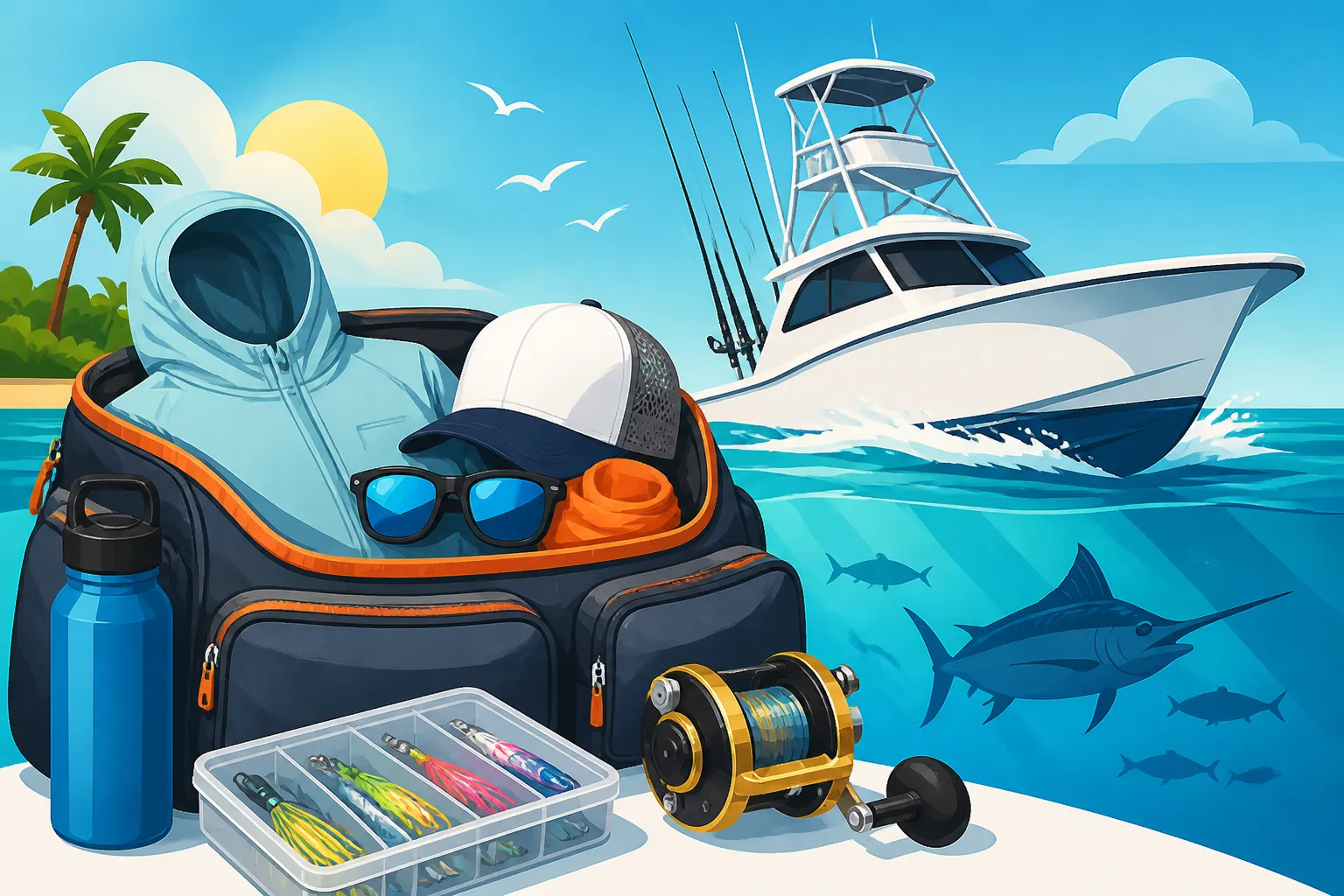
Layering is your best friend on an offshore trip. Start with a light, moisture-wicking base layer. Think long-sleeve performance shirts made from synthetic materials or even light merino wool. These fabrics help pull sweat away from your skin, keeping you cooler when it's hot and warmer when it's damp. Even on the hottest days, long sleeves are crucial for sun protection, preventing those nasty burns that can cut your trip short or make the next few days miserable.
Over your base layer, consider a light jacket or hoodie, especially for the cooler morning ride out to the fishing grounds. It can get surprisingly chilly with the boat speeding along. And no matter what the forecast says, always, always pack a good quality, lightweight rain jacket and possibly rain pants. Florida weather is famously fickle, and a pop-up shower can catch you miles offshore. A truly waterproof outer shell will be your savior, keeping you dry and preventing that uncomfortable, chilling feeling that comes with being soaked by sea spray or rain. Look for gear that's easy to pack down small, as boat space can be limited. When you're planning your trip through a service like FishingBooker, it's a good idea to check the weather forecast for the specific area you'll be fishing, but always be ready for the unexpected.
Sun Protection is Non-Negotiable
This point cannot be stressed enough. We're talking about more than just a bottle of sunscreen. Your sun protection strategy should be multi-faceted:
- High-SPF Sunscreen: Opt for a broad-spectrum sunscreen with an SPF of 30 or higher, and make sure it's water-resistant. Apply it generously before you even leave the dock, covering all exposed skin – face, neck, ears, hands, and any part of your legs if you're wearing shorts. Reapply every couple of hours, or more frequently if you're sweating a lot or getting splashed. Don't forget your lips; a good SPF lip balm is a smart addition.
- Wide-Brimmed Hat or Cap: A hat that offers good face and neck coverage is invaluable. Many anglers prefer wide-brimmed hats or caps with neck flaps that fully shield from the sun. Baseball caps are better than nothing, but they leave your ears and neck exposed.
- Buff or Neck Gaiter: These are fantastic for protecting your face, neck, and even your ears from the sun and wind. They’re breathable, comfortable, and can be pulled up over your nose and mouth for extra coverage.
- Polarized Sunglasses: Beyond protecting your eyes from harmful UV rays, polarized sunglasses are a game-changer for spotting fish, identifying structure, or even just seeing obstacles in the water. They cut glare significantly, reducing eye strain and improving visibility, which can make a long day much more enjoyable. Think of them as essential vision tools, not just a fashion accessory.
Footwear for a Moving Deck
Your choice of footwear is crucial for safety on a rocking boat. Non-slip shoes are an absolute must. Boat decks can get wet and slick with fish slime, bait, and spray, and the last thing you want is to slip and fall, potentially injuring yourself or others. Look for shoes with good traction, like deck shoes, boat shoes, or even sturdy athletic shoes with non-marking soles.
Avoid flip-flops or sandals that don't offer much support or protection. While comfortable on land, they can be dangerous on a moving vessel, especially if you step on a hook, a fish spine, or a sharp edge. Closed-toe shoes also protect your feet from dropped weights, coolers, or even an excited fish flopping around. Choose a pair that you don’t mind getting wet or dirty, as they most likely will. Comfort is key too, as you'll be on your feet for extended periods.
Fishing-Specific Essentials (Beyond What the Charter Provides)
While most reputable Florida fishing charters will provide all the necessary rods, reels, tackle, and bait, there are still a few fishing-specific items you might want to bring along to enhance your experience or simply be more prepared. Never assume everything will be covered, especially if you have particular preferences.
Your Personal Tackle (Optional but Recommended)
Even if your charter captain has a boat full of top-notch gear, many seasoned anglers like to bring a few personal items. This isn't about distrusting the captain, but about having confidence in your preferred tools. For offshore trips, a few extra lures or jigs that you know work well for certain species can't hurt. Perhaps you have a favorite type of leader material or a specific knot-tying tool you swear by. Best Rod and Reel Setup for Florida Offshore Fishing might be a good read to understand gear specifics.
Additionally, a small pair of needle-nose pliers or de-hookers are invaluable for safely removing hooks from fish, especially those with sharp teeth or that are to be released. A good fishing knife, specifically designed for saltwater use, can also be handy for cutting line, bait, or performing quick tasks. Just remember to check with your captain beforehand if you plan to bring any substantial gear of your own, as space can be tight and they might have specific rules for personal equipment on their vessel.
Tools and Accessories
Beyond the basics, a few accessories can make a big difference.
- Fishing Gloves: These can protect your hands from abrasions, line cuts, and fish spines, especially when handling larger, tougher species like grouper or snapper. They also offer extra grip when reeling in a big one.
- Lip Grippers: For certain species, like mahi-mahi or larger snapper, lip grippers provide a safer way to handle the fish for photos or de-hooking, without having to put your hands directly near sharp fins or teeth. They can also help preserve the fish if you plan to release it.
- Camera or Phone with Waterproof Protection: You'll want to capture those trophy shots! Make sure your phone is in a waterproof case or bring a dedicated waterproof camera. The last thing you want is a saltwater-damaged device.
- Small, Dry Bag: This is a lifesaver for keeping your wallet, keys, phone, and any other electronics or valuables completely dry and safe from spray or rain. Even if you're confident in the weather, a rogue wave or an accidental splash can happen anytime.
Food, Drinks, and Keeping Hydrated
Offshore fishing trips are often long, sometimes spanning a full day or even longer. You'll be expending energy fighting fish and battling the elements, so keeping your body fueled and hydrated is crucial. Don't rely solely on what might be offered by the charter.
Packing Smart for Sustained Energy
Think about snacks and meals that are easy to eat, don't require much preparation, and aren't too messy. Sandwiches, wraps, and fruit (like apples or bananas) are always good choices. Protein bars, granola bars, nuts, and trail mix are excellent for quick energy boosts. Avoid anything too greasy or heavy, as it can sometimes contribute to seasickness for those who are prone to it.
Consider packing your food in small, reusable containers to minimize waste and keep things organized. If you bring a small cooler for your personal food and drinks, make sure it's compact enough not to be a hindrance on deck. Always ask your captain if they have space in their main cooler or if you should bring your own. Remember, a well-fed angler is a happy and effective angler!
Hydration is Key
Dehydration is a real concern on the water, exacerbated by sun exposure, physical exertion, and even the breeze. Water should be your primary beverage. Bring plenty – more than you think you’ll need. Individual bottles are convenient, but a large, insulated water bottle that you can refill (if the boat has a water source) is more eco-friendly.
Sports drinks with electrolytes can also be beneficial, especially if you're sweating a lot, as they help replenish essential salts and minerals lost during physical activity. Avoid excessive alcohol or sugary sodas, which can contribute to dehydration and might not mix well with potential seasickness. Staying well-hydrated from the moment you wake up on fishing day can help prevent issues before they even start. You can learn more about general preparation by reading What to Bring on a Florida Fishing Charter.
Dealing with Seasickness and Other Contingencies
Seasickness is one of the biggest potential trip-ruiners, and it can strike anyone, even seasoned boaters, given the right conditions. Being prepared for it, along with other unexpected situations, can save your trip and your sanity.
Prevention and Treatment
Don't wait until you feel green to address seasickness. If you're prone to it, or even if you're not sure, take preventative measures. Over-the-counter medications like Dramamine or Bonine should be taken before you board the boat, usually an hour or so in advance. Follow the directions carefully, as some can cause drowsiness.
Natural remedies include ginger (ginger chews, ginger ale, or ginger capsules) and acupressure wristbands (like Sea-Bands). These can work wonders for some people. During the trip, try to stay on deck in the fresh air, focus on the horizon, and avoid reading or looking at your phone. Small, bland snacks like crackers can also help settle your stomach. Inform your captain if you start feeling unwell; they often have tricks or remedies to help. Reading How to Avoid Seasickness on a Florida Fishing Charter could provide even more helpful tips.
First-Aid and Emergency Items
Your charter captain will undoubtedly have a fully stocked first-aid kit on board, but it’s always a good idea to bring a small, personal kit with your own essentials. This could include:
- Any Personal Medications: Don't forget prescription meds, inhalers, or allergy medicines you might need. Keep them in a waterproof container.
- Pain Relievers: Ibuprofen or acetaminophen for headaches or minor aches.
- Band-Aids and Antiseptic Wipes: For small cuts or scrapes, which are common on a boat.
- Motion Sickness Aids: As mentioned, bring your preferred choice.
- Aloe Vera: For those inevitable spots the sunscreen missed, or for minor windburn.
It’s about being self-sufficient for minor issues, allowing the captain to focus on running the boat and putting you on fish. While a captain is focused on getting you to the best spots, perhaps found through services like FishingBooker, personal preparedness is still key.
Handling Your Catch and Tipping Etiquette
Once you've reeled in that magnificent mahi-mahi or pulled up a hefty snapper, you'll need to know the drill. Most offshore charters include fish cleaning and bagging as part of their service. This is a huge convenience, as handling and cleaning fish on a boat or back at the dock can be a messy and time-consuming task. Confirm with your captain if this service is included.
Bring a small, insulated cooler with ice to transport your filleted catch home. Even if the charter provides a cooler for the fish during the trip, you’ll want your own for the drive. Place your fish in sealable plastic bags before putting them on ice to prevent them from getting waterlogged.
Finally, remember that your fishing guide works incredibly hard to give you a great experience. Tipping is customary and greatly appreciated, typically around 15-20% of the total charter cost. They put in long hours, deal with all sorts of conditions, and often go above and beyond to ensure your comfort and success. A good resource for this is Tipping Etiquette for Florida Fishing Guides.
The Ultimate Offshore Packing Checklist
To make things easy, here’s a quick checklist of everything we’ve discussed. Use this as your go-to reference when packing for your next Florida offshore fishing adventure.
| Category | Item | Notes |
|---|---|---|
| Clothing | Long-sleeve performance shirt | Light, breathable, moisture-wicking for sun protection |
| Light jacket/hoodie | For cool mornings or unexpected temperature drops | |
| Waterproof rain jacket/pants | Florida weather is unpredictable; essential for sudden showers and spray | |
| Comfortable shorts/pants | Quick-drying materials are best | |
| Non-slip, closed-toe shoes | Deck shoes, boat shoes, or sturdy athletic shoes with good traction | |
| Sun Protection | High-SPF (30+) water-resistant sunscreen | Apply before boarding, reapply frequently |
| Wide-brimmed hat or cap | Protects face, ears, and neck | |
| Buff or neck gaiter | Additional face and neck protection from sun and wind | |
| Polarized sunglasses | Cuts glare, protects eyes, improves visibility | |
| SPF lip balm | Don't forget your lips! | |
| Personal Comfort & Safety | Motion sickness medication | Take before boarding if prone to seasickness |
| Ginger chews/Sea-Bands | Natural remedies for seasickness | |
| Personal medications | Keep in a waterproof container | |
| Small personal first-aid kit | Band-aids, pain relievers, antiseptic wipes | |
| Small, dry bag | For phone, wallet, keys, electronics | |
| Food & Drink | Water | Plenty of it! |
| Electrolyte drinks | Sports drinks for rehydration | |
| Easy-to-eat snacks | Protein bars, nuts, fruit, sandwiches (avoid messy/greasy) | |
| Small personal cooler (optional) | If bringing a lot of your own food/drinks, check with captain | |
| Fishing Gear (Optional) | Fishing gloves | Protects hands from line, fish, and abrasions |
| Pliers/de-hookers | For safe hook removal | |
| Fishing knife | For cutting line, bait, etc. | |
| Lip grippers | For safer handling of certain species | |
| Waterproof camera/phone case | To capture those memories safely | |
| Cooler with ice | For transporting your catch home |
Remember, every trip is different, and communicating with your charter captain about what they provide and what you should bring is always a smart move. Many charters listed on platforms like FishingBooker offer detailed descriptions of what's included. By following this guide, you’ll be well-prepared for an epic and comfortable day chasing big fish in the beautiful Florida offshore waters. Happy fishing!
Disclaimer
This article is for general informational purposes only and does not constitute professional advice. Laws, prices and regulations vary by location and change over time. Consult a qualified professional for guidance on your specific situation.