What Size Boat Is Used for Florida Flats Fishing?
For many anglers, the dream of fishing Florida's pristine, shallow flats is a powerful draw. But once you start looking into it, you might realize that it’s not just any boat that will do. The unique environment of the flats demands a highly specialized vessel, and understanding what makes a "flats boat" tick, especially its size, is key to unlocking those incredible skinny-water experiences. This guide will walk you through the sizes and designs of boats commonly used for flats fishing in Florida, demystifying why these specialized crafts are perfectly engineered for stalking redfish, snook, and tarpon in mere inches of water.
The Unique World of Florida Flats Fishing
Before we dive into the boats themselves, it’s essential to grasp what "flats fishing" truly entails in Florida. We're not talking about deep-sea fishing here, nor are we talking about casting into a local freshwater lake. Flats fishing is a whole different beast, focusing on extremely shallow, often crystal-clear saltwater environments.
What Defines the Flats?
Florida's flats are expansive areas of shallow water, typically ranging from a few inches to a few feet deep, characterized by sandy bottoms, seagrass beds, and occasional oyster bars. These areas are found along vast stretches of Florida's coastlines, from the Panhandle down to the Everglades and the Florida Keys. They're teeming with life, providing crucial habitats for a variety of sought-after game fish like redfish, snook, and spotted seatrout, as well as the elusive tarpon, bonefish, and permit. The challenge and allure of flats fishing come from the shallow, often exposed nature of these environments, which allows for sight fishing—spotting the fish before you cast to them.
Navigating these waters requires precision and stealth. Imagine trying to drive a deep-V offshore boat through water that barely covers your ankles; it's simply not feasible. The shallow depth means propellors can easily hit the bottom, churn up vital seagrass, or even leave you stranded. This unique setting is precisely why specialized boats were developed. These boats are designed to move quietly and efficiently without disturbing the delicate ecosystem or spooking the wary fish. Many guides specialize in this technique, and you can find many options on platforms like FishingBooker, which often detail the type of boat used.
Why Standard Boats Won't Cut It
Most conventional fishing boats, even bay boats, have a deeper draft than what's practical for true flats fishing. A deep-V hull, fantastic for punching through chop in open water, becomes a liability in a foot of water. The propeller and lower unit of an outboard engine would be constantly dredging the bottom, scaring fish, damaging the environment, and potentially ruining your equipment.
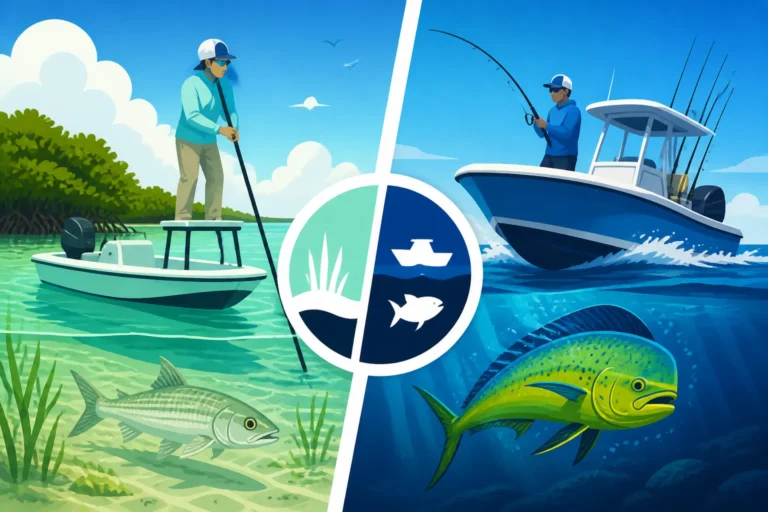
Furthermore, the noise and wake created by larger, heavier boats would instantly send sensitive flats species scattering. These fish are constantly on alert for predators, and a loud engine or large shadow is a surefire way to clear an entire flat. Flats fishing is an art of subtlety and precision, which extends directly to the vessel you choose. It's about being able to silently glide into position, often poled by a guide from an elevated platform, to make that perfect, unpressured cast. This is particularly true when pursuing highly skittish species like bonefish and permit on the clear flats of the Florida Keys.
The Anatomy of a Florida Flats Boat: Why Size Matters
A Florida flats boat isn't just a small boat; it's a meticulously designed piece of equipment engineered for a very specific purpose. Its size, shape, and features are all optimized to perform in incredibly shallow water while providing a stable, quiet platform for anglers.
Shallow Draft and Propulsion Systems
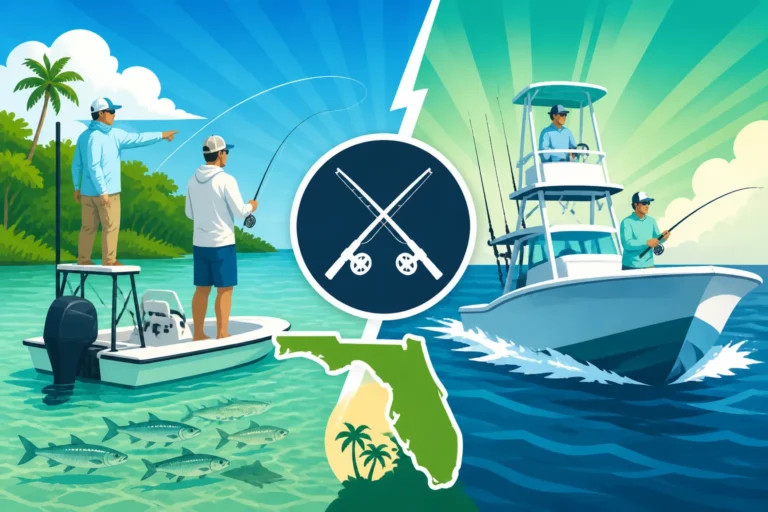
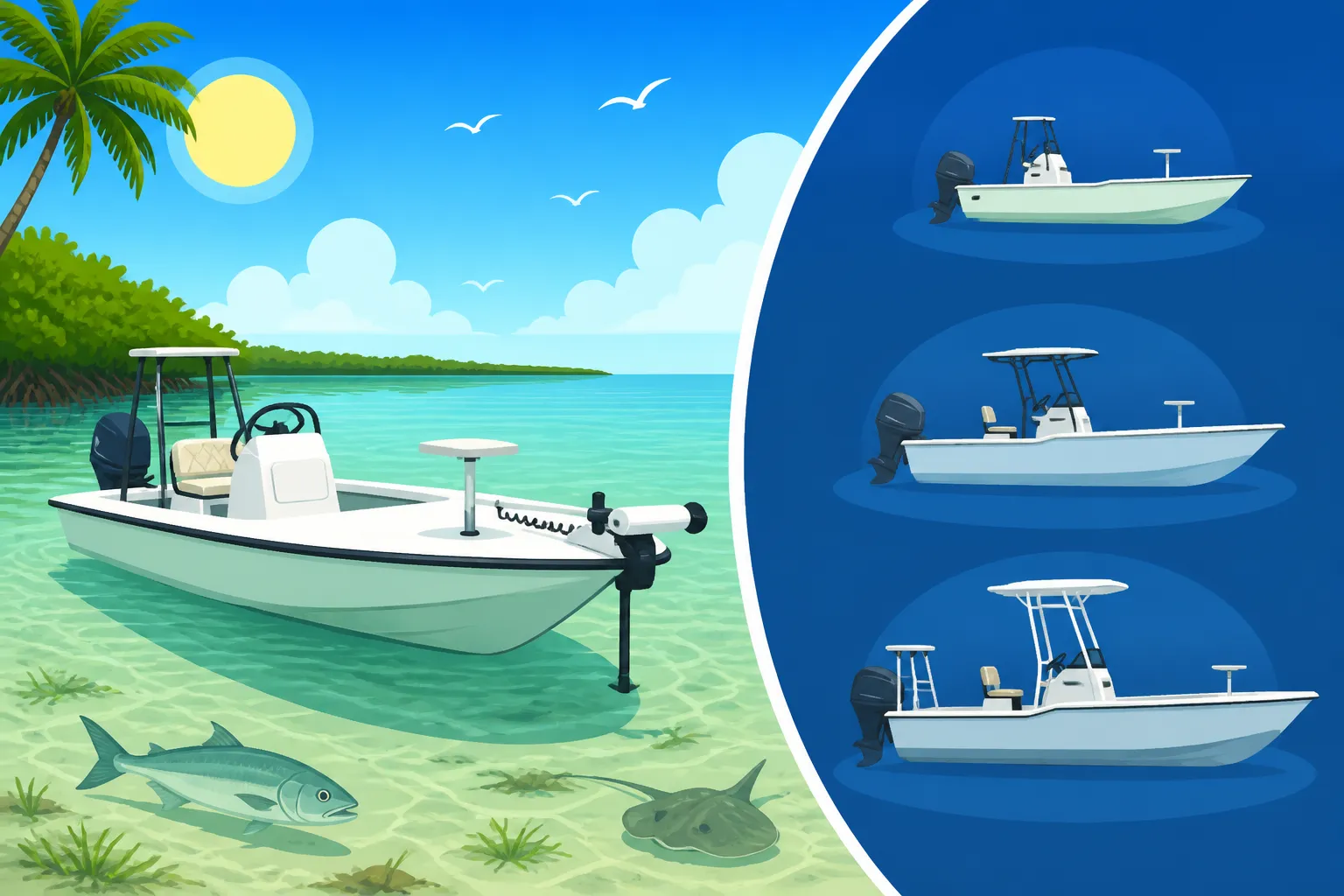
The defining characteristic of any flats boat is its incredibly shallow draft. This means the boat sits very high in the water, displacing minimal water and allowing it to float in just a few inches. This is achieved through a unique hull design, typically a modified V or a completely flat bottom at the stern, which tapers to a sharper entry point at the bow. This design allows the boat to literally skim over shallow areas without grinding on the bottom.
When the water gets too shallow for even the most efficient outboard to run without kicking up mud, flats boats employ a poling platform. This elevated platform at the stern allows a guide to stand high above the water, using a long fiberglass or carbon fiber pole to silently propel and steer the boat. This technique, known as poling, is virtually silent and creates no wake, making it ideal for sneaking up on unsuspecting fish. How to Pole a Flats Boat Quietly delves deeper into this essential skill. The small, lightweight nature of flats boats makes them perfect candidates for this manual propulsion.
Stealth and Stability
Imagine standing on a wobbly raft trying to cast a fly rod at a ghost-like tarpon. Not ideal, right? Flats boats, despite their shallow draft, are engineered for stability. Their wide beams (width) relative to their length, combined with carefully distributed weight, create a very stable platform for casting, even for multiple anglers. This stability is crucial, especially when fly fishing, where precise casting is paramount.
Stealth is also paramount. Beyond silent poling, flats boats are designed with minimal hull slap (the sound of waves hitting the hull), which can otherwise transmit vibrations through the water and alert fish. Their typically light colors help them blend with the sky and water, reducing their visual impact from below. Every aspect, from the placement of storage compartments to the type of decking material, is considered to minimize noise and maximize the angler's ability to approach fish undetected.
Casting Decks and Storage
Flats boats feature large, uncluttered casting decks both fore and aft. These elevated, flat surfaces provide anglers with an unobstructed view of the water, which is critical for sight fishing. Being able to spot a redfish tailing in the grass or a snook cruising a mangrove line before it sees you is the whole point. These decks are often coated with non-skid surfaces to ensure safety and stability, even when wet.
Storage on a flats boat is ingeniously designed to be practical yet compact. Everything has a place, from rod holders that keep expensive rods safe and out of the way, to livewells that keep bait fresh and lively, and dry storage for gear, tackle, and personal items. While not as cavernous as offshore boats, the storage is efficient and well-thought-out to keep the decks clear for casting.
Common Sizes and Types of Florida Flats Boats
When you're considering a flats fishing adventure, whether with a guide or in your own vessel, understanding the typical boat sizes is incredibly helpful. There isn't a one-size-fits-all answer, as different sizes cater to different needs, fishing styles, and even specific flats environments.
The Micro Skiff (14-16 Feet)
At the smaller end of the spectrum, we find the micro skiffs, typically ranging from 14 to 16 feet in length. These are the ultimate skinny-water specialists. Their incredibly light weight and minimal hull mean they can float in as little as 4-6 inches of water, sometimes even less. This allows them to access the absolute shallowest reaches of the flats, areas where larger boats simply cannot go.
- Pros: Unmatched shallow-water access, incredibly quiet, very fuel-efficient, excellent for solo anglers or a guide with one client. Perfect for stealthy approaches to highly skittish fish like redfish in flooded grass or tailing bonefish.
- Cons: Limited capacity (usually 1-2 anglers plus guide), less stable in choppy conditions or open bays, minimal storage, can be a wet ride if any chop develops. They are fantastic for specific, calm, extremely shallow conditions.
- Ideal Use: Dedicated sight fishing for redfish, snook, or bonefish in protected, calm, extremely shallow backcountry areas. Fly fishing is particularly suited to these minimalist platforms.
The Classic Flats Boat (17-19 Feet)
This size range is arguably the most iconic and versatile for Florida flats fishing. Boats from 17 to 19 feet strike a fantastic balance between shallow-water capability and comfort/versatility. They can still get into very shallow water (typically floating in 6-10 inches), but their slightly longer length and wider beam offer more stability and capacity.
- Pros: Excellent balance of shallow draft and comfort, better able to handle light chop in larger bays or slightly more exposed flats, more storage and deck space, can comfortably accommodate a guide and two anglers.
- Cons: Cannot access the absolute skinniest water that micro skiffs can, slightly less stealthy than a micro skiff due to increased size and weight (though still remarkably quiet when poled).
- Ideal Use: General flats fishing for a variety of species, including redfish, snook, and trout, in most flats environments. Suitable for both spin fishing and fly fishing, and can handle a wider range of conditions than a micro skiff. Many top guides, especially those found on platforms like FishingBooker, will operate a boat in this size range.
The Larger Flats/Hybrid Bay Boat (20+ Feet)
While pure flats boats rarely exceed 19 feet, some larger "hybrid" boats bridge the gap between a true flats skiff and a more traditional bay boat. These vessels, often 20 to 22 feet, offer more comfort, storage, and the ability to handle rougher conditions in open water or larger bays, while still maintaining a relatively shallow draft (often 10-14 inches). They might not get as skinny as a micro skiff, but they offer greater versatility.
- Pros: Much more comfortable ride in choppy conditions, more storage, higher capacity (guide plus 2-3 anglers), often have larger fuel tanks for longer runs, can cross larger bodies of water to access distant flats or even light nearshore fishing.
- Cons: Deeper draft limits access to the absolute skinniest waters, less stealthy for poling (though many still have poling platforms), typically louder with a larger engine.
- Ideal Use: Anglers who want the versatility to fish larger bays, nearshore wrecks, or cross open water to reach flats, as well as those who prioritize comfort and capacity for a small group. These are fantastic for a mixed bag of fishing techniques and locations, but might not be the choice for truly hardcore, ultra-shallow sight fishing. When you search for Florida fishing charters on sites like FishingBooker, you'll see a range of boat types, and these larger hybrids are often a popular choice for their flexibility.
Here's a quick comparison of typical flats boat characteristics:
| Boat Type | Typical Length | Min. Draft (Approx.) | Angler Capacity (excl. guide) | Ideal Conditions | Key Advantage |
|---|---|---|---|---|---|
| Micro Skiff | 14-16 ft | 4-6 inches | 1 | Calm, extremely shallow, protected | Unrivaled skinny-water access |
| Classic Flats | 17-19 ft | 6-10 inches | 1-2 | Calm to light chop, mixed flats | Versatility, stealth, stability |
| Hybrid/Bay | 20-22 ft | 10-14 inches | 2-3 | Choppy bays, larger flats, nearshore | Comfort, capacity, rougher water capability |
Choosing the Right Flats Boat Size for Your Adventure
Deciding on the "right" size boat for your Florida flats fishing trip really boils down to your specific priorities, where you plan to fish, and what you hope to catch. It’s not about finding the biggest or the smallest, but the most appropriate tool for the job.
Consider Your Fishing Style and Target Species
Are you a die-hard fly angler focused on stalking tailing redfish in inches of water? Then a micro skiff will be your best friend. Its minimalist design and ultra-shallow draft allow for the quietest approach and the most intimate connection with the environment. For this specific pursuit, nothing else compares. Similarly, if your goal is to chase bonefish or permit across the vast, clear flats of the Florida Keys, a highly maneuverable and silent skiff is often preferred. Florida Bonefish Fishing Guide and Florida Permit Fishing Guide highlight the need for stealth in these situations.
If you prefer spin fishing, perhaps throwing artificial lures at snook hiding along mangrove edges or tossing live bait to trout in seagrass beds, a classic 17-19 foot flats boat offers an excellent platform. It provides more deck space for gear and a bit more stability if you’re moving around the boat. These boats are versatile workhorses for a variety of inshore techniques. Florida Snook Fishing Guide and Florida Redfish Fishing Guide often involve fishing these kinds of structures.
Location, Location, Location
The specific flats you plan to fish will heavily influence your boat choice. The vast, protected backcountry of the Everglades or certain areas of the Ten Thousand Islands, with their labyrinthine creeks and extremely shallow ponds, are often best explored by smaller, shallower-drafting micro skiffs. These areas are designed for boats that can literally float on a heavy dew.
On the other hand, if you're venturing out into wider expanses like Tampa Bay, Charlotte Harbor, or the larger open flats of the Indian River Lagoon, where crossing open water might involve encountering some chop, a classic 17-19 foot flats boat or even a slightly larger hybrid bay boat might be a more comfortable and practical choice. These boats can handle a bit more rough water without beating you up, while still providing excellent shallow-water access. Tampa Bay Fishing Guide or Indian River Lagoon Fishing Guide in Florida would feature areas where a slightly larger, more capable flats boat might be beneficial.
Number of Anglers and Comfort Preferences
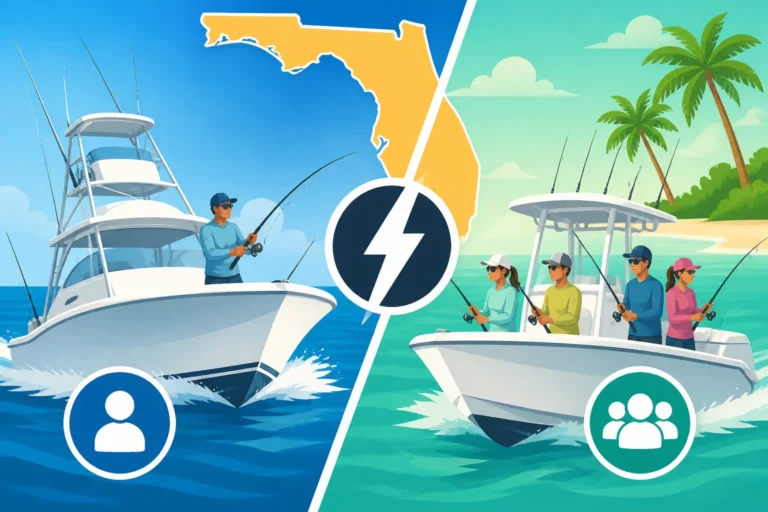
One of the most practical considerations is how many people will be fishing. If it’s just you and your guide, a micro skiff is perfectly fine. However, if you're planning a trip with a friend or two, a classic flats boat (17-19 feet) or a larger hybrid bay boat becomes necessary to ensure everyone has enough room to comfortably fish and move around. How Many People Can Fit on a Florida Keys Flats Boat? is a good resource if you're planning a trip with multiple anglers.
Think about your comfort level too. If you're prone to seasickness or prefer a drier ride, a slightly larger boat that can handle a bit of chop might be more appealing, even if it means sacrificing access to the absolute skinniest water. Many people value the balance of performance and comfort that a mid-sized flats boat offers.
Booking a Flats Fishing Charter: What Boat to Expect
If you're looking to experience Florida flats fishing without the hassle of owning your own boat, a guided charter is the way to go. Most experienced flats guides operate specialized boats perfectly suited for their local waters.
Understanding Charter Boat Offerings
When you look into booking a Florida fishing charter, especially for flats fishing, pay close attention to the boat type mentioned. Guides often specify if they run a "flats skiff," a "bay boat," or a "hybrid." This terminology gives you a good idea of their primary fishing focus. A guide who consistently runs a small, technical skiff is likely specializing in ultra-shallow water sight fishing, often with a fly rod or light tackle. Conversely, a guide with a larger bay boat might offer a broader range of inshore options, including some flats work, but also venturing into deeper grass beds or channels. Florida Flats Fishing Guide Rates often reflect the specialization and type of boat used.
Don't hesitate to ask specific questions about the boat before you book. Inquire about its draft, how many anglers it comfortably accommodates, and what kind of fishing it's best suited for. Most reputable guides are happy to discuss their vessel and how it aligns with your fishing aspirations. Platforms like FishingBooker make it easy to filter by boat type and read descriptions, often including photos of the actual vessel.
The Role of Your Guide and Their Vessel
Ultimately, your guide is your expert on the water, and their choice of vessel is a reflection of their local knowledge and fishing style. A good flats guide knows their local waters intimately and will have chosen a boat that allows them to consistently put clients on fish in those specific conditions. They understand the nuances of the tides, the movements of fish, and exactly what kind of boat is needed to succeed. How to Choose a Florida Fishing Guide emphasizes the importance of a guide's expertise, which naturally includes their equipment.
For example, a guide in the Florida Keys specializing in chasing migratory tarpon might opt for a slightly larger, faster flats boat that can cover more ground and handle the occasional open water run between keys. Whereas a guide operating deep in the backcountry of Southwest Florida might prefer a smaller, lighter skiff to navigate tight mangroves and extremely shallow creeks. Regardless of the size, the best flats boats are an extension of the guide's skill, allowing them to quietly and efficiently explore the shallowest reaches of Florida's incredible inshore fisheries. If you are ever unsure, a quick call to the captain or checking their profile on a booking site like FishingBooker can clear up any questions about their specific vessel and what kind of trip it's best for.
Disclaimer
This article is for general informational purposes only and does not constitute professional advice. Laws, prices and regulations vary by location and change over time. Consult a qualified professional for guidance on your specific situation.