Do Florida Fishing Charters Run in the Rain?
Oh, the age-old dilemma of booking a fantastic fishing charter in Florida, only to wake up to the sound of raindrops pattering on the roof! It's enough to make any angler's heart sink, wondering if all those dreams of reeling in a trophy snook or battling a powerful tarpon are about to be washed away. This guide is here to shed some light on that very common question: will your Florida fishing charter still run if it's raining, and what can you expect when Mother Nature decides to sprinkle a little, or a lot, on your plans?
The Reality of Fishing in Florida Weather
Florida, the Sunshine State, is also famously known for its unpredictable weather patterns. One minute it's bright and clear, the next a squall rolls in from the Gulf or Atlantic, bringing a quick downpour. This reality often leads to a lot of anxiety for anglers who've invested time and money into a charter. It's not just about getting wet; it's about safety, comfort, and, let's be honest, whether the fish will even bite. Understanding how captains navigate these conditions is key to managing your expectations and making the most of your trip.
Distinguishing Between Types of Rain
When we talk about "rain," it's not a single, monolithic weather event, especially in Florida. There's a world of difference between a gentle drizzle and a violent thunderstorm. A seasoned captain will assess the type, intensity, and duration of the rain before making a decision. Are we talking about scattered showers that will pass in 20 minutes, or an all-day deluge with severe weather warnings? These distinctions are vital and will heavily influence whether your charter embarks or not.
Captain's Discretion is Key
Ultimately, the decision to go out or stay put rests squarely with your charter captain. They are the masters of their vessel and the local waters, and their primary responsibility is the safety of everyone on board. This isn't just about their personal comfort; it's a legal and ethical obligation. They know the local forecasts, understand how certain weather patterns affect sea conditions, and can read the skies better than most of us. Trusting their judgment is paramount, even if it means missing out on a day on the water.
When Charters Typically Do Go Out in the Rain
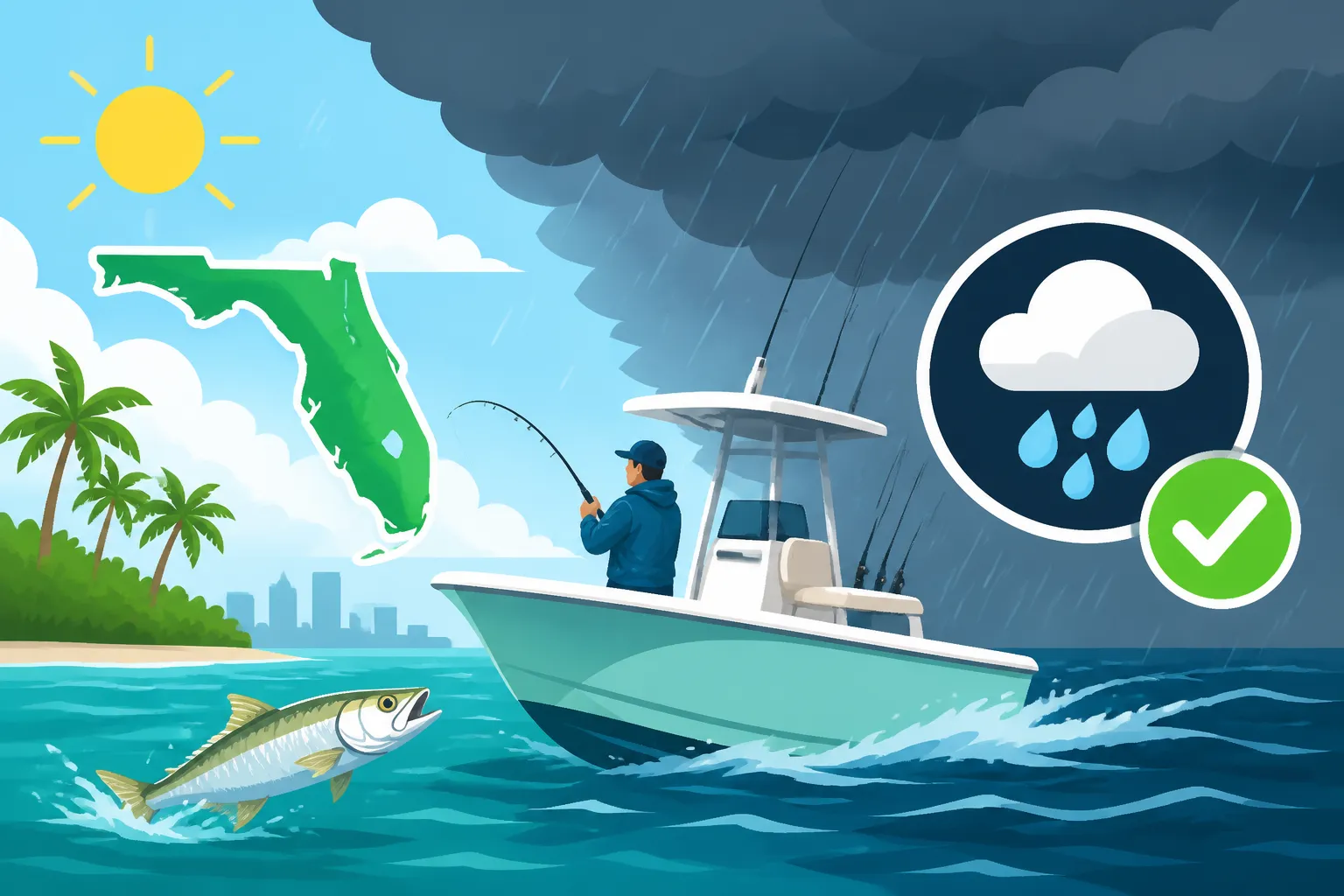
It might surprise some, but many Florida fishing charters absolutely do run in the rain, provided the conditions are safe. Don't immediately assume a few drops mean your trip is canceled. Often, some of the best fishing can happen under cloudy, drizzly skies.
Light Showers and Passing Fronts
If the forecast calls for light rain or scattered showers, most captains will still plan to go out. These are often brief, localized events, especially common during Florida's summer "rainy season" when afternoon showers pop up and quickly dissipate. In these scenarios, the rain might even be a welcome relief from the intense Florida sun. Captains are usually prepared with some form of cover on their boats, be it a hardtop, T-top, or bimini, to offer shelter. A little rain often means fewer boats on the water, which can translate to less competition at prime fishing spots.
Fishing Can Be Better in the Rain
Here's a secret many experienced anglers swear by: sometimes, fishing in the rain can actually improve your chances of a successful day! Rain can cool down surface water temperatures, which can make certain species more active. It also breaks up the surface of the water, making it harder for fish to spot your boat, line, or even you. The reduced light penetration due to cloud cover can encourage fish to move into shallower waters or be more aggressive in their feeding. So, if your captain says it's safe to go out in a light rain, embrace it – you might be in for a fantastic day on the water. Best Time of Day to Fish in Florida often coincides with these weather shifts.
When Charters Typically Don't Go Out in the Rain (and Why)
While light rain might be a minor inconvenience, there are very clear conditions under which a reputable charter captain will unequivocally cancel or postpone a trip. These decisions are always made with safety as the top priority.
Thunderstorms and Lightning
This is the big one. Florida is the lightning capital of the United States, and being out on the water in a boat during an electrical storm is incredibly dangerous. Boats, especially those with tall antennas or towers, act as lightning rods. No amount of fish is worth risking lives. If thunderstorms are predicted, particularly with active lightning, your captain will cancel the trip, often well in advance. Don't push them on this; it's for everyone's good. They're constantly monitoring radar and severe weather alerts.
Heavy Winds and Rough Seas
It's not just the rain itself but what often accompanies it: strong winds. High winds can quickly whip up choppy seas, making the ride out to fishing grounds uncomfortable at best, and downright dangerous at worst. For inshore fishing, strong winds can make casting difficult and make it impossible to properly present bait or lures. Offshore, rough seas can lead to severe seasickness for passengers and make maneuvering the boat safely a significant challenge. If the wind is blowing over a certain threshold, especially from a direction that creates particularly nasty chop in the areas the captain planned to fish, they will likely call off the trip. Check out What to Pack for a Florida Offshore Fishing Trip for tips on preparing for general conditions.
Sustained Downpours and Low Visibility
While quick showers are one thing, a relentless, heavy downpour for hours can also lead to a cancellation. Sustained heavy rain drastically reduces visibility, making navigation tricky, especially in crowded waterways or around hazards like crab traps or shallow flats. It also makes for an incredibly uncomfortable and often unproductive fishing experience. Anglers get soaked to the bone, gear can get damaged, and the sheer misery can outweigh any potential for catching fish. Plus, heavy rain can sometimes be an indicator of a larger, more severe weather system brewing.
Communication with Your Charter Captain is Crucial
The best way to alleviate any worries about weather and your trip is through clear and proactive communication with your charter captain. Don't wait until the morning of the trip to wonder!
Pre-Trip Discussions About Weather
Before you even arrive in Florida, or certainly a few days before your scheduled trip, it's wise to have a quick chat with your captain about their weather policy. Ask them what conditions would typically lead to a cancellation and how they communicate those decisions. A good captain will appreciate your proactive approach. Most captains will reach out 24-48 hours in advance if the forecast looks questionable, but a friendly check-in from you shows you're engaged. When you're using booking services like FishingBooker, you often have the ability to message your captain directly through the platform, which makes these discussions super easy.
Day-Of Weather Checks
On the day of the trip, especially if the weather looks iffy, expect your captain to make a final call based on the most up-to-the-minute forecast and actual conditions. This might mean an early morning phone call or text message. Be responsive! If you haven't heard from them and have concerns, don't hesitate to reach out. Remember, they are often up before dawn, checking radar and marine forecasts, trying to make the best decision for their clients. A reliable captain will prioritize your safety and experience, so they won't put you in harm's way just to get the trip done. Cancellation Policy for Florida Fishing Charters will outline their specific rules.
What Happens if Your Trip is Canceled Due to Weather?
This is often the most stressful part for anglers – what about the money and the missed opportunity? Reputable charter operations have clear policies in place to handle weather-related cancellations fairly.
Understanding Cancellation Policies
If your captain cancels due to unsafe weather conditions (like lightning, hurricane warnings, or excessive winds/seas), you should always be offered a full refund or the option to reschedule for another date that works for both parties. It's important to differentiate this from a client-initiated cancellation, which usually has stricter rules. Captains understand that weather is beyond anyone's control. They don't want to go out in dangerous conditions any more than you want to be in them, and they don't want unhappy clients. Services like FishingBooker often clearly state the captain's cancellation policy right on their listing, which can provide peace of mind when booking.
Flexibility is Your Friend
While disappointing, try to be flexible if your trip is canceled. If you're on vacation and have other days available, rescheduling can often be the best solution, allowing you to still experience that amazing Florida fishing. Many captains will go above and beyond to try and fit you in. Sometimes, they might suggest an alternative trip, like fishing a more protected bay or canal if offshore conditions are too rough. Being open to these alternatives can sometimes salvage your fishing day, even if it's not exactly what you originally planned. Florida Fishing Charter Cancellation and Refund Policy can provide more specific details on typical arrangements.
Preparing for a Rainy Fishing Trip
So, your captain says it's safe to go, even with a little rain in the forecast? Awesome! Now, let's make sure you're prepared to still have a great time and stay as comfortable as possible. A little preparation goes a long way.
Essential Rain Gear
This is non-negotiable. Even if there's just a chance of rain, bring proper rain gear. A good quality, lightweight rain jacket and pants are your best friends. Look for waterproof (not just water-resistant) materials. A wide-brimmed hat can help keep rain off your face, and waterproof footwear is essential to keep your feet from getting soggy. Don't rely on a flimsy poncho; a sudden gust of wind will render it useless. Remember, you're on a boat, exposed to the elements, so layering is also a smart move to adjust to changing temperatures.
Protecting Your Electronics and Valuables
Water and electronics do not mix! If you're bringing your phone, camera, or any other electronic gadgets, make sure they are in waterproof bags or cases. Ziploc bags can work in a pinch for phones, but dedicated dry bags offer better protection. Also, consider any important documents or wallets – keep them safe from moisture. It's a good idea to limit what you bring that can be damaged by water.
Mindset is Everything
A positive attitude can truly make or break your rainy day fishing experience. Instead of focusing on the inconvenience, embrace the adventure! See it as a unique opportunity. Fishing in the rain can be incredibly peaceful and rewarding. The air feels fresh, the world is a bit quieter, and you might just have the fishing grounds to yourself. Plus, as we discussed, the fish might even be more cooperative! So, put on your rain gear, grab your rod, and go make some memories.
Benefits of Fishing in the Rain (When It's Safe)
It's easy to see rain as a negative, but for many seasoned anglers, it’s actually a welcome change. When your captain deems it safe, fishing in the rain offers some distinct advantages that can lead to a more enjoyable and productive trip.
Reduced Crowds and Calmer Waters
One of the immediate benefits of a rainy forecast is that it often deters other recreational boaters and anglers. This means less boat traffic, less noise, and potentially less competition for the best fishing spots. Imagine having a prime flat or a productive offshore wreck almost entirely to yourself! Fewer boats can also mean calmer waters as there are fewer wakes chopping things up, creating a more pleasant ride and easier fishing conditions once you're on location. How to Avoid Crowds While Fishing in Florida might even suggest looking for these weather windows.
Active Fish and Better Bites
As mentioned earlier, fish often become more active when it's raining or cloudy. The reduced light penetration makes them feel safer to feed, as they are less exposed to predators from above (like birds, or even us!). The cooling effect of the rain can also stimulate feeding, particularly in warmer months when surface temperatures can be stifling. The disturbed water surface from raindrops can also mask your presence, allowing you to get closer to wary fish. It’s not uncommon for anglers to report some of their best catches on days when others stayed home due to a little rain.
| Weather Condition | Typical Charter Decision | Rationale | Angler Prep Advice |
|---|---|---|---|
| Light Rain / Drizzle | Goes Out | Safe, fish often active, minimal discomfort with proper gear | Bring waterproof jacket/pants, hat, waterproof shoes |
| Scattered Showers / Squalls | Goes Out (with caution) | Usually brief, captain can maneuver around them, may seek temporary shelter | Full rain gear, dry bags for electronics, positive attitude |
| Steady, Moderate Rain | Goes Out (captain's discretion) | May still be safe, but comfort decreases. Fish can still be active | Full rain gear, extra layers, focus on staying dry |
| Thunderstorms / Lightning | Canceled | Extreme danger to life, no exceptions. Captain monitors radar constantly | Be understanding, discuss refund/reschedule options |
| Heavy Winds / Rough Seas | Canceled (often) | Unsafe navigation, severe discomfort, difficult fishing, high seasickness risk | Trust the captain's judgment, prioritize safety |
| Sustained Heavy Downpour | Canceled (often) | Poor visibility, uncomfortable experience, potential for unproductivity | Communicate with captain, be flexible for rescheduling |
Disclaimer
This article is for general informational purposes only and does not constitute professional advice. Laws, prices and regulations vary by location and change over time. Consult a qualified professional for guidance on your specific situation.