Are Kids Allowed on Florida Fishing Charters?
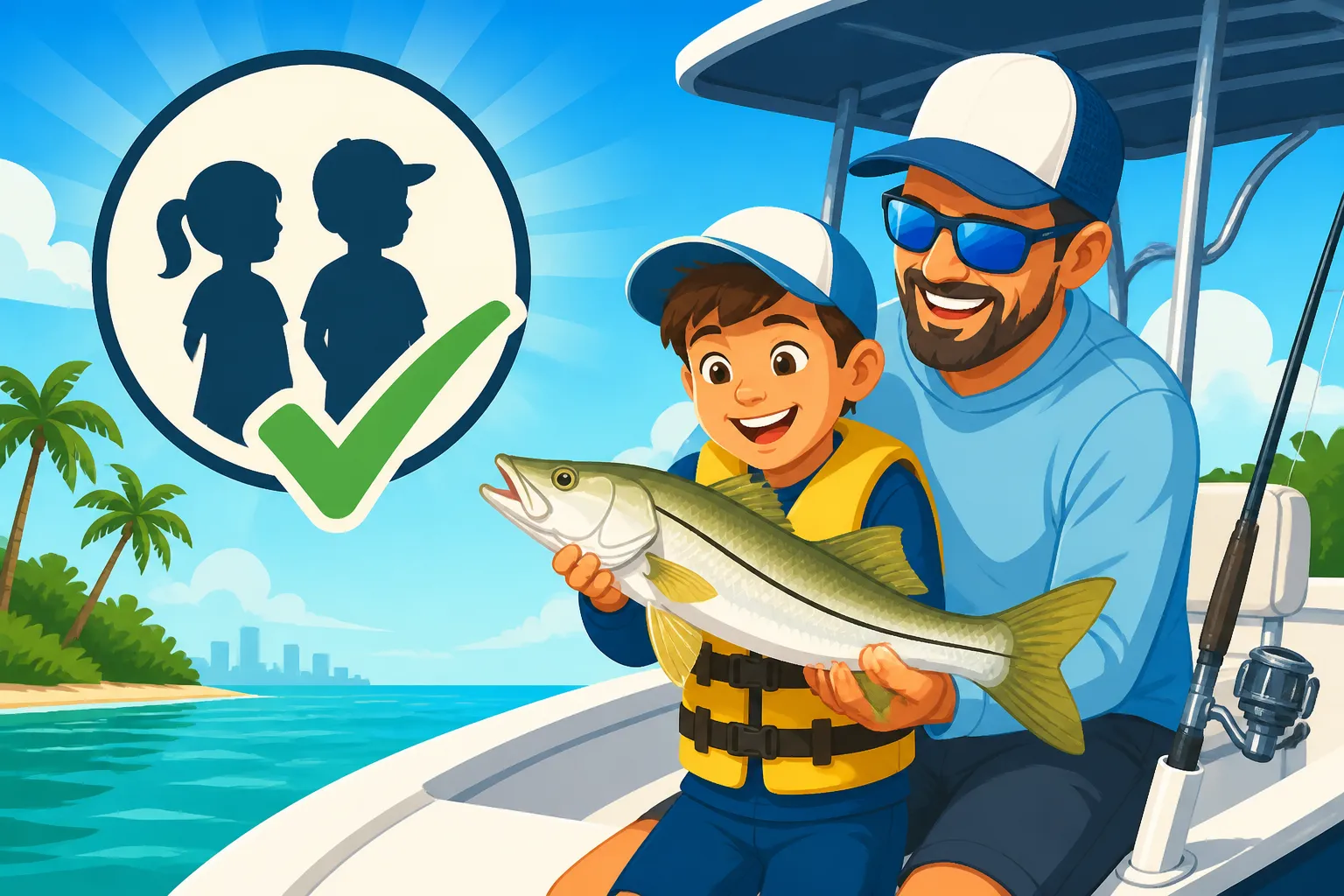
It's completely understandable to wonder if bringing your kids on a Florida fishing charter is even an option. As parents, we often fret about whether they'll be safe, if they'll actually enjoy themselves, or if we'll just end up spending money on a trip that quickly goes south with meltdowns and boredom. Good news: kids are absolutely, positively allowed on Florida fishing charters, and many captains genuinely love having young anglers aboard! This guide will walk you through everything you need to know to make your family fishing adventure a memorable success.
The Short Answer: Yes, Kids Are Absolutely Welcome!
You might envision fishing charters as strictly for seasoned anglers or adult groups, but that's simply not the case in Florida. The Sunshine State thrives on family tourism, and its fishing industry is no exception. Most reputable fishing charters are more than happy to accommodate families with children, often going the extra mile to ensure young ones have a fantastic and safe experience. In fact, many captains actively market themselves as family-friendly, understanding that introducing kids to fishing creates lifelong memories and future anglers.
The key is often in the preparation and choosing the right charter for your specific family dynamics. While a deep-sea offshore trip targeting monster fish might be a bit much for a toddler, an inshore bay trip chasing snapper or seatrout can be perfect. Don't let the "charter" word intimidate you; think of it as hiring a private guide who knows the waters intimately and can tailor the day to your family's needs and interests.
Age and Safety Considerations
When it comes to bringing kids on a Florida fishing charter, age isn't necessarily a hard barrier, but it definitely dictates the type of trip you should consider. There's a big difference between a 3-year-old's attention span and a 12-year-old's.
For very young children, say toddlers to early elementary age (2-6 years old), safety is paramount, and shorter trips are usually best. You’ll want a captain who is patient and understanding, and a boat that offers plenty of shade and safe, stable deck space. These little ones might only last an hour or two with active fishing, but even a short experience of seeing dolphins, feeling the boat move, and perhaps reeling in a small fish can be magical. Most captains will provide life jackets for all passengers, but it’s always a good idea to confirm if they have child-specific sizes. Remember to ask, Do Florida Fishing Charters Provide Life Jackets for Kids?.
For older kids (7-12 years old), their enthusiasm for fishing often blossoms. They can typically handle longer trips and might even be keen on learning knots or baiting their own hooks. These ages are fantastic for hands-on learning, and a good captain can turn the trip into an educational experience about marine life and conservation. They're old enough to appreciate the thrill of a fight but might still need help landing bigger fish.
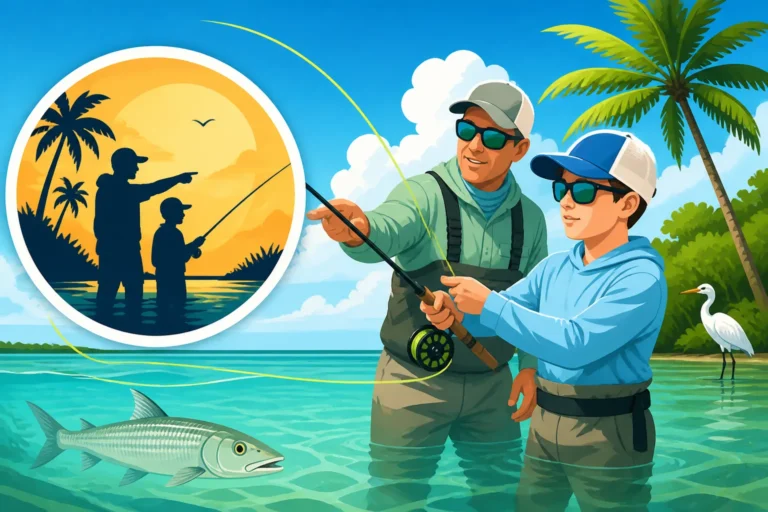
Teenagers (13+) are often ready for almost any type of charter, from challenging offshore excursions to dedicated fly-fishing trips on the flats. They're more independent and can fully engage in the fishing process. The biggest challenge with teens might be getting them off their phones, but a bent rod usually takes care of that! The best part is seeing them connect with nature and perhaps even out-fish the adults.
Legal Requirements and Parental Responsibility
While there's no specific "kid's fishing license" required in Florida for those under a certain age, understanding the broader rules is important. Generally, anyone 16 years of age or older needs a valid Florida fishing license to fish in saltwater or freshwater. This means your younger children are exempt from needing their own license. However, if you, as the parent or guardian, are fishing alongside them and are 16 or older, you will need one. Thankfully, when you book a legitimate fishing charter, the captain’s commercial vessel license often covers all recreational anglers on board, so individual licenses for adults are usually not required. It’s always best to clarify this with your chosen captain when booking. You can learn more about this by reading Charter Boat Fishing License Rules in Florida.
Beyond licenses, parental responsibility on a charter is crucial. While the captain is responsible for the vessel and overall safety, you are ultimately responsible for your children's behavior and well-being. This means ensuring they wear their life jackets when required, listen to the captain's instructions, stay seated when the boat is moving, and don't venture into unsafe areas of the boat. A respectful child who follows directions is a joy for any captain; a child running wild can quickly become a safety hazard and a distraction. A good pre-trip chat about boat rules and safety can go a long way.
Making the Charter Kid-Friendly: What to Look For
So, you've decided to take the plunge and treat your kids to a fishing adventure. Fantastic! Now, how do you sift through the myriad of Florida fishing charters to find one that's genuinely kid-friendly and not just tolerant of children? It comes down to a few key factors.
Choosing the Right Charter and Captain
This is perhaps the most critical step. Not all captains are equally adept or enthusiastic about fishing with children, and that's okay. Some specialize in hardcore angling for trophy fish, while others excel at creating a fun, low-pressure environment for families.
Here's what to look for:
- Experience with Kids: Ask directly if the captain has experience fishing with children and if they enjoy it. A captain who genuinely likes teaching and engaging with kids will make all the difference. Read reviews on platforms like FishingBooker, where previous clients often mention if a captain was great with their kids.
- Boat Type and Amenities: For families, a comfortable boat is key. Look for boats with:
- Plenty of Shade: The Florida sun is no joke, especially on the water. A good bimini top or covered area is essential.
- Restroom Facilities: This is non-negotiable for many families, especially with younger kids.
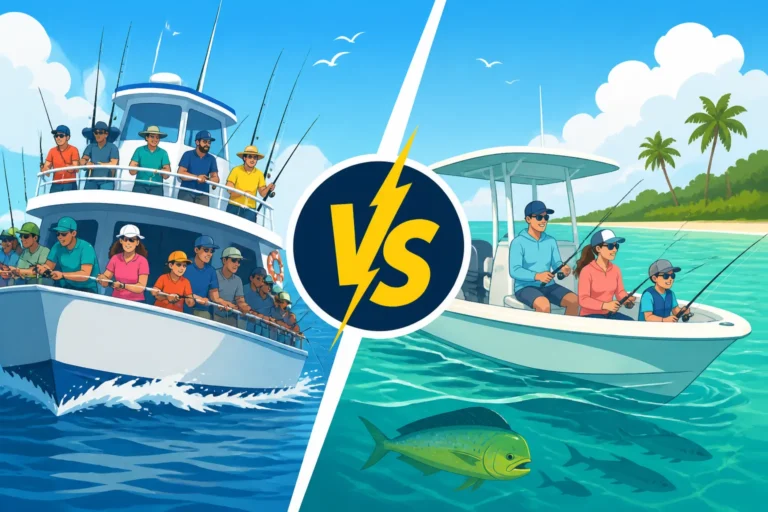
- Stable Deck: A wide, stable boat (like a bay boat for inshore or a larger center console for nearshore) is better than a tippy skiff for kids.
- Safety Features: Beyond life jackets, look for captains who clearly prioritize safety briefings and have well-maintained equipment.
- Target Species and Trip Length:
- Shorter Trips: For younger children, a half-day trip (typically 4 hours) is almost always preferable to a full-day. It prevents overstimulation and exhaustion. You can often find options for Half-Day vs Full-Day Fishing Charter Cost in Florida.
- Action-Oriented Fishing: Kids thrive on action. Inshore trips targeting readily available species like mangrove snapper, pinfish, grunt, or smaller trout are often more engaging than waiting hours for one big bite offshore. Constant bites, even small ones, keep their excitement high.
- Variety: Some captains might offer a "combo" trip, perhaps fishing for a couple of hours and then cruising by a sandbar for shelling or dolphin watching. This variety can be a lifesaver for shorter attention spans.
- Communication is Key: Don't hesitate to call the captain or charter company directly and ask all your questions. A good captain will be happy to chat and help you decide if their charter is the right fit for your family. They can advise on Best Fishing Charters for Families in Florida in their specific area.
Essential Gear and Amenities for Kids
While a reputable charter will provide fishing gear, there are specific amenities and types of gear that make a trip more comfortable and enjoyable for children.
Charter-Provided Gear:
- Kid-Friendly Rods: A good captain will have lighter tackle specifically for children. These rods are easier for small hands to hold and manage, making the fishing experience less tiring and more successful. Heavy, stiff rods can quickly lead to frustration.
- Appropriate Bait: They’ll know what bait works best for the target species and will have it ready. Live bait often generates more bites, which is fantastic for keeping kids engaged.
- Life Jackets: As mentioned, federally regulated charter boats must carry enough USCG-approved life jackets for everyone. Ensure they have child sizes.
What to Look For (Amenities):
- Padded Seating: Comfortable seating is a huge plus, especially for longer trips or when the boat is moving.
- Cooler with Ice: Most charters provide a cooler with ice for your drinks and snacks, but confirm beforehand.
- First Aid Kit: A well-stocked first aid kit for minor scrapes, sunburn, or seasickness is a must.
When researching and booking, look for captains who explicitly mention their family-friendly approach on their website or booking profiles (like those found on FishingBooker). It's a strong indicator that they've thought about these details and are prepared for young guests. You're looking for a captain who understands that success isn't just about catching the biggest fish, but about creating an unforgettable experience for the whole family.
Preparing Your Young Anglers for Success (and Fun!)
Even with the perfect kid-friendly charter booked, a little preparation on your part can turn a good trip into a truly fantastic one. Managing expectations and ensuring comfort are key to a successful family fishing adventure.
Setting Expectations and Managing Energy
Before you even step foot on the boat, have an honest conversation with your kids about what to expect.
- It's Not a Guarantee: Emphasize that fishing is called "fishing," not "catching." There will be times when the fish aren't biting, and that's okay. Frame it as part of the adventure. This manages disappointment if the fish are shy.
- Boat Rules: Clearly explain the captain's rules regarding movement on the boat, safety vests, and listening to instructions. Explain why these rules are important (e.g., "We stay seated when the boat is moving fast so nobody falls out").
- Patience is a Virtue: Fishing often involves waiting. Bring along some small, quiet activities for downtime, like coloring books, puzzles, or even a waterproof tablet with headphones for emergencies, especially for younger kids.
- Manage Energy Levels: Plan the trip strategically. If your kids are early risers, a morning charter might be perfect. If they tend to crash in the early afternoon, a shorter trip is essential. Don't push them too hard. A tired, cranky child makes for a miserable trip for everyone.
- Focus on the Experience: Remind them that catching fish is just one part of the fun. Seeing marine life (dolphins, manatees, seabirds), feeling the sun and spray, and spending time together as a family are just as valuable. Consider looking up Best Spots for Kids to Fish in Florida to get them excited about the potential catches.
What to Pack for a Day on the Water
Packing the right gear makes a huge difference in comfort and enjoyment for kids on a fishing charter. Think sun protection, hydration, and comfort.
Here's a checklist of essentials for your young anglers:
| Item | Why It's Essential | Notes |
|---|---|---|
| Sun Protection | The Florida sun is intense, even on cloudy days. Protect delicate skin from harmful UV rays. | – Sunscreen: High SPF, waterproof. Apply before leaving and reapply frequently. – Wide-brimmed Hats: Provide shade for face, ears, and neck. – Sunglasses: Protect eyes from glare. |
| Protective Clothing | Long sleeves and pants, even lightweight ones, offer excellent sun protection and can prevent chafing. | – Lightweight, Long-Sleeve Shirts: UV-protective fabrics are ideal. – Swimsuits (underneath): For potential quick dips or splashing. |
| Hydration | Dehydration can sneak up quickly on the water. Keep water and other fluids readily available. | – Plenty of Water: More than you think you'll need. – Juice Boxes/Gatorade: For electrolyte replenishment. |
| Snacks | Fishing is hungry work! Keep energy levels up and prevent "hangry" meltdowns. | – Non-perishable, easy-to-eat snacks: Granola bars, crackers, fruit snacks, pre-cut fruit. – Avoid messy foods. |
| Comfort Items | Helps with boredom or anxiety, especially for younger kids. | – Small Blanket/Towel: For napping or extra seating comfort. – Favorite Toy/Book: A comfort item for downtime. (Ensure it won't blow away!) – Small Backpack: For their own gear. |
| Medications | Be prepared for seasickness or other common ailments. | – Motion Sickness Medication: Administer beforehand if prone to seasickness. Consult doctor. – Basic First Aid: Bandaids, antiseptic wipes for minor cuts. |
| Camera/Phone | To capture those priceless "first fish" moments! | – Waterproof case: Highly recommended. – Fully charged battery. |
You can find more detailed packing advice in guides like What to Bring on a Florida Fishing Charter. Dressing in layers is also a smart move, as mornings can be cool, and afternoons get hot.
Benefits Beyond the Catch: Why It's Worth It
When you consider the investment in a Florida fishing charter, it's natural to weigh the cost against the potential return. But for families, the value often extends far beyond the number of fish caught.
Creating Lasting Family Memories
Imagine this: your child's eyes light up as they feel the tug on their line for the very first time. The sheer joy, the struggle, the triumphant grin as they reel in a fish – those are moments that are absolutely priceless. A family fishing charter isn't just about catching fish; it's about catching experiences.
Think about the stories you'll tell for years to come:
- "Remember when little Timmy caught that huge grunt and thought it was a shark?"
- "Or when we saw that pod of dolphins swimming right alongside the boat?"
- "That was the day Sarah finally learned how to cast a line without getting it tangled!"
These are the kinds of shared adventures that weave the fabric of family history. In an age dominated by screens, getting out on the water provides a refreshing, hands-on opportunity for genuine connection. It's a chance for parents to bond with their children away from daily distractions, offering one-on-one time and shared excitement. This is why many families consider a charter fishing trip to be one of the Best Family-Friendly Fishing Spots in Florida – because the activity itself fosters connection.
Instilling a Love for Nature and Fishing
A fishing charter can be a powerful gateway to a lifelong appreciation for the outdoors and marine conservation. When kids experience the natural world firsthand, they develop a deeper respect for it.
- Environmental Awareness: A good captain will often teach kids about the local ecosystem, different fish species, and the importance of catch-and-release practices, especially for protected species like snook and tarpon. This kind of education, delivered in a real-world setting, is far more impactful than anything they might read in a book. They'll learn about Florida Snook Size and Slot Limits or Florida Redfish Size and Bag Limits directly from someone who lives by them.
- Patience and Persistence: Fishing inherently teaches patience. It teaches kids that success doesn't always come instantly and that persistence pays off. These are invaluable life lessons.
- Skill Development: Beyond just reeling, they might learn about baiting hooks, casting, identifying different species, or even basic navigation. These are practical skills that build confidence and self-reliance. For example, a beginner might get some Beginner Tips for Saltwater Fishing in Florida from the captain.
- Stress Relief: For older kids and teenagers, spending a day unplugged on the water can be an incredible stress reliever, offering a peaceful escape from school pressures and social media.
Ultimately, opening the door to fishing for your children is a gift that keeps on giving. It’s an activity that can be enjoyed solo, with friends, or as a family for decades to come. Many adults look back on their first fishing experiences as pivotal moments in their childhood, and a guided charter in the beautiful waters of Florida is an unforgettable way to begin that journey for your own kids. Don't hesitate to check out resources like FishingBooker to browse family-friendly charter options and read reviews from other parents who have taken their children fishing.
Disclaimer
This article is for general informational purposes only and does not constitute professional advice. Laws, prices and regulations vary by location and change over time. Consult a qualified professional for guidance on your specific situation.