Minimum Age for a Florida Fishing Charter
One of the most common questions I get from excited parents planning a Florida fishing trip is, "Can my little ones come along?" It’s a completely natural concern, especially when you’re envisioning a perfect day on the water but are unsure about age restrictions. This guide is going to cut through the confusion and clarify everything you need to know about the minimum age for a Florida fishing charter, ensuring your family's angling adventure is smooth sailing.
Understanding the "Minimum Age" Nuance for Fishing Charters
It’s easy to think there's one simple, statewide rule about how old a child needs to be to step foot on a fishing charter in Florida. But the truth is, it’s not quite that straightforward. Unlike some hard-and-fast legal mandates that might apply to driving or drinking, the "minimum age" for a fishing charter largely comes down to the individual captain’s discretion and the specific type of trip. This flexibility can be a blessing, but it also means a little homework is required on your part.
Why Charter Captains Set Their Own Age Limits
Charter captains are masters of their craft, but they're also responsible for the safety and enjoyment of everyone on board. When it comes to younger anglers, several factors come into play, leading them to set their own guidelines:
- Safety First, Always: This is paramount. The ocean, even on a calm day, can be unpredictable. Sudden waves, boat movements, sharp hooks, and heavy tackle can pose risks to very young children who might not have the balance or situational awareness to keep themselves safe. A captain needs to feel confident that every passenger, regardless of age, can understand and follow basic safety instructions. Imagine a lively five-year-old on a rolling offshore boat, and you can quickly see why a captain might hesitate if they believe the child could be at risk.
- Focus on the Fishing Experience: Let’s be real, a fishing charter is about fishing! If a captain has a younger child who requires constant, hands-on supervision, it can divert their attention from spotting fish, managing lines, or navigating safely. This isn't just about the captain; it can impact the experience of other paying passengers on a shared charter. While most captains adore introducing kids to fishing, they also need to ensure the primary purpose of the trip remains intact.
- Boat Size and Type: Not all fishing boats are created equal. A large, stable party boat with high railings and plenty of deck space might be more forgiving for a wobbly toddler than a sleek, low-sided flats skiff designed for two anglers. On a smaller vessel, there's simply less room for kids to move around safely, and they're closer to the action (and potential hazards) of hooks and fish. Conversely, a private inshore charter on a bay boat often provides a wonderfully controlled environment for youngsters.
- Target Species and Trip Demands: Are you dreaming of wrestling a giant tarpon offshore, or gently jigging for snapper in a calm bay? The type of fishing makes a big difference. Offshore trips often involve longer runs, potentially rougher seas, and more strenuous battles with larger fish. These trips demand more patience and physical resilience than a quick, action-packed inshore trip targeting smaller, more plentiful species.
- Insurance Policies: While less common, some charter insurance policies might have stipulations regarding the minimum age of passengers, particularly for certain types of trips or vessels. Captains, being small business owners, need to adhere to these to ensure they're fully covered.
It’s worth noting that the vast majority of Florida fishing charters are incredibly welcoming to children. They just want to ensure that the environment is safe and enjoyable for everyone. This isn't about excluding kids; it's about setting them up for success. If you're looking for guidance on finding the right fit, checking out resources like How to Choose a Florida Fishing Guide can give you an edge in connecting with family-friendly operations.
General Guidelines: What to Expect
So, if there's no hard-and-fast rule, what's a parent to do? Here’s a general rundown of what you can typically expect when considering a Florida fishing charter with children:
- Private Charters Offer the Most Flexibility: If you're booking a private charter, where your family is the only group on the boat, captains tend to be much more flexible with age requirements. They can tailor the trip specifically to your family's needs and pace. I’ve seen captains take out toddlers on calm flats trips, knowing the parents are there for dedicated supervision. The focus is entirely on your group, making it easier to accommodate shorter attention spans or unexpected naps.
- Party Boats Often Have Stricter Rules: Shared or "party" boats, which take out many individual anglers or small groups together, usually have more defined minimum age policies. It's not uncommon for these boats to require children to be at least 5 or 6 years old, and sometimes even older, like 8, especially if they’re heading far offshore. The reason is simple: with many passengers, the crew's ability to provide one-on-one supervision to a very young child is limited. Plus, the sheer number of lines, people, and potential for chaos makes it safer to have kids who are a bit more independent. They might also have height requirements to ensure kids can safely reach railings.
- Communication is Key: Regardless of the charter type, the golden rule is always to communicate openly and honestly with the captain or booking service before you commit. Don't assume. A quick call or email detailing your child's age, temperament, and fishing experience (or lack thereof) will save everyone a lot of trouble and ensure you find the perfect fit. Many captains are passionate about teaching kids to fish and will go out of their way to make it a memorable experience if they know what to expect.
Remember, a positive first fishing experience can ignite a lifelong passion for the outdoors. Choosing the right charter for your family, especially considering the ages of your children, is a critical step in making that happen. For more detailed insights into different types of trips, you might find Best Fishing Charters for Families in Florida incredibly helpful.
Factors Influencing a Charter's Age Requirement
Beyond a captain's general approach, the specifics of the trip itself play a huge role in determining if it's suitable for younger anglers. It's not just about the child's age in years, but how that age aligns with the demands of the particular fishing adventure.
Type of Charter and Fishing Experience
The style of fishing and the environment you'll be in are major considerations when bringing kids aboard.
- Offshore/Deep Sea Charters: The Bigger Kids' Club:
- The Reality: These trips typically head several miles offshore into the open ocean, often targeting species like snapper, grouper, mahi-mahi, or even sailfish. They can be long, sometimes 4 to 8 hours or more. The seas can get rough, even on seemingly calm days, leading to a higher risk of seasickness. The tackle is heavier, and the fish can put up a serious fight, requiring strength and endurance.
- Age Recommendation: Most captains recommend children be at least 8 to 10 years old for offshore trips. Some might even prefer 12+. The key is patience for potentially long runs to fishing grounds, resilience against motion sickness, and the ability to handle larger rods and reels. Imagine trying to keep a squirming three-year-old happy for a six-hour journey over choppy waves – it's a recipe for misery, not memories. For a deeper dive into these trips, check out Florida Offshore Fishing Charter Guide.
- Inshore/Flats Charters: Perfect for Little Anglers:
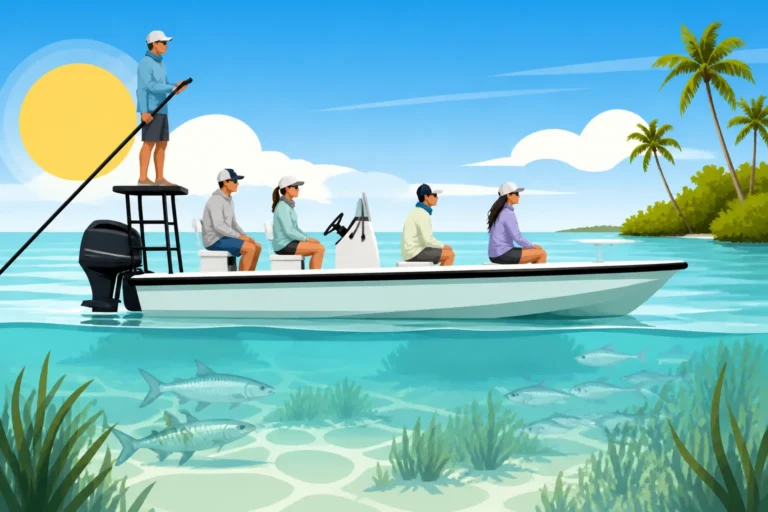
- The Reality: These trips stay in calmer, protected waters like bays, estuaries, and shallow grass flats. They often target species such as redfish, snook, trout, and sometimes even small sharks. Trip durations are typically shorter (2 to 4 hours is common for family trips), and the waters are generally much smoother, significantly reducing the risk of seasickness. The tackle is lighter, and the action can be more consistent, keeping short attention spans engaged.
- Age Recommendation: This is often the sweet spot for families with younger children, sometimes as young as 2 or 3 years old on a private charter. The calmer environment and shorter duration make it ideal for introducing kids to fishing. Captains can often pull right up to a shallow flat, making it feel less like a boat ride and more like an interactive discovery. This is where you'll find the most accommodating experiences, and for good reason. My personal blog often touts the benefits of Florida Inshore Fishing Charter Guide for beginners and families.
- Party Boats: A Mix of Age Groups with Set Rules:
- The Reality: As mentioned, party boats combine elements of offshore fishing with a shared experience. They usually go a few miles out, but the focus is often on high-volume, easier-to-catch bottom fish like snapper or grunt. They offer an affordable way to get offshore.
- Age Recommendation: Because of the shared nature and the potential for a crowded deck, party boats generally have a minimum age, often around 5 or 6 years old, and strict rules about supervision. You won't typically find captains bending these rules for individual families.
- Specialty Charters (e.g., Fly Fishing): Older, Experienced Anglers Only:
- The Reality: Charters focusing on specific techniques like fly fishing, or targeting highly elusive species like bonefish or permit, demand a high level of skill, patience, and often quiet stealth.
- Age Recommendation: These trips are almost exclusively for older teens or adults who are serious about the sport. A restless child could easily spook fish or tangle lines, disrupting a delicate fishing situation.
Understanding these distinctions is crucial. You wouldn't take a five-year-old on a marathon deep-sea shark hunt, but a two-hour inshore trip targeting mangrove snapper could be a blast! The duration of your trip also ties into this, so thinking about Half-Day vs Full-Day Fishing Charter Cost in Florida isn't just about your budget, but also your child's endurance.
The Child's Temperament and Experience Level
This factor is arguably even more important than their chronological age. A child's personality and previous exposure to boating or fishing will heavily influence their success and enjoyment on a charter.
- Patience is a Virtue: Fishing often involves waiting. Can your child sit still, or at least be entertained, during periods of slow action or during travel time to fishing spots? A child who thrives on constant stimulation might struggle on a longer trip.
- Ability to Follow Instructions: Safety on a boat is non-negotiable. Can your child understand and immediately respond to commands like "Sit down!" or "Watch that hook!"? This is critical. Captains need to know that their safety instructions will be heard and obeyed.
- Prone to Seasickness? If your child gets car sick, motion sickness on a boat is a real possibility, especially on offshore trips. Nothing ruins a fishing trip faster than a miserable, nauseous child. Consider starting with an inshore trip on calm waters if you're unsure.
- Genuine Interest vs. Tagging Along: Is your child genuinely excited about fishing, or are they simply being brought along because the adults want to go? A child who is invested in the activity is far more likely to have a positive experience, even if the fish aren't biting every minute. Sparking this interest can be a great way to bond.
- Starting Small and Scaling Up: For first-timers, consider a short, private inshore trip. If they love it, you can gradually move to longer trips or different types of fishing as they get older and more experienced. This builds confidence and positive associations with fishing.
As parents, you know your children best. Be honest with yourself and the captain about their likely behavior and comfort level on a boat. A successful fishing trip is a partnership between you, your child, and the captain.
Practical Advice for Booking a Charter with Children
Once you've considered the type of trip and your child's readiness, it's time to make it happen. Booking a charter with kids requires a bit more thought and communication, but it's totally worth it for the memories you'll create.
Communicating with the Captain/Booking Service
This is your most powerful tool in ensuring a successful family fishing trip. Don't be shy about asking questions!
- Be Upfront and Detailed: When you first inquire about a charter, clearly state that you'll be bringing children, mention their exact ages, and give a brief rundown of their temperament (e.g., "My 6-year-old, Liam, is generally patient but hasn't fished much, and my 3-year-old, Maya, is energetic but loves boats"). This transparency helps the captain assess if their particular trip is a good fit.
- Ask About Their Experience with Kids: Don't hesitate to ask, "Do you often take families with young children?" or "What's your approach to fishing with little ones?" Many captains genuinely enjoy teaching kids and have specific strategies to keep them engaged. They might have smaller rods, simpler techniques, or even little "fish tales" to share.
- Inquire About Amenities and Safety Gear:
- Life Vests: Crucial question! "Do you have USCG-approved life vests in children's sizes for both a 6-year-old and a 3-year-old?" (More on legal requirements later). Most reputable charters do, but it’s always good to confirm.
- Restrooms: For longer trips, especially with younger kids, access to a restroom (or marine head) is essential.
- Shade: Is there a shaded area on the boat where kids can escape the intense Florida sun? This is a huge factor for comfort and preventing sunburn.
- Accessibility: Consider if there are any mobility challenges for your child getting on and off the boat, or moving around the deck.
- Leverage Online Platforms like FishingBooker: This is where a service like FishingBooker shines. Many platforms allow you to search for "family-friendly" charters or filter by services that specifically welcome children. Crucially, they facilitate direct communication with captains. You can send a message detailing your family’s needs and receive a personalized response before you even click "book." This helps you feel confident that you're choosing a captain who genuinely wants to accommodate your family, rather than just tolerating them. It simplifies the process of finding the right fit for your Florida Fishing Charter Cost Guide and family's needs.
Preparing Your Child for the Trip
A little preparation goes a long way in setting your child (and yourself!) up for success.
- Set Realistic Expectations: Explain that fishing involves patience. There will be times when fish aren't biting, and that's okay. Talk about the experience itself – the boat ride, seeing wildlife, enjoying the fresh air – as part of the adventure, not just catching fish. "We're going on a boat ride to look for fish, and maybe we'll catch some! But even if we don't, we'll have fun on the water."
- Review Safety Rules: Before you even get to the dock, have a mini-safety briefing. Emphasize listening to the captain and parents, staying seated when the boat is moving, and being careful around hooks. Reinforce that the boat is a special place with special rules.
- Pack Smart:
- Sun Protection: Sunscreen (reapply often!), wide-brimmed hats, and UV-protective clothing are non-negotiable in Florida.
- Snacks and Drinks: Hungry kids are cranky kids. Pack plenty of their favorite non-messy snacks and drinks. Hydration is key.
- Entertainment: While the goal is to fish, bring a small, quiet toy, a coloring book, or a tablet (fully charged!) for downtime, especially if you anticipate lulls in action or longer transit times.
- Motion Sickness Remedies: If there's any concern, consult your pediatrician about child-friendly motion sickness medication or remedies like ginger chews. Administer it before you leave the dock.
- Appropriate Clothing: Dress in layers, as mornings can be cool and afternoons hot. Non-slip shoes are a must.
- Consider Trip Duration: For first-timers, a 2-4 hour trip is often ideal. It's enough time to experience fishing without pushing their limits of patience or energy. You can always book a longer trip next time if they're hooked! Many captains offer varying durations, making it easy to find a suitable length. Thinking about What to Bring on a Florida Fishing Charter will cover most of these essentials. Also, you'll want to confirm if Do Florida Charters Provide Life Jackets for Kids? before you leave home.
Legal Requirements vs. Captain's Discretion
While captains have latitude in setting their own age recommendations, there are indeed legal requirements that apply to children on boats, primarily concerning safety and, less directly, fishing licenses. It's important to understand the difference between a captain's preference and actual law.
USCG Regulations and Life Jackets
When it comes to safety on the water, the U.S. Coast Guard (USCG) sets the standards. These are federal laws that apply to all recreational vessels, including fishing charters.
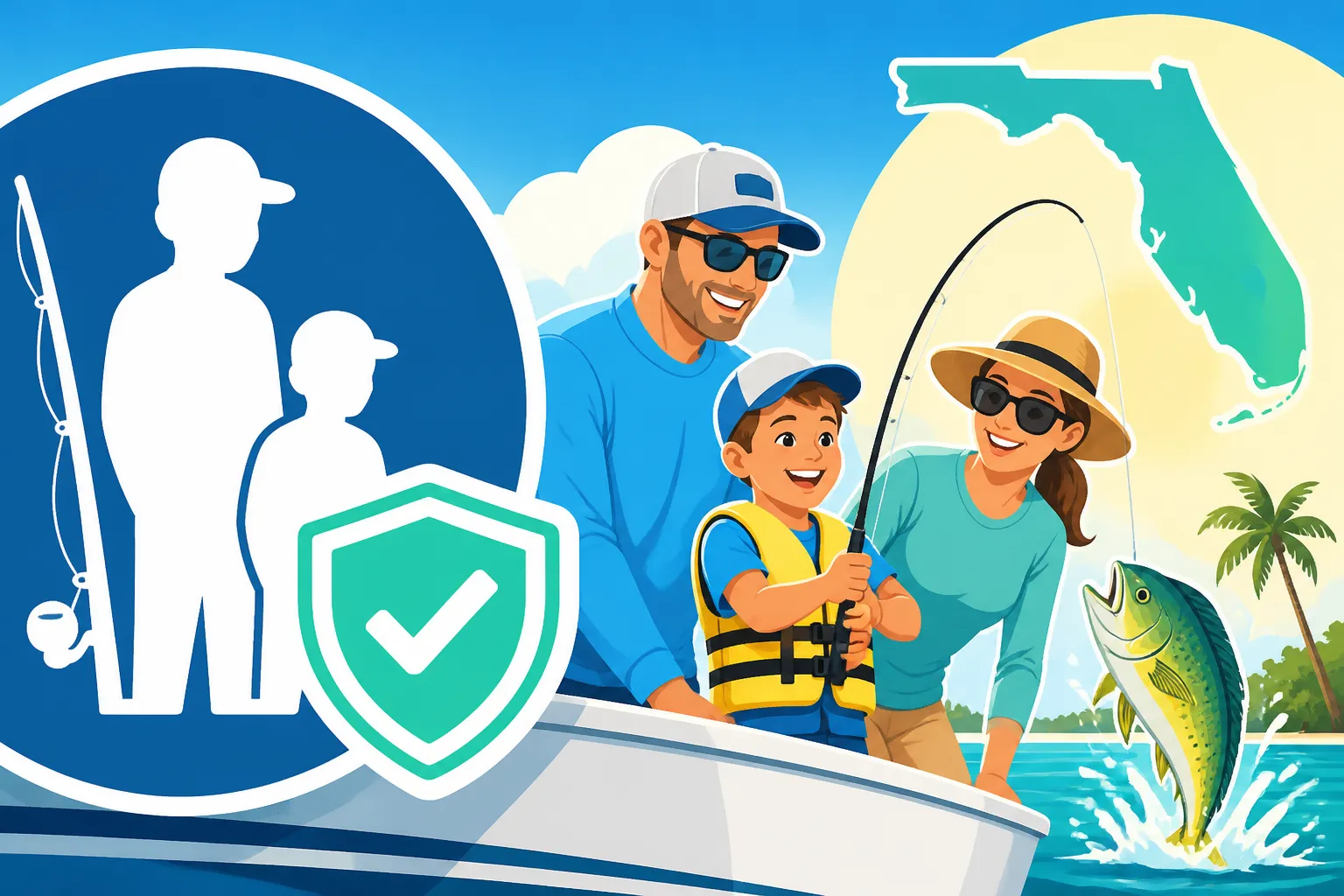
- The Law: The USCG generally requires that all children under the age of 6 (and sometimes up to 13 in certain states or vessel types) wear a USCG-approved personal flotation device (PFD), or life jacket, while on a vessel under way. In Florida, the rule is typically children under 6 years of age must wear a PFD while on a vessel under 26 feet in length, and it must be worn when the vessel is underway. On larger vessels, children under 13 must wear a PFD when on deck or in an open cockpit.
- Captain's Responsibility: Reputable charter captains are not only aware of these regulations but adhere to them strictly. They are legally obligated to have appropriately sized, USCG-approved life jackets for all children on board. They will ensure your child wears one if required by law or if they deem it necessary for safety. This isn't up for debate; it's a safety and legal mandate.
- Peace of Mind: Knowing that your child is safely equipped with a proper life jacket, provided by a professional captain who operates under regulations like those covered by a What is a USCG Captain's License? provides immense peace of mind. It’s a core component of any responsible charter.
It’s important to note that this regulation dictates wearing a life jacket, not a minimum age for being on the boat. A two-year-old might need to wear a life jacket, but if the captain is comfortable with a two-year-old on their specific type of trip, they can come along.
Fishing License for Minors
This is another area where confusion often arises, but Florida's rules are actually quite clear and angler-friendly for kids.
- Florida's Rule for Kids: In Florida, children under the age of 16 are generally not required to have a recreational saltwater or freshwater fishing license. This is a fantastic initiative to encourage youth participation in fishing.
- Charter Boat Coverage: Furthermore, if you are fishing on a licensed for-hire vessel (i.e., a fishing charter that takes out paying passengers), the vessel itself typically carries a license that covers everyone on board. This means that even adults often don't need their own individual license when fishing on a charter, though it's always good practice to confirm with your specific captain. However, the rule about kids under 16 not needing one applies universally, whether they're on a charter, fishing from shore, or from a private boat.
- No Double Dipping: So, if your child is under 16, they definitely don't need their own fishing license, even if the charter's license covers all passengers. It's a non-issue for them! This is a great perk that often surprises visitors. For comprehensive information, articles like Florida Fishing License Age Requirements and Do Kids Need a Florida Fishing License? dive into the specifics, while Do You Need Your Own License for a Florida Charter? clarifies the rules for adults.
This table provides a quick overview of how different charter types typically accommodate young children based on common practices and expectations:
| Factor | Private Inshore Charter (e.g., Flats Boat) | Private Offshore Charter (e.g., Center Console) | Party Boat (Shared Trip) |
|---|---|---|---|
| Minimum Age | Highly Flexible (often 2-3+) | Generally 6-8+ (captain's discretion) | Often 5-6+ (sometimes stricter) |
| Water Conditions | Calm, protected bays and flats | Open ocean, can be rough | Open ocean, can be rough |
| Trip Duration | Shorter (2-4 hours common) | Longer (4-8+ hours common) | Varies, often 4-6 hours |
| Action Level | Often consistent, varied species | Can have long waits, big fights | Can be busy, lots of people |
| Supervision | Easier, focused on your group | More challenging on bigger boats | Limited individual attention |
| Seasickness Risk | Lower | Higher | Higher |
| Patience Required | Less | More | Moderate |
Florida fishing is an absolutely incredible experience, and sharing it with your kids can create some of the most cherished family memories. While there's no single statewide "minimum age" for a Florida fishing charter, understanding the nuances of captain's discretion, trip types, and legal requirements makes all the difference. Do your homework, communicate openly with prospective captains (platforms like FishingBooker are fantastic for this direct line of communication!), and choose a trip that aligns with your child's age, temperament, and interest. With a little preparation, you'll be well on your way to an unforgettable adventure on the water, where the joy of a first catch might just outweigh even the biggest trophy fish!
Disclaimer
This article is for general informational purposes only and does not constitute professional advice. Laws, prices and regulations vary by location and change over time. Consult a qualified professional for guidance on your specific situation.